
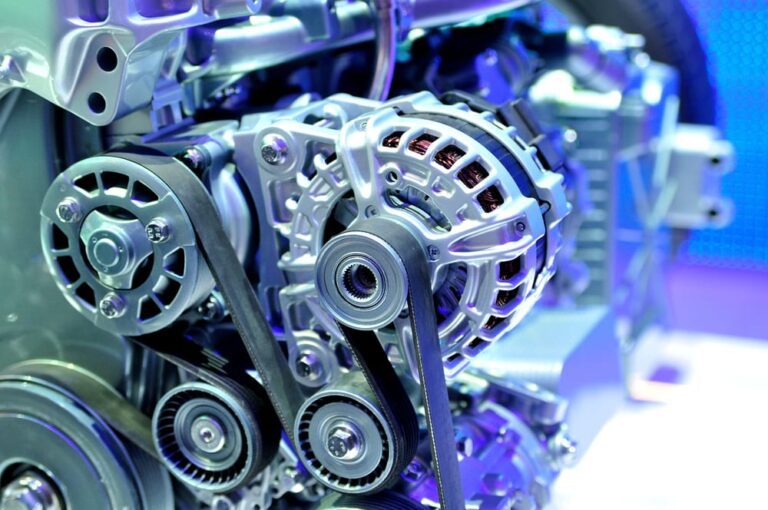
If you have ever popped the hood of your car and noticed a long, snaking rubber belt winding its way around several pulleys and components, you were looking at the serpentine belt. This single continuous belt is one of the hardest-working parts under the hood, and most drivers have no idea how much their car depends on it until the day it breaks.
The serpentine belt is responsible for powering multiple engine accessories at once. When it is working properly, you do not think about it. When it fails, your car quickly becomes difficult or impossible to operate safely. So what happens if you try to drive without one? Can you make it home, or are you stranded the moment it snaps?
Let’s go through everything you need to know about the serpentine belt, what it does, what happens when it breaks, and how far you can realistically drive without one before things go very wrong.
What the Serpentine Belt Does and Why It Matters So Much
The serpentine belt transfers rotational power from the engine’s crankshaft to several critical accessories mounted on the front of the engine. As the crankshaft spins, it turns the serpentine belt, which in turn drives pulleys attached to components like the alternator, power steering pump, air conditioning compressor, and water pump.
Without this belt, none of those accessories can function. The alternator stops charging the battery. The power steering pump stops providing hydraulic assistance. The air conditioning compressor stops circulating refrigerant. And on many vehicles, the water pump stops circulating coolant, which means the engine will overheat rapidly.
Older vehicles used multiple individual belts for each accessory. Modern cars have consolidated that into a single serpentine belt that routes around all the accessories in one continuous loop. This design is more efficient and easier to service, but it also means that when that one belt fails, everything it powers fails at the same time.
Can You Actually Drive Without a Serpentine Belt?
Technically, yes. The engine will still run without the serpentine belt because the belt does not control ignition, fuel delivery, or the timing of the engine itself. Those systems operate independently. So if the serpentine belt snaps while you are driving, the engine will keep running, at least for a little while.
But here is the reality: driving without a serpentine belt is extremely limited, risky, and should only be done in an absolute emergency to reach safety. You are not going to make it very far, and the longer you drive, the more damage you are likely to cause.
Let’s break down what actually happens to each system when the serpentine belt is gone.
What Happens to Your Car the Moment the Serpentine Belt Breaks
The instant the serpentine belt snaps or comes off, several things happen almost simultaneously. Some are immediate annoyances. Others are countdown timers to catastrophic failure.
1. Power Steering Becomes Extremely Heavy
Modern vehicles use hydraulic power steering assisted by a pump driven by the serpentine belt. When the belt breaks, that pump stops working immediately. The steering does not lock up completely, but it becomes far heavier and more difficult to turn, especially at low speeds or when the vehicle is stationary.
Turning the wheel will require significant physical effort. For someone not expecting it, this sudden loss of assistance can be alarming and even dangerous, particularly if it happens mid-turn or in heavy traffic.
2. The Battery Stops Charging
The alternator is what keeps your battery charged while the engine is running. It also powers all the electrical systems in the car once the engine is started. When the serpentine belt breaks, the alternator stops spinning, which means it stops generating electricity.
At that point, the car is running entirely off the battery. Depending on the battery’s condition and how many electrical loads you have running (lights, radio, climate control, etc.), you might have anywhere from 20 minutes to an hour before the battery is drained and the engine shuts down completely.
Once the battery dies, the fuel pump and ignition system lose power, and the engine will stall. After that, you are not going anywhere without a jump start or a tow.
3. The Engine Starts to Overheat
On most modern vehicles, the water pump is driven by the serpentine belt. The water pump circulates coolant through the engine to regulate temperature. Without it running, coolant stops flowing, and the engine begins to heat up rapidly.
How quickly the engine overheats depends on several factors, including ambient temperature, how hard you are driving, and whether you are stuck in traffic or cruising on a highway. In hot weather or under load, overheating can happen within just a few minutes. On a cool day with minimal load, you might get a bit more time.
Once the engine overheats, the damage can be severe. Warped cylinder heads, blown head gaskets, and seized pistons are all possible outcomes of running an overheated engine. At that point, what started as a broken belt has turned into a multi-thousand-dollar engine repair.
4. Air Conditioning Stops Working
The air conditioning compressor is also belt-driven. When the serpentine belt breaks, the compressor stops, and you lose air conditioning. This is the least critical consequence in terms of vehicle safety, but on a hot day, it adds to the discomfort and stress of an already bad situation.
How Far Can You Actually Drive Without a Serpentine Belt?
If the belt breaks and you absolutely must keep moving to reach safety, how far can you realistically go?
The general consensus among mechanics is that you might be able to drive 1 to 2 miles, or roughly 20 to 90 minutes depending on conditions, before one of the critical systems fails and forces you to stop. But that range is highly variable and depends on several factors:
- Ambient temperature: In hot weather, the engine will overheat much faster. In cooler weather, you might get a bit more time.
- Battery condition: A healthy, fully charged battery will last longer than an old or weak one.
- Electrical load: Turn off everything you do not absolutely need. No radio, no air conditioning, minimal use of headlights if it is daylight. Every electrical draw shortens your remaining time.
- Driving conditions: Stop-and-go traffic generates more heat and drains the battery faster. Steady highway cruising is easier on both systems.
- Vehicle design: Some cars have electric water pumps that are not driven by the serpentine belt, which buys you significantly more time before overheating becomes an issue. Check your owner’s manual or ask a mechanic if you are curious about your specific vehicle.
The safest approach is to pull over as soon as it is safe to do so and call for a tow. Continuing to drive risks turning a relatively simple belt replacement into a far more expensive engine or electrical system repair.
Signs Your Serpentine Belt Is About to Fail
Serpentine belts do not usually fail without warning. There are clear signs that the belt is nearing the end of its life, and catching them early can save you from being stranded on the side of the road.
Here are the most common warning signs to watch and listen for:
Squealing or Chirping Noise From the Engine Bay
A high-pitched squealing noise, especially when you first start the engine or when you turn the steering wheel, is often a sign that the serpentine belt is slipping. This can happen if the belt is worn, stretched, or if the tensioner is not maintaining proper tension. The noise may come and go, or it may be constant depending on how bad the problem is.
Visible Cracks, Fraying, or Glazing on the Belt
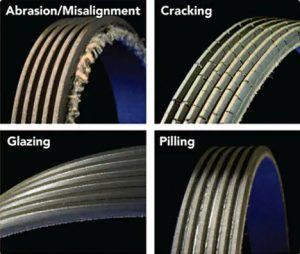
Pop the hood and take a close look at the belt itself. Healthy serpentine belts are smooth and flexible with consistent ribbing on the underside. If you see cracks running across the ribs, frayed edges, missing chunks of rubber, or a shiny, glazed appearance on the surface, the belt is worn out and needs to be replaced soon.
Heavy or Unresponsive Steering
If the steering suddenly feels heavier than usual, especially at low speeds, it could mean the serpentine belt is slipping on the power steering pump pulley and not providing consistent hydraulic pressure. This is a strong indicator that the belt is about to fail completely.
Battery Warning Light on the Dashboard
If the battery warning light comes on while driving, it means the alternator is not charging the battery properly. While this can be caused by a failing alternator, it can also be caused by a slipping or broken serpentine belt that is no longer turning the alternator pulley.
Engine Overheating
If your temperature gauge starts climbing or the engine overheating warning light comes on and you have not been driving hard or sitting in traffic for a long time, a failing serpentine belt could be the cause. If the belt is slipping on the water pump pulley, coolant flow is reduced and the engine will start to overheat.
Air Conditioning Not Blowing Cold
If the air conditioning suddenly stops working or only blows warm air, it may be because the serpentine belt is not turning the compressor properly. This is usually accompanied by one of the other symptoms listed here.
Whining or Grinding Noise From Pulleys
A worn-out pulley bearing, particularly in the idler pulley or tensioner pulley, can create a whining or grinding sound. If the pulley seizes completely, it can cause the belt to shred or come off entirely. Listen for any unusual mechanical noises coming from the front of the engine and have them checked out.
What Causes Serpentine Belts to Fail?
Understanding what causes serpentine belts to fail can help you prevent premature failure and catch problems before they leave you stranded.
Normal Wear and Tear
Serpentine belts are made from rubber reinforced with internal cords, but even the best materials degrade over time. Constant flexing over pulleys, exposure to heat, and friction all contribute to wear. Most serpentine belts are designed to last between 50,000 and 100,000 miles, but this varies by vehicle and driving conditions. Regular inspection and replacement on schedule is the best defense.
Contamination by Oil or Coolant
If oil or coolant leaks onto the serpentine belt, it weakens the rubber and causes it to slip on the pulleys. A contaminated belt may look fine visually but will fail prematurely. If you replace a serpentine belt and it fails again quickly, check for leaks from the valve cover gasket, oil pan, water pump, or any nearby hoses.
Failed Belt Tensioner
The belt tensioner is a spring-loaded or hydraulic component that keeps consistent pressure on the serpentine belt. If the tensioner fails, the belt becomes too loose and starts slipping, or too tight and wears out quickly. A failing tensioner will often show visible wobble or the arm will sit at an unusual angle compared to normal.
Worn or Seized Idler Pulley
Idler pulleys guide the serpentine belt around its path and keep it properly aligned. Over time, the bearings inside these pulleys can wear out. When a pulley bearing fails, the pulley can seize, wobble, or fall off completely, which immediately shreds the belt. Any grinding or squealing noise from the pulley area should be inspected right away.
Misalignment of Pulleys
If one or more pulleys are not aligned correctly, the belt will run at an angle and wear unevenly on one edge. This is often caused by a bent pulley, incorrect installation during a previous repair, or a damaged accessory bracket. Misalignment accelerates belt wear and can cause premature failure.
Overloading the Accessories
If an accessory driven by the serpentine belt seizes or becomes difficult to turn, it places excessive load on the belt. For example, a failing air conditioning compressor or a seized alternator can cause the belt to slip, overheat, and eventually snap. If you notice the belt is wearing out faster than expected, have the accessories checked for resistance or binding.
How to Inspect Your Serpentine Belt at Home
You do not need to be a mechanic to perform a basic serpentine belt inspection. Doing this every few months or before a long road trip can help you catch problems early.
- Make sure the engine is off and cool. Never inspect the belt while the engine is running.
- Locate the serpentine belt. Open the hood and find the belt running across the front of the engine. It will loop around several pulleys.
- Look for visible damage. Check for cracks, fraying, missing pieces, or a shiny, glazed surface. Pay special attention to the ribbed underside of the belt.
- Check the tension. Press down on the longest straight section of the belt with moderate pressure. It should deflect only about half an inch. If it feels too loose or too tight, the tensioner may need adjustment or replacement.
- Spin the pulleys by hand (engine off). Each pulley should spin smoothly without grinding, wobbling, or resistance. If any pulley feels rough or makes noise, it needs to be replaced.
- Look for signs of contamination. Check for oil or coolant on or around the belt. If present, find and fix the source of the leak before replacing the belt.
If you find anything concerning during your inspection, have the belt and related components checked by a mechanic. Replacing a serpentine belt is far cheaper than dealing with the consequences of a sudden failure while driving.
How Much Does It Cost to Replace a Serpentine Belt?
Serpentine belt replacement is one of the more affordable maintenance jobs, especially compared to the potential damage caused by driving without one.
| Service Type | Estimated Cost Range |
|---|---|
| Serpentine belt (part only) | $15 to $50 |
| Professional installation (labor) | $50 to $150 |
| Belt plus tensioner replacement | $100 to $250 |
| Belt, tensioner, and idler pulley replacement | $200 to $400 |
The job usually takes less than an hour at a shop. Some vehicles have more accessible belt routing and can be done in under 30 minutes. Others require removal of additional components to access the belt, which adds time and cost.
If the tensioner or pulleys are also worn, replacing them at the same time as the belt is a smart move. You are already paying for the labor to access the area, and replacing everything together ensures you are not back at the shop a few months later for a related failure.
What to Do If Your Serpentine Belt Breaks While Driving
If the serpentine belt snaps while you are on the road, here is exactly what you should do:
- Stay calm. The engine will still run, at least temporarily, so you have time to react safely.
- Turn off all non-essential electrical systems. Shut off the radio, air conditioning, heated seats, and anything else drawing power to conserve battery life.
- Find a safe place to pull over as soon as possible. Do not try to drive home or to a repair shop. You have very limited time before the battery dies or the engine overheats.
- Be prepared for heavy steering. Without power steering, turning the wheel will require much more effort. Plan your lane changes and turns accordingly.
- Watch the temperature gauge. If it starts climbing rapidly, pull over immediately and shut off the engine to prevent overheating damage.
- Call for a tow. Trying to limp the car any significant distance without the serpentine belt is not worth the risk of engine damage.
If you are mechanically inclined and happen to have a replacement belt with you, some vehicles allow for roadside belt replacement with basic tools. But for most drivers, calling for roadside assistance or a tow is the safest and smartest option.
Your Serpentine Belt Deserves More Attention Than It Gets
The serpentine belt is not glamorous. It does not have a dashboard warning light in most cars. It does not make headlines in car reviews. But it is absolutely essential to the reliable operation of nearly every modern vehicle on the road.
Ignoring it until it breaks is a gamble that rarely pays off. The good news is that serpentine belts give plenty of warning before they fail, and inspecting them takes just a couple of minutes. Make it part of your regular under-the-hood checks, and replace the belt on schedule or at the first sign of wear.
Can you drive without a serpentine belt? Technically, for a very short distance under the right conditions. Should you? Absolutely not unless you have no other choice and understand the risks involved. The smarter move is to catch the problem before the belt breaks and handle it on your terms rather than on the side of a busy road with a dead battery and an overheating engine.