
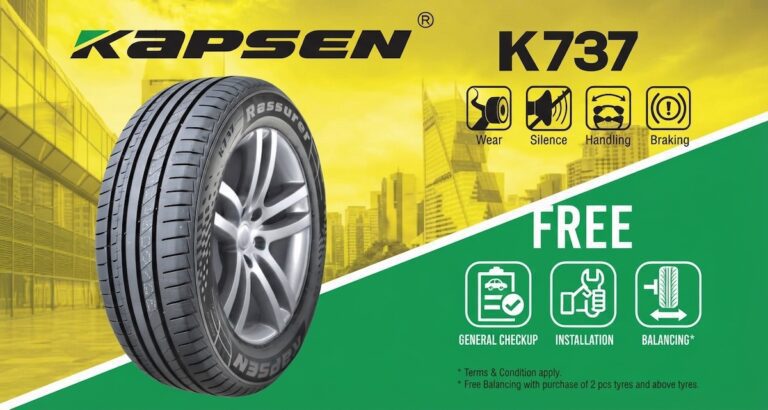
Scrolling through tire listings online, you have probably run into the name Kapsen more than once, especially if you are trying to keep your tire budget reasonable without settling for something flimsy. It is a name that keeps popping up, and it is earning a bit of a reputation among drivers looking for solid performance without the premium price tag.
But before you commit your hard earned money to a set, it makes sense to ask the obvious question. Who actually makes Kapsen tires, and are they worth trusting on your daily commute, your road trip, or your work truck? Let us break it all down properly, from the manufacturer itself to quality testing, sustainability claims, and what real customers are actually saying once these tires hit the pavement.
What Makes Kapsen Tires Worth a Second Look
Kapsen has built its name around one simple idea, giving drivers a genuinely reliable tire without charging premium brand prices. That combination of affordability and dependable performance is exactly why the brand keeps coming up in conversations among budget conscious drivers.
The company puts real effort into tread design and material selection, aiming for tires that hold up over time rather than wearing out after a single season. That focus on durability has helped Kapsen build a reputation for resilience, even in a market segment where corners often get cut to keep prices low.
Kapsen also offers a fairly broad lineup covering different driving conditions, whether you are dealing with wet roads during a rainy season or cruising around on dry pavement most of the year. Their ongoing investment in research and development has pushed forward improvements in grip and reduced road noise, two things that genuinely affect how comfortable your daily drive actually feels.
Answering the Questions Most Drivers Actually Ask
Before diving deeper, let us knock out the most common questions people have about this brand right up front.
Who Actually Manufactures Kapsen Tires?
Kapsen tires come from a manufacturer that might not be a household name, but the company brings real, substantial experience in tire production. The brand has managed to build a presence across several international markets, largely thanks to a combination of decent quality and genuinely competitive pricing.
Which Vehicles Are Kapsen Tires Actually Built For?
Kapsen covers a fairly wide range of vehicle types, including standard passenger cars, SUVs, and light trucks. Their product lineup spans multiple seasons and driving conditions, which means there is a reasonable chance you will find something in their catalog that matches your specific vehicle and climate.
How Do These Tires Handle Different Weather?
Kapsen has put real investment into tread pattern design and rubber compound formulation aimed at handling a variety of weather conditions, from hot, dry summers to cold, wet winters. That said, as with any brand, performance will vary a bit depending on the specific model you choose, so it is worth checking which line within their catalog is actually designed for your climate.
If you want a broader view of how Kapsen stacks up against other similar brands, it is worth looking into companies like Zestino, Gladiator, Geodrive, and RoadX as well, since they occupy a similar space in the market and give you useful comparison points.
The Company Behind the Kapsen Name
How the Brand Got Its Start
Kapsen has carved out its spot in the tire industry by focusing on one core value: affordable quality. The brand’s beginnings were rooted in a commitment to producing tires that strike a real balance between decent performance and a price point that will not wreck your budget.
Over the years, the company has poured resources into research and development, working to make sure their tires actually meet the needs of drivers across different countries and climates. This is not just a story about manufacturing rubber. It is about building a name that drivers can genuinely trust when they are shopping on a budget but still want something dependable underneath their vehicle.
Kapsen’s mission has centered around producing a range of tires suited to different driving conditions and vehicle types, all while keeping safety and durability as top priorities. The company has continued adapting to new technologies and shifting market demands, which has helped it maintain a competitive position in a crowded tire market.
Where Are Kapsen Tires Actually Built?
Kapsen tires come out of manufacturing facilities located in China, equipped with modern machinery and operating under strict quality control protocols aimed at meeting global standards. This manufacturing location allows the company to keep production costs reasonable while still maintaining a consistent level of quality across their product line.
| Manufacturing Location | Production Capacity | Product Range |
|---|---|---|
| China | High volume | Diverse range of tire types and models |
Worth noting here, Kapsen’s production processes are designed with efficiency and environmental responsibility in mind. The company has publicly emphasized sustainability as part of its manufacturing philosophy, aiming to reduce the environmental footprint tied to tire production, something we will get into in more detail shortly.
If you are curious how this compares to other manufacturers in the same general market segment, it is worth reading up on Zestino, Gladiator, Geodrive, and RoadX as well, since each of these brands takes a slightly different approach to manufacturing and sourcing.
How Kapsen Approaches Quality and Performance
What Quality Standards Actually Apply Here
Kapsen tires are designed around a genuine commitment to safety and reliability, and the manufacturer follows recognized international standards, including certification requirements set by the United States Department of Transportation and the European Union’s ECE regulations. These certifications matter because they require tires to pass a defined set of safety and performance benchmarks before they are ever allowed to reach consumers.
Beyond meeting these external regulatory requirements, Kapsen also runs its own internal quality assurance checks, which typically cover:
- Tread wear and overall durability, making sure the tire holds up reasonably well over its expected lifespan.
- Resistance to high temperatures, an important factor for anyone doing regular highway driving or living somewhere with hot summers.
- Air pressure retention, since a tire that loses pressure too quickly creates both a safety issue and a maintenance headache.
These internal checks give a reasonable level of confidence that each tire leaving the factory has actually been inspected against a real standard, rather than simply being mass produced without oversight.
How Do Kapsen Tires Actually Perform?
Performance testing is where theory meets the real world, since it is designed to simulate how a tire will actually behave once it is mounted on a vehicle and driven through everyday conditions. Kapsen puts its tires through a series of tests measuring:
- Traction on both wet and dry surfaces
- Overall handling capability
- Braking efficiency
- Resistance to hydroplaning during heavy rain
- Ride comfort and noise levels
Here is a general summary of how Kapsen tires have performed in these categories, based on testing benchmarks compared against typical industry standards.
| Test Category | Result | Compared Against |
|---|---|---|
| Wet Traction | Excellent | Industry standard |
| Dry Traction | Good | Industry standard |
| Handling | Very good | Industry standard |
| Braking | Good | Industry standard |
| Comfort | Excellent | Industry standard |
| Noise Level | Low | Industry standard |
Looking at these numbers, wet traction and comfort stand out as particular strengths, which is genuinely good news if you live somewhere that sees a fair amount of rain or if ride comfort is high on your priority list. Dry traction and braking land in the solid but not exceptional range, which is fairly typical for a budget to mid-tier tire competing against premium brands that charge significantly more.
For more comparison points across similar brands, checking into Zestino, Gladiator, Geodrive, and RoadX can help you see how these performance numbers stack up against other options in the same price bracket.
What About Sustainability and Ethics?
Sustainability has become a genuine talking point in nearly every manufacturing sector, and tires are no exception. Kapsen’s manufacturer has rolled out several initiatives aimed at reducing their environmental impact and operating more responsibly overall.
Environmental Efforts Worth Knowing About
- Use of eco-friendly materials. Kapsen’s production process incorporates materials with a reduced environmental footprint, including recycled rubber and non-toxic fillers where possible.
- Energy conservation initiatives. The company has invested in energy-efficient machinery and renewable energy sources to help power their manufacturing facilities, cutting down reliance on fossil fuels in the process.
- Waste management programs. Advanced recycling systems are in place to ensure scrap materials generated during production get reused or disposed of responsibly rather than simply discarded.
| Initiative | What It Covers |
|---|---|
| Eco-Friendly Materials | Recycled rubber and sustainably sourced resources |
| Energy Conservation | Energy-efficient technology adoption across facilities |
| Waste Management | Comprehensive recycling and waste reduction strategy |
These efforts reflect a genuine attempt at reducing environmental impact, though as with any manufacturer’s public sustainability claims, it is reasonable to view them with a healthy amount of skepticism until independently verified. That said, the direction is a positive one, and it aligns with broader shifts happening across the tire manufacturing industry as a whole.
Ethical Manufacturing Practices
Beyond environmental concerns, Kapsen’s manufacturer also emphasizes several ethical commitments tied to how their facilities and supply chains operate.
- Fair labor standards. Ensuring employees across manufacturing facilities receive fair wages and work in genuinely safe conditions.
- Community engagement. Participating in local development programs, including contributions toward education and health initiatives in communities near their facilities.
- Supply chain transparency. Maintaining clear relationships with suppliers to help ensure materials are sourced in ways that meet both ethical and environmental expectations.
These commitments matter to a growing number of consumers who want their purchases to reflect their personal values, not just their budget. As you weigh your tire options, understanding who actually makes Kapsen tires and how they operate can help you make a purchase that lines up with what matters to you personally.
If you want to compare these practices against other brands in the same market segment, Zestino, Gladiator, Geodrive, and RoadX each bring their own approach to sustainability and ethics worth reading into.
What Real Customers Are Saying About Kapsen Tires
Marketing claims and quality testing only tell part of the story. What genuinely matters is how these tires hold up once they are mounted on real vehicles and driven through everyday conditions by regular drivers, not just in a controlled lab setting.
Customer Feedback Breakdown
Reviews of Kapsen tires tend to focus on a handful of consistent themes worth paying attention to:
- Tread life. How long the tires actually hold up under normal, everyday driving conditions.
- Performance. How well the tires grip and handle across different weather conditions.
- Comfort. The noise level and overall ride quality experienced by drivers.
- Value. Whether the price paid genuinely matches up with the performance and durability received.
| Aspect | Average Customer Rating |
|---|---|
| Tread Life | 4.0 out of 5 |
| Performance | 3.8 out of 5 |
| Comfort | 3.5 out of 5 |
| Value | 4.2 out of 5 |
These numbers paint a fairly consistent picture. Value stands out as the strongest category, which makes sense given the brand’s whole positioning around affordability. Tread life also scores reasonably well, suggesting these tires generally hold up over time rather than wearing down prematurely. Comfort sits a bit lower, which is worth keeping in mind if a smooth, quiet ride is high on your list of priorities.
Keep in mind that individual experiences can vary quite a bit depending on your specific vehicle, driving habits, and local road conditions. It is always worth reading through a range of reviews rather than relying on a single source before making your final decision. For additional comparison, looking into feedback on Zestino, Gladiator, Geodrive, and RoadX can help round out your research.
What Happens If You Need Support After the Sale
Post-purchase support matters just as much as the tire itself, especially if something goes wrong down the line. Customers generally highlight a few specific points when discussing Kapsen’s customer service experience:
- Responsiveness. How quickly the customer service team addresses inquiries and concerns when they come up.
- Warranty claims handling. Whether the process for filing and resolving warranty claims feels fair and efficient rather than drawn out and frustrating.
- Quality of assistance. How knowledgeable and genuinely helpful support representatives are when customers reach out with questions or issues.
Good customer service can genuinely make or break your overall satisfaction with a tire purchase, particularly if you ever need to file a warranty claim. It is worth factoring this into your decision alongside the actual tire performance numbers.
How to Actually Choose the Right Tires for Your Vehicle
Picking tires involves a lot more than just picking a brand name you recognize or trust. Here are the key factors genuinely worth considering before you make a final decision, regardless of which brand you end up choosing.
- Confirm the correct tire size. This information is usually printed right on the sidewall of your current tires, or listed in your owner’s manual. Getting this wrong can cause fitment issues and even affect your vehicle’s handling and safety.
- Think honestly about your typical driving conditions. Are you regularly dealing with wet roads, snow, extreme heat, or rough terrain? Different tire lines are engineered for different conditions, and picking the wrong one for your climate can genuinely hurt performance and safety.
- Check the expected tread life. This gives you a realistic idea of how long the tires should last under normal driving conditions before needing replacement.
- Look closely at the warranty terms. A solid warranty offers real peace of mind and protects you against manufacturing defects that might show up down the line.
- Balance price against actual quality. Setting a budget is smart, but remember that the cheapest option is not always the best value once you factor in tread life, performance, and safety.
- Consider fuel efficiency. Certain tire designs reduce rolling resistance, which can genuinely improve your vehicle’s fuel economy over time.
- Check the load index and speed rating. Make sure whatever tires you choose can properly handle your vehicle’s weight and the speeds you typically drive at.
How Kapsen Stacks Up Against Other Budget-Friendly Brands
Kapsen has built its reputation around delivering decent quality at a genuinely affordable price, offering a range of models designed to cover different driving needs and conditions. Here is a general comparison of how the brand stacks up against other options in a similar market segment.
| Factor | Kapsen Tires | Other Comparable Brands |
|---|---|---|
| Price | Affordable | Varies by brand |
| Quality | Meets international safety standards | Varies by brand |
| Model Variety | Wide range of options | Varies by brand |
| Availability | Accessible across many markets | Varies by brand |
| Warranty | Competitive coverage terms | Varies by brand |
Compared against similar brands like Zestino, Gladiator, Geodrive, and RoadX, Kapsen genuinely strives to maintain a solid balance between cost and performance rather than leaning too heavily into either direction. When someone asks who makes Kapsen tires, the honest answer reflects a manufacturer committed to giving budget-conscious drivers a genuinely dependable option, without pretending to compete directly with premium tier brands charging significantly more.
As always, it pays to evaluate individual tire models against your specific vehicle and driving habits rather than assuming every tire within a brand’s lineup will perform identically. Comparing multiple brands side by side, using the factors we covered earlier, gives you the best shot at landing on a tire that genuinely fits your needs.
A Closer Look at Kapsen’s Product Lineup
Since Kapsen covers such a wide range of vehicle types and driving conditions, it helps to understand roughly how their lineup breaks down, even if specific model names shift over time as the company updates its offerings.
| Category | Typical Vehicle Fit | Best Suited For |
|---|---|---|
| All-Season Passenger Tires | Sedans, compact cars | General daily driving in moderate climates |
| SUV and Crossover Tires | SUVs, crossovers | Family vehicles handling mixed road conditions |
| Light Truck Tires | Pickup trucks, work vehicles | Heavier loads and light off-road use |
| Winter-Specific Options | Various passenger vehicles | Cold climates with regular snow and ice |
If you drive a work truck that regularly hauls heavier loads, or a family SUV that sees a mix of highway and rougher backroad driving, checking specifically which Kapsen line matches your vehicle type is worth the extra few minutes of research before buying.
Real World Scenario: Choosing Between Budget and Premium Tires
Picture a driver with a mid-size sedan used mainly for commuting, roughly twelve thousand miles a year on a mix of highway and city streets, living in a region with moderate weather and occasional rain. This driver is weighing a set of Kapsen all-season tires against a well-known premium brand that costs nearly double the price.
Given the customer ratings we covered earlier, particularly the strong value and tread life scores, Kapsen represents a genuinely reasonable choice for this scenario. The driving conditions are not extreme, the annual mileage is moderate, and the priority here is clearly getting solid, dependable performance without overspending.
Now picture a different driver, someone doing regular high-speed highway driving in a performance-oriented vehicle, prioritizing precise handling and minimal road noise above all else. In that case, a premium brand with a stronger dry traction and comfort rating might genuinely justify the higher price tag, since the specific priorities in that scenario lean more heavily toward performance characteristics where budget tires generally show their limitations.
This comparison illustrates an important point. There is no single universally correct answer here. The right tire depends entirely on matching your specific driving conditions, priorities, and budget against what a given brand and model actually delivers.
Where to Buy Kapsen Tires
Kapsen tires are distributed across a mix of physical retail locations and online platforms, giving you some flexibility in how you shop. Local tire shops and independent retailers are often a good starting point, since staff there tend to have hands-on experience with a wider variety of budget and mid-tier brands compared to larger chain stores that may push a narrower selection.
Online retailers specializing in automotive parts also frequently carry Kapsen’s lineup, letting you compare prices, read reviews, and have the tires shipped either directly to your home or to a local installer. As with any online tire purchase, double check your exact tire size and specifications against your vehicle’s requirements before finalizing an order, and take a look at the seller’s return policy in case something does not fit correctly upon arrival.
A Quick Checklist Before You Buy
- Confirm your correct tire size using your owner’s manual or the sidewall of your current tires.
- Identify which Kapsen line best matches your specific vehicle type and typical driving conditions.
- Compare pricing across a few different retailers before committing to a purchase.
- Read recent reviews specific to the exact model you are considering.
- Check the warranty terms, particularly tread wear coverage, before finalizing your decision.
- Locate a nearby dealer or installer in case you need support or service down the line.
Frequently Asked Questions About Kapsen Tires
Are Kapsen tires a safe choice for daily driving?
Yes, based on their compliance with international safety standards and generally positive customer feedback, Kapsen tires are considered a reasonably safe and dependable option for everyday driving needs.
How do Kapsen tires compare to premium tire brands?
Kapsen sits in the budget to mid-tier segment of the market. While they may not match the absolute top performance levels of premium brands, particularly around dry traction and comfort, they offer solid value and dependable tread life at a significantly lower price point.
Do Kapsen tires come with a warranty?
Yes, Kapsen offers competitive warranty coverage, though specific terms can vary depending on the exact tire model. Always review the specific warranty details for the model you are considering before purchasing.
Where are Kapsen tires manufactured?
Kapsen tires are produced in manufacturing facilities located in China, using modern equipment and quality control processes designed to meet international safety and performance standards.
Are Kapsen tires suitable for SUVs and trucks?
Yes, Kapsen’s product lineup includes options specifically designed for SUVs and light trucks, in addition to their standard passenger vehicle offerings.
Figuring out who makes your tires is only the first step. What actually matters is whether those tires hold up to your specific driving conditions, mileage, and budget over the long haul. Kapsen has carved out a genuine niche in the affordable tire market, backed by decent customer feedback and a manufacturer that appears to be taking quality control and sustainability seriously. Match the right model to your vehicle, check the warranty, and talk to your mechanic if you are still unsure. Your tires carry the full weight of your vehicle and your safety on every single drive, so a little extra research now goes a long way later.