
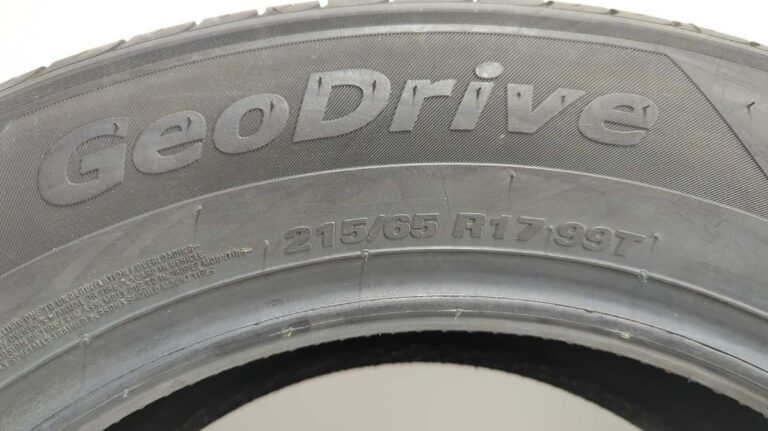
Chances are you stumbled across Geodrive tires while shopping around for a fresh set, or maybe a buddy at the shop recommended them after you mentioned you needed new rubber on a budget. Either way, you are probably wondering the same thing most drivers wonder before handing over their credit card: who actually makes these things, and can I trust them?
Geodrive has carved out a decent spot in the budget and mid-range tire market, offering options built for everything from daily city commuting to rougher terrain. But here is the thing about a lot of these newer, value-focused tire brands. The company selling you the tire is not always the same company physically building it, and figuring out that connection takes a bit of digging.
In this guide, we are going to walk through everything worth knowing about Geodrive tires, from the manufacturing side of things to quality standards, sustainability claims, customer feedback, and where you can actually go to buy a set. Grab a coffee. We are covering a lot of ground here.
Why Bothering to Learn About the Manufacturer Actually Matters
Some drivers do not care who makes their tires as long as the price is right and the rubber gets them from point A to point B. Fair enough. But if you are the type who likes to know what you are actually putting money into, understanding the manufacturer behind a brand tells you a lot more than the name printed on the sidewall ever will.
Knowing the company behind the badge gives you a window into their quality control standards, the technology they invest in, and how seriously they take customer support when something goes wrong. A tire is not just a rubber donut, it is a genuinely complex piece of engineering that has to handle heat, weight, road debris, and weather extremes all at once. The company standing behind that engineering matters.
Being informed here also puts you in a better position to compare Geodrive against other similar brands you might be cross-shopping, whether that is Kapsen, Zestino, Gladiator, or RoadX. A lot of these newer tire names on the market share manufacturing relationships or production facilities behind the scenes, and knowing that background helps you make a smarter, less emotional buying decision.
The Company Behind the Geodrive Name
A Quick Look at the Brand’s Background
When you start digging into who actually makes Geodrive tires, you find a company that has been operating in the tire manufacturing space for several decades now, with roots tracing back to the later part of the twentieth century. Like a lot of tire manufacturers that started small, this company began with a modest production line and a heavy focus on refining their process before scaling up.
Over time, that focus paid off. The manufacturer has grown its operations well beyond its original home market, now shipping tires to customers across numerous countries. That kind of expansion does not happen by accident. It usually reflects a track record of producing tires that hold up reasonably well for the price point they are aimed at, along with a business model built around keeping costs manageable for everyday drivers.
Budget and mid-tier tire brands like Geodrive have become increasingly common over the last decade or so, largely because manufacturing capacity in parts of Asia has expanded dramatically, allowing companies to produce solid, functional tires at a price point well below the premium brands most drivers grew up hearing about, names like Michelin, Bridgestone, or Goodyear.
What the Company Says It Stands For
Every tire manufacturer likes to talk about its mission and vision, and Geodrive’s parent company is no different. According to their own messaging, the goal is to become a recognized name in the tire industry by focusing on products that genuinely improve the driving experience rather than just filling a price gap on store shelves.
Their stated priorities generally break down into a few core areas:
- Consistent performance and safety. Delivering tires that hold their own in terms of grip, handling, and overall safety features, not just on paper but in real world driving conditions.
- Ongoing investment in tire technology. Putting resources into research and development so that tread designs, rubber compounds, and construction methods keep improving over time rather than staying stagnant.
- Strict quality control before tires reach the consumer. Making sure every tire that leaves the factory actually meets the specifications it was designed around, rather than cutting corners to save on production costs.
Of course, every manufacturer says something along these lines in their marketing materials. What actually matters is whether that messaging holds up once the tires are on the road, which is exactly what we will get into as we look at quality testing and real customer feedback further down.
If you want to widen your research a bit further and compare how other budget-friendly manufacturers describe their own missions, it is worth looking into brands like Kapsen, Zestino, Gladiator, and RoadX as well. You will notice a lot of similar language across the industry, which makes it even more important to look past the marketing copy and focus on actual testing data and owner feedback.
How Geodrive Approaches Quality Control
Marketing language aside, the real question that matters to your wallet and your safety is whether these tires actually hold up under real driving conditions. Manufacturers typically run a series of standardized tests before a tire design ever reaches production, and Geodrive’s manufacturer follows a similar process.
| Test Type | What It Actually Measures |
|---|---|
| Tread Wear Testing | How long the tread is expected to last under controlled, repeatable driving conditions. |
| Wet Traction Testing | How well the tire grips the road surface when it is raining, which directly affects braking distance and control. |
| Heat Resistance Testing | Whether the tire maintains its structural integrity when running hot, particularly important on highway trips during summer months. |
These three tests represent just a slice of the overall quality assurance process most manufacturers run through, but they cover the categories that matter most to everyday drivers. Tread wear affects how often you have to replace your tires and, in turn, how much you spend over the life of your vehicle. Wet traction is a genuine safety issue, especially if you live somewhere that sees a lot of rain. Heat resistance matters a lot for anyone doing regular highway driving or living in a hot climate where road surface temperatures can climb well above what the air temperature suggests.
If a manufacturer is running these tests consistently and holding their production to the standards those tests establish, that is a genuinely good sign, regardless of whether the brand name is one you already recognize.
What Kind of Technology Goes Into These Tires?
Tire manufacturing has come a long way from simple rubber and steel construction. Modern tire design involves a genuine mix of materials science, computer modeling, and years of accumulated engineering knowledge, and the company behind Geodrive tires appears to be leaning into that trend rather than ignoring it.
A few specific areas worth highlighting include:
- Advanced tread pattern design. Modern tread patterns are not just about looking aggressive. Specific groove patterns and siping techniques are engineered to channel water away from the contact patch, improve grip in various conditions, and reduce road noise.
- Updated rubber compounds. The actual chemical makeup of the rubber affects everything from rolling resistance, which influences fuel economy, to how the tire performs in cold versus hot weather.
- Reinforced sidewall construction. Stronger sidewalls help resist punctures and impact damage from potholes or curbs, which matters a lot for drivers dealing with rough city streets or poorly maintained rural roads.
There is also a growing emphasis across the tire industry on environmental impact, and manufacturers producing brands like Geodrive have been investing in lower rolling resistance designs that help improve fuel efficiency, which in turn reduces the overall emissions tied to daily driving. This is not unique to Geodrive by any means, but it reflects a broader shift happening across budget and mid-tier tire manufacturers as environmental regulations tighten in various markets.
Sustainability Claims Worth Knowing About
Sustainability has become a genuine talking point across nearly every manufacturing industry, and tires are no exception. The manufacturer behind Geodrive has publicized several initiatives aimed at reducing their environmental footprint, and it is worth breaking these down honestly.
Environmental Initiatives
- Renewable energy use in production facilities. Shifting factory power sources toward renewable energy helps cut down on the carbon emissions tied to the manufacturing process itself.
- Recycling programs for used tires. Since old tires are notoriously difficult to dispose of responsibly, recycling initiatives help reduce the amount of rubber waste heading to landfills.
- Low rolling resistance tire designs. As mentioned earlier, tires engineered to reduce rolling resistance help improve a vehicle’s fuel economy, which translates into fewer overall emissions over the life of the tire.
These initiatives are genuinely worth applauding when they are followed through on consistently. That said, it is worth approaching sustainability claims from any manufacturer, budget or premium, with a healthy dose of skepticism until independent verification backs them up. A lot of companies across many industries lean on sustainability language in their marketing without always following through at the same scale their messaging suggests.
Ethical Manufacturing Standards
Beyond environmental concerns, ethical labor practices have become a genuine point of interest for consumers who want their purchases to reflect their values. Geodrive’s manufacturer publicly emphasizes a few specific areas here.
| Ethical Focus Area | What It Involves |
|---|---|
| Labor Conditions | Maintaining safe working environments and fair treatment for factory employees. |
| Material Sourcing | Avoiding raw materials sourced from conflict zones or ethically questionable supply chains. |
| Community Engagement | Investing back into local communities surrounding manufacturing facilities. |
Again, this is standard language you will find across most manufacturers today, whether they are producing tires, electronics, or clothing. The genuine value of these commitments really depends on independent verification and transparency over time, something worth keeping in mind as you weigh how much these claims should factor into your buying decision.
What Are Actual Customers Saying About Geodrive Tires?
Marketing copy and mission statements only tell part of the story. What really matters is how these tires perform once they are actually mounted on real vehicles, driven by real people, through real weather and road conditions. Customer feedback tends to be a more honest reflection of a tire’s actual quality than anything printed on the packaging.
| Performance Category | Average Customer Rating (out of 5) |
|---|---|
| Durability | 4.5 |
| Wet Weather Performance | 4.3 |
| Dry Weather Performance | 4.6 |
| Ride Comfort | 4.4 |
| Overall Satisfaction | 4.5 |
These numbers reflect a generally positive picture across the board, which is a solid sign for a brand operating in the budget to mid-range segment of the market. Dry weather performance scores particularly well, and durability holds up respectably too. Wet traction sits just slightly lower, which is worth noting if you live somewhere with heavy rainfall or drive frequently in wet conditions during certain seasons.
Keep in mind that customer ratings like these are aggregated across a wide range of vehicles, driving styles, and climates, so your personal experience could vary depending on your specific situation. A tire that performs beautifully for a driver in a dry, warm climate might feel a bit different to someone dealing with regular winter driving conditions.
What This Means in Practical Terms
If you are mostly doing city driving, highway commuting, and occasional road trips in a moderate climate, these ratings suggest Geodrive tires are a reasonable option worth considering, particularly if budget is a priority. If you live somewhere with harsh winters or frequent heavy rainstorms, it might be worth looking specifically at Geodrive’s winter or all-weather tire lineup, if they offer one, rather than assuming their general all-season lineup will handle those extremes as well as a specialized winter tire would.
What Happens If Something Goes Wrong: Customer Support and Warranty
A good tire purchase is not just about the rubber itself. It is also about what happens if you run into a problem, whether that is a manufacturing defect, premature wear, or a warranty claim you need help sorting out. Here is what the manufacturer behind Geodrive offers on the support side.
- Warranty claims process. The company provides a structured process for handling warranty claims, aimed at making sure covered issues get resolved without excessive back and forth.
- Technical support access. Customers can reach out through phone or email for questions related to tire selection, maintenance, or troubleshooting specific issues.
- Dealer network support. A network of authorized dealers helps ensure customers have somewhere local to go for fitting, alignment, and any warranty related service needs.
Having a genuine dealer network matters more than people realize until they actually need it. If something goes wrong with a tire six months after purchase, you want somewhere convenient to bring the vehicle rather than having to ship a defective tire back to a warehouse and wait weeks for a resolution. Before buying a set of Geodrive tires, it is worth checking whether there is an authorized dealer or service center reasonably close to where you live, just in case you ever need to use that support down the line.
Where Can You Actually Buy Geodrive Tires?
Once you have decided these tires might be worth trying, the next logical question is where to actually find them. Geodrive tires are distributed through a mix of physical retail locations and online platforms, giving you some flexibility depending on how you prefer to shop.
Shopping in Person
Buying tires in person still has real advantages, particularly if you want to see the tread pattern up close, ask a technician direct questions, or get a professional opinion on which specific model suits your vehicle and driving habits best.
When looking for a physical retailer carrying Geodrive tires, keep these factors in mind:
- How close the store is to your home or workplace, since you will likely need to return for installation and possibly future rotations or alignments.
- Which specific Geodrive models they actually stock, since not every retailer carries the full lineup.
- What additional services are offered, such as mounting, balancing, and wheel alignment, which can add real value beyond just the tire purchase itself.
| Retailer Type | Typical Services Available |
|---|---|
| National Automotive Chains | Sales, mounting, balancing, alignment services |
| Independent Local Tire Shops | Personalized service, mounting, often more flexible pricing |
| Wholesale Tire Distributors | Bulk purchasing options, potential discounts for multiple tires or fleet purchases |
Local independent tire shops are often worth checking out specifically because the staff there tend to have hands-on experience with a wider variety of budget brands, including newer names like Geodrive, since they are not locked into pushing one specific manufacturer the way some chain stores can be.
Shopping Online
Buying tires online has become a genuinely convenient option over the last several years, and Geodrive tires show up across a number of e-commerce platforms dedicated to automotive parts and accessories. Shopping this way lets you compare prices across sellers, read through customer reviews before committing, and often have the tires shipped directly to your home or to a local installer of your choice.
Before buying tires online, keep these points in mind to avoid a frustrating experience:
- Check the seller’s reputation. Look for established sellers with a solid track record rather than unknown third party listings with little to no review history.
- Read through actual customer reviews and ratings specific to the tire model you are considering, not just the seller’s overall store rating.
- Understand the shipping options and associated costs, since tires are bulky and shipping fees can sometimes eat into the savings you thought you were getting.
- Review the return policy and warranty terms before finalizing your purchase, in case the tires do not fit correctly or arrive damaged.
One mistake that trips up a surprising number of online shoppers is ordering the wrong tire size or load rating for their specific vehicle. Always double check your vehicle’s tire specifications, usually found on a sticker inside the driver’s door frame or in your owner’s manual, before finalizing any online order.
How Geodrive Stacks Up Against Similar Budget Tire Brands
Since Geodrive is not exactly a household name the way Michelin or Bridgestone might be, it helps to see how it compares against a few other brands occupying similar territory in the market. Names like Kapsen, Zestino, Gladiator, and RoadX all compete in roughly the same budget to mid-tier space, and a lot of shoppers cross-reference these brands before making a final decision.
| Brand | Market Position | Common Use Case |
|---|---|---|
| Geodrive | Budget to mid-range | Daily driving, city commuting, general passenger vehicles |
| Kapsen | Budget to mid-range | Passenger vehicles, light trucks |
| Zestino | Performance and track focused | Track days, spirited street driving |
| Gladiator | Budget to mid-range | SUVs, light trucks, some off-road applications |
| RoadX | Budget to mid-range | Passenger vehicles, all-season use |
Notice that Zestino stands apart a bit here, since it leans more toward performance and track applications rather than the general daily driving focus shared by the other brands listed. If your main priority is simply finding a reliable, affordable tire for everyday commuting, Geodrive, Kapsen, Gladiator, and RoadX are all worth comparing directly against each other based on price, warranty terms, and available models for your specific vehicle.
Things Worth Considering Before You Commit to a Set
Buying tires, even budget friendly ones, is not a decision to rush through purely based on price. Here are a few practical points worth thinking through before you make your final call.
Match the Tire to Your Actual Driving Conditions
A tire that scores well overall might still be the wrong choice if it does not match how and where you actually drive. If you live somewhere with real winters, an all-season tire, regardless of the brand, is not going to perform the same way a dedicated winter tire would once temperatures drop consistently below freezing.
Similarly, if you regularly drive on gravel roads or unpaved terrain, a tire designed primarily for smooth city streets is going to wear unevenly and may not hold up well against punctures and impact damage.
Check the Warranty Terms Carefully
Budget tires sometimes come with shorter warranty periods compared to premium brands, and it is worth reading the fine print before assuming your purchase is covered the same way a more expensive tire might be. Pay attention specifically to tread wear warranties, since this is usually the most relevant coverage for everyday drivers.
Get a Second Opinion From Your Mechanic
If you already have a mechanic you trust, it never hurts to ask their opinion on a specific tire brand before committing to a full set. Mechanics see a wide variety of tires come through their shop and often develop a genuine sense of which budget brands hold up well and which ones tend to cause problems down the road, information that is not always reflected accurately in online reviews.
A Quick Buyer’s Checklist for Geodrive Tires
Before heading to the store or placing an online order, run through this quick checklist to make sure you are making a solid, informed decision.
- Confirm your correct tire size using your owner’s manual or the sticker inside your driver’s door frame.
- Decide which specific Geodrive model best matches your typical driving conditions, whether that is city commuting, highway driving, or something more rugged.
- Compare pricing across a few different retailers, both physical and online, before settling on a seller.
- Read recent customer reviews specific to the exact tire model you are considering, since performance can vary between different lines within the same brand.
- Check warranty coverage, particularly the tread wear warranty length, before finalizing your purchase.
- Locate a nearby authorized dealer or installer in case you need service or warranty support down the line.
Frequently Asked Questions About Geodrive Tires
Are Geodrive tires a good option for everyday driving?
Based on available customer feedback, Geodrive tires generally perform well for standard daily driving, city commuting, and highway use, with solid ratings across durability, dry weather performance, and overall satisfaction.
How do Geodrive tires compare to premium brands like Michelin or Bridgestone?
Geodrive occupies a more budget friendly position in the market, and while it may not match the absolute performance ceiling of premium brands, it offers a reasonable balance of price and quality for drivers who do not need top tier performance specs.
Do Geodrive tires come with a warranty?
Yes, the manufacturer offers a structured warranty claims process, though specific coverage terms can vary by tire model. Always check the specific warranty details for the exact tire you are considering before purchase.
Where is the best place to buy Geodrive tires?
You can find Geodrive tires through national automotive chains, independent local tire shops, wholesale distributors, and various online retailers specializing in automotive parts. Comparing a few options before buying generally gets you the best combination of price and service.
Are Geodrive tires suitable for winter driving?
This depends on the specific model. If Geodrive offers a dedicated winter or all-weather line, that option would be better suited to harsh winter conditions than their standard all-season lineup, which is generally better matched to moderate climates.
At the end of the day, figuring out who makes your tires is really just step one. What matters most is whether those tires actually perform the way you need them to once they are mounted on your car and facing real roads, real weather, and real miles. Geodrive has built a reasonably solid reputation in the budget to mid-tier space, backed by decent customer ratings and a manufacturer that at least talks a good game on quality testing and sustainability. Do your homework, match the tire to your actual driving needs, and check in with your mechanic before making the final call. Your tires are the only part of your car actually touching the road, so it pays to choose them with a little care.