
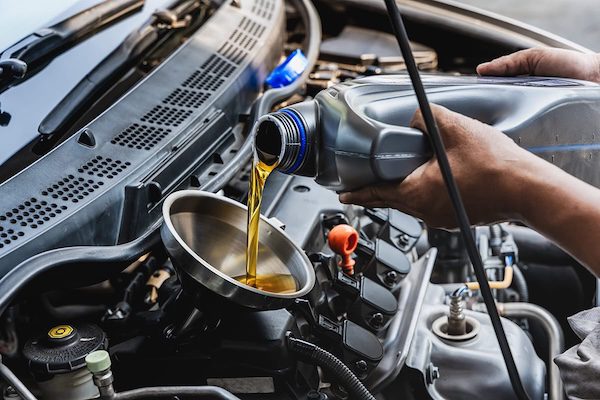
You pull into the driveway, grab your keys, and climb back in after an oil change. Then it happens. The engine sounds a little smoother. The idle feels calmer. The car seems to take off without that lazy hesitation you were dealing with before.
Sometimes the difference is obvious right away. Other times it is subtle, but you still notice it every time you press the gas or come to a stop. It can feel like you suddenly got your vehicle back. Then you start wondering if the oil change really made that much difference, or if you simply got used to how it was running.
The honest answer is that oil changes often do improve how a car feels. Not magic. Not hype. Just basic lubrication and engine protection doing exactly what they are supposed to do. And when the old oil had miles on it, it was no longer doing the job well.
This guide explains why your car can feel different after an oil change, how often you should change oil, what oil does inside your engine, and how to choose the right oil so the improvement lasts.
You will also learn what isn not normal, because not every change in how a car feels is a good thing. If you recognize the difference, you save time, money, and frustration.
What Changes Right After an Oil Change
If you have not replaced your engine oil in a while, it is common to feel a boost in performance once the new oil is in. Your engine can run more smoothly, with fewer vibrations and fewer odd clanking or humming sounds. Acceleration and deceleration can feel more controlled, almost like the car remembers how it is supposed to respond.
That improvement tends to come from two main things. First, the new oil has the correct lubrication properties for your engine. Second, the old oil is no longer carrying contaminants the way it should, and a fresh oil change restores the engine to cleaner internal conditions.
It is not just “oil smells different” or “the dipstick looks full.” The real change is inside the engine where moving parts need a stable oil film to prevent metal-on-metal contact.
Why Did My Car Improve After an Oil Change?
After swapping out your engine oil, it is common to notice that the engine feels quieter and runs more efficiently. You may also notice smoother idle behavior and easier acceleration. Even if nothing else changes mechanically, fresh oil can make the engine feel more “awake.”
Here is what is going on underneath the hood.
1. Your engine gets better lubrication again
Engine oil is responsible for lubricating the internal parts of your motor. Its job is to reduce friction and wear and tear between moving components. That thin oil layer helps keep metal surfaces separated while they move at extreme speed.
When oil quality drops, that protective layer can become thinner or less stable. The result is more friction, more heat, and more stress on components. You may hear this as clanking, tapping, or a rougher sound at idle.
In practical terms, fresh oil helps the engine run the way it was designed to run.
2. The old oil was holding contaminants
Engines create debris every time they run. Combustion byproducts and microscopic wear particles mix into the oil. Over time, oil becomes saturated with contaminants. That is one reason regular oil changes matter. The new oil starts clean and fresh, and it better supports proper engine health.
As oil circulates, it carries away some of those contaminants. After the engine stops, many of them settle into the oil pan. The next oil change removes a lot of that buildup instead of letting it keep accumulating.
That is why oil changes are not just about “keeping oil levels up.” It is also about removing the harmful results of engine operation.
3. Fresh oil helps manage heat and protects parts
Oil does not only lubricate. It also helps manage heat. Friction creates heat, and better lubrication reduces the friction that generates that heat. The engine can run within a safer operating range with less stress on internal components.
Think of it like sliding a heavy box across a rough floor versus across a smooth surface. When the surface is smooth, less effort is needed and less damage happens. Oil is the smooth “surface” inside the engine.
4. If you were low on oil, a change can feel dramatic
When oil levels are low, your engine will show clear trouble. Unusual engine noises, rough operation, and even smells related to oil leaks can show up. If an oil leak has been slowly dropping levels, restoring the correct level can improve how smoothly the engine runs immediately.
A leaking oil situation matters because oil can drip onto hot engine parts. It can burn off and produce a distinct smell. If the leak is severe, overheating and eventual engine failure become possible. That is why oil changes can help, but an oil leak still needs attention.
5. Why you might hear different sounds after the change
New oil can reduce friction noise. It can also quiet down lifters and valvetrain components that rely on oil pressure to work smoothly. If your previous oil was old, thin, or contaminated, it can struggle to keep those components properly lubricated.
That is why you might notice fewer vibrations and less of those odd clanking or humming sounds. You are hearing the engine return to a normal lubrication environment.
How Often Should I Replace My Engine Oil?
There was a time when people treated oil changes like a strict calendar rule: change the oil every 3,000 miles. Many drivers still remember that “3K rule” because it was easy to follow and it helped prevent severe engine wear.
Even so, engine technology and oil technology have improved a lot. Modern engines are designed differently. Many use better oil formulations, and they run cleaner and more efficiently. That means the old 3,000-mile rule does not always apply.
Some newer vehicles and some modern oil formulations can go much longer, sometimes in the range of 10,000 to 20,000 miles depending on the car and oil type. Still, you must not assume the same interval applies to your vehicle.
Vehicle manufacturers set specific intervals based on engine design, driving conditions, and emissions requirements. That interval is what you should follow.
If you are wondering what interval your vehicle uses, check the owner manual. If you do not have it, you can find reliable schedules online by searching your make, model, and year, along with “oil change interval” or “maintenance schedule.”
You can also use the manufacturer information by contacting the automaker directly. Provide the make, model, year, and other vehicle details so you get the correct guidance.
How Motor Oil Impacts Your Vehicle
Motor oil is one of the simplest parts in your car, and also one of the most important. With proper oil level and the correct oil type, moving parts stay lubricated, so friction and wear and tear drop noticeably.
When parts have a reliable oil film, they are less likely to scrape, stick, or wear prematurely. That protects the engine from internal damage during operation.
Oil also helps with something that is not as visible: it manages contaminants and debris. As the engine runs, tiny particles build up. Without oil, those particles would accumulate quickly in places where they should not sit.
That is why regular oil changes are essential for long-term engine health. Oil carries contaminants through the engine while it is running. When the engine is off, many of those contaminants settle in the oil pan. The next oil change removes them.
Which Motor Oil Is Right for My Car?
Choosing the correct motor oil is just as important as the interval. The frequency helps, but the wrong oil can create its own set of problems.
Not every oil is suitable for every engine. Engines have specific requirements related to viscosity and performance additives. If the oil is too thick or too thin for your engine, lubrication can suffer. In some cases, poor oil choice can contribute to sludge or clogging issues.
The safest place to start is the owner’s manual. It lists the manufacturer-recommended oil types and specifications. If you bought a used car and the manual is missing, you still have options.
You can find the correct oil type by searching for your vehicle’s make, model, and year with “motor oil” and the right specification terms. If you want the highest level of certainty, you can contact the manufacturer and provide the details of your vehicle.
Something to check: the oil change itself matters
Sometimes the car feels different after an oil change for good reasons. Other times, the difference comes from a mistake during the service. The improvement might be real, but it can also hide a problem that needs correcting.
Here are a few practical checks you can do without being a mechanic.
What to verify after your oil change
- Oil level on the dipstick: It should be in the proper range when the engine is off and the car is on level ground.
- Correct oil type and viscosity: Make sure it matches what the manual calls for, including the required specification.
- Oil filter replacement: A proper oil change includes a new filter, not just new oil.
- No new leaks: Look under the vehicle and check around the oil pan area and filter area.
- Normal engine sound: A brief quiet period can be normal. Loud tapping or grinding after an oil change is not.
If any of these checks raise a red flag, address it quickly. It is easier to fix a service issue immediately than after your engine has already run with the wrong setup.
When “different” is not a good sign
Most drivers feel better after a fresh oil change. Still, it helps to know the difference between “smoother” and “not right.” If the car starts making louder noises than before, or if the oil warning light comes on, you need to stop and investigate.
Here are examples of what is not normal:
- Oil pressure warning light: Do not drive if you see this. Low oil pressure can cause serious engine damage.
- Persistent loud knocking or grinding: That can indicate serious internal wear or an oil delivery problem.
- Strong burning smell: This can indicate an oil leak onto hot engine parts.
- Repeated smoke: Smoke that continues can indicate overheating or oil burning.
- Erratic running immediately after the service: This can happen if the throttle body is dirty or if a sensor issue exists, but it still deserves a check.
Sometimes the engine feels better right away, but a separate issue remains. A good oil change can make symptoms less noticeable. That does not remove the need to address the actual root cause.
Why Regular Oil Changes Still Beat Guessing
Regular oil changes lead to a quieter, smoother engine with better overall performance. The reason is simple: your engine needs consistent lubrication to protect moving parts and prevent friction and wear.
The old standard of changing oil every 3,000 miles was a helpful rule of thumb for older engines and less advanced oils. Modern vehicles and oils can often go longer, sometimes into the 10,000 to 20,000 mile range, based on the manufacturer and oil type.
The safest approach is also the easiest: follow the manufacturer’s oil change interval and use the recommended oil type. That combination reduces the risk of engine clogs, inadequate lubrication, and premature wear.
If you want the “feels like new” experience to last, the next action is not complicated. Check your maintenance schedule, confirm your oil specification, and do the next change at the correct interval instead of waiting until the car starts complaining.
When was your last oil change, and have you noticed any unusual sounds since the service?