
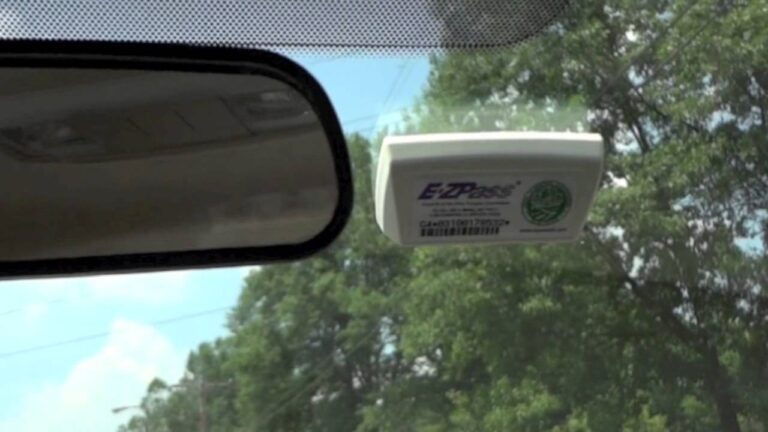
You just got your E-ZPass transponder in the mail. You tear open the package, and there it is. But wait, where are the mounting strips? Or maybe you have had your E-ZPass for years, and the adhesive finally gave up after a scorching summer on the dashboard. Now that little plastic box is sliding around your glove compartment, and you know you will get a toll violation the second you hit the highway without it properly mounted.
Do not panic. You do not need to spend a single dollar at an auto parts store to fix this. There are legitimate, official ways to get replacement Velcro strips for free. In this guide, we will break down exactly where to find them, how to install them so they actually stick, and what to do when your state agency seems to make it difficult. Let us get that transponder back on the glass where it belongs.
Why You Need the Right Velcro (and Why the Wrong Stuff Fails)
Here is the thing about E-ZPass transponders. They are not just decorative boxes. They contain antennas and circuitry that need a clear line of sight to the toll booth readers. If you use heavy-duty industrial Velcro from a hardware store, you might block the signal or mount the device in a spot that causes it to malfunction. The official strips are thin, they are designed to let the radio frequencies pass through, and they hold the device snugly against the glass.
If you try to use double-sided tape or cheap craft Velcro, you are asking for trouble. The heat inside a car during summer can melt cheap adhesive, sending your transponder sliding down the dashboard just as you approach the toll plaza. That is a recipe for a missed reading, a gate that does not open, and a lot of honking from the driver behind you.
So, the goal is to get the official stuff. And the best part? It is free if you know who to ask.
Where to Get Free E-ZPass Velcro Strips
There are three primary ways to get these strips without opening your wallet. Each method has its pros and cons, but all of them are legitimate and used by thousands of drivers every year.
1. The Official E-ZPass Website (The Most Reliable Route)
This is the first place you should look. Almost every state agency that issues E-ZPass has a portal for requesting replacement supplies. You do not need to call anyone. You do not need to send an email. You just log in and click a few buttons.
Here is how the process generally works:
- Log into your account: Go to the official E-ZPass website for your state. If you live in New York, that is the E-ZPass NY site. For Virginia, it is the Virginia DOT site. You get the picture.
- Find the Vehicle & Tags section: This is usually in your account dashboard. It might be labeled Manage Transponders or Tag Services.
- Look for Request Supplies: This is the magic button. Click it, and you will see a list of items you can order. Usually, this includes mounting strips, batteries (for the battery-powered tags), and sometimes even a new carrying case.
- Confirm your address: Make sure your mailing address on file is correct. If you recently moved, update it first. Otherwise, your free strips might end up at your old house.
Once you submit the request, you can expect a plain envelope in the mail within 5 to 10 business days. Inside, you will usually find two white adhesive strips. These are the exact same strips that came with your original transponder. They are designed to securely attach the device to your windshield, and they are engineered to work with the toll readers.
One thing to keep in mind: the state-specific websites can look a little clunky. They are government portals, so they do not have the sleekest user interface. But the Request Supplies feature is there. You just have to dig around in the menu for a minute.
2. Walk Into a Customer Service Center
If you do not want to wait for the mail, or if the website is being difficult, you can walk into a physical customer service center. These are usually located near major highways or in state government buildings. If you live in a city like New York, Philadelphia, or Baltimore, there is likely a walk-in center within a reasonable drive.
Here is the deal: not every single center hands out free Velcro. Some of them are strictly for account management and billing questions. But many of them have a drawer full of mounting supplies behind the counter. It costs them pennies to give you a strip, and it saves them the hassle of dealing with a customer who has a malfunctioning transponder because it is bouncing around the car.
My advice? Call ahead. Spend two minutes on the phone asking, Do you have free mounting strips available at your walk-in center? If they say yes, drive over. If they say no, fall back on the website request. It is a small step, but it saves you from wasting a trip.
When you go in, bring your transponder and your ID. They might want to verify that you have an active account before they hand over the goods. That is standard procedure, so do not take it personally.
3. Ask Your Employer or a Commercial Fleet Office
This is a trick that not many people know about. If you drive a company vehicle, or if your employer has a fleet account with a toll agency, the fleet administrator can request supplies in bulk. These accounts often have access to a dedicated support line, and they can get boxes of mounting strips shipped directly to their office.
If you are a regular employee, just ask the person in charge of the vehicle. Say, Hey, the Velcro on the transponder is peeling off. Can you order a new strip? More often than not, they will have a box of them in a drawer. Fleet managers know these strips wear out, so they stock up.
Even if you do not drive a fleet vehicle, if you know someone who works at a company with a large vehicle fleet, it might be worth a friendly ask. It is a tiny piece of plastic and adhesive, and they are not going to miss it.
What to Do When the Website Does Not Have a Request Supplies Button
Here is a reality check. Some state agencies have streamlined this process. Others have made it surprisingly difficult. If you log in and cannot find the supply request option, do not assume you are out of luck. You just have to get a little more creative.
First, look for a Contact Us form. Send a message that is polite and direct. Say something like: I need replacement mounting strips for my transponder. I see the device is still active on my account, but the adhesive has failed. Please send two new strips to the address on file. Keep it short. Bureaucrats love short, clear requests.
Second, use the live chat feature if it is available. Many state DOTs have implemented live chat to reduce phone call volume. You can hop on, verify your account, and ask for the strips. The agent will usually put the request in right then and there.
Third, if you are in a real bind and you need the strip tomorrow, go to a local E-ZPass retailer. Some gas stations and convenience stores near toll plazas sell transponders. They also stock mounting strips. Now, this is where you might have to spend a couple of bucks. But do not buy a whole new transponder. Just ask if they sell the strips separately. Some do, some do not. If they do, it will cost you maybe two or three dollars. That is a fine emergency fallback, but try the free routes first.
How to Install the New Strips Like a Pro
Okay, you have the strips. Now you have to put them on. This sounds simple, but I have seen people ruin their windshield and their transponder by rushing this step. Let us walk through it properly so you only have to do this once.
Choosing the Right Spot on the Windshield
Location is everything. The toll readers are mounted on the gantry above the road. They project a beam downward and outward toward the driver side of the windshield. So, you want the transponder mounted high enough to catch that beam.
The absolute best spot is behind the rearview mirror on the driver side. Why? Because it is out of your line of sight. You will not even know it is there. But there is a catch. Some newer cars have a sun strip or a dotted area near the top of the windshield. That dotted area can interfere with the signal. If your car has that, mount the transponder just below the dots.
Do not mount it on the dashboard. I know it seems easier to just toss it on the dash and let it sit there. But the signal is weaker, and the device can slide around. Plus, the heat on a dashboard is extreme. That heat will kill the battery in the transponder over time.
Cleaning the Glass (The Step Everyone Skips)
Here is the truth: the adhesive will not stick to dirty glass. It will stick for a day, and then it will peel off when the temperature changes. You need a clean, dry, oil-free surface.
Do not just wipe it with a dry rag. That pushes the dirt around. Use a glass cleaner that does not leave a residue, or use rubbing alcohol. Spray it on a microfiber cloth, not directly on the glass. Then, wipe the area in a circular motion. Wait, there is one more thing. You need to remove any old adhesive residue from the previous strips. That old glue is the enemy. If you put new Velcro on top of old glue, it will fail.
Here is how to remove the old residue without scratching the glass:
- Soften it with heat: Use a hairdryer on medium heat. Hold it about six inches away and wave it back and forth over the area for about 30 seconds. This warms the adhesive and makes it pliable.
- Scrape it gently: Use a plastic razor blade or an old credit card. Do not use a metal scraper. Metal will scratch the glass. Slide the plastic edge under the old adhesive and lift it off.
- Clean the spot: Once the big chunks are gone, use rubbing alcohol on a cloth to wipe away the sticky residue that is left behind.
- Let it dry: This is crucial. If there is even a trace of moisture on the glass, the new strip will not bond. Wait five minutes. Touch the glass with your fingertip. If it feels bone dry, you are ready.
Attaching the Strips and the Transponder
Now, the easy part. Peel the backing off the Velcro strip. Stick it to the windshield. Press firmly for 30 seconds. Now, here is the tricky part that people mess up. You have to attach the transponder to the strip. But you need to make sure the transponder is oriented correctly. Most transponders have a this side up arrow or a label. If you mount it upside down, the reader might not pick it up.
Once the transponder is on the glass, give it a tug. If it does not move, you are good. If it wiggles, you did not press hard enough, or the glass was dirty. Take it off, clean again, and redo it. It is better to fix it now than to lose it on the highway.
The E-ZPass Network: Why This Little Box Matters So Much
You might be wondering why we are making such a big deal about a piece of Velcro. But think about the network this device connects to. E-ZPass is not a single state program. It is a massive interoperable network that spans 17 states, from Maine down to Florida and out to Illinois. That network covers over 49 million devices. That is a lot of cars.
If you drive through Virginia, you can use your E-ZPass on most toll roads, bridges, and tunnels. If you drive up to New York, the same device works there. You do not need to stop, fumble for cash, or worry about having exact change. The system reads your tag, deducts the toll, and you keep moving. It is a beautiful system when it works.
But it only works if the transponder is mounted correctly. The readers on the gantries are powerful, but they are not magic. They need a clear path to the tag. If your transponder is sliding around on the dashboard, the signal can bounce around, and the reader might miss it. Then you get a violation notice in the mail, and you have to spend time disputing it. That is a hassle nobody wants.
So, taking five minutes to get the right Velcro and install it properly is not just about convenience. It is about avoiding fines and keeping your driving record clean. It is about making sure that when you breeze through the toll plaza at 60 miles per hour, you do not hear that dreaded beep beep beep indicating a failed read.
Common Mistakes That Ruin Your Mounting Strips
Let us talk about the things that kill these strips before their time. If you know what to avoid, you will not have to request new strips every six months.
Mistake #1: Using glass cleaners with ammonia. Ammonia leaves a film. That film prevents the adhesive from bonding to the glass. Stick to isopropyl alcohol or a cleaner specifically designed for automotive glass.
Mistake #2: Mounting in direct sunlight. If you park your car facing the sun all day, the UV rays will bake the adhesive. Over time, the glue becomes brittle and loses its grip. If you can, mount the transponder in a spot that is shaded by the rearview mirror or the tint strip.
Mistake #3: Reusing the old Velcro. Once you peel a strip off the glass, it is done. The adhesive is compromised. Do not try to stick it back on. Just order new ones. They are free, so there is no excuse to reuse old, weak material.
Mistake #4: Ignoring the click. Some transponders have a locking mechanism that clicks onto the mounting bracket. If you just stick the transponder directly to the Velcro and skip the bracket, it might rattle loose over time. Check your transponder. If it has a plastic bracket, mount the bracket to the glass first, then click the transponder into the bracket.
What About the Battery?
While you are in the request supplies section of the website, it is worth checking if your transponder uses a replaceable battery. Some states use battery-powered tags that you can open and swap out. Others use hardwired tags that are sealed and have to be replaced entirely when they die.
If your transponder has a battery door, get a spare battery while you are at it. They are also usually free to request. A dead battery is the number one cause of tag not read violations. If you have been driving with the same transponder for five years, the battery might be on its last legs. Replacing it proactively is much cheaper than fighting a toll violation.
Check the indicator light on your transponder. When you go through a toll lane, does it beep or flash? If it does not, the battery might be dead. Some newer transponders have a small LED that blinks when the battery is low. If you see that, do not wait. Request a new battery or a new transponder immediately.
State-by-State Quirks You Should Know About
Not all E-ZPass agencies are created equal. Here is a quick look at how a few major states handle supply requests.
| State | How to Request Supplies | Typical Wait Time |
|---|---|---|
| New York | Log in to account, click Vehicle & Tags, then Request Supplies. Very straightforward. | 7-10 business days |
| Virginia | Log in to account, use the Manage Transponders menu. You may need to contact customer service via chat to request strips. | 5-7 business days |
| New Jersey | Log in to account and look for the Order Tags and Supplies link in the sidebar. | Up to 2 weeks |
| Pennsylvania | Uses E-ZPass PA Turnpike system. Supplies are available through the My Account portal. | 7-10 business days |
Keep in mind that these processes change. If you log in and the menu looks different from what I described, do not panic. The option is there. You just might have to click around a bit. If you get truly stuck, the customer service chat function is your best friend. Those agents can process the supply request on their end while you wait.
The Just Buy It Emergency Option
Let us be realistic. Sometimes you need the strip today. You are driving out of town tomorrow morning, and you do not have time to wait for the mail. In that case, you have a few options.
First, check a local auto parts store. They often have a toll transponder mounting kit in the accessories aisle. This kit usually includes a few strips of high-strength Velcro and a mounting bracket. It is not the official E-ZPass brand, but it works. The key is to make sure the Velcro is automotive grade. That means it is designed to withstand extreme temperatures.
Second, check a truck stop. Truck stops near major highways cater to professional drivers who use transponders all the time. They almost always have mounting supplies in stock. It might cost you five bucks, but that is a small price to pay for peace of mind.
Third, look for a toll road visitor center. Some toll plazas have a small office where you can buy a transponder. They might sell you just the strips if you ask nicely. It is hit or miss, but worth a try if you are already at the plaza.
Why You Should Never Ignore a Loose Transponder
I have seen drivers ignore a loose transponder for months. They just toss it in the center console and think, I will fix it later. Then, one day, they hit a toll road, and the barrier does not open. They are stuck. They have to reverse, which is dangerous, or they have to get out of the car and wave at the camera, hoping the system logs their license plate.
Do not be that driver. A loose transponder is a ticking time bomb. It is a violation waiting to happen. The toll agencies have cameras that read your license plate, and if the transponder does not register, they will bill you the highest possible toll rate, plus an administrative fee. That fee can be anywhere from $5 to $25, depending on the state. Over a year, that adds up to a lot of wasted money.
So, take the ten minutes to fix it. Order the free strips. Clean the glass. Mount it properly. It is one of those small maintenance tasks that saves you a ton of headaches down the road.
Can You Get Strips for Other Transponder Brands?
This is a question I get a lot. People think that because they have a SunPass in Florida or a Fastrak in California, the E-ZPass Velcro will not work. Here is the good news: the Velcro itself is universal. The adhesive strips are just pieces of hook-and-loop fastener with a strong backing. If you have a SunPass, you can absolutely use an E-ZPass mounting strip. The dimensions are similar, and the adhesive works the same way.
However, you should check the mounting bracket. Some transponders, like the newer SunPass Pro, have a specific bracket that clips into the device. You need to use that bracket. The Velcro attaches to the bracket, and the bracket attaches to the transponder. If you try to stick the Velcro directly to the back of the transponder, it might cover the battery door or a vent.
If you are unsure, look at the back of your transponder. If it has a smooth surface with no clips, you can use any Velcro. If it has a groove or a slot, you need the specific bracket. You can usually request a new bracket for free from your state agency as well. Do not pay for one at a store unless you are in a rush.
The Bottom Line on Free Velcro
There is absolutely no reason to pay for E-ZPass Velcro strips. The state agencies that run these toll systems know that the strips wear out. They are designed to be replaceable, and they are cheap to produce. That is why they give them away. It is in their best interest to keep your transponder mounted correctly. A properly mounted transponder means fewer missed tolls, fewer customer service calls, and fewer violations to process.
So, the next time you notice your transponder dangling by a thread, do not reach for your wallet. Reach for your phone. Log into your account, click Request Supplies, and have the strips sent to your house for free. If you are in a hurry, call the customer service center and ask if they have walk-in availability. It is a simple fix for a problem that can cost you real money if you ignore it.
And when you install the new strips, take your time. Clean the glass like you mean it. Press the transponder on firmly. Give it a good tug to test it. Then, hit the road with confidence, knowing that your little plastic box is right where it needs to be, ready to get you through the toll plaza without a second thought.
Now, here is a question for you: when was the last time you actually checked the battery or the mounting on your transponder? If you cannot remember, maybe it is time to give it a quick look before your next road trip.