
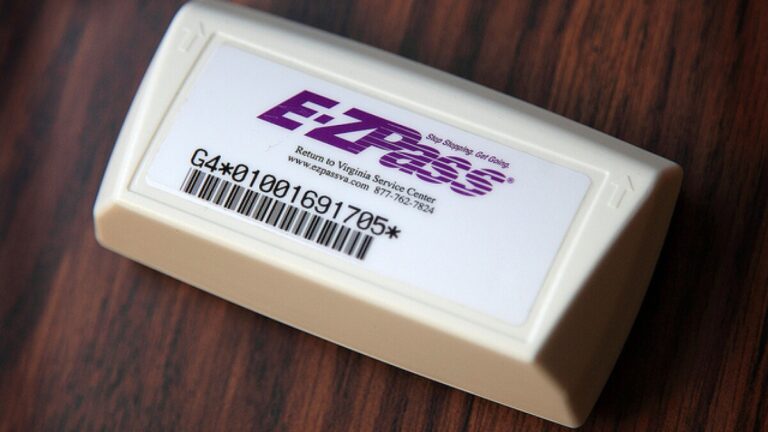
Let’s face it, E-ZPass is a lifesaver when you are running late and do not want to fumble for cash at a toll booth. You just glide through the lane, hear that reassuring beep, and keep moving. But there are plenty of situations where you might want that little plastic box to stay completely silent.
Maybe you are driving a rental car that already has a toll program running, and you do not want to double-pay. Perhaps you are crossing into a state where your specific transponder is not recognized, and the system snaps a photo of your license plate instead, sending the bill to the wrong person. Or, you might just be a bit uneasy about the idea of a government agency or private company tracking your every move on the highway.
The good news is that you do not need to be a tech wizard or an electrical engineer to keep your transponder from being scanned. The technology behind E-ZPass is actually pretty simple, and so are the ways to defeat it. Once you understand the core principle, you will be able to block that signal with items you probably already have in your kitchen drawer.
In this guide, we are going to break down exactly how this RFID magic works, why you might want to stop it, and seven effortless ways to get the job done. We will also cover some common mistakes people make and answer a few burning questions about legality and functionality. By the time you finish reading, you will be able to control exactly when your E-ZPass is seen and when it stays invisible.
Understanding the RFID Tech Behind the Beep
Before you start wrapping things in foil, it helps to know what you are actually dealing with. E-ZPass uses Radio Frequency Identification, or RFID for short. This is not some new-age wizardry; it is the same basic technology used in key fobs for office buildings, library books, and even your contactless credit card.
Here is the simple version of how it works. Your transponder contains a tiny computer chip and an antenna. When you drive through a toll lane, the overhead reader emits a specific radio frequency. That frequency energizes the chip inside your transponder, which then wakes up and transmits your unique account number back to the reader. This all happens in a fraction of a second, which is why you can blast through the lane at highway speed.
The catch is that these radio waves are not magic. They can be interrupted. They can be absorbed. They can be reflected. If you put a barrier between the transponder and the reader that is conductive enough, the signal simply cannot get through. It is like trying to have a conversation with someone through a thick concrete wall. You can shout all you want, but the other person is not going to hear you.
This is where the concept of a Faraday cage comes into play. Named after the scientist Michael Faraday, this is essentially an enclosure made of conductive material that blocks external static and non-static electric fields. When a radio wave hits the outside of this enclosure, the electrons in the conductive material move to cancel out the field on the inside. Result? Your transponder is in a dead zone. It cannot hear the reader, and the reader cannot hear it.
7 Effortless Ways to Block Your E-ZPass Signal
Now that we have the science down, let’s get to the good stuff. Here are seven methods to block E-ZPass signal, ranging from the I need to do this right now emergency fix to the set it and forget it permanent solution. Each one has its pros and cons, so pick the one that fits your lifestyle.
1. The Classic Aluminum Foil Wrap
This is the go-to method for a reason. It works, and everyone has aluminum foil in their pantry.
The trick is to wrap the transponder completely. You cannot just put a strip over the front and call it a day. Radio waves are sneaky, and they can bounce off surfaces and enter from the sides. To create a truly effective shield, you need to wrap the entire unit in multiple layers, ensuring there are no gaps or tears in the foil.
How to do it:
- Tear off a piece of foil about three times the size of your transponder.
- Place the E-ZPass face down in the center.
- Fold the foil over the top and sides, pressing it firmly around the edges.
- Fold the ends over like you are wrapping a present, creating a tight seal.
- Give it one final wrap with a second sheet of foil for double protection.
This method is perfect for a one-off trip. You can unwrap it in seconds when you need to use it again. Just remember that the foil can tear easily if you toss it in your glove compartment, so treat it a bit gently. The downside is that it looks a bit messy, and if you are using a mount where the transponder is on the windshield, you will need to take it down every time you want to switch between readable and hidden.
2. The Anti-Static Bag Trick
You know those shiny gray bags that your computer parts come in? Those are anti-static bags, and they are surprisingly good at blocking RFID signals. In fact, when you first receive a new E-ZPass transponder in the mail, it often comes in one of these bags to prevent accidental activation during shipping.
This is a free solution because you probably have one lying around from an old hard drive, a motherboard, or a graphics card. If you do not have one, you can buy a pack of them online for a few dollars. They are durable, reusable, and much more discreet than a ball of tinfoil.
Here is the catch: you need to make sure the bag is completely sealed. If you just lay the transponder on top of the bag, the signal will still pass through the opening. You need to place the E-ZPass inside and fold the flap over, or use a clip to seal the top. The metallic layer inside these bags acts as a mini Faraday cage, and as long as the opening is closed, the signal is blocked.
This is a great option for people who want to keep the transponder in their car at all times but want the ability to quickly go dark when approaching a toll plaza in another state. Just keep the bag in your center console and slip the transponder inside when needed.
3. The Metal Cookie Tin or Mint Box
Do you have an old Altoids tin or a sturdy metal cookie box gathering dust? You have just found your new E-ZPass shield.
Metal boxes are excellent Faraday cages because the conductive material completely surrounds the contents. The thicker the metal, the better the shielding. A thin tin might work, but a heavier gauge steel box is far more reliable.
Why this works: The radio waves emitted by the toll reader hit the metal surface of the tin. The electrical charges in the metal rearrange themselves to cancel out the radio wave on the inside of the box. Your transponder is effectively in a silent bubble.
This method is perfect for people who want a permanent storage solution. You can just leave the transponder in the tin under your seat. When you want to use it, pull it out, put it on the windshield, and go. The only downside is that these tins are not always the perfect size. If the box is too small, you might have to bend the transponder, which is not a good idea. Look for a tin that is slightly larger than the unit.
If you want to get fancy, you can even cut a small slot in the lid of the tin so you can thread the E-ZPass mounting straps through it. That way, you can keep the transponder attached to the tin and simply place the whole thing on your dashboard when you need it.
4. Dedicated RFID Blocking Pouches
If you want a solution that looks professional and works flawlessly every time, consider buying a purpose-built RFID blocking pouch. These are manufactured specifically for the job and are designed to handle the exact frequency used by toll collection systems.
These pouches are usually made of a durable nylon or synthetic fabric with a metallic inner lining. They come in various sizes, and some are even designed to fit multiple transponders at once. They often have a Velcro or snap closure to ensure a tight seal.
The pros here are obvious: they are rugged, they look clean, and they are guaranteed to work if you buy from a reputable brand. They also protect your transponder from physical damage and dust. They are slim enough to slip into a glove box or door pocket.
One word of caution: not all RFID blocking products are created equal. Some cheap knock-offs use a conductive fabric that is too thin or has gaps in the stitching. Look for products with high ratings and reviews specifically from toll tag users. You want a pouch that is specifically tested for 5.9 GHz or 915 MHz frequencies, which is what toll readers typically use.
5. The DIY Metal Lined Box
For the handy person who likes to build things, this is a fun weekend project. You are going to create a custom enclosure that not only blocks the signal but also looks decent sitting on your garage shelf.
Materials you will need:
- A plastic or wooden box (big enough to hold the transponder).
- Copper or aluminum tape (the kind used for HVAC work or stained glass).
- A utility knife.
Step-by-step instructions:
- Take the plastic box and cut a piece of copper tape to line the bottom.
- Cover the bottom, the sides, and the inside of the lid completely. Overlap the tape strips by at least half an inch to ensure there are no gaps.
- Press the tape down firmly to remove any air bubbles.
- Place the E-ZPass inside and close the lid.
This is essentially a homemade Faraday cage, and it works just as well as a commercial product. The copper tape is highly conductive and will block the RFID signal effectively. The plastic box keeps the tape from tearing and provides a rigid structure.
You can also use a metal trash can or a steel toolbox. The thicker the metal, the more reliable the block. Just make sure the lid closes tightly. If you can see light through the seam, radio waves can get in.
6. The Static Shield Dashboard Reflector
Here is a clever trick that most people overlook. If you use a sunshade for your windshield, you might have noticed that some of them have a shiny, reflective metallic surface. That surface is not just for reflecting the sun. It can also block radio signals.
While this is not as reliable as a fully enclosed pouch, you can use a metallic sunshade to block the signal if you place it directly over the transponder on the dashboard. The key is to create a physical and conductive barrier between the transponder and the windshield.
How to use this: If your transponder is mounted on the windshield, simply pull the sunshade up and press it against the glass, covering the transponder completely. The metallic layer will interfere with the signal path. This works best if the sunshade is large enough to cover the entire area and touches the windshield on all sides of the transponder.
This is a quick fix that you can do on the fly. It is not a permanent solution, and it might not work if your sunshade has a thin metallic coating or if the transponder is mounted very high near the rearview mirror where the shade cannot reach.
7. The Renters Method: Using a Storage Compartment
This last method is less about materials and more about placement. The E-ZPass system works best when the transponder has a clear line of sight to the reader. That is why you mount it on the windshield. If you move the transponder to a location that blocks the line of sight, the signal will not be read.
Your glove box is a good start, but it is not always 100% effective. Some cars have plastic dashes that do not block radio waves well. A better option is the center console, especially if it is surrounded by metal brackets or structural steel.
If you want to be extra sure, drop the transponder into the glove box and then place a heavy metal tool box or a bag of tools on top of it. You are essentially burying it in a metal shield. This is the simplest way to ensure privacy without buying anything.
Just remember that if you are driving through a lane that uses a free-flow tolling gantry, the reader is overhead and angled down. If the transponder is in the glove box, the radio waves have to pass through the dashboard, the firewall, and the glove box door. In most cases, this is enough to prevent a reading, but it is not a guarantee. For a guaranteed block, use one of the enclosed methods mentioned above.
When and Why You Might Need to Block the Signal
We touched on this earlier, but let’s get into the nitty-gritty of why someone would go through the trouble of blocking an E-ZPass signal. It is not just for criminals trying to dodge tolls. There are several legitimate, everyday reasons.
Privacy Concerns and Data Tracking
Every time your E-ZPass beeps, it logs the time, date, and location. Toll authorities and their partners can build a detailed profile of your driving habits. They know when you leave for work, when you come home, and how often you take that weekend trip to the beach. If you are a privacy advocate, this is a huge red flag. Blocking the signal gives you back the freedom to drive without being tracked.
Avoiding Double Charges
This is a big one for people who drive rental cars. Many rental agencies now offer their own toll payment services. If you have your E-ZPass in the car and the rental car has a transponder from the rental company, you could get charged twice. The rental company’s system might read the toll, and your E-ZPass might also register. By blocking your E-ZPass, you force the system to use only the rental company’s billing method, avoiding a nasty surprise on your credit card statement.
Out-of-State Travel
E-ZPass is accepted in many states, but not all. If you drive through a state that uses a different system, like FasTrak in California or the SunPass in Florida, your transponder will not work. In some cases, the system will just take a photo of your plate, but in others, it might try to read your transponder and fail, causing a missed toll error. Blocking your E-ZPass ensures that the system uses the local pay-by-plate system, so you get the bill sent to the registered owner of the vehicle, which is often the rental company.
Testing Your Equipment
Sometimes, you just want to make sure the blocking actually works. You might block the signal to test whether your transponder is functioning properly or to verify the range of the readers. It is a practical way to troubleshoot if you are having issues with your account being debited at weird locations.
Legality: Is It Actually Against the Law?
This is the question everyone wants to know. Can you get in trouble for wrapping your E-ZPass in foil? The short answer is: it depends on your intent.
In most states, it is not illegal to possess a transponder and shield it. However, it is illegal to use that shield to avoid paying a toll. If you drive through a toll plaza with a blocked transponder and you do not have an alternative payment method (like cash or a license plate account), you are committing toll evasion. That is a civil offense, and in some cases, a criminal misdemeanor.
The key distinction is intent. If you are blocking the signal to protect your privacy or to avoid double charges in a rental car, you are on solid legal ground as long as you are still paying the toll through another means. But if you are blocking it to get a free ride, you are setting yourself up for fines and potential legal trouble.
The toll authorities are not stupid. They have cameras at every plaza. If your transponder does not beep, they take a picture of your license plate. That photo is cross-referenced with your E-ZPass account. If they see you have an active account and a transponder in the car, but you did not pay, they will bill you, and they might add a hefty administrative fee on top.
Common Mistakes When Blocking the Signal
You would think wrapping a box in foil is foolproof, but people mess it up all the time. Let’s look at the most common errors so you can avoid them.
1. Leaving a Gap
The biggest mistake is leaving a gap in the shielding. A tiny opening, even the size of a pinhole, can allow the radio wave to penetrate and reach the transponder. When you wrap your tag in foil, make sure the edges are folded tightly. When using a pouch, ensure the Velcro is fully pressed together. When using a tin, make sure the lid snaps shut completely.
2. Placing the Transponder Too Close to the Windshield
Even if you have the transponder in a metal tin, if you place that tin right on the dashboard near the windshield, the reader might still pick up a weak signal that bounces off the glass. Try to keep the shielded transponder in the center console or under the seat, away from any direct line of sight to the reader.
3. Forgetting the Mounting Bracket
Some mounting brackets have a metal clip or a suction cup mechanism that can act as an antenna. If you remove the transponder from the bracket but leave the bracket on the windshield, the bracket itself might reflect the signal back to the reader. Always remove the entire assembly, including the bracket, when you want to block the signal.
4. Using the Wrong Material
Not all metals are equal. Aluminum foil works, but it is thin and can tear. A single layer of foil might not be enough if the reader is high-powered. Copper tape or a thick steel box is far more reliable. The key is to have a continuous, unbroken conductive surface.
Beyond Blocking: Alternative Ways to Manage Toll Tags
If blocking the signal feels like too much of a hassle, you have other options. The toll industry has evolved, and there are now ways to avoid the always on nature of a transponder.
Switch to Pay-by-Plate
Many toll authorities now offer a pay-by-plate option. This means you do not need a transponder at all. The system reads your license plate and sends a bill to the address on file. This is great for rental cars or occasional drivers. The downside is that it usually costs a bit more than the discounted transponder rate, and you have to wait for the bill to arrive in the mail.
Use a Mobile App
Some states have rolled out mobile apps that allow you to pay tolls with your smartphone. You usually have to open the app, enter your plate number, and confirm the payment. This gives you complete control over when you are billed. You are not tracked unless you actively use the app. It is a perfect alternative for people who hate the idea of a passive transponder.
Contact Your Toll Agency
If you have a genuine need to disable the automatic reading function, you can contact your local toll agency. Some agencies will let you deactivate the transponder for a period of time, or they can issue you a transponder that requires a PIN code to activate. This is rare, but it is worth asking about if you have a valid privacy concern.
How to Test If Your Blocking Method Works
You do not want to find out your shield failed when you are already in the toll lane. Here is how to test your setup before you hit the road.
The Card Test: You can usually trigger a reading by placing the transponder near the toll booth reader, but that is not practical. Instead, try this. Remove the transponder from the shield. Hold it near the reader if you are at a stop, but that is risky. The safest way is to drive through a lane that has a transponder check sign. Some plazas have a reader at the entrance that tells you if your tag is valid. If you drive through with a blocked tag, you will see a No Read message. If you see that, you know your shield works.
The Home Test: If you have a smartphone, you can download a basic RFID scanner app. These are not always accurate, but they can give you a rough idea. Place the transponder in your shield and wave the phone over it. If the app does not detect the tag, you are good to go. If it does, you need to add more shielding.
Frequently Asked Questions (FAQ)
Will blocking the signal drain the battery?
No. In fact, blocking the signal can extend the battery life. The transponder only activates when it receives a specific radio frequency. If it never receives that frequency, it never wakes up, and it uses less power. It is a passive device, so it is always on in a standby mode, but blocking the signal prevents it from being energized.
Can I use my E-ZPass in another state if I block it?
No. If you block the signal, the transponder will not be read anywhere. You will need to unblock it to use it at any E-ZPass facility. Blocking is not a way to make it work in different states; it is a way to make it stop working entirely.
Is it safe to wrap the transponder in foil?
Yes, it is perfectly safe. The foil does not emit any radiation or cause any harm. It simply reflects the radio waves. The transponder will not be damaged by being wrapped in foil. It might get a bit scratched if the foil is crumpled, but that will not affect its function.
Does the E-ZPass have a kill switch?
No, there is no physical kill switch on the standard E-ZPass transponder. The only way to stop it from being read is to physically shield it or to remove the battery (which is not recommended and often impossible).
Final Thoughts on Keeping Your E-ZPass Quiet
Blocking your E-ZPass signal is a simple matter of physics and a few common household items. Whether you choose a quick wrap of aluminum foil for a one-time trip or invest in a sleek RFID pouch for daily use, you now have the knowledge to take full control of your transponder.
The next time you are traveling out of state or dealing with a rental car, you will not have to worry about surprise charges or unwanted tracking. You can simply slip your tag into a Faraday cage and enjoy the drive. Just remember, privacy and convenience are not mutually exclusive. You can have both, as long as you know how to use the right tools.
Now, here is a thought to ponder. If you are so concerned about tracking that you are shielding your toll tag, what about your phone, your credit cards, and your key fob? Maybe it is time to think about your overall digital footprint, not just the plastic box on your windshield.