
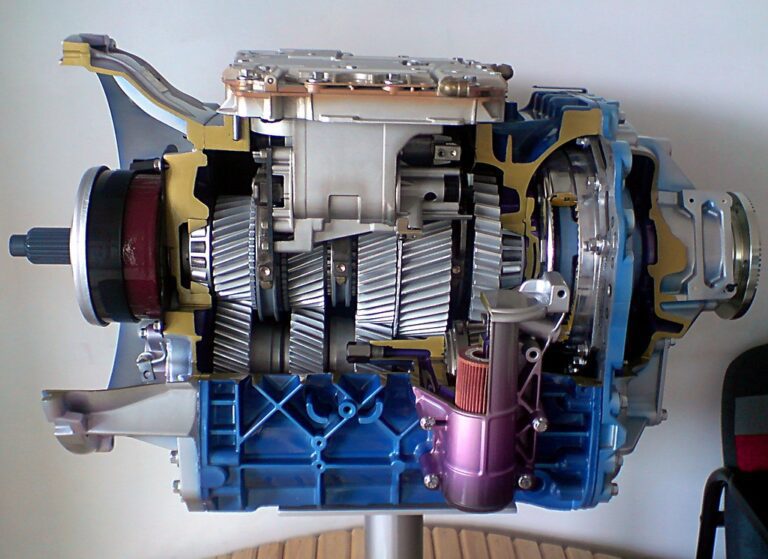
If you spend any real time behind the wheel of a Volvo truck built in the last decade or so, chances are you have driven one equipped with the I-Shift transmission. It has earned a solid reputation among fleet owners and long-haul drivers alike for smoothing out gear changes and squeezing out better fuel numbers than a traditional manual box ever could. But here is the thing nobody tells you when you first climb into one of these trucks: even the best automated manual transmission on the market can still throw a curveball at you.
Maybe you have felt the truck suddenly drop into neutral while cruising down the highway, which is unsettling to say the least. Or perhaps you have noticed a violent shudder running through the cab that makes you wonder if something under the floor is about to let go. These are not just annoying quirks. They are warning signs, and ignoring them rarely ends well.
In the real world, transmission problems on an I-Shift equipped truck can stem from something as simple as a software hiccup or as serious as a mechanical failure, like a driveshaft that has worked itself loose over thousands of miles of vibration. Catching these problems early is not just about avoiding an inconvenient breakdown. It is about keeping you and everyone sharing the road with you safe, and it is about protecting the long-term health of a very expensive piece of machinery.
That said, the more you understand about how this transmission behaves when things go sideways, the better prepared you will be to catch trouble before it turns into a five-figure repair bill. Whether you are logging thousands of miles a week on long hauls or just running local routes every day, a transmission that shifts the way it is supposed to makes all the difference between a good day at work and a miserable one.
The Volvo I-Shift Problems That Show Up Most Often
Your Volvo’s I-Shift transmission runs on a mix of clever engineering and onboard computing power, which is exactly why it drives so smoothly when everything is working right. But complexity has a price. More parts and more electronics mean more things that can eventually wear out, glitch, or fail outright. Let us walk through the issues that tend to pop up the most, so you know what you are dealing with when something feels off.
When Gear Shifts Start Feeling Wrong
This is probably the single most common complaint I hear from drivers running these trucks. The whole point of the I-Shift is to make shifting feel invisible, almost like the transmission is reading your mind. So when it starts hesitating, refusing to engage, or flat out will not go into reverse, you notice immediately because it stands out against how smooth this system normally feels.
Wear and tear over time is one culprit. Software glitches are another, and honestly, they are more common than most drivers realize. A truck that hesitates for a second or two before finally dropping into gear, or one that just refuses reverse altogether, is telling you something needs attention. Do not brush this off as the truck “just being weird today.” That hesitation is a symptom, not a personality quirk.
Picture this scenario: you are backing a loaded trailer into a tight dock, and the transmission takes an extra beat or two to actually engage reverse. In a busy yard with other trucks and workers moving around, that delay is not just frustrating. It can be genuinely dangerous.
Strange Noises That Should Never Be Ignored
A grinding, whining, or clunking noise coming from anywhere near the transmission housing is one of those sounds that makes your stomach drop a little. And for good reason. These noises usually point to something mechanical going on inside, like a bearing that has worn past its useful life or gears that are no longer meshing the way they should.
Here is the honest truth about noises like these: they almost never get better on their own. A worn bearing today is a seized bearing next month if you keep driving on it. The sooner you get a technician to listen to it and pull the transmission apart if needed, the less damage spreads to surrounding components.
Fluid Problems That Quietly Wreck Everything
Transmission fluid is not just some background detail you can ignore between oil changes. It is the lifeblood of the entire system. Low fluid levels, contaminated fluid, or fluid that has simply broken down from age and heat will slowly strangle your transmission’s performance until one day it just cannot keep up anymore.
Even so, this is one of the easiest problems to prevent. A regular check of fluid level and condition takes a few minutes and costs you nothing but time. Compare that to the cost of a full transmission rebuild caused by fluid starvation, and the math is not close.
Here is a quick reference table to help you understand what different fluid conditions might be telling you:
| Fluid Condition | What It Likely Means | Action Needed |
|---|---|---|
| Clear or light amber, correct level | Fluid is in good shape | No action needed, continue regular checks |
| Dark brown or black | Fluid has broken down from heat and age | Schedule a fluid change soon |
| Milky or cloudy appearance | Possible coolant contamination | Get inspected immediately, this is serious |
| Burnt smell | Overheating or slipping components | Have a technician inspect right away |
| Low level | Possible leak somewhere in the system | Top off and locate the source of the leak |
How to Actually Diagnose I-Shift Trouble Instead of Guessing
When something feels wrong with your I-Shift transmission, guessing is not a strategy. Proper diagnostics save you money and time, and they keep small problems from snowballing into engine bay disasters. Staying ahead of maintenance schedules is honestly half the battle here.
Start With the Fault Codes, Not Your Gut Feeling
Modern trucks talk to you, if you know how to listen. Pulling fault codes with a diagnostic scanner is always your first move when something feels off with the I-Shift system. These codes are not vague hints either. They point directly to specific components that are misbehaving, which turns a frustrating guessing game into a straightforward repair plan.
For instance, if the scanner throws a code related to gear shift solenoids, that is a pretty strong indicator those solenoids are on their way out and need to be inspected or replaced. Trying to diagnose a transmission issue without checking codes first is like trying to fix a computer without ever opening the error log. You are working blind when you do not have to be.
Here are a few common categories of fault codes you might run into with an I-Shift system:
- Solenoid-related codes: Point toward failing shift solenoids or wiring issues connected to them
- sensor codes: Often related to speed sensors or position sensors feeding bad data to the control unit
- Communication codes: Indicate a breakdown in the electronic conversation between the transmission control module and other systems on the truck
- Clutch actuator codes: Suggest the clutch actuator is struggling to engage or disengage properly
Deciding Between a Quick Repair and a Bigger Fix
Once you know what the actual problem is, the next question is how far you need to go to fix it. Some issues are refreshingly simple. Violent vibrations, for example, might only require tightening or replacing a loose driveshaft, which is a relatively quick and affordable job. Other problems demand a much bigger commitment, such as swapping out a faulty transmission control module entirely.
If you are staring down a complicated diagnosis and are not entirely sure what direction to take, it is worth consulting with a specialist who deals with these transmissions regularly. There is a good breakdown of common failure points worth reviewing in this detailed look at I-Shift transmission problems, which can help you get a clearer picture before you commit to a repair path.
Maintenance Habits That Actually Keep This Transmission Alive
Good maintenance habits are not glamorous, but they are exactly what separates a truck that lasts a million miles from one that is constantly in the shop. Check your transmission fluid level and quality on a regular schedule. Low fluid or dirty fluid is behind a surprising number of transmission failures that could have been avoided with a five minute check.
Your Volvo operator’s manual outlines specific maintenance intervals and procedures designed to keep the transmission running at its best. Following those intervals is not optional if you want to avoid expensive surprises down the line. Preventive care really is your best defense here. It is far cheaper to change fluid on schedule than to rebuild a transmission that failed because nobody bothered to check it.
Here is a simple maintenance checklist you can keep in your glovebox or clipboard:
- Check transmission fluid level and color every service interval
- Inspect driveshaft mounts and U-joints for looseness or wear
- Scan for fault codes at every scheduled service, not just when something feels wrong
- Inspect air lines and connections for leaks that could affect shift quality
- Keep software updates current, since Volvo periodically releases updates that fix known glitches
- Address unusual noises the moment you notice them, not weeks later
The Mechanical Failures Hiding Behind the Software
It is easy to assume that because the I-Shift is a computer-controlled transmission, most of its problems are electronic in nature. In reality, plenty of the headaches drivers face come from good old fashioned mechanical wear. Let us dig into the specific mechanical trouble spots you are most likely to run into, along with what actually fixes them.
Clutch System Wearing Out Faster Than Expected
Your Volvo’s clutch system takes a beating over the life of the truck, and it eventually shows signs of wear that translate directly into gear engagement problems. You might feel vibrations that were not there before, or notice the transmission slipping into neutral out of nowhere while you are driving.
The fix here usually starts with inspecting the clutch plates themselves. If they are worn down past their usable life, replacement is the only real solution. It also pays to check that the drive shaft is properly secured. A loose drive shaft adds extra strain to the clutch system that it was never designed to handle, which accelerates wear and can create problems that seem unrelated at first glance but actually trace back to that one loose component.
When the Electronic Control Unit Starts Acting Up
The Electronic Control Unit, or ECU, is essentially the brain behind every gear shift your I-Shift transmission performs. When it starts malfunctioning, you will notice it through inconsistent gear changes, unexpected hesitation, or outright error messages popping up on the dash.
More often than not, these ECU-related headaches trace back to failing solenoids rather than the ECU itself. That said, distinguishing between a genuine ECU fault and a solenoid problem requires professional diagnosis. This is not really a DIY job for most owners, since it often involves specialized diagnostic equipment and knowledge of Volvo’s specific electronic architecture.
Air System Leaks That Quietly Sabotage Shift Quality
The I-Shift transmission depends heavily on a properly functioning air system to execute gear changes smoothly. When there is an air leak somewhere in the system, even a small one, it can throw off the entire shifting process in ways that are hard to pin down without a careful inspection.
Make it a habit to check for air leaks regularly and repair any damaged hoses or loose connections as soon as you find them. Keeping air pressure stable throughout the system is one of those unglamorous maintenance tasks that pays off enormously in how consistently your transmission performs day to day.
How Driving Conditions and Cargo Weight Affect Your Transmission
Operating a Volvo truck with an I-Shift transmission comes with its own set of quirks depending on the road, the weather, and how much weight you are hauling. Understanding these variables helps you anticipate how the truck will behave instead of being caught off guard.
Why the I-Shift Feels Different in Reverse and Tricky Conditions
The I-Shift transmission is engineered to adapt across a wide range of driving conditions, but reverse gear operation can feel noticeably less intuitive compared to a traditional manual setup. Response times can vary depending on the situation, so it helps to be gentle with the accelerator during tight maneuvers like backing into a dock or navigating a crowded yard.
In conditions that demand extra caution, like icy roads or steep inclines requiring careful low-speed control, the I-Shift’s onboard software takes over gear selection duties to help keep things smooth. This is actually one of the transmission’s strong points, but it also means the truck is making decisions you might not expect if you are used to manually controlling every shift yourself.
How Heavy Loads Change the Way Your Transmission Behaves
The weight you are hauling has a direct impact on how hard your I-Shift transmission has to work, especially during start-up and acceleration. Heavier loads demand more from the system, and the smart technology built into the I-Shift constantly assesses that weight to optimize shift points and reduce unnecessary strain on the engine.
Staying aware of your truck’s weight limits and cargo distribution helps keep the transmission operating within its intended range. Overloading a truck or distributing weight poorly forces the I-Shift to work outside its comfort zone, which increases the risk of premature wear and unexpected performance hiccups down the road.
Regular maintenance combined with a solid understanding of how this transmission behaves under different loads genuinely improves your everyday driving experience. It is not just about avoiding breakdowns. A well-maintained I-Shift simply feels better to drive, mile after mile.
The Upgrades That Make a Real Difference on the Road
Volvo has continued refining the I-Shift transmission over the years, and some of those refinements genuinely change how the truck feels to drive, especially in demanding situations. Crawler gears and improved overdrive capabilities are two of the standout additions worth knowing about.
What Crawler Gears Actually Do for You
Crawler gears represent a meaningful upgrade in the I-Shift lineup, giving you an advantage when starting from a dead stop with a heavy load or navigating rough terrain. These additional gears provide extremely low speed options that improve overall vehicle control while reducing wear on the driveline.
Overdrive Improvements and What You Will Notice
Overdrive in the I-Shift transmission helps promote fuel efficiency by keeping engine rpm lower at highway speeds. The improved overdrive functions on newer versions of this transmission also translate into noticeably better acceleration when you need it, particularly during highway overtaking maneuvers.
- Smoother acceleration when passing slower traffic on the highway
- Reduced fuel consumption on long-distance hauls, which adds up significantly over thousands of miles
- Less engine strain during sustained high-speed cruising
These upgrades are not just marketing buzzwords. They genuinely bolster your driving experience by giving you power when you need it most and efficiency for the long haul, which matters a lot when you are counting fuel costs at the end of a run.
Common Questions Drivers Ask About I-Shift Trouble
Over the years, certain questions come up again and again from drivers dealing with I-Shift issues. Let us tackle a few of the most frequent ones directly.
Can I Keep Driving if the Transmission Randomly Drops Into Neutral?
Technically, yes, you can limp the truck to a safe location, but you really should not treat this as normal or ignorable. A transmission that randomly drops into neutral while you are moving is a serious red flag. It could be an electronic glitch, a failing clutch component, or a wiring issue feeding bad signals to the control module. Get it inspected before you put more miles on it.
Is a Software Update Enough to Fix Shifting Problems?
Sometimes, yes. Volvo periodically releases software updates that address known glitches in shift logic and control unit behavior. If your truck is exhibiting inconsistent shifting and there have not been any recent software updates applied, that is worth checking before you assume a mechanical part has failed.
How Often Should I Really Be Checking Transmission Fluid?
Follow the intervals laid out in your operator’s manual as a baseline, but if you are running heavy loads or operating in extreme temperatures regularly, checking more frequently is not a bad idea. Fluid condition tells you a lot about what is happening inside the transmission long before a fault code ever shows up.
Does a Noisy Transmission Always Mean an Expensive Repair?
Not always, but it is not something to gamble on either. Sometimes a noise traces back to something relatively minor, like a loose mounting bolt vibrating against a bracket. Other times it is a worn bearing that needs immediate attention. The only way to know for sure is to have it inspected. Waiting almost always turns a cheap fix into an expensive one.
Watch the I-Shift in Action
https://www.youtube.com/results?search_query=volvo+i-shift+transmission+problems
Seeing real drivers and technicians walk through these problems on video often makes the whole picture click faster than reading alone. It is worth a few minutes if you are trying to match your symptoms to a specific issue.
What Happens If You Just Ignore These Warning Signs
Here is a scenario worth thinking about. Say you notice a slight hesitation when shifting into second gear. It is subtle enough that you convince yourself it is nothing, and you keep driving your normal routes for another two months. By the time you finally bring it in, that “minor hesitation” has turned into a failing solenoid that has been sending inconsistent signals long enough to damage a clutch pack.
What could have been a few hundred dollars in solenoid replacement has now become a multi-thousand dollar clutch and transmission repair, plus the downtime of having your truck sitting in a shop instead of earning money on the road. This is not a rare story either. It happens constantly, and it is almost always avoidable with early attention.
In the real world, the cost of ignoring small transmission symptoms almost always outweighs the cost of addressing them early. Trucks are expensive to keep parked. Every day your truck sits waiting on a major repair is a day it is not generating income, and that adds up fast on top of the repair bill itself.
Building a Relationship With a Technician Who Knows I-Shift Systems
Not every mechanic has deep experience with Volvo’s automated manual transmission system, and honestly, that is fine because it is a specialized piece of technology. But finding someone, whether it is a dealership technician or an independent shop that specializes in heavy-duty trucks, who genuinely knows the I-Shift inside and out will save you enormous headaches over the life of your vehicle.
Even so, do not assume that just because a shop can work on diesel engines that they automatically understand the nuances of this specific transmission system. Ask questions. Find out if they have specific diagnostic tools designed for Volvo’s electronic architecture. A shop that regularly services I-Shift equipped trucks will spot patterns and recurring issues far faster than one that only sees this transmission occasionally.
A Quick Word on DIY Repairs Versus Professional Service
There is a temptation, especially among owner-operators trying to save money, to tackle transmission repairs themselves. For simple maintenance tasks like checking fluid level or inspecting for obvious leaks, that makes total sense and is something every driver should be comfortable doing.
But when it comes to diagnosing electronic faults, replacing solenoids, or working inside the actual transmission housing, this is genuinely specialized territory. The I-Shift relies on precise electronic communication between multiple control modules, and getting that wrong during a DIY repair can create new problems that are far more expensive to sort out than the original issue. Know your limits, and know when it is time to hand the job to someone with the right tools and training.
Putting It All Together
Your Volvo’s I-Shift transmission is genuinely impressive technology when it is running the way it should. Smooth shifts, fuel savings, and less driver fatigue on long hauls are not small things when you are living in that cab for hours at a stretch. But it is not magic, and it is not immune to wear, glitches, or the occasional mechanical failure that any complex machine will eventually experience.
The drivers who get the most out of these transmissions are the ones paying attention to the small signals: a slightly delayed shift, an unfamiliar noise, fluid that looks a shade darker than it should. Catch those signals early, act on them, and your I-Shift will keep doing exactly what it was designed to do for hundreds of thousands of miles.
So the next time your truck hesitates for that extra half second before dropping into gear, ask yourself honestly: is that just the truck being a little slow today, or is it telling you something you need to listen to right now? Trust your instincts, get it checked, and keep your I-Shift running the way it was built to.