
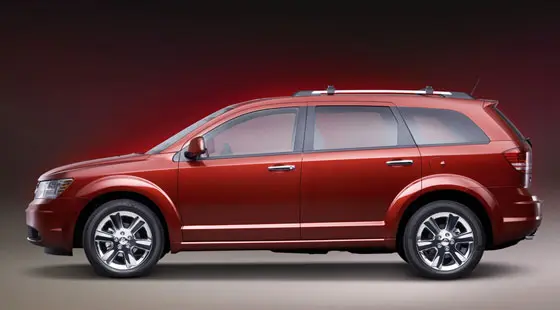
The Dodge Journey earned a solid reputation as a practical family crossover during its production run, but it also accumulated a well-documented history of transmission complaints that current and prospective owners absolutely need to understand. Whether you are already dealing with a problem or you want to know what to watch for before it becomes expensive, this guide covers the real issues, what causes them, how much fixing them costs, and what you can do to protect your transmission going forward.
Transmission problems are not something you want to ignore or put off. A small issue left unaddressed almost always becomes a larger, more expensive one. The good news is that most Dodge Journey transmission problems follow predictable patterns, which means they can often be caught early if you know the warning signs.
The Two Transmissions Used in the Dodge Journey
Before getting into the specific problems, it helps to know which transmission your particular Journey has. Dodge used two different automatic transmissions across the Journey’s production years, and each has its own set of known issues.
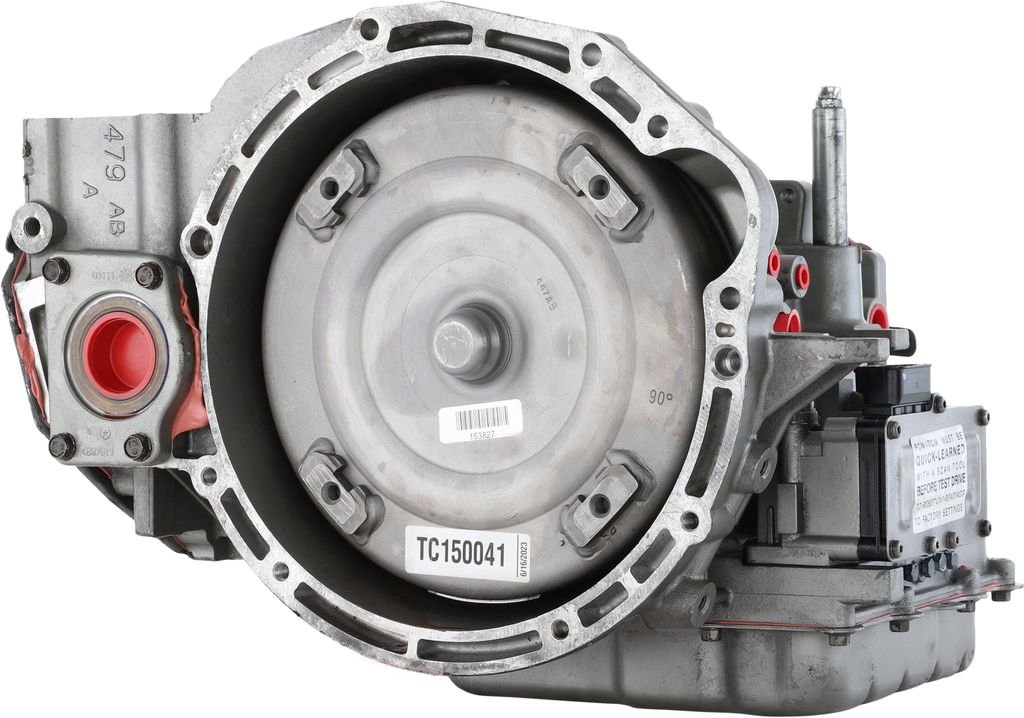
The A604 (41TE) Transmission: Earlier Models
The A604, also known as the 41TE, appeared in earlier Dodge Journey models. It is a four-speed automatic transmission that Chrysler used across several platforms over the years. While it is a reasonably durable unit when properly maintained, it has specific weaknesses that Journey owners need to know about.
The Transmission Control Module, or TCM, manages gear selection and contributes to fuel efficiency in this unit. When the TCM fails or develops faults, the symptoms can range from unpredictable shifting to the transmission refusing to engage at all. The Torque Converter Clutch is another known trouble spot. When the TCC fails, drivers typically notice a shuddering sensation during gear changes or a slipping feeling when the transmission should be holding a gear firmly under load.
The 6-Speed 62TE Transmission: 2008 and Later Models
The 62TE is a six-speed automatic that replaced the 41TE in Dodge Journey models from 2008 onward. It was designed to offer smoother shifts and better fuel economy, and in many respects it does. But it brought its own set of problems along with those improvements.
The shift solenoids and throttle position sensor are frequently reported fault points in the 62TE. Both directly affect how and when the transmission changes gears. Sensor failures in particular can cause the transmission to shift at incorrect times, produce harsh engagement, or trigger warning lights on the dashboard. This transmission was also subject to a notable recall for unexpected shifts to neutral, which we will cover in more detail later.
8 Common Dodge Journey Transmission Problems
1. Delayed Engagement When Shifting Into Drive or Reverse
This is one of the most frequently reported complaints from Dodge Journey owners, and it appears across both transmission types. When you shift from Park into Drive or Reverse, the vehicle hesitates noticeably before it actually begins to move. In mild cases, the delay is a second or two. In more severe cases, the vehicle may sit unresponsive for several seconds before lurching into gear.
What causes it? Low transmission fluid is the first thing to check because inadequate fluid pressure directly delays engagement. Beyond that, worn internal seals that cannot hold pressure, a faulty TCM sending incorrect commands to the transmission, or degraded clutch packs inside the unit can all produce delayed engagement. In the 41TE specifically, this is one of the most classic failure signs as the transmission accumulates mileage.
If you notice this symptom, check the fluid level and condition immediately. Dark, burnt-smelling fluid that has turned brown or black has lost its protective properties and needs to be changed. If the fluid looks fine and the delay persists, have the transmission pressure tested by a qualified mechanic before the issue progresses to more serious internal damage.
2. Hard Shifting and Erratic Gear Changes
Hard shifting feels like a noticeable thud or jolt when the transmission changes gears. Instead of a smooth, nearly imperceptible gear change, you feel the transmission clunking into each gear. Erratic shifting takes that further, with the transmission changing gears at the wrong times, hunting between gears, or refusing to upshift or downshift when conditions clearly call for it.
The 41TE generated a significant number of complaints specifically about erratic shifting, often traced back to solenoid failures or TCM issues. But the 62TE is not immune either. Throttle position sensor faults in the 62TE can confuse the transmission about what the driver is asking for, producing gear changes at inappropriate moments.
Hard shifting that appears suddenly after years of smooth operation often points to a specific component failure rather than general wear. Solenoids are relatively inexpensive to replace compared to an overhaul, so getting a proper diagnosis before assuming the worst is always worth the investment in inspection time.
3. Slipping Gears
Gear slip is unsettling when it happens, and it is also a sign that something inside the transmission is not holding the way it should. When a transmission slips, it momentarily loses the gear it was in and either drops to a lower gear unexpectedly or temporarily loses drive altogether. The engine revs climb but the vehicle does not accelerate proportionally, which feels almost like a manual car with a slipping clutch.
In automatic transmissions like those used in the Dodge Journey, slipping typically comes from worn clutch packs inside the transmission, low fluid causing inadequate hydraulic pressure, faulty solenoids that cannot hold the proper hydraulic circuit, or a failing torque converter. Any of these can allow a gear to release when it should remain engaged.
Slipping is not a problem that stabilizes on its own. The root cause does not resolve without intervention, and in the meantime, every slip event generates heat and wear that brings the transmission closer to complete failure. Treat this as an urgent symptom that needs immediate professional diagnosis.
4. Burning Smell and Transmission Overheating
Transmission fluid serves two purposes: it lubricates internal components and it carries heat away from the friction surfaces inside the transmission. When the fluid overheats, it breaks down chemically and loses its ability to do both jobs effectively. The result is a sweet, acrid burning smell that is distinctive once you have encountered it, and the beginning of accelerated wear on every internal surface the degraded fluid touches.
Dodge Journey owners who do a lot of stop-and-go city driving, particularly in summer heat, are especially vulnerable to this because the transmission never gets an opportunity to cool down between demand cycles. Towing or carrying heavy loads without a supplemental transmission cooler fitted can push temperatures even higher.
If you smell something burning from the transmission area, check the fluid immediately. If the fluid is dark and smells burnt, a fluid change is needed. If the overheating is a recurrent problem despite correct fluid levels and fresh fluid, consider having an external transmission cooler installed. Many Journey owners in warmer climates or those who regularly tow have found this to be an effective long-term solution.
5. Transmission Fluid Leaks
Fluid leaks are one of the more straightforward transmission problems to identify, at least initially. If you see red or reddish-brown spots on the ground where your Dodge Journey parks, the transmission is likely the source. Transmission fluid is typically red when fresh and darkens toward brown or black as it ages and degrades.
Common leak points on the Dodge Journey include the transmission pan gasket, the input and output shaft seals, the cooler line connections where the lines connect to the transmission case and to the radiator, and the torque converter seal. Each of these has a different repair complexity and cost, ranging from a straightforward gasket replacement to more involved seal work that requires partial disassembly.
The danger of a transmission fluid leak is not just the mess. A slow leak left unaddressed will eventually drop the fluid level low enough to cause lubrication failures, overheating, and the engagement problems discussed earlier. Check under your vehicle regularly. A small leak caught early costs far less to fix than the transmission damage that results from continued operation with low fluid.
6. Unusual Noises and Grinding Sensations
A healthy automatic transmission should be nearly silent during normal operation. Any unusual noise that appears during or after gear changes deserves attention. Whining or humming sounds often indicate a problem with the transmission pump or a bearing. A grinding or growling sound during shifts points more directly to worn gear surfaces or damaged internal components. Clunking on engagement is often related to worn mounts or internal clearance issues.
The 41TE transmission accumulated a significant number of complaints about noise and rough feel during operation, often tied to electrical issues causing the transmission to shift improperly and generate excess heat and wear over time. The 62TE has similar susceptibility when solenoids or sensors fail and the transmission begins operating outside its intended parameters.
Grinding specifically is a sound you should never continue driving through. It indicates metal-to-metal contact somewhere inside the transmission, which means the situation is actively getting worse with every mile. Pull over safely, stop driving, and have the vehicle inspected before operating it further if you hear grinding from the transmission.
7. PRNDL Malfunction and Incorrect Gear Display
PRNDL refers to the gear position indicator on your dashboard, the display that shows whether the car is in Park, Reverse, Neutral, Drive, or Low. Some Dodge Journey owners have reported problems where this display shows the incorrect gear position, or where the indicator is slow to respond when the shifter is moved between positions.
This can be caused by a faulty transmission range sensor, sometimes called the neutral safety switch or park-neutral position switch, which monitors where the shifter is positioned and communicates that information to both the transmission control system and the dashboard display. When this sensor fails or provides inconsistent signals, the display can show the wrong gear, the car might not start in Park, or the backup lights may not activate in Reverse.
A related issue that has appeared in some Journey models is incorrect speedometer readings, which can be caused by a faulty vehicle speed sensor. The speed sensor also feeds information to the transmission control module, so a sensor fault can affect both what the speedometer shows and how the transmission decides when to shift gears.
8. Unexpected Shifts to Neutral While Driving
This is the most dangerous transmission problem on this list and the one that led to an official recall. Some Dodge Journey models with the 62TE six-speed transmission were found to unexpectedly shift into neutral while driving at highway speeds without any deliberate driver input. When the transmission drops to neutral at speed, the driver loses engine braking, the vehicle decelerates unexpectedly, and acceleration is not immediately restored. In traffic, this creates a genuine collision risk.
Chrysler issued recalls specifically addressing this issue, with software updates to the transmission control module intended to prevent the unintended neutral engagement. If you own a 2008 or later Dodge Journey with the 62TE transmission and you are unsure whether your vehicle received this recall service, check the recall history using your VIN through the NHTSA website or contact a Chrysler dealer directly. Recall repairs are performed at no cost to the owner.
Model Years With the Most Reported Problems
The Dodge Journey ran from the 2009 model year through 2020. Not all model years have equal transmission complaint histories. The 2009 through 2016 model years generated the most significant volume of transmission-related complaints and are the years most commonly associated with the issues described above.
These earlier models are also the ones most likely to be approaching or past the mileage threshold where transmission problems statistically become more common. Many owners reported that significant issues began appearing around the 78,000 to 100,000 mile mark, though this varies considerably based on how the vehicle was maintained and driven.
If you are considering purchasing a used Dodge Journey in one of these model years, getting a pre-purchase inspection from an independent mechanic who can check the transmission operation, fluid condition, and any stored fault codes is money well spent. Knowing what you are buying prevents a significant financial surprise shortly after purchase.
Dodge Journey Transmission Recalls: What You Need to Know
Chrysler issued several recalls related to the Dodge Journey’s transmission system. Beyond the unexpected neutral shift recall covering certain 62TE-equipped models, additional recalls addressed issues with transmission cooling hoses that could develop leaks creating fire risks, and software-related concerns affecting transmission behavior.
Recalls are free to the vehicle owner and are performed at authorized dealerships. The challenge is that many used vehicle buyers do not check whether outstanding recalls have been completed on a vehicle they are purchasing. A recall that has not been serviced leaves the original defect in place, regardless of how the vehicle has otherwise been maintained.
To check whether any open recalls apply to a specific Dodge Journey, visit the NHTSA recall database online and enter the 17-character VIN. This takes less than two minutes and gives you the complete recall history and current status for that specific vehicle. Make this check a standard part of any used vehicle research process.
What Does It Cost to Fix a Dodge Journey Transmission?
Repair costs vary significantly depending on which specific problem needs to be addressed. Here is a practical breakdown to help you understand what different repair scenarios typically involve:
| Repair Type | Typical Cost Range | Notes |
|---|---|---|
| Transmission fluid change | $80 to $200 | Preventive maintenance, most affordable intervention |
| Solenoid replacement | $150 to $400 | Depends on which solenoid and labor rates |
| Transmission range sensor | $100 to $300 | Often a DIY-accessible repair on this platform |
| Torque converter replacement | $600 to $1,200 | Includes labor for removal and reinstallation |
| Transmission fluid leak repair | $150 to $500 | Depends on the leak location and seal involved |
| Transmission rebuild | $1,500 to $2,800 | Internal components replaced, unit stays in vehicle |
| Remanufactured transmission replacement | $2,500 to $3,500 | Includes parts and labor, often with warranty |
| New OEM transmission replacement | $3,500 and above | Most expensive option, typically through dealership |
Labor costs vary considerably by region and by shop type. A dealership typically charges higher labor rates than an independent transmission specialist. Getting two or three estimates before authorizing a major repair is always reasonable, particularly for work exceeding $500.
One important note on remanufactured transmissions: many reputable transmission shops install remanufactured units with warranties ranging from one year to three years or more. A remanufactured transmission from a quality rebuilder is often a better value proposition than a used transmission with unknown history from a salvage yard, particularly for a vehicle you plan to keep for several more years.
How to Find a Reliable Transmission Shop
This matters more than most drivers realize. Transmission repair is a specialized discipline, and not every general repair shop has the expertise or equipment to properly diagnose and repair automatic transmission problems. A misdiagnosis here does not just waste money. It leaves the actual problem unresolved.
When looking for a transmission specialist, here is what to prioritize:
- ATRA membership: The Automatic Transmission Rebuilders Association certifies shops that meet professional standards. An ATRA member shop has agreed to a code of ethics and has access to professional technical resources.
- Specific experience with Chrysler transmissions: Ask the shop directly whether they have worked on the 41TE or 62TE transmissions. Experience with the specific unit in your vehicle matters.
- Written estimates and warranty documentation: Any reputable shop should provide a written estimate before starting work and a written warranty on completed repairs. If a shop is reluctant to put either in writing, walk away.
- Willingness to explain the diagnosis: A good transmission shop should be able to explain what they found, why they believe it is the cause of your symptoms, and what the repair involves. If the explanation is vague or they seem annoyed by questions, that is a red flag.
- Online reviews from recent customers: Look specifically for reviews mentioning transmission work on Chrysler or Dodge vehicles. Patterns in reviews, both positive and negative, tell you more than any individual review.
How Your Driving Habits Affect Your Dodge Journey’s Transmission
The transmission is one of the most mechanically demanding components in your vehicle, and how you drive has a direct impact on how long it lasts. This is not about being overly cautious. It is about understanding which habits are unnecessarily hard on the transmission and which are simply how the vehicle was designed to be operated.
Habits That Accelerate Transmission Wear
- Hard acceleration from a stop: Demanding immediate maximum power from a cold or warm transmission generates significantly more heat and stress than gradual acceleration. The clutch packs inside the transmission work hardest during aggressive starts.
- Shifting between Drive and Reverse while still moving: Shifting into Reverse before the vehicle has fully stopped forces the transmission to absorb the vehicle’s momentum rather than the brakes doing that work. Over time, this damages the transmission’s internal components in ways that show up as repair bills.
- Towing above the vehicle’s rated capacity: The Dodge Journey has a towing rating, and exceeding it puts the transmission under sustained stress loads it was not designed to handle. Heat builds rapidly during overloaded towing, and heat is the primary cause of fluid breakdown and clutch wear.
- Ignoring the transmission until problems are obvious: The transmission does not announce early wear problems loudly. Subtle symptoms like a slight delay on engagement or occasional rough shifts are early warnings that get ignored until they become the hard shifting, slipping, and noise problems that require expensive repairs.
Habits That Protect Your Transmission
- Smooth, gradual acceleration: Letting the transmission shift at appropriate RPM levels rather than demanding full throttle from a standstill reduces heat and stress on internal components significantly.
- Allowing the car to fully stop before shifting: Always wait until the vehicle is completely stationary before engaging Reverse from Drive or vice versa. This simple habit protects the transmission from years of cumulative mechanical stress.
- Regular transmission fluid checks: Check the transmission fluid condition every oil change. If the fluid is dark, smells burnt, or contains visible particles, address it before the degraded fluid causes the internal wear that it is supposed to prevent.
- Addressing small problems immediately: A delayed engagement that lasts one second today is easier and cheaper to diagnose and fix than the complete engagement failure it will likely become in several months of continued driving.
Transmission Maintenance Schedule for the Dodge Journey
One of the most effective things you can do to avoid the problems on this list is following a consistent maintenance schedule for the transmission specifically. Here is what that should look like in practice:
- Check transmission fluid level and condition every 5,000 to 7,500 miles, coinciding with your regular oil changes. Look at both the level on the dipstick and the color and smell of the fluid. Fresh fluid is red and clear. Fluid that needs changing is dark brown, opaque, and has a burnt odor.
- Change the transmission fluid every 30,000 to 45,000 miles under normal driving conditions, or every 15,000 to 30,000 miles if you regularly tow, drive in heavy traffic, or operate in extreme heat. The Dodge Journey’s transmission does not benefit from the “lifetime fluid” claim that some manufacturers make. The fluid degrades, and degraded fluid accelerates wear.
- Inspect the transmission pan gasket and cooler lines during fluid changes, looking for any signs of seepage or early leaks. Catching these early makes the repair straightforward. Ignoring early seepage until it becomes a significant leak changes the economics of the repair considerably.
- Have any fault codes read at the first sign of shifting abnormalities. Modern transmissions communicate through the vehicle’s diagnostic system. A scan tool reading of the transmission fault codes can often identify whether a problem is sensor-related, solenoid-related, or internal before the issue progresses to a more serious level.
- Verify all applicable recalls have been completed on your specific vehicle. This is a one-time check that can prevent a safety issue that the manufacturer has already identified and provides a free fix for.
The Dodge Journey’s transmission problems are real and well-documented, but they are not inevitable. Many of these failures are either preventable through consistent maintenance or can be caught early enough that the repair cost is a fraction of what a full rebuild or replacement would cost. Pay attention to what your vehicle is telling you, act on early symptoms rather than hoping they resolve on their own, and the Journey’s transmission can serve you reliably for a long time.