
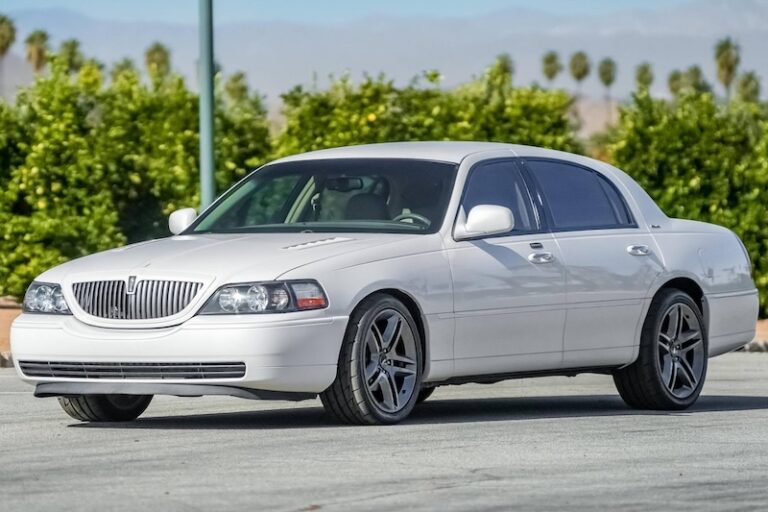
There is something about owning a car that just feels like freedom. The ability to go wherever you want, whenever you want, without waiting on anyone or anything. But before you get to enjoy any of that freedom, you have to pick the car first. And one of the decisions that trips people up more than you would expect is color.
White, specifically, generates a surprising amount of debate. People either love it or they scroll right past it when browsing listings. One of the most common questions that comes up around white cars is a straightforward one: why are white cars cheaper?
The short answer is this: white is typically offered by manufacturers as a standard flat paint with minimal additives, which keeps production costs low. That lower base cost flows downstream to the sticker price, the resale market, and even the cost of repainting at a body shop. But the full picture is a little more interesting than just paint chemistry.
Let us break down everything worth knowing about white cars, including the real reasons behind the pricing, the genuine advantages, the honest drawbacks, and the questions people keep asking about this polarizing color.
Why White Cars Are Actually Cheaper: The Real Reasons
The Paint Itself Costs Less to Produce
White paint in its basic form is one of the least expensive automotive finishes a manufacturer can apply. It does not require the complex pigment blending that goes into metallics, the multiple-layer application process that pearl finishes demand, or the specialty additives that make colors like deep red or racing green pop the way they do.
Standard white is essentially a base coat, sometimes with a clear coat over it, and that is it. Less materials, less time, less cost. When a manufacturer saves money on paint, some of that saving gets passed on in the purchase price, especially at the entry-level trim where white is often the default or the only no-cost color option.
Exotic finishes like pearlescent white or tri-coat white are a different story entirely. The moment a paint technician starts talking about metallic flake, pearl additives, or multiple base coat layers, the cost climbs fast. But plain white? That is one of the most affordable automotive finishes available.
Not Everyone Wants a White Car, and That Affects the Price
Supply and demand is a simple concept, and it plays out clearly in the used car market. A significant portion of buyers have strong personal preferences against white. Some find it bland. Others associate it with fleet vehicles, rental cars, or commercial vans. Whatever the reason, when a large enough group of buyers avoids a particular option, sellers have to adjust their prices to move inventory.
Car dealers are not running charities. If a white vehicle sits on the lot longer than the same model in silver or black, the dealer will eventually mark it down to generate interest. That price flexibility benefits buyers who are happy with white and are willing to take advantage of the reduced demand from other shoppers.
This dynamic is more pronounced in certain markets and regions. In places where white is culturally associated with specific vehicle types, like commercial use or government fleets, private buyers may be even less interested, pushing prices lower still.
Repainting White Costs Less, Which Lowers Used Car Prices
Used car dealers who buy vehicles, repair them, and resell them factor every single cost into the final asking price. Mechanical repairs, interior reconditioning, detailing, and yes, paint work all get added to the equation before the car goes on the lot.
Because white paint is cheap to source and straightforward to apply, a used white car that needs a respray will cost the dealer significantly less to prepare than a vehicle in a specialty color. That lower preparation cost means the dealer can price the white car more competitively and still maintain a healthy margin.
So when you see a white used car priced noticeably lower than an equivalent vehicle in another color, the paint cost is often a meaningful part of that difference. It is not a reflection of the car’s mechanical condition or reliability. It is simply the economics of paint.
The Real Advantages of Owning a White Car
White Is Accepted Almost Universally Across Buyers
Here is something interesting. Despite the segment of buyers who actively avoid white, the color is simultaneously one of the most widely accepted in the broader market. Every manufacturer produces white variants across virtually every model in their lineup, from budget hatchbacks to flagship luxury sedans to high-performance sports cars.
White works on almost any body shape. It does not clash with trim colors the way some bold colors can. It reads as clean, professional, and timeless in a way that trendy colors from fifteen years ago simply do not anymore. Anyone who has tried to sell a car in a color that was fashionable in 2008 knows exactly what that means.
For events like weddings, white is practically the default choice for the car. It photographs well, it looks elegant in person, and it pairs with almost any surrounding without looking out of place.
White Cars Hold Their Resale Value Better Than You Might Think
This might seem to contradict the earlier point about lower prices, but it is actually a different dynamic at work. Yes, white cars can be cheaper to buy. But they also tend to sell reasonably well when it comes time to move them on.
The reason is that the pool of potential buyers for a white vehicle is still large, even if some buyers opt out of the color entirely. Fleet operators, in particular, actively seek white vehicles. If you are running a service fleet and need twenty vehicles that all look consistent, white is the easiest and cheapest way to achieve that. Selling a white car to a fleet buyer is usually straightforward.
Private buyers looking for a neutral, inoffensive color also gravitate toward white. The color does not say anything particularly strong about the driver, which is exactly what some people want. It is a safe, crowd-pleasing choice that keeps the vehicle appealing to a broad audience when resale time comes.
White Cars Stay Cooler in Direct Sunlight
This is not opinion or anecdote. The physics here is well established. White surfaces reflect a much higher percentage of incoming solar radiation than darker surfaces do. Dark colors, especially black, absorb nearly all the sunlight that hits them and convert it directly into heat.
Park a white car and a black car side by side in a summer parking lot for an hour and then open both doors. The difference in interior temperature is significant, sometimes as much as 10 to 15 degrees Fahrenheit. The white car’s cabin will be noticeably cooler, the steering wheel will be easier to touch, and the seats will not feel like a frying pan.
Modern air conditioning handles cabin temperature efficiently, so this advantage is less critical than it once was. But there is still a real benefit in terms of how quickly the cabin cools down when you first get in, and also in terms of reduced stress on the A/C system in extremely hot climates. If you live somewhere with brutal summers or you are renting a vehicle for a hot-weather trip, white is genuinely the smarter thermal choice.
Scratches and Light Swirl Marks Are Less Visible on White
This is a practical advantage that gets overlooked in most discussions about white cars. On dark-colored vehicles, especially black and dark blue, swirl marks from washing and light surface scratches are immediately visible in direct sunlight. They catch the light and make the paint look dull and tired even when the car is freshly washed.
White paint hides those fine imperfections much better. The surface reflects light more diffusely, which makes minor swirls, light scuffs, and small scratches far less visible to the naked eye. For people who are not obsessive about paint correction and detailing, this is a genuine day-to-day quality of life benefit.
The Honest Drawbacks of Choosing White
You Will See It Everywhere
White is consistently one of the most popular automotive colors globally, year after year. That means if you park at a shopping center, there is a strong chance you will come back to find three or four other white vehicles parked near yours. In busy parking lots, this can actually become a mild annoyance when you are trying to locate your car quickly.
If standing out matters to you, whether at a car show, at a social event, or just in general, white is probably not going to deliver that. It is the opposite of a statement color. It blends in by design.
Keeping It Clean Takes Real Commitment
There is no sugarcoating this one. White cars show dirt, mud, and grime very clearly. A quick splash through a puddle that would barely register on a silver car will leave visible marks down the side of a white one. Bird droppings, tree sap, and road film are all highly visible against a white background.
If you skip washing for even a week or two, the car starts to look genuinely neglected. The dust and environmental fallout that accumulates on any car is just far more apparent on white paint than on darker shades.
You either need to be comfortable with frequent washing, or you need to factor regular car wash visits into your routine budget. White car ownership and a casual attitude toward cleaning are not a compatible combination.
Premium White Finishes Can Get Expensive Fast
Standard flat white is cheap, as we established. But the moment you move into premium white territory, the pricing changes dramatically. Pearlescent white, tri-coat white, and satin white finishes all require significantly more material and labor than a basic white application.
If your vehicle has multiple colors or accent elements that need to be matched precisely during a repair, the complexity and cost of the job increases. Matching a pearlescent white precisely across a repaired panel is genuinely difficult, and paint technicians charge accordingly for that level of work.
So while basic white is budget-friendly, do not assume all white paint jobs are cheap. The finish type makes an enormous difference.
Common Questions About White Cars, Answered Honestly
Is Buying a White Car a Bad Idea?
No. Unless the industry or profession you are buying for specifically requires a different color, no car color is inherently a bad idea. White has real advantages, manageable disadvantages, and a strong resale market. If you like the color, or even if you are just neutral on it and the price is right, there is no logical reason to avoid white.
What matters far more than color is the mechanical condition of the vehicle, the service history, and whether the price reflects fair market value. Color is cosmetic. Everything else is what determines whether a car is actually a good purchase.
Do White Cars Look Dirtier Than Other Colors?
They show dirt more clearly, yes. But that is not the same thing as being dirtier. A white car that is washed regularly is just as clean as any other car. A black car that is not washed regularly looks just as bad, arguably worse because black paint shows water spots, dust, and swirl marks with brutal clarity.
Cleanliness is about how often you wash the car, not what color it is. White just makes the consequence of skipping washes more immediately obvious.
Are White Cars More of a Female or Male Choice?
This is a myth worth putting to rest. White is one of the most genuinely neutral colors in automotive history. It is used on everything from work trucks to luxury performance sedans to ambulances to wedding cars. There is no gender association with white in any meaningful or data-supported way. Anyone who tells you otherwise is repeating an opinion, not a fact.
Is There a Car Color Cheaper Than White?
White, black, and gray are generally accepted as the three cheapest standard automotive paint colors. These are the industry baseline colors that most manufacturers offer at no additional cost on base trim levels. The cost difference between these three is usually negligible.
Where things get more expensive is with metallic finishes, pearl finishes, two-tone combinations, and specialty colors. Those options typically carry an additional cost, whether at the point of purchase from a manufacturer or at a body shop for a respray.
Are White Cars Hard to Keep Clean Compared to Black Cars?
Both colors have their challenges, just different ones. White shows mud, dirt, and colored stains clearly. Black shows dust, water spots, and fine scratches clearly. Neither color is particularly forgiving of neglect.
In terms of raw cleaning difficulty, black paint is widely considered harder to maintain to a high standard because the surface imperfections that show up under any light source require more frequent polishing and paint correction to address. White is more forgiving of minor surface issues even if it shows heavy soiling more clearly.
If you are the type who washes the car every weekend and keeps up with maintenance, either color works fine. If you wash the car when you get around to it, white will look worse faster, but black will look worse under close inspection regardless of how often it gets washed.
Is White the Right Color for Your Next Car?
Here is a practical way to think about it. White makes sense if:
- You want a lower purchase price on a new or used vehicle
- You live in a hot climate where interior temperature matters
- You plan to resell the car and want broad buyer appeal
- You prefer low-cost future repair and repainting options
- You are buying for a fleet or commercial use
White may not be the best fit if:
- Standing out visually is important to you
- You are not committed to frequent washing
- You want a premium or exotic finish that commands a higher resale premium
- You drive regularly through muddy or off-road terrain
Neither list makes white a good or bad color objectively. They just help you figure out whether white matches your lifestyle and priorities.
What Does White Actually Cost at a Body Shop?
Since paint cost is central to this whole conversation, here is a general reference for what you might pay for white paint work at a professional body shop:
| Paint Type | Approximate Cost (Full Respray) | Notes |
|---|---|---|
| Standard flat white | $300 – $900 | Basic finish, single color, no additives |
| White with clear coat | $1,000 – $2,500 | More durable, better gloss, standard for most modern vehicles |
| Pearl white | $2,500 – $5,000+ | Multiple layers, complex application, difficult to match |
| Metallic white | $2,000 – $4,500+ | Metallic flake additive, requires precise color matching |
| Satin or matte white | $3,000 – $6,000+ | Specialty finish, requires specific maintenance products |
These figures are estimates and will vary based on vehicle size, the shop’s labor rate, and the level of surface preparation required before painting. A vehicle with significant rust or bodywork needed before paint will cost more regardless of color.
The Bottom Line on White Cars and Pricing
White cars are cheaper for reasons that are genuinely straightforward once you understand them. Simpler paint formulations, lower production costs, reduced demand from color-conscious buyers, and lower repainting costs in the used market all push white car prices below comparable vehicles in other colors. None of those reasons have anything to do with quality, reliability, or the underlying vehicle.
The advantages of white, from thermal performance to broad resale appeal to lower touch-up costs, are real and practical. The disadvantages, particularly the cleaning commitment and the lack of visual individuality, are equally real. Neither side of the ledger makes white universally right or wrong.
If you are looking at two identical vehicles and the white one is priced lower, do not let the color assumption cost you money. Check the service history, get a pre-purchase inspection, and make the decision based on facts. The color is the least important variable in that equation, and in this case, it is the one saving you money.