
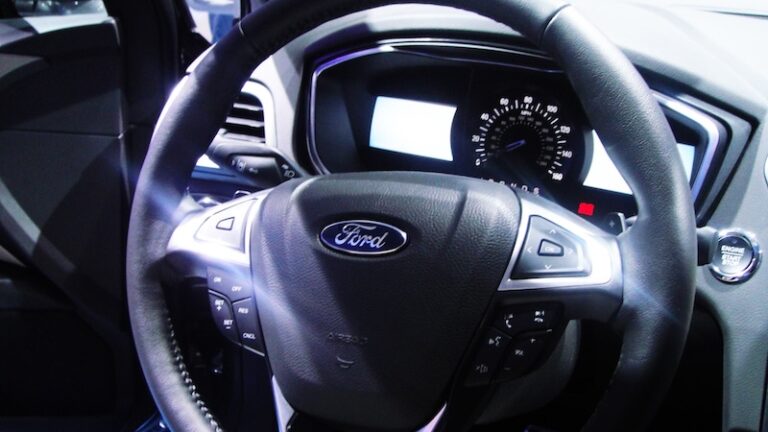
You are driving down the road when you notice the steering wheel suddenly feels heavier. What was once effortless now requires real muscle to turn. Your power steering has failed. Panic sets in. Can you even drive the car like this? Should you pull over immediately? Is it safe to drive home or do you need a tow truck?
This situation happens more often than you might think. Power steering systems fail for various reasons, from broken belts to leaking fluid to failed pumps. When it happens to you, knowing what to do and what not to do can mean the difference between getting home safely and causing expensive damage to your car or getting into an accident.
In this comprehensive guide, I am going to walk you through everything you need to know about driving without power steering. We will cover how power steering actually works, what happens when it fails, whether you can safely drive without it, what damage you might cause, and how to handle the situation if you find yourself with a dead power steering system miles from home.

How Power Steering Actually Works
Before we talk about driving without power steering, it helps to understand what power steering does and how it makes your life easier every time you turn the wheel.
At its core, power steering is an assistance system that multiplies the force you apply to the steering wheel, making it much easier to turn the front wheels. Without this assistance, turning the wheels requires significant physical effort, especially at low speeds or when the vehicle is stationary.
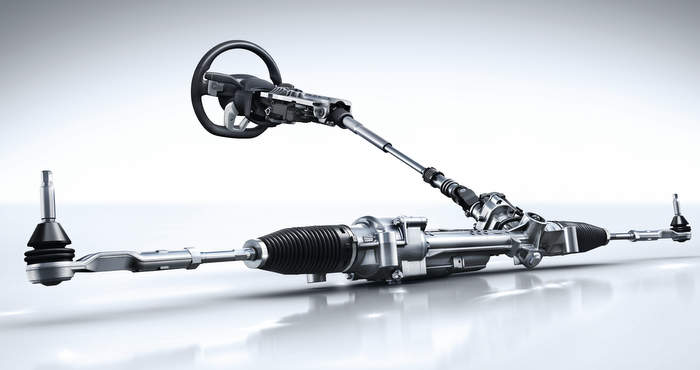
There are two main types of power steering systems found in modern vehicles. Hydraulic power steering, which is older and still common on many cars, uses a pump driven by the engine to pressurize hydraulic fluid. This pressurized fluid assists with steering effort when you turn the wheel. Electric power steering, which is newer and increasingly common, uses an electric motor to provide steering assistance instead of hydraulic pressure.
In a hydraulic system, when you turn the steering wheel, a valve opens that allows pressurized fluid to flow into the steering rack or steering box. This hydraulic pressure pushes against a piston that helps move the steering components, dramatically reducing the effort needed from the driver. The harder you turn the wheel, the more assistance the system provides.
Electric power steering works similarly in concept but uses an electric motor attached to the steering column or rack to provide the assistance. Sensors detect how much force you are applying to the wheel and how fast you are turning it, then the computer commands the electric motor to provide the appropriate amount of help.
What is important to understand is that power steering is an assistance system. The mechanical connection between your steering wheel and your front wheels still exists. The steering rack, tie rods, and other components physically connect the wheel to the tires. Power steering just makes operating this mechanical system much easier. When power steering fails, that mechanical connection still works, it just requires much more effort to operate.
What Happens When Power Steering Fails
Power steering failure can happen suddenly or gradually, and the cause determines what symptoms you will experience.
Sudden Failures
A broken serpentine belt is the most common cause of sudden, complete power steering loss on hydraulic systems. The belt drives the power steering pump, and when it breaks, the pump stops working instantly. One moment you have normal steering, the next moment the wheel is extremely heavy.
This is jarring and scary when it happens, especially if you are in the middle of a turn. The steering wheel does not lock up completely, but it suddenly requires many times more force to turn. If you are not prepared for it, you might not be able to complete the turn you started.
On electric power steering systems, failures are usually electronic. A sensor fails, the control module malfunctions, or the electric motor itself stops working. The result is the same, sudden loss of assistance, though electric systems sometimes provide a warning light before completely failing.
Gradual Failures
More commonly, power steering problems develop gradually. A slow fluid leak reduces the hydraulic pressure over time. The pump starts wearing out and provides less assistance. You might notice the steering getting progressively heavier over days or weeks.
You might hear whining or groaning noises when turning the wheel, especially at full lock. The steering might feel fine when driving straight but require extra effort in turns. These are signs that your power steering system is failing and needs attention before it quits completely.
Low power steering fluid is extremely common and causes progressively worse steering effort. As the fluid level drops, air gets into the system, reducing the hydraulic pressure. The pump might make noise as it struggles to build pressure with insufficient fluid. Eventually, if enough fluid leaks out, you effectively have no power steering at all.
Can You Actually Drive Without Power Steering?
The short answer is yes, you can physically drive a car without power steering. The mechanical steering components still work. The question is whether you should, and under what circumstances it is safe.
What It Feels Like
Driving without power steering feels completely different from normal driving. The steering wheel requires enormous effort to turn, especially at low speeds. At highway speeds, steering effort is more reasonable because the wheels are rolling and the force required to turn them is less. But at parking lot speeds or when stopped, turning the wheel takes serious physical strength.
A compact car without power steering is manageable for most drivers, though tiring. A full-size sedan is significantly harder. A truck or SUV is extremely difficult and might be beyond the physical capability of some drivers, especially smaller individuals or those without significant upper body strength.
The resistance you feel is not consistent either. Turning the wheel while moving requires less effort than turning it while stopped. Turning on smooth pavement is easier than turning on rough pavement. The inconsistency takes getting used to and makes precise steering difficult.
The Safety Reality
Here is the hard truth. Driving without power steering significantly reduces your ability to control the vehicle, especially in emergency situations. If you need to swerve suddenly to avoid an obstacle, you might not be able to turn the wheel fast enough or with enough force to avoid a collision.
Your reaction time effectively increases because executing a steering input takes much longer when you are fighting heavy steering. What would normally be a quick flick of the wheel becomes a serious physical effort that takes time to complete.
Parking becomes a genuine challenge. Maneuvering in tight spaces requires multiple full turns of the steering wheel, and without power assist, this is exhausting. Many drivers simply cannot generate enough force to turn the wheel at full lock while stationary, which is necessary for parallel parking and tight turns.
That said, if you have no other option and need to drive without power steering to get somewhere safe, it can be done. You just need to drive very carefully, avoid situations that require quick steering inputs, and understand that your vehicle handling is severely compromised.
What Damage Can Driving Without Power Steering Cause?
This is a critical question. Can driving without power steering damage your car? The answer depends on what caused the failure and how you drive.
Steering Rack and Pump Damage
The steering rack on cars equipped with power steering is designed to operate with hydraulic assistance. While it can technically function without it, the increased forces going through the rack components cause additional wear. Driving short distances without power steering will not immediately destroy the rack, but extended driving or aggressive steering inputs can accelerate wear on the internal components.
If your power steering failed because of low fluid, running the pump dry causes serious damage. Power steering pumps use the fluid for lubrication as well as hydraulic pressure. Without fluid, the pump runs dry and the internal components grind against each other, wearing rapidly and potentially seizing. If you suspect low fluid caused your power steering loss, do not keep driving. You are destroying the pump.
This is why mechanics recommend removing the power steering belt if you must drive significant distances without power steering. With the belt off, the pump does not spin, so it cannot damage itself running dry. The downside is you lose whatever other accessories that belt drives, which might include the alternator or air conditioning compressor depending on your vehicle.
Tire and Suspension Wear
Forcing the steering wheel when the tires are not moving, called dry steering, puts enormous stress on the tires and suspension components. With power steering, most people occasionally turn the wheel while stopped without thinking about it. Without power steering, doing this requires so much force that most people avoid it naturally.
But if you do manage to force the wheel while stationary, you are dragging the tire across pavement rather than rolling it. This scrubs the tread and can flat-spot the tire. The tie rods, ball joints, and other suspension components also experience much higher loads than normal.
The general advice is never turn the steering wheel while the vehicle is completely stopped when you do not have power steering. Always have at least a little bit of movement before turning the wheel. This dramatically reduces the force required and the stress on components.
How to Drive Without Power Steering if You Have No Choice
If your power steering fails and you have to drive the car, here is how to do it as safely as possible while minimizing potential damage.
Get the Car Moving First
The most important technique is to get the vehicle rolling before attempting to turn the wheel. Even a few miles per hour of forward movement dramatically reduces steering effort. If you are trying to pull out of a parking space, ease forward or backward slightly, then turn the wheel while moving. Never try to crank the wheel while completely stationary.
This becomes second nature quickly. You learn to time your steering inputs to when the car is rolling. It takes more planning and smoother inputs than normal driving, but it works.
Use More Steering Angle Than Usual
Because you cannot make quick, large steering corrections, you need to plan ahead and use more gradual inputs. Make wider turns than you normally would. Give yourself extra space when changing lanes. Avoid tight maneuvers that would require quick steering movements.
Your lane positioning might not be as precise as normal. Accept this and compensate by giving yourself more buffer space from other vehicles and lane edges. This is not the time to be threading needles through traffic.
Slow Down Significantly
Lower speeds give you more time to execute steering inputs and react to situations. Highway speeds are actually easier for steering effort, but they are more dangerous because situations develop so quickly. If possible, stick to slower roads where you have time to think and react.
Some sources suggest not exceeding 30 miles per hour when driving without power steering. While this might be overly conservative, the principle is sound. The slower you go, the more time you have to wrestle the wheel where you need it to go and the less catastrophic a collision would be if you cannot avoid it.
Avoid Parking and Tight Spaces
If you can avoid parking maneuvers entirely, do so. Park in a pull-through spot so you can drive straight out. If you must back in or parallel park, accept that it will take multiple small movements with the car rolling slightly for each adjustment. Trying to muscle the wheel around at full lock while stationary is asking for trouble.
Tight turns in parking lots are similarly challenging. Take the widest path possible and use multiple small adjustments rather than trying to crank the wheel all at once.
Plan Your Route
If you know your power steering is out and you have to drive somewhere, plan a route that minimizes difficult maneuvers. Avoid routes with lots of turns. Stick to roads where you can maintain steady speed and direction. Right turns are easier than left turns because they usually do not cross traffic and you can take them wider.
The goal is to minimize the amount of steering you have to do and the difficulty of the steering you cannot avoid. A slightly longer route with easier turns is better than a shorter route full of tight corners and heavy traffic.
What to Do When Power Steering Fails While Driving
If your power steering quits suddenly while you are on the road, here is the immediate action plan.
First, do not panic. The car still steers, it just takes more effort. Keep both hands firmly on the wheel and maintain your course. Do not make sudden steering inputs because you will not be able to control them properly without power assist.
Second, safely slow down and find a place to pull over. Use your hazard lights to warn other drivers that something is wrong. Get off the road if possible. If you are on a highway, exit at the next off-ramp.
Third, once stopped, assess the situation. Pop the hood and look for obvious problems. Is the serpentine belt broken or off? Is there power steering fluid leaking on the ground? Can you see the power steering reservoir and check the fluid level? These visual checks can tell you what happened.
If the belt is broken, you are not going far without professional help. The car might still run, but it will have no power steering and possibly no alternator, which means the battery will die eventually. Call for a tow or roadside assistance.
If the fluid is low or empty and you have spare power steering fluid in the car, you can try adding it. But if the fluid leaked out once, it will leak out again. This is a temporary fix at best to get you to a repair shop.
If you cannot identify the problem or fix it roadside, you need to decide whether to drive the car without power steering or have it towed. Consider how far you need to go, how difficult the route is, your physical capability to handle heavy steering, and the traffic conditions. If the distance is short, the route is simple, and you feel capable, you might choose to drive. If any of those factors is unfavorable, towing is the safer choice.
Common Causes of Power Steering Failure
Understanding what typically causes power steering to fail helps you prevent problems and recognize warning signs before complete failure occurs.
Low or Leaking Fluid
This is the most common power steering problem. The system develops a leak somewhere, fluid escapes, and eventually the level drops low enough that the system cannot build proper pressure. Common leak points include the pump, hoses, steering rack seals, and connection fittings.
You can often spot leaks by looking for wet spots or drips under the car after it has been parked. Power steering fluid is usually red, pink, or amber colored and has a distinctive smell. Check the power steering reservoir regularly. If the level keeps dropping, you have a leak that needs fixing.
Broken Belt
The serpentine belt that drives the power steering pump can break, slip off, or become too worn to properly grip the pulleys. This causes instant power steering loss. Regular belt inspection and replacement according to the maintenance schedule prevents this problem.
If the belt is just loose and slipping rather than broken, you might have intermittent power steering loss that comes and goes. The belt squeals, especially when turning the wheel. Tightening or replacing the belt fixes this.
Failed Pump
The power steering pump eventually wears out from age and use. The internal components wear, seals fail, and the pump loses its ability to build adequate pressure. A failing pump makes noise, usually a whining or groaning that gets worse when you turn the wheel.
Running a pump dry from low fluid accelerates failure dramatically. If you ignored low fluid warnings and kept driving, you probably damaged the pump, which now needs replacement along with fixing whatever caused the fluid loss.
Steering Rack Issues
The steering rack itself can develop problems. Internal seals fail, causing internal fluid leaks that reduce pressure. The rack can become stiff from corrosion or wear. On electric power steering systems, the electric motor or its control electronics can fail.
Steering rack problems usually develop gradually. The steering gets progressively harder over time. You might notice stiffness in one direction but not the other. These symptoms mean the rack needs professional inspection and possibly replacement.
The Difference Between Hydraulic and Electric Power Steering Failures
How power steering fails and what you can do about it depends on which type of system your car has.
Hydraulic System Failures
Hydraulic power steering usually fails gradually from leaks or pump wear. You get warning signs like noise, heavy steering, or visible fluid leaks. Complete sudden failure is less common unless a belt breaks.
The advantage of hydraulic systems is that you can sometimes limp along by adding fluid periodically if the leak is slow. The disadvantage is that driving with a failed hydraulic system risks pump damage if the fluid is low or gone.
Electric System Failures
Electric power steering tends to fail more suddenly and completely when it goes. A sensor fails, the control module glitches, or the motor quits, and you instantly have no assist. There is usually no gradual degradation or warning signs.
The advantage of electric systems is that failure does not risk additional damage. There is no pump to run dry or belt to break. The motor just stops assisting, but the mechanical steering remains intact. The disadvantage is that electric power steering problems usually require professional diagnosis with scan tools because they are electrical and electronic rather than mechanical.
Some electric power steering systems provide a dashboard warning light before complete failure. If you see a power steering warning light, get the car checked immediately before you are left stranded with heavy steering.
How Long Can You Actually Drive Without Power Steering?
There is a lot of conflicting information about this. Some people claim you can only drive a few miles or a specific distance like 300 or 600 kilometers before damaging the steering rack. Others say they have driven for weeks without power steering with no issues. What is the truth?
The reality is that there is no hard limit on distance. The steering components can function indefinitely without power assist from a purely mechanical standpoint. The rack, tie rods, and other parts are physical linkages that work whether hydraulic pressure assists them or not.
The damage risk comes from two sources. First, if the power steering failed from low fluid and you keep running the pump dry, you are destroying the pump. This damage happens quickly, within miles not hundreds of miles. Second, the increased forces going through the steering rack and suspension components from heavy steering inputs cause accelerated wear over time. This is not instant damage, but the components will wear faster than they would with proper power assist.
So you can drive without power steering for as long as necessary without the car immediately breaking. But you are increasing wear on components and risking expensive damage if low fluid is the cause and you keep running the pump. The smart move is to drive only as far as needed to reach safety or a repair facility, not to continue indefinitely.
Should You Remove the Power Steering Belt?
Mechanics sometimes recommend removing the serpentine belt that drives the power steering pump if you need to drive significant distances without power steering. Here is the thinking behind that advice and whether it makes sense.
The advantage of removing the belt is that it stops the pump from spinning. If the pump is running without fluid, removing the belt prevents it from destroying itself. The pump cannot damage itself if it is not turning. This can save you the cost of replacing both the pump and whatever component was leaking fluid in the first place.
The disadvantage is that the same belt often drives other components. On many cars, the serpentine belt drives the alternator, air conditioning compressor, water pump, and power steering pump. Removing the belt kills all these systems. Without the alternator, your battery will die eventually, leaving you stranded. Without the water pump on some engines, the motor will overheat.
Some vehicles have separate belts for different accessories, making it possible to remove just the power steering belt. But most modern cars use a single serpentine belt for everything, making this impractical.
The realistic advice is this. If your power steering failed from low fluid and you must drive more than a few miles, stop adding fluid and let the pump run dry for that distance. Yes, the pump will be destroyed, but you were probably going to replace it anyway once you fix the leak. Trying to remove the belt roadside often is not practical or advisable unless you know your specific vehicle has a separate power steering belt and you understand the consequences.
The Bottom Line on Driving Without Power Steering
Let me distill all this information into practical guidance you can actually use.
Yes, you can physically drive a car without power steering. The mechanical steering components still work. But your ability to control the vehicle is significantly compromised, especially in emergency situations. Steering effort is enormously increased, particularly at low speeds and when stationary. Most people can manage it for short distances on simple routes, but it is tiring, challenging, and potentially dangerous.
Driving without power steering will not immediately break your car if you do it correctly. Never turn the wheel while stationary. Always be moving, even slightly, when steering. Avoid aggressive steering inputs. These practices minimize stress on components.
However, if low fluid caused the power steering loss and you keep driving with the pump running dry, you are causing real damage that gets worse by the mile. If you must drive in this condition, accept that the pump is probably getting destroyed.
The safest course of action when power steering fails is to stop driving as soon as safely possible and have the vehicle towed to a repair facility. Power steering is a critical safety system, and driving without it increases accident risk significantly.
If you absolutely must drive without power steering, keep the distance short, choose the easiest route possible, drive slowly and carefully, avoid tight maneuvers and parking, and get the vehicle repaired immediately. This is emergency transportation to reach safety, not a long-term solution. Your car is telling you something is seriously wrong. Listen to that message and get professional help before the problem escalates from inconvenient to catastrophic.