
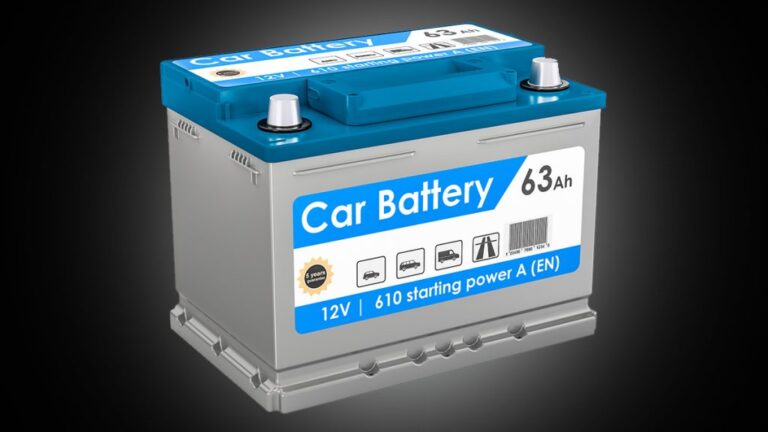
The car battery is one of those components that most drivers take completely for granted until the day it does not work. You turn the key or press the start button, and the engine fires up. Everything seems fine until one cold morning when you are met with nothing but a clicking sound and a dashboard full of warning lights.
Understanding when and how your car battery charges is not just useful trivia. It is practical knowledge that can help you avoid being stranded, extend the life of your battery, and recognize the warning signs of electrical system problems before they leave you stuck somewhere inconvenient.
So when does your car battery actually charge? Is it charging while you are sitting in traffic? Does idling count? And how long do you really need to drive to bring a depleted battery back to life? Let’s answer all of those questions and more.
When Does a Car Battery Charge?
The simple answer is this: your car battery charges any time the engine is running. It does not matter if you are driving down the highway, idling at a stoplight, or sitting in your driveway with the engine on. As long as the engine is running, the alternator is producing electrical current and sending it to the battery.
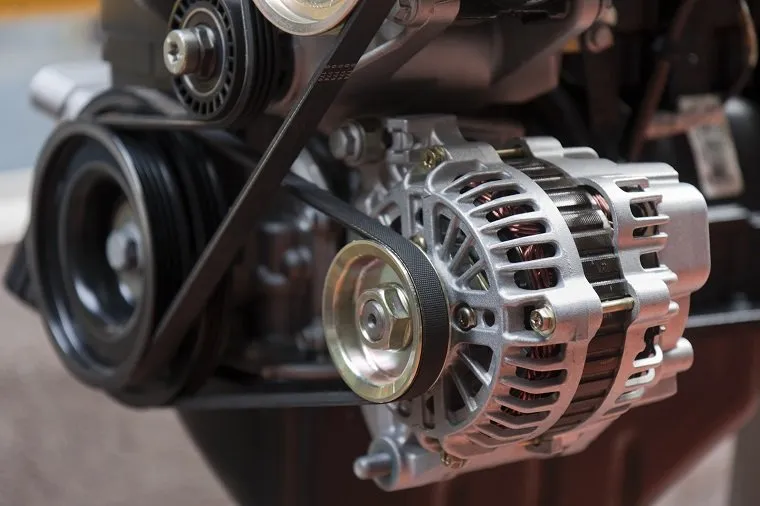
The alternator is the component responsible for keeping the battery charged. It is driven by a belt connected to the engine’s crankshaft. When the engine runs, the crankshaft spins, which turns the alternator. Inside the alternator, a rotor spins through a magnetic field, generating alternating current that is then converted to direct current to power the vehicle’s electrical systems and recharge the battery.
This process happens continuously while the engine is running. The alternator does not take breaks. It is always generating electricity, and any power not being used by the headlights, radio, climate control, or other accessories goes directly into charging the battery.
But here is the catch: this only works if the battery is in good condition and capable of holding a charge. A battery that has reached the end of its life, has internal damage, or has sulfated plates will not charge properly no matter how long you drive. If your battery is old or weak, even a perfectly functioning alternator cannot bring it back to full health.
Does the Battery Charge When the Car Is Idling?
Yes, the battery does charge when the car is idling, but not as efficiently as it does when you are driving. When the engine is idling, it is running at a lower RPM, which means the alternator is spinning more slowly and producing less electrical output. At the same time, your car is still running electrical accessories like the fuel injection system, engine computer, dashboard displays, and possibly the air conditioning or heated seats.
That means the alternator is producing just enough power to keep those systems running, with only a small amount left over to trickle charge the battery. If your battery is significantly depleted, idling alone is not going to bring it back to full charge quickly. You would need to idle for an extended period, often well over an hour, to see a meaningful increase in battery charge.
Idling for long periods is also not great for your engine or fuel economy. It wastes gas, increases engine wear, and in some places is even illegal due to emissions concerns. So while idling does charge the battery, it is not an efficient or practical solution if your goal is to recharge a depleted battery.
How the Alternator Charges the Battery
To understand when and how well your battery charges, it helps to know a bit more about how the alternator works.
The alternator is essentially a generator. It has a rotor that spins inside a stator surrounded by magnets. As the rotor spins, it cuts through the magnetic field and generates alternating current. That AC current is then converted to DC current by a component called a rectifier, because your car’s electrical system runs on DC power.
The voltage regulator inside the alternator ensures that the output stays within a safe range, typically between 13.5 and 14.5 volts. This prevents overcharging, which can damage the battery and other electrical components.
When the engine RPM increases, the alternator spins faster and produces more current. That is why driving at highway speeds is much more effective at charging the battery than idling in your driveway. The faster the alternator spins, the more electricity it generates, and the more surplus power is available to recharge the battery.
How Long Does It Take to Charge a Battery While Idling?
If your battery is low and you are wondering how long you need to let the car idle to bring it back to life, the honest answer is longer than you probably want to wait.
Experienced automotive technicians generally agree that you would need to idle your car for at least one to two hours to put a meaningful charge into a significantly depleted battery. Even then, you are not going to get the battery back to 100 percent. You might get it charged enough to start the car reliably the next time, but a full charge takes longer and requires higher alternator output than idling can provide.
Several factors affect how quickly the battery charges while idling:
- How depleted the battery is: A battery that is only slightly low will charge faster than one that is nearly dead.
- The alternator’s output capacity: Higher-output alternators charge faster. Larger vehicles with bigger electrical demands often have more powerful alternators.
- Electrical load while idling: If you have the air conditioning, headlights, radio, and heated seats all running, the alternator has less surplus power to send to the battery.
- Battery age and condition: An old or damaged battery will not accept a charge as efficiently as a new one.
If your car has been sitting for weeks or months and the battery is dead, idling is not the solution. Use a battery charger or take the car for a proper drive.
How Long Does It Take to Charge a Battery While Driving?
Driving is far more effective than idling when it comes to recharging your battery. When you are driving, especially at higher speeds, the engine RPM is higher, the alternator is spinning faster, and it is producing significantly more electrical current.
As a general rule, you should drive for at least 30 minutes after jump-starting your car or after the battery has been drained. This gives the alternator enough time to put a solid charge back into the battery and helps ensure the car will start reliably the next time you turn the key.
But 30 minutes is a minimum, not a guarantee of a full charge. If the battery was completely dead, or if it has been sitting unused for a long time, you may need to drive for an hour or more to bring it back to a healthy state of charge.
Here is what affects charging time while driving:
- Driving speed and engine RPM: Highway driving charges the battery faster than stop-and-go city driving.
- Electrical accessory use: Turn off unnecessary accessories like heated seats, rear defrost, and high-beam headlights to maximize the charge going to the battery.
- Battery capacity and health: A larger battery takes longer to charge. An old battery may never fully charge again.
- How deeply the battery was discharged: A battery that was only slightly low will recover quickly. A battery that was drained to the point of not starting the car will take much longer.
If you have jump-started your car and you are only planning to drive a few blocks, that is not enough. Make it a point to take a longer drive, ideally on roads where you can maintain steady speed and higher RPM.
What Happens If the Battery Cannot Hold a Charge Anymore?
There comes a point in every battery’s life when it can no longer hold a charge, no matter how long you drive or how well the alternator is working. This usually happens due to internal sulfation, where lead sulfate crystals build up on the battery plates and reduce the battery’s ability to store energy.
Other causes of a battery that will not hold a charge include physical damage, corrosion on the terminals, a cracked case, or simply old age. Most car batteries last between three and five years, though some can last longer with proper care and favorable climate conditions.
If your battery keeps dying even after you have driven the car for an extended period, or if it cannot hold a charge overnight, it is time to have the battery tested. Most auto parts stores will test your battery for free. If the test shows the battery is weak or failing, replace it. Continuing to drive on a failing battery puts extra strain on the alternator and can lead to alternator failure, which is a much more expensive repair.
Can You Overcharge a Car Battery by Driving?
No, you cannot overcharge a car battery by driving under normal conditions. The voltage regulator in the alternator prevents the charging voltage from exceeding safe levels. As long as the voltage regulator is functioning properly, the battery will not be damaged by extended driving.
However, if the voltage regulator fails and allows the alternator to produce too much voltage, the battery can be overcharged. Signs of overcharging include a swollen battery case, a strong sulfur smell, or boiling battery acid visible through the filler caps on older-style batteries. If you notice any of these symptoms, have the charging system tested immediately.
Using an External Charger: When and Why
If your battery is completely dead, or if your car has been sitting unused for weeks or months, the best way to recharge it is with an external battery charger, not by idling or driving.
A quality battery charger can safely and fully recharge a depleted battery over several hours without the engine running. Some chargers include a maintenance or trickle charge mode that keeps the battery topped off during long-term storage, which is ideal if you have a vehicle you only drive occasionally.
Using a charger also avoids the strain on the alternator that comes from trying to recharge a deeply discharged battery while driving. The alternator is designed to maintain a charged battery, not to recover a completely dead one. Repeatedly forcing the alternator to do heavy charging work can shorten its lifespan.
How to Keep Your Battery Charged and Healthy
Keeping your battery in good condition is not difficult, and a few simple habits can extend its life significantly:
- Drive your car regularly. Even short trips a few times a week are better than letting the car sit unused for long periods.
- Avoid leaving accessories on when the engine is off. Headlights, interior lights, or the radio left on can drain the battery quickly.
- Keep the battery terminals clean. Corrosion on the terminals can prevent the alternator from charging the battery effectively. Clean the terminals with a wire brush and a mixture of baking soda and water if you see white or green buildup.
- Check the battery’s age. If your battery is more than four years old and you start noticing slow cranking or other issues, consider replacing it proactively before it fails.
- Use a trickle charger during long-term storage. If you are not driving your car for weeks at a time, connect it to a battery maintainer to keep it charged and ready to go.
- Have the charging system tested during routine maintenance. Most mechanics can quickly test the alternator output and battery health during an oil change or inspection.
Your Battery Charges Every Time the Engine Runs, But That Does Not Mean It Is Healthy
To recap: your car battery charges whenever the engine is running, whether you are driving or idling. But idling charges the battery slowly and inefficiently, while driving at higher speeds charges it much more effectively. If your battery is weak, old, or damaged, no amount of driving will bring it back to full health, and it is time for a replacement.
Understanding how and when your battery charges gives you the knowledge to make smarter decisions when problems arise. If your car has been sitting for a while, take it for a real drive, not just a trip around the block. If the battery keeps dying, do not keep jump-starting it and hoping for the best. Get it tested and replace it if needed.
The battery and alternator work together as a team. When one fails, the other suffers. Keep both in good condition, and your car’s electrical system will serve you reliably for years.