
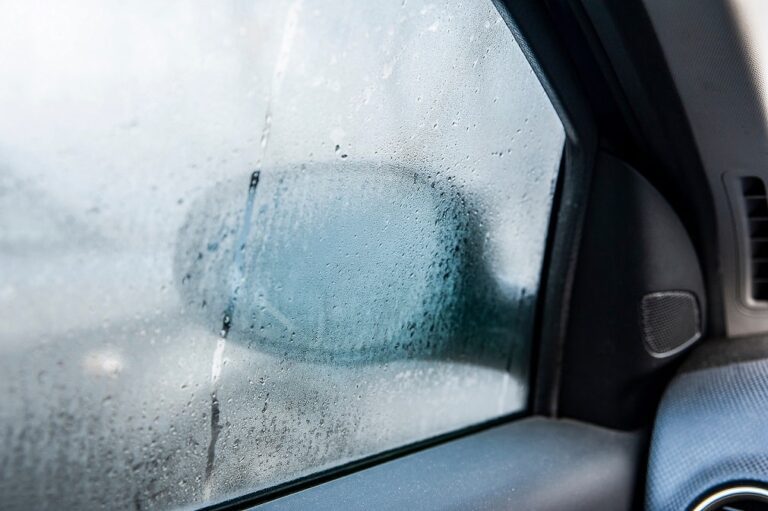
Fogged-up car windows are more than just an annoyance. They are a genuine safety hazard. When you cannot see clearly through your windshield or side windows, your reaction time drops, your blind spots grow, and the risk of an accident goes up significantly. And yet, most drivers just swipe at the glass with their sleeve and keep moving.
The smarter approach is to understand why it is happening in the first place. Once you know the cause, fixing it becomes straightforward. And in most cases, preventing it from coming back is even simpler than that.
What Actually Causes Car Windows to Fog Up?
Window fogging happens when warm, moisture-laden air inside the cabin comes into contact with a cold glass surface. The temperature difference causes the moisture in the air to condense and settle on the glass as a fine film of water droplets. That film is what you see as fog.
But the specific trigger for that moisture buildup varies quite a bit from one situation to the next. Here are the most common causes.
Cold Outside Temperatures
Winter is the peak season for fogged-up windows, and the physics behind it are simple. The outside of the glass gets cold. The inside of the car is warm from your body heat and the heater. That temperature difference turns the inner glass surface into a condensation magnet. Every breath you exhale adds moisture to the cabin air, and that moisture has nowhere to go except onto the nearest cold surface, which is usually the windshield.
High Humidity and Rain
When it rains, the humidity level inside your car can spike quickly, especially if you get in with wet clothes, a damp jacket, or soaked shoes. As the heater warms the cabin, that moisture actively evaporates off your wet gear and saturates the air. Wet floor mats are a particularly common culprit that most people overlook entirely.
A Clogged or Incorrectly Fitted Cabin Filter
The cabin air filter is responsible for cleaning the air that enters your car from outside. When it gets clogged with dirt, dust, and debris after too many miles without a replacement, it struggles to pull in fresh outside air efficiently. Less fresh air circulation means humidity builds up faster inside the cabin.
Beyond clogging, a filter that does not match your vehicle’s specifications, or one that was installed incorrectly, will also fail to manage moisture and dust properly. The result in both cases is the same: fogged windows that seem to appear for no obvious reason.
Air Recirculation Left On
Most modern cars have a recirculation button that closes off the fresh air intake and simply cycles the existing cabin air around. It is useful in certain situations, like when you are stuck behind a diesel truck or driving through an area with bad smells outside. But if you leave it on for extended periods, the moisture level inside the cabin keeps rising with nowhere to escape. Eventually, that moisture ends up on your windows.
This is one of the most common and easily overlooked causes of persistent window fogging. The fix is as simple as pressing one button.
In rare cases, the recirculation valve itself can jam in the closed position, meaning outside air cannot enter even when recirculation is switched off. If turning off recirculation seems to make no difference at all, a jammed valve might be worth investigating.
A Leaking Heater Core
This one is more serious. The heater core is a small radiator-like component tucked behind your dashboard that uses hot coolant to warm the air blown into the cabin. When it develops a leak, coolant can seep into the ventilation system and evaporate into the cabin air.
The telltale signs that a leaking heater core is your problem rather than simple condensation are:
- A sweet, slightly sickly smell inside the car
- Moisture on the windows that feels slightly oily or greasy when you wipe it
- Wet patches appearing on the passenger side floor or under the dashboard
- Your coolant level dropping without any visible external leak
If you notice any combination of these signs, get it checked by a mechanic promptly. A leaking heater core is not just a visibility problem. It is a cooling system problem that can eventually overheat your engine if left unaddressed.
Alcohol Vapors From Passengers
This one does not come up in most guides, but it is real. Someone who has been drinking alcohol exhales vapors that contribute measurably to cabin humidity. If you have ever noticed that windows fog up faster on a night out with friends than on your normal commute, now you know why.

Does the Quality of Your Windows Make a Difference?
Yes, and more than most people realize. Depending on the make and model of your vehicle, the glass itself may be treated with different coatings that affect how readily moisture adheres to the surface. Some higher-end vehicles also come with electrically heated windshields as a standard feature, not just heated rear windows.
A heated windshield is genuinely useful. It clears fogging faster than any heater or air conditioning system can, and in winter, it deals with ice and frost on the outside of the glass without any scraping required. If you are shopping for a new car and you live somewhere with cold or damp winters, an electrically heated windshield is worth putting on your checklist. Many newer vehicles already include it as standard equipment.
How to Stop Car Windows From Fogging Up: Practical Fixes That Actually Work
Wiping the glass with your hand or your sleeve does nothing useful. It smears the moisture around, leaves streaks, and the fog comes right back within minutes. Here is what actually works.
Step One: Wipe the Glass Properly First
Before applying any treatment or turning on any system, start by wiping the interior glass surfaces with a clean microfiber cloth or paper towel. You want to remove both the moisture and any greasy film or dirt sitting on the glass. Treatments and sprays work much better on a clean, dry surface.
Step Two: Use Your Car’s Systems Correctly
Most drivers either use the wrong settings or use the right ones in the wrong order. Here is the correct sequence for clearing fogged windows quickly:
- In winter: Clear ice and snow from the outside of the glass first. As long as there is ice on the exterior, the inside will continue to fog no matter how much warm air you blow at it.
- Turn on the heater and wait for it to produce warm air.
- Turn off recirculation to allow fresh outside air into the cabin.
- Direct the air vents toward the windshield and side windows.
- If it is raining and relatively mild outside, switch on the air conditioning. The AC dehumidifies the cabin air far more effectively than heat alone, and it will clear the glass noticeably faster.
- For the rear window, simply press the heated rear window button. That is exactly what it is there for.
One thing worth knowing: warming the engine up fully is not actually necessary for this process to work. The temperature of the air being blown at the glass matters less than the airflow itself and whether or not the AC is dehumidifying it.
Household Fixes That Genuinely Help
Beyond the car’s built-in systems, there are some low-cost preventive treatments you can apply to the interior glass to significantly reduce how often fogging occurs.
- A cut lemon: Rub the cut side of half a lemon across the interior glass surface. The natural oils create a thin barrier that resists moisture adhesion. As a bonus, it leaves a fresh smell in the cabin.
- Soap or shaving foam: Apply a small amount of any soap or shaving foam to the glass, then buff it off with a dry cloth followed by a paper towel. The thin residual film acts as a moisture barrier. Shaving foam works particularly well because its consistency makes it easy to spread evenly across large glass surfaces.
- Table salt: Rub the glass surface with regular table salt, then wipe clean. As an extra measure, place small open bags of salt on the dashboard or center console to absorb ambient moisture inside the cabin.
- Alcohol and glycerin solution: Mix ethyl alcohol with glycerin at a ratio of 20 parts alcohol to 1 part glycerin. Pour it into a spray bottle, apply it to clean, dry glass, and buff with a clean cloth. This is essentially a homemade anti-fog treatment that you can reapply as needed.
Commercial Anti-Fog Products
If you prefer a ready-made solution, anti-fog sprays designed specifically for automotive glass are widely available and work well. Apply them to glass that has been cleaned, dried, and degreased beforehand for best results. The main limitation is longevity. Most commercial anti-fog sprays need reapplication every 10 to 15 days under normal use conditions.
Anti-fog films are another option worth considering. These are thin, transparent films that bond to the interior glass surface and physically prevent moisture from settling. They last significantly longer than sprays and require no ongoing reapplication once installed correctly.
Long-Term Prevention: How to Stop the Problem Before It Starts
Treating the glass is useful, but addressing the underlying moisture sources inside the cabin is what actually solves the problem long term.
Change Your Cabin Air Filter on Schedule
This is probably the single most neglected maintenance item on most vehicles. A clogged cabin filter cannot circulate outside air efficiently, and that directly contributes to moisture buildup inside the cabin. Check your owner’s manual for the recommended replacement interval. Most manufacturers suggest every 15,000 to 25,000 km (roughly 10,000 to 15,000 miles), but if you drive in dusty or high-humidity conditions regularly, consider changing it more frequently.
When you replace it, do not automatically reach for the cheapest option on the shelf. A quality carbon-activated filter costs more but performs significantly better at absorbing moisture and odors compared to basic paper filters. And make sure it is installed correctly. A filter that is even slightly misaligned will allow unfiltered, uncontrolled air to bypass it entirely.
Keep Wet Items Out of the Car
Wet coats, umbrellas, gym bags, and soggy shoes all release moisture into the cabin air as they dry. That moisture goes directly onto your windows. If you have been caught in the rain, leave wet outerwear in the trunk rather than on the back seat. Shake out your umbrella before bringing it inside the car.
Deal With Wet Floor Mats Properly
Rubber mats should be drained of standing water and wiped down after wet weather. Fabric or carpet mats need to come out of the car entirely and be dried separately. A set of soaking wet carpet mats can release a surprising amount of moisture into a closed cabin over a few hours of driving.
Air Out the Interior Regularly
If your car has been sitting in a damp garage or parked outside in persistent rain or fog, the interior absorbs moisture over time. Leaving the vehicle with the windows slightly open in a warm, dry location for a day or two can draw out a significant amount of accumulated humidity. If you have access to a warm garage or sunny parking area, use it.
Open the Doors After Long Drives
If the cabin is noticeably warm and humid after a long drive and the conditions outside are cooler, open all four doors for five to ten minutes after parking. This allows the built-up humidity to escape before it settles on the glass overnight.
In Severe Cases, Drive With a Window Slightly Open
If you are in a situation where fogging keeps returning despite using the heater and AC, cracking a side window open even an inch or two creates enough airflow to significantly reduce interior humidity. It is not the most comfortable option in cold weather, but it is more comfortable than not being able to see where you are going.
Quick Reference: Causes and Fixes at a Glance
| Cause | Quick Fix | Long-Term Solution |
|---|---|---|
| Cold outside temperatures | Heater on, recirculation off, direct air at glass | Anti-fog treatment on interior glass |
| Rain and high humidity | AC on to dehumidify cabin air | Remove wet items, dry floor mats |
| Clogged cabin filter | Turn off recirculation temporarily | Replace cabin filter on schedule |
| Recirculation left on | Press the recirculation button to turn it off | Make it a habit to leave recirculation off |
| Leaking heater core | Avoid using the heater until repaired | Have a mechanic repair or replace the heater core |
| Damp interior from long exposure | Open windows and doors to ventilate | Dry interior thoroughly in a warm, dry location |

Fogged windows are almost always preventable. A clean cabin filter, the right ventilation habits, and occasional anti-fog treatment on the interior glass will eliminate the problem for the vast majority of drivers in the vast majority of conditions. If you are still fighting persistent fogging after addressing all of those factors, the heater core is worth a closer look before the problem becomes something bigger.