
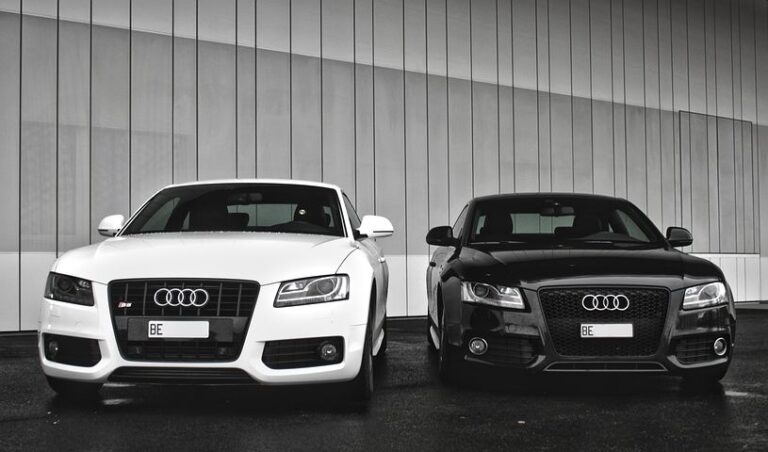
Walk through any parking lot and you will notice something interesting. A huge percentage of cars are either white or black. These two polar opposite colors dominate roads worldwide, yet they could not be more different in how they look, how they age, and how much work they require to maintain. If you are trying to decide between black and white for your next vehicle, the choice matters more than you might think.
I have owned both black and white vehicles over the years, and I can tell you from personal experience that each color has distinct personality traits, just like people. Black cars are dramatic and sophisticated but demanding and high-maintenance. White cars are practical and forgiving but can feel clinical and boring to some people. Neither is objectively better, they just suit different priorities and lifestyles.
In this comprehensive guide, I am going to break down everything you need to know about black versus white cars. We will cover appearance, maintenance requirements, heat absorption, resale value, safety considerations, and all the practical realities of living with each color. By the end, you will have a clear understanding of which color fits your situation better.
The Aesthetic Battle: How Black and White Look
Let us start with the most obvious difference. How do these colors actually look, and what impression do they create?
Black: Drama, Sophistication, and Visual Impact
There is no denying that a clean black car commands attention. Black paint creates depth and reflects light in ways that make body lines pop. Curves look more dramatic, chrome and trim stand out more, and the overall effect is undeniably sleek and sophisticated.
This is why luxury manufacturers love black. A black Mercedes, BMW, or Audi looks expensive and powerful in a way that few other colors can match. The color screams prestige and authority. Limousines and executive vehicles are almost always black for exactly this reason.
Black also makes vehicles look smaller and more compact, which can be either good or bad depending on your perspective. A large SUV in black looks sleeker and less bulky than the same SUV in white. A small sports car in black looks even more aggressive and nimble.
The catch is that black only looks amazing when it is absolutely perfect. A freshly detailed black car with flawless paint is stunning. But the moment dust settles on it, water spots appear, or swirl marks catch the light, that stunning appearance evaporates. Black is beautiful but unforgiving.
White: Clean, Modern, and Timeless
White creates a completely different aesthetic. Where black is dramatic, white is clean and modern. White cars look larger than they actually are, which can make a compact car feel more substantial and a truck or SUV look even more imposing.
Modern white paint is not the flat, chalky white of decades past. Contemporary whites have depth and often include pearl or metallic elements that give them visual interest. Colors like Alpine White, Ceramic White, and Pearl White catch light beautifully and create a premium appearance.
White works on virtually any vehicle type. Sports cars in white look aggressive and track-ready. Luxury sedans in white look crisp and elegant. Trucks and SUVs in white look capable and purposeful. It is one of the most versatile colors available.
White also feels more casual and approachable than black. A white car does not intimidate or demand attention the way black does. This can be either a positive or negative depending on what image you want to project.
The big advantage white has over black aesthetically is that it maintains its appearance with less effort. A white car still looks reasonably good even when it is not perfectly clean. The imperfections that destroy the look of a black car are far less visible on white.
The Maintenance Reality: Living With White vs black
This is where the rubber meets the road, literally. How much work does each color require to keep looking decent?
Black Cars: Beautiful But Brutally Demanding
I am not going to sugarcoat this. Black cars are extremely high-maintenance. If you value your free time and hate washing cars, black is probably not for you unless you can afford professional detailing regularly.
Dust shows on black instantly. You can wash a black car, drive it home, and it already looks dusty. Pollen season is a nightmare for black car owners. Water spots from rain or sprinklers etch into the clear coat and remain visible long after the water dries. Every fingerprint shows. Every swirl mark catches the light like spider webs in direct sun.
Bird droppings are disasters on black paint because the white contrast is so stark. Tree sap stands out dramatically. Road grime and brake dust make black cars look filthy faster than any other color. Basically, everything that can dirty a car shows up immediately and obviously on black.
Scratches are particularly brutal on black. Even the tiniest scratch appears as a bright line against the dark paint because you are seeing through to lighter primer or metal underneath. What would be invisible on a lighter color jumps out on black.
To keep a black car looking good requires weekly washing at minimum, often more frequently. You need to use proper techniques with quality products to avoid creating swirl marks. Many black car owners end up getting their cars detailed professionally every few months just to remove the accumulated swirls and restore that perfect shine.
The time and money commitment is real. If you are not prepared for that, the beauty of black will turn into a source of constant frustration.
White Cars: Forgiving and Low-Maintenance
White is dramatically easier to maintain than black, though it is not completely maintenance-free. Dust is far less visible on white. You can go a week or two between washes and the car still looks acceptable. Water spots are much less noticeable. Minor scratches blend in rather than standing out.
The types of dirt that show most on white are mud, road grime, and brake dust, basically dark-colored dirt. After driving on wet, muddy roads, a white car can look pretty rough. But normal dust and pollen that make black cars look terrible barely show on white.
Bird droppings are still visible on white, but the contrast is not as dramatic as on black. Tree sap shows but does not create the same visual disaster. Overall, the car maintains a cleaner appearance with less effort.
Scratches are the area where white really shines compared to black. Minor scratches are often nearly invisible on white paint because the base layers under the paint are light colored. What would be an obvious scar on black disappears on white.
White does have one specific maintenance challenge that black does not face as severely. Over time, especially with lower-quality white paint, yellowing can occur. This is particularly noticeable on horizontal surfaces like hoods and roofs that get maximum sun exposure. The white takes on a yellowish tinge that looks cheap and aged. Quality modern white paint resists this much better than older formulations, but it remains a potential issue.
White can also show rust and oxidation more dramatically than black because of the color contrast. A rust spot on white paint is very obvious. On black, rust might not be noticed until it is more advanced.
But overall, white requires significantly less maintenance time and effort than black. For busy people who do not want to spend every weekend washing their car, white is the clear winner.
Heat Absorption: The Science of Dark vs Light
This is not just theory, it is basic physics with real-world consequences for comfort and even vehicle longevity.
Black Cars Turn Into Ovens in Summer
Dark colors absorb heat, light colors reflect it. This is science you learn in elementary school, and it has major implications for black cars in hot climates.
A black car parked in direct sunlight on a hot summer day can have an interior temperature 20 degrees Fahrenheit or more hotter than a white car parked right next to it. Studies have measured black car interiors reaching 130 to 140 degrees Fahrenheit while white cars in identical conditions stay around 110 to 120 degrees.
That difference is not just uncomfortable, it is genuinely dangerous, especially for children or pets accidentally left in vehicles. It also means your air conditioning has to work much harder and longer to cool the cabin to a comfortable temperature, which burns more fuel and puts more strain on the AC system.
The heat affects more than just comfort. Extreme interior temperatures accelerate aging of plastic trim, leather or vinyl seats, and dashboard components. Black cars often show more interior fading and cracking than lighter colored vehicles because of the higher heat exposure.
If you live in Arizona, Texas, Florida, or any hot climate and park outside regularly, this is a serious consideration. Getting into a superheated black car on a 100-degree day is genuinely unpleasant, borderline painful. You cannot touch the steering wheel or shifter without burning yourself until the AC has run for several minutes.
White Cars Stay Cooler and More Comfortable
White reflects rather than absorbs solar radiation, keeping the car’s interior significantly cooler. In hot climates, this is not a minor convenience, it is a major quality-of-life difference.
You can get into a white car that has been sitting in the sun and, while it is definitely hot, it is tolerable. The steering wheel is warm but not scorching. The seats are hot but you can sit on them. The AC brings the temperature down to comfortable in a reasonable time frame.
This cooler operating temperature also benefits the vehicle mechanically. The AC system does not have to work as hard, which saves fuel and reduces wear on AC components. Interior materials last longer because they are not being cooked at extreme temperatures day after day.
In cold climates, this advantage flips slightly. Black cars warm up faster in winter sun, which can be nice. But this minor benefit does not outweigh the major disadvantage in summer for most people.
Safety Considerations: Visibility Matters
This aspect of the black versus white debate gets less attention than it should. How visible your car is to other drivers directly affects accident risk.
White Cars Are More Visible in Most Conditions
White vehicles are easier to see in most lighting conditions. During the day, white stands out against road surfaces, vegetation, and most backgrounds. In rain or fog, white is more visible than dark colors. At dusk and dawn, white remains visible longer than black as light levels drop.
Statistical studies have shown that white vehicles are involved in fewer accidents than black vehicles, particularly in low-visibility conditions. The exact numbers vary between studies, but the trend is consistent. Being more visible means other drivers are more likely to see you and less likely to pull out in front of you or merge into you.
This visibility advantage is particularly important for motorcycles, which is why so many safety experts recommend white or bright-colored bikes. The principle applies to cars too, just to a lesser degree because cars are larger and more visible regardless of color.
Black Cars Disappear at Night and in Poor Weather
Black vehicles are significantly harder to see at night, in rain, in fog, and at dusk. A black car parked on the side of the road at night without lights is nearly invisible. In heavy rain with poor visibility, black cars blend into the darkness.
Modern vehicles have daytime running lights which help with this issue, and headlights are required at night obviously. But there are still situations where a black car is simply less visible than a white one.
If you frequently drive in conditions with poor visibility, or if you park on the street in areas with limited lighting, the visibility advantage of white is worth considering from a safety perspective.
On the flip side, black cars are very visible in snow, which is when white cars can blend in. In heavy snow conditions, a white car can be surprisingly hard to see. But most people do not live in areas where this is a frequent concern, and even in snowy climates, headlights address this issue.
Resale Value and Market Appeal
When it comes time to sell or trade your vehicle, color affects how easy it is to sell and what price you can get. Both black and white have strong resale appeal, but for different reasons and in different markets.
White Has Broader Appeal
White is one of the most popular car colors globally and has been for years. This popularity translates to strong resale value because the buyer pool is large. Most people find white acceptable even if it is not their first choice.
White vehicles also tend to show their age better than black. A five-year-old white car often looks newer than a five-year-old black car because the white has not accumulated as many visible scratches and swirls. For used car buyers who want something that looks clean and well-maintained, white delivers.
Commercial and fleet buyers heavily favor white, which creates additional demand. White work trucks, vans, and fleet vehicles are industry standard. This commercial demand helps support resale values for white vehicles.
Black Appeals to Specific Buyers
Black vehicles attract buyers who want that sleek, sophisticated look and are willing to maintain it. The buyer pool is somewhat smaller than for white, but the buyers who want black really want black and are often willing to pay a premium for a well-maintained example.
The catch is that used black cars need to be in excellent condition to command top dollar. A black car with visible swirls, scratches, and faded paint looks terrible and will sell for less. A white car with the same level of wear still looks acceptable.
For luxury vehicles, black often holds value better than white because black is associated with prestige and executive status. A used black Mercedes or BMW appeals strongly to buyers who want that luxury image.
Overall, both colors have good resale value compared to more unusual colors. You will never struggle to sell a white or black car the way you might with a bright yellow or lime green vehicle. The market for neutral colors is always strong.
Cost Considerations Beyond Purchase Price
The initial purchase price might be the same regardless of color in many cases, but the long-term costs differ.
Black Cars Cost More to Maintain
If you pay for professional car washes and details, a black car will cost you significantly more over its lifetime than a white car. You simply have to wash black more frequently to keep it looking good.
Detailing costs add up too. Black car owners typically need paint correction and polishing more often to remove swirl marks and restore shine. These services are not cheap, often running several hundred dollars per session.
The increased AC usage in hot climates also costs money in fuel. Your black car’s AC has to work harder and longer to cool the interior, which decreases fuel economy measurably over time.
None of these costs are enormous individually, but they add up. Over five or ten years of ownership, maintaining a black car to look its best can easily cost an extra thousand dollars or more compared to white.
White Cars Are Cheaper to Keep Looking Good
White cars need less frequent washing and detailing to maintain an acceptable appearance. This saves both time and money. The paint correction and polishing that black cars need regularly is rarely necessary for white vehicles.
Lower AC usage saves a bit of fuel money in hot climates. It is not a huge amount, but it is measurable, especially over years of ownership.
When white cars do need repainting or touch-up work, matching white paint is generally easier and cheaper than matching black, especially metallic or pearl blacks which can be difficult to match perfectly.
Special Situations Where Color Choice Really Matters
Certain circumstances make color choice more important than others. Here are situations where white or black has clear advantages.
Hot Climates Heavily Favor White
If you live somewhere with intense summer heat and park outside regularly, white is the obvious choice. The comfort difference is dramatic. Your AC system will thank you, your fuel economy will improve slightly, and your interior will age more slowly.
Black cars in places like Phoenix, Las Vegas, or Houston are genuinely unpleasant during summer unless you have garage parking. If you park in an open lot at work all day, getting into that black car at 5 PM when it has been baking for eight hours is borderline torture.
Show Cars and Luxury Vehicles Look Best in Black
If you are buying a luxury or sports car primarily for appearance and you have time for maintenance or can afford professional detailing, black creates maximum visual impact. Nothing looks quite as stunning as a perfectly detailed black sports car or luxury sedan.
For show cars and vehicles that spend most of their time garaged and are driven recreationally, the maintenance burden of black is less important. These cars are not daily drivers accumulating dust and dirt constantly. They come out for car shows and weekend drives when they look their best.
Work Trucks and Commercial Vehicles Favor White
For vehicles used in commercial applications, white is the overwhelming favorite. It is easier to keep looking professional with less maintenance. It stays cooler in work environments where AC might not be running constantly. Dirt and job site dust are less visible.
White also provides a better surface for applying company graphics and lettering. Vinyl wraps and decals show up better on white than on black.
Daily Drivers for Busy People Need Practicality
If you drive your car every day, do not have much free time, and cannot afford or do not want to pay for frequent professional cleaning, white makes way more sense than black. The reduced maintenance burden is a quality-of-life improvement that matters more than the aesthetic difference.
A busy parent shuttling kids around, a professional with a long commute, anyone who racks up miles and does not have time to obsess over their car’s appearance will be much happier with white than black.
Making Your Decision: Black or White?
We have covered a lot of ground. Let me distill this down to help you make a decision that you will be happy with.
Choose black if you value dramatic appearance above all else, you have time and money to maintain it properly, you have garage parking to protect it, you live in a moderate climate without extreme summer heat, and you genuinely enjoy the process of keeping your car looking perfect. Black rewards people who treat car care as a hobby rather than a chore.
Choose white if you prioritize practicality and low maintenance, you park outside in hot climates, you do not have much free time for car washing, you want good visibility for safety, you want something that always looks reasonably clean with minimal effort, and you prefer function over flash. White rewards people who want their car to look good without constant attention.
Neither choice is wrong. They are just different tools for different needs. A black car is like a high-maintenance relationship that is exciting and beautiful but requires constant work. A white car is like a reliable friendship that is always there for you without drama or demands.
Be honest with yourself about your lifestyle, priorities, and how much effort you realistically want to put into vehicle maintenance. The worst decision is choosing black because you love how it looks, then being frustrated and resentful when it constantly looks dirty and scratched. Or choosing white because it is practical, then hating how boring it looks every time you see it.
Consider your climate seriously. If you live somewhere brutally hot and have no garage, black might not be worth the discomfort regardless of how good it looks. If you live in a mild climate with garage parking and love the black aesthetic, the maintenance issues become much less important.
Think about resale too. If you keep cars for a decade, resale value matters less. If you trade every three years, both black and white will serve you fine. Just make sure a black car is well-maintained when trade-in time comes.
At the end of the day, millions of people drive black cars happily, and millions drive white cars happily. Both colors are popular for good reasons. The key is matching the color to your specific situation rather than choosing based on generic advice or what looks good on someone else’s car. Your perfect choice depends on your unique combination of climate, parking situation, maintenance tolerance, budget, and aesthetic preferences. Make an informed decision based on real-world factors rather than just what catches your eye on the dealer lot, and you will be happy with your choice for years to come.