
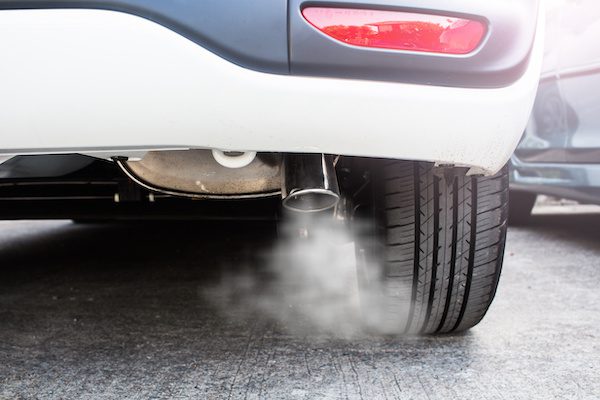
White smoke coming out of your exhaust pipe is one of those things that makes you glance in the mirror twice. In many cases, it is not “mystery smoke” so much as a warning that something is not burning the way it should, or that fluids are ending up where they do not belong.
Here is the first important point. White smoke can range from harmless condensation to a serious problem. The trick is learning how to read what you are seeing, then matching it to the most likely cause before you keep driving and make things worse.
In this guide, you will get a clear idea of the root causes behind white smoke and what you can do next. Some fixes need a mechanic, and some checks you can do at home if you already have mechanical experience and you understand the safety risks.
White smoke from the exhaust: what it means and why you should care
Let us start simple. When you see white smoke released on the exhaust pipe, it usually means there is a problem somewhere in the system. That “problem” can be as minor as condensation, or as major as coolant entering the combustion chambers.
Different types of white smoke point to different causes. That is why the severity of the issue can vary based on the thickness of the smoke and how long it continues.
White smoke is often the result of condensation that builds up inside the exhaust system. When it is thin, more like a mist or vapor, it typically comes and goes quickly. When it is thick and persistent, it usually signals something larger that needs urgent attention.
That is why you should not treat all white smoke the same. In the real world, a light burst on a cold morning can be normal, while a steady stream after the engine is fully warm can point to a cooling or engine internal problem.
Thin versus thick white smoke: the quick “severity” guide
If the white smoke looks thin and you notice it mainly at first start, it could be condensation. You might see it fade as the exhaust warms up. In that scenario, the smoke disappears quickly and it usually does not cause ongoing damage.
Now, if the smoke looks thicker, hangs around, and keeps showing up while you drive, that changes the story. Thick white smoke generally comes from problems with the engine cooling system, and those problems can lead to expensive, high-stakes repairs.
When cooling system issues escalate, the damage can include a damaged cylinder head gasket, potential damage deeper in the engine, and repairs that are not cheap at all. You should not overlook thick smoke. You should treat it like a real warning and get help quickly.
Also, even small coolant leaks matter. Coolant leaking out is not just an annoyance. Over time it can damage the car because it affects temperature control and engine safety.
Root causes of white smoke (the ones that show up most often)
White smoke can come from multiple sources. The most common themes are condensation, coolant leakage, and fuel or oil issues. Some causes are easy to spot once you know what to look for, and others require tests like a pressure test or inspection of gaskets.
Below are the major root causes and what each one tends to look like. Use this as a map. You do not have to diagnose every detail perfectly, but you should have a strong direction before you spend money or keep driving.
1) Condensation in the exhaust system (when it is not dangerous)
White smoke can simply be condensation that accumulates inside the exhaust system. This is especially common when the exhaust is cold, and it shows up as a lighter vapor rather than heavy plumes.
If it is thin, and it disappears quickly, you generally should not worry. But if the smoke keeps returning, gets thicker, or shows up after the engine has warmed up, you need to move past “condensation” and focus on other causes.
2) Coolant leakage (often the serious reason behind persistent thick white smoke)
Coolant leakage is one of the most common reasons exhaust smoke turns white and stays white. You will often see this type of white smoke when water or antifreeze enters the cylinders due to overheating and subsequent failure of the gaskets.
When coolant reaches the cylinders, the engine tries to burn it along with the fuel. That is where the white color comes from. Temperature matters here. If the engine is running hotter than it should, you increase the odds of coolant intrusion.
There is another angle too. If the car does not have enough coolant, the engine can heat up and the system can produce white smoke as it tries to operate under stress. That situation is also serious.
3) Injection pump and injector defects (diesel engines)
If your car has a diesel engine and you see a lot of white smoke when the engine starts, it may point to injection pump and injector problems. In that case, it is best to have them checked.
Checking or modifying these parts on your own is not recommended if you are not trained. This is the kind of task that requires real skill. It is safer and smarter to let a mechanic handle it, especially because the goal is to find the underlying issue, not just mask symptoms.
Here is a key warning. Even if the car eliminates a lot of white smoke on the exhaust pipe, that can still mean more serious problems are developing. Do not assume “it cleared up” equals “it is fine.”
This situation can also mean a malfunction of the fuel pump, or problems with the cylinders, gaskets, or even a crack in the engine block. Repairs for these failures can get expensive fast, so it is better to deal with the problem as soon as possible.
4) Third-party issues (the expensive ones you cannot postpone)
Sometimes the white smoke is linked to “third-party” issues, meaning something else inside the system is failing and pushing fluid or combustion byproducts out in the exhaust. You might notice white smoke evacuation as the car goes, and that can be an indicator of serious trouble.
Examples include damage to an engine cylinder, cylinder head gasket issues, or a damaged fuel filter. The engine can also become clogged or cracked. When this happens, white smoke can appear in large quantities, and replacing parts can be very costly.
In these situations, you cannot postpone the repair, and you cannot rely on a temporary solution that buys you time. Over time, the condition worsens and the cost of repairs increases immediately.
The good news is that maintenance helps you catch problems early. When you stay consistent with care, you can identify issues in their initial form, which can save money compared to waiting until everything becomes an emergency.
What to do next: a practical approach to white smoke
Now that you know the most likely causes, it helps to decide what to do with the information. The right move depends on how the smoke behaves, what it smells like, and whether the engine seems to overheat or lose coolant.
Here is a realistic way to think about it. Ask yourself these questions right away:
- Is the smoke thin and gone quickly or thick and persistent?
- Does it happen only at startup or while driving and accelerating?
- Do you notice coolant loss or low coolant?
- Do you smell burnt oil, gasoline, or anything unusually sweet or sharp?
- Is the engine running hotter than normal or are there warning lights?
Those answers help you match the smoke to the most likely root cause. Thick persistent smoke generally points toward cooling system problems and potential gasket or engine damage. When you see that, do not “wait and see.” Go get it checked urgently.
Safety notes: when white smoke means stop driving
Let us talk safety for a moment, because white smoke can be more than just an inconvenience. If thick smoke is accompanied by overheating, coolant loss, or rough running, you could be dealing with conditions that harm the engine quickly.
Also, the smoke itself can affect visibility and comfort for other drivers if the plume is heavy. That is why it matters to take action before you keep getting back on the wheel with an unresolved problem.
Common sense checklist before you drive:
- If the smoke is thick and continues after the engine warms up, treat it as serious.
- If the coolant level is low, do not keep driving and “hope it gets better.”
- If you notice overheating symptoms, stop and address the cooling issue first.
- If you smell gasoline or see signs of fuel-like vapor with white smoke, get the car checked.
If you are unsure, err on the safe side. A quick check now costs less than deeper engine damage later.
DIY checks for white smoke: what you can do at home (only if you have experience)
Some people have mechanical knowledge and have done repairs before. If that describes you, you may be able to check a few components at home to narrow down the cause of white smoke. Even then, you must be careful, because you can get burned by hot components and you can make things worse if you guess.
The steps below are based on the components mentioned in the original guidance. They are a good place to start when you are trying to identify gasket and head-related causes.
To be clear: if you do not already know how to safely work on your engine, do not push forward. A mechanic should inspect the car, especially when thick white smoke suggests major cooling system damage.
1: Check the intake manifold
The first component to check when white smoke comes from the exhaust pipe is the inlet gasket. Inside the vehicle and engine layout, there is a gasket that seals the cylinder inlet manifold. These components help distribute the combustion mixture along with the coolant to the inlet port.
The inlet ports are placed at the ends of the cylinders. If the gasket or sealing surface deteriorates, coolant can enter the combustion chamber and create white smoke while driving.
As described, drivers must remove the intake manifold and examine it. Look for leaks, rust, or any signs the inlet gasket sealing surface is failing. If you find those issues, you have a clear starting point.
Real-world example: imagine you notice white smoke mainly during driving, not just at startup. You check coolant level and you see it dropping slowly. When you pull the intake manifold, you notice staining around areas where coolant should not be. That is the kind of clue that turns “mystery smoke” into a specific repair plan.
2: Examine the cylinder head gasket
Next, the cylinder head gasket needs special attention. Do not jump to this step if the inlet gasket is clearly failing, unless your inspection indicates it is already okay. The guidance is simple: take this step only if the inlet gasket works.
The cylinder head gasket seals the cylinder head to prevent coolant from reaching it. If there is any leakage or deterioration, it facilitates coolant penetration. In short, that leads to white smoke appearing on the exhaust pipe.
If this component checks out and is in good condition, then you proceed to check the cylinder head itself.
Here is why that order matters. If you skip ahead and start tearing into other parts before you confirm the inlet gasket situation, you can spend time and money on the wrong area. You want the simplest likely cause first.
3: Look for any cracks in the cylinder head
Do not forget to inspect the cylinder head too. The cylinder head is the part of the car that is prone to breakage in overheating conditions. It is essential because it connects to the engine block and the cylinder head gasket.
If this component is broken or damaged in any way, you must replace it. Cracks can allow coolant and other fluids to enter where they do not belong, which then shows up as white smoke in the exhaust.
In practice, overheating is often what pushes a cylinder head into failure. So if you have had overheating warnings or the temperature gauge has run hot, this step becomes even more important.
Frequently asked questions about car white smoke
Why does my car have white smoke on the exhaust when it starts?
White smoke at startup can happen for several reasons. But if you specifically see it when you start the engine, these are the main causes to consider:
- A cracked or deformed cylinder head;
- An error of cylinder head gasket;
- The cracked engine block.
One of the most common causes is a cracked engine block. When the block cracks, it can allow coolant to leak into the combustion chamber and into the engine cylinders. That is dangerous and it requires special attention.
If you see white smoke at startup repeatedly, do not treat it like a one-time quirk. It is a symptom tied to internal conditions, and those conditions typically do not fix themselves.
What causes white smoke to exhale when accelerating?
When white smoke appears or gets worse when accelerating, the answer is usually either transmission fluid or burned coolant.
If it is transmission oil, the engine can inhale the fluid through a vacuum hose. That process leads to the white color of the smoke. In that scenario, the evacuation of smoke will also have a smell of burnt oil.
If the white smoke is from coolant, then your car likely has a crack in the cylinder head or a problem with the cylinder head gasket. In that case, you can run a pressure test on the cooling system. The pressure test helps you see if coolant is low or if the engine has overheated.
If the coolant level is low, you can add the required amount of liquid to restore the level. But be careful. Adding coolant without addressing the leak or gasket issue is only a temporary step. The root problem still has to be fixed.
If none of these reasons apply, your vehicle will most likely be leaking to the gasket. In that situation, the gasket must be replaced so the engine returns to normal parameters.
Why does white smoke from the exhaust smell like gasoline?
Drivers often need to understand what “car smoke” usually really is. Usually, it is steam. For that reason, you might see water dripping from the exhaust pipe.
Drivers can also see fuel water or a leak in the cylinder head gasket. It might feel normal at first, but this is how the engine fails and pushes raw fuel out. When that happens, the car may run harder, and you can smell raw fuel.
To fix this, check the fuel system and replace components if necessary. Fuel-related issues combined with white smoke are not something you should ignore.
What causes white smoke to escape when the car is stationary?
If the car releases white smoke when it is idling or stopped, there may be oil leaks inside. This is often easy to recognize because there is a difference between igniting the gas/air mixture and igniting the gas/air/oil mixture.
This problem should be solved as soon as possible. The longer the oil stays inside, the more damage it can cause to the spark plugs and injectors. Those parts may need replacement if the damage goes too far.
Why is white smoke coming out from the exhaust when it is cold?
In cold weather, white smoke can be quite normal. Condensation forms more easily when temperatures are low. Still, there are exceptions, and continuous white smoke is one of them.
If you have a diesel engine, white smoke can be unburned fuel or coolant that runs through the engine. In many cases, it comes down to the response time of the injectors and how the amount of fuel injected is controlled.
So yes, cold weather can explain lighter vapor. But continuous thick smoke in cold conditions deserves attention just like it would in warm weather.
Your next move when you see white smoke
White smoke from the exhaust pipe is not something you should ignore. It can lead to severe complications for you as the driver, and it can also become an issue for other drivers if you keep operating the car without addressing the problem.
If you see thick persistent white smoke, or if you suspect coolant loss, the best action is simple: get the car inspected before the situation escalates into something bigger and more expensive.
So, right now, the question is this: have you checked your coolant level and watched whether the smoke thins out after the engine warms up?