
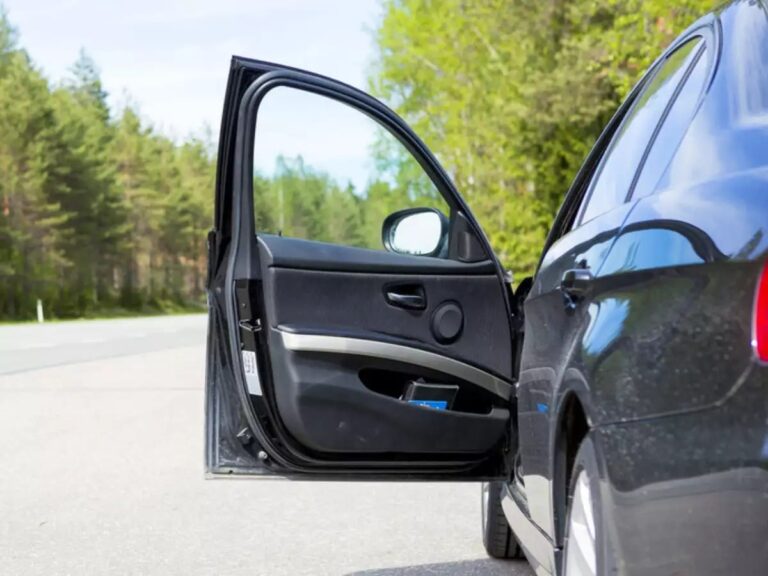
Opening a car door sounds simple, almost automatic. You reach for the handle, step out, and move on with your day. But in real traffic, that quick moment is where a lot of accidents happen. One door opening at the wrong time can hit a cyclist, surprise a motorist, or clip a nearby vehicle in a tight parking spot.
Here is the good part. You can prevent most of these problems with a few habits. Not complicated habits. Just clear steps you can follow every time you get in or out of the car. Think of this as a quick safety routine you can repeat, even when you are rushing.
Before you go further, check yourself honestly. Have you ever opened a door and only later realized something was coming from the side? Have you ever stepped out quickly because you assumed the road was clear? If yes, you are exactly who this guide is for. XeroDrive shares six rules for opening a car door safely, and I am going to walk you through them in a way that feels practical, not like a textbook.
Let us start with the first rule. It is the one that prevents the rest of the mistakes.
1. Look around carefully
Before you enter or exit any vehicle, your first job is awareness. That means both your eyes and your door mirror. Do not rely on “I think it is clear” because cars move differently than people expect, especially when other drivers are speeding, changing lanes, or trying to squeeze through traffic.
Right before you open the door, take a moment to look behind you. Use the door mirror because it helps you catch what is in your side area. Then, do not stop there. Use a quick look again to confirm what the mirror is telling you. Mirrors are useful, but they do not cover every angle perfectly.
When you open the car door, make sure nothing is coming in from the outside. That includes moving vehicles, motorcycles, bicycles, and scooters. It also includes pedestrians walking near your door, people stepping off a curb, or even someone passing slowly because they are searching for something.
Here is a simple way to picture it. Your door creates a “new obstacle” the moment it swings open. If something is already in the path of your door, the outcome is predictable. The crash happens fast because the other person does not have time to react to a door you suddenly opened.
If you want an easy mental checklist, it is this:
- Mirror check first so you see what is beside you.
- Second check with your eyes so you confirm the mirror reading.
- Door opens only when nothing is approaching in the path the door will take.

Before opening the car door, carefully check your surroundings in the door mirror.
Real-world example: imagine you park next to a bike lane. You decide to open the driver-side door, expecting that the road is quiet. But the bike lane is not quiet. A cyclist can be moving faster than you think. They might be close to your door because they are avoiding potholes or trying to keep distance from traffic. If you open without checking, your door becomes the hazard, not the cyclist. That is why this first rule matters so much.
Even when the street looks clear, your mirror and a quick scan are what keep you from guessing. You do not need perfect conditions to be safe. You just need a habit.
2. Open the door
This rule sounds almost funny because it feels obvious. But there is a reason it is here. Many drivers underestimate how quickly control matters when you open the door. They think it is straightforward, so they do it with one awkward hand, or they swing it without a plan.
The guidance you were given is simple: hold the door handle with your left hand while you pull the trigger with your right hand to open the door. The point is not the exact hand placement for everyone. The real point is this: use both hands so you control the door’s movement.
When you control the door, you control the swing. When you control the swing, you control how long the door stays in the danger zone. A door that swings too quickly can surprise other road users. A door that swings too hard can bump nearby vehicles or hit posts, barriers, or curbs.
Think about how a door behaves when you open it suddenly. It does not just open. It can bounce and swing wider than you expected, especially if the hinges are worn or the vehicle is slightly tilted in your parking spot. That is why “open it” must be paired with “open it with control.”
If you are parked close to another vehicle, control becomes even more important. When the door moves unpredictably, it can clip the other car’s mirror or body. Then you are not just dealing with danger. You are dealing with damage and insurance paperwork.
So, for this rule, focus on one idea: do not “yank” the door open. Use your hands so the door movement is controlled from the start.
Here is a quick self-check you can do every time:
- Grip the handle securely.
- Pull in a controlled motion.
- Do not let the door swing freely.
If you make door control a habit, you will naturally open the door in a safer way. That sets you up for the next rule, which is about speed.
3. Open the car door slowly
Do not rush to open the door when you are getting out. This is one of those safety rules that feels small until you see how fast other people have to react. Some drivers have sluggish reflexes, not because they are careless, but because human reaction time is limited. In addition, they might be watching something else, turning, or dealing with traffic conditions.
When you open your door slowly, you give other vehicles time to react to your intention to exit. That includes cars passing by, motorcycles moving along the lane, and cyclists who might be sharing space near you. The slow opening creates a small warning window in the real world.
The guidance you were given even suggests a smart technique: if there is no incoming object, you can only partially open the door first so you can slide out easily. This reduces how long the door is fully in the path of traffic. It also reduces the chance you will swing the door too wide.
Here is what slow opening does for you as a driver. It makes you more alert. When you do not rush, your brain gets extra time to notice movement in your peripheral vision. You notice faster when something is coming. You also notice faster when your door is too close to a barrier or another vehicle.
Let us make it real. Picture a busy street parking area. You return to the car, and the passenger-side door is the one you need. The road is not empty. It looks manageable. But then you remember a delivery bike can appear from nowhere. When you open slowly, you can still stop the door movement if you see the bike coming. If you open quickly, you lose that chance.
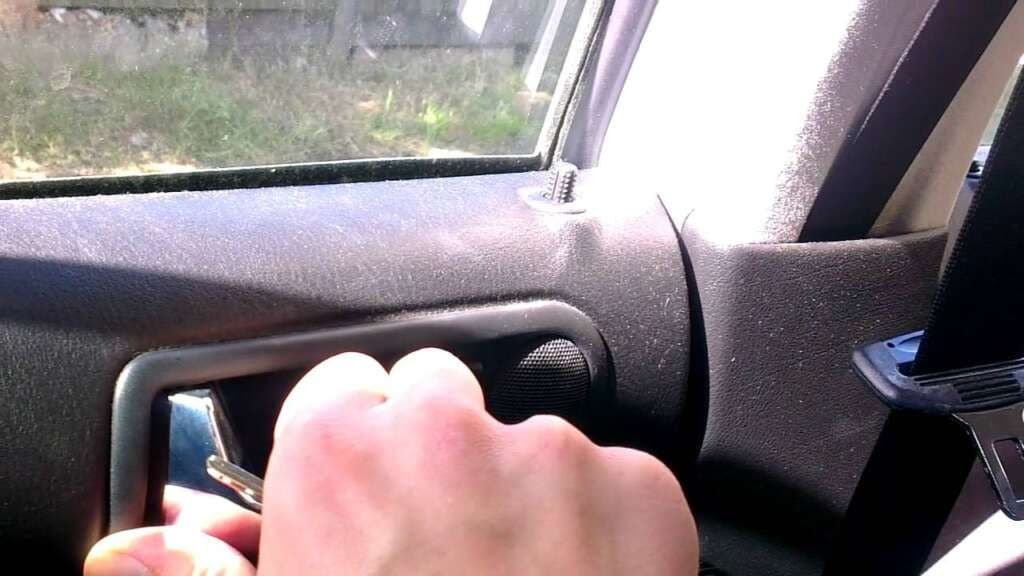
You’ll be more alert when you open the car door slowly and there’s an approaching object.
One more detail: the door opening speed matters even if you are parked. Parking does not mean the road is safe. Parking just means you are not driving. People still pass by. That includes delivery vehicles and people reversing slowly.
If you want a simple rule to remember this section, it is this: slow opening is a warning. Make it your habit.
4. Warn the passengers
Car doors are not only your responsibility. If you are opening a door for passengers, you need to warn them too. This is where many accidents happen because passengers often assume the door is safe to open. They might not check mirrors. They might not notice oncoming bicycles. They might step out without realizing the road is moving.
When you open the door to exit with passengers, caution them to look carefully. Teach them the same routine you are using: look around, confirm nothing is coming, open with control, and open slowly. You can say it in simple words. You do not need a lecture. You need a quick instruction.
If the passengers are children or elderly people, the safest choice is to take control of the situation. The guidance you were given suggests instructing them to remain in the vehicle while you open the door for them. That way, you reduce confusion. You reduce sudden movement. You reduce the chance that a child steps out at the wrong time or that an elderly passenger forgets to check the side area.
This is a real ownership mindset. You are not just managing your own actions. You are managing risk for everyone who may be moving around the vehicle.
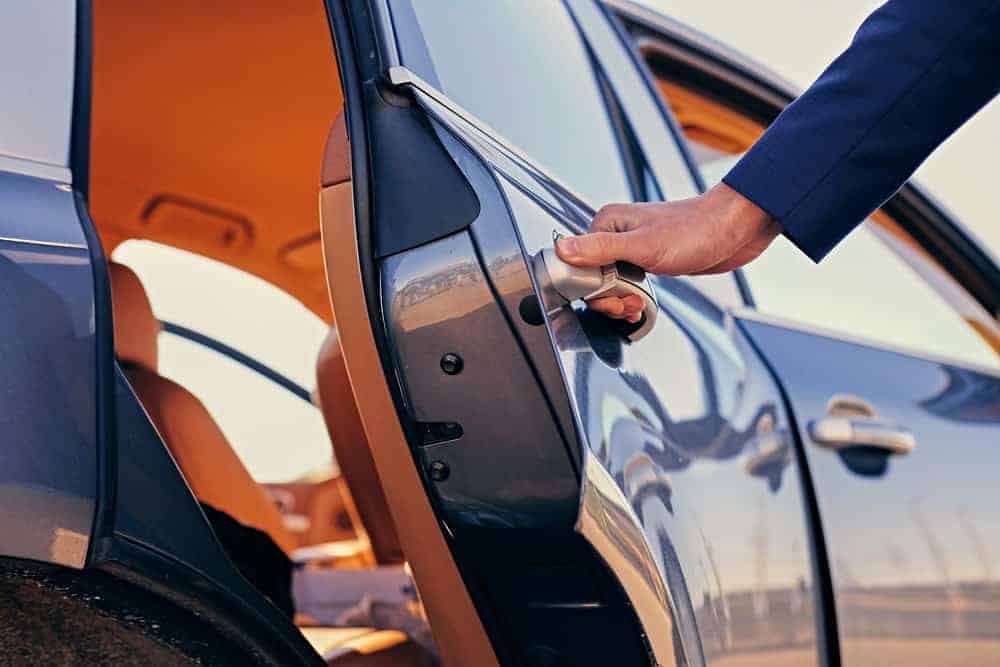
You ought to get out of the car and let the kids in.
Real-world example: you are parked near a road and you have a child in the back seat. The child is excited and may want to jump out. If the child is the one opening the door, the child might not understand the danger of a passing motorcycle. So you open the door yourself, or you supervise closely. The goal is simple: keep movement under your control when visibility and timing are critical.
Here is an easy phrase you can use with passengers: “Check the road first, then step only when I say so.” That kind of instruction works because it gives them a clear sequence.
If you want to make this step even easier, you can create a small routine for the car. For example, before you open the door, you always say the same reminder. Consistency trains people. That matters when it is busy outside.
5. Check the distance
Sometimes the biggest danger is not traffic. It is the parking space itself. When other drivers open their doors recklessly, your car can get damaged if you park in a small space. Your door might hit their door, or their door might slam into your vehicle because there was not enough clearance.
The guidance here is practical: before parking, measure the distance outside to avoid damaging a car when you open the door. This is not about paranoia. It is about recognizing that you have limited control over other drivers. You can only control your own parking choice and your own door habits.
If the space is tight, you should think ahead. Ask yourself one question: “Where will my door swing, and is there enough room for it to swing without hitting something?” If you cannot confidently answer that, you need a different spot.
Also remember this: parking spaces are not always measured evenly. One vehicle might be slightly crooked. Another might be parked a little forward. When you park in a spot that looks “just enough,” you can still have a problem when a door swings wider than you expected or a mirror is closer than you thought.
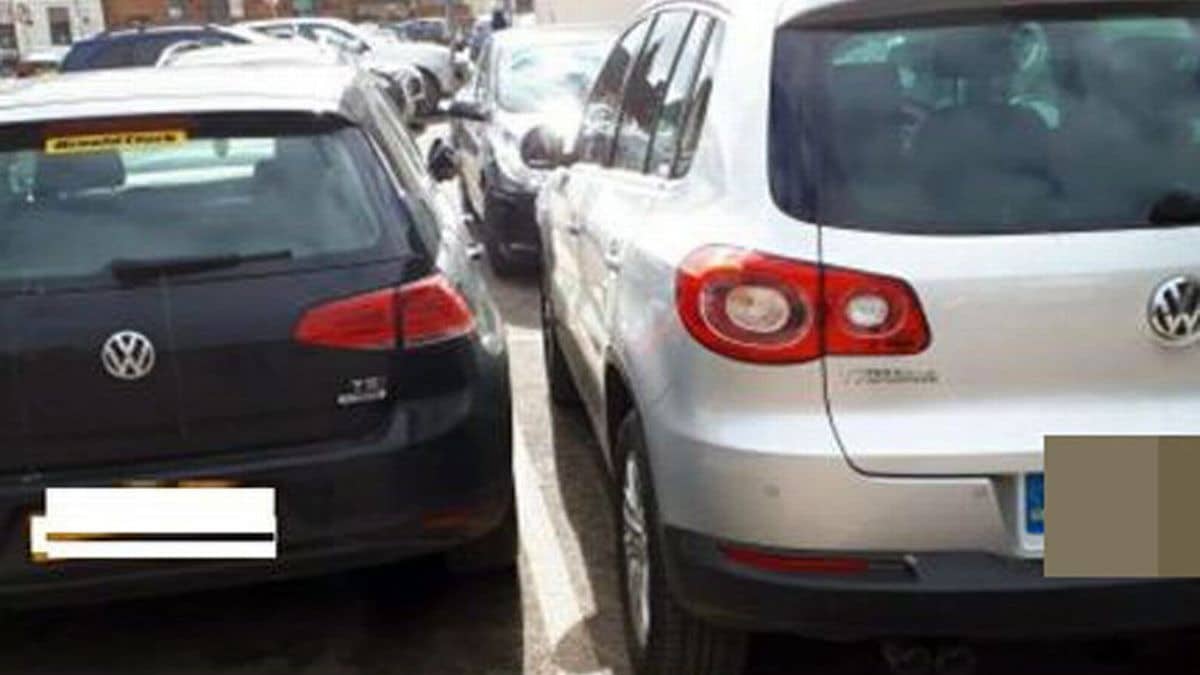
Check the distance outside before you park to prevent damaging another person’s vehicle.
Real-world example: you park between two cars in a crowded area. From your seat, the space looks adequate. But once you step outside, you realize the passenger-side door will be very close to the other car’s door. If you open quickly, your door can clip theirs. That is how small “oops” moments turn into scratches, dent repairs, and awkward arguments.
This rule is about avoiding that awkward path. When you check distance early, you prevent damage. Then you can open the door calmly and safely.
Here is a short checklist for this step:
- Look at how close the space is where the door will swing.
- Check mirror-to-mirror clearance when possible.
- Choose space that gives you room to open without hitting.
- If it is too tight, move to a better spot.
You may feel that checking distance slows you down. But it really saves time because it prevents damage that later takes days to fix.
6. Look for a good parking spot
This last rule ties the whole routine together. The easiest safety win is to park in a way that makes safe door opening simple. If you arrive at a parking lot or your destination and you rush, you might choose a spot that is too small or too close to barriers. That creates problems for your door opening later.
So, slow down as you approach the parking lot or your destination. That is not just about driving style. It is about giving yourself time to pick the right space. When you slow down, you see more clearly. You notice whether a barrier is next to the spot. You notice whether there is enough width to open your door without hitting walls, poles, or other vehicles.
Make sure the parking space you choose is spacious enough. You want to avoid a barrier when you open the car door. That means you have enough room not only for opening but also for getting in and out safely. Wide spaces reduce the chance you must squeeze your body past the door or step into traffic unexpectedly.
Before you park, look around again. Confirm the area is wide enough to allow you to open the car door without causing damage. Then, yes, still look around before you open the car door. Parking space size helps, but it does not replace your mirror and awareness checks.
Real-world example: imagine you park near a concrete pillar in a tight corner. You might be able to open the door a little, but the barrier limits how far it can swing. If you open the door quickly, you might scrape the pillar or damage the door edge. That can happen even if there is no traffic passing by. The environment around the car matters.
So this rule is about choosing a spot that supports safe movement. It is also about reducing your need to rush.
To make this easy, treat parking like planning. Your goal is to create a safe “exit path” for yourself and your passengers. When you choose a spot with room, the exit path is natural. When you choose a tight spot, the exit path becomes forced, and forced situations create errors.
Make it automatic: a 20-second routine before you open the door
You do not have to remember six complicated rules every day. But you can build one short routine so you always follow them without thinking too hard. Here is a practical routine you can repeat each time.
Think of it as “door safety in one breath.”
The 20-second door safety checklist
- Scan mirrors and surroundings before touching the handle.
- Confirm nothing is approaching near your door opening path.
- Grip the handle and open with controlled movement using both hands.
- Open slowly, and if needed, open only partially first.
- Warn passengers and supervise children or elderly passengers.
- Check nearby clearance and avoid spots that force risky door angles.
If you consistently follow this short routine, accidents become less likely even when the parking lot is crowded. That is the point. Safety is not a one-time effort. It is a habit.
Special situations where these rules matter even more
Let us talk about the moments where door opening risks usually spike. These are the situations where drivers often forget one of the rules because they feel confident or distracted.
Here is when you should be extra careful:
- Busy streets with cyclists where bikes share space near the curb.
- Parking lots with tight spaces where another door might hit yours.
- Rain or glare conditions where you see less clearly.
- When passengers are kids or elderly who may not check surroundings reliably.
- When you are parked next to barriers like poles, walls, or loading bays.
In each of these cases, the same six rules apply. You just emphasize them more. The routine does not change. Your attention increases.
Why these rules are about preventing the serious stuff
It is easy to think door-opening safety is only about minor scratches. In reality, when a door is opened into traffic, the consequences can be severe. Drivers and passengers misjudge gaps, cyclists cannot stop in time, and another vehicle might swerve unexpectedly to avoid impact.
That is why these steps keep coming back in safety advice. They reduce guesswork. They create a warning window for others. They also limit the chance that your door becomes a sudden obstacle.
If you remember one thing, remember this: most accidents do not happen because people are evil. They happen because people are rushing, distracted, or assuming the road is clear. Door safety rules fight those three problems with simple actions.
Your next move
So here is what I want you to do starting today. Before you open your next car door, take the smallest pause possible. Look around carefully. Open slowly. Warn passengers if needed. Check the distance. Then open the door like it matters.
Question for you: What is the one rule you think you follow the least right now, and what is the exact habit you will start using the next time you open a door?