
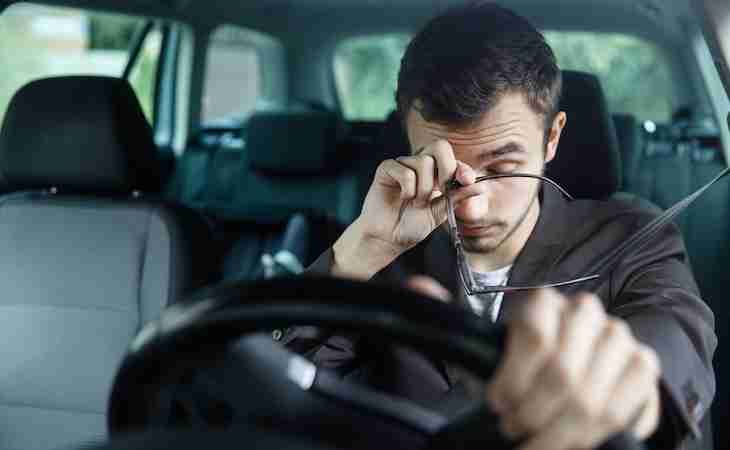
Most people know not to drink and drive. But far fewer take drowsy driving seriously, even though the two are genuinely comparable in terms of how badly they impair your ability to control a vehicle. When you are running on too little sleep, your reaction time slows, your judgment weakens, and your eyes start doing that slow, heavy drift that you cannot always catch in time.
The numbers back this up. The National Sleep Foundation estimates that drowsy driving causes around 100,000 accidents every year in the United States alone. That is not a fringe problem. That is a daily hazard that most drivers underestimate because tiredness feels manageable right up until it is not.
The good news is that drowsy driving is one of the most preventable causes of accidents on the road. You do not need special equipment or advanced training. You need awareness, a bit of planning, and the honesty to admit when you are too tired to be behind the wheel. Here is how to get there.
Why Drowsy Driving Is More Dangerous Than Most Drivers Realize
Sleep deprivation does not just make you feel foggy. It actively degrades the cognitive and physical functions you rely on to drive safely. Studies have shown that being awake for 18 hours straight produces impairment roughly equivalent to a blood alcohol concentration of 0.05 percent. Push that to 24 hours of no sleep, and the impairment climbs to the equivalent of 0.10 percent, which is above the legal driving limit in every U.S. state.
What makes drowsy driving particularly dangerous is that it can happen suddenly and without much warning. One moment you are driving along with the windows down and the radio up, feeling fine. The next, you are experiencing what researchers call a microsleep, a brief, involuntary episode where you essentially fall asleep for anywhere from one to thirty seconds. At 60 miles per hour, thirty seconds of microsleep means nearly half a mile traveled with no one actually driving the car.
The terrifying part is that many drivers do not remember microsleep episodes at all. They have no awareness that it happened. That is what makes this particular hazard so different from distracted driving, where you at least know you looked away.
Know the Warning Signs Before You Hit the Road
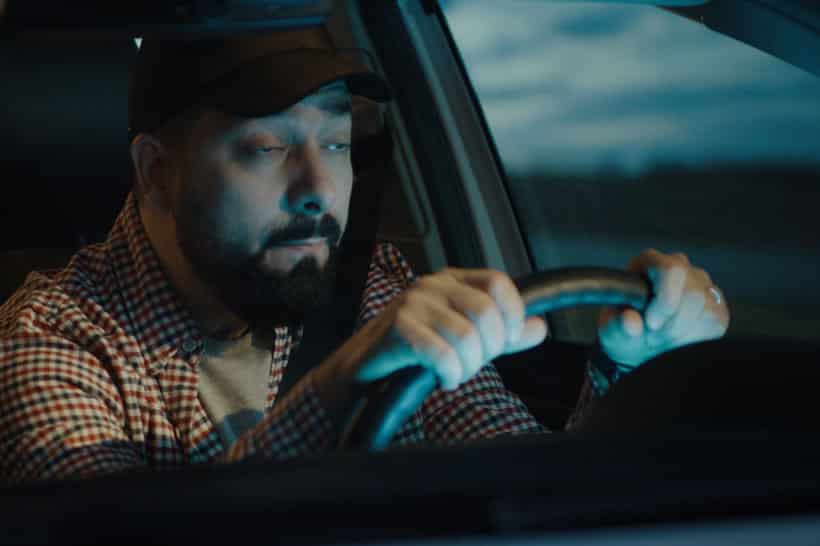
Your body sends signals before it gets to the microsleep stage. The problem is that most drivers either do not recognize them or choose to push through them. Do not do that. These are the signs that mean you need to stop driving:
- Your eyes feel heavy and you are blinking more than usual to keep them open
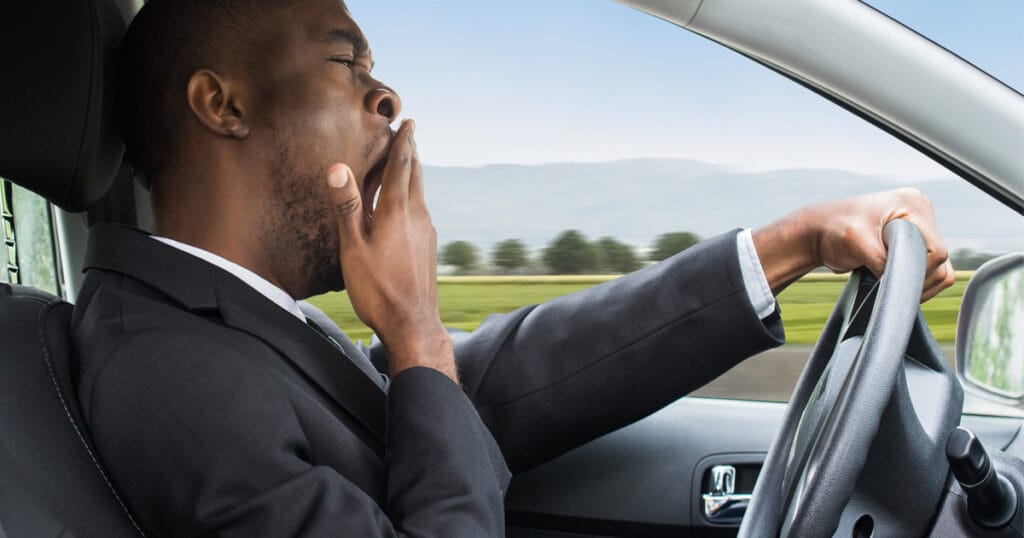
- You keep yawning repeatedly and cannot seem to stop
- Your mind is wandering and you cannot recall the last few miles you drove
- You are drifting out of your lane or catching yourself at the last moment
- You miss your exit or a turn you know well
- Your head is nodding forward involuntarily
- You feel an almost irresistible urge to close your eyes, even just for a second
Any one of these signals means you are already impaired. Two or more means you need to pull off the road immediately. Driving on and hoping it gets better is not a strategy. It is a gamble with your life and everyone else’s on the road.
Practical Ways to Stay Alert and Avoid Drowsy Driving
Start With Enough Sleep the Night Before
This sounds almost too obvious to mention, but it is the single most effective thing you can do. Most adults need between seven and eight hours of sleep per night to function at full capacity. Fewer hours than that and cognitive performance starts to slip, even if you feel like you are managing fine.
Before any long drive, treat sleep as part of the preparation. The same way you would check tire pressure and fill the tank before a road trip, make sure you have had a proper night’s rest. Going into a long drive already sleep-deprived and hoping caffeine will carry you through is a plan that frequently fails at the worst possible moment.
Drive During Your Natural Alert Hours
Your body operates on a circadian rhythm, a natural internal clock that tells it when to be awake and when to sleep. Fighting that clock while operating a vehicle is a losing battle.
If you are naturally a night owl, do not force yourself onto the road at five in the morning when your body is fighting for sleep. If you are an early riser, avoid scheduling long drives that stretch past midnight when your energy naturally bottoms out. The hours between 2:00 a.m. and 6:00 a.m. are when drowsy driving accidents spike, followed by the mid-afternoon slump between 2:00 p.m. and 4:00 p.m. If you can plan your driving around those windows, do it.
Take Regular Breaks on Long Drives
No matter how good you feel when you start, driving continuously for hours on end wears on your alertness. A solid rule of thumb is to stop every two hours or every 100 miles, whichever comes first. Get out of the car completely. Walk around, stretch your legs, get some fresh air, and give your eyes a rest from the road.
If you feel significantly drowsy during one of these breaks, take a short nap before getting back behind the wheel. Research consistently shows that a 20-minute nap is enough to meaningfully restore alertness without leaving you groggy from a deeper sleep cycle. Set an alarm, recline the seat, and give your brain a genuine rest. You will cover the remaining miles faster and more safely than if you had pushed through half-asleep.
Use Caffeine Strategically, Not Constantly
Coffee, energy drinks, and caffeinated tea can genuinely help in the short term. Caffeine blocks the receptors in your brain that respond to adenosine, the chemical that builds up and makes you feel sleepy. Used at the right moment, a strong cup of coffee can buy you an additional hour or two of alert driving.
But here is what a lot of drivers get wrong: they use caffeine as a substitute for sleep rather than a supplement to it. That strategy has a ceiling, and the ceiling tends to arrive faster than expected. Caffeine also takes about 20 to 30 minutes to fully enter your bloodstream and take effect. A useful trick is to drink a cup of coffee and then immediately take a 20-minute nap. By the time you wake up, the caffeine is kicking in and you get a double benefit from both the nap and the stimulant.
Avoid leaning on caffeine late in the day if you need to sleep that night. It has a half-life of roughly five to six hours, meaning a cup of coffee at 3:00 p.m. can still affect your sleep quality at 9:00 p.m.
Watch What You Eat Before and During a Drive
A heavy meal triggers the body’s digestive processes and redirects blood flow toward the gut, which can produce a very real sense of heaviness and drowsiness within an hour of eating. If you have ever eaten a large lunch and then felt almost physically incapable of staying alert at your desk, you know exactly what this feels like behind the wheel.
Before a long drive, eat lighter. Lean proteins, vegetables, and moderate portions will keep you fueled without triggering that post-meal slump. If you need to eat during a stop, keep the meal reasonable in size and take a short walk after before getting back in the car.
Certain medications can also significantly increase drowsiness, including some antihistamines, anxiety medications, muscle relaxants, and even certain blood pressure drugs. If you are on any prescription or over-the-counter medication, check the label for drowsiness warnings and ask your doctor or pharmacist whether driving is safe while taking it. Do not assume that because a medication is sold over the counter it is safe to take before driving.
Stay Hydrated Throughout the Drive
Dehydration is a sneaky contributor to fatigue. Even mild dehydration, the kind where you are not particularly thirsty yet, can reduce concentration and increase feelings of tiredness. On a long drive, it is easy to skip water because you do not want to stop for bathroom breaks. That trade-off costs you more in alertness than it saves in time.
Keep a water bottle in the car and drink steadily throughout the trip. Avoid sugary sodas as your primary hydration source. They may give a brief sugar spike but the subsequent crash tends to leave you feeling worse than before. Water and occasionally diluted electrolyte drinks are your best options for sustained hydration on the road.
Bring a Passenger and Use Them
A passenger who is awake and engaged makes a genuine difference. Conversation requires your brain to actively process information, formulate responses, and stay present in the moment. That cognitive engagement is the opposite of the passive, monotonous state that allows drowsiness to creep in unnoticed.
If you are traveling with someone, let them know before you start that you want them to help keep you alert. A passenger who falls asleep immediately is less useful than one who knows they have a role to play. On really long trips, trading off driving duties gives both people a chance to rest properly instead of one person grinding through the entire distance on willpower alone.
If you are driving alone, an audiobook or a genuinely engaging podcast can serve a similar purpose. Something that requires active listening rather than passive background noise. Music alone is generally not enough to sustain alertness, especially familiar songs that your brain can process almost automatically.
What to Do When Drowsiness Hits While You Are Already Driving
The most important thing here is to not negotiate with yourself. The moment you recognize the warning signs, your only job is to get off the road safely. Not at the next exit. Not after this song. Now.
Find the nearest safe place to pull over, whether that is a rest stop, a gas station, a parking lot, or even a wide shoulder if nothing else is available. Turn on your hazard lights if you are stopping in a marginal location. Recline the seat and sleep for at least 20 minutes. If you have coffee or an energy drink available, drink it before the nap so it kicks in when you wake up.
Things that do not reliably work as a substitute for stopping:
- Rolling down the window for fresh air (works for about five minutes)
- Turning the music up loud (your brain adapts quickly and it becomes background noise)
- Slapping yourself or pinching your arm (adrenaline wears off fast)
- Telling yourself you only have another hour to go (the next hour is the dangerous one)
None of these address the actual problem. They mask it briefly while the underlying impairment continues building. The only real fix for drowsiness is sleep.
Who Is Most at Risk for Drowsy Driving?
While drowsy driving can affect anyone, certain groups face a significantly higher risk:
- Shift workers: People who work night shifts or rotating shifts regularly disrupt their circadian rhythms and accumulate chronic sleep debt, making every drive home after a long shift higher risk than they may realize.
- Young drivers: Teenagers and adults in their early twenties are statistically overrepresented in drowsy driving crashes, partly due to irregular sleep patterns and a tendency to underestimate impairment.
- Commercial drivers: Long-haul truckers and bus drivers are regulated for this reason, but regulations do not eliminate the biological reality of fatigue.
- People with untreated sleep disorders: Conditions like sleep apnea significantly disrupt sleep quality even when the person believes they slept for a full eight hours. If you snore heavily, wake up frequently, or feel exhausted despite what seems like adequate sleep, talk to a doctor before assuming you are safe to drive long distances.
- Anyone on a long solo drive: The longer the drive and the fewer the interactions, the faster drowsiness builds. Planning solo road trips without adequate breaks is one of the most common setups for a drowsy driving incident.
A Quick Reference: Drowsy Driving Do’s and Do Not’s
| Do This | Avoid This |
|---|---|
| Get 7 to 8 hours of sleep before driving | Starting a long drive already sleep-deprived |
| Stop every two hours on long drives | Driving for four or more hours without a break |
| Take a 20-minute nap when drowsy | Pushing through drowsiness hoping it will pass |
| Drink water throughout the drive | Relying on sugary drinks for energy |
| Use caffeine strategically and in moderation | Using caffeine as a long-term replacement for sleep |
| Eat light meals before and during long drives | Eating a heavy meal and then getting straight back in the car |
| Drive during your natural alert hours | Driving between 2:00 a.m. and 6:00 a.m. when possible to avoid |
| Bring an engaged passenger when possible | Expecting background music alone to keep you alert |
| Check medication labels for drowsiness warnings | Taking sedating medications before or during a drive |
Drowsy driving is preventable in almost every case. The barrier is not knowledge, it is the willingness to take your own fatigue seriously rather than treating it as something to push through. Your car has no idea you are half asleep. The road has no interest in your schedule. If you are too tired to drive safely, the only responsible call is to stop. Every other decision is just hoping the odds work out in your favor, and that is not a plan worth betting your life on.