
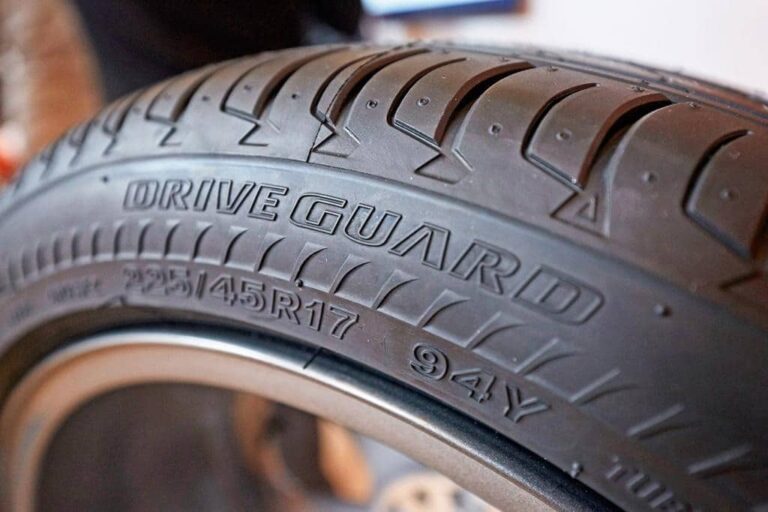
Let us be honest about how a flat tire usually shows up. It almost never happens at a convenient time. If you are lucky, it is near people, near a populated area, or near an auto shop that can help you quickly. But if you are not lucky, you end up dealing with it on a highway, on a road where pulling over is risky, or somewhere that feels like it is too far from “civilization” to matter.
That is exactly why run-flat tyres have become more popular. According to a study conducted by The Independent, nearly 75 percent of millennials do not know how to change a car’s wheel. And when you cannot change a wheel safely, you start thinking about alternatives that help you keep control and reach help.
Another reason demand is rising is that companies like BMW include run-flat tyres as standard equipment. When a major brand treats them as normal, more drivers begin asking questions. So in this guide, I will break down run-flat tyres in a way that makes sense, including what they do well, what they cost, and what trade-offs you need to accept before you buy.
If you are considering run-flats, the goal is simple. You want to protect yourself from the dangers of a flat, avoid getting stranded, and still stay comfortable and safe once you get moving again. So let us start with the basic question: what are run-flat tyres?
What are run-flat tyres?
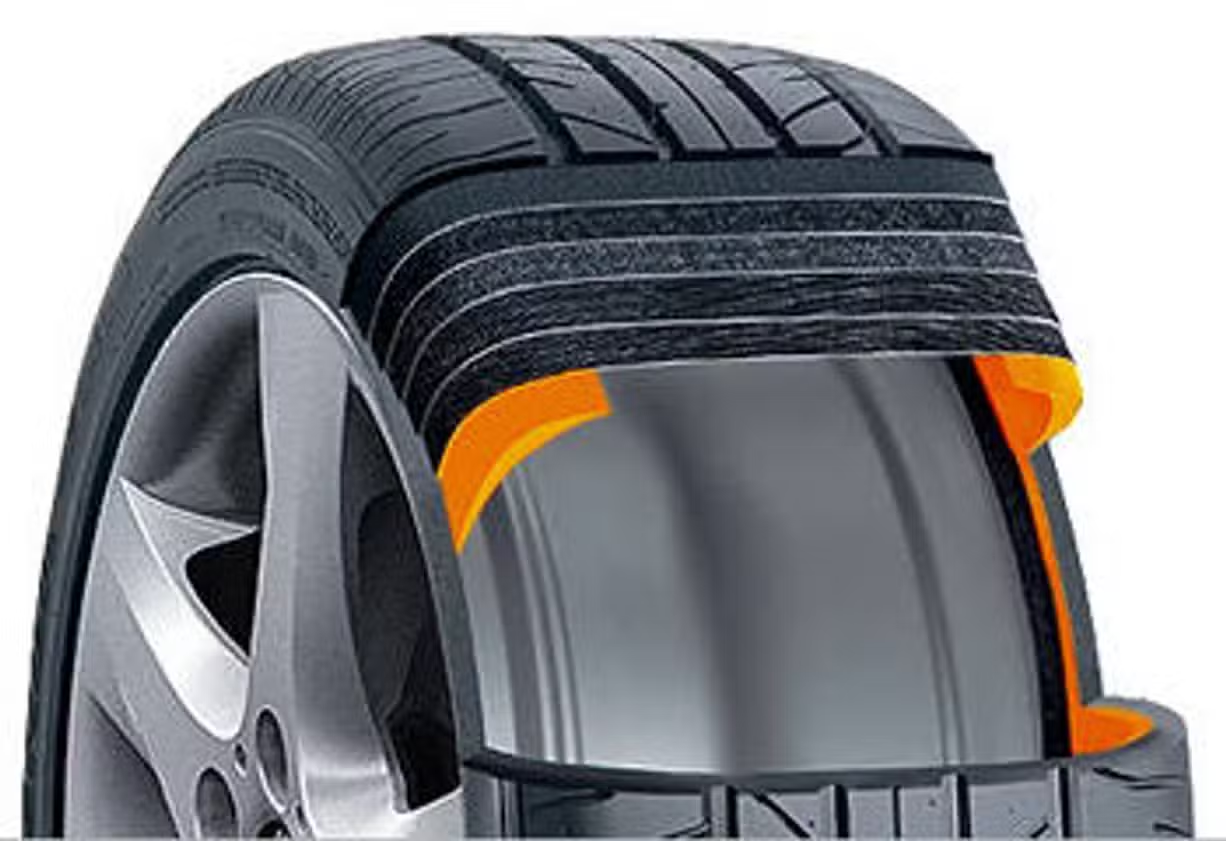
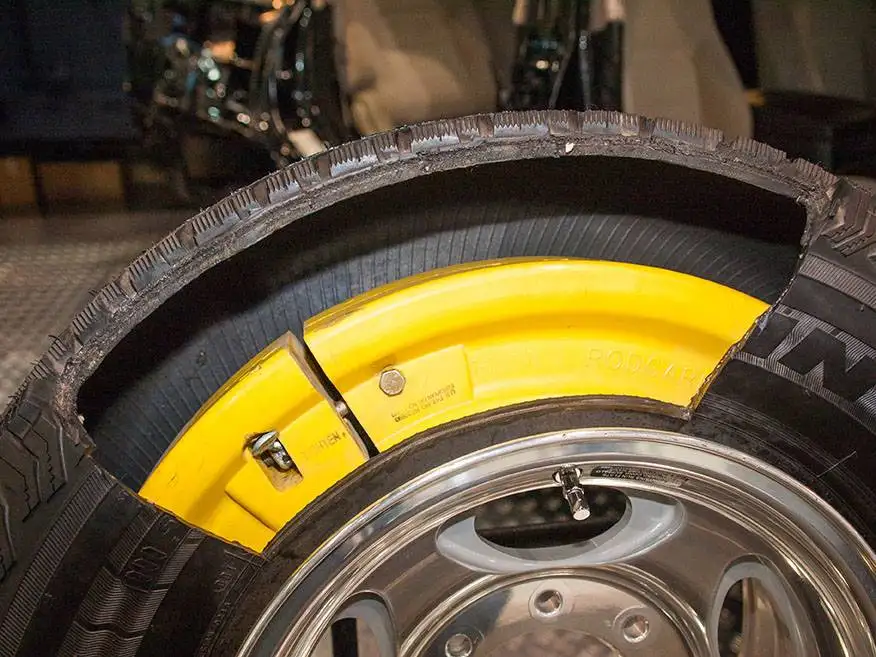
The main difference between run-flat tyres and regular tyres is in the sidewalls. Run-flat tyres have stronger, reinforced sidewalls designed to continue supporting your vehicle even after a flat. This support is what lets you keep driving for a restricted speed and a restricted distance, long enough to reach a garage to have the tyre replaced.
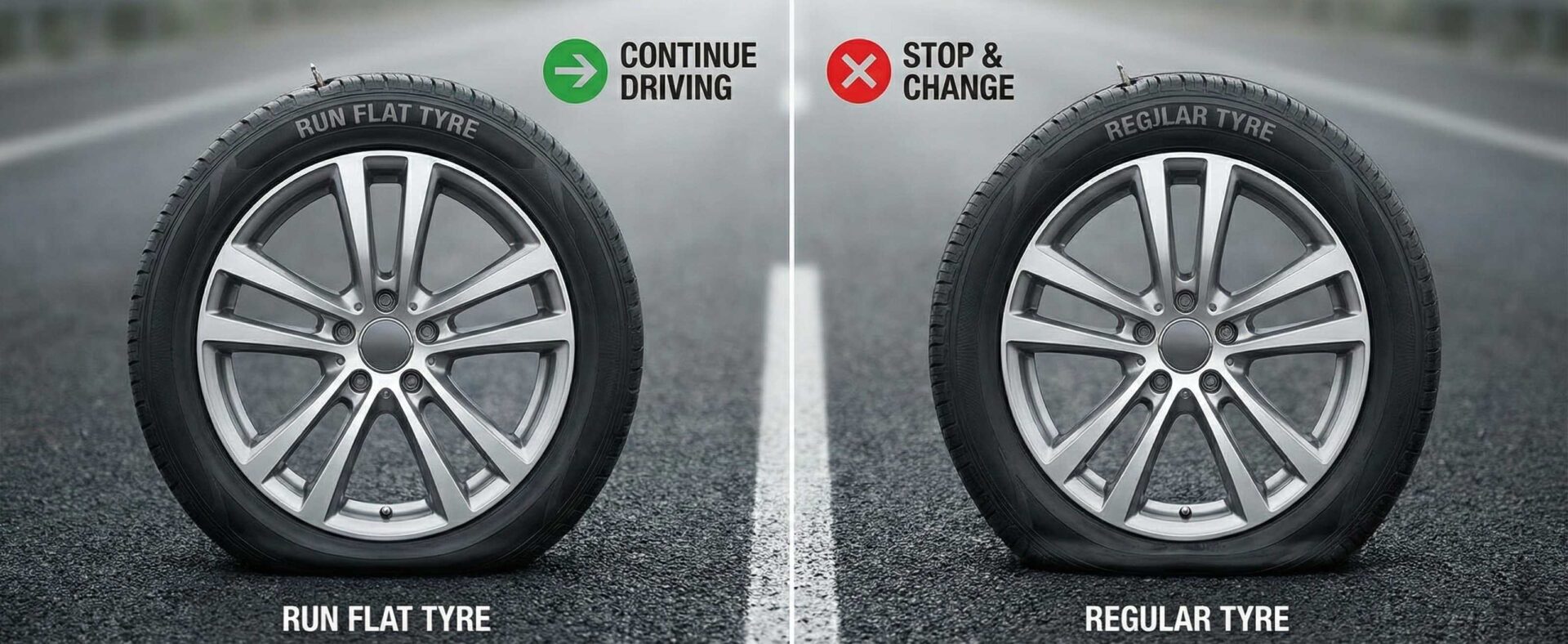
Here is the practical meaning of that design. When air has been expelled from a regular tyre, the tyre collapses because it has no structure to keep the vehicle supported. With run-flats, the reinforced sidewalls take over and keep the car stable enough to reach service. The original explanation also points out that if you try that approach with standard tyres, you are likely to damage your alloy because the wheel will not be properly supported when the air is gone.
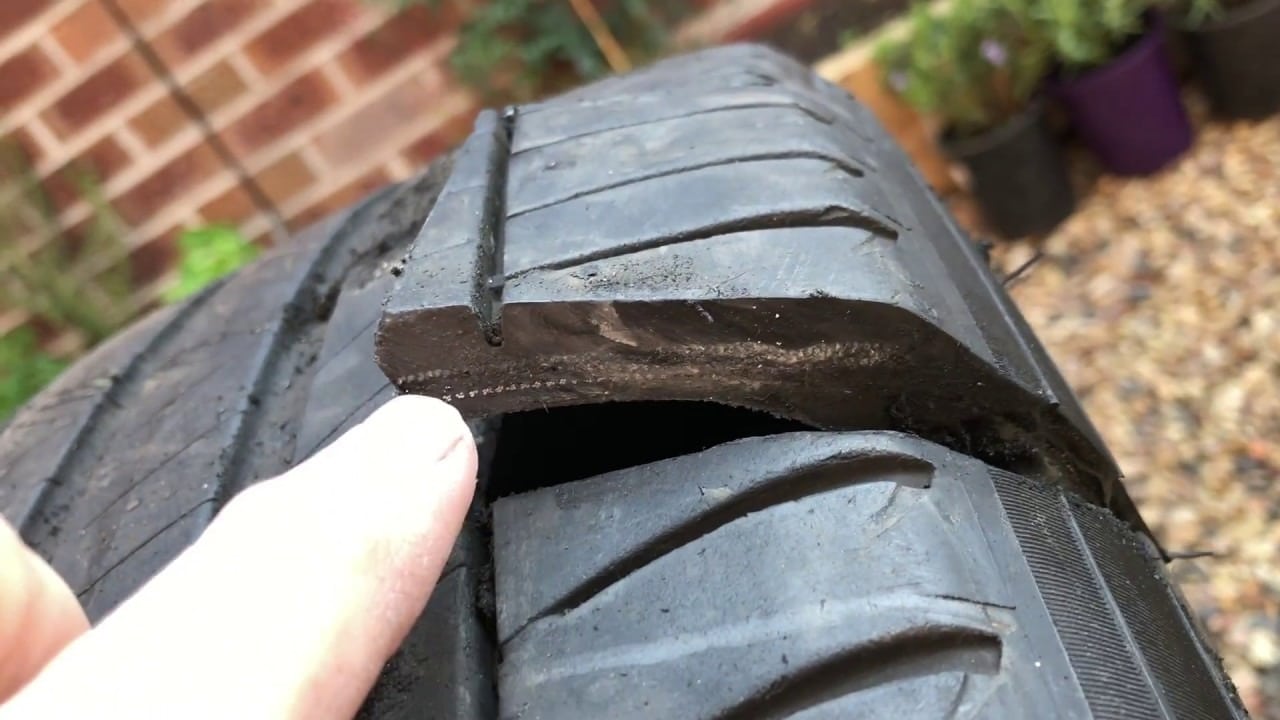
So run-flat tyres are not magic. They are a safety tool built into the tyre structure. They help you keep moving when a tyre goes flat, but you still need to treat the situation as an emergency that ends with a replacement at a proper garage.
How the “run” part works when the tyre is deflated
Imagine your tyre like a support system. Regular tyres rely heavily on the air pressure inside the tyre. When the pressure drops too low, you lose that internal support, and the tyre can collapse under the weight of the vehicle.
Run-flat tyres change that equation. Their sidewalls are built stronger so the tyre maintains a degree of support even when it is flat. In other words, the sidewall becomes the structure that supports the vehicle while the air is no longer there. That is why the original text describes it as “permitting continued safe driving at a restricted speed for a restricted distance.”
This is also why it is important to understand the limitation. Run-flats are designed to get you to a garage. They are not designed to behave like a fully inflated tyre for hundreds of miles. If you ignore that reality, you start trading safety for convenience, and that is not a trade you want to make on the road.
Benefits of run-flat tyres
Why drivers like run-flats
- The primary advantage of using run-flat tyres is that you do not have to change a flat tyre on the side of the road. This means that you can either drive your vehicle to a safe location where you can change the wheel yourself, or to a garage where the tyre will be changed for you.
- Occasionally, you may not realize you have a flat tyre until you have lost control of your vehicle and crashed. Run flat tyres will allow you to maintain greater control of your vehicle even when they are completely deflated.
- Most vehicles with run-flat tyres do not have a spare wheel, which reduces the vehicle’s weight. With the weight of the spare wheel and tools eliminated, fuel economy will improve.
Those benefits sound straightforward, but let me translate them into “what you feel as a driver.”
Benefit #1: You avoid the dangerous roadside wheel-change moment
Changing a tyre on the roadside can be risky even when everything goes right. You are working next to traffic. You are handling a jack. You are lifting heavy wheels in a stressful environment. And if you are not trained, mistakes happen fast.
Run-flat tyres reduce that stress because the original point is clear: you do not have to change the tyre right there. You can drive to a safer location or to a garage. That “extra time” is often the difference between a calm situation and a chaotic one.
Real-world example. Picture a driver returning from a long trip at night. The car warns them about a tyre issue, but the next safe exit is far away. With regular tyres, you might feel forced to pull over immediately, even when it is not a safe shoulder. With run-flats, the driver has more room to choose a safer spot or a garage.
Benefit #2: More control even when the tyre is deflated
The original text mentions a serious scenario: sometimes people do not realize they have a flat until control is lost. While that is not what most drivers aim for, it is a reality on roads with poor visibility, rough surfaces, or delayed warning systems.
Run-flat tyres help because they keep supporting the vehicle even when the tyre is completely deflated. That does not mean you can drive normally forever. It means the vehicle maintains greater stability than a car rolling on a fully collapsed standard tyre.
And stability is safety. When you retain better contact support at the wheel, you reduce the chance of sudden behavior that can lead to losing control. This is one of those benefits that is difficult to “notice” in a calm environment, but it matters the moment something goes wrong.
Benefit #3: No spare wheel can mean less weight and better fuel economy
In many vehicles, run-flat tyres are paired with the absence of a spare wheel. That reduces vehicle weight because you do not carry the spare and tools. The original guidance states that fuel economy will improve with the weight of the spare wheel and tools eliminated.
Now, in day-to-day driving, you might not see a dramatic improvement overnight. But if you think about how many miles people drive over time, small efficiency changes add up. Also, the car has less clutter in the storage area because there is no spare to manage.
So the benefit is not just about convenience. It is a practical trade-off that some drivers accept because it comes with safety advantages during a tyre failure.
Cons of run-flat tyres
What you give up with run-flats
- With run-flat tyres, drivers have experienced a harsher ride. As a result, the sidewalls are less flexible when subjected to stress during cornering and bumps.
- According to a number of studies, run-flat tyres will need to be replaced up to 6,000 miles before standard tyres. This will ultimately depend on the make and style of driving.
- The price of run-flat tyres can be initially discouraging. However, due to their advanced design, these theses are 20 to 30 percent more expensive.
- As they provide more stability when low on air and permit continued driving, it is difficult to detect a puncture. It is therefore recommended that you install tyre pressure sensors on your vehicle.
Those disadvantages are not small. If you go into run-flats thinking they are “regular tyres, just safer,” you will likely feel disappointed. They are safer in specific failure moments, but they come with compromises in comfort, cost, and how easy it is to notice a puncture early.
Con #1: A harsher ride you may notice quickly
The original text calls it out directly: drivers have experienced a harsher ride. The reason is also explained. The sidewalls are less flexible when they are under stress during cornering and when you hit bumps.
So what does that mean for you as a driver? When a tyre sidewall is less flexible, it cannot absorb impacts as smoothly. Your passengers may feel more of the road texture, and you might notice more vibration or a more “firm” response over rough patches.
Real-world example. If your route includes potholes, speed humps, or broken pavement, you might feel the difference more than someone driving mostly smooth highways. Even if you like the sporty feel of a firmer ride, you should expect a change compared to a regular tyre setup.
This is where your personal comfort matters. Some drivers prefer a firm ride. Others find it tiring. Neither group is wrong. You simply need to know it is a trade-off before you commit.
Con #2: You may replace them sooner than standard tyres
The original explanation says that according to a number of studies, run-flat tyres will need to be replaced up to 6,000 miles before standard tyres. It also points out that the exact number depends on the make of the tyre and the style of driving.
In practical terms, this means your cost per mile might not be as good as it looks on paper. You could pay more upfront, and you may also get less distance out of the tyre set.
That does not mean every run-flat tyre will wear out early. But it means you should treat run-flats as a tyre that needs closer attention and more predictable maintenance planning.
Con #3: Higher price at purchase time
The original text warns that the price of run-flat tyres can be discouraging. It explains why too: because of their advanced design, run-flats are typically 20 to 30 percent more expensive than standard tyres.
This is one of the biggest decision factors for everyday drivers. If you do not drive a lot, you can feel the cost more sharply. If you drive constantly, you can spread the expense over more miles, but the “replacement sooner” point still affects your timeline.
When you are comparing options, it helps to ask yourself a simple question. Are you paying extra to reduce the risk of roadside wheel-change? Or are you paying extra for a comfort trade-off that you might not enjoy? The answer depends on how often you drive long distances and where you drive.
Con #4: You might not detect punctures as quickly
The original text gives a very important warning: because run-flat tyres provide more stability when low on air and permit continued driving, it can be difficult to detect a puncture. That is exactly why it recommends installing tyre pressure sensors.
In a normal tyre setup, a puncture often feels obvious. The steering may feel different, or you may lose air quickly and feel the car sag. With run-flats, the tyre may still support the vehicle for a limited time, so the driver may not realize the severity as quickly.
This is where tyre pressure sensors become a real safety feature. If you want to get the benefits of run-flats, you also want the warning system that helps you act early. Otherwise, you can end up driving longer while the puncture worsens, which increases the chance that the tyre needs replacement instead of repair.
So are run-flat tyres worth it?
The original closing point is honest: although there are very strong arguments against the advantages, run-flat tyres cannot be ignored. Run flats that repeatedly prove themselves in challenging situations could be the best option for you.
It also highlights the trade-off. They may be more expensive, but those extra pennies may be worth it if they help you escape a sticky situation. That is the right way to think about it. You are not buying them for comfort alone. You are buying them for safety during a tyre failure.
Now let us make this even more useful by breaking down the decision from a vehicle owner perspective. If you are deciding whether to switch to run-flats, you should think about four areas: comfort, cost, how you drive, and how safe your driving environment is.
Choosing run-flats based on your driving life
Here is a simple way to decide. Ask yourself how flats affect your specific day-to-day routine.
Some drivers regularly travel where help is far away. Others mostly drive short city trips where they can reach a workshop quickly. Some deal with rough roads and potholes constantly. Each situation changes whether run-flats feel like a smart upgrade or an unnecessary cost.
When run-flat tyres are likely a good match
- You drive highways often and roadside help is not guaranteed.
- You do not want to rely on changing a wheel during stressful moments.
- Your vehicle came with run-flats and you want to keep the original safety approach.
- You prefer to keep moving toward a garage when the system warns of tyre problems.
- You can install and trust tyre pressure sensors to detect issues early.
When regular tyres might be the better choice
- You care a lot about ride comfort and hate harsh impacts.
- You are cost sensitive and do not want tyres that can be 20 to 30 percent more expensive.
- You drive in a way that wears tyres quickly and replacement timing matters to your budget.
- You do not want to rely on sensors or you frequently ignore warnings.
- You have a solid roadside plan and you can change a wheel safely when needed.
Tyre pressure sensors: why they matter more with run-flats
The original text recommends installing tyre pressure sensors because it is difficult to detect a puncture with run-flats. That recommendation is not optional if you want to stay safe.
When a puncture happens, the key danger is not only the flat itself. It is the time you spend driving while the tyre is in a compromised state. Run-flats might hold the vehicle up, but the tyre still experiences stress without normal air pressure. That is why the warning system needs to be reliable and visible.
Even if your vehicle already has sensors, it helps to understand what the warning means in the moment. Do not treat it like background noise. Treat it like a “go to service soon” message. That is how you get the benefit of the run-flat system without turning a manageable issue into a bigger replacement.
What to do when your run-flat tyre pressure warning comes on
If your car warns you about tyre pressure, do not ignore it just because the ride still feels “okay.” Remember, the original text explains that it can be hard to detect punctures because the tyre supports the vehicle. That means the sensor warning may be your earliest reliable clue.
Here is a simple action plan:
- Reduce speed and avoid hard maneuvers.
- Plan your next safe stop toward a garage or a safe location.
- Do not keep driving “for fun” or treat it as normal.
- Inspect the warning carefully so you know which tyre is affected.
- Get the tyre replaced or professionally assessed as soon as possible.
The point is not drama. The point is to use run-flat capability correctly. You have a limited safety window, so you still need to act responsibly.
Life and wear: understanding “up to 6,000 miles” earlier replacement
One of the most concrete disadvantages in the original text is the lifespan comparison. It states that according to a number of studies, run-flat tyres will need to be replaced up to 6,000 miles before standard tyres. That is an important number because it directly affects your maintenance schedule and your wallet.
However, the original text also notes that it ultimately depends on the make and style of driving. That means you can sometimes influence how quickly run-flats wear out.
Here is what drivers often forget. Tyre wear is not only about mileage. It is also about heat, pressure, alignment, and driving habits. A run-flat tyre already carries a tougher sidewall design. If the car runs with misalignment or inconsistent tire pressure, the tyre can wear faster.
How to get more life out of run-flat tyres
You cannot fully erase the lifespan difference described in the original guidance. But you can stack the odds in your favor.
- Keep tyres properly inflated according to your vehicle guidance.
- Do alignment checks if you notice uneven wear or steering pull.
- Drive smoother over potholes and bumps to reduce sidewall stress.
- Avoid harsh cornering when traction is limited, especially in wet or icy conditions.
- Follow warning instructions so you do not continue driving on a severely low tyre.
If you manage the basics, you reduce the chance that run-flats wear out faster than expected. Then the “up to 6,000 miles earlier” issue becomes a worst-case rather than your everyday experience.
Cost truth: why run-flats are 20 to 30 percent more expensive
Cost is a real factor. The original text states that run-flat tyres can be 20 to 30 percent more expensive due to their advanced design. That means the purchase price can hurt, especially if you need to replace more than one tyre at once.
But when you are comparing, do not only calculate purchase price. Think about what a flat costs you in real life. A flat can include towing, labor time, delays, and the risk of damaging a wheel or body if you drive on collapsed tyres. A run-flat can reduce those risks because it keeps you driving to service.
So here is a better way to compare the “real cost.” Ask whether you are protecting against the type of tyre failure you would otherwise struggle to manage. If you are in an area where flats are common and help is far, run-flats can make sense even if they are more expensive.
A quick example of how the math can work
Let us say you pay more upfront for run-flats. You might pay 20 to 30 percent more per tyre. But if a flat happens once during your year, and it forces you into a situation where you cannot safely change a wheel, the extra cost can look small compared to towing fees and the time lost.
That is why people still choose run-flats when the money is tight. The value is not just tire quality. It is peace of mind and reduced risk during emergencies.
Ride quality: why the ride feels harsher with run-flats
The original disadvantages mention a harsher ride because the sidewalls are less flexible. That is a design trade-off. When the sidewall is stiffer, the tyre cannot “give” as much when it hits a bump. So you feel more impact through the suspension system.
This does not mean the car is unsafe. It means the comfort experience is different. Some drivers like it because it can feel more responsive. Others hate it because it feels like you are getting bounced more often.
If your current tyres are known to be comfortable, switching to run-flats may change that. So if you are sensitive to ride comfort, it helps to test drive a similar car setup or pay close attention to tyre choice when you replace them.
Cornering and bumps: what stiffer sidewalls can change
The original text says sidewalls are less flexible when subjected to stress during cornering and bumps. In practice, that can mean the tyre does not absorb lateral movement as quickly as a more flexible sidewall. It can also mean more immediate feedback in steering response because the tyre structure resists deformation.
Drivers sometimes interpret that feedback as “sporty.” Other drivers interpret it as “uncomfortable.” The correct response is personal, but the expectation should be clear. Run-flats can feel firm.
Run-flat tyres versus a traditional spare: the real comparison
Many people compare run-flats to spare wheels, but the comparison is not only about which is cheaper. It is about what happens in the moments after a flat.
Let us use the points in the original text to guide the comparison. Run-flats allow continued safe driving at a restricted speed for a restricted distance. They also help maintain greater control even when completely deflated. Traditional spare tyre setups often require you to change the wheel on the roadside, which is where risk increases if you cannot do it safely.
Meanwhile, traditional tyres are usually cheaper, often more comfortable, and sometimes give you a clearer warning through immediate loss of support. But the downside is that you must act fast and safely when the flat happens.
So the best way to choose is not “run-flats are better.” It is “run-flats can be better for your situation.” If your situation includes long drives, unsafe shoulders, or low confidence in changing wheels, run-flats can be a strong option.
Which option fits you better?
| Your priority | Run-flat tyres | Regular tyres plus spare |
|---|---|---|
| Safety during roadside emergencies | Helps avoid roadside wheel changes by supporting the vehicle | Requires wheel change on the roadside, which can be risky |
| Comfort | Often harsher due to less flexible sidewalls | Usually more comfortable because sidewalls flex more normally |
| Initial cost | Often 20 to 30 percent more expensive | Usually cheaper to buy upfront |
| Tyre replacement timing | May need replacing up to 6,000 miles earlier | Longer lifespan expected compared to run-flats |
| Detecting punctures | May be harder to detect due to continued stability | Usually easier to notice because the tyre collapses when flat |
That table is a clear way to look at it. Choose based on what you care about most, not what sounds cool.
If you are buying run-flat tyres, what to check first
Before you pay for run-flat tyres, you should confirm a few practical points. These are not complicated, but they prevent common mistakes.
- Confirm your vehicle supports run-flats: If your car came with run-flats from the factory, it is usually designed around that setup.
- Ask about sensor support: The original text recommends tyre pressure sensors since punctures can be harder to detect. So verify that your vehicle has the right sensor setup.
- Check pricing and warranty terms: Run-flats are often 20 to 30 percent more expensive, so you want the best overall value.
- Plan for earlier replacement: The text cites up to 6,000 miles earlier replacement based on studies. Plan your maintenance schedule accordingly.
- Think about ride quality: Expect a harsher ride because sidewalls are less flexible.
These checks do not slow you down. They keep you from paying extra and then hating the result.
Driving tips: how to use run-flat tyres the right way
Run-flat tyres are designed for “get to service,” not “drive like nothing happened.” The original explanation clearly says they permit continued safe driving at a restricted speed for a restricted distance after all the air has been expelled.
So, when a tyre is affected, your driving should become more conservative. You want to reduce stress on the tyre structure and avoid abrupt movements that can worsen damage.
Here is a simple routine you can follow when you suspect a run-flat situation:
- Use slower, smoother driving inputs: Gentle acceleration and gentle braking reduce stress.
- Avoid aggressive cornering: The original text notes sidewalls are less flexible under stress, especially during cornering and bumps.
- Do not ignore warning signs: Even if the ride feels stable, treat it seriously.
- Plan your route toward a garage: The whole point is to reach replacement and avoid longer damage.
- Get the tyre inspected as soon as possible: Replacement is usually the end goal after you have been running on a flat condition.
That approach keeps you aligned with how run-flat tyres are designed to help you.
Do run-flats change repair or replacement decisions?
Even though the original text focuses on replacement, the underlying idea is the same: run-flats are made to keep you moving temporarily. Once a tyre has been driven while deflated, it often ends up needing professional assessment.
Some tyres can sometimes be repaired in specific conditions, but run-flat use changes the stress the tyre has experienced. The main practical advice from the original guidance is to plan for replacement and to install tyre pressure sensors so punctures can be detected earlier.
So the better mindset is to treat the run-flat event like a controlled emergency that ends with proper service.
Why luxury brands like BMW include run-flats
The original text mentions that companies like BMW include run-flat tyres as standard equipment, and that demand is rising. That makes sense when you consider how luxury brands think about ownership experience. They want to reduce inconvenience and improve safety during breakdown moments, especially for drivers who want a smooth, low-stress ride.
Luxury vehicles often also do not include a spare wheel, which aligns with the original benefit point about reduced weight and improved fuel economy. So, run-flats become part of a larger system design, not just a single tyre choice.
That said, luxury also tends to come with higher maintenance costs, and run-flats fit into that reality. If you are buying a vehicle because you like the ownership experience, it can be logical to accept the ride stiffness and higher tyre costs. If you want maximum comfort on tight budgets, you might choose differently.
Quick recap: the major pros and cons, in plain owner terms
Let me compress the original points into a quick set of owner-friendly takeaways. You can read this like a decision card.
| Pros | Cons |
|---|---|
|
|
That is the essence. Now you can decide based on your priorities instead of someone else’s opinion.
Frequently asked questions about run-flat tyres
Are run-flat tyres the same as regular tyres?
No. The original guidance explains that the sidewalls of run-flat tyres are stronger, and that reinforced structure allows the vehicle to remain supported even after a flat. Regular tyres do not have the same sidewall support designed for continued driving when deflated.
How far can you drive on run-flats?
The original explanation states that run-flat tyres permit continued safe driving at a restricted speed for a restricted distance until the car can reach a garage to have the tyre replaced. The exact limits depend on the specific vehicle and tyre setup, so you should always follow the guidance provided for your car.
Do run-flats eliminate the need for a spare tyre?
In many vehicles with run-flat tyres, there is no spare wheel. The original text highlights that this reduces weight and can improve fuel economy. But whether your vehicle includes a spare depends on how it is equipped from the factory.
Why is it recommended to install tyre pressure sensors?
Because the original text explains that it can be difficult to detect a puncture. Run-flats can provide stability when low on air and allow continued driving, so you might not notice the problem visually. Tyre pressure sensors give you early warning so you can act quickly and avoid further damage.
Is the ride always harsher?
The original text says drivers have experienced a harsher ride with run-flats, especially because the sidewalls are less flexible. While every driver perceives comfort differently, the design choice is real, and most owners notice firmer impacts compared with standard tyres.
Do run-flats cost more?
Yes. The original text states that run-flat tyres can be 20 to 30 percent more expensive due to their advanced design. That higher initial cost is one of the biggest cons drivers weigh before switching.
Your next move
Here is the actionable question: are you choosing run-flat tyres to protect yourself during a dangerous roadside emergency, and do you also plan to rely on tyre pressure sensors to catch punctures early? If you can answer yes, run-flats can be a smart safety-focused upgrade. If you care more about comfort and cost, you might want to stick with regular tyres and make sure your roadside tools and plan are solid.
Either way, make the decision with both sides of the coin. Safety is not only about having a solution for a flat, it is also about driving correctly once that warning appears.