
Anyone who has spent time driving on badly maintained roads knows the feeling. You hit a pothole you did not see in time, or clip a kerb slightly harder than intended, and immediately wonder what that impact did to the wheel. Sometimes the tyre deflates on the spot and the answer is obvious. Other times, the car just feels slightly different, a subtle vibration, a pull in the steering, an instability that was not there before and you find yourself wondering whether the rim took a hit it should not have.
A bent rim is one of the most common consequences of poor road surfaces, and understanding what you are actually dealing with, what type of bend, how serious it is, and what the right response is, can save you from unnecessary repair bills while also ensuring you do not ignore something that genuinely needs attention.
Two Types of Bent Rims: Not All Bends Are Created Equal
The first thing to understand is that a bent rim does not automatically mean a crisis. There are two fundamentally different categories of rim damage, and the urgency and cost implications of each are very different.
Bends That Compromise the Tyre Seal
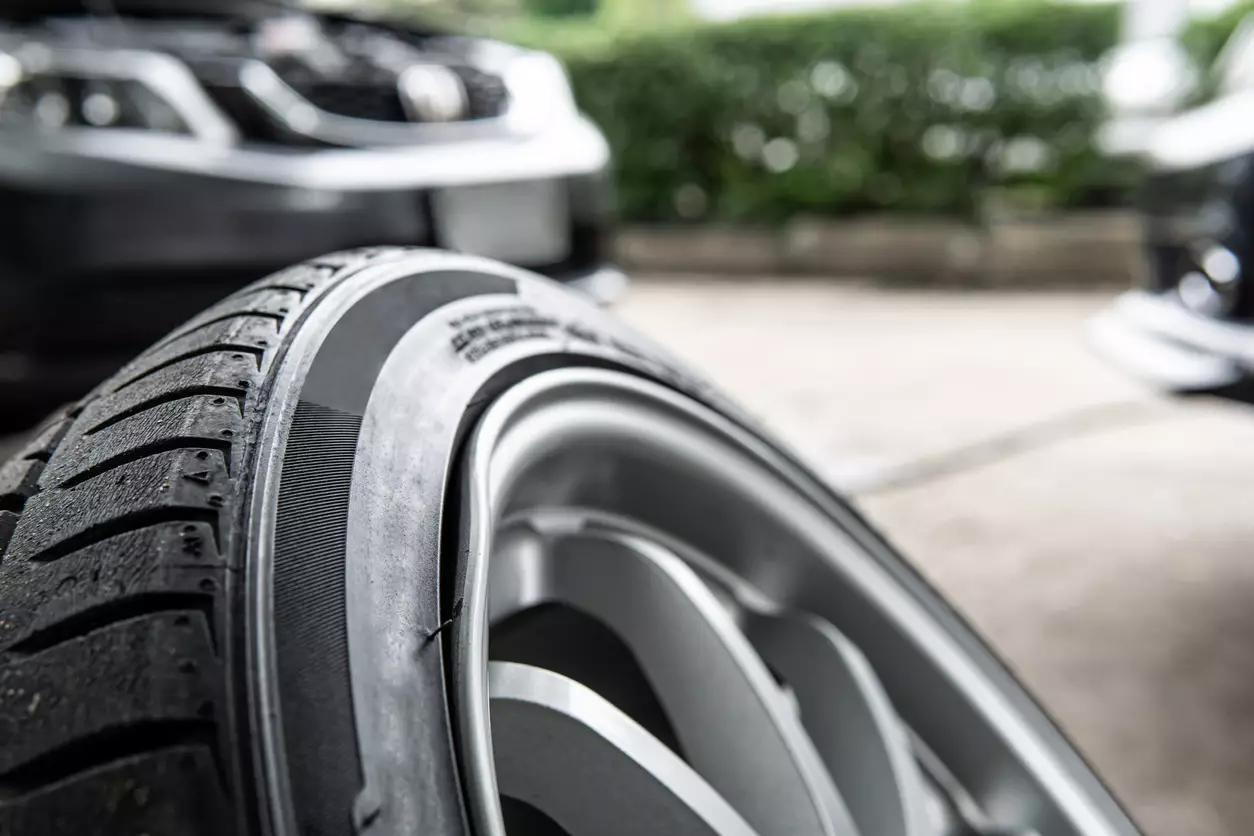
These are the ones that require prompt attention. The tyre sits against the bead seat of the rim, the inner lip where tyre and rim meet. When a bend is severe enough to deform this area, the tyre can no longer form an airtight seal against the rim surface. The result is a slow or rapid loss of tyre pressure.
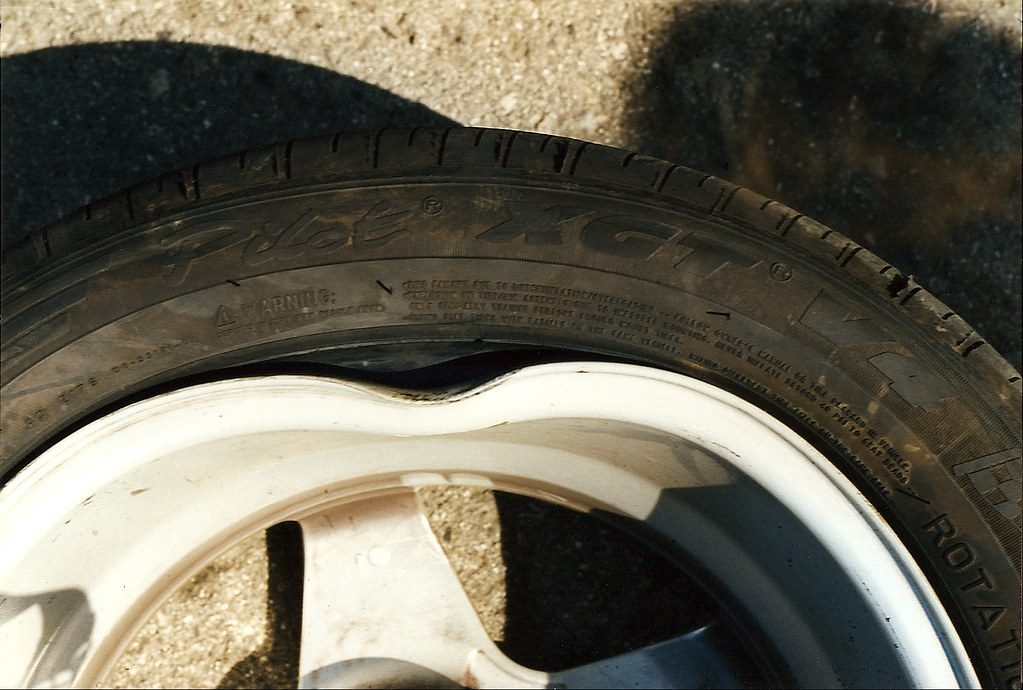
Driving on a tyre that is slowly losing pressure through a compromised bead seal is dangerous. Pressure loss is often gradual enough that the driver does not notice it immediately, but low tyre pressure affects handling, braking distances, and in severe cases increases the risk of a blowout at speed. If you hit a pothole and notice the tyre is losing pressure over the following hours or days without a puncture in the tread, the rim bead area is worth inspecting.
Bends That Are Cosmetic or Superficial
These affect the appearance or the outer face of the rim but do not interfere with the tyre seal. The tyre stays properly inflated, there is no air loss, and in mild cases the handling and steering are not meaningfully affected. These bends are real, you can see them on a wheel balancing machine or an inspection device, but they do not present an immediate safety issue.
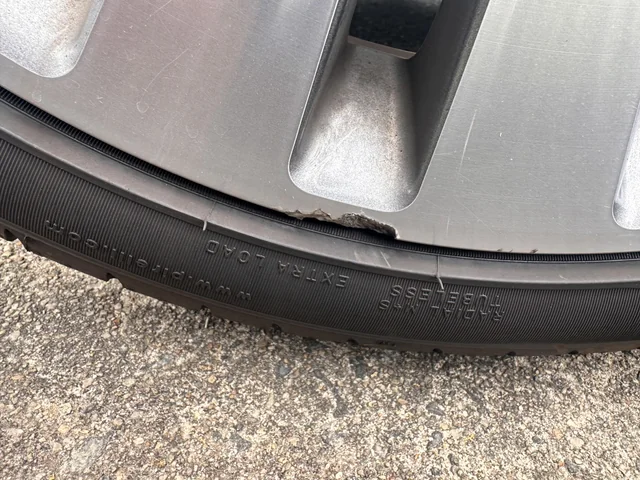
The important caveat: a superficial bend in a vulnerable area of the rim weakens that section structurally. A subsequent impact in the same location can cause the rim to fail at the previously bent point, at which point a cosmetic problem becomes a sudden and serious one. This is the key reason why superficial bends should not be completely dismissed, even if they do not demand immediate repair.
Steel Rims vs. Alloy Wheels: Different Materials, Different Problems
The material your wheels are made from significantly affects how they respond to impacts, what kind of damage they typically sustain, and how easy and expensive they are to repair.
| Factor | Steel Rims | Alloy Wheels |
|---|---|---|
| Impact resistance | Softer — bends more easily on impact | Harder — resists bending but more prone to cracking |
| Appearance | Functional, less visually appealing | More attractive, wider design range |
| Weight | Generally heavier | Generally lighter — better for performance and fuel economy |
| Corrosion | Prone to rust | Does not rust |
| Cost (new) | Significantly cheaper | More expensive |
| Repair cost | Lower — $10 to $25 depending on size | Higher — $35+ depending on severity and size |
| Repairability | High — cold repair with press or hammer | Moderate — requires heat before straightening |
The softer nature of steel is actually an advantage when it comes to impacts. Steel deforms under the force of a pothole or kerb strike, absorbing energy gradually rather than cracking. This means a bent steel rim is almost always repairable. The softer metal returns to its original shape under press or hammer work without the risk of fracture.
Alloy wheels are stiffer and resist deformation better, meaning they are less likely to bend from a given impact. But when an alloy does bend, or when the impact is severe enough, the harder material is more likely to crack rather than simply deform. A cracked alloy wheel is a much more serious situation than a bent one, and in many cases a cracked alloy cannot be safely repaired and must be replaced. The harder the alloy and the more severe the impact, the higher the risk of cracking rather than bending.
How Bent Rims Are Repaired
Steel Rim Repair
Steel rim repair is straightforward by comparison. The basic approach, still used in less-equipped workshops, is a hammer working against a backing block, physically persuading the bent metal back toward its original profile. This works for many cases, particularly smaller bends, because mild steel can be cold-worked without cracking.
The better approach, and the one used by well-equipped tyre workshops, is a hydraulic press. The wheel is mounted and the press applies controlled, progressive force to the deformed area, gradually returning it to shape without the unpredictable shock loads of hammer work. A hydraulic press produces a more accurate result with less risk of over-correcting or inducing stress fractures in the surrounding metal.
After repair, the wheel should be checked on a balancing machine to verify it has returned to a true round profile within acceptable tolerances, and then balanced before being refitted to the car.
Alloy Wheel Repair
Alloy wheels cannot be cold-pressed in the way steel rims can. The harder alloy material does not flow plastically under force at room temperature in the same way, applying pressure to a cold alloy rim risks fracturing the material rather than shaping it. Proper alloy rim repair requires preheating the affected area with a gas burner or similar heat source before applying corrective pressure.
When heated to the right temperature, the alloy becomes more malleable and can be worked back into shape without cracking. The heat must be applied carefully and evenly, overheating weakens the alloy’s structure permanently. After straightening, the wheel needs to be inspected carefully for any signs of cracking before it is considered safe for use.
Some alloy repair specialists use a lathe and specialised tooling to refinish the wheel face and check the run-out (how true the wheel runs) after straightening. The process is more involved than steel repair, which explains the higher cost.
How to Tell if Your Rim Is Bent
You do not always need a specialist to suspect a bent rim. There are several signs that can tell you something is wrong before you visit a tyre shop:
- Vibration through the steering wheel or seat at certain speeds. A rim that is no longer running true creates a rotational imbalance. This shows up as a vibration that often appears at a specific speed range and may be more pronounced in the steering wheel (front wheels) or through the seat and floor (rear wheels).
- The car pulling to one side without an obvious cause. A significantly bent rim can affect the tyre’s contact patch with the road, causing the car to track imperfectly.
- Tyre pressure that drops without a puncture. As discussed, a bend at the bead area creates a slow leak. If you are repeatedly adding air to a tyre with no visible puncture, have the rim inspected.
- A visible deformation on the rim face or inner lip. On alloy wheels especially, a bend on the outer face of the rim is often visible to the naked eye. Steel rims may show a flattened or bulged section along the inner bead area.
- A bump or wobble felt in the tyre rotation. In severe cases, a badly bent rim creates a perceptible up-and-down motion rather than smooth rolling, which can be felt as a regular bumping sensation even at low speeds.
The most accurate assessment is done on a wheel inspection device or a balancing machine that can show exactly how much out-of-round the wheel is and where the deviation is located. If you have doubts after hitting a significant pothole, a visit to a tyre workshop for a quick check costs very little and gives you a definitive answer.
When to Repair and When to Leave It Alone
This is where practical judgement comes in. Not every bent rim demands immediate repair, and knowing the difference helps you make smart decisions with your maintenance budget.
Repair Promptly If:
- The tyre is losing pressure and there is no puncture in the tread, the bead seal is compromised
- You can feel a vibration or wobble that was not present before the impact
- The car is pulling noticeably to one side in a way that began after hitting something
- The bend is visible and significant, a clearly flattened or deformed section of the rim face or bead
- The impact was severe enough to crack the rim (in which case replacement may be necessary rather than repair)
Monitor but No Urgency If:
- The tyre holds pressure normally and there is no air loss
- The wheel balances correctly and there is no vibration
- The bend is only visible under close inspection or on a specialist machine, not detectable in driving
- The deformation is on the cosmetic outer face of the rim only, away from the bead area
In the second category, you have the option to repair for cosmetic or preventive reasons, but it is not an immediate safety necessity. That said, keep in mind that a previously bent area is weaker than the original material and is more vulnerable to failure if the same area takes a subsequent impact. If you regularly drive on rough roads, straightening even minor bends reduces the risk of a more serious failure later.
A Note on How Repair Costs Are Charged
There is a frustrating inconsistency in how tyre workshops typically price rim repair work: they charge by wheel diameter rather than by the severity or complexity of the actual work required. This means an 18-inch alloy with a single minor bend in an easy-to-access location will be charged more than a 13-inch steel rim with five separate areas that all need attention, even though the 13-inch job is clearly more work.
A fairer pricing approach would categorise the damage by severity, superficial bend versus significant structural deformation, regardless of wheel size. Before agreeing to any repair, ask the workshop to assess and describe the actual damage, so you can make an informed decision about whether the repair cost is proportionate to what is actually being fixed. A good tyre specialist will be able to show you the deformation on a balancing machine and explain exactly what the work involves.
Typical Repair Costs
| Rim Type and Size | Typical Repair Cost | Notes |
|---|---|---|
| Steel rim — 15 to 16 inch | $10 to $15 | Cold press or hammer repair, straightforward |
| Steel rim — 17 inch | $20 to $25 | Slightly higher due to larger diameter |
| Alloy wheel — 16 inch | $35+ | Heat required before pressing — more involved process |
| Alloy wheel — 17 to 18 inch | $45 to $75+ | Larger alloys, more complex, higher labour time |
| Cracked alloy — any size | Not repairable — replacement required | A cracked alloy is a safety risk and must be replaced |
These figures represent typical averages and will vary between workshops and regions. Labour rates, equipment quality, and whether the tyre needs to be removed and remounted all affect the final price. Always get a clear assessment of what the damage actually is before agreeing to a repair and if a workshop tells you a rim needs work but you cannot see or feel any problem, it is reasonable to ask them to show you the issue on a balancing machine before you commit.
Bad roads and bent rims are an unfortunate pairing that most drivers will encounter at some point. Knowing what type of damage you are dealing with, whether it genuinely needs repair right now, and what fair repair costs look like puts you in a much stronger position than simply accepting whatever assessment or price a workshop offers. Use that knowledge to make decisions that are actually appropriate for your situation rather than spending money on repairs that can wait, or worse, delaying repairs that cannot.