
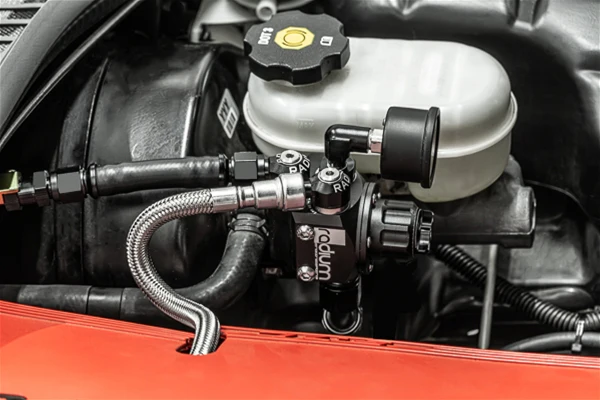
The fuel pressure regulator is one of those components that most drivers have never thought about, right up until something goes wrong. It sits quietly on the fuel rail, doing its job every time the engine runs, and when it fails or gets disconnected, the engine lets you know about it in a hurry. Understanding what this part does and what happens when it is removed from the equation can save you a lot of confusion when symptoms appear and a lot of money if you catch the problem early.
This guide covers everything you need to know: how the fuel pressure regulator works, what happens when it is unplugged or fails, the symptoms to watch for, the most common issues and their fixes, and how to keep your fuel system in good condition long term.
What a Fuel Pressure Regulator Does and Why It Matters
The fuel pressure regulator is an electronic or mechanical device located on the fuel rail, which is the component that distributes fuel to the individual injectors. Its job is to maintain a consistent, correct fuel pressure at the injectors regardless of what the engine is doing at any given moment.
Here is why that matters. Your engine’s fuel demand changes constantly. When you accelerate hard, the engine needs a larger volume of fuel delivered at the right pressure to match the increased air intake. When you are idling in traffic, fuel demand drops significantly. When you are cruising at highway speeds, demand is somewhere in between. The fuel pressure regulator is what handles all of these transitions, reading signals from the engine and adjusting fuel pressure at the injectors accordingly.
In mechanical fuel pressure regulators, this is accomplished through a spring-loaded diaphragm. Vacuum from the intake manifold pulls on one side of the diaphragm, while fuel pressure acts on the other. The balance between these two forces determines how much fuel is allowed to pass to the injectors and how much is returned to the fuel tank through a return line.
In electronic fuel pressure regulators, sensors measure pressure and engine operating conditions, and a computer-controlled system makes the adjustments. These are more precise and responsive, but also more complex when they develop faults.
Either way, the regulator is what stands between a well-running engine and one that is either starved of fuel or flooded with it. Remove it from the equation, and the fuel system operates without any control over pressure, which creates a cascade of problems almost immediately.
What Happens When You Unplug the Fuel Pressure Regulator?
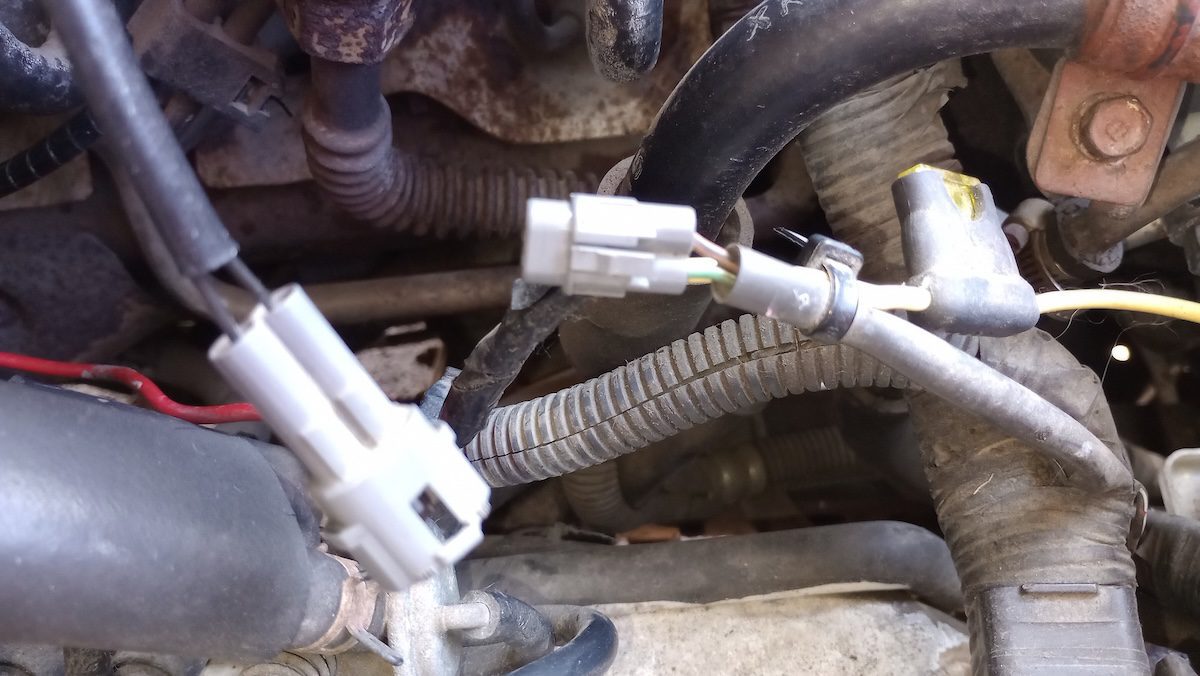
Unplugging the fuel pressure regulator is not something most owners do intentionally, but it can happen accidentally during other fuel system work, or a connector can work loose over time. In either case, the consequences for engine operation are immediate and noticeable.
When the regulator is disconnected, the fuel system has no mechanism to control the pressure reaching the injectors. Depending on which way the pressure swings, either too high or too low, you will experience different but equally problematic symptoms.
Unstable and Degraded Engine Performance
The most immediate and obvious symptom of an unplugged fuel pressure regulator is that the engine simply does not perform the way it should. You may experience difficulty starting, extended cranking before the engine fires, or an engine that starts and then immediately stalls.
Once running, the engine may hesitate or stumble during acceleration, feel sluggish and unresponsive, or surge unexpectedly when you should be at a steady throttle. The fuel trims that the engine control module uses to fine-tune the air-fuel mixture are calibrated around an expected fuel pressure range. When that pressure goes outside the expected range, those calculations become inaccurate and the engine runs poorly regardless of how the ECM tries to compensate.
Rough Idling and Engine Stalling
An unregulated fuel pressure causes the idle to become rough and inconsistent. The engine may shake or vibrate more than normal at idle, the idle speed may fluctuate noticeably up and down, and in more severe cases the engine will stall entirely at idle, particularly when coming to a stop after driving.
Random stalling while driving is genuinely dangerous, particularly at speed or in traffic. If the engine stalls unexpectedly, power steering and power brake assist are also affected, making the vehicle harder to control in the moments before you can safely stop. This is not a situation to tolerate or delay addressing.
Engine Misfires
With fuel pressure out of the correct range, individual cylinders may not receive the right amount of fuel at the right time to combust properly. When a cylinder fires without sufficient fuel, or with too much, the combustion event is incomplete or irregular. This is an engine misfire.
Misfires cause a sputtering or jerking sensation, particularly noticeable during acceleration. They also produce unburned hydrocarbons that go out through the exhaust, which is both an emissions problem and, over time, a catalytic converter problem. The catalytic converter is designed to handle small amounts of unburned fuel, but sustained misfires can overheat and destroy the converter, which is an expensive component.
Check Engine Light
The engine control module monitors fuel system parameters continuously. When fuel pressure deviates from expected values, or when misfires are detected, the ECM logs fault codes and illuminates the check engine light. Common codes associated with fuel pressure regulator issues include P0087 (fuel system lean, low pressure), P0088 (fuel pressure too high), and various misfire codes like P0300 through P0308 depending on which cylinders are affected.
These codes are valuable diagnostic information. If your check engine light comes on around the same time you notice fuel system symptoms, pulling the codes immediately will tell you whether fuel pressure is the likely cause before you start replacing parts.
Reduced Fuel Economy
When fuel pressure is incorrect, the engine cannot operate at optimal efficiency. If pressure is too low, the engine may demand more throttle input to produce the same power, burning more fuel per mile. If pressure is too high, excess fuel is being pushed through the injectors, and the unburned portion goes out the exhaust or contaminates the catalytic converter. Either way, fuel economy suffers and you notice more frequent fill-ups for the same driving distance.
Fire Risk From Fuel Leaks
This is the most serious consequence and the one that makes fuel system work something to take very seriously. An unregulated fuel pressure that runs too high can stress seals, O-rings, and connections throughout the fuel system, potentially causing fuel to leak. Fuel leaking onto hot engine components or near electrical systems is a fire hazard. If you ever smell fuel in the engine bay or see fuel droplets or staining around fuel lines and injectors, that situation needs immediate attention before the vehicle is driven further.
Common Fuel Pressure Regulator Problems and How to Fix Them
Beyond the issue of an unplugged connector, the fuel pressure regulator can develop its own internal and external faults over time. Here is what to watch for and what each problem typically requires to resolve.
1. A Worn or Ruptured Diaphragm
On mechanical fuel pressure regulators, the diaphragm is the flexible membrane that responds to vacuum and fuel pressure to maintain the correct balance. Over time, the diaphragm can harden, crack, or rupture. When it does, the regulator cannot maintain accurate pressure control, and in severe cases, fuel can leak through the ruptured diaphragm into the vacuum line and be ingested directly into the intake manifold.
Signs of a ruptured diaphragm include a strong fuel smell from the intake area, black smoke from the exhaust indicating a rich condition, and fuel found in the vacuum line connected to the regulator. If you disconnect the vacuum line from the regulator and find fuel inside it, the diaphragm has ruptured and the regulator needs replacement.
2. Vacuum Hose Deterioration
The vacuum hose connecting the fuel pressure regulator to the intake manifold is under constant heat and chemical exposure. Over time, the rubber deteriorates, develops cracks, hardens, or collapses internally. When the vacuum signal to the regulator is compromised, the regulator cannot accurately sense intake manifold pressure and adjust fuel pressure accordingly.
Inspect the vacuum hose by removing it from the regulator and running your fingers along its entire length. A hose that feels brittle, shows surface cracking, collapses when squeezed, or has any visible splits needs to be replaced. Vacuum hoses are inexpensive, and replacing a degraded one is one of the easier fuel system maintenance tasks.
3. Fuel Leaks at the Regulator or Fuel Rail
The O-rings that seal the fuel pressure regulator to the fuel rail can degrade and allow fuel to leak around the regulator body. Similarly, fuel rail fittings and connections can develop leaks from cracking or worn seals.
Any visible fuel wetness or staining around the regulator, fuel rail, or connecting lines is a serious concern that needs immediate attention. Do not continue to drive the vehicle until the leak source is identified and repaired. Even a small fuel leak creates a fire hazard when it contacts hot engine surfaces.
4. A Stuck or Failing Regulator Valve
The valve within the regulator controls how much fuel is returned to the tank versus how much continues to the injectors. If this valve sticks in the closed position, fuel pressure at the injectors climbs too high. If it sticks open, pressure drops too low. Both conditions produce fuel delivery problems, engine performance issues, and fault codes.
A fuel pressure gauge connected to the fuel rail test port is the most direct way to confirm a regulator valve issue. Correct fuel pressure ranges vary by vehicle, but most fuel-injected engines operate between 40 and 65 PSI depending on engine load. Pressure outside this range, or pressure that does not change when you disconnect and reconnect the vacuum line to the regulator, points to a failed regulator that needs replacement.
5. Electrical Connector or Control Module Failure
On electronically controlled fuel pressure regulators, the electrical connector and the associated control circuitry are additional potential failure points. A connector with corroded pins, a broken locking tab that has allowed the connector to partially separate, or internal control module damage can all prevent the regulator from receiving the signals it needs to operate correctly.
Symptoms of electrical failure in the regulator circuit are similar to those of a disconnected regulator, erratic fuel pressure, poor performance, and check engine codes related to the fuel pressure control circuit. Inspecting the connector for corrosion and damage, and testing circuit continuity with a multimeter, can confirm an electrical cause before replacing the regulator itself.
6. Air-Fuel Mixture Imbalance
A fuel pressure regulator that is not maintaining correct pressure contributes directly to air-fuel mixture problems. Too much fuel pressure causes a rich condition, where more fuel enters the combustion chamber than can be burned. Too little pressure causes a lean condition, where there is not enough fuel to match the available air. Both conditions reduce power, increase emissions, and can damage engine components over time.
The engine control module will attempt to compensate through fuel trim adjustments, but it can only correct within a certain range. When the pressure deviation is significant enough, the ECM runs out of correction authority and the engine runs poorly regardless of how hard the computer works to compensate. This is when symptoms become obvious and fault codes appear.
How to Test Your Fuel Pressure Regulator
If you suspect a fuel pressure regulator issue, here is how to confirm it before spending money on parts.
Fuel Pressure Gauge Test
This is the most direct and reliable test. A fuel pressure gauge connects to the Schrader valve on the fuel rail, which is a small valve similar to a tire inflation valve. With the gauge connected:
- Turn the ignition to the on position without starting the engine. The fuel pump should prime and you should see pressure build immediately. Note the pressure and compare it to your vehicle’s specification found in a service manual
- Start the engine and check the pressure again at idle
- With the engine running, disconnect the vacuum line from the regulator. Fuel pressure should rise noticeably, typically by five to ten PSI, when you remove the vacuum signal. If pressure does not change, the regulator is likely stuck or failing
- Reconnect the vacuum line and watch for pressure stability. Pressure should remain steady. Erratic or slowly dropping pressure indicates a regulator or pump issue
Vacuum Line Inspection
With the engine off, disconnect the vacuum line from the regulator and inspect it for fuel. Any fuel inside the vacuum line confirms a ruptured regulator diaphragm. The regulator needs to be replaced before driving the vehicle further.
OBD-II Diagnostic Scan
Connect a scan tool and read all stored fault codes. Pay particular attention to codes in the P0080 to P0100 range related to fuel system pressure, as well as any misfire codes. Live data from the scan tool can also show you the short-term and long-term fuel trim values, which indicate whether the engine is running rich or lean and by how much, giving you additional context for whether fuel pressure is the likely root cause.
How to Maintain Proper Fuel Pressure and Keep the Regulator Healthy
Most fuel pressure regulator failures are not sudden. They develop gradually, and proactive maintenance of the fuel system gives the regulator the best chance of a long service life.
Change the Fuel Filter on Schedule
A clogged fuel filter forces the fuel pump to work harder to push fuel through the restricted filter. This creates pressure fluctuations and can cause the fuel pressure regulator to work outside its normal operating range trying to compensate. On vehicles with a serviceable external fuel filter, replacing it at the manufacturer-recommended interval, typically every 30,000 miles or so depending on the vehicle, protects both the pump and the regulator.
Inspect Fuel Lines and Connections Regularly
Look over the visible fuel lines during oil changes or tire rotations. Any staining, wetness, or soft spots in rubber fuel hoses should be addressed promptly. A small leak that gets ignored becomes a larger one, and a larger leak creates both a performance problem and a safety hazard.
Use Quality Fuel
Fuel quality affects the life of all fuel system components. Lower quality fuel with higher levels of contaminants deposits varnish and debris on fuel injectors, filters, and regulator components over time. Using fuel from reputable stations and, where appropriate for your vehicle, a periodic fuel system cleaner additive helps maintain clean fuel delivery throughout the system.
Keep Fuel Injectors Clean
Clogged fuel injectors alter the effective delivery pressure at each cylinder even when fuel rail pressure is correct, because a partially blocked injector orifice restricts flow. This creates the same symptoms as a pressure regulation problem and can lead to a misdiagnosis. Periodic injector cleaning, either through a fuel additive or a professional fuel injection service, keeps injectors flowing correctly and makes it easier to isolate genuine pressure regulator problems when they do occur.
Address Fuel System Symptoms Early
Hard starting, rough idling, hesitation, and a check engine light are all early indicators that something in the fuel system is not right. Acting on these symptoms when they first appear, rather than waiting until the vehicle becomes difficult to drive, almost always results in a simpler and less expensive repair. A diagnostic scan and a fuel pressure test at the first sign of trouble can identify whether the regulator, pump, injectors, or something else is the cause before additional components are stressed or damaged.
How Much Does Fuel Pressure Regulator Repair or Replacement Cost?
| Repair Type | DIY Cost | Professional Repair Cost |
|---|---|---|
| Reconnecting a loose regulator connector | $0 | $50 – $100 diagnostic fee |
| Vacuum hose replacement | $5 – $15 | $50 – $150 with labor |
| Fuel filter replacement | $15 – $50 (parts only) | $80 – $200 with labor |
| Fuel pressure regulator replacement (mechanical) | $30 – $100 (parts only) | $150 – $400 with labor |
| Fuel pressure regulator replacement (electronic) | $80 – $200 (parts only) | $250 – $600 with labor |
| Fuel injector cleaning service | $10 – $30 (additive) | $100 – $300 professional service |
| Fuel leak repair (line or fitting) | Variable | $100 – $500 depending on location |
The fuel pressure regulator is not an expensive part in most cases, and labor to replace it on many vehicles is modest. The cost of ignoring it, however, scales up quickly when misfires damage catalytic converters, fuel leaks create fire risk, or sustained pressure problems accelerate fuel pump wear. The regulator is the kind of component where early diagnosis and prompt repair pays for itself many times over.
If your engine is not running right and fuel system symptoms are present, test the fuel pressure before you replace anything. A ten-minute test with a gauge gives you the answer a half-hour of symptom-chasing cannot. And if you have recently worked on the fuel system and something does not feel right afterward, the first place to check is whether every connector in that system is fully seated and locked. Sometimes the simplest explanation is exactly the right one.