
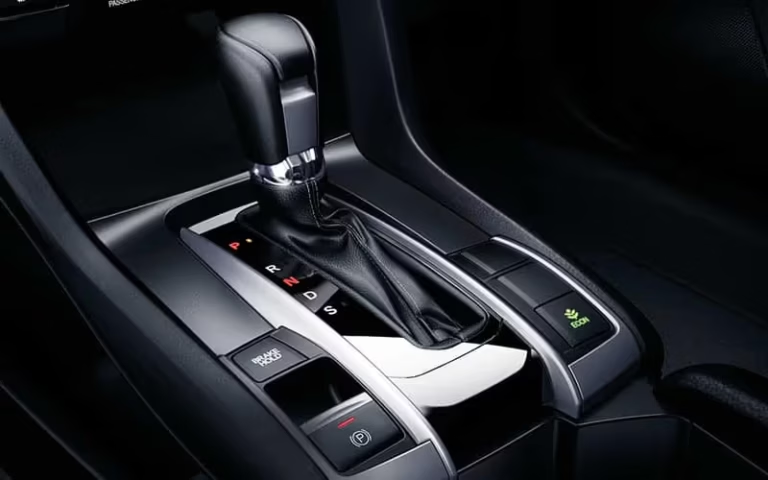
If you own a Honda with a CVT, and honestly, that is most Hondas built in the last decade or so, you have probably felt something a little off at some point. Maybe it was a small jerk when you hit the gas from a stop. Maybe the engine revved up like it wanted to take off, but the car barely moved. Or maybe you just caught a faint burning smell after a long highway drive and thought, “that is not normal.”
You are not imagining things, and you are definitely not alone. Honda’s continuously variable transmission, or CVT, has developed a bit of a reputation among owners and mechanics alike. Some of that reputation is deserved. Some of it gets blown out of proportion online. In this guide, we are going to sort out exactly what is going on, what causes these common complaints, which Honda models tend to have specific quirks, and what you can actually do about it before a small annoyance turns into a five thousand dollar transmission replacement.
Why Honda’s CVT Gets So Much Attention (Good and Bad)
Before we get into the problems, it helps to understand what makes a CVT different from the automatic transmission your parents probably drove. A traditional automatic transmission uses a set number of physical gears, first, second, third, and so on, that the car shifts between as you speed up or slow down.
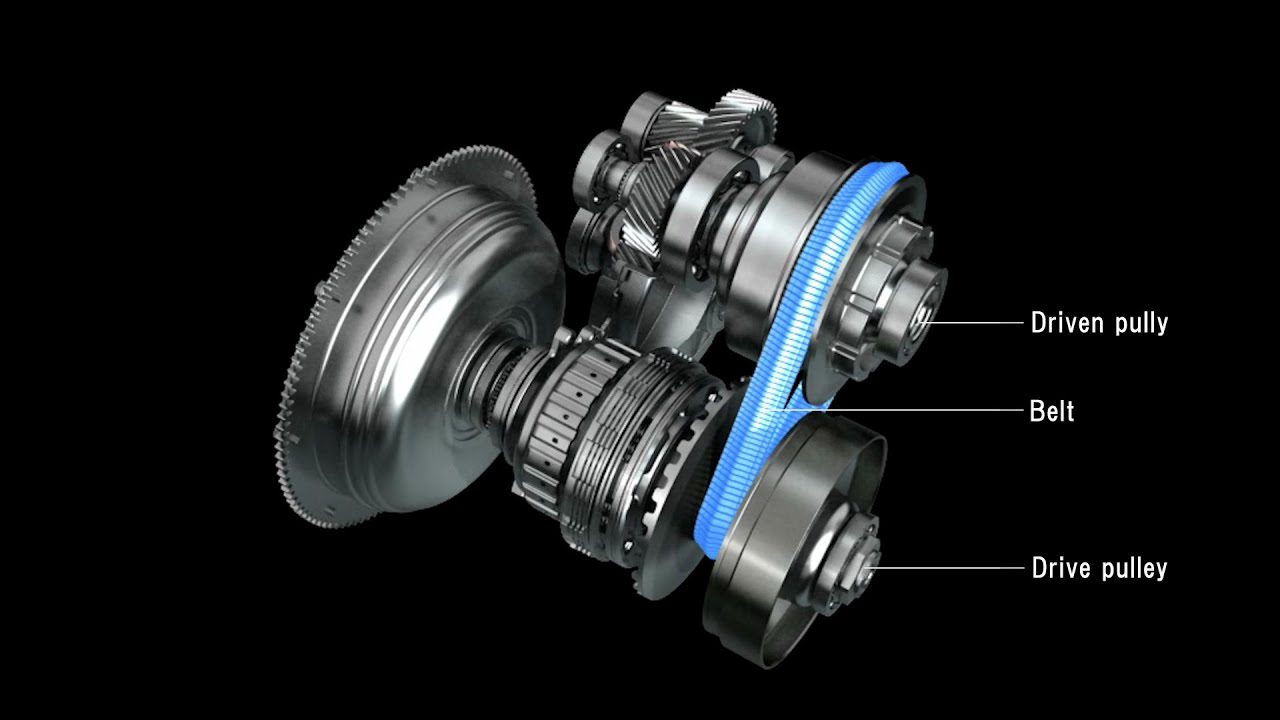
A CVT does not have fixed gears at all. Instead, it uses a system of pulleys and a belt or chain that can change ratio smoothly and continuously, hence the name. In theory, this gives you better fuel economy and a smoother ride because the engine can stay in its most efficient RPM range without the usual “shift shock” you feel in a conventional automatic.
In the real world, this technology works great when everything is functioning correctly. Honda has used CVTs across a huge chunk of its lineup, including the Civic, Accord, Fit, CR-V, and HR-V. But because a CVT relies so heavily on precise fluid pressure and a delicate belt system, it is also less forgiving of neglect compared to a traditional automatic. Skip fluid changes on a regular automatic, and you might get away with it longer than you should. Do the same thing to a CVT, and you are asking for trouble a lot sooner.
The Most Common Honda CVT Problems Owners Actually Report
Let us go through the complaints that show up again and again in owner forums, dealership service records, and honestly, in my own shop when a Honda rolls in with transmission trouble.
1. Fluid Leaks That Sneak Up On You
Transmission fluid is not just a lubricant sitting there for show. It is the lifeblood of the entire CVT system, providing hydraulic pressure that controls the pulleys and keeps everything cool. When that fluid starts leaking out, the whole system suffers.
Here is what to watch for:
- Reddish or brownish spots on your driveway or garage floor
- A noticeable drop in transmission fluid level when checked
- Sluggish or delayed response when accelerating
Leaks usually trace back to worn seals or cracked hoses, both of which degrade naturally over time, especially in vehicles that see a lot of miles or extreme temperature swings. The fix itself is often not expensive. A worn seal might cost you under a hundred dollars in parts. The real danger is what happens if you ignore it. Low fluid means the pulleys and belt are not getting properly lubricated or pressurized, and that can snowball into a full transmission failure that costs thousands instead of hundreds.
Catching a leak early is really about paying attention. If you park in the same spot regularly, glance down every so often. Finding a small stain today beats finding a dead transmission on the side of the highway six months from now.
2. That Annoying Jerk or Shudder When You Accelerate
This is probably the single most reported CVT complaint among Honda owners, and it is exactly as unpleasant as it sounds. You press the gas pedal, expecting smooth acceleration, and instead you get a jerky, almost stuttering sensation, sometimes accompanied by a shudder you can feel through the steering wheel or seat.
In most cases, this comes down to one of two things: fluid that has gone bad or gotten low, or worn internal components that are no longer working together the way they should. Think of the belt and pulleys like a bicycle chain and gears. If the chain is dirty or stretched, or the gears are worn, that smooth pedaling motion turns into a rough, uneven ride. The CVT works on a similar principle, just with hydraulic fluid doing a lot of the heavy lifting instead of a chain.
The good news is that regular fluid checks and timely changes solve this problem more often than people expect. It is genuinely one of the cheaper fixes on this list, assuming you catch it before the shuddering points to something more serious like belt damage.
3. A Burning Smell That Means Business
Nobody wants to smell something burning coming from their car, and if that smell seems to be coming from underneath rather than the engine bay, your transmission deserves immediate attention. In Honda CVTs, a burning smell almost always points to overheating.
Two things typically cause this:
- Transmission fluid levels that have dropped too low, reducing the fluid’s ability to absorb and dissipate heat
- A cooling system component, like the transmission cooler, that has started failing
Overheating is not something to shrug off and hope it goes away. Excess heat breaks down transmission fluid faster, which then accelerates wear on the belt and pulleys, which then generates even more heat. It is a vicious cycle that can turn a fixable problem into a total transmission replacement in a surprisingly short amount of time if ignored.
If you catch a burning smell, pull over safely, let the vehicle cool down, and check your fluid level as soon as it is safe to do so. This is not a “drive it until Monday” kind of problem.
4. Strange Noises That Were Not There Before
Whining, grinding, or a low humming noise during acceleration is another red flag that Honda CVT owners report fairly often. These noises usually point toward issues with the transmission belt or the pulleys themselves, frequently because something has become misaligned or has simply worn down from normal use over time.
Here is a rough guide to what different noises might be telling you:
| Noise Type | Possible Cause |
|---|---|
| High-pitched whine that changes with speed | Worn or slipping belt |
| Grinding sound during acceleration | Damaged pulley or internal component wear |
| Humming that gets louder over time | Low fluid or early bearing wear |
None of these noises are things you want to just turn the radio up and ignore. Catching them early, through a proper inspection, usually means the difference between a moderate repair bill and a full transmission rebuild.
5. Hesitation and Sudden Loss of Acceleration
This one genuinely worries people, and honestly, it should. Imagine merging onto a highway and your car hesitates for a beat before finally responding, or worse, you suddenly lose acceleration entirely while already in traffic. That is not just inconvenient. It is a legitimate safety concern.
This kind of hesitation often points to either a failing transmission control module, which is essentially the small computer that tells your CVT how to behave, or insufficient transmission fluid preventing proper hydraulic response. Either way, this is not a “wait and see” situation. Get it checked promptly, because losing acceleration in the middle of an intersection or a highway merge is exactly the kind of scenario that leads to accidents.
Model-Specific Quirks: Does Your Honda Have Its Own CVT Personality?
Here is something worth knowing. Not every Honda model experiences CVT problems the exact same way. Different models, engine pairings, and production years have their own particular quirks. Let us break down what owners of specific models tend to report.
Honda Civic: Generally Reliable, But Not Perfect
The Civic has earned its reputation for reliability over decades, and that reputation mostly holds up even with the CVT models. That said, some drivers, particularly with earlier CVT-equipped Civics, report a jerking or jumping sensation during acceleration. This often traces back to transmission fluid that needs attention or, in some cases, an outdated software calibration that a dealership can update.
If you own a Honda Civic HX specifically, keep a closer eye on fluid levels and stick to a consistent maintenance schedule. Owners of this trim have reported slightly more sensitivity to fluid condition compared to other Civic variants.
Another quirk worth mentioning: some Civic owners notice a delayed response when shifting from Park into Drive. The car sits there for a beat longer than expected before actually engaging. This can stem from a sensor issue or a software glitch rather than a mechanical failure, but it is still worth having a trusted mechanic take a look rather than assuming it will resolve itself.
Honda Fit: Small Car, Noticeable CVT Quirks
The Honda Fit is a fantastic little runabout, but its CVT has developed a reputation for some noticeable shifting roughness, especially as the vehicle ages. A common complaint involves the engine revving noticeably higher than expected without a matching increase in actual acceleration. It almost feels like the car is trying hard but not quite delivering, which is uncomfortable and honestly a little unsettling the first time you experience it.
This issue tends to show up more in younger, lower-mileage Fits than you might expect, which suggests it is less about simple old age and more about wear patterns specific to this model’s CVT design. Regular fluid changes matter enormously here. Skipping them tends to accelerate whatever underlying wear is already present, turning a minor annoyance into a genuine mechanical problem faster than in some other Honda models.
If your Fit’s transmission starts sounding noisy or shifts feel unusually harsh, do not wait around. Get a professional opinion sooner rather than later, since Fit owners who have ignored early symptoms have reported facing full transmission replacements down the line.
Honda Accord: More Tech, More Potential Trouble Spots
The Accord comes loaded with advanced features, and its CVT is no exception. Some Accord owners report gear slipping, a sensation where the engine revs but power delivery feels delayed or inconsistent, almost like the transmission cannot quite decide what ratio it wants to be in. This is not just annoying, it genuinely affects driving safety, particularly during highway merges or passing maneuvers where you need immediate, predictable power.
Maintaining proper fluid levels in the Accord is particularly important, since many of the reported slipping issues trace directly back to fluid that was low, dirty, or simply overdue for a change.
Overheating shows up as a recurring theme in older Accord models specifically. If your Accord’s temperature gauge behaves erratically, or you notice performance dropping during longer drives, particularly in hot weather, it might be worth looking into an auxiliary transmission cooler or scheduling a fluid change sooner than your usual interval. Pay attention to any dashboard warning lights related to the transmission as well. Honda’s engineers built those warnings in for a reason, and ignoring them rarely ends well.
Honda CR-V and HR-V: Vibration and Leak Complaints
Both the CR-V and its smaller sibling, the HR-V, share a fairly common complaint: vibration or shaking, particularly noticeable during acceleration. This often points back to worn transmission mounts, the rubber and metal components that hold the transmission securely in place, or simply low transmission fluid affecting smooth operation.
Fluid leaks have also been documented across both models more frequently than some other Hondas in the lineup. If you own either of these SUVs, make it a habit to glance underneath your vehicle periodically, especially after it has been parked overnight. Spotting reddish or brownish fluid on the ground should prompt an immediate visit to your mechanic rather than a “I will deal with it later” mentality.
Here is a quick reference table summarizing what to watch for based on your specific Honda model.
| Model | Most Common CVT Complaint | Recommended Action |
|---|---|---|
| Civic | Jerking during acceleration, delayed Park to Drive response | Fluid check, software update inquiry |
| Fit | High revving without matching acceleration | Consistent fluid changes, early professional inspection |
| Accord | Gear slipping, overheating in older models | Fluid maintenance, consider auxiliary cooler |
| CR-V / HR-V | Vibration during acceleration, fluid leaks | Inspect transmission mounts, monitor for leaks |
Keeping Your CVT Healthy: A Practical Maintenance Game Plan
Here is the part of this article that can actually save you thousands of dollars. Most of the problems we just covered are preventable, or at least catchable early, with a reasonably simple maintenance routine. In the real world, the Honda owners who never deal with major transmission trouble are almost always the ones who stayed consistent with fluid changes and paid attention to early warning signs.
Stick to a Real Maintenance Schedule, Not Just “Whenever I Remember”
Honda recommends having your CVT inspected roughly every 30,000 to 60,000 miles. During these checkups, a technician looks over the belt, the pulleys, and other internal components, while also checking for leaks or early signs of wear.
Think of this the same way you would think about a dentist checkup. You might feel fine, no pain, nothing seems wrong, but a professional set of eyes catches small problems long before they turn into an expensive emergency. Skipping these inspections because “the car drives fine” is exactly how small, cheap fixes turn into five-figure transmission replacements.
Do Not Skip Fluid and Filter Changes
This is, without question, the single most important maintenance item for CVT longevity. Honda recommends changing the transmission fluid roughly every 25,000 to 30,000 miles. Dirty or degraded fluid loses its ability to properly lubricate and pressurize the system, which directly causes the slipping, jerking, and power loss issues we covered earlier.
A few important notes here:
- Always use genuine Honda CVT fluid. Generic or incompatible fluid can cause more harm than good, since CVTs are far more sensitive to fluid specifications than traditional automatics.
- Replace the filter at the same time as the fluid. A fresh filter catches contaminants that could otherwise circulate through the system and accelerate wear.
- Do not assume “lifetime fluid” claims mean you never need to check it. Real-world driving conditions, especially stop-and-go city traffic or towing, put more stress on the fluid than the manufacturer’s ideal testing conditions.
In the real world, a fluid change costs a fraction of what a transmission rebuild or replacement runs. If you take away one single piece of advice from this entire article, let it be this: do not skip your CVT fluid changes.
Your Driving Habits Matter More Than You Think
Here is something a lot of owners overlook entirely. How you drive genuinely affects how long your CVT lasts. Aggressive driving, hard acceleration from stops, sudden braking, and consistently pushing the engine hard, all place extra strain on the belt and pulley system.
Try adopting these habits instead:
- Accelerate smoothly rather than flooring it from a stop
- Avoid unnecessary hard braking when you can anticipate stops ahead of time
- Maintain steady speeds on the highway rather than constantly speeding up and slowing down
- Avoid overloading your vehicle beyond its rated capacity, since excess weight adds significant strain to the transmission
None of this means you need to drive like you are taking a driving test every single day. It just means being mindful, especially if you already know your specific Honda model has a documented history of CVT sensitivity.
Know Your Rights: Recalls, Lawsuits, and Warranty Coverage
Given how widespread some of these CVT complaints have become, it is worth understanding what protections you might already have as a Honda owner, and what options exist if your transmission does fail.
Checking for Recalls and Service Bulletins
Recalls get issued when a problem is widespread enough to raise genuine safety concerns. Honda has released technical service bulletins addressing certain CVT issues, including cases of early belt deterioration in specific model years.
Here is how to check if your specific vehicle has an open recall:
- Locate your Vehicle Identification Number, usually found on your dashboard near the windshield or on your insurance card
- Search that VIN through the National Highway Traffic Safety Administration’s recall lookup tool, or directly through Honda’s own recall check page
- Review any results carefully and schedule a dealership visit if an open recall applies to your vehicle
Recall repairs are performed free of charge, so there is genuinely no downside to checking this regularly, especially if your Honda has already shown some of the symptoms we discussed earlier.
Ongoing Lawsuits Worth Knowing About
Several lawsuits have been filed against Honda regarding CVT transmission problems over the years. Complainants in these cases commonly cite issues like unexpected transmission slipping or outright failure, often occurring well before what most owners would consider a reasonable transmission lifespan.
These lawsuits generally argue that Honda should cover repair costs even beyond standard warranty periods, given how widespread and consistent these complaints have been across multiple model years and vehicle types. If you are dealing with a CVT failure that feels premature given your car’s mileage and age, it is worth looking into whether your specific situation might fall under any existing legal action.
Consulting with a legal professional who specializes in consumer vehicle claims can help clarify whether you have options beyond simply paying out of pocket. This is especially worth pursuing if your transmission failed well within what should have been its expected lifespan.
Understanding Your Warranty Coverage
Here is genuinely good news for a lot of Honda owners. Due to the widespread nature of certain CVT issues, Honda extended warranty coverage on some affected models. This extension typically covers your transmission for 7 years from the original purchase date, or 150,000 miles, whichever comes first.
That said, do not assume this extended coverage means every possible transmission repair is free. Warranty terms are specific, and not every failure mode gets covered under this extension. Before assuming you are covered, or assuming you are not, take these steps:
- Pull out your vehicle’s warranty booklet and read through the transmission coverage section specifically
- Contact your local Honda dealer directly and ask them to check your VIN against any applicable extended warranty programs
- Keep documentation of all your maintenance records, since some warranty claims can be denied if there is no proof of regular fluid changes and inspections
That last point deserves extra emphasis. Manufacturers can sometimes deny warranty claims if they determine a lack of proper maintenance contributed to the failure. This is yet another reason to keep receipts and records every time you get your fluid changed or your transmission inspected.
What To Do Right Now If Your Honda Is Showing These Symptoms
If you read through this entire article nodding along because your own Honda has been doing one or more of these things, here is a simple action plan to follow.
- Check your fluid level and condition first. This costs you nothing and takes five minutes. Fresh transmission fluid should be reddish and relatively clear, not dark brown or burnt-smelling.
- Check for open recalls using your VIN. This takes another five minutes and could mean a free repair if your specific issue is covered.
- Review your warranty status. Especially if your vehicle falls within that 7-year or 150,000-mile extended coverage window, this could save you thousands.
- Schedule a professional inspection promptly. Do not wait for symptoms to worsen, particularly if you are experiencing hesitation, loss of acceleration, or a burning smell.
- Keep detailed maintenance records going forward. This protects you both for warranty purposes and for resale value down the road.
Honda’s CVT transmissions are not inherently bad technology. Millions of these vehicles rack up well over 150,000 miles without ever experiencing a major transmission failure. But like anything mechanical, they reward attention and punish neglect. A little diligence with fluid changes, a willingness to address strange noises or sensations early, and staying informed about recalls and warranty coverage will keep the vast majority of Honda owners far away from the nightmare scenario of a full transmission replacement.
So take a minute today. Pop the hood, check that fluid, and if something has been feeling off during your drives lately, do not just hope it goes away on its own. Your transmission, and your wallet, will thank you for it.