
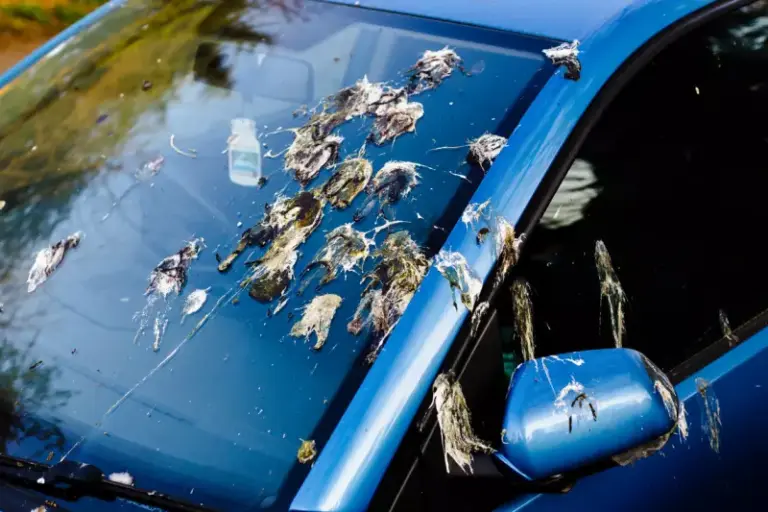
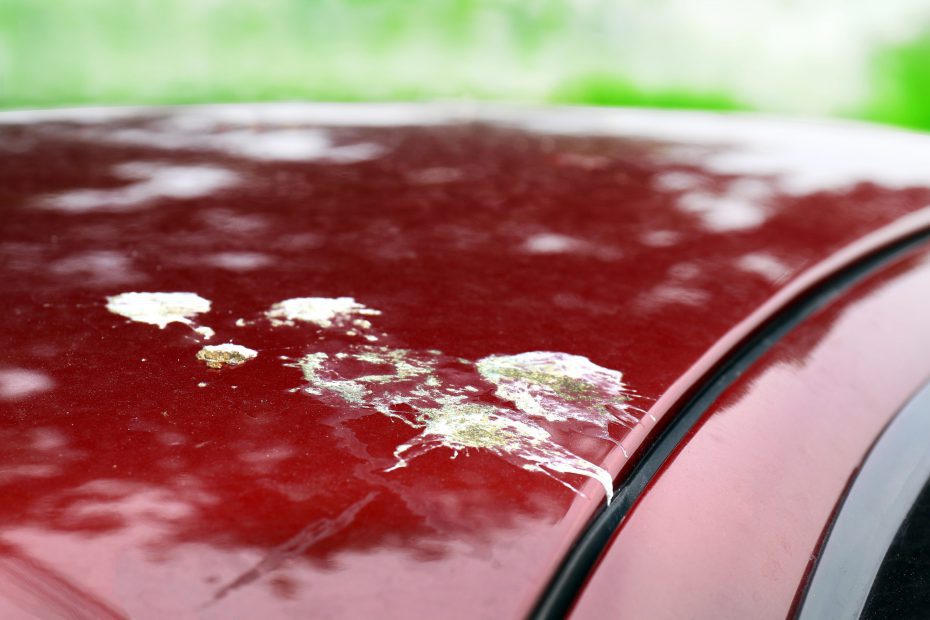
You walk out to your car on a perfectly ordinary morning, coffee in hand, ready to start the day. Then you see it. A big white splotch right in the middle of your hood. Bird poop. Again.
It is one of those small things that genuinely ruins your mood before the day even starts. And the frustrating part is that it is not just ugly. Bird droppings can do real, lasting damage to your car’s paint if you do not handle them quickly and correctly. That last part matters. How you remove bird poop is just as important as removing it at all.
The good news? You do not need a professional detailer or a cabinet full of specialty chemicals to get the job done safely. This guide walks you through exactly what to do, why bird droppings are so damaging in the first place, and how to protect your paint long-term so you are not dealing with this problem every other week.
Why Bird Poop Is More Dangerous to Your Car Than You Think
Let’s get into why bird droppings are such a serious threat to your car’s finish. This is not just a cosmetic annoyance. If you leave bird poop sitting on your paint long enough, you can end up with permanent damage that no amount of waxing will fix.
Bird droppings contain concentrated uric acid. Unlike the more diluted uric acid found in mammal urine, birds produce theirs in a much more concentrated form because they do not urinate separately. Everything comes out together in that one unpleasant package that ends up on your roof. That concentrated acid can begin attacking your clear coat almost immediately after contact.
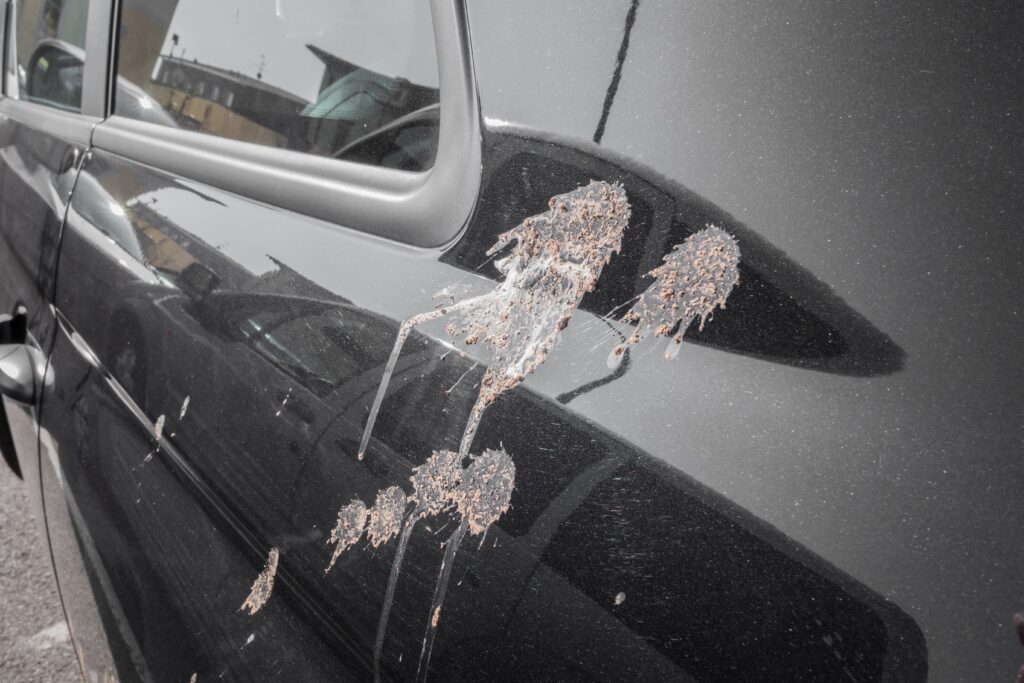
Clear coat is the transparent protective layer that sits on top of your actual paint. It is what gives your car that glossy, polished look. Once uric acid works through the clear coat, it starts eating into the color layer underneath. At that point, you are not looking at a quick detail fix anymore. You are looking at potential paint correction work or, in severe cases, a full respray of the affected panel.
Summer Makes It Even Worse
Here is something most car owners do not realize. Bird poop is significantly more damaging in warm weather than it is in the winter. When the sun heats up your car’s metal and paint, both expand. Then at night when the temperature drops, they contract. If bird poop is sitting on the surface during that expansion and contraction cycle, the paint actually contracts around the dropping, pulling the uric acid deeper into the finish with it.
Think of it like the paint is slowly gripping the contamination and pulling it inward. That is why a dropping that might cause minimal damage on a cool autumn morning can permanently etch the paint if left on a hot summer hood for just a few hours. Speed matters far more in summer than any other time of year.
There Is More Inside That Dropping Than You Want to Know
Look closely at a bird dropping and you will notice it is not just a uniform white paste. There are seeds, berries, insect parts, and other bits of debris mixed in. That organic material is abrasive. If you panic and start wiping the dropping away without softening it first, you are essentially dragging tiny pieces of grit across your paint like very fine sandpaper. You will trade one problem for another, swapping acid damage for a cluster of fine scratches and swirl marks that show up clearly under direct sunlight.
The rule is simple: never dry-wipe bird poop off your car. Always soften it first. Always.
How to Remove Bird Poop Without Damaging Your Car’s Paint
The approach you take depends on one main factor: how long the dropping has been sitting there. Fresh poop and hardened, dried poop require slightly different handling. Here is the full process broken down by situation.
Step 1: Do Not Scrub. Not Even Once.
Before anything else, commit to this rule. No scrubbing, no rubbing, no aggressive wiping. Every move you make should be a gentle lifting or dabbing motion. Scrubbing pushes the abrasive debris in the dropping across the surface of the paint, which causes the very scratches you are trying to avoid.
Step 2: Assess How Fresh the Dropping Is
Fresh bird poop is still moist and has not yet fully bonded to the surface. Older dried droppings have hardened and adhered more firmly to the clear coat. Knowing which you are dealing with tells you how much softening work you need to do before attempting to remove it.
Step 3: For Fresh Droppings, Use Water First
If you caught the dropping before it dried, you are in luck. A gentle stream of water from a hose is often enough to rinse it away cleanly without any additional products. Do not use a pressure washer at close range as the force can push the debris sideways across the paint. A gentle flow from a standard garden hose nozzle is ideal.
After rinsing, pat the area dry with a clean microfiber towel. Do not drag the towel across the surface. Press it down, lift it, and repeat until the panel is dry.
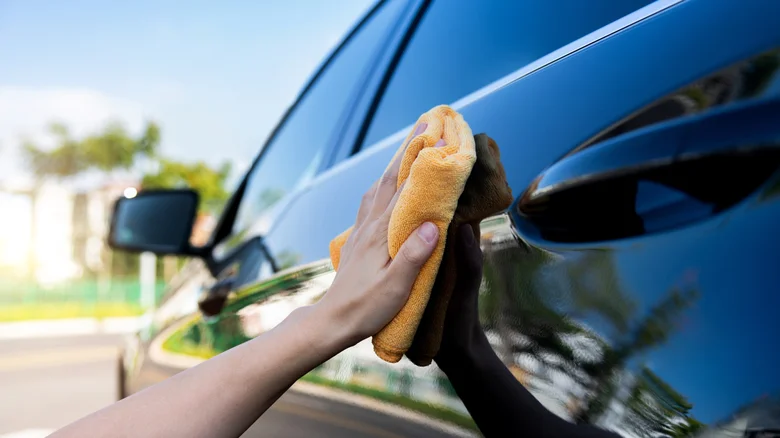
Step 4: For Dried or Stubborn Droppings, Soak and Soften First
This is where most people make mistakes. They see the dried dropping, grab a cloth, and start wiping. Do not do that. The dropping needs to be softened before it will release from the paint cleanly.
Here is the most effective approach:
- Soak a clean microfiber towel in warm soapy water. A mild car wash soap works perfectly. Dish soap works in a pinch but is not ideal for regular use on painted surfaces because it can strip wax.
- Lay the wet towel directly over the bird dropping. Do not press down or rub. Just drape it over the spot and let it sit.
- Leave it there for 10 to 15 minutes. This gives the moisture time to penetrate and rehydrate the dried material, breaking its bond with the paint surface.
- After soaking, use the damp corner of the towel to gently dab at the edges of the dropping, working inward toward the center. Use short, light lifting motions. You will see the softened material transferring to the cloth without being dragged across the paint.
- Once the bulk of the dropping is removed, rinse the area with clean water and dry it immediately with a fresh microfiber towel.
Step 5: Use a Detailer Spray for Extra Lubrication
A quality quick detailer spray is another excellent option, particularly if you want to give the area a protective boost after cleaning. Spray the detailer directly onto the dropping, allow it to dwell for a minute or two, then gently lift the material away with a microfiber towel using the same light dabbing technique.
The detailer lubricates the surface, which allows the contamination to slide off the paint rather than being dragged across it. It also leaves a light protective layer behind after you wipe, which is an added bonus. This method works especially well for fresh or lightly dried droppings.
Step 6: Inspect the Area After Cleaning
Once the dropping is removed and the panel is dry, take a close look at the spot in direct sunlight or under a bright light. Look for:
- Etching: A dull, hazy spot where the uric acid has eaten into the clear coat. This looks like a faint impression or a loss of gloss in the shape of the dropping.
- Fine scratches: Thin, hair-like lines that show up in certain light angles. These are more likely if the dropping had been there for a while and had dried grit in it.
- Staining: A slight discoloration, often yellowish or brownish, left behind after removal.
If the surface looks clean and glossy, you got to it in time. If you see etching or scratches, those will need further attention.
What to Do If Bird Poop Has Already Damaged Your Paint
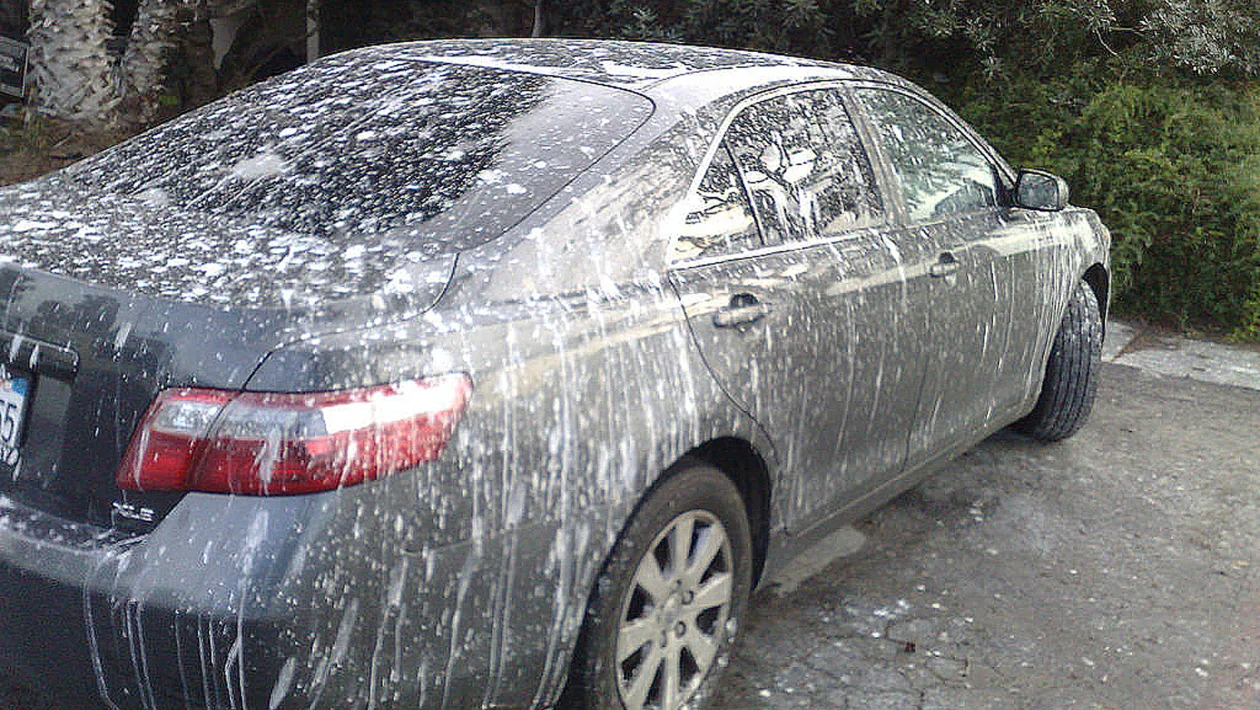
Sometimes you do not find the dropping until it has been baking on your hood for hours, or even overnight. If cleaning reveals that the paint has been etched or scratched, do not panic. There are options depending on how deep the damage goes.
Light Etching: Polish Can Often Fix This
Light etching that has only affected the top layer of the clear coat can sometimes be corrected with a finishing polish or a light paint correction product. Apply a small amount of polish to a foam applicator pad or a microfiber polishing pad and work it into the affected area using light, overlapping circular motions. Wipe away the residue and inspect the result. In many cases, light etching will be significantly reduced or eliminated entirely.
This is a job most car owners can do at home with minimal equipment. You do not need a dual-action polisher, though using one will give you better and faster results.
Deep Etching or Scratches Through the Clear Coat: Time for a Professional
If the damage has gone through the clear coat and into the color layer, polishing is not going to solve the problem. At that point, you are looking at paint correction work performed by a professional detailer, or in the worst cases, a panel respray at a body shop. Both options cost significantly more than a bottle of polish and a microfiber towel, which is exactly why acting quickly when you see bird poop is so important.
Run your fingernail lightly across the etched area. If you can feel a noticeable depression or the scratch catches your nail, the damage likely goes deeper than the clear coat. That is the point at which professional assessment is the right call.
Products Worth Keeping in Your Car for Bird Poop Emergencies
The best time to remove bird poop is the moment you see it. Keeping a few basic supplies in your car means you are never caught without the right tools, whether you are at home, in a parking lot, or on a road trip.
| Product | Why It Helps | Best For |
|---|---|---|
| Quick detailer spray | Lubricates the surface so poop lifts cleanly without scratching | Fresh and lightly dried droppings |
| Microfiber towels (2 or more) | Soft enough to avoid scratching, absorbent enough to capture debris | All situations |
| Waterless car wash spray | Works without a hose, great for parking lots or travel | When you have no access to water |
| Mild car wash soap | Safe for paint, helps soften stubborn dried droppings | Dried or heavily soiled droppings |
| Small spray bottle of water | Allows you to dampen the area without needing a hose | Quick rinse situations |
| Finishing polish | Removes light etching from uric acid after the dropping is gone | After removal, if etching is visible |
You do not need all of these at once. At minimum, keep a small bottle of quick detailer spray and two clean microfiber towels in your trunk. That combination handles the vast majority of bird poop situations safely and effectively, no matter where you are.
How to Make Your Car’s Paint More Resistant to Bird Poop Damage
You cannot stop birds from doing what birds do. But you can make your car’s paint significantly more resistant to the damage they cause. A good protective layer on your paint buys you more time between when the dropping lands and when the acid starts doing real damage.
Carnauba Wax
A fresh coat of carnauba wax is the most basic and affordable form of paint protection available. Wax creates a sacrificial layer on top of the clear coat that the uric acid has to work through before reaching the paint itself. It will not make your car immune to bird poop damage, but it gives you a meaningful buffer that can be the difference between a quick clean and a paint correction job. Apply a quality paste or liquid carnauba wax every two to three months for consistent protection.
Paint Sealant
Synthetic paint sealants last longer than carnauba wax, typically six to twelve months per application depending on the product and environmental conditions. They create a harder, more durable bond with the clear coat than wax does. If you want better protection with less frequent reapplication, a paint sealant is a smart step up from traditional wax.
Ceramic Coating
Ceramic coating is the most serious and longest-lasting paint protection option available. A professionally applied ceramic coating bonds chemically with the clear coat and can last anywhere from two to five years or more depending on the product. The coating creates an extremely hard surface layer that is far more resistant to chemical etching than bare paint or waxed surfaces. Bird droppings still need to be removed promptly, but a ceramic-coated car gives you considerably more time before real damage occurs.
Professional ceramic coating application costs more than waxing or applying a sealant yourself, but for car owners who park outside regularly in areas with heavy bird activity, it is an investment worth serious consideration.
Paint Protection Film
Paint protection film, often called PPF or clear bra, is a thick, transparent urethane film applied directly to the most vulnerable panels of your car. The hood, roof, front fenders, and trunk lid are the most common targets because they see the most bird activity. PPF physically blocks the uric acid from ever reaching the paint in the first place. High-end PPF products are even self-healing, meaning minor scratches from abrasive debris in bird droppings can disappear on their own with heat exposure.
This is the most expensive protection option, but if you are dealing with persistent bird poop problems and you own a vehicle whose paint you care deeply about, it is the most effective solution available.
Common Mistakes People Make When Removing Bird Poop
Knowing what not to do is just as valuable as knowing the right technique. Here are the most common errors car owners make when dealing with bird droppings, and why each one matters.
- Wiping without softening first: The most damaging mistake. Dry wiping drags abrasive particles across the paint and causes scratches that would not have happened if the dropping was softened first.
- Using paper towels or rough cloths: Paper towels feel soft but are actually rough enough to leave fine scratches on automotive paint. Always use a proper microfiber towel rated for automotive use.
- Using household glass cleaner on paint: Products like Windex contain ammonia, which can strip wax and damage the clear coat. Never use glass cleaner on painted panels.
- Waiting until the weekend to deal with it: If you notice bird poop on a Tuesday and plan to wash the car Saturday, you are giving the uric acid days to work. Act as soon as possible, even if that means a quick spot clean in a parking lot.
- Scrubbing in circles on darker paint: Circular scrubbing motion on dark paint creates swirl marks that are highly visible under direct sunlight. Use straight, back-and-forth motions or gentle dabbing instead.
- Ignoring the area after cleaning: Always inspect the cleaned area in good lighting after removing a dropping. Catching early etching and addressing it with polish immediately can prevent it from worsening.
Quick Reference: Bird Poop Removal by Situation
| Situation | Best Approach | Time Required |
|---|---|---|
| Fresh dropping, at home with hose | Gentle hose rinse, pat dry with microfiber | 2 to 5 minutes |
| Fresh dropping, no hose available | Quick detailer spray plus microfiber towel | 5 minutes |
| Dried dropping, at home | Soak microfiber in soapy water, lay over drop for 10 to 15 minutes, then gently lift | 15 to 20 minutes |
| Dried dropping, away from home | Waterless car wash spray, allow dwell time, gently lift with microfiber | 10 minutes |
| Dropping removed but etching visible | Finishing polish applied with light pressure using foam or microfiber pad | 20 to 30 minutes |
| Deep etching or scratches through clear coat | Professional paint correction or body shop assessment | Varies |
Does Parking Location Make a Difference?
Absolutely. Where you park your car has a direct impact on how frequently you will deal with bird droppings and how severe the damage risk is. A few practical adjustments to your parking habits can significantly reduce the problem without requiring any products at all.
- Avoid parking under trees: This sounds obvious, but it is the single most effective thing you can do. Birds perch and roost in trees, which means parking beneath one is essentially asking for trouble. Choose open parking spots whenever possible.
- Avoid parking near power lines: Birds love sitting on power lines, and everything directly below those lines is a target. If you notice a parking area has wires running overhead, park elsewhere.
- Use a car cover if parking for extended periods: If you are leaving your car somewhere for a long time, like at an airport or storage facility, a car cover protects the entire vehicle from bird activity as well as UV damage, sap, and other environmental contamination.
- Park in a garage when possible: A garaged car is protected from birds entirely. If you have access to a garage, use it consistently. Beyond birds, it protects your paint from UV exposure, weather, and other environmental damage that accumulates over time.
Bird poop on your car is a reality of owning a vehicle and parking it outdoors. You are never going to eliminate it entirely. But understanding why it is damaging, how to remove it correctly, and how to protect your paint from the worst of the damage means you can stay ahead of the problem instead of reacting to it after the fact. Keep a detailer spray and a couple of microfiber towels in your trunk starting today. The next time a bird targets your car, you will be ready before the acid has a chance to go to work.