
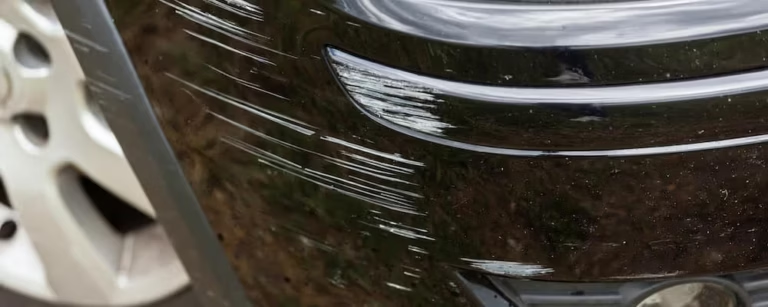
You walk out to your car on a random Tuesday morning, coffee in hand, and there it is. A fresh scratch running across your bumper that definitely was not there yesterday. Maybe it happened in a parking lot. Maybe your neighbor’s mailbox got a little too friendly with your car while backing out. Or maybe you genuinely have no idea where it came from, and that mystery somehow makes it more annoying.
Whatever the cause, your next thought is probably the same one everyone has: how much is this going to cost me? The honest answer is that it depends on a handful of factors, but do not worry, we are going to walk through every single one of them so you know exactly what to expect before you ever hand your car keys to a shop.
What Actually Determines the Price of Fixing a Bumper Scratch
Here is something worth understanding upfront. There is no single flat rate for bumper scratch repair, and any shop that quotes you a price without actually looking at your car is probably guessing. Several variables stack together to determine your final bill, and knowing them helps you spot a fair quote from an inflated one.
How Many Scratches Are We Talking About?
One clean scratch is a completely different job than five scattered scratches across your entire bumper. More scratches mean more prep time, more sanding, and often more paint blending to make everything look consistent again. A shop that charges the same flat fee regardless of scratch count is either underpricing single scratches or overpricing minor ones, so pay attention to how they break down their estimate.
How Big Is Each Scratch?
Size matters here in a very literal sense. A two-inch scratch takes a fraction of the material and labor that a two-foot scratch running along your entire bumper edge requires. Larger scratches also increase the odds that the repair will be visible from a few feet away unless the technician does careful blending work.
How Deep Does the Damage Go?
This is probably the single biggest factor in determining your final cost, and it is worth understanding the different depth categories before you even get a quote.
| Scratch Depth | What It Looks Like | Typical Repair Approach |
|---|---|---|
| Surface level (clear coat only) | Light, barely visible unless light hits it a certain way | Polishing or light touch-up paint |
| Medium (into the paint layer) | Visible color difference, no bare plastic showing | Sanding, priming, and repainting the area |
| Deep (into the base bumper material) | You can see bare plastic or metal underneath | Filler application, sanding, priming, and full repaint |
The deeper the scratch, the more steps a proper repair requires, and each additional step adds both time and material cost to your final bill.
What Color Is Your Car? Yes, Really
This surprises a lot of people, but your paint color genuinely affects your repair cost. Common colors like white, black, and silver are typically cheaper to match since shops keep these on hand or can mix them easily. Specialty colors, metallic finishes, pearl coats, and custom factory colors often require special ordering or more complex mixing, which drives up both the cost and the time needed for a proper match.
Real Numbers: What You Should Expect to Pay
Let us get into the actual dollar figures, broken down by the severity of the scratch you are dealing with.
| Scratch Severity | Estimated Cost Range |
|---|---|
| Minor scratch | $50 to $150 |
| Medium depth scratch | $250 to $600 |
| Major scratch | $300 to $700 |
| Heavy or extensive damage | $500 and up, due to additional labor required |
Labor time for these repairs generally runs somewhere between one and three hours, depending on complexity. The best way to know exactly what you are facing is to bring your vehicle to a repair shop in person and request a written quote. Photos and phone descriptions only get you so far when it comes to accurately assessing depth and paint matching difficulty.
When Repair Stops Making Sense and Replacement Takes Over
Sometimes a scratch is bad enough, or positioned awkwardly enough, that repairing it simply is not worth the time or money compared to replacing the whole bumper cover and repainting it. If a shop tells you this after inspecting your vehicle, it is not necessarily an upsell. Certain damage patterns, especially cracks combined with scratches or scratches that wrap around a corner panel, genuinely repair better through replacement than patchwork fixes.
The Paint Matching Headache Nobody Warns You About
Here is a detail that catches a lot of car owners off guard. If you have multiple scratches scattered across your bumper, matching your exact paint color across all of them can be genuinely tricky, even for an experienced technician.
Paint fades slightly over time due to sun exposure and weather, which means a fresh coat of factory-matched paint might not perfectly blend with the surrounding, slightly faded original paint. Skilled technicians know how to blend the edges to minimize this difference, but it is worth understanding why a repair might not look absolutely flawless if you look closely enough.
Dealing With Deeper Scratches Using Filler
For scratches that go deep enough to leave an actual groove or dent in the bumper material, a product called Bondo filler often gets used to fill that gap and create a smooth, paintable surface. This is standard practice in the auto body world and produces excellent results when applied correctly.
One piece of genuinely important advice here: do not try to mix and match paint colors during this process hoping to get a closer match through blending different shades yourself. If the colors do not align properly, you will end up sanding the entire area back down and starting completely over, wasting both time and material. Stick with a properly matched factory color code rather than guessing.
Do Not Ignore Rust If You See It
If your scratch has been sitting exposed for a while and you notice any rust marks forming, address this immediately rather than treating it as a cosmetic afterthought. Rust does not stay contained to one small spot. It spreads underneath the paint surface over time, and what starts as a tiny orange speck can eventually eat through the metal or bumper material entirely if left unchecked. Catching rust early keeps your repair simple and cheap. Ignoring it turns a fifty dollar fix into a much bigger structural repair down the road.
DIY Repair: What You Actually Need and Whether It Is Worth Your Time
Here is the good news for anyone comfortable with a bit of hands-on work. Plenty of bumper scratch repairs are genuinely doable in your own garage or driveway, provided you have reasonable patience and the right materials on hand.
Figuring Out What Actually Caused Your Scratch
Before diving into any repair, it helps to understand what caused the damage in the first place, since this affects how you approach the fix. Common culprits include:
- Nails, screws, or small road debris that got kicked up while driving and struck the bumper
- Metal fragments from other vehicles that fell off in traffic and got dragged along your paint
- Shopping carts, curbs, or other stationary objects in parking lots
- Branches or debris brushing against your car while parked outdoors
Each of these causes tends to produce a slightly different type of scratch pattern, and understanding which one you are dealing with helps you choose the right repair approach and correctly gauge how deep the damage actually goes.
How Much Paint Will You Actually Need?
For minor, surface-level scratches, you typically only need a few thin layers of matching touch-up paint to properly cover the damaged area. Depending on how deep the scratch actually is, plan on applying at least three to four layers to achieve a smooth, properly blended finish. Skimping on layers here almost always results in a repair that looks patchy or uneven once it dries.
If you find yourself needing considerably more paint than expected, or you are genuinely unsure whether your results are going to look acceptable, this is a reasonable point to pause and consult a professional mechanic or auto body shop rather than pushing forward and risking a worse outcome. Professional shops will naturally cost more than doing it yourself, but sometimes that expense buys peace of mind and a guaranteed quality result.
What Actually Happens Inside a Professional Auto Body Shop
If you decide to let the professionals handle it, here is what the process typically looks like from start to finish, broken into four core stages.
Stage One: Inspection
The technician examines the scratch closely, determining its depth, whether any filler will be needed, and how the paint color needs to be matched. This initial assessment determines everything that follows, so a thorough inspection matters more than people realize.
Stage Two: Repair
This is where any necessary filler gets applied to smooth out deeper damage, creating an even surface ready for the following steps.
Stage Three: Sanding
The shop removes all remnants of your old, damaged paint using a sander, carefully smoothing the surface in preparation for fresh primer and paint. This stage, along with the repair and primer stages, tends to take up the majority of total repair time. Professional shops have plenty of experience with this exact process, so there is little reason to worry about accidental damage or additional scratches happening during this step.
Stage Four: Primer and Paint
Once sanding is complete, the technician applies primer followed by properly matched paint, then allows adequate drying time before the vehicle is considered road ready.
If you are handling this repair yourself rather than through a shop, the entire process typically does not take more than a single day to complete from start to finish, assuming the damage is not particularly extensive.
Breaking Down Professional Shop Costs in Detail
Let us get specific about what different levels of professional repair actually cost, since this varies quite a bit depending on scope.
Standard Paint and Primer Costs
For a typical scratch repair involving paint and primer application, expect to pay a few hundred dollars total. If your bumper has multiple scratches requiring attention, budget somewhere in the range of $200 to $400 specifically for parts and materials, separate from labor charges.
One way to potentially reduce this cost is sourcing good quality primer and paint yourself from local auto parts stores rather than relying entirely on the shop’s markup for materials. That said, this approach only makes sense if you are comfortable handling at least part of the application process yourself, or if your shop offers a discount for customer-supplied materials.
The Tradeoff Between Cheap Local Shops and Established Professionals
If you are not particularly skilled at this type of hands-on work, or simply have no interest in spending your weekend doing manual labor on your car, a professional shop makes the most sense. That said, be aware that some smaller, budget-focused local repair shops may not deliver the same quality of work you would get from a more established professional operation, even if their initial quote looks cheaper.
Here is a practical tip that saves real money: many professional auto body shops offer discount programs or seasonal promotions, so it never hurts to simply ask before agreeing to pay full price. Even with a slightly higher upfront cost, choosing an established shop generally means the job gets done correctly the first time, without needing a costly second visit to fix mistakes.
Full Bumper Repaint Costs
If your bumper damage is extensive enough to require a complete repaint rather than a localized touch-up, expect the average cost to fall somewhere between $500 and $600 for a standard shop. If you specifically seek out a higher-end professional auto body shop known for premium quality work, that price can climb to around $1,000 for the full job.
Additional Costs for Structural Damage
If your bumper has sustained damage severe enough to require an actual replacement piece of metal or reinforced material being added, rather than just cosmetic paint and filler work, budget an additional $300 to $500 on top of your base repair costs. This typically applies to situations involving a significant dent alongside the scratch, rather than a purely cosmetic surface issue.
Quick Cost Summary Table
| Repair Type | Estimated Cost |
|---|---|
| Minor scratch touch-up | $50 to $150 |
| Medium depth scratch repair | $250 to $600 |
| Major scratch repair | $300 to $700 |
| Heavy damage requiring extensive labor | $500 and up |
| Full bumper repaint (standard shop) | $500 to $600 |
| Full bumper repaint (premium shop) | Around $1,000 |
| Additional structural repair (metal replacement) | $300 to $500 extra |
Smart Questions to Ask Before You Commit to a Repair Shop
Whether you go with a budget-friendly local shop or a premium auto body specialist, a few key questions before agreeing to any work will protect you from unpleasant surprises down the road.
- Can you guarantee this will only require one visit? A confident, experienced shop should be able to assess the damage thoroughly enough upfront to avoid needing you to return for additional work on the same issue.
- What happens if a problem shows up after the repair? Make sure whoever you hire holds genuine responsibility if something goes wrong as a direct result of their work, whether that means paint peeling prematurely or a poor color match becoming obvious in sunlight.
- Do you offer any discounts or promotions right now? It costs nothing to ask, and plenty of shops have seasonal deals or first-time customer discounts that never get advertised unless you specifically inquire.
- Will the paint match be tested before the full application? A shop confident in their work should be willing to show you a small test patch or sample before committing to painting the entire damaged area.
Weighing DIY Against Professional Repair: A Practical Decision Guide
Here is a simple way to think through whether you should tackle this yourself or hand it off to a professional.
| Situation | Recommended Approach |
|---|---|
| Single, shallow scratch, common paint color | DIY touch-up is reasonable |
| Multiple scratches needing color blending | Consider a professional for proper color matching |
| Deep scratch exposing bare plastic or metal | Professional repair recommended |
| Rust already present | Address immediately, professional recommended for proper treatment |
| Damage includes cracking or structural deformation | Professional assessment required, possible replacement needed |
| Specialty or metallic paint color | Professional color matching strongly recommended |
Protecting Your Bumper From Future Scratches
Once you have gone through the trouble and expense of fixing your current scratch, a little prevention goes a long way toward keeping your bumper looking good going forward.
- Park farther from other vehicles when possible, particularly in crowded lots where shopping carts and careless drivers pose the biggest risk
- Consider a clear bumper protection film for areas most prone to scratching, particularly the lower front bumper edge
- Wash off road salt and debris regularly during winter months, since built-up grime can contribute to scratches becoming more visible and prone to rust
- Address any new scratch quickly rather than letting it sit exposed to the elements for months, since prompt attention keeps repair costs on the lower end of the spectrum
Making the Final Call on Your Repair Budget
At the end of the day, how much you spend fixing your bumper scratch comes down to a genuine balancing act between cost, convenience, and how particular you are about the final appearance. A confident do-it-yourselfer with a common paint color and a shallow scratch can realistically handle this for well under a hundred dollars in materials. Someone dealing with multiple deep scratches on a specialty metallic finish is looking at a considerably larger investment, particularly if a full repaint becomes necessary.
Whatever route you choose, do not let a small scratch sit untreated indefinitely. What starts as a simple, cheap touch-up job today can turn into a rust problem or a full bumper replacement a year down the line if ignored. Take care of it now, and your bumper, and your wallet, will both be better off for it.