
Transportation has always evolved. From horses to steam engines, from steam engines to combustion, and now from combustion to electric. The direction of travel is clear, and American manufacturers are right at the center of that shift.
The transportation industry has historically been one of the worst offenders when it comes to energy consumption and carbon emissions. That reputation is starting to change. Not because of government mandates alone, but because engineers, entrepreneurs, and investors have put serious money and serious talent into solving the problem.
Electric vehicles are no longer a curiosity for early adopters or a punchline about limited range. They are pickup trucks, delivery vans, luxury sedans, and high-performance sports cars. They are being built by scrappy startups and backed by some of the largest investment capital in the world. And a significant number of the most important names in that space are American.
Here is a thorough look at the American electric car brands that are actively shaping what transportation looks like next.
American Electric Car Brands You Should Know
1. Tesla (2003 to Present): The Brand That Changed Everything
Any honest conversation about American electric vehicles starts here. Tesla did not just build electric cars. It rewrote what people thought an electric car could be, and in doing so, forced every other automaker on the planet to take the category seriously.
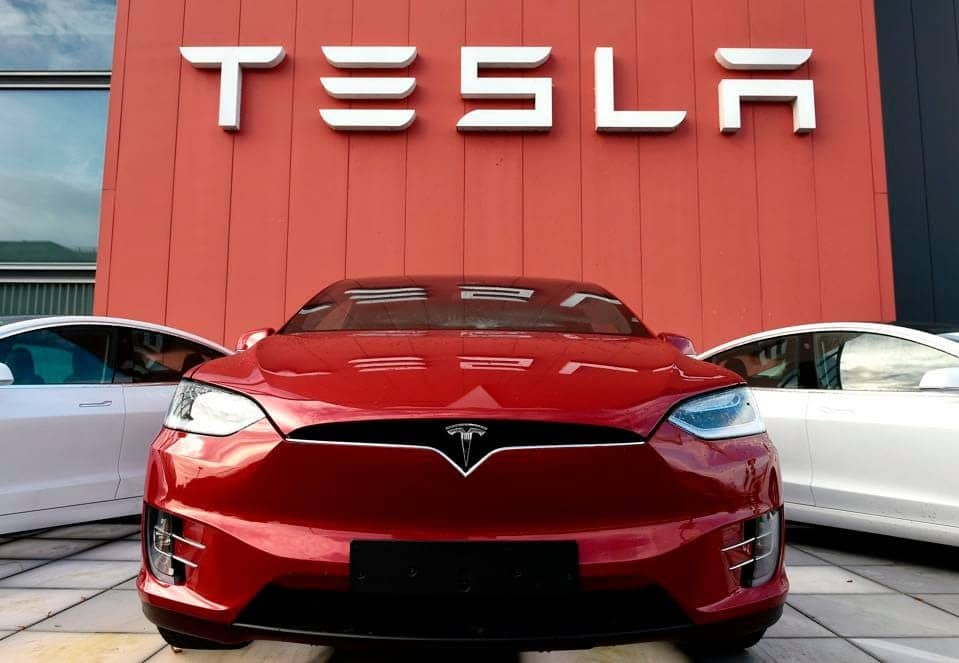
Founded in 2003 and headquartered in Austin, Texas, Tesla operates across electric vehicles, home and grid-scale battery storage, solar panels, and solar roof tiles. It is one of the most valuable companies in the world by market capitalization, having crossed the $1 trillion mark, a threshold very few automakers in history have ever reached.
The numbers behind the sales tell the story clearly. Tesla has consistently led the global market for battery-electric vehicles, at one point holding around 23 percent of the battery-electric market and 16 percent of the broader plug-in electric market. Through its Tesla Energy division, the company also installed roughly three gigawatt-hours of energy storage in 2020 alone, making it one of the largest energy storage providers in the United States.
The vehicle lineup spans from the mass-market Model 3 and Model Y to the flagship Model S and Model X, with the Cybertruck and the upcoming Roadster pushing into new territory. What Tesla built is not just a product line. It is an ecosystem: a proprietary charging network, over-the-air software updates, and a direct-to-consumer sales model that bypasses traditional dealerships entirely.
Whether you admire the company or find it polarizing, its influence on the entire industry is not debatable.
2. Karma Automotive (2015 to Present): American Luxury With a Distinctive Identity
Karma Automotive sits in a different corner of the market from Tesla. Where Tesla targets volume and technology leadership, Karma is focused squarely on the luxury segment, catering to buyers who want something rare and handcrafted rather than widely distributed.
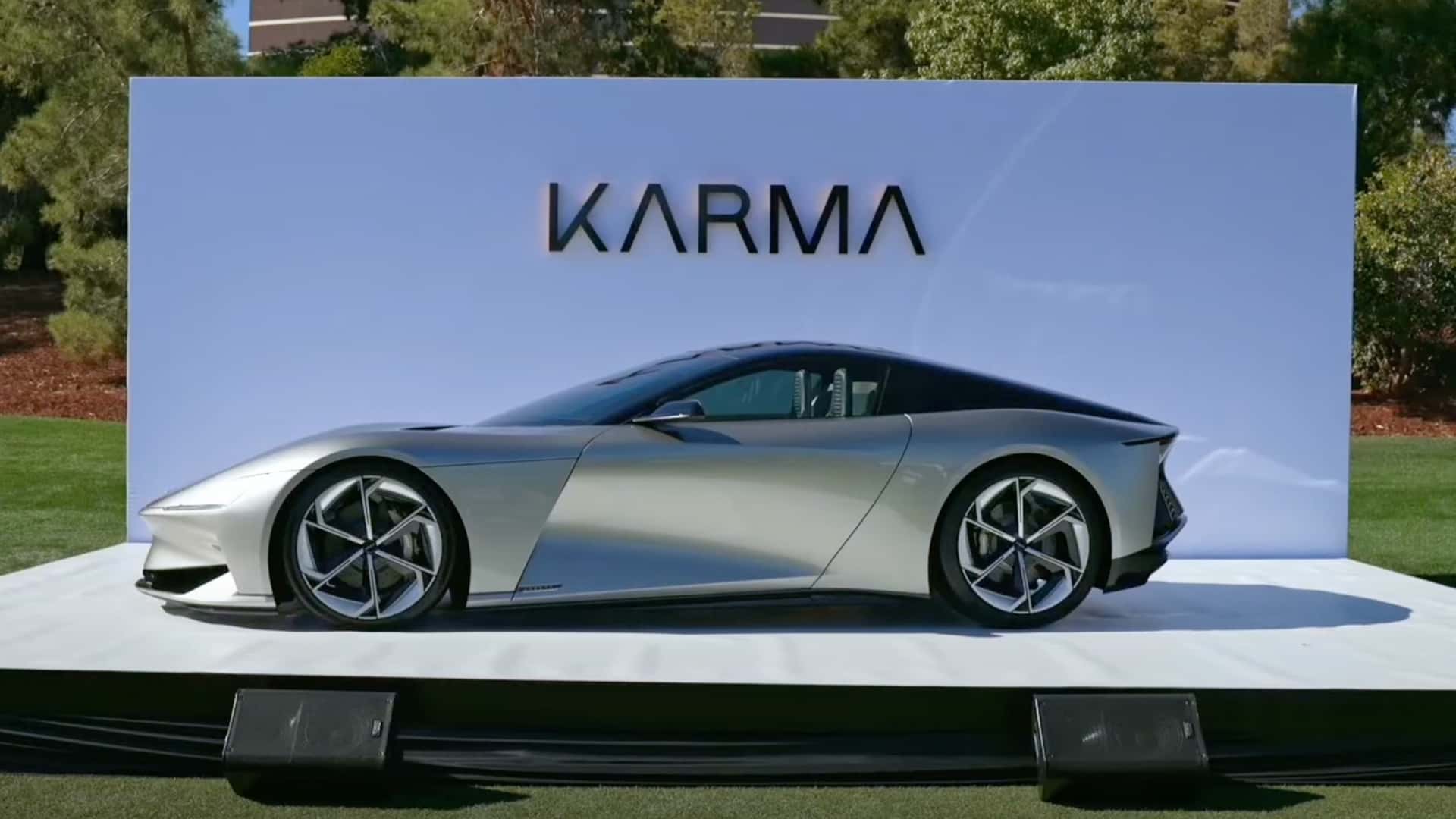
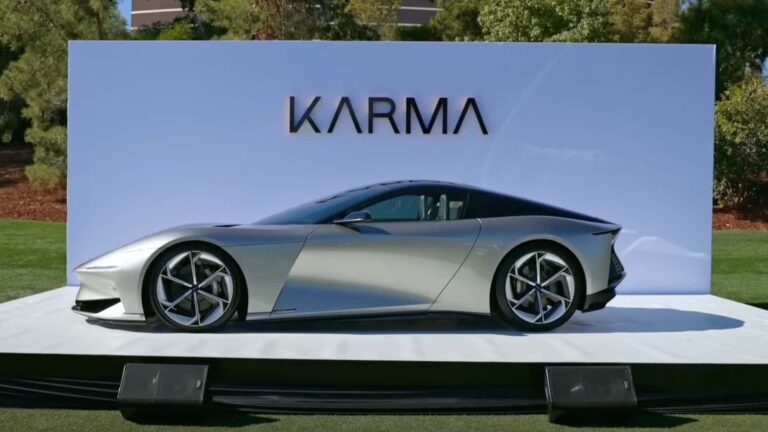
Founded in 2015 and headquartered in Irvine, California, with a manufacturing facility in Moreno Valley, Karma distributes vehicles through a curated dealer network spanning North America, Europe, South America, and the Middle East. The brand emerged from the ashes of Fisker Automotive, acquiring its assets and rebuilding around a cleaner identity and more refined production approach.
The vehicles Karma produces are genuinely striking. Long, low, and unmistakably styled, they occupy a space in the market where aesthetics and exclusivity matter as much as performance specifications. For buyers who want an electric vehicle that does not look like anything else on the road, Karma is one of the few brands that delivers that.
3. Lucid Motors (2007 to Present): Range Records and Serious Performance
Lucid Group was founded in 2007 under the name Atieva, initially with a focus on battery technology rather than consumer vehicles. That foundation in battery development turned out to be a strategic advantage. When Lucid eventually turned its attention to building a car, it had years of battery expertise that most competitors lacked.
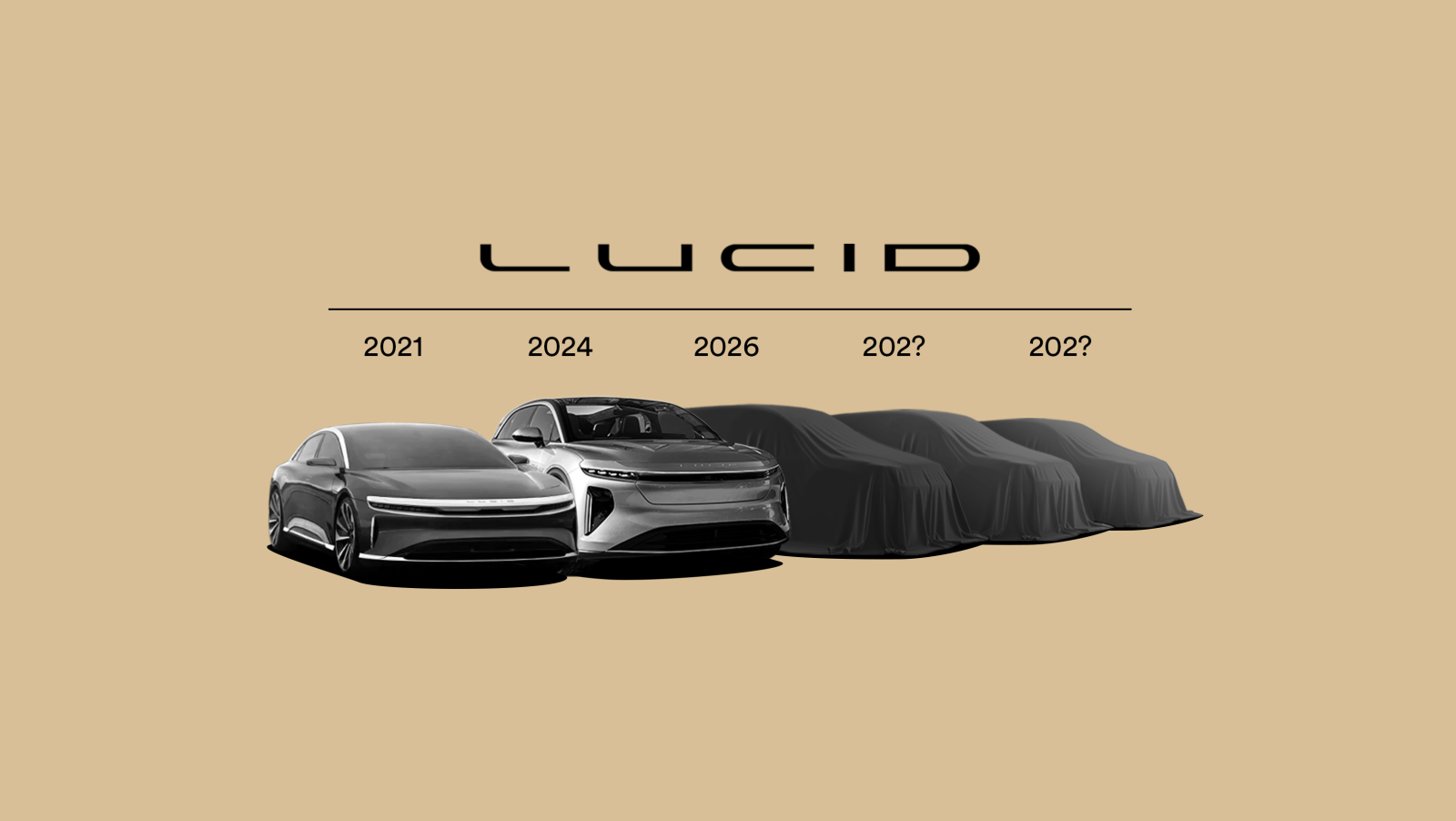
Work on the first Lucid vehicle began in 2014. By September 2021, the company had started production of the Lucid Air at its facility in Casa Grande, Arizona. The first deliveries to customers came in late October of that year, with the Dream Edition launch models going to the first 20 reservation holders.
The Lucid Air subsequently set a record as the longest-range electric vehicle ever tested by the EPA, with the Grand Touring version achieving over 500 miles of range. That figure made a lot of the range anxiety conversation around EVs look considerably less relevant. Beyond range, the Air competes directly with the Mercedes S-Class and BMW 7 Series in terms of interior quality, with an interior that has genuinely impressed automotive journalists who are not easy to please.
Lucid is also developing the Gravity SUV, which is expected to bring the same technology platform to a larger and potentially higher-volume segment.
4. Drako Motors (2013 to Present): Hypercar Performance, Four Doors
Drako Motors is a name that most people outside of the automotive enthusiast world have not heard, but the numbers behind what they have built are hard to ignore.
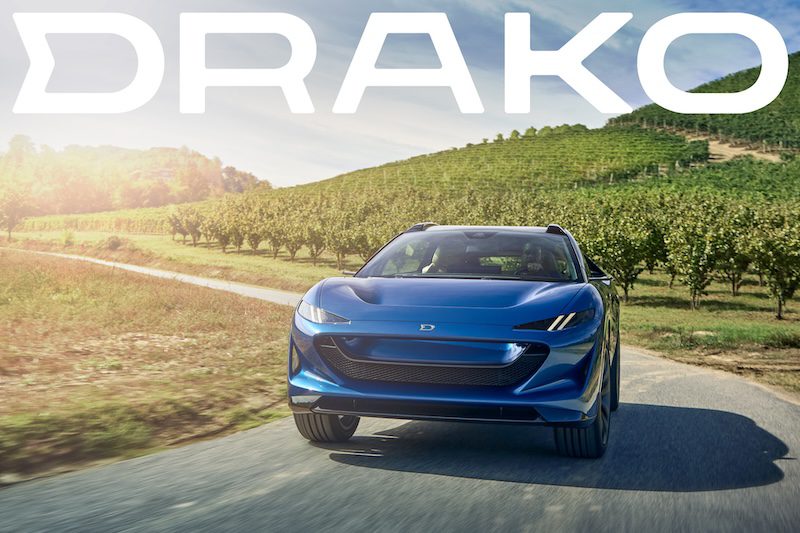
Founded in 2013 by Dean Drako and Shiv Sikand, and based in San Jose, California, Drako made its first significant technical move in August 2015 when it unveiled DriveOS, a four-wheel torque vectoring system with a single vehicle control unit. That system is the foundation of everything Drako has built since.
The Drako GTE was revealed at The Quail Motorsports gathering in 2019. It is a four-door, four-seat sports sedan powered by four electric motors producing a combined 1,200 horsepower. That is supercar territory in a vehicle that seats your family. Performance figures are in the range of zero to 60 mph in under two seconds, which puts it in conversation with some of the fastest production cars ever built, regardless of powertrain.
In 2021, Drako followed up with the Dragon, which brought upgraded inverters, improved battery cell technology, a revised cooling system, and additional torque beyond what the already formidable GTE produced. The Dragon is a hypercar by any reasonable definition, just one that happens to run entirely on electricity and has a back seat.
5. Faraday Future (2014 to Present): Ambition, Turbulence, and a Long Road to Market
Faraday Future has one of the more turbulent histories in the American EV startup space. Founded in 2014 and headquartered in the Harbor Gateway area of Los Angeles, the company generated enormous buzz in its early years, then spent several years navigating financial difficulties, leadership changes, and delayed production timelines before eventually reaching the market.

The company is named after Michael Faraday, the English scientist who discovered electromagnetic induction, which is one of the foundational principles behind electric motor technology. That name choice was a deliberate signal about the technical ambitions behind the brand.
By January 2016, Faraday had grown from a 2014 startup to a team of 1,000 employees. In November 2015, the company announced plans to invest up to $1 billion in its first production facility. The path from announcement to actual production proved far longer and more complicated than early timelines suggested, but the flagship FF 91 eventually reached production status after years of development.
Faraday Future’s story is a reminder that ambition and capital alone do not guarantee smooth execution in the automotive industry. Building cars at scale is genuinely hard, and the companies that survive long enough to learn that lesson are the ones worth watching.
6. Canoo (2017 to Present): Rethinking What a Vehicle Can Look Like
Canoo takes a different approach to the electric vehicle problem. Rather than building something that looks like a traditional car with an electric powertrain dropped in, the company started from scratch with what a vehicle’s interior space could be when you remove the constraints of a combustion engine layout.
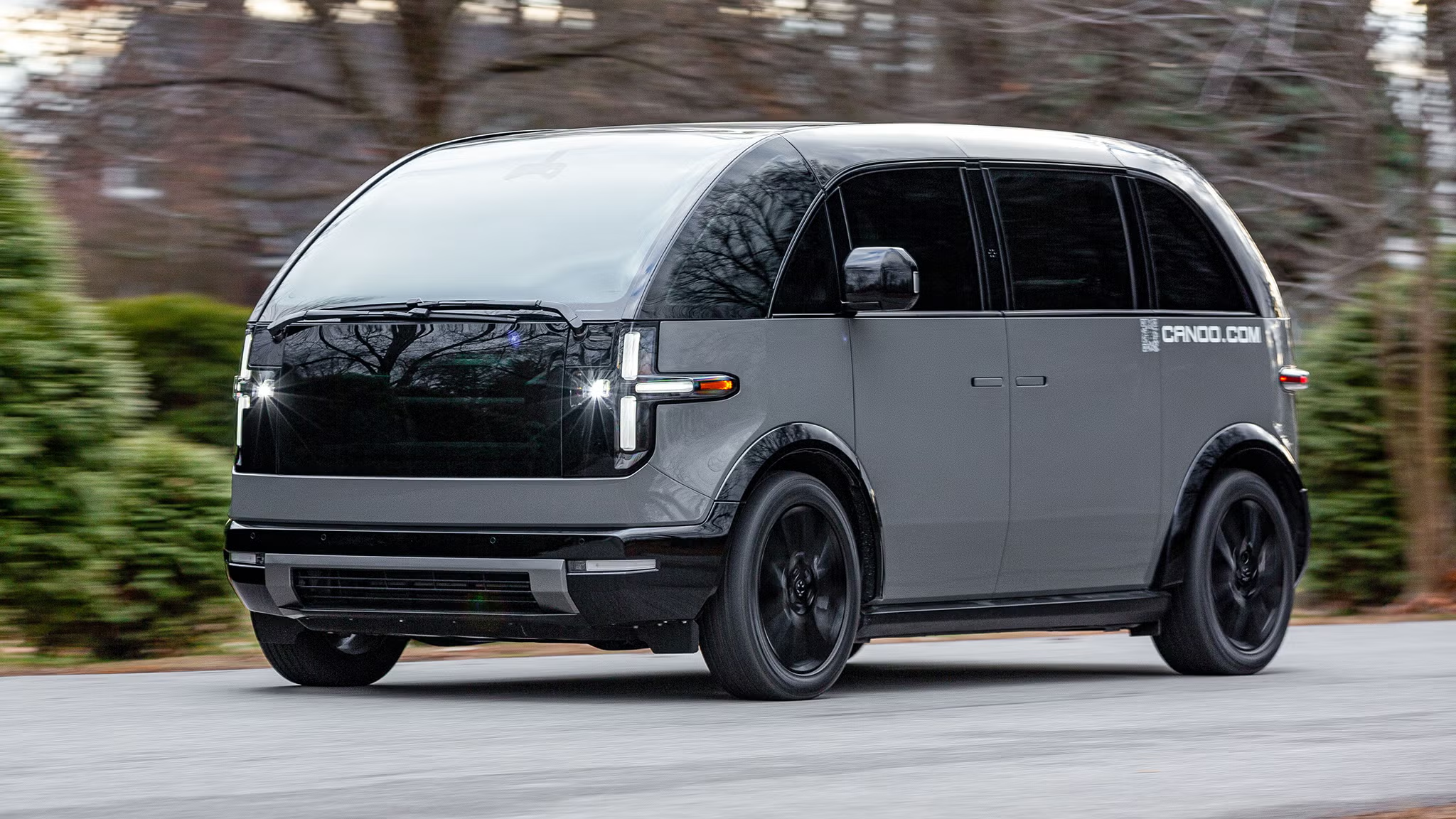
Founded in 2017 and based in Justin, Texas, with engineering operations in Torrance, California, Canoo has developed a modular “skateboard” platform that separates the mechanical and electrical components from the body above. That approach allows the same underlying platform to support different vehicle types, from a lifestyle minivan to commercial delivery vehicles.
The commercial vehicle angle is particularly interesting. Canoo has targeted fleet operators, last-mile delivery services, and car rental companies as core customers, which is a route to volume that does not depend entirely on winning over individual consumers in a crowded retail market. The company has also signed agreements with the US military and NASA, which speaks to the durability and adaptability built into the platform.
7. Brammo (2002 to Present): Electric Two-Wheelers Before It Was Mainstream
Brammo occupies a slightly different position in this list because its focus was electric motorcycles rather than four-wheeled vehicles. But the company’s place in the American EV story deserves recognition, particularly because it was doing serious work in electric mobility before most of the brands on this list even existed.
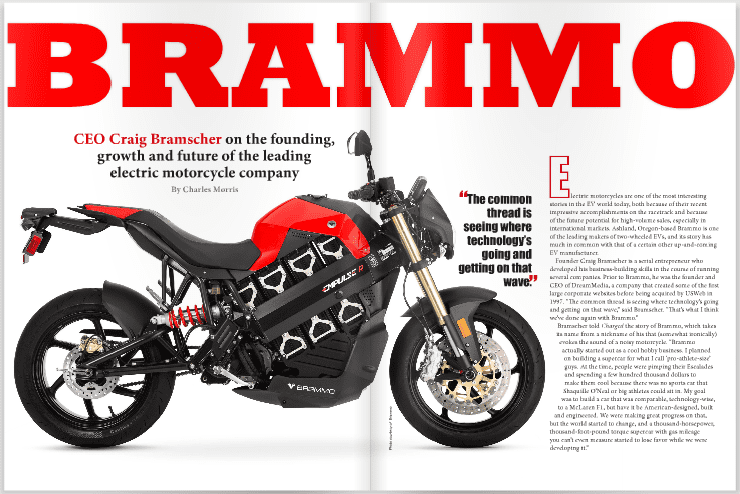
Based in Talent, Oregon, Brammo developed and sold electric traction motors, traction battery systems, and a full line of electric motorcycles sold through dealer networks in the United States, Europe, and Asia. The engineering work the company did on battery and motor integration for two-wheelers was genuinely ahead of its time.
In January 2015, Polaris Industries acquired Brammo’s full electric motorcycle technology. By the second half of 2015, Polaris was using that technology to produce the Victory Empulse at its Spirit Lake, Iowa manufacturing facility. Brammo’s work did not end with the acquisition. It continued under new ownership and fed directly into Polaris’s broader electric vehicle strategy.
8. Rivian (2009 to Present): The EV Truck That Made the World Pay Attention
Rivian spent years developing in relative obscurity before it burst into public awareness with a vehicle that many analysts had doubted was commercially viable: a capable, genuinely off-road-worthy electric pickup truck.
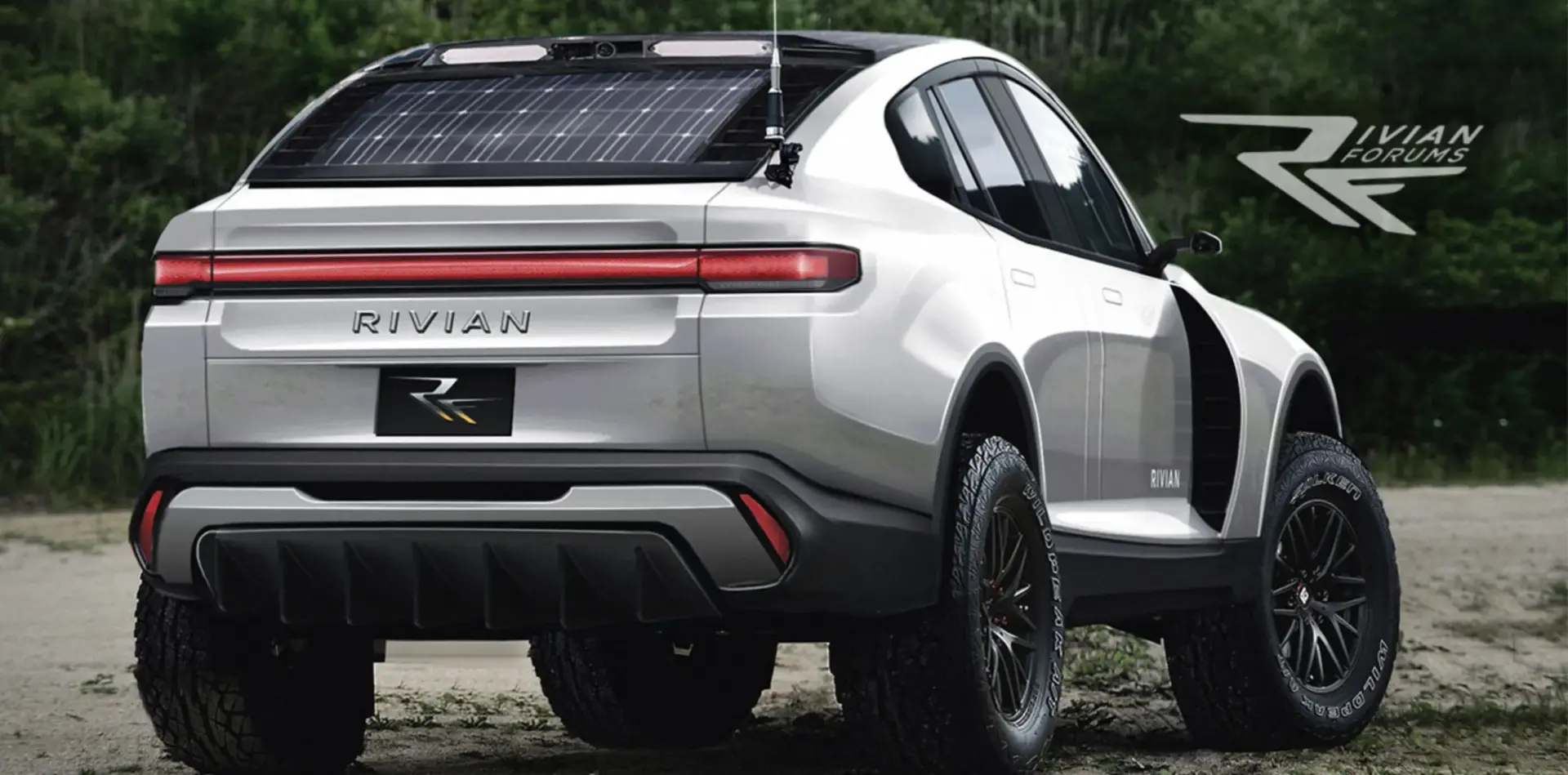
Founded in 2009 and based in Irvine, California, with its primary manufacturing at a former Mitsubishi plant in Normal, Illinois, Rivian built its product strategy around a proprietary “skateboard” platform designed to be both highly capable off-road and adaptable to multiple vehicle body styles. The R1T pickup and R1S SUV share this platform, and both have received strong reviews for real-world performance in conditions that traditional truck buyers actually care about: towing, off-road capability, and long-range driving.
The company also secured a major commercial contract with Amazon for 100,000 electric delivery vans, a deal that simultaneously validates Rivian’s manufacturing capability and provides a significant revenue stream independent of retail vehicle sales. Rivian has also committed to developing its own Adventure Network of charging stations across the United States and Canada, specifically designed for the kind of outdoor destinations its target buyers actually visit.
Amazon and Ford both made significant early investments in Rivian, lending the startup credibility that most new entrants in the automotive space never manage to acquire.
9. Lordstown Motors (2018 to Present): Built for the American Worker
Lordstown Motors was founded in 2018 with a specific mission: build an electric pickup truck designed primarily for commercial fleet use and position it as the workhorse alternative to what Tesla and Rivian were offering to the consumer market.
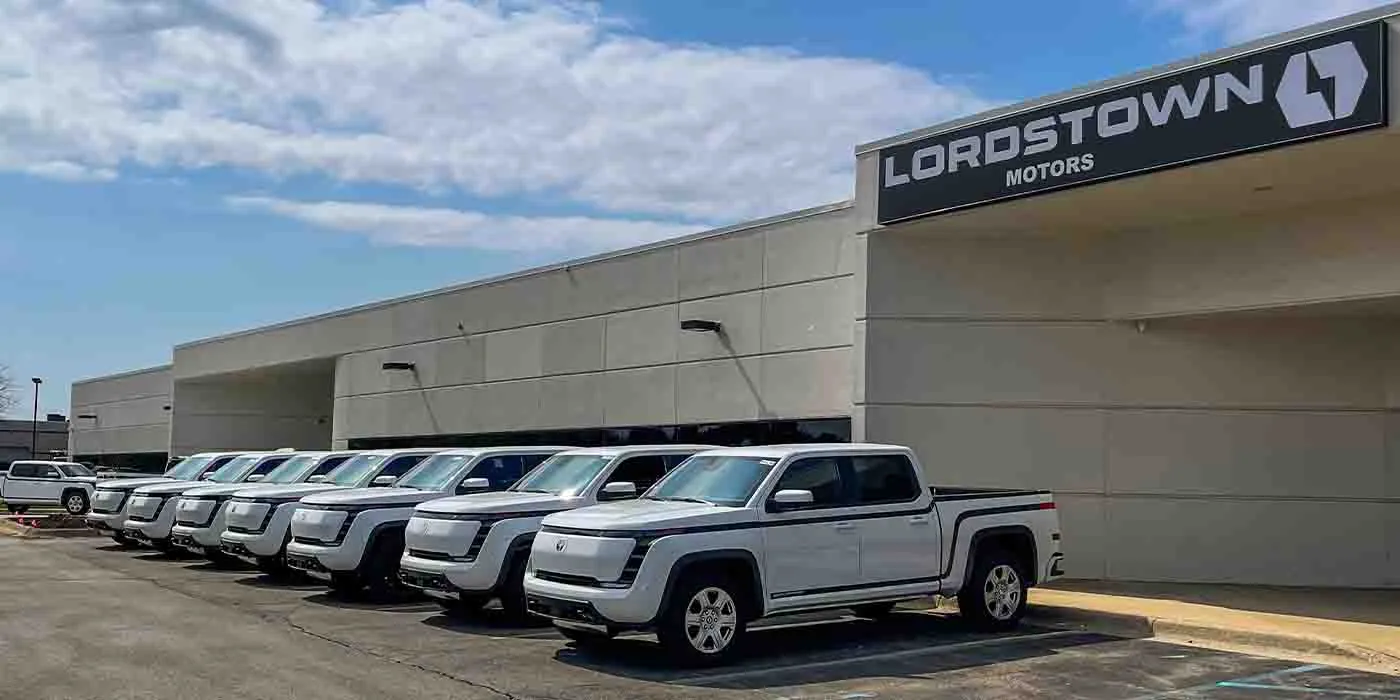
The company is headquartered at the former General Motors Lordstown Assembly Plant in Lordstown, Ohio. GM sold the facility after discontinuing Chevrolet Cruze production, and Lordstown Motors stepped in with a plan to breathe new life into the building and the community around it. GM subsequently made a $75 million investment in Lordstown Motors and secured a seat on the company’s board of directors, giving the startup a level of institutional backing and supply chain access that most new entrants never get.
The Endurance, Lordstown’s flagship electric pickup, was built around a hub motor design, with individual electric motors at each wheel rather than a centralized drive unit. The approach reduces mechanical complexity and eliminates traditional driveshafts and axles. The company has faced challenges in scaling production, but the underlying technology concept continues to attract attention from commercial fleet operators looking for a capable electric alternative to conventional work trucks.
10. Workhorse Group (1998 to Present): One of the Originals
Among all the names on this list, Workhorse Group has been doing this the longest. Founded in 1998 in Cincinnati, Ohio, the company has spent more than two decades focused on electric delivery and utility vehicles, long before “electric vehicle startup” became a buzzword in the investment world.
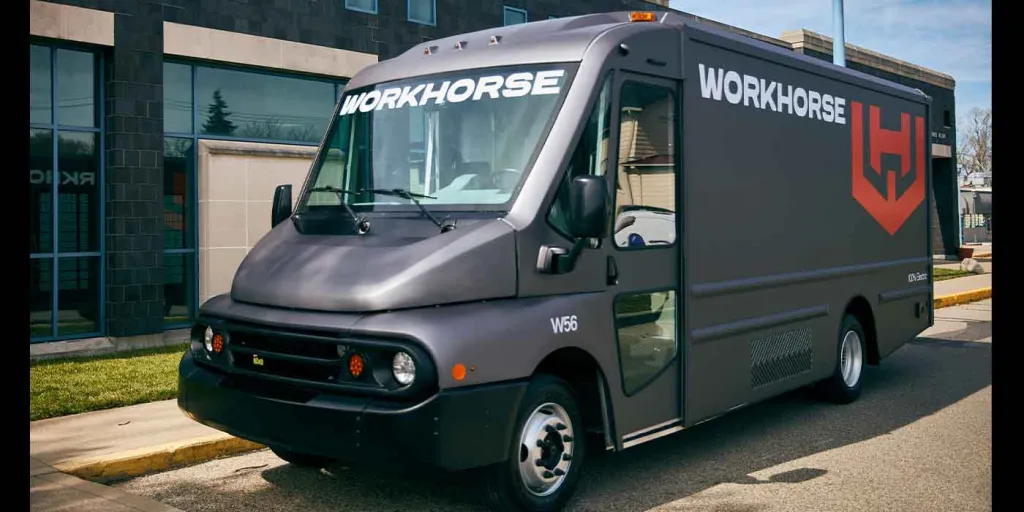
The company got its start when investors purchased the P30 and P32 series step van and motorhome chassis from General Motors. From that foundation, Workhorse built its first product around the Chevrolet and GMC P30-series step van platform. Over the following years, the company developed multiple chassis variants, including the W42, W62, and W88, before transitioning more fully toward electric powertrains.
Workhorse was also involved in the development of the Navistar eStar electric van, a project that was ultimately discontinued in early 2013 but provided valuable engineering experience. The company’s current lineup focuses on electric delivery vans and trucks designed for the last-mile logistics market, where short route distances and urban stop-and-go driving make electric powertrains particularly well-suited. With e-commerce growth driving unprecedented demand for delivery vehicles, Workhorse’s long experience in this specific segment positions it well for what the next decade looks like.
11. Nikola Corporation (2014 to Present): Hydrogen, Heavy Trucks, and a Complicated History
Nikola Corporation occupies a unique and complicated position in the American EV landscape. Founded in 2014, the company initially generated significant attention with a series of zero-emission vehicle designs revealed between 2016 and 2020, targeting the heavy-duty commercial trucking segment rather than the passenger vehicle market where most other startups were competing.
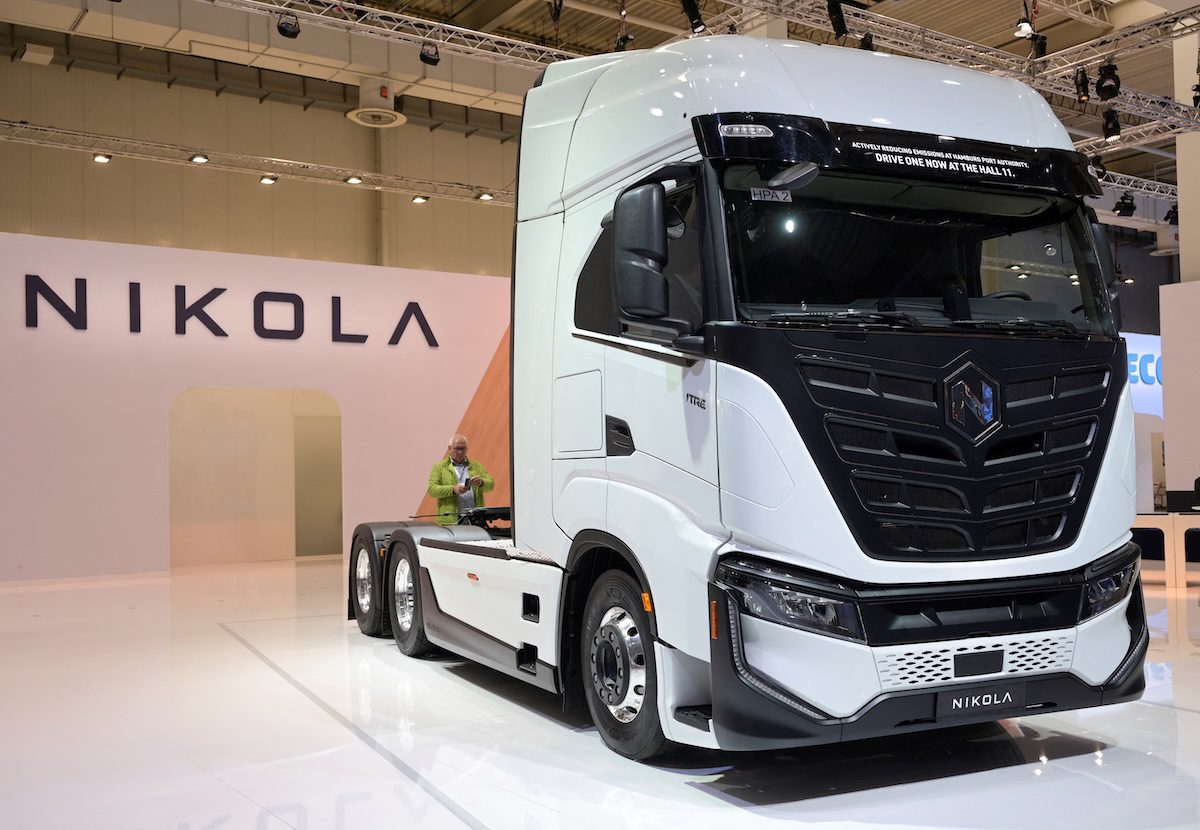
The strategy was notably different from other entrants. Rather than building battery-electric vehicles exclusively, Nikola pursued hydrogen fuel cell technology as a primary powertrain option for long-haul trucks, where the weight and recharge time limitations of large battery packs create real operational challenges that hydrogen addresses more effectively.
The company went public on June 4, 2020, after a merger with a special purpose acquisition company. The period surrounding and following the public listing was turbulent, including serious fraud allegations from a prominent short-seller that led to investigations, leadership changes, and significant stock volatility. The company has worked to move past that chapter, with actual production of the Nikola Tre battery-electric semi beginning in late 2021.
The hydrogen fuel cell version of the Nikola semi represents a longer-term bet on infrastructure development, since hydrogen refueling stations for heavy trucks do not yet exist at scale. But for the long-haul freight industry, where a truck might cover 600 miles in a single shift and cannot afford multi-hour charging stops, the hydrogen approach addresses real operational constraints that battery-only solutions have not yet fully solved.
At a Glance: American Electric Car Brands Compared
| Brand | Founded | Headquarters | Primary Focus | Notable Model |
|---|---|---|---|---|
| Tesla | 2003 | Austin, TX | Mass market and luxury EVs, energy storage | Model Y, Model S, Cybertruck |
| Karma | 2015 | Irvine, CA | Luxury electric vehicles | Karma GS-6 |
| Lucid | 2007 | Newark, CA | Luxury EVs with long range | Lucid Air |
| Drako Motors | 2013 | San Jose, CA | High-performance electric sports cars | Drako GTE, Drako Dragon |
| Faraday Future | 2014 | Los Angeles, CA | Ultra-luxury electric vehicles | FF 91 |
| Canoo | 2017 | Justin, TX | Modular EVs and commercial fleets | Canoo Lifestyle Vehicle |
| Brammo | 2002 | Talent, OR | Electric motorcycles and drivetrains | Empulse (acquired by Polaris) |
| Rivian | 2009 | Irvine, CA | Electric trucks, SUVs, and delivery vans | R1T, R1S |
| Lordstown | 2018 | Lordstown, OH | Commercial electric pickup trucks | Endurance |
| Workhorse | 1998 | Cincinnati, OH | Electric delivery and utility vehicles | W4 CC, C-Series |
| Nikola | 2014 | Phoenix, AZ | Electric and hydrogen semi trucks | Nikola Tre, Nikola Two |
Why the American EV Market Looks Different From Everyone Else
One thing that stands out when you look at this list as a whole is the range of problems these companies are trying to solve. This is not eleven companies all chasing the same customer. It is a genuinely diverse field covering luxury sedans, off-road trucks, last-mile delivery vans, electric motorcycles, and hydrogen semi-trucks.
That breadth is part of what makes the American EV space interesting right now. The transition away from combustion engines is not a single market problem. It is dozens of overlapping problems across different vehicle types, use cases, and customer needs. Different companies are positioned to solve different pieces of that puzzle, and the ones that survive will be those that actually deliver reliable vehicles at a price their target customers can justify.
The brands that started with strong manufacturing foundations, whether that is Tesla’s Gigafactory network, Rivian’s converted GM facility, or Workhorse’s two-decade head start in commercial vehicles, have shown more resilience than those that relied on ambition and investor optimism alone.
The next five years will separate the companies that are genuinely building the future of transportation from those that were mostly building slides for investor presentations. Buying a vehicle from any brand on this list is no longer just a purchase. It is a statement about which version of the future you think is coming.