
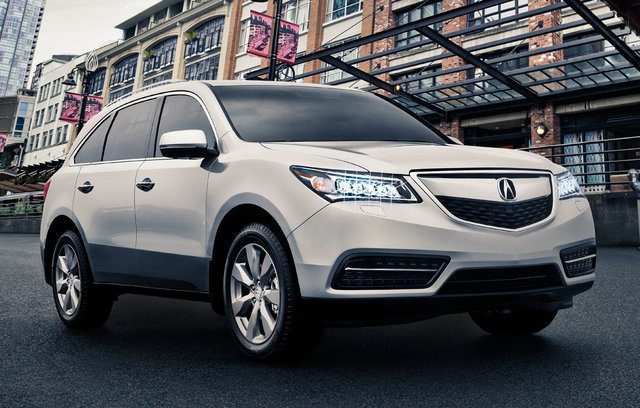
Shopping for a three-row luxury SUV can feel overwhelming. The segment is crowded with capable options from brands that all promise reliability, refinement, and long-term value. But if you dig into the ownership data and real-world mileage stories, one model consistently rises to the top of the conversation. The Acura MDX has been around since 2001, and it did not become the best-selling three-row luxury SUV in American history by accident. It earned that title one well-maintained mile at a time.
If you are considering buying one, the question you really want answered is not about horsepower or cargo space. It is this: how long will this thing actually last, and will it still be worth owning when the odometer has climbed well past 100,000 miles? That is the right question to ask, and the answer is genuinely encouraging for anyone willing to put in the maintenance work.
How Long Does an Acura MDX Really Last?
A well-maintained Acura MDX will last between 200,000 and 300,000 miles. Based on the national average of roughly 15,000 miles driven per year, that translates to 15 to 20 years of reliable service before repair costs start climbing to the point where they outweigh the vehicle’s value.
That range is not marketing language. It is backed by real owners reporting real mileages on real roads. The MDX is built on Honda’s platform, and Honda has spent decades building a reputation for powertrain durability that genuinely holds up under scrutiny. The Acura MDX shares significant DNA with the Honda Passport, though the MDX is positioned as the more premium and slightly smaller offering. Both benefit from Honda’s engineering philosophy of building components with conservative tolerances and long service intervals in mind.
The engine in most MDX generations is a naturally aspirated V6. Natural aspiration eliminates the turbocharged components that tend to add cost and maintenance complexity in competing vehicles. Fewer parts means fewer things to go wrong, and the Honda-sourced V6 has a track record that spans multiple decades and millions of vehicles.
What Real Owners Are Reporting on High-Mileage MDX Vehicles
Owner stories from high-mileage MDX vehicles paint a consistent picture. One owner reported reaching 250,000 miles with the original drivetrain largely intact. The only major repair in that time? A shift solenoid sensor replacement, which is a relatively minor and inexpensive job compared to something like a transmission rebuild. Another owner passed 260,000 miles with no major mechanical failures, but offered a piece of advice worth highlighting: change the timing belt on schedule, no exceptions. On MDX generations that use a timing belt rather than a chain, this is the single most important maintenance item on the list.
The most impressive report comes from an owner who crossed the 400,000-mile mark after more than twenty years of ownership. That number sounds almost impossible for an SUV, but the owner attributed it to one simple habit: doing every repair and maintenance item on time without delaying. That consistency is the defining factor separating a 200,000-mile MDX from a 400,000-mile one. The vehicle’s potential is there. Whether you reach it depends almost entirely on how you treat it.
The Three Habits That Determine How Long Your MDX Will Last
High mileage is not luck. It is a predictable outcome of specific behaviors. Every long-lived MDX in the real-world ownership data shares these three practices.
- Conservative driving. Smooth, progressive acceleration and gradual braking reduce stress on the engine, transmission, brakes, suspension, and tires simultaneously. Aggressive driving wears components faster and generates heat that degrades fluids more quickly.
- Strict adherence to factory-scheduled maintenance. Oil changes, transmission fluid service, coolant flushes, timing belt replacement, and all other factory-scheduled items must be completed on time. Skipping or delaying these services does not save money. It defers expenses while allowing damage to accumulate quietly.
- Regular basic checks between service intervals. Tire pressure, fluid levels, and a quick visual inspection of belts and hoses take less than ten minutes and can catch developing problems before they become expensive failures. A tire that runs consistently underinflated wears unevenly and puts extra stress on wheel bearings and suspension components. A coolant level that is slowly dropping warns of a leak that, left unaddressed, leads to engine overheating.
None of these habits require mechanical expertise. They require awareness and consistency. The MDX rewards both generously.
Does the Acura MDX Have a Rust Problem You Should Worry About?
Every vehicle that has been around for more than two decades will accumulate some corrosion complaints, and the MDX is no exception. That said, rust is not a defining characteristic of this vehicle the way it is for some other models. Rust complaints on the MDX are scattered and generally tied to environmental conditions or neglected maintenance rather than a fundamental flaw in the vehicle’s corrosion protection.
The areas most commonly reported as rust-prone on the MDX are:
- Underneath the gas cap where water pools and sits
- Suspension components behind the wheel arches
- Around the wheel arch edges where paint chips from road debris
- Above the door jambs where water can collect and sit against bare metal
The location where you live and drive matters enormously. Three environments accelerate rust significantly.
- Snow belt states where road salt and de-icing chemicals are applied heavily during winter. Salt chemically accelerates the oxidation of steel and attacks the undercoating. Vehicles driven in these conditions without regular washing underneath accumulate rust far faster than those in milder climates.
- Coastal areas where salt-laden ocean air contacts the vehicle’s body panels and underbody constantly. The corrosion mechanism is the same as road salt but acts from the air rather than from the road surface, making it harder to wash away.
- High-humidity environments where moisture stays trapped against metal surfaces for extended periods, particularly in vehicles parked outdoors without cover.
For rust that appears on a relatively new MDX, Acura’s warranty offers meaningful coverage. The rust perforation warranty covers five years with no mileage limit, and surface corrosion is covered for four years or 8,000 kilometers. If you notice rust bubbling through the paint on a newer vehicle, contact your Acura dealer before the warranty period expires. Document the rust with photographs and get it on record.
For long-term rust prevention, the most effective steps are a professional rustproofing or undercoating treatment, washing the vehicle thoroughly after exposure to salt and road chemicals, keeping the vehicle stored in a covered area when possible, and applying a ceramic coating or quality wax to protect the exterior paint from chips and moisture intrusion. Rust that starts at a paint chip spreads under the surrounding paint invisibly before it becomes visible again. Keeping the paint intact is the simplest rust prevention strategy available.
The Best and Worst Acura MDX Model Years to Buy
Avoid These Years if You Want to Skip Expensive Headaches
According to data from carcomplaints.com, the 2010 Acura MDX stands out as the most problematic model year in the lineup’s history. The complaints cluster around two expensive issues. The first is excessive oil consumption, which typically emerged around 96,000 miles and often required engine repairs costing in the range of $7,000. The second is premature transmission failure, a fault that can drain a repair budget quickly and leave the owner questioning whether the vehicle is worth repairing at all at that mileage. Avoiding the 2010 model year is straightforward advice that saves a lot of potential financial pain.
Earlier generations also had their share of complaints. Some first-generation MDX owners reported transmission issues and differential problems that led to Acura issuing extended warranty coverage on affected components. The 2003 model year holds the record for the most recalls across all MDX model years, with eleven total recall campaigns. These are worth researching carefully if you are considering a first-generation purchase.
The Model Years That Are Worth Every Dollar
The 2019 through 2022 Acura MDX represents the safest choices in the lineup’s history based on current complaint and reliability data. These years have virtually no significant complaints registered on carcomplaints.com, which suggests that Acura used the intervening years to address the mechanical weaknesses that plagued earlier generations. The engineering team clearly learned from the transmission and oil consumption complaints of the 2010 era and built those lessons into the subsequent designs.
If you are shopping for a used MDX with low risk, staying in the 2019 to 2022 range gives you a vehicle that has had time to accumulate real-world ownership data demonstrating its reliability, without yet accumulating enough mileage to present major wear-related concerns on a well-maintained example. The 2014 through 2018 range also has a generally solid reputation, though it carries more complaints than the most recent generation before 2022.
Recall History: What You Should Know Before Buying Any MDX
Across all model years combined, the Acura MDX has accumulated thirty-one recall campaigns. That number sounds alarming in isolation, but it is worth putting into context. A model that has been in production since 2001 with multiple generations, millions of units sold, and multiple major platform redesigns will naturally accumulate more total recalls than a vehicle that has only existed for five years. Recalls are also not always indicative of poor build quality. Some are triggered by industry-wide supplier issues, like the Takata airbag inflator problem that affected dozens of manufacturers simultaneously.
The nature of the recalls matters more than the number. The MDX recalls have addressed issues ranging from fuel pump faults to airbag inflator defects and various electrical concerns. None have involved catastrophic structural failures of the kind that would suggest a fundamentally compromised design. The 2003 model year had the most recall campaigns of any single year, with eleven. This is a good argument for paying a little more for a more recent model year when buying used, as the early production examples had more quality control corrections required.
Before buying any used MDX, run the VIN through the National Highway Traffic Safety Administration website at nhtsa.gov. This free search will show you every recall that has ever been issued for that specific vehicle and, critically, whether the recall repairs have been completed. A recall that has not been performed is a repair you need to schedule, and in some cases it is a safety issue that should be resolved before the vehicle is driven. Dealerships are required by law to complete open recall repairs at no charge, even on vehicles that are no longer under warranty.
What the MDX Costs to Own Over Time Compared to Its Competition
Reliability data from industry sources puts the Acura MDX’s average annual maintenance and repair cost at approximately $580. That number looks even better when set against the luxury SUV segment average, which sits around $800 annually. The MDX is less expensive to own over time than most of its direct competitors, and that gap compounds over years of ownership into a meaningful financial advantage.
Part of this cost advantage comes from the Honda-sourced powertrain components. Parts for Honda and Acura vehicles are widely available from both OEM and quality aftermarket suppliers. The dealer network is extensive, and independent mechanics are generally familiar with these vehicles. You are not paying the premium that comes with a German luxury brand’s parts pricing and specialized tooling requirements. A set of brake pads, an alternator, or a water pump for an MDX is priced like the Honda it is underneath, not like the German luxury brand it competes against.
Key Components and How Long They Last on the MDX
| Component | Expected Lifespan | Key Maintenance Factor |
|---|---|---|
| Engine (V6) | 200,000 to 300,000+ miles | Regular oil changes with correct spec oil |
| Transmission | Up to 200,000 miles | Transmission fluid changes every 30,000 to 50,000 miles |
| Timing Belt (where applicable) | Replace every 90,000 to 110,000 miles | Non-negotiable service item, failure destroys engine |
| Brakes (factory) | 50,000 to 70,000 miles | Varies significantly with driving style |
| Tires | 50,000 to 70,000 miles, up to 5 years | Rotation every 5,000 to 7,500 miles and proper inflation |
| Suspension components | 100,000 to 150,000 miles | Avoid potholes, inspect annually on older vehicles |
| Battery | 3 to 5 years | Test annually after age 3 |
The Timing Belt Warning Every MDX Owner Needs to Take Seriously
This deserves a dedicated section because the consequences of ignoring it are severe. Earlier MDX generations use a timing belt rather than a timing chain. A timing belt is a rubber belt that synchronizes the rotation of the camshafts and crankshaft. It is not visible during normal maintenance, and it does not make any noise or show any warning signs when it is approaching the end of its service life. It simply breaks. When a timing belt breaks on an interference engine, which most MDX V6 configurations are, the pistons collide with the open valves at the moment of failure. This destroys the engine internally. The repair costs thousands of dollars and in many cases exceeds the vehicle’s value.
The factory replacement interval for the timing belt on affected MDX generations is typically in the 90,000 to 110,000-mile range or at a specific age interval in years, whichever comes first. The belt also stretches and degrades over time even without high mileage, which is why the age interval matters independently of mileage. When you buy a used MDX, one of the first questions to ask is whether the timing belt has been replaced and when. Get documentation if possible. If the service history is unclear and the vehicle is approaching or past the replacement interval, budget for the job immediately after purchase. This single maintenance item is the most important one on the list for engines that use a belt rather than a chain.
How the MDX Compares to Its Closest Competitors in Longevity
Context matters when evaluating any vehicle’s lifespan. The MDX competes primarily against the BMW X5, Mercedes-Benz GLE, Lexus RX and GX, Audi Q7, and Infiniti QX60 in the luxury three-row and midsize luxury SUV segment. Against this field, the MDX’s ownership costs and reliability data put it in the top tier without question.
German luxury brands tend to offer outstanding performance and technology but come with higher maintenance costs, more complex service requirements, and significantly more expensive parts. A water pump on a BMW X5 costs substantially more than the same repair on an MDX, and the labor time is frequently higher as well due to packaging complexity. The MDX offers most of the refinement of a European luxury SUV with considerably less financial pain at service time.
The Lexus RX is arguably the MDX’s closest competitor in terms of reliability reputation and total ownership cost. Both draw from Japanese parent companies with strong reliability records. The RX is a two-row vehicle rather than three rows, so a direct comparison requires factoring in the MDX’s additional seating capacity as a value element. For buyers who need three rows and want Japanese reliability with a luxury interior, the MDX wins the comparison on practicality while remaining competitive on dependability.
Signs That a Used MDX Has Been Well Maintained
If you are buying a used MDX, knowing how to read the vehicle’s history helps you avoid an example that has been neglected. These are the green flags that indicate a well-kept vehicle.
- A complete service history with documented oil changes, typically at 5,000 to 7,500-mile intervals depending on the generation and oil type used.
- Evidence of timing belt replacement at the correct interval on belt-equipped engines, with the invoice or dealer record confirming the work.
- Clean transmission fluid on the dipstick or confirmation that the fluid has been serviced every 30,000 to 50,000 miles.
- Clean engine oil on the dipstick, neither black and gritty nor low on the stick.
- Even wear across all four tires, which indicates regular rotation and consistent tire pressure maintenance.
- No evidence of rust beyond minor surface oxidation on brake rotors after sitting briefly.
- A clean title history with no flood or salvage indicators on the Carfax or AutoCheck report.
The red flags are the inverse. A seller who cannot produce maintenance records, an engine oil that is dark black at 4,000 miles, a timing belt that is clearly past its service interval with no documentation of replacement, and transmission fluid that looks dark or smells burned are all signs to walk away from. A pre-purchase inspection by an independent Acura specialist will cost around $100 to $200 and is one of the best investments available when buying a used vehicle in this price range. They will find problems that a test drive alone will never reveal.
Is the Acura MDX Still Worth Buying Today?
The Acura MDX has earned its position as the best-selling three-row luxury SUV in American history through consistent execution over more than two decades. It delivers a composed driving experience, a quiet and well-appointed interior, Honda’s proven reliability DNA, and ownership costs that are genuinely lower than most of the competition. The 200,000 to 300,000-mile lifespan is achievable by anyone willing to follow a maintenance schedule and drive the vehicle with reasonable care.
Avoid the 2010 model year, stay current on every scheduled service item, change that timing belt on time if your generation uses one, and wash the undercarriage regularly in winter climates. Do those things, and the Acura MDX will give you fifteen to twenty years of dependable, comfortable, practical transportation that genuinely holds its value better than most vehicles in its class.
The question is not really whether the MDX can last 200,000 miles. It clearly can. The question is whether you will give it what it needs to get there. If the answer is yes, there are very few better three-row luxury SUVs available at any price.