
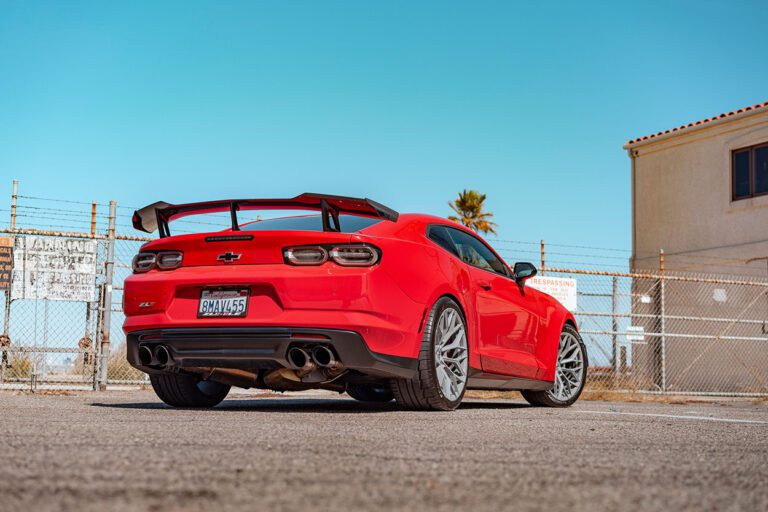
Walk into any weekend car meet and you will see the same story unfold. A clean, stock sedan rolls up on its factory 15-inch wheels. The owner has spent a few months saving, dreaming, scrolling through forum galleries of slammed cars with massive rims stuffed into the wheel wells. Not long after, the car reappears with a shiny set of 18-inch wheels wrapped in rubber-band-thin tires. Everyone claps. It looks aggressive, planted, purposeful. Then the owner takes a long highway trip and returns with a sore back, a weird vibration at 70 miles per hour, and a fresh brake noise that was not there before.
The age-old debate sounds deceptively simple. If you put bigger wheels on a car, you lose comfort. If you fit taller tires with more sidewall, you gain comfort. But like most things in the automotive world, the truth is not a clean line. It is a messy, physics-filled gray zone where personal tolerance, road quality, tire construction, and suspension design all collide. Before you hand over your credit card for that set of oversized rims, you need to hear what happens once the initial glamour wears off and the daily driving reality sets in.
Let us take the classic example. A car leaves the factory with 15-inch wheels. The tire size reads something like 195/60R15. That tall, plump sidewall soaks up expansion joints, potholes, and gravel roads like a worn-in pair of work boots. The owner, an enthusiast eager to transform the look, decides to leap all the way to 18-inch wheels. To keep the overall diameter from growing too large and rubbing the fenders, the new tires become 225/40R18. The sidewall height has been nearly chopped in half. The metal rim now sits closer to the pavement. The question is simple: does the comfort actually disappear, or is that just an assumption we have all accepted without testing?
Are Bigger Wheels Really the Enemy of a Smooth Ride?
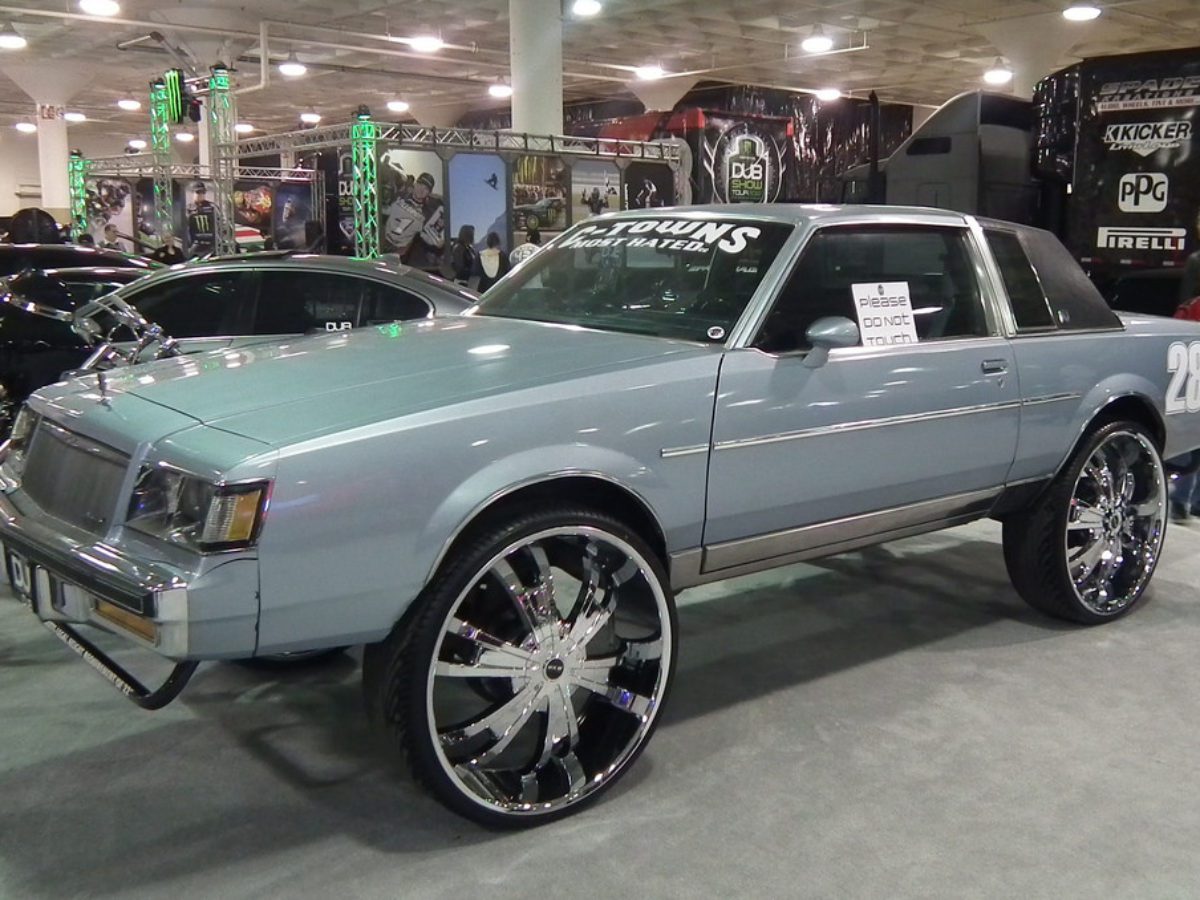
You might be genuinely surprised by what a properly executed plus-sizing can do. I have ridden in a car that went from 195/60R15 to 225/40R18 using a high-quality touring tire, not a rock-hard summer performance tire, and the comfort loss was far less than expected. The potholes did not suddenly become spine compressors. The shock through the steering wheel did not triple. The car still handled broken pavement without rattling fillings loose. Why was that?
The tire lost a significant chunk of sidewall height, yes. But it gained width. The contact patch grew larger and the impact forces were distributed over a broader area of rubber. Instead of a narrow strip of 195 millimeters absorbing the brunt of a sharp edge, a 225-millimeter-wide footprint spread the load. The sensation at the seat and steering wheel did not feel dramatically worse because the tire was working differently, not just less effectively. The sidewall got shorter, but the tire’s air volume did not drop by a catastrophic amount. The air inside still acted as a spring, just a spring with a slightly firmer rate.
But hold on. Before you celebrate that you can slap on any big rim without consequence, the details matter enormously. A 225/40R18 tire has a sidewall height of 90 millimeters. The original 195/60R15 had a sidewall height of 117 millimeters. You just deleted more than an inch of rubber cushion between the rim and the road. That inch is your first line of defense against sharp impacts. Even if the wider footprint helps, that inch is gone forever. The suspension now has to work harder to keep the cabin calm. The type of tire compound, the internal belt construction, and even the air pressure you run will decide whether the ride becomes punishing or merely slightly firmer.
In the real world, the switch from 15-inch wheels to 18-inch wheels almost always introduces a detectable increase in road noise and small-bump harshness. You will feel freeway expansion joints more vividly. Gravel roads will produce a constant hum through the floor pan. But a catastrophic loss of comfort? Not if you choose your tires wisely. Throw on a set of stiff sidewall track tires, and yes, your coffee will spill. Use a premium grand-touring tire with compliant sidewalls, and the difference might be subtle enough that only a seasoned backside would notice.
One of the easiest ways to add personality to a vehicle is with a new set of larger wheels. They are hugely popular, especially on SUVs and crossovers where wheel arches look empty with tiny factory rims. Larger rims can certainly benefit steering response and cornering grip, and they make a car stand out in a parking lot. The allure is real and the aesthetic payoff is immediate. But underneath that shiny alloy sits an interconnected system of suspension bushings, wheel bearings, brake calipers, and electronic sensors that were all tuned around a specific wheel and tire package. Changing one piece sends ripples through everything else.
Do Bigger Wheels Actually Increase Speed? The Dashboard Lie
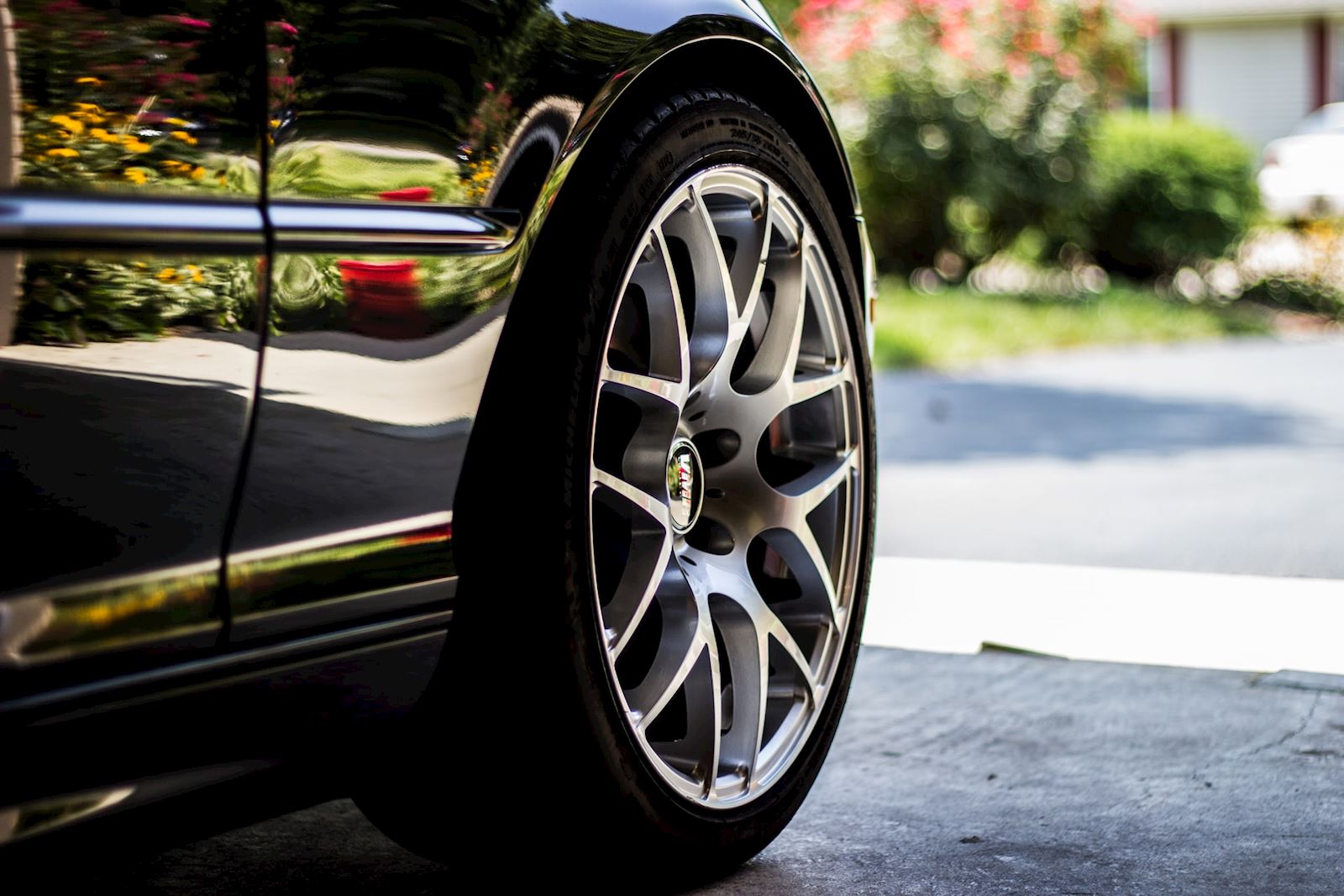
Your speedometer is not reading the road speed directly. It is counting the revolutions of the wheels. The car’s computer knows the factory tire circumference and uses that number to convert rotations into miles per hour. When you bolt on a larger overall wheel and tire diameter, each revolution covers more ground. If you do not recalibrate the speedometer, the needle will show you moving slower than you actually are. You might see 60 miles per hour on the dash while your true speed is closer to 65 or 66. That little error can stack speed fines up quickly, and it confuses the anti-lock braking and stability control systems that rely on accurate wheel speed data.
Even if you stick to a plus-sizing scheme that keeps the overall diameter nearly identical, a heavier wheel and tire package still changes how the engine and transmission deliver power to the ground. More rotational mass means the engine has to fight harder to accelerate the wheels. The car will feel slightly lazier off the line. On the highway, the effect on top speed is usually insignificant for daily driving, but the fuel economy penalty will quietly drain your wallet every mile.
The Real Drawbacks Nobody Talks About Until It Is Too Late
Let us strip away the comfort debate for a moment. The bigger, heavier wheels introduce a cascade of mechanical stress that the original engineers never intended. We are talking about a situation where each corner of the car suddenly gains 10 to 15 kilograms of extra unsprung weight, sometimes even more. The powertrain, the steering, the suspension, and the brakes now have to manage that additional mass through every acceleration, turn, and stop.
Imagine holding a half-liter bottle of water at arm’s length for two minutes. Your shoulder would be fine. Now swap that bottle for a full two-liter container. The weight does not just double; the strain on your joint multiplies. In a car, the equivalent joints are the ball joints, control arm bushings, tie rod ends, and wheel bearings. With a heavier wheel, every pothole hit sends a bigger shock wave through those components. The factory parts were designed around the expected loading of the original wheel assembly. Adding 10 kilograms of unsprung weight per corner accelerates wear dramatically. You will be replacing control arms and bushings far sooner than the maintenance schedule ever predicted.
The reason is straightforward. Metal weighs significantly more than rubber and air. The factory wheel and tire combination was carefully chosen to keep the unsprung mass within a range that the dampers and springs could control easily. When you bolt on a heavier rim and a wide, low-profile tire, the suspension can no longer keep the tire planted as effectively over rough pavement. The wheel bounces more, the dampers heat up faster, and the car loses composure on bumpy cornering. You might have increased grip in the dry, but you lost the subtle suspension compliance that kept you safe on imperfect back roads.
The Fuel Economy Penalty Hits Harder Than You Think
If jumping from 15-inch wheels to 18-inch wheels adds between 10 and 15 kilograms of rotating mass per wheel, the engine and gearbox now have to spin an extra 40 to 60 kilograms of metal every time you accelerate. That is like permanently carrying a small passenger who never gets out. The engine burns more fuel to overcome the increased inertia. The fuel economy drop might not be catastrophic, but losing one liter per 100 kilometers is a common real-world report. Over a year of commuting, that adds up to a lot of extra stops at the pump. And do not forget, the tires themselves are usually wider, which increases rolling resistance. More rubber touching the road equals more friction equals more fuel consumed.
Your Brakes Are Now Working Overtime
Here is a critical safety point that gets glossed over in many wheel upgrade discussions. The braking system on your car was sized to stop a specific rotating mass and a specific tire grip level. When you install a heavier wheel and a wider tire, you are asking the same brake rotors, pads, and calipers to overcome more rotational inertia and more mechanical grip. The friction circle has grown, and the brakes now have to work harder. That extra effort converts directly into higher temperatures. Brake fluid can boil sooner. Pads can fade. In extreme cases, you risk overloading the calipers or bursting old rubber brake hoses that were living on borrowed time anyway.
Take the classic BMW E36 318i as an example. The factory setup with 195-wide tires and rear drum brakes was adequate for its intended pace. The more powerful engine variants came with rear disc brakes and larger fronts to match the taller speeds and wider tires. If you throw a set of 18-inch wheels wrapped in 225 tires onto a bone-stock 318i with its original brake hardware, you are playing a dangerous game. The extra grip from the wider rubber gives the brakes a false sense of security until they overheat in a panic stop. A caliper that was designed to clamp a narrow tire now has to clamp a much larger contact patch, and the hydraulic system may simply not be up to the task. Warped rotors, cracked pads, and unexpectedly long stopping distances become real possibilities. Matching a brake upgrade to the wheel upgrade is not a suggestion; it is the difference between stopping before the intersection and being part of it.
Thin Sidewalls Turn Potholes into Wheel Killers
Low-profile tires with sidewalls under 45-series offer very little air cushion. When the rim encounters a sharp edge like a pothole or a raised manhole cover, there is not enough rubber between the metal and the asphalt to absorb the impact without deformation. The energy has to go somewhere. Often it goes straight into the rim itself, bending the lip or cracking the barrel. A tire with a tall sidewall acts like a protective buffer, compressing and rebounding before the rim ever gets close to the ground. A 40-series tire on an 18-inch wheel offers only 90 millimeters of sidewall. Hit a deep enough pothole and your expensive alloy wheel becomes aluminum scrap in an instant. And because the tire is stretched wider, the rim lip is even more exposed.
When the vehicle is loaded with passengers or luggage, the risk compounds. The suspension compresses further, reducing the already tiny clearance between the tire and the fender. A hard bump can send the tire crashing into the inner fender, slicing the sidewall or ripping out a fender liner. Not only will you face a blown tire, but you might also find yourself wrestling an unpredictable, jolting car to the shoulder.
When the Handling Promise Turns Sour
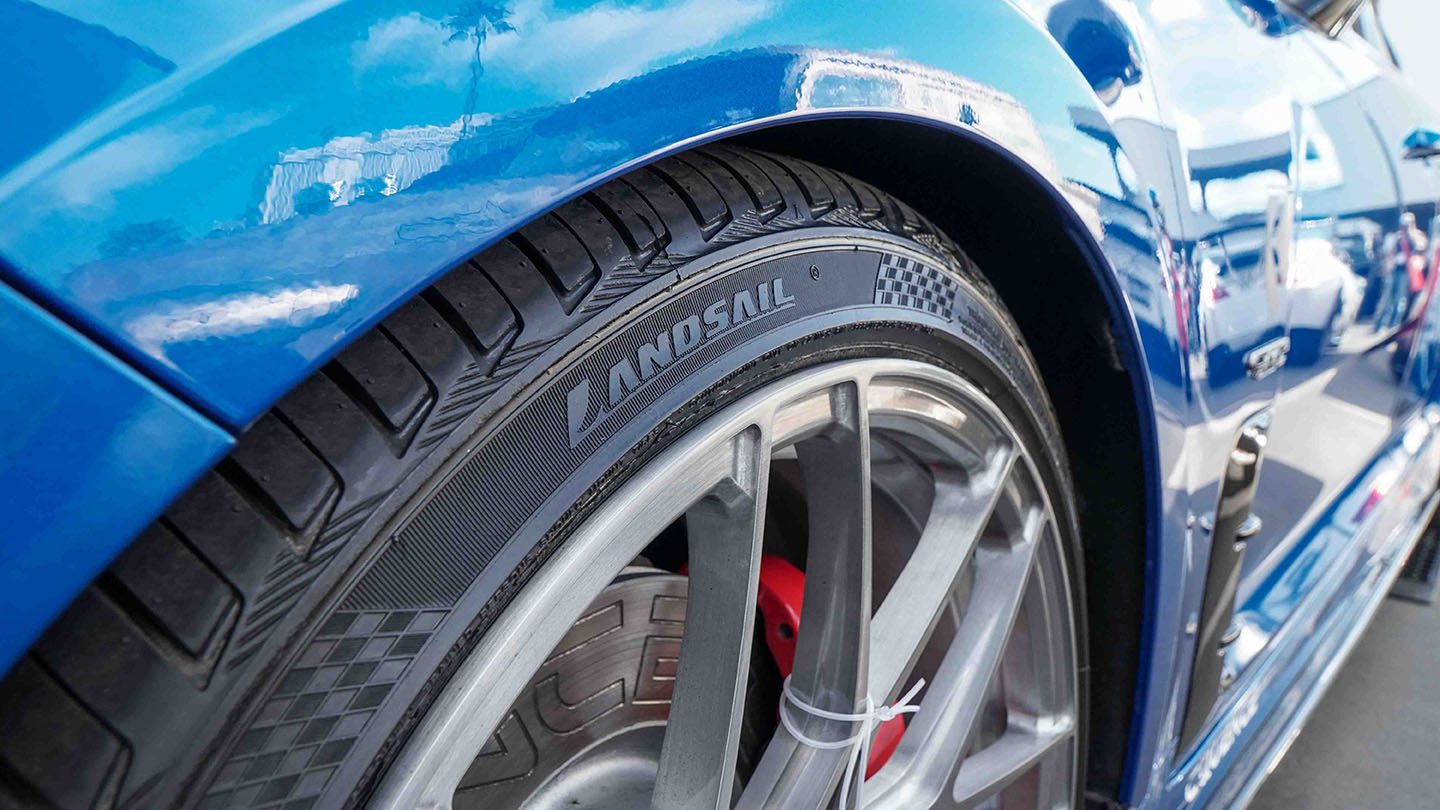
Bigger wheels are supposed to improve handling. Shorter sidewalls reduce sidewall flex, which sharpens steering response. The car feels more eager to turn in. A wider contact patch increases lateral grip, letting you carry more speed through corners. All true on a smooth racetrack. On a public road with expansion joints, off-camber corners, and mid-corner bumps, the stiff sidewalls can work against you. The tire cannot absorb road irregularities as effectively, so the suspension gets overwhelmed. The car skips sideways over bumps instead of soaking them up, and that sensation is not confidence-inspiring. You end up with a car that feels twitchy and nervous rather than planted and secure.
Unless you also upgrade the dampers and springs to match the new wheel and tire package, the handling equation stays out of balance. A sport shock absorber paired with a performance tire can transform the ride into something controlled and firm but not abusive. Slapping big wheels onto stock, worn suspension components will give you the worst of both worlds: a harsh ride and sloppy body control. The car will crash over bumps and still wallow through long sweepers.
Wider Tires Do Not Automatically Mean Better Grip in All Conditions
Yes, a wider tire typically offers more dry-weather grip because there is more rubber on the road. But wider tires also suffer more in the wet. The broader contact patch has to push water out of the way, and the increased volume of water can overwhelm the tread grooves, leading to hydroplaning at lower speeds. In slushy or snowy conditions, a narrower tire cuts through the mess to find asphalt, while a wide tire floats on top. If you live in a place with real winters, upsizing your wheels without also investing in a dedicated winter setup can turn your car into a sled. That is a safety consideration many buyers forget in the excitement of a wide stance.
The Hidden Suspension Strain That Adds Up Fast
Every suspension bushing, every ball joint, every tie rod end has a finite life. That life is measured in cycles of movement and the magnitude of forces it endures. Heavier wheels increase the impact forces that travel through the steering and suspension linkages. Think of it this way: jumping from a 15-inch wheel and a tall tire to an 18-inch wheel with a thin sidewall is like replacing your running shoes with a pair of heavy leather boots. You can still walk, but every step hits your joints a little harder. Over thousands of miles, those micro-impacts accumulate. Control arm bushings that might have lasted 100,000 miles can fail at 60,000. Wheel bearings start singing their sad hum way ahead of schedule. Tie rod ends develop play, causing a loose, wandering steering feel.
On vehicles with strut front suspensions, the strut mounts and sway bar end links also suffer. The increased unsprung weight forces the strut to react faster and with more energy, hammering the rubber mount into an early grave. You will hear a clunk over bumps and feel a vibration in the steering wheel that was never there before. The diagnosis almost always points back to the heavier wheels.
The Right Way to Upsize Without Regret
If the desire for larger wheels is non-negotiable, you can do it intelligently. The goal is to maintain the overall tire diameter as close to the factory specification as possible, keep the wheel offset within a safe range, and never ignore the brake and suspension implications. The difference between a well-executed upgrade and a disaster is often just a few millimeters of scrub radius and a couple of kilograms of weight saved on the wheel itself.
- Use a tire size calculator. Enter the stock size and the desired rim diameter. Find a new tire size that keeps the overall diameter within a 2% variance of the original. For example, a 195/60R15 has a diameter of 24.2 inches. A 225/40R18 has a diameter of 25.1 inches, roughly a 3.5% increase. That is a bit high but manageable. A 215/40R18 would have been closer to 24.8 inches. The closer you stay, the fewer electronic and speedometer headaches you will have.
- Pick the right tire compound and category. A grand touring all-season tire or a premium touring summer tire will provide a much more civilized ride than an extreme performance summer tire with a stiff sidewall construction. Read tire reviews that mention ride quality, not just grip.
- Watch the weight of the new rims. A flow-formed or forged wheel can be significantly lighter than a cheap cast replica. Spending extra for a lightweight rim reduces the unsprung weight penalty, which benefits acceleration, braking, and suspension wear.
- Keep the offset as close to stock as possible. Changing the offset alters the scrub radius, putting extra leverage on the steering components and bearings. If you must use a different offset, stay within a few millimeters to avoid tramlining and nervous handling.
- Upgrade the brakes if you go more than one size wider. At a minimum, install high-performance pads and fresh brake fluid. If your car came with small brakes, consider swapping in the bigger factory brakes from a higher trim level. This keeps the system balanced.
- Consider adjustable suspension or at least new dampers. The factory dampers will struggle to control heavier wheels. A quality aftermarket shock absorber, even a stock replacement from a performance line, can restore control and improve ride quality.
What About the Comfort Question We Started With?
Here is the nuanced answer that you will not hear in a short forum reply. If you keep the overall diameter close to stock, choose a tire with a compliant sidewall, and stick to a rim that does not balloon the weight too much, the comfort difference can be surprisingly minimal. The potholes might not feel exactly the same, but they will not feel like landing a jump on a bicycle with no suspension, either. The loss of sidewall height is partially offset by the gain in width and a modern tire’s ability to distribute impact loads better. The real discomfort usually comes when people chase the rubber-band look with a 35- or 30-series tire and pair it with cheap, rock-hard tires. That is a recipe for a ride quality that rattles the dashboard loose.
That said, different drivers have wildly different comfort thresholds. A person who commutes on glass-smooth highways will notice far less of a difference than someone who navigates frost-heaved city streets. If your daily route involves rail crossings, potholes the size of bathtubs, and patched pavement, you will miss that original tall sidewall every single day.
The Ripple Effect on Your Car’s Electronics and Safety Systems
Your vehicle’s anti-lock brake system, electronic stability control, and traction control all depend on precise wheel speed data. When the overall tire diameter changes, the wheel speed sensors report inaccurate values. The ABS module might intervene too early or too late during a hard stop. Stability control could decide the car is sliding when it is just going through a corner a bit differently due to the altered tire characteristics. In some vehicles, the system can be recalibrated by a dealer or a specialist. On many others, you are stuck with the new, slightly confused behavior. The more you deviate from the factory wheel diameter, the more these systems will struggle.
The transmission shift points can also be affected. Modern automatic and dual-clutch gearboxes use vehicle speed as one of many inputs to decide when to shift. If the true road speed does not match what the computer expects based on wheel rotation, shift quality can degrade slightly. You might not feel a dramatic change, but over tens of thousands of miles, off-schedule shifts can add unnecessary wear to clutch packs.
A Real Story From the Shop Floor
A customer once brought in a clean, low-mileage sedan that had been treated to a set of 18-inch replicas and wide tires. He loved the look. Within two months, a front wheel bearing started howling. The new wheels had an aggressive offset that pushed the tire centerline outward by 20 millimeters. That extra lever arm constantly pulled on the bearing, and the heavier rotating mass accelerated the failure. We replaced the bearing, but the underlying issue remained. Six months later, the other side went. He eventually bit the bullet and swapped back to factory wheels with a stock offset. The bearing noise vanished and never returned. The lesson: the suspension and driveline care deeply about geometry and loading, even if you never think about it.
The Table That Makes the Trade-Offs Clear
| Aspect | Factory 15-inch Wheel (195/60R15) | Plus-Sized 18-inch Wheel (225/40R18) |
|---|---|---|
| Sidewall Height | 117 mm (plush cushion) | 90 mm (much stiffer) |
| Ride Comfort over Rough Roads | Excellent, absorbs most shocks | Noticeably firmer, sharp bumps felt |
| Steering Response | Slightly lazy, forgiving | Crisp, more immediate |
| Rotating Weight (approx.) | Lower, easier on powertrain | Higher, increases fuel consumption |
| Braking Demands | Factory brakes adequate | Factory brakes may be overworked |
| Suspension Wear | Normal life for bushings and bearings | Accelerated wear, component strain |
| Pothole Tolerance | High, rim protected | Low, risk of rim damage |
| Wet-Weather Grip | Good water evacuation | Risk of hydroplaning at lower speed |
| Speedometer Accuracy | Correct | May read slow unless diameter matched |
So, Is the Look Worth the Compromise?
If you want bigger wheels and you accept that the car will require a few supporting modifications to stay safe and driveable, then the answer is yes, the look can be worth it. You get a personalized stance, improved steering feel, and a visual presence that turns heads. Just do not expect to stop at the wheels and tires. Budget for better brakes, upgraded dampers, and more frequent suspension maintenance. The people who end up disappointed are the ones who slap on huge rims and do nothing else, then wonder why their car rides like a shopping cart and costs a fortune to keep on the road.
If you are the type to keep a car long-term and value a quiet, comfortable commute above all else, sticking close to the original wheel size with a slight upgrade in diameter, say 16 inches or 17 inches, gives you a lot of the styling benefit without the full mechanical headache. A jump from 15 to 16 inches, keeping a 50- or 55-series sidewall, hardly registers as a comfort loss at all. The extreme leap to 18 inches is where the scales tip heavily toward compromise.
In the end, your wheel choice is like picking the right pair of shoes. The flashiest pair might look incredible in the store, but if they hurt your feet on every step, you will regret the purchase before the week is out. Your car carries you through rain, snow, potholes, and panic stops. Treat the wheel and tire upgrade as a system decision, not a cosmetic one. The only person who has to live with the daily reality is you, sitting in that driver’s seat, feeling every road imperfection and every brake shudder. Make that person’s life better, not just more stylish.
The next time a friend argues that bigger wheels always ruin ride quality, you will have the full story. Comfort does not always vanish, but it certainly changes. The real cost is often hidden in your brake pads, your fuel receipts, and your suspension bushings, quietly adding up mile after mile. Do you know your car well enough to make that call?