
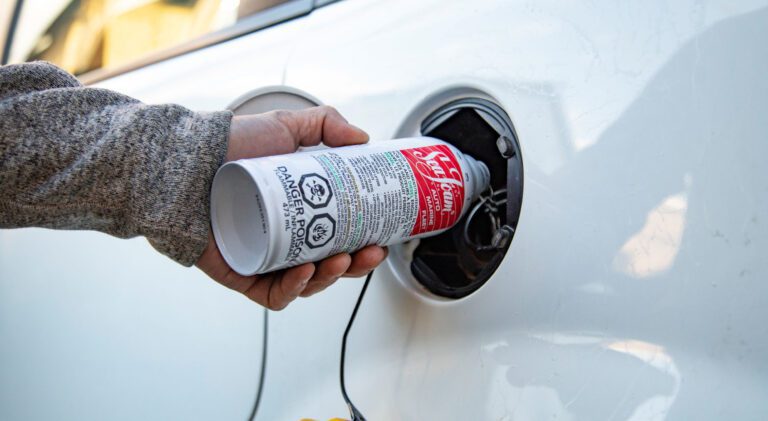
Walk into any auto parts store and there it sits on the shelf, promising to clean out your engine’s guts with almost no effort. Seafoam has earned a near-cult following over the years. Some folks swear it keeps their high mileage engines humming like new. Others wind up with a dashboard lit up like a Christmas tree and a mechanic on speed dial. The truth is not as simple as “good” or “bad.” Seafoam can be a useful tool, but using it without understanding what it really does inside your engine is a gamble. And when things go wrong, they tend to go wrong in expensive ways.
If you are the kind of person who wants to do your own maintenance and keep your vehicle running clean, you need to hear what really happens when Seafoam meets your engine. Not the marketing version. The shop-floor version. The one that comes from pulling apart oil pans, replacing fouled oxygen sensors, and untangling weird idle problems that started right after a “cleaning” session.
Before you pour that can into your gas tank, crankcase, or vacuum line, let us walk through the whole picture. There are some genuine downsides to using Seafoam that do not get talked about enough. You might save a few dollars on a cleaning service today and set yourself up for a four-digit repair tomorrow. Ask me how I know.
Here are a few negative effects that continued use of Seafoam can have on an engine.
- Malfunctioning of O2 sensors
- Fuel economy can suffer
- Some injector systems are not compatible with Seafoam and this leads to their malfunctioning
- It can cancel the protective properties of the engine oil
- It might help in forming more bad deposits in the engine
No one debates whether Seafoam is safe on engines in a black and white sense. The positive results are real. Carbon deposits do get removed. Injectors do get unclogged. But in many engines, the drawbacks quickly outweigh the short-term wins. That is what we are going to dig into, piece by piece.
Prolonged use of Seafoam brings with it a slow burn of issues. For most people, the problems only show up after the third or fourth application. The engine starts behaving a little differently. Maybe the check engine light flickers on. Maybe fuel mileage drops by two or three miles per gallon. You might not connect the dots right away because the change is gradual. But once the damage is done, backpedaling is not cheap.
What Is Seafoam?
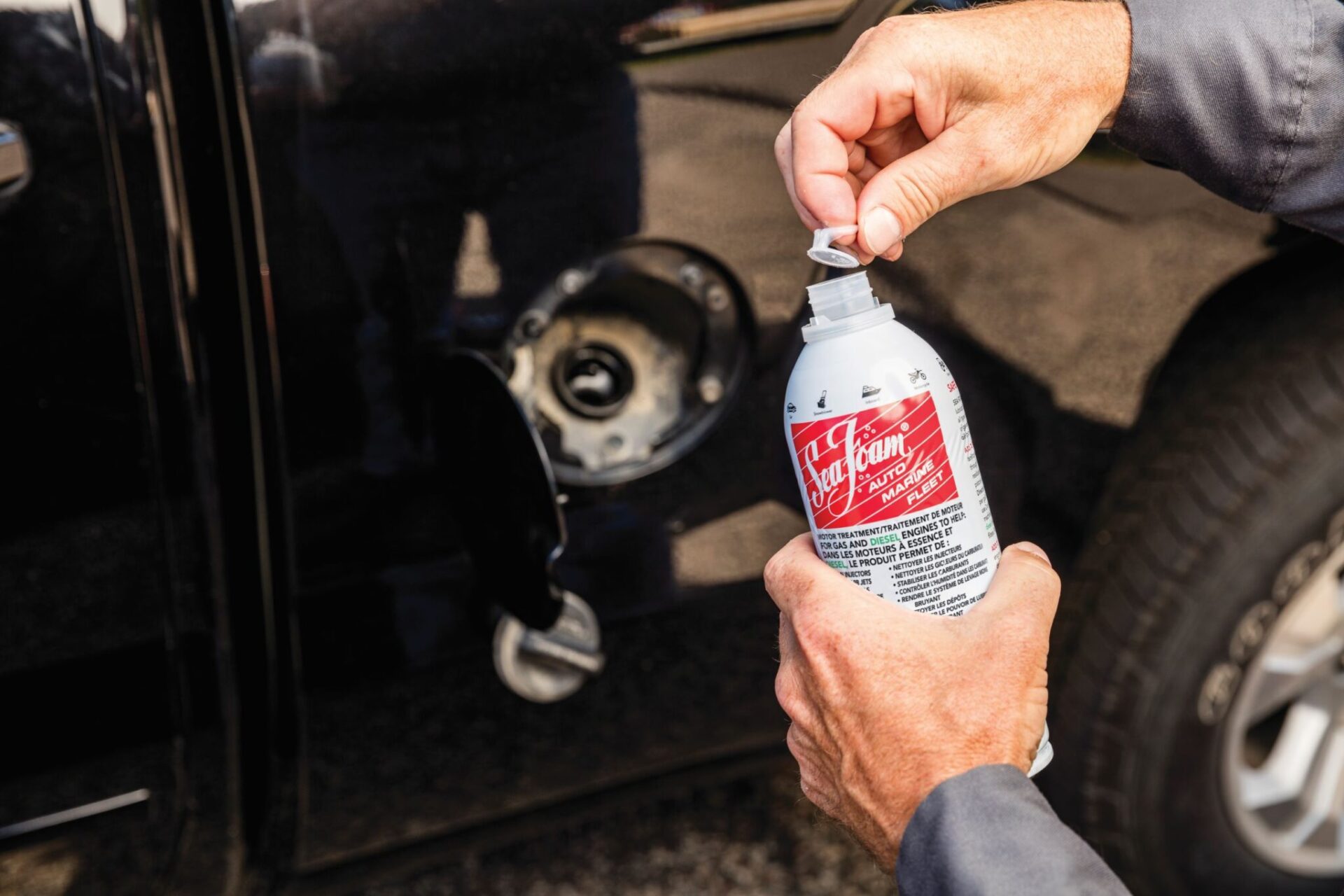
Seafoam is not a miracle in a can. It is a petroleum-based cleaning agent formulated to dissolve hardened carbon deposits, varnish, and sludge from the hidden corners of an engine. The hard-to-reach areas like carburetor passageways, intake valves, piston tops, and fuel injector nozzles are its primary targets. The liquid works by boiling off and lifting those carbon deposits so they can be blown out the exhaust or suspended in the oil and drained away.
The manufacturer claims it is safe for both diesel and gasoline engines. When used exactly as directed, plenty of technicians will agree that Seafoam does an impressive job at restoring lost throttle response and smoothing out a rough idle. But “exactly as directed” is the key phrase. Real life does not always follow the instructions printed on the can, and real engines have thousands of unique variables that those instructions cannot possibly cover.
Can Seafoam Ruin Your Engine? The Scary Truth
The engine is the beating heart of your vehicle. You would not pour a mystery juice into your own heart without asking a few questions first. Yet every weekend, driveway mechanics pop the hood and feed Seafoam through vacuum lines without a second thought. The big, blunt question is this: can Seafoam actually destroy your engine?
The short answer is no, not directly. But a long list of indirect failures tells a different story. What hurts engines the most is not the chemical itself, it is the way people use it. Too much product, the wrong entry point, an engine that was never designed to have its internal carbon layers stripped all at once. All of that sets the stage for catastrophic failures down the road.
Think about a 200,000-mile engine that has built up a thin carbon crust on its valve stems and piston rings. That crust is not ideal, but the engine has adapted to it. Now you pour in a strong solvent that breaks that crust loose in chunks. Those chunks can wedge into ring lands, score cylinder walls, or clog the catalytic converter honeycomb. The engine that was running fine before the treatment suddenly develops a misfire, starts burning oil, or fails an emissions test. That is the kind of “ruin” we are talking about.
Another path to ruin is feeding Seafoam directly through the intake at a rate faster than the engine can safely ingest it. Hydrolock is a real risk. If liquid pools inside a cylinder because you poured too fast, the piston cannot compress it on the upstroke. The result is a bent connecting rod, shattered piston, or worse. I have seen engines that needed a complete rebuild after a well-intentioned cleaning session turned into a hydraulic disaster.
Is Seafoam Good for Your Engine? It Depends on Which Engine
Seafoam is not inherently bad for engines. But many modern engines, especially those with gasoline direct injection (GDI) systems, are not compatible with certain additives being dumped into the crankcase or intake. The factory manual for a lot of newer cars explicitly warns against using oil additives or fuel system cleaners beyond what is already in top-tier gasoline. Ignoring that advice can void your warranty.
Inside the fuel system, Seafoam helps lubricate moving parts like injector pintles and high-pressure pump plungers. It can improve spray patterns and restore lost efficiency. The problem shows up when the cleaner strips away the thin protective film that keeps those components from wearing against each other. It is a classic case of short-term gain, long-term pain if you use it too often.
So, is Seafoam good? Yes, on older port-injected engines that benefit from periodic carbon clean-up. No, on engines where the manufacturer says leave the fuel system alone. Maybe, if you follow a strict schedule and never overdo it. The real answer is check your engine type, read your owner’s manual, and stop treating every car like it needs the same medicine.
Does Seafoam Make a Difference You Can Feel?
Using Seafoam can absolutely make a noticeable difference in engine performance. Cars that sit undriven for weeks often accumulate moisture in the fuel, which leads to poor combustion and hesitation. Seafoam acts as a fuel stabilizer and water absorber, keeping the fuel fresh and the engine eager to start. In cold climates, that alone can be a morning game-changer.
Carbon clogging is the quiet killer in every combustion engine. Over time, deposits narrow the air passages around intake valves. The engine computer compensates by adjusting fuel trims, but eventually driveability suffers. You feel it as a rough idle, a stumble off the line, or sluggish acceleration merging onto the highway. A well-timed Seafoam treatment can liquify those deposits and restore the airflow the engine was designed to have.
But here is the catch. The difference you feel might fool you into thinking more is better. Some drivers start adding Seafoam to every tank, thinking they are doing their engine a favor. That excessive use opens the door to the negative effects we listed earlier. The cleaning agent works best when it is used sparingly, as a tool in a broader maintenance routine, not as a crutch for neglected service.
It is always a smart move to let an experienced technician handle engine cleaning operations. They know the flow rates, the correct entry points, and how to monitor the engine while the solvent does its job. Home wrenching is empowering, but cleaning an engine is not the same as changing wiper blades. The margin for error is razor thin.
How Fast Does Seafoam Work? Timing Is Everything
After you introduce Seafoam into the engine, whether through the fuel tank, crankcase, or vacuum line, you need to give it a minimum of 15 minutes to soak into the carbon deposits and start breaking them apart. The real magic happens when you start the engine after that soak period and take the vehicle for a drive of at least 30 miles. The heat and pressure finish the job, blowing the loosened carbon out through the exhaust.
People often ask why they cannot just idle in the driveway for 15 minutes. Idle does not generate enough combustion chamber heat or enough air velocity to carry the debris away. You need a proper load on the engine. A highway cruise with some moderate acceleration is ideal. If you skip this step, you are essentially loosening crud and leaving it inside the engine to resettle somewhere worse than before.
Will Seafoam Damage Your Gaskets and Seals?
Used properly, Seafoam has a minimal impact on gaskets. The real danger appears when the product is fed directly to the intake valves through the brake booster line or a vacuum port. Many folks grab a funnel and pour it in fast, thinking faster is better. What happens next is a wall of liquid hitting hot, dry rubber seals. Those seals are designed to handle air, not a petroleum solvent bath. Over time, the material can swell, soften, or crack.
The safest way to use Seafoam in the intake system is a slow, controlled sip. You want a steady mist, not a flood. Some technicians use a small vacuum hose and a regulated drip to draw the fluid in over several minutes. Others prefer to simply add it to the fuel tank and let the engine’s own fuel system handle the distribution. Adding it to a full tank of gas and driving vigorously for half an hour is the method with the least risk to seals and gaskets.
Running Seafoam on anything less than a full tank of fuel is a common mistake that can kill a catalytic converter. The concentrated mixture overwhelms the converter’s ability to process the extra hydrocarbons. The honeycomb inside overheats and melts, blocking the exhaust. Once that happens, the engine suffocates and performance falls off a cliff. I have replaced too many converters on cars that had just been “cleaned.”
Should You Use Seafoam Before or After an Oil Change? The Sequence Matters
The best time to use Sea Foam in the crankcase is after an oil change. When fresh oil is circulating, Seafoam can work on whatever deposits the old oil left behind without having to fight through thick sludge first. It quiets noisy hydraulic lifters, cleans sticky valve train components, and helps flush out the remnants of dirty oil that drain pans never quite capture.
A pro trick is to add Seafoam around 100 miles before your next oil change, and then again right after the fresh oil goes in. The pre-change dose loosens up the gunk so the old oil carries it out. The post-change dose polishes the internals and gives the new oil a head start on keeping things spotless. Just never leave Seafoam in the crankcase beyond the recommended interval. It thins the oil slightly and long-term exposure can reduce the oil’s ability to protect bearings.
The Negative Effects Nobody Warned You About
Let us walk through each of the five negative effects from the list at the top and connect them to real scenarios you might face. Understanding the “why” behind each point helps you decide if the risk is worth the reward.
Oxygen Sensor Failure Can Happen Fast
Oxygen sensors live in the exhaust stream, constantly measuring unburned oxygen so the computer can fine-tune the air-fuel mixture. When you flood the exhaust with a heavy dose of dissolved carbon and Seafoam vapor, the sensor tip gets coated in residue. Over time, that coating insulates the sensor element, making it slow to respond or completely dead. A sluggish O2 sensor will not trigger a check engine light right away, but your fuel economy will drop, and your catalytic converter will work harder, shortening its life.
I have diagnosed countless “lean” or “rich” codes that turned out to be O2 sensors fouled by aggressive cleaning chemicals. The driver usually does not make the connection to the Seafoam treatment they did three months ago. The damage does not always show up overnight, but it starts the clock ticking.
Fuel Economy Takes an Unexpected Dive
You would think that cleaning the engine makes it more efficient, and at first it might. But continued use of Seafoam can wash away the lubricity that fuel injectors and high-pressure pumps need. As those components wear, fuel delivery becomes erratic. The engine compensates with richer mixtures, and your miles per gallon drop. It is the opposite of what you were trying to achieve.
Also, if the Seafoam treatment temporarily masks a pre-existing problem, like a vacuum leak or a tired oxygen sensor, you might think you fixed the issue and stop looking for the real cause. The underlying problem gets worse while you are busy pouring more cleaner into the tank. Fuel economy suffers and you have no idea why.
Injector System Incompatibility Is a Silent Killer
Not all injectors are built the same. Some direct injection systems run at pressures over 2,000 psi and use extremely tight tolerances. Certain solvents can cause the internal seals to swell or harden. The result is a leaking injector that drips fuel into the cylinder when the engine is off. That leads to hard starting, washed-down cylinder walls, and oil dilution. A single bad injector can take out a catalytic converter and fill the crankcase with fuel.
Seafoam does not claim to be a fix for injector problems, but many people use it that way. The reality is that if an injector is already failing, a strong solvent may finish the job. The cleaning agent is not compatible with every injector design, especially some European and late-model Asian systems. Check your vehicle’s technical service bulletins before introducing any additive into the fuel rail.
How Seafoam Cancels the Protective Properties of Engine Oil
Engine oil is not just a lubricant. It is a complex package of detergents, anti-wear additives, viscosity modifiers, and corrosion inhibitors. When you pour Seafoam into the crankcase, you are diluting that carefully balanced chemistry. The solvent action that cleans sludge also interferes with the oil’s ability to maintain a protective film on bearings and cam lobes. If you leave the mix in too long, you might be running an engine with compromised boundary lubrication during high-load situations.
This is especially risky in engines with variable valve timing systems that depend on clean oil of a specific viscosity to actuate cam phasers. A thinner, solvent-laced oil can cause phaser rattle, timing chain stretch, or failure to advance the cams correctly. The repair bill for a timing system rebuild can easily exceed $2,000. All because the oil was tweaked with a cleaning agent in a way the engineers never intended.
The Irony of Forming More Bad Deposits
One of the most frustrating outcomes is that Seafoam can sometimes cause more deposits than it removes. When you loosen carbon from the intake valves and combustion chamber, some of it does not exit the tailpipe. It gets stuck in the catalytic converter, EGR passages, or even the turbocharger’s variable geometry vanes if your engine has a turbo. That debris bakes into a new, harder layer that traditional cleaners cannot touch.
Think of it like sweeping a dusty floor with a leaf blower. You might move the dust, but it will settle somewhere else, often in the tightest crevices. Over multiple treatments, the crud accumulates in places that were never dirty before. The engine that was supposed to be cleaner ends up with restricted EGR flow and hot spots in the combustion chamber that encourage pre-ignition.
Common Mistakes That Turn Seafoam into Engine Enemy Number One
A bad experience with Seafoam is almost always user error. Let me break down the most common ways people shoot themselves in the foot, so you can avoid becoming a cautionary tale.
- Pouring it directly into the throttle body or intake at full speed. This can hydrolock the engine. Always feed it into a vacuum line slowly, allowing the engine to sip it gradually.
- Using it on an engine with known oil leaks. The solvent can clean away the sludge that was actually plugging a gasket leak. Suddenly you have a driveway full of oil and a seal that needs replacement.
- Adding it to a nearly empty fuel tank. The concentration becomes way too high. The fuel pump, fuel lines, and catalytic converter get hit with a concentrated blast that they were never designed to handle.
- Idling the treatment instead of driving it out. Without heat and load, the loosened carbon stays inside the engine. That is like scrubbing a pot and leaving the dirty water to dry in place.
- Using Seafoam on a brand new car. Engines with very low miles do not have carbon buildup. You are not preventing anything, you are just exposing seals and sensors to unnecessary chemicals.
- Ignoring the smoke. A huge cloud of white smoke is normal after a treatment, but if it does not clear up after the drive cycle, something is wrong. The smoke should taper off. Persistent smoke means unburned Seafoam is still lingering or a sensor has been compromised.
Are There Safer Alternatives to Seafoam? The Hard Truth
Seafoam is made from organic petroleum products. It is not some synthetic lab monster. Its ingredients are relatively straightforward, and that is one reason meat-and-potatoes mechanics trust it. When you look for alternatives that have fewer negative effects, you quickly run into a wall. Most other off-the-shelf cleaners are harsher, use chemical packages that are less forgiving, or simply do not work at all.
Many workshops have tested competing products and keep coming back to Seafoam because it strikes a balance between effectiveness and relative safety when used correctly. Products that promise faster results often contain stronger solvents that attack rubber and plastic components more aggressively. The ones that claim to be safer tend to be too weak to make any measurable difference in a clogged engine.
The safest alternative is not a product at all. It is a strategy. Use top-tier gasoline that already contains high-quality detergents. Change your oil on time with a quality synthetic that has a robust additive pack. Take your vehicle on a weekly highway drive long enough to get everything fully hot. That is the original “cleaner” that engineers designed the engine around. Solvent treatments should be supplemental, not the star of the show.
How Professionals Use Seafoam Without Causing Damage
If you still want to use Seafoam after hearing all the risks (and frankly, it still can be a useful tool), here is how the pros do it. Follow their lead and you dramatically lower the chance of an expensive surprise.
First, they identify the correct entry point based on the problem they are trying to solve. For cleaning intake valves on a port-injected engine, a vacuum hose that feeds the intake manifold evenly is the go-to. For cleaning the fuel system, the tank is the safest bet. They never feed it directly into the throttle body because of the uneven distribution and hydrolock risk.
Second, they measure the dose precisely. The can suggests a range, and pros lean toward the conservative end of that range. A little less does the job without overwhelming the system. They use a funnel or a piece of tubing to create a slow, steady drip that the engine can pull in over 10 to 15 minutes, not 30 seconds.
Third, they monitor the engine during the process. If they hear pinging, knocking, or the engine stumbles hard, they stop immediately. They know that a soft stumble is normal, but violent shaking means something is wrong. They follow up with a full scan tool diagnostic after the test drive to check for pending fault codes.
Fourth, they always, without exception, change the oil shortly after an aggressive crankcase treatment. The solvent and the loosened debris have no business staying in the oil for thousands of miles. A $40 oil change is cheap insurance against $1,000 worth of bearing damage.
Finally, they do not treat an engine that already has problems. If the vehicle has a check engine light on, a rattling timing chain, or a blue smoke tailpipe, pouring Seafoam in is like putting a bandage on a broken arm. Fix the mechanical issue first, then clean. Doing it in reverse order often magnifies the existing damage.
Reading Your Engine’s Mind: Signs It Does Not Want Seafoam
Not every engine gives a clear signal, but many flash warning signs that Seafoam is about to do more harm than good. Learning to read these signs can save your engine.
- Your vehicle has a metal timing chain with a known history of stretch issues. Solvents that thin the oil can accelerate chain wear.
- The engine is turbocharged with a hot-V configuration where the turbo sits in the valley of the engine. Carbon loosened from the intake can get wedged in the turbo’s wastegate or variable vane mechanism, causing overboost or underboost codes.
- You have a gasoline particulate filter (GPF) installed—common on newer European models. Aggressive cleaning can clog the GPF just like a catalytic converter.
- The oil pressure light flickers at hot idle. This indicates bearing clearances that are already on the edge. Thinning the oil with a solvent can cause the pressure to drop below safe levels.
- The engine consumes oil at a rate of more than a quart every 1,000 miles. Adding Seafoam can worsen oil consumption by unsticking carbon that was sealing worn rings.
If any of these ring true, step away from the Seafoam can. Your engine is telling you it is not a candidate for chemical cleaning.
What Happens When You Ignore the Warnings? A Real-World Scenario
Let me paint you a picture from the service bay. A customer brings in a 2012 sedan with 160,000 miles. Complaints: rough idle, occasional misfire on cylinder three, check engine light flashing. The history shows the owner did a Seafoam intake treatment through the brake booster line two weeks prior. He used the whole can in one shot because he figured more is better.
We pulled the intake manifold and found chunks of carbon lodged in the intake valve guide area on cylinder three. One chunk had held a valve slightly open, causing a compression leak and the misfire. The cylinder head had to come off to clean the valve properly. The cost? Around $1,800. The same car had no major issues before the treatment. The Seafoam did exactly what it was supposed to do—loosen carbon—but it loosened it in sheets that were too big to exit the combustion chamber safely.
That is the risk you take when you do not respect the process. The chemical works. That is not the problem. The problem is that you cannot control how much carbon breaks loose or where it goes once it is free. An engine with decades of layered deposits is like a house of cards. Pulling the wrong card can collapse the whole thing.
How to Get the Most from Seafoam With the Least Risk
If you choose to keep Seafoam in your maintenance kit, here is a protocol that minimizes the negative effects while still delivering a clean engine.
- Add the measured amount to a full tank of fuel. Never treat a partial tank.
- Drive the vehicle normally until the tank is almost empty. No short trips. You want sustained engine heat to cook off the vapors.
- Change the oil within 500 miles of a crankcase treatment. Do not extend the interval.
- If treating the intake, use a slow-feed vacuum line method with the engine at operating temperature. Have a helper keep RPM slightly above idle so the engine does not stumble and stall.
- After any treatment, pull the spark plugs if you are comfortable doing so and inspect them for fouling. A heavily carboned spark plug can be an early warning that debris is getting into the cylinders.
- Scan for codes before and after the treatment. Even a cheap OBD-II scanner can reveal hidden misfire counts that went up post-treatment.
This protocol is not foolproof, but it is the difference between a thoughtful cleaning and a blind gamble.

Why Some Fuel Brands Make Seafoam Redundant
Top-tier fuel brands like Shell, Chevron, Exxon, and others add cleaning detergents and additives directly into their gasoline at levels that meet or exceed the minimum standards required by automakers. If you use one of these fuels exclusively, your engine is getting a steady, low-dose cleaning every time you fill up. The carbon never gets a chance to build up to the point where a harsh solvent is needed.
Many car owners do not realize this. They buy the cheapest gas in town, which often lacks the additive package, and then wonder why their valves are caked with carbon at 60,000 miles. Then they reach for the Seafoam to fix a problem they could have avoided entirely. It is like eating fast food every day and then doing a week-long juice cleanse. The damage is already in motion.
If you make the switch to good fuel today and commit to regular oil changes with high-quality synthetic oil, you may never need to touch a can of Seafoam again. Your engine will stay cleaner, your sensors will last longer, and your vehicle will deliver the fuel economy the window sticker promised.
The Final Pitch to the DIY Mechanic
I know the urge. You want to take care of your own car. You want to save money. You want the satisfaction of a job done with your own two hands. Nothing wrong with that. But do not let marketing and forum hype push you into a decision that could leave your car on jack stands for a month. Seafoam has a place in the toolbox, but it is not a universal shortcut to engine health.
Talk to a trusted mechanic before you pour anything into your engine that did not come from the factory. Describe your symptoms, your mileage, your maintenance history. Let them tell you if your engine is a good candidate for a solvent-based cleaning or if you need a different approach altogether. The best mechanics will give you straight-up advice, not a sales pitch.
At the end of the day, you are the one turning the key every morning. You are the one paying for repairs. Make choices based on what your engine actually needs, not on what the can promises. Your car will thank you with miles of trouble-free driving.
Now, the next time you see that white can on the shelf with the little boat on it, you will know exactly what is at stake. The question is not whether Seafoam works. The question is whether your engine can handle the aftermath. Are you willing to find out?