
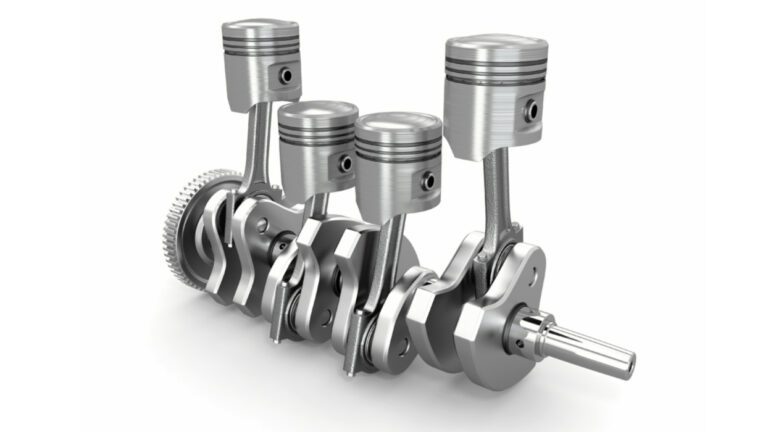
Pop the hood on a modern engine and you are met with a tidy plastic cover hiding most of the mechanical chaos underneath. Remove that cover and you are staring at a block of metal with wires, hoses, and a series of plugs lined up in a row or arranged in a V. Those plugs are your spark plugs. Each one threads into the top of a cylinder. The cylinders are the heart of the engine. They are numbered, and knowing which one is which matters more than most drivers realize. When a check engine light flashes a code like P0303, your car is telling you that cylinder number three has a misfire. If you do not know where that cylinder lives, you are stuck relying entirely on a mechanic to translate a problem you could begin to understand yourself.
Engine cylinder numbering is not a universal standard. It varies by manufacturer, by engine layout, and sometimes by whether the engine sits sideways under the hood. A cylinder that is number three on a Toyota inline-four might be in a completely different physical location than cylinder three on a Ford V6. Learning how cylinders are numbered on different engine configurations gives you a real advantage when you are trying to diagnose a misfire, replace spark plugs yourself, or simply have an intelligent conversation with your mechanic without feeling lost. This guide walks you through exactly where to find cylinder number three on the most common engine types, and it explains why that knowledge is worth having.
Why Cylinder Numbering Exists and Why It Matters to You
Every cylinder in an internal combustion engine is a chamber where a precisely measured mixture of fuel and air is compressed and ignited. The explosion forces a piston downward, turns the crankshaft, and ultimately spins your wheels. The engine’s computer, the ECU, controls the exact moment each cylinder fires, along with how much fuel is injected. When a problem occurs in one cylinder, the ECU stores a diagnostic trouble code that identifies which cylinder is misfiring. A P0301 means cylinder one. A P0303 means cylinder three. If you plan to swap ignition coils between cylinders to test whether a misfire follows the coil or stays with the cylinder, you need to know where cylinder three is physically located.
Cylinder numbering also matters for routine maintenance. Spark plugs have a replacement interval. When you change them, you need to identify which plug you are replacing and, on some engines, the plug wires must be reinstalled in the correct order. A crossed plug wire can cause the engine to run roughly, backfire, or not start at all. Knowing the firing order and the cylinder numbering prevents that mistake. Even simple tasks like performing a compression test require you to label your results by cylinder so you can compare pressures across the engine. So while cylinder numbering seems like dry engineering trivia, it is actually a practical tool that saves you time, money, and frustration.
Where Is Cylinder Number Three in a 3-Cylinder Engine?
Three-cylinder engines are becoming increasingly common as automakers chase fuel efficiency and lower emissions. They power everything from compact hatchbacks to small crossovers. In a typical three-cylinder engine, the cylinders are arranged in a single row, one behind the other. The crankshaft has three crankpins spaced 120 degrees apart, which gives the engine a distinctive firing rhythm and a characteristic thrum that some drivers find endearing and others find buzzy.
Cylinder numbering in an inline-three is straightforward. The cylinder closest to the front of the engine, typically the end with the drive belts, pulleys, and accessories, is cylinder number one. The next cylinder back is number two. The cylinder farthest from the front, at the rear of the engine block near the transmission, is cylinder number three. That rear cylinder, number three, sits between cylinder two and the transmission bell housing. If the engine is mounted transversely, meaning the belts are on the passenger side of the vehicle, then cylinder one is on the passenger side, and cylinder three is on the driver side. It is the cylinder that is hardest to reach when changing spark plugs because it is tucked up against the firewall. Mechanics often have to remove the intake manifold or use a combination of extensions and swivels to access that rear plug on a transverse three-cylinder.
If you are standing in front of the car looking down at the engine, cylinder three is the one on the far right on a transverse mount where the belts are on the left. If the engine is longitudinally mounted, it is the one closest to the windshield. In either case, cylinder three is the last cylinder in the row, the one that finishes the firing order. If you get a P0303 code on a three-cylinder engine, the problem is at the back of the engine. Start your diagnosis there.
Finding Cylinder Number Three in a 4-Cylinder Engine
Inline four-cylinder engines are the most common engine configuration on the road today. They are found in sedans, hatchbacks, small SUVs, and even some light trucks. The cylinders are arranged in a straight line, numbered from front to back. The cylinder at the front of the engine, the one closest to the drive belts and farthest from the transmission, is always cylinder number one. The cylinder behind it is number two. Then number three. Finally, at the back, number four. So on a four-cylinder engine, cylinder three is the second cylinder from the rear, sitting between cylinder two and cylinder four.
On a transversely mounted four-cylinder, which is how most front-wheel-drive cars are configured, the engine sits sideways under the hood. The belts and pulleys are on one side, typically the passenger side on American and many Asian vehicles, though some European cars flip this. If the belts are on the passenger side, then cylinder one is on the passenger side, and cylinder three is the third cylinder moving toward the driver side. If you are facing the engine bay from the front of the car, the cylinders count from left to right when the belts are on the left, so cylinder three would be the third from the left. If the belts are on the right, the cylinders still count from that belt end, so cylinder three is the third from the right.
The firing order on a four-cylinder engine adds another layer. Some engines fire in the order 1-3-4-2. After cylinder one fires, cylinder three fires next. That means cylinder three is the second cylinder to receive a spark in the engine’s cycle. Other engines use 1-2-4-3. There is no universal firing order, but the cylinder numbering remains the same: one at the front, four at the back, three in the second-to-rear position. When you are diagnosing a misfire or replacing spark plugs, remember that cylinder three will always be the third cylinder from the front, regardless of when it fires in the sequence. The physical location does not change.
Identifying Cylinder Number Three in an Inline-6 Engine
Inline six-cylinder engines are smooth and balanced by design. They were once common in American sedans and trucks, and they have seen a resurgence in some premium brands. Like a four-cylinder, an inline-six has all its cylinders in a single row. The numbering follows the same logic: cylinder one is at the front of the engine, near the radiator and drive belts. Cylinder six is at the back, near the firewall. Cylinders two through five fill the spaces in between.
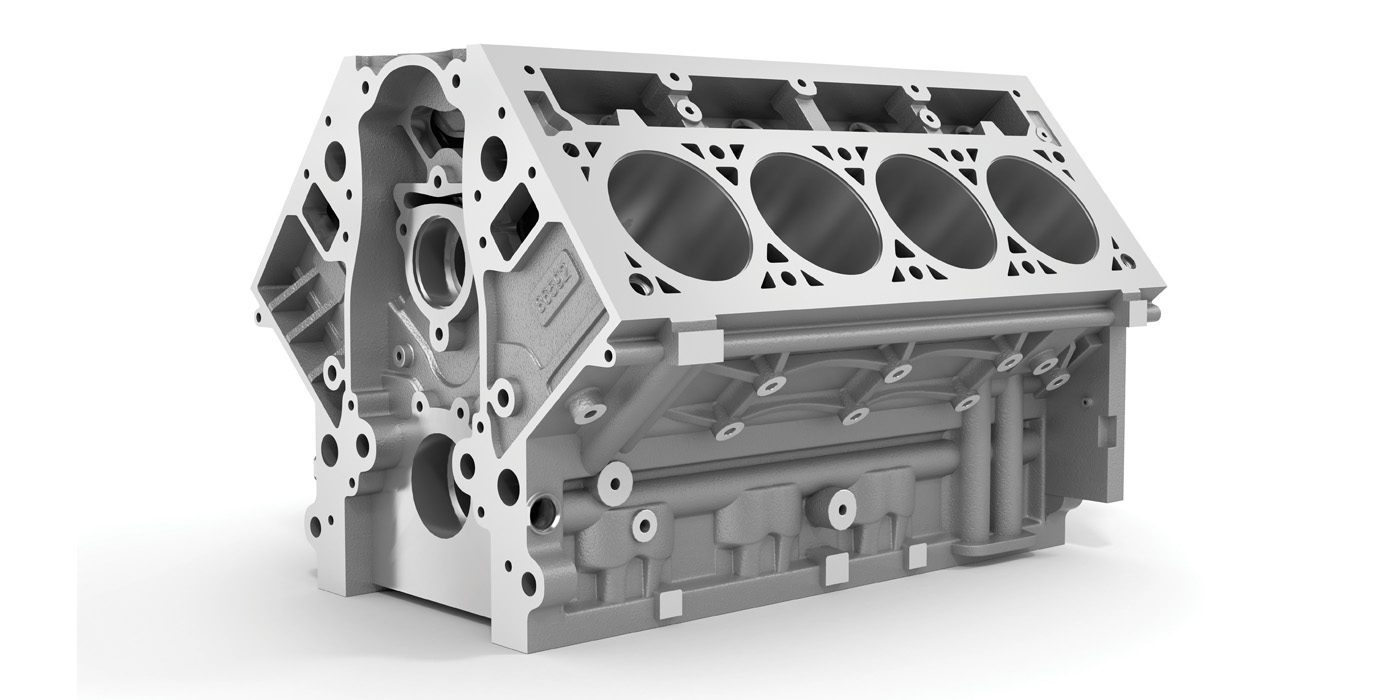
Cylinder number three in an inline-six is exactly where you would expect it. It is the third cylinder from the front, sitting directly between cylinder two and cylinder four. If you look at the engine from the front, you count one at the front, then two, then three in the middle of the block. On a transversely mounted inline-six, which is rare but exists in some vehicles, the numbering still starts from the belt end. So cylinder three will be halfway down the row of spark plugs.
The inline-six’s length means that cylinder three is often one of the easier cylinders to access. It is not buried against the firewall like cylinder six, and it is not crowded by accessory brackets like cylinder one. When a misfire occurs on cylinder three, you have a decent chance of reaching it with standard tools. The firing order on a classic inline-six is often 1-5-3-6-2-4, meaning cylinder three fires third in the sequence. If you have a rough idle and a P0303 code, that middle cylinder is your target.
Where to Find Cylinder Number Three on a V6 Engine
V6 engines split their six cylinders into two banks of three, arranged at an angle, usually 60 or 90 degrees, to form a V shape. The two banks share a single crankshaft. Cylinder numbering on a V6 is where things start to get manufacturer-specific, and this is where many DIY mechanics get confused. There is no single standard that every automaker follows. Some number the cylinders sequentially down one bank and then down the other. Others alternate the numbering between banks. The cylinder number three you are looking for could be on either the left or right bank, depending on who built the engine.
On many General Motors V6 engines, cylinder one is the front cylinder on the left bank, which is the bank closest to the front of the vehicle but offset to the side. The left bank typically contains cylinders one, three, and five. Cylinder three is the middle cylinder on that left bank. On a Ford V6, the numbering can be different. Ford often numbers the right bank as one, three, five and the left bank as two, four, six, with cylinder one being the front cylinder on the passenger side. So cylinder three on a Ford V6 is the middle cylinder on the passenger side bank. Chrysler has used yet another system on some of their V6 engines, numbering one through six in sequence around the engine. The variation is frustrating, but the owner’s manual or a quick online search with your specific year, make, and model will clarify the numbering for your particular engine.
When you are trying to locate cylinder three on a V6 without documentation, look for the casting numbers on the intake manifold. Many engines have the cylinder numbers stamped or cast into the plastic near each spark plug well. If the engine has a carburetor-style intake or an older design, the numbers might be stamped into the metal of the intake manifold. Failing that, remember that the frontmost cylinder on one bank is always number one, and from there, the manufacturer’s numbering scheme takes over. On a V6, cylinder three is almost never the rearmost cylinder. It is usually the middle cylinder on one of the banks. If you are pulling spark plugs to locate a misfire, move the coil or plug from the suspect cylinder to a known good one and see if the misfire code moves. That test will confirm you have found the right cylinder even without knowing its number.
Locating Cylinder Number Three in a V8 Engine
V8 engines follow the same bank arrangement as V6s but with four cylinders per bank. Cylinder numbering on a V8 is even less standardized than on a V6, and different manufacturers have used wildly different schemes over the decades. On a classic small-block Chevrolet V8, the cylinders are numbered odd on the left bank and even on the right bank, with cylinder one at the front left, cylinder three on the left bank second from front, and so on. That means cylinder three is the second cylinder from the front on the driver side. On a Ford V8, particularly the Windsor and Modular engine families, cylinder one is on the passenger side front, and the numbering goes one, two, three, four down the passenger side, then five, six, seven, eight down the driver side. So cylinder three is the third cylinder from the front on the passenger side bank.
Chrysler V8s often used a numbering system where cylinder one is on the driver side front, and the numbering alternates banks: one on driver side, two on passenger side, three on driver side again, and so on. In that scheme, cylinder three is the second cylinder back on the driver side. The firing orders also vary dramatically. A small-block Chevy might fire 1-8-4-3-6-5-7-2, while a Ford 302 fires 1-5-4-2-6-3-7-8. The cylinder three in each engine is physically located differently and fires at a different point in the sequence. Again, the owner’s manual, a factory service manual, or a reliable online resource for your specific engine is the best way to confirm the numbering. Many engines have the numbers cast into the intake manifold, or the spark plug wires from the factory are labeled with the cylinder numbers. If your car still has its original plug wires, check for numbered clips that identify which wire goes to which cylinder.
Special Cases: W-Engines, Flat Engines, and Other Unusual Layouts
Some high-performance and luxury vehicles use engine configurations that are far less common. W-engines, popularized by Volkswagen Group in cars like the Bugatti Veyron and some Bentley models, effectively combine two V-engines into a single block. Cylinder numbering on a W-engine follows a complex bank designation that is specific to each engine series. A flat engine, as used by Subaru and Porsche, has horizontally opposed cylinders. On a Subaru flat-four, cylinder one is on the passenger side front, cylinder two is on the driver side front, cylinder three is on the passenger side rear, and cylinder four is on the driver side rear. So cylinder three is the rearmost cylinder on the passenger side. On a Porsche flat-six, the numbering is more involved and varies by generation. For these exotic configurations, a factory service manual is not optional. It is required to correctly identify cylinder locations and firing orders.
Why Cylinder Number Three Misfires and What to Do About It
Now that you know where cylinder three lives on your engine, it is time to talk about why it sometimes gets a diagnostic trouble code all to itself. A P0303 code means the engine’s computer has detected a misfire on cylinder three that is severe enough to affect emissions or driveability. The causes of a single-cylinder misfire are the same regardless of which cylinder is affected. The most common culprit is a failed ignition component on that cylinder. The spark plug may be fouled, worn, or cracked. The ignition coil or spark plug wire may have failed. Modern engines with coil-on-plug ignition have one coil per cylinder, and when that coil goes bad, only the associated cylinder misfires. Older engines with distributor ignition can have a bad plug wire, a cracked distributor cap terminal, or a worn rotor that affects a specific cylinder.
Fuel delivery problems are another common cause. A clogged or leaking fuel injector on cylinder three can cause a misfire. If the injector is not spraying fuel correctly, the air-fuel mixture in that cylinder will be too lean or too rich to ignite properly. Mechanical engine problems such as low compression from a burned valve, a blown head gasket, worn piston rings, or a collapsed lifter can also cause a cylinder-specific misfire. These mechanical failures are more serious and more expensive to repair than a simple spark plug or coil replacement, but they produce the same P0303 code. A compression test and a cylinder leak-down test can differentiate an ignition or fuel problem from a mechanical failure.
The symptoms of a cylinder three misfire are noticeable. The engine will idle roughly and may shake. Acceleration will feel sluggish, especially under load. The vehicle may vibrate more than usual at highway speeds. The check engine light will be on, and it may flash during severe misfires. A flashing check engine light means the misfire is bad enough to dump raw fuel into the exhaust, which can overheat and destroy the catalytic converter. When you see a flashing check engine light, pull over as soon as it is safe and address the problem immediately. Continuing to drive can turn a simple ignition repair into a thousand-dollar catalytic converter replacement.
The Cost of Fixing a Cylinder Three Misfire
The cost to repair a cylinder three misfire ranges widely depending on the root cause. Replacing a single spark plug costs between ten and thirty dollars for the part, plus a small amount of labor if you do it yourself. Replacing a faulty ignition coil on a coil-on-plug engine costs between forty and one hundred fifty dollars for the part, and it is often a simple DIY job requiring only basic tools. Replacing a set of spark plug wires on an older engine costs between thirty and one hundred dollars. These are the cheap fixes, and they should be the first things you check when you get a P0303 code.
If the misfire is caused by a clogged fuel injector, the repair could cost between one hundred fifty and four hundred dollars to replace one injector, including labor. If the problem is a mechanical failure like a burned valve, a blown head gasket, or worn piston rings, the repair costs escalate quickly. A valve job can cost between one thousand and three thousand dollars depending on the engine and the extent of the damage. A head gasket replacement typically costs between one thousand five hundred and three thousand dollars. An engine rebuild or replacement can cost four thousand dollars and up. The financial lesson is clear: do not ignore a single-cylinder misfire. Diagnose it early, while it is still likely to be a cheap fix. The longer you drive with a misfire, the more damage accumulates and the more expensive the repair becomes.
How to Confirm Cylinder Numbering Using Engine Markings and Your Owner’s Manual
Before you start throwing parts at a P0303 code, confirm that you have correctly identified cylinder three. The owner’s manual for your vehicle often includes a diagram of the engine with cylinder numbers labeled. Look in the maintenance section under spark plug replacement or in the specifications section. If the manual does not help, look for markings on the engine itself. Many engines have the cylinder numbers cast into the intake manifold or stamped on the valve cover. On some engines, the numbers are molded into the plastic engine cover. If your engine has a coil-on-plug ignition, the coil connectors may be labeled from the factory, though these labels often fade with heat and age.
An OBD scanner that reads live data can also help. You can use the scanner to monitor the misfire counters for each cylinder in real time. When you unplug the ignition coil or the fuel injector on a specific cylinder, the misfire count for that cylinder should spike dramatically. That confirms you have found the correct cylinder. This test is useful for transverse V6 engines where cylinder numbering is ambiguous. Disconnect cylinder three’s coil, watch the misfire counter for cylinder three jump on the scanner, and you have verified the location. Just do not drive the vehicle with the coil disconnected, and plug it back in as soon as the test is complete. Use this technique sparingly to avoid damaging the catalytic converter.
Preventing Cylinder Misfires Through Regular Maintenance
The best way to avoid a P0303 code is to stay ahead of the maintenance that keeps your ignition and fuel systems healthy. Replace spark plugs at the interval specified by your vehicle’s manufacturer. That interval is often between sixty thousand and one hundred twenty thousand miles for modern iridium or platinum plugs, and as low as thirty thousand miles for older copper plugs. When you replace the plugs, use the exact type and heat range recommended in the owner’s manual. A plug that is too hot can cause pre-ignition. A plug that is too cold can foul. Both conditions lead to misfires.
Replace ignition coils if they show signs of cracking, carbon tracking, or corrosion. On engines with spark plug wires, replace the wires at the same interval as the plugs, and route them carefully to avoid cross-firing. Use dielectric grease on the plug boots to prevent moisture intrusion. Keep your fuel system clean by using a quality fuel injector cleaner periodically, especially if you frequently buy fuel from stations with unknown detergent packages. Replace the fuel filter at the recommended interval to prevent debris from reaching the injectors. If you notice rough running, a drop in fuel economy, or an intermittent misfire, have the engine scanned for pending codes even if the check engine light is not on yet. A pending P0303 code is an early warning that lets you fix a problem before it becomes an active misfire.
A Quick Reference Table: Cylinder Number 3 Location by Engine Type
| Engine Type | Typical Cylinder 3 Location | Notes |
|---|---|---|
| Inline-3 | Third cylinder from front, rear of engine | Farthest from drive belts, near transmission |
| Inline-4 | Third cylinder from front, second from rear | Between cylinder 2 and 4 |
| Inline-6 | Third cylinder from front, middle of block | Between cylinder 2 and 4 |
| V6 (GM style) | Middle cylinder on left bank (cylinders 1, 3, 5) | Check owner’s manual; numbering varies |
| V6 (Ford style) | Middle cylinder on passenger side bank | Check owner’s manual; numbering varies |
| V8 (Chevy style) | Second cylinder from front on driver side | Left bank odd numbers: 1, 3, 5, 7 |
| V8 (Ford style) | Third cylinder from front on passenger side | Passenger side: 1, 2, 3, 4 |
| Subaru flat-4 | Passenger side rear cylinder | Numbering: pass front=1, driver front=2, pass rear=3, driver rear=4 |
What to Do After You Fix the Misfire on Cylinder Three
Once you have identified cylinder number three, replaced the faulty component, and cleared the code, the engine should return to smooth operation. However, a few post-repair steps are important. Clear the diagnostic trouble codes with your OBD scanner so the check engine light turns off. Then, drive the vehicle through a complete drive cycle to allow the ECU to run all of its self-tests. A drive cycle typically includes a cold start, a period of idling, steady highway cruising, and some stop-and-go driving. The exact procedure for your vehicle can be found in the service manual. The goal is to confirm that the P0303 code does not return. If it does, the original repair did not fully address the problem, and further diagnosis is needed.
Monitor the engine’s behavior for a few hundred miles after the repair. Listen for any remaining roughness. Pay attention to fuel economy. If you replaced a spark plug, re-check the torque on the new plug after the first few heat cycles. A plug that loosens can cause a whole new misfire. Keep a small notebook in the glovebox to record the date, mileage, and parts used for the repair. That record is invaluable if the misfire recurs and you need to determine whether the same cylinder is acting up again or a different one has joined the party.
Your engine is a collection of individual cylinders, each doing its share of the work. When one of them stumbles, the whole car feels it. Knowing which cylinder is which turns a mysterious code like P0303 into a target you can locate, diagnose, and repair. That knowledge puts you in control of your vehicle’s health, whether you are turning the wrenches yourself or simply making sure the shop that is doing the work is being honest with you. The next time your check engine light flashes, do not just clear the code and hope. Find cylinder three, find the problem, and fix it right. Your engine will thank you with another hundred thousand miles of smooth, quiet power.