
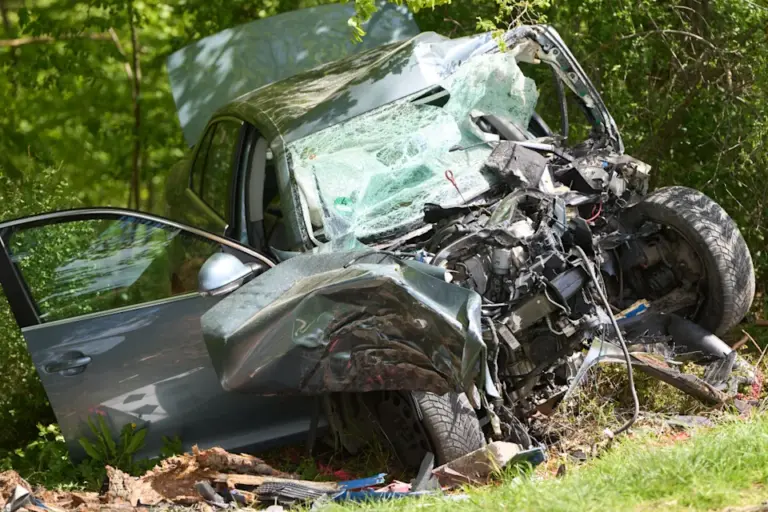
Traffic deaths in the United States are slowly trending downward. According to early estimates from the National Highway Traffic Safety Administration, 40,990 people died in vehicle crashes in 2023, a 3.6% drop from the year before. That is progress, but it does not mean every vehicle on the road carries the same level of risk.
Research has consistently shown that passengers in smaller vehicles, particularly sedans, face a higher likelihood of death in a collision compared to people riding in SUVs. But here is the thing — not all SUVs are equally safe either. Some popular models have driver death rates that might genuinely surprise you.
Stacker pulled data from the Insurance Institute for Highway Safety to identify the 30 SUVs with the highest driver death rates. Jeep and Mitsubishi show up multiple times across the list, which says something worth paying attention to if either brand is on your shopping list.
How These Death Rates Were Calculated
Before jumping into the rankings, it helps to understand what these numbers actually mean and how they were put together.
Death rates here are expressed as the number of estimated driver deaths per 1 million registered vehicle years. One registered vehicle year equals one vehicle registered for one year. The rates were also adjusted based on driver age and gender to make comparisons more accurate across different vehicle types and ownership demographics.
The IIHS released this data in May 2020. The primary comparison focused on 2017 model year vehicles, but earlier model years were included for vehicles that were not substantially redesigned during that period, giving the analysis a broader data pool to work with. Ties in overall death rate were broken by looking at rates specifically for multiple-vehicle crashes. A small number of vehicles remained tied even after that step.
One important note: luxury SUVs were not included in these rankings. Luxury models typically come equipped with more advanced safety systems and tend to perform better in fatality data, so leaving them out kept the comparison more relevant for the average car buyer.
The IIHS estimated the overall driver death rate for SUVs at about 25 per million registration years, or 19 per 10 billion vehicle miles traveled. Larger SUVs generally show the lowest death rates across all vehicle categories. All estimates were built using statistical modeling, which carries some margin of error. Each entry below includes the 95% confidence range, meaning there is a 95% chance the actual value falls within that window.
Why Bigger Vehicles Do Not Always Mean Safer Driving Conditions for Everyone Else
There is a real tension at the heart of the SUV safety story. Americans have been buying trucks and SUVs in record numbers for years, and sales data confirms that trend shows no sign of reversing. Larger vehicles do protect their own occupants better in many types of crashes. But that protection does not extend to everyone on the road.
A study from the National Bureau of Economic Research found that the likelihood of a person dying in a collision increased by 47% for every additional 1,000 pounds of weight the striking vehicle carried. In plain terms, the heavier the vehicle hitting you, the more dangerous that crash becomes for you. The person inside the SUV may walk away. The person in the sedan they hit may not.
That is a real tradeoff that does not get discussed enough when people are shopping for vehicles.
Traffic deaths have also been climbing over the last decade. The NHTSA found the rate has risen by more than 30% over the past ten years, and the pandemic appears to have accelerated that trend further. The agency has also identified that alcohol use while driving, speeding, and distracted driving are all simultaneously on the rise. Those behavioral factors interact with vehicle safety ratings in complicated ways. A well-rated vehicle driven recklessly is still dangerous. A poorly rated vehicle driven responsibly can still get you killed if someone else is not paying attention.
With that context in mind, here are the 30 SUVs with the highest driver death rates, ranked from lowest to highest.
The 30 SUVs With the Highest Driver Death Rates

#30. Toyota RAV4 2WD
The RAV4 is one of the best-selling SUVs in America, and the 2WD version lands at the bottom of this list, which is actually a good sign. Its death rate sits at the overall SUV average, and notably, all of its recorded fatalities occurred in multi-vehicle crashes rather than single-vehicle incidents or rollovers.
- Estimated driver deaths: 28 per million registered vehicle years
- 28 in multiple-vehicle crashes
- None in single-vehicle crashes
- None in single-vehicle rollovers
- 95% confidence range: 0-59
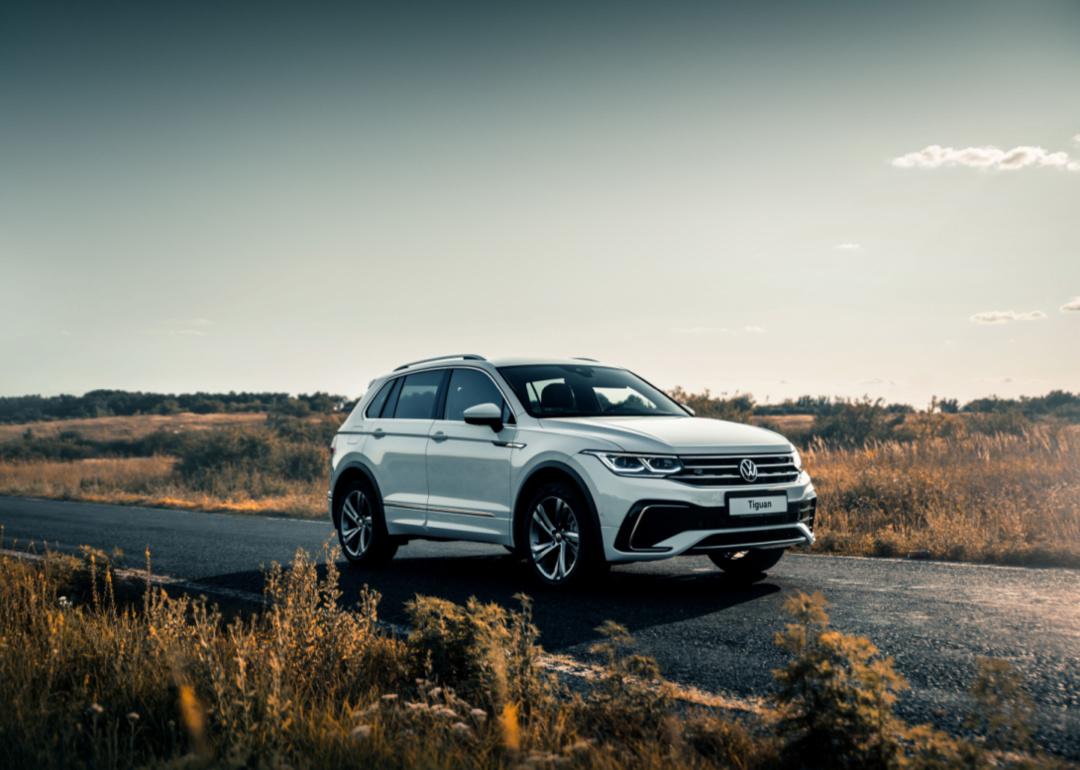
#29. Volkswagen Tiguan 4WD
The Tiguan 4WD comes in just one point higher than the RAV4, with an interesting split between multi-vehicle and single-vehicle crash deaths. No rollover fatalities were recorded, which is a positive data point for a 4WD vehicle that owners often use in rougher conditions.
- Estimated driver deaths: 29 per million registered vehicle years
- 16 in multiple-vehicle crashes
- 16 in single-vehicle crashes
- None in single-vehicle rollovers
- 95% confidence range: 0-62
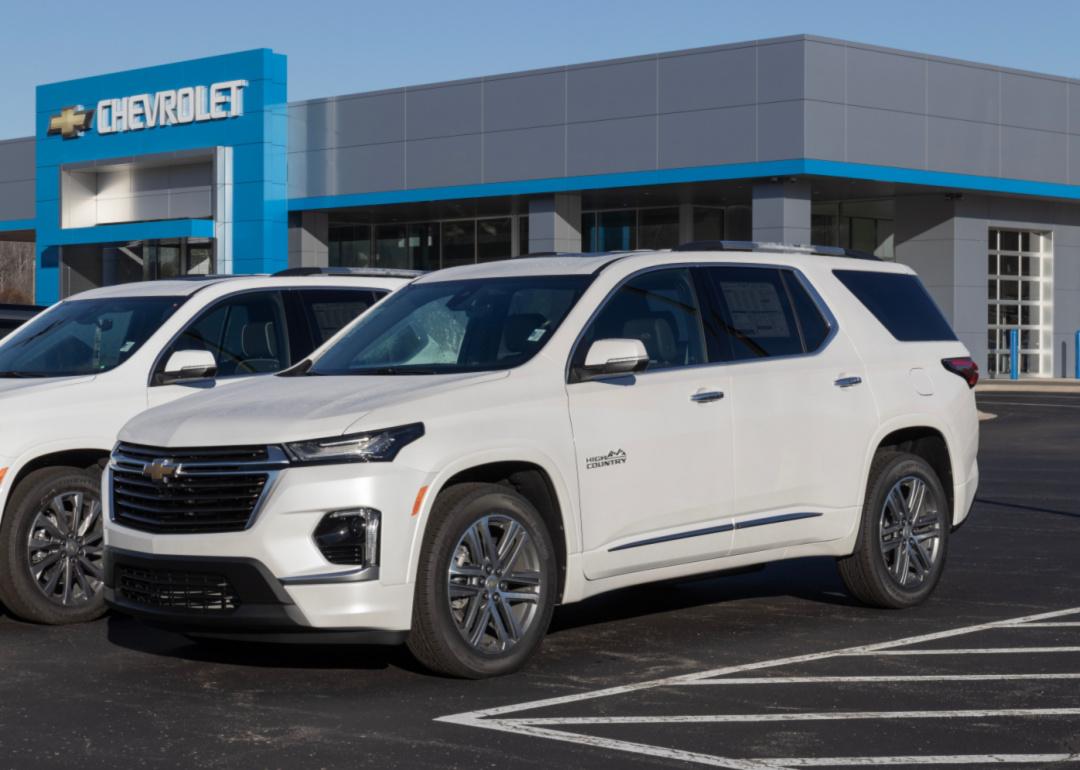
#28. Chevrolet Traverse 4WD
The Traverse is one of the larger three-row SUVs on this list, and its numbers here are relatively modest. That aligns with the general pattern that bigger SUVs tend to protect their drivers better. Its death rate matches the Tiguan at 29, though it shows a slightly different crash type breakdown.
- Estimated driver deaths: 29 per million registered vehicle years
- 19 in multiple-vehicle crashes
- 9 in single-vehicle crashes
- 2 in single-vehicle rollovers
- 95% confidence range: 9-49
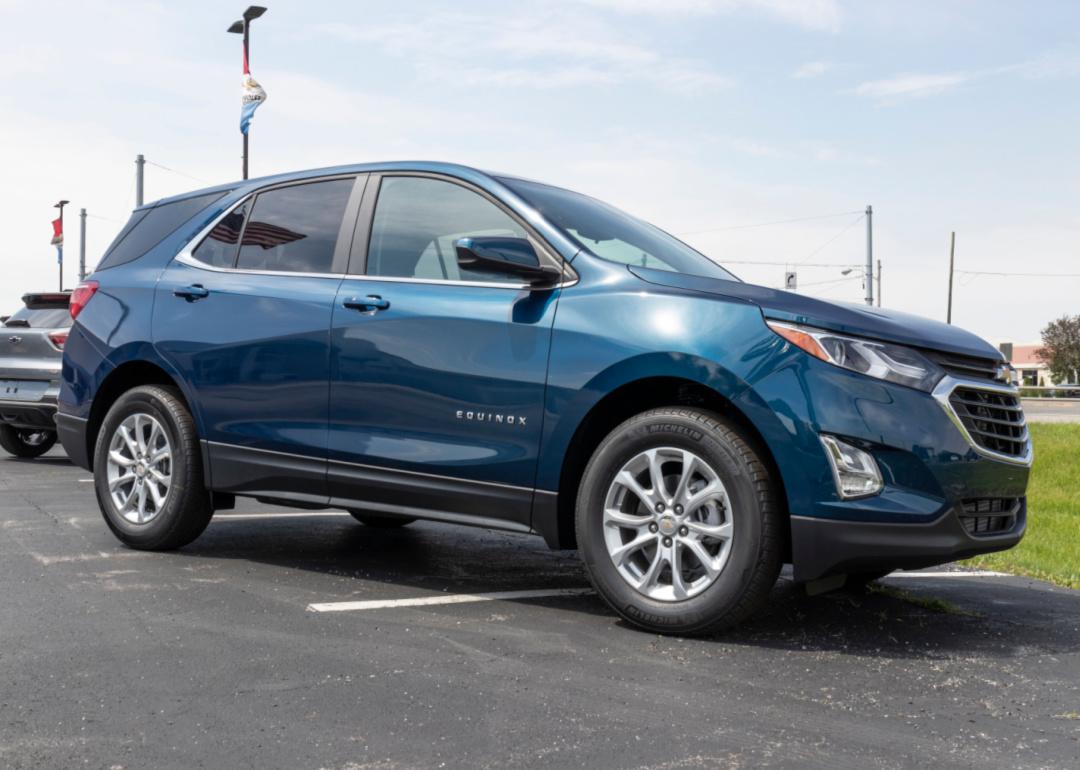
#27. Chevrolet Equinox 4WD
The Equinox 4WD and the Traverse share the same overall death rate estimate, but the Equinox is a significantly smaller vehicle. Seeing it perform comparably to its bigger sibling is notable. The 4WD configuration here appears to provide meaningful stability compared to the 2WD Equinox, which appears later in the list with a considerably higher death rate.
- Estimated driver deaths: 29 per million registered vehicle years
- 20 in multiple-vehicle crashes
- 9 in single-vehicle crashes
- 2 in single-vehicle rollovers
- 95% confidence range: 15-43
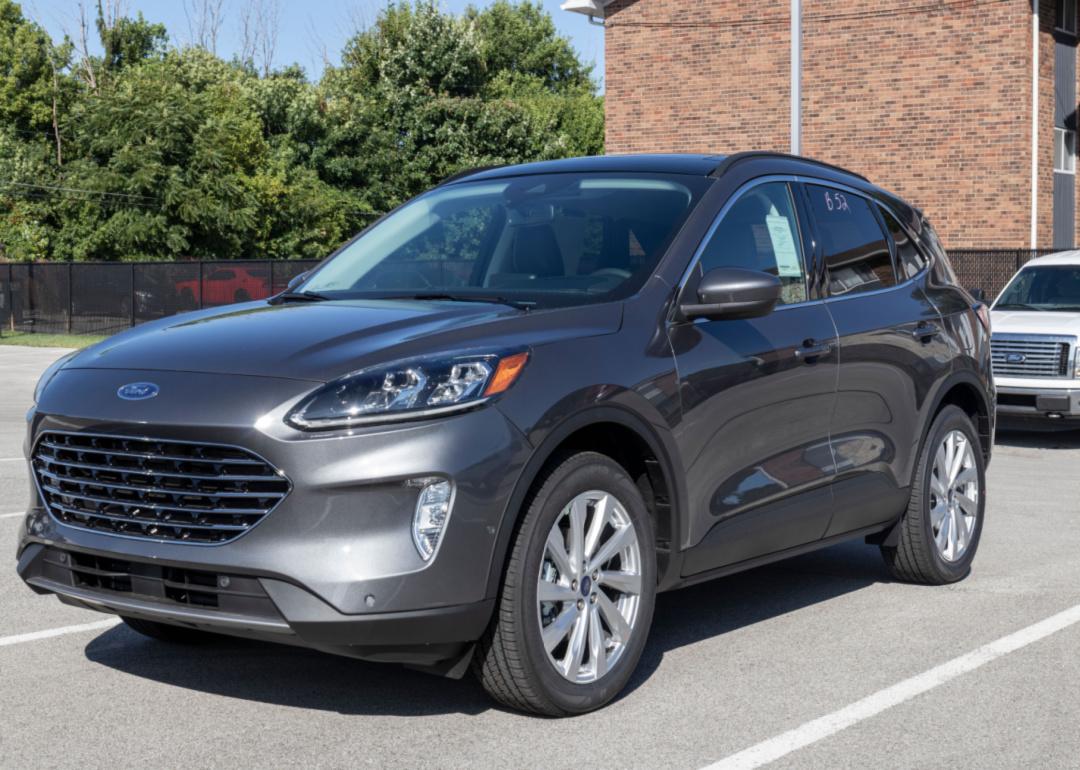
#26. Ford Escape 2WD
The Ford Escape 2WD rounds out the group sitting at 29 estimated deaths per million registered vehicle years. It is a compact SUV that sells in large numbers, and its position near the bottom of this list is generally reassuring for current owners. Most of its fatalities came from multi-vehicle crashes rather than single-vehicle incidents.
- Estimated driver deaths: 29 per million registered vehicle years
- 22 in multiple-vehicle crashes
- 6 in single-vehicle crashes
- 2 in single-vehicle rollovers
- 95% confidence range: 20-38
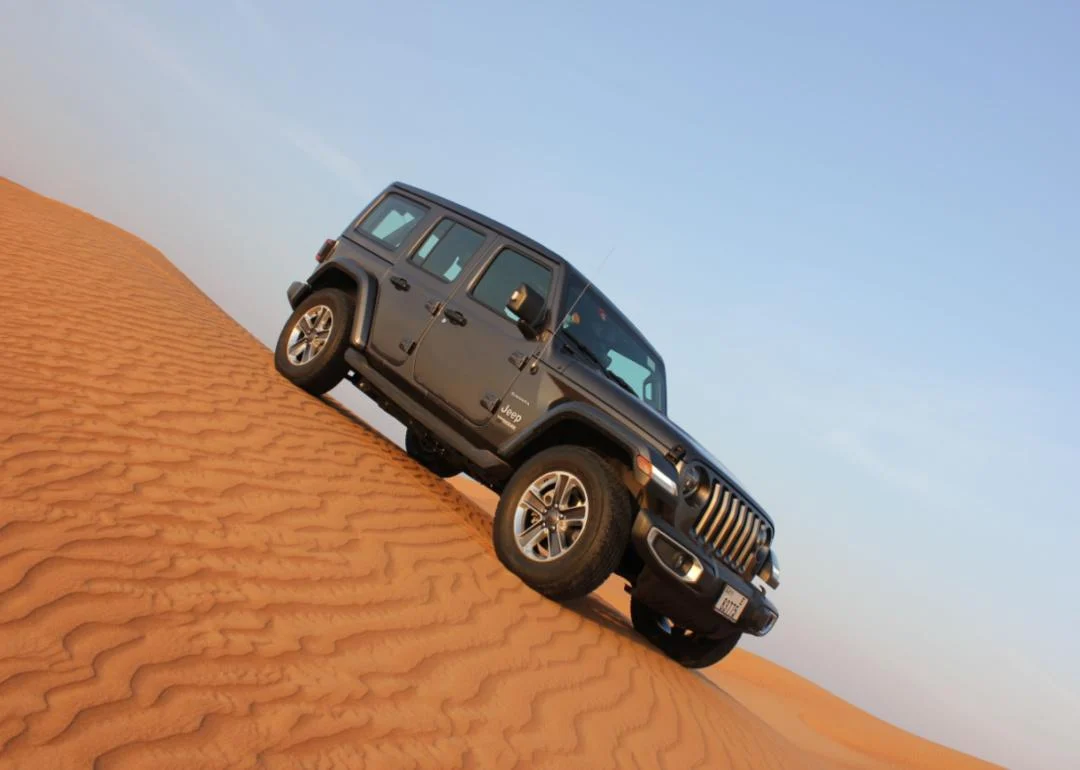
#25. Jeep Wrangler 4-Door 4WD
Here is where the Jeep story starts. The 4-door Wrangler 4WD comes in at 31 estimated deaths per million registered vehicle years. What stands out in its breakdown is the rollover figure. Ten of the 31 estimated deaths involved single-vehicle rollovers. The Wrangler’s tall, narrow body and high center of gravity are well-known engineering tradeoffs that come with its off-road capability, and those characteristics show up in the data.
- Estimated driver deaths: 31 per million registered vehicle years
- 15 in multiple-vehicle crashes
- 17 in single-vehicle crashes
- 10 in single-vehicle rollovers
- 95% confidence range: 21-41
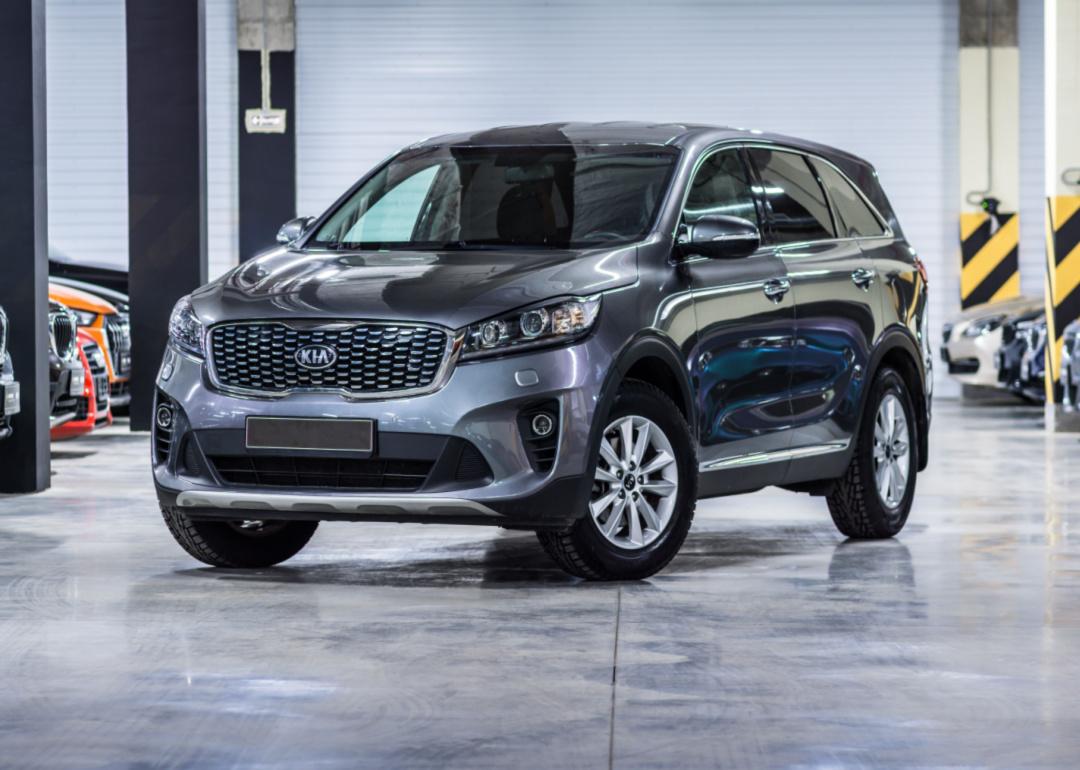
#24. Kia Sorento 2WD
The Kia Sorento 2WD posts 32 estimated deaths per million registered vehicle years. Its split between multi-vehicle and single-vehicle crashes leans heavily toward single-vehicle incidents, which is worth noting for anyone who drives this model frequently in varied conditions.
- Estimated driver deaths: 32 per million registered vehicle years
- 12 in multiple-vehicle crashes
- 22 in single-vehicle crashes
- None in single-vehicle rollovers
- 95% confidence range: 5-58

#23. Ford Explorer 2WD
The Explorer is one of the most recognized SUV names in America. Its 2WD version sits at 33 estimated deaths per million registered vehicle years, with a mix of multi-vehicle and single-vehicle crash types. Six of those deaths involved rollovers, which is worth noting for a vehicle of this size and popularity.
- Estimated driver deaths: 33 per million registered vehicle years
- 21 in multiple-vehicle crashes
- 11 in single-vehicle crashes
- 6 in single-vehicle rollovers
- 95% confidence range: 8-58
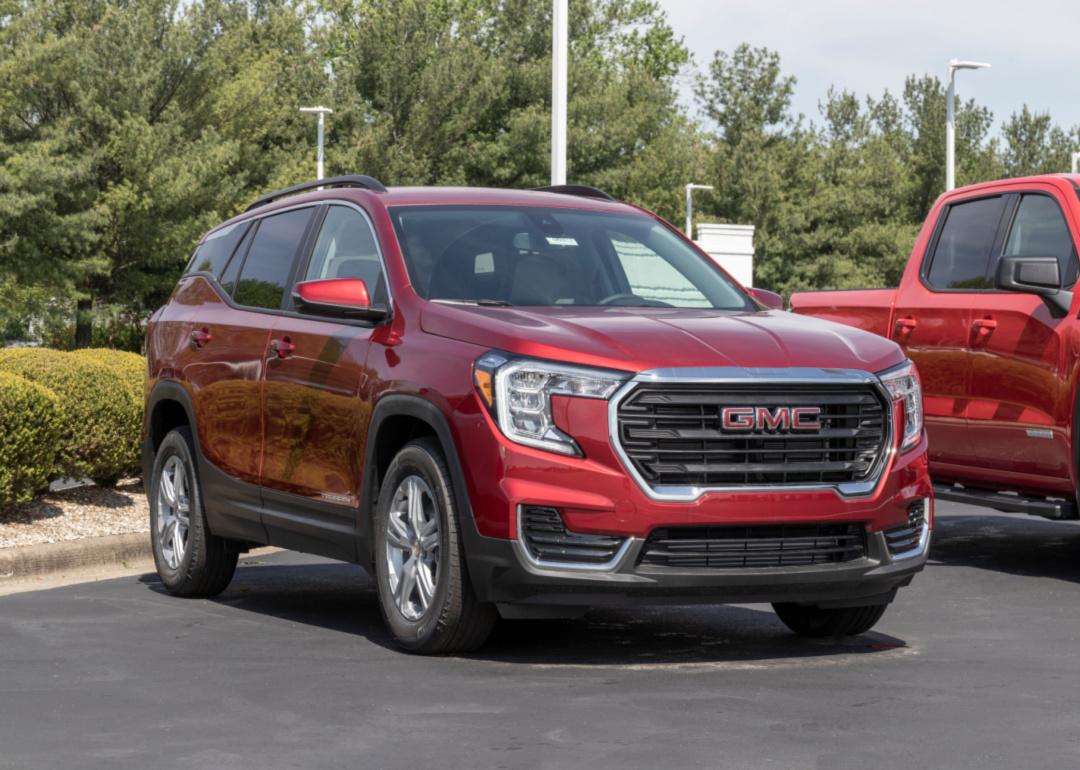
#22. GMC Terrain 2WD
The GMC Terrain 2WD ties the Explorer at 33 estimated deaths per million registered vehicle years. The breakdown shows that the overwhelming majority of its recorded fatal crashes were multi-vehicle collisions, with only minimal contribution from rollovers.
- Estimated driver deaths: 33 per million registered vehicle years
- 22 in multiple-vehicle crashes
- 10 in single-vehicle crashes
- 1 in single-vehicle rollovers
- 95% confidence range: 16-51
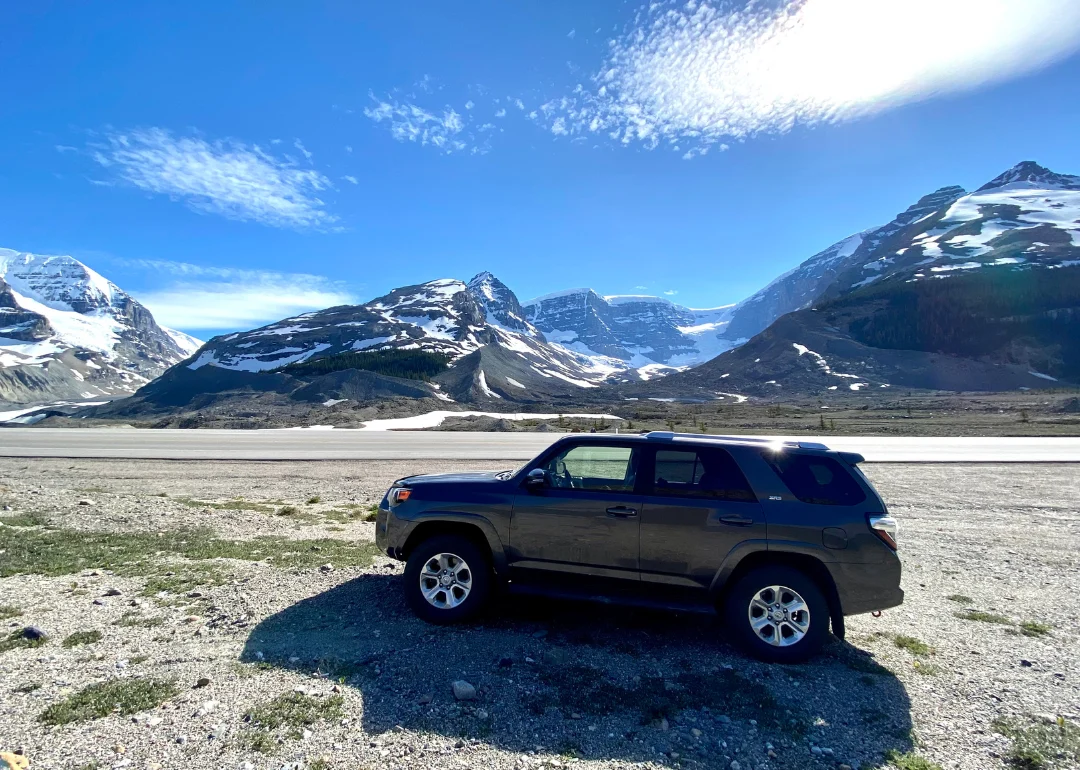
#21. Toyota 4Runner 2WD
The 4Runner is a body-on-frame SUV with a loyal following, often chosen for its off-road capability and long-term durability. The 2WD version posts 34 estimated deaths per million registered vehicle years, and interestingly, no rollover fatalities were recorded despite the 4Runner’s taller, more upright body style.
- Estimated driver deaths: 34 per million registered vehicle years
- 23 in multiple-vehicle crashes
- 10 in single-vehicle crashes
- None in single-vehicle rollovers
- 95% confidence range: 0-67
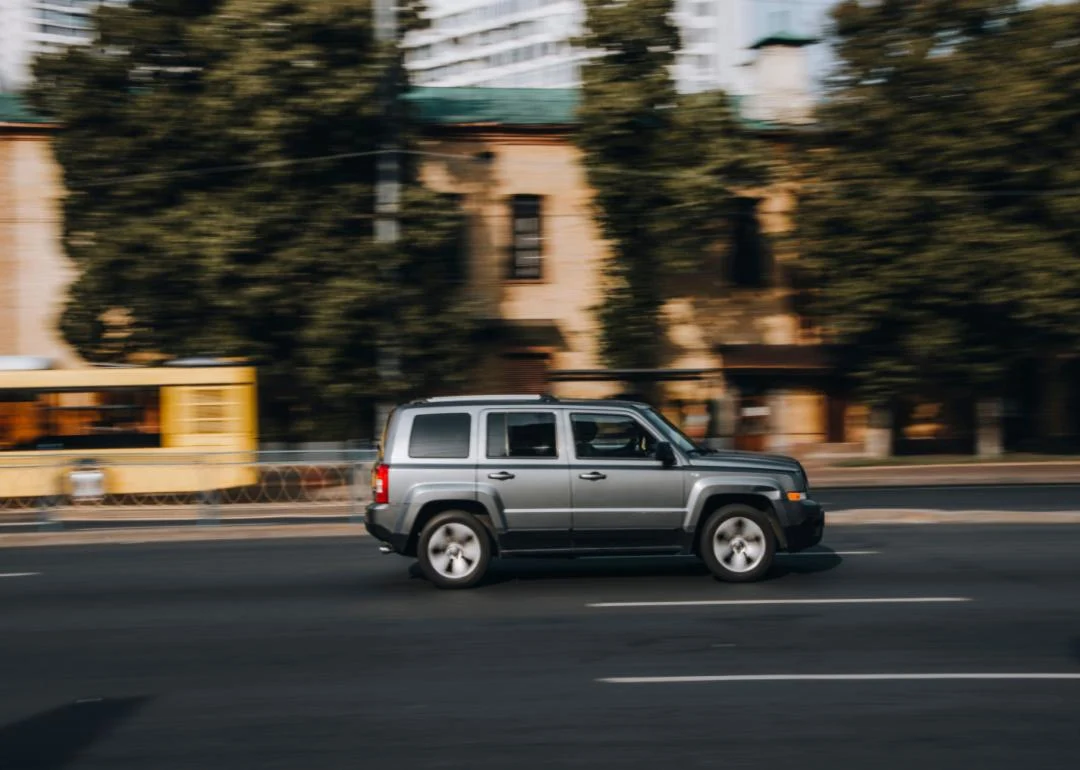
#20. Jeep Patriot 4WD
The Jeep Patriot was discontinued after the 2017 model year, but used examples are still on the road in significant numbers. The 4WD version shows 36 estimated deaths per million registered vehicle years. It will not be the last time the Patriot appears in this list. The 2WD version shows up much higher with considerably worse numbers.
- Estimated driver deaths: 36 per million registered vehicle years
- 24 in multiple-vehicle crashes
- 12 in single-vehicle crashes
- 2 in single-vehicle rollovers
- 95% confidence range: 18-54
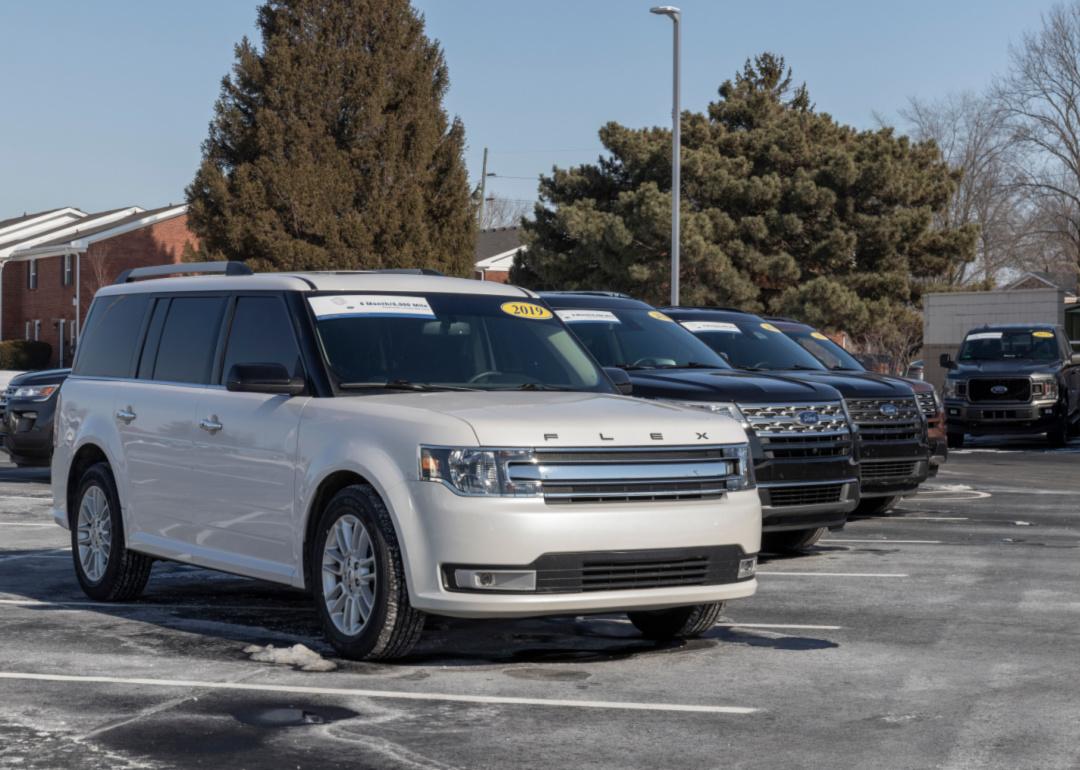
#19. Ford Flex 2WD
The Ford Flex was a crossover wagon that Ford sold between 2009 and 2019. It never had the sales volume of the Explorer or Escape, which may partly explain the wide confidence interval on its death rate estimate. All 38 estimated deaths per million registered vehicle years came from multi-vehicle crashes, with zero recorded single-vehicle or rollover fatalities.
- Estimated driver deaths: 38 per million registered vehicle years
- 38 in multiple-vehicle crashes
- None in single-vehicle crashes
- None in single-vehicle rollovers
- 95% confidence range: 0-75
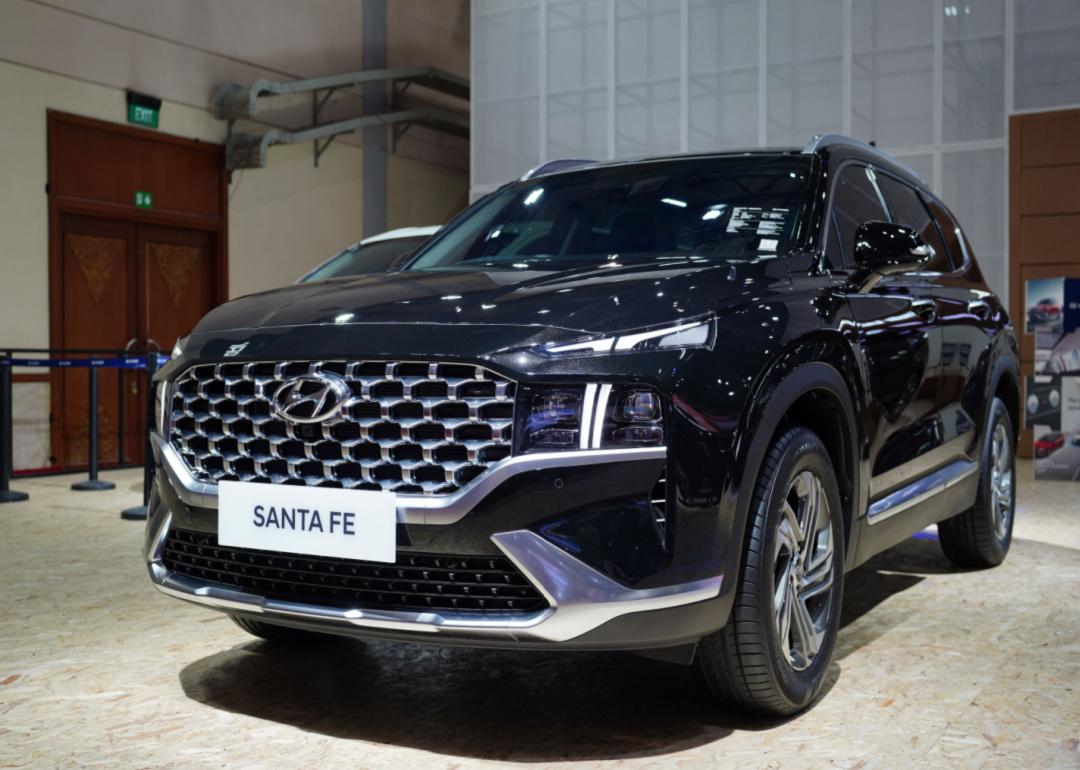
#18. Hyundai Santa Fe Sport 4WD
The Santa Fe Sport 4WD is the first vehicle on this list where single-vehicle crashes significantly outweigh multi-vehicle crashes in estimated fatalities. Thirty-five of the 39 estimated deaths came from single-vehicle incidents, and 15 of those involved rollovers. That is a pattern worth noting for anyone who drives this model aggressively or in challenging weather conditions.
- Estimated driver deaths: 39 per million registered vehicle years
- 9 in multiple-vehicle crashes
- 35 in single-vehicle crashes
- 15 in single-vehicle rollovers
- 95% confidence range: 8-69
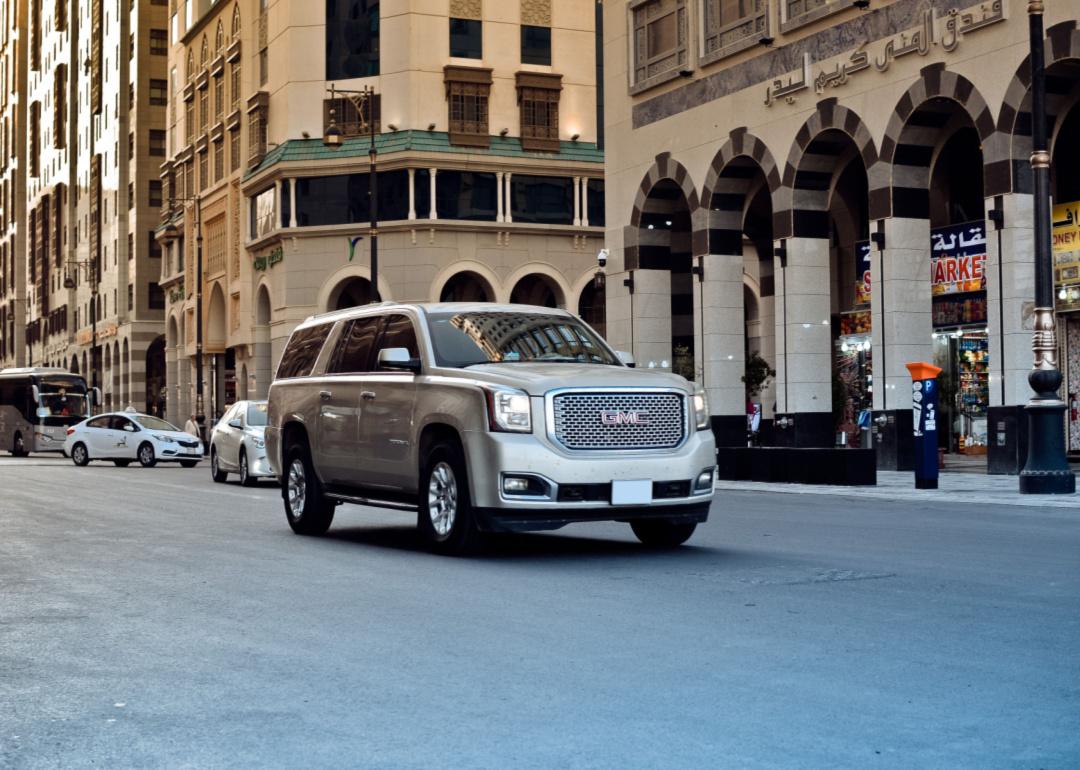
#17. GMC Yukon 2WD
The GMC Yukon is a full-size SUV, and its presence this high on the list is somewhat unexpected given that larger SUVs generally show lower death rates. The 2WD Yukon posts 40 estimated deaths, and every single one came from single-vehicle crashes. Not one multi-vehicle crash fatality was recorded, which is an unusual distribution. The wide confidence range here reflects the smaller sample size available for this configuration.
- Estimated driver deaths: 40 per million registered vehicle years
- 0 in multiple-vehicle crashes
- 40 in single-vehicle crashes
- 26 in single-vehicle rollovers
- 95% confidence range: 0-88
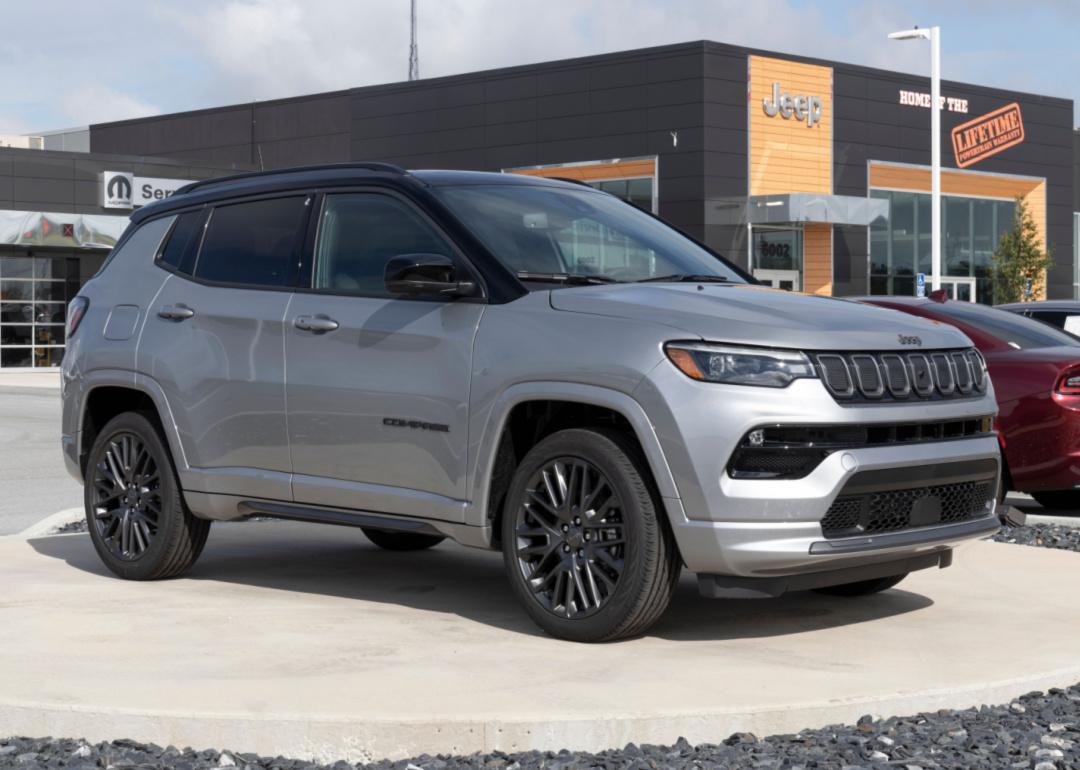
#16. Jeep Compass 4WD
The Jeep Compass 4WD ties the Yukon at 40 estimated deaths per million registered vehicle years, but with a much more even split across crash types. Eight rollover deaths are recorded, which is consistent with the Compass’s relatively compact, higher-riding body. Like the Patriot, the Compass also shows up again later in the list in its 2WD form with higher numbers.
- Estimated driver deaths: 40 per million registered vehicle years
- 21 in multiple-vehicle crashes
- 20 in single-vehicle crashes
- 8 in single-vehicle rollovers
- 95% confidence range: 15-64
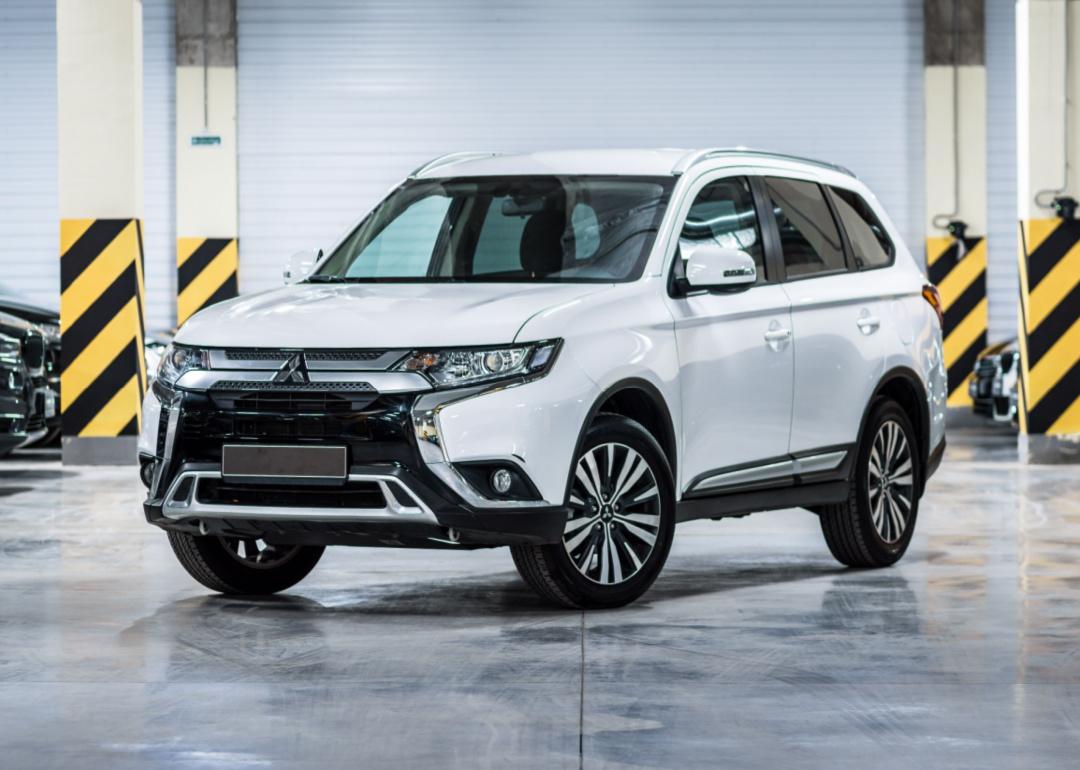
#15. Mitsubishi Outlander Sport 2WD
Here is where Mitsubishi enters the picture. The Outlander Sport 2WD checks in at 43 estimated deaths per million registered vehicle years. Twelve of those fatalities involved rollovers, which is notable for a vehicle in the subcompact SUV class. The Outlander Sport 4WD appears near the very top of this list, making Mitsubishi one of the more concerning brands in this entire dataset.
- Estimated driver deaths: 43 per million registered vehicle years
- 32 in multiple-vehicle crashes
- 12 in single-vehicle crashes
- 12 in single-vehicle rollovers
- 95% confidence range: 9-77
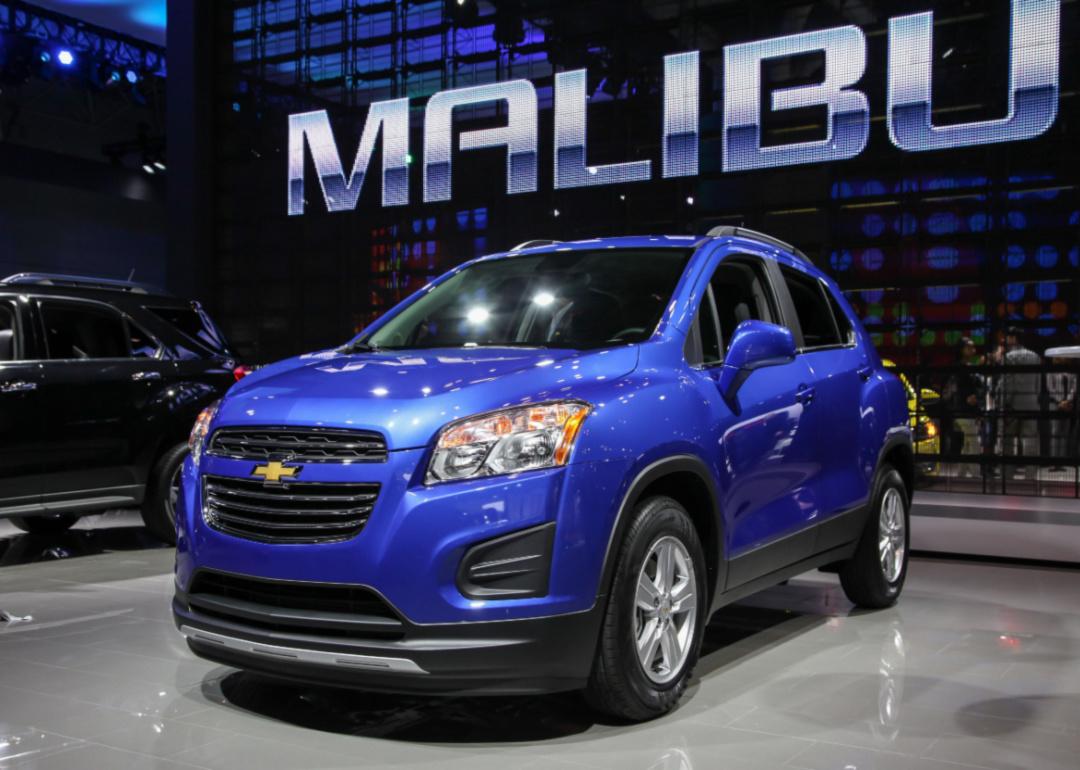
#14. Chevrolet Trax 4WD
The Chevrolet Trax 4WD lands at 45 estimated deaths per million registered vehicle years. The single-vehicle crash figure here is higher than the multi-vehicle number, which is uncommon across the list. The 2WD Trax sits at number one overall with the highest death rate of any SUV in this entire ranking. There is a clear and meaningful difference between the two configurations.
- Estimated driver deaths: 45 per million registered vehicle years
- 15 in multiple-vehicle crashes
- 33 in single-vehicle crashes
- None in single-vehicle rollovers
- 95% confidence range: 2-88
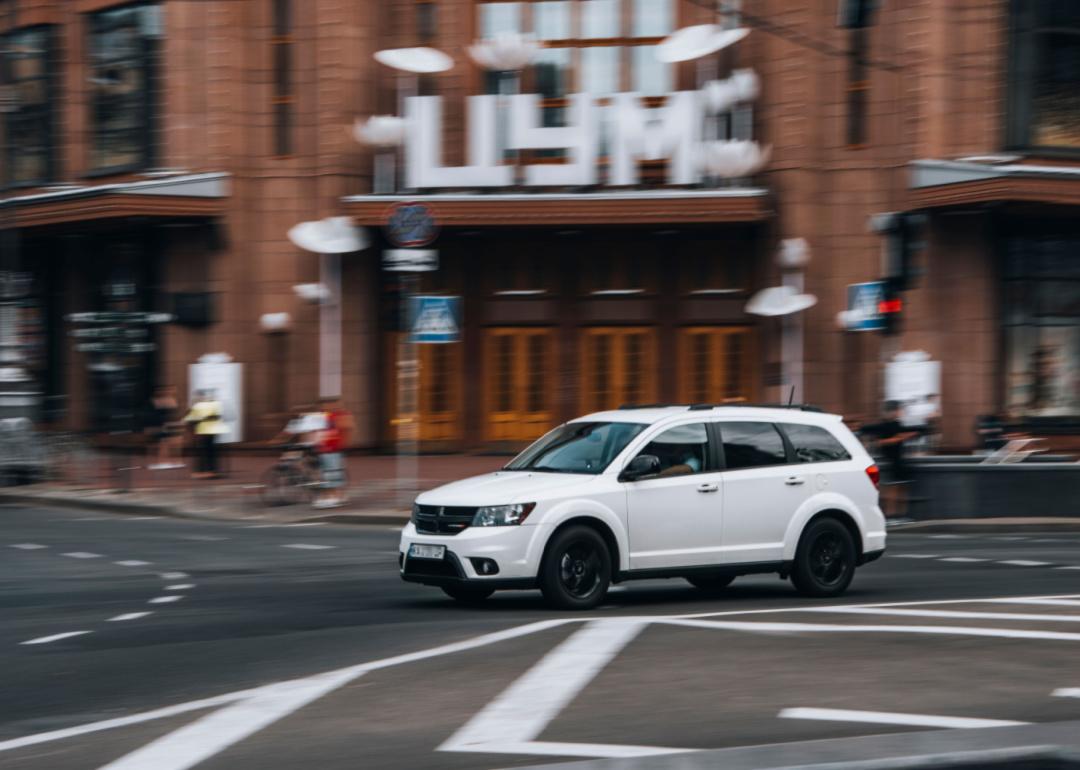
#13. Dodge Journey 2WD
The Dodge Journey was discontinued in 2020, but it spent a long time in production and remains common on used car lots. At 45 estimated deaths per million registered vehicle years, its numbers are not great, and 12 of those deaths involved single-vehicle rollovers. For a vehicle that was often marketed as a family SUV, that rollover number deserves attention.
- Estimated driver deaths: 45 per million registered vehicle years
- 26 in multiple-vehicle crashes
- 19 in single-vehicle crashes
- 12 in single-vehicle rollovers
- 95% confidence range: 25-65
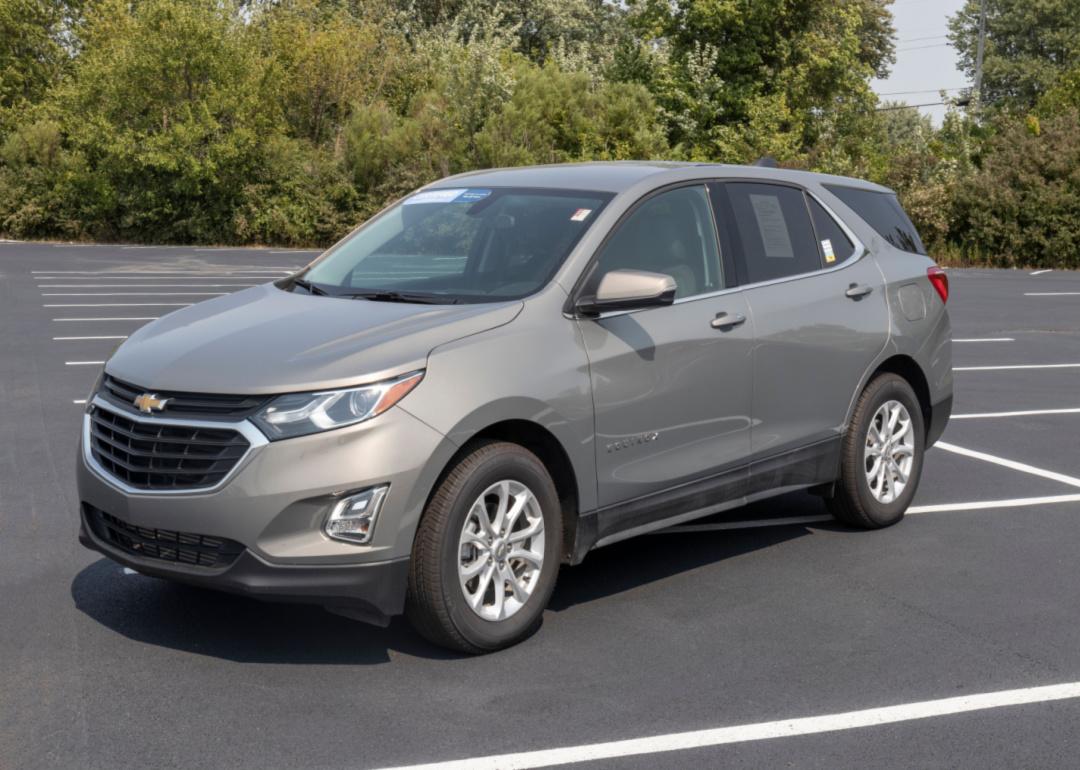
#12. Chevrolet Equinox 2WD
Here is a striking comparison worth pausing on. The Equinox 4WD was ranked #27 with 29 estimated deaths. The 2WD version lands at #12 with 45. That is a significant jump for the same basic vehicle, and it suggests that the 4WD system provides a meaningful safety benefit in real-world driving conditions. If you are shopping for an Equinox, this data point alone is worth taking seriously.
- Estimated driver deaths: 45 per million registered vehicle years
- 32 in multiple-vehicle crashes
- 12 in single-vehicle crashes
- 6 in single-vehicle rollovers
- 95% confidence range: 33-57
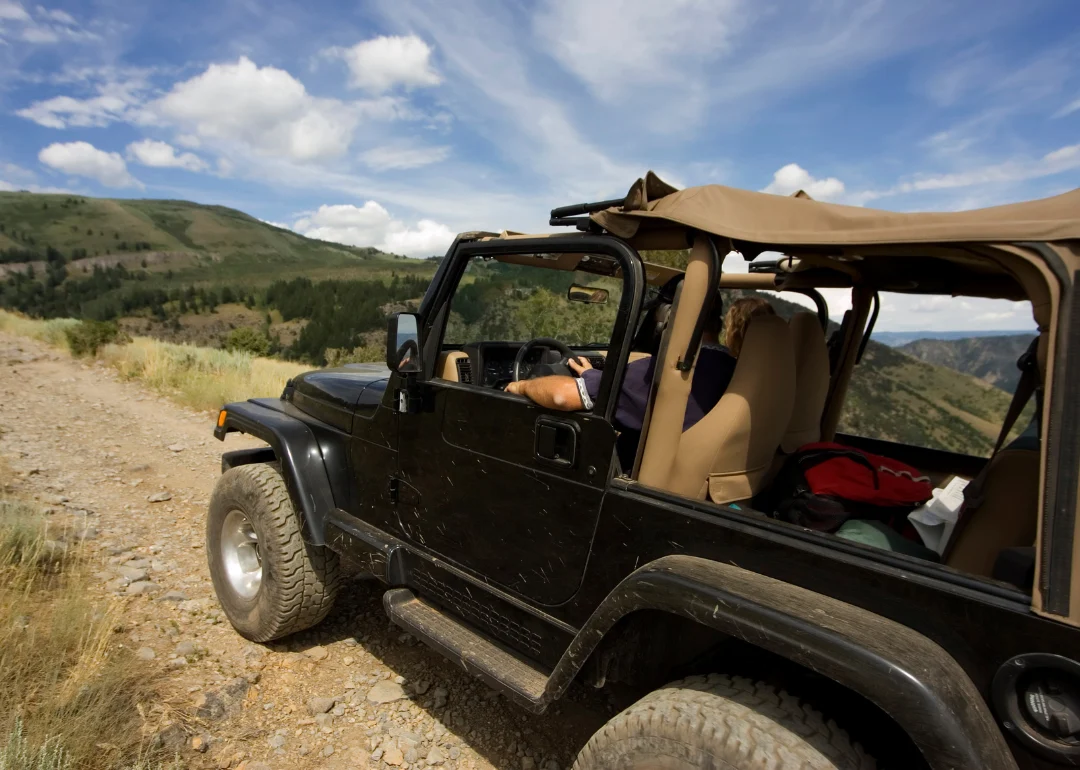
#11. Jeep Wrangler 2-Door 4WD
The 2-door Wrangler 4WD comes in worse than its 4-door sibling, which appeared at #25. At 46 estimated deaths per million registered vehicle years, it also shows a significantly higher proportion of rollover deaths. Twenty of the 46 estimated fatalities involved single-vehicle rollovers. The Wrangler’s body design, intended for serious off-road use, creates real on-road stability risks that show clearly in this data.
- Estimated driver deaths: 46 per million registered vehicle years
- 23 in multiple-vehicle crashes
- 23 in single-vehicle crashes
- 20 in single-vehicle rollovers
- 95% confidence range: 25-68
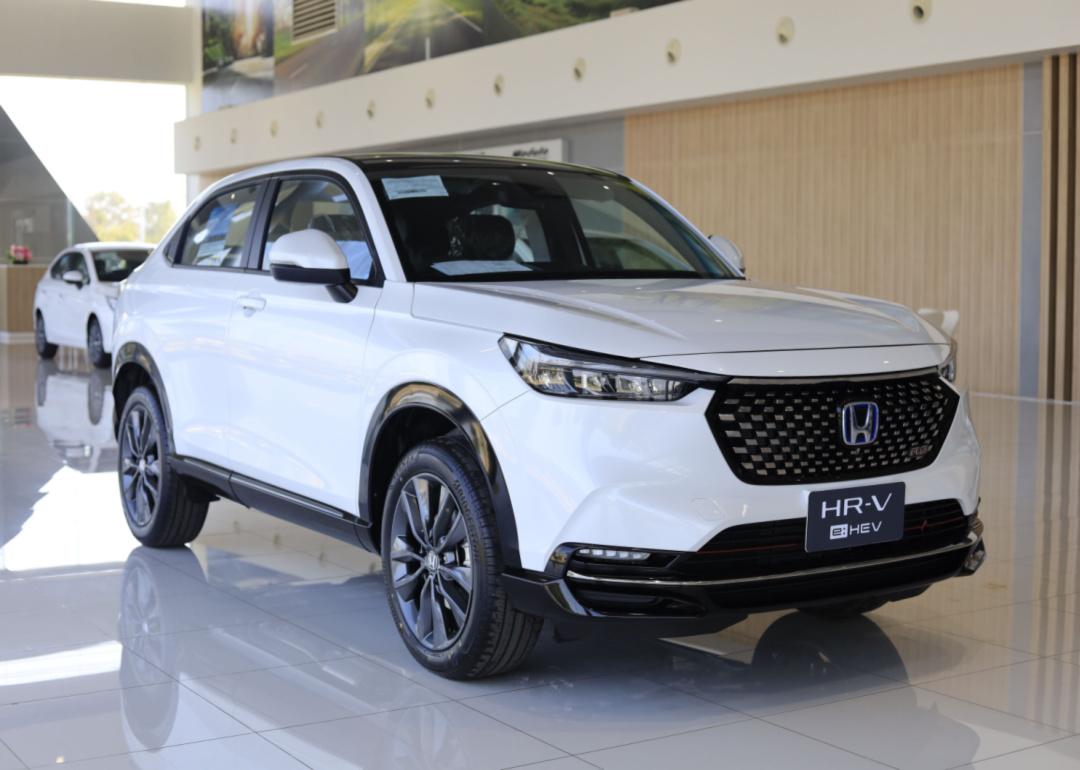
#10. Honda HR-V 2WD
The Honda HR-V is a popular subcompact SUV that has sold well due to its practicality and brand reputation. Seeing it crack the top ten here with 50 estimated deaths per million registered vehicle years is the kind of finding that challenges assumptions about Honda’s safety reputation. The wide confidence range here is worth noting, as the HR-V had a relatively limited sales window during the data collection period.
- Estimated driver deaths: 50 per million registered vehicle years
- 36 in multiple-vehicle crashes
- 11 in single-vehicle crashes
- 6 in single-vehicle rollovers
- 95% confidence range: 4-95
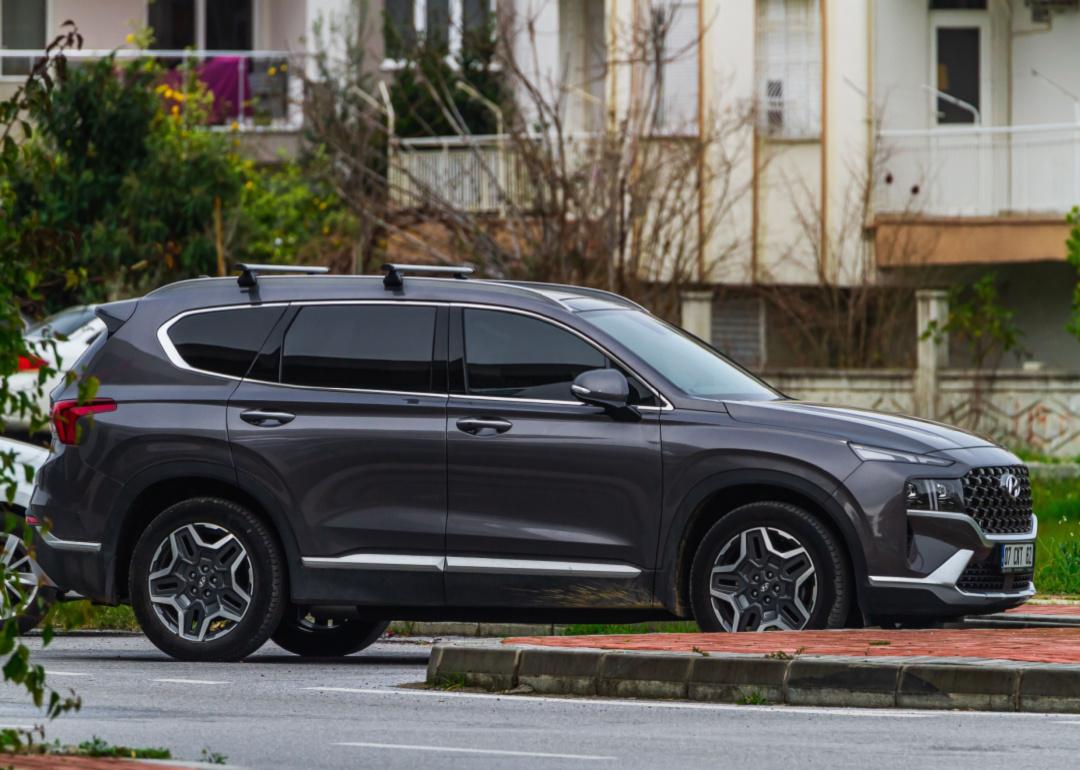
#9. Hyundai Santa Fe Sport 2WD
The Santa Fe Sport 2WD posts 51 estimated deaths per million registered vehicle years, with a dead-even split between multi-vehicle and single-vehicle crashes. Fifteen rollover deaths are included in that total. Compare this to the 4WD version at #18 and you are seeing the same pattern that appeared with the Equinox. The 2WD configuration consistently performs worse in these rankings.
- Estimated driver deaths: 51 per million registered vehicle years
- 26 in multiple-vehicle crashes
- 26 in single-vehicle crashes
- 15 in single-vehicle rollovers
- 95% confidence range: 24-78
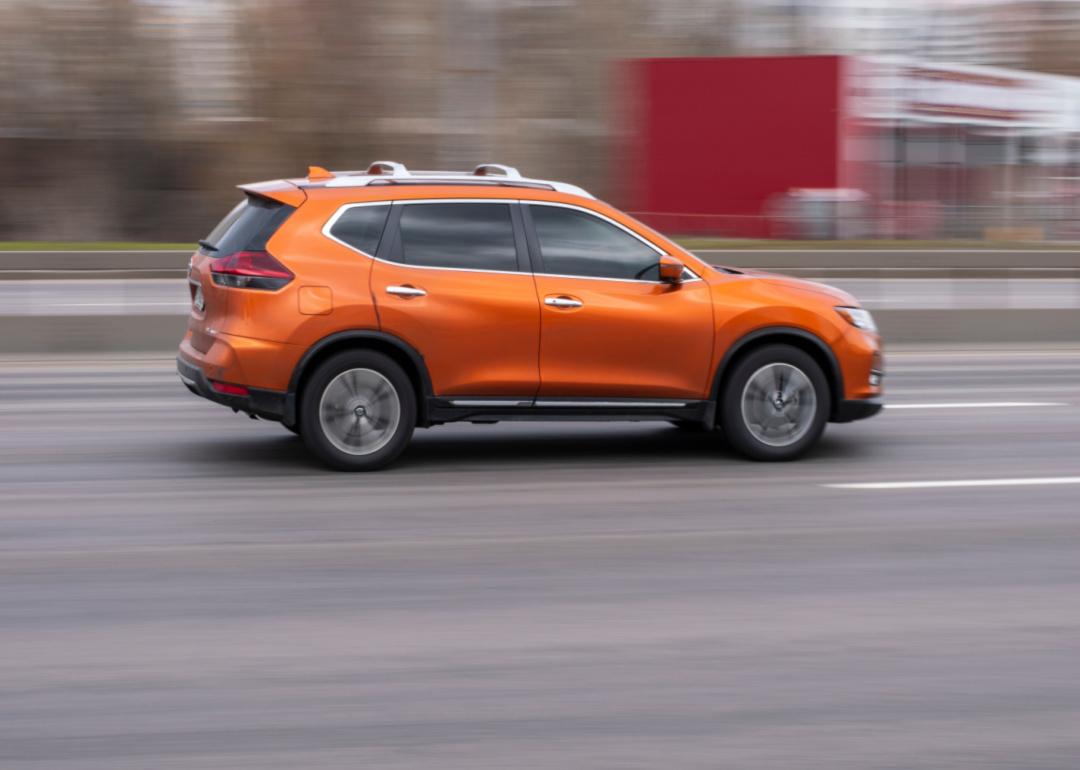
#8. Nissan Rogue 2WD
The Nissan Rogue has been one of the best-selling SUVs in the country for several years running. At 51 estimated deaths per million registered vehicle years for the 2WD version, it ties the Santa Fe Sport 2WD but breaks the tie via its multi-vehicle crash figure, which places it higher. Most of its recorded fatalities came from multi-vehicle crashes rather than single-vehicle incidents.
- Estimated driver deaths: 51 per million registered vehicle years
- 38 in multiple-vehicle crashes
- 11 in single-vehicle crashes
- 1 in single-vehicle rollovers
- 95% confidence range: 32-70
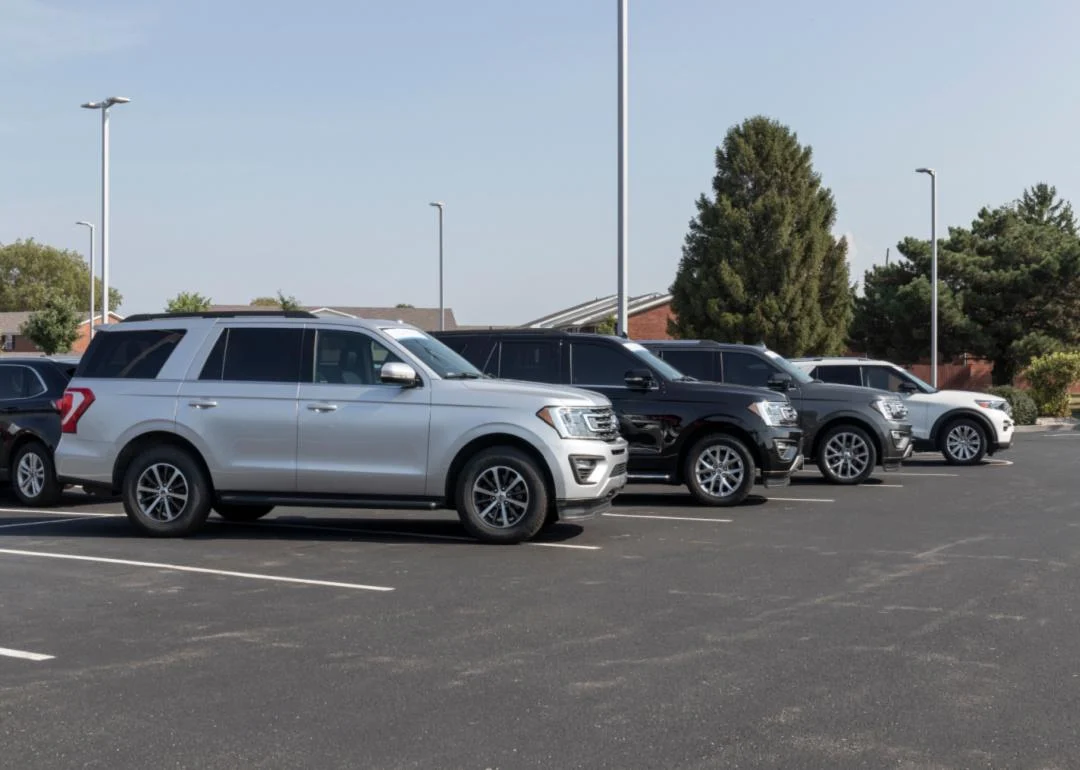
#7. Ford Expedition 2WD
The Ford Expedition is a full-size body-on-frame SUV, the kind you would expect to perform well in a crash. But the 2WD version shows 55 estimated deaths per million registered vehicle years, which is higher than many smaller models on this list. Single-vehicle crashes account for the majority of those deaths, with 15 involving rollovers. The 2WD designation on a vehicle this large raises practical questions about real-world stability and control.
- Estimated driver deaths: 55 per million registered vehicle years
- 24 in multiple-vehicle crashes
- 29 in single-vehicle crashes
- 15 in single-vehicle rollovers
- 95% confidence range: 5-104
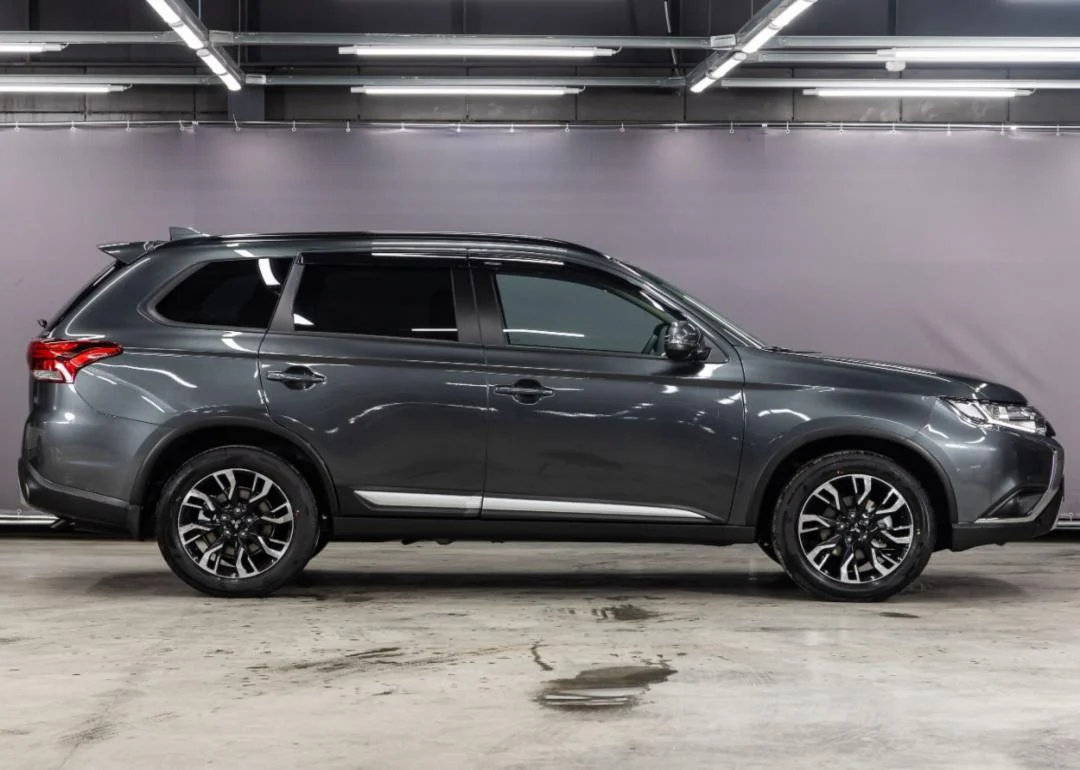
#6. Mitsubishi Outlander 2WD
Mitsubishi shows up again at #6 with the larger Outlander in 2WD form. At 55 estimated deaths per million registered vehicle years, it ties the Expedition but lands higher because of its multi-vehicle crash breakdown. Fifteen rollover deaths are recorded here, which is a significant share of the total for a mainstream mid-size SUV.
- Estimated driver deaths: 55 per million registered vehicle years
- 31 in multiple-vehicle crashes
- 22 in single-vehicle crashes
- 15 in single-vehicle rollovers
- 95% confidence range: 5-104
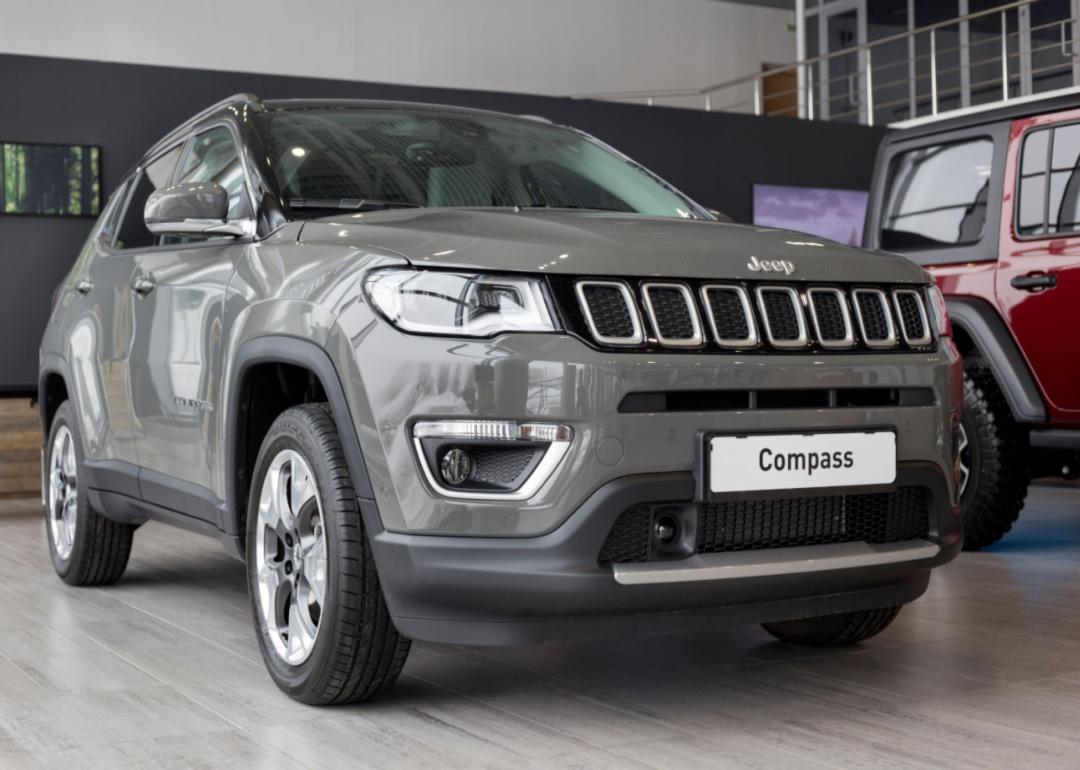
#5. Jeep Compass 2WD
Jeep is now three models deep in the top half of this list. The Compass 2WD shares a 55 estimated death rate with the Outlander and Expedition but ranks higher due to its multi-vehicle crash figure. All 40 of its multi-vehicle crash deaths push it above the others in the tiebreak. No rollover deaths were recorded for this configuration, which is one of the few bright spots in an otherwise concerning entry.
- Estimated driver deaths: 55 per million registered vehicle years
- 40 in multiple-vehicle crashes
- 15 in single-vehicle crashes
- None in single-vehicle rollovers
- 95% confidence range: 25-85
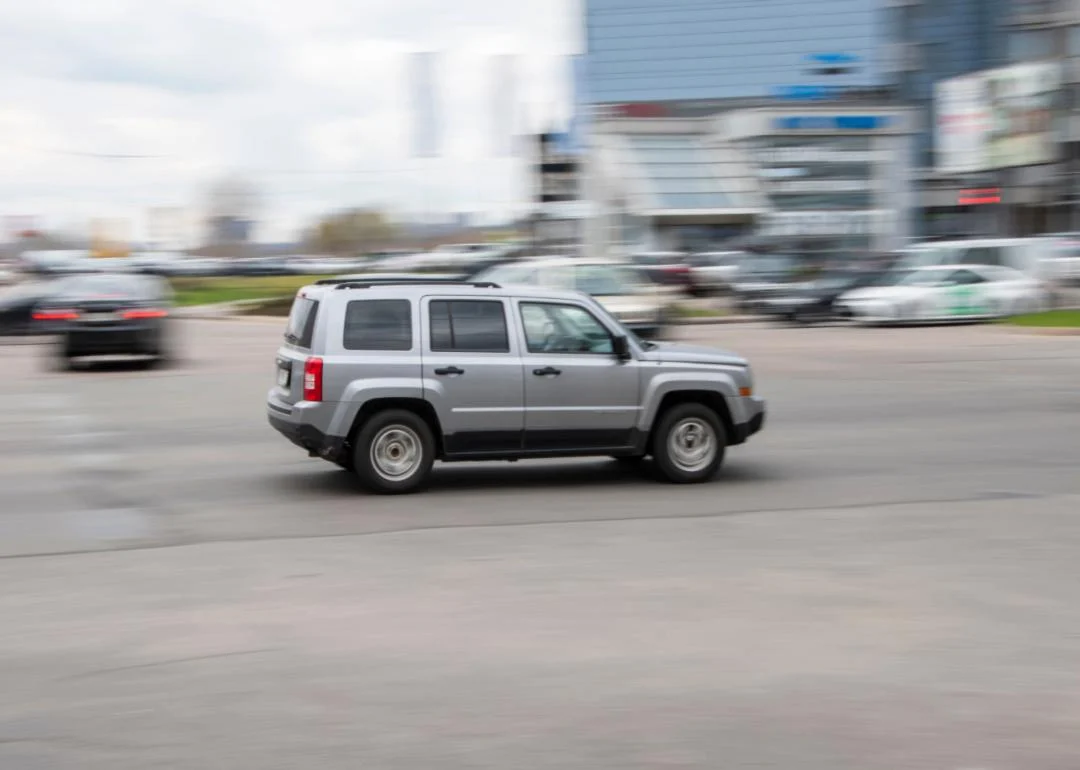
#4. Jeep Patriot 2WD
The Jeep Patriot 2WD is one of the more alarming entries on this list. At 60 estimated deaths per million registered vehicle years, it is well above the SUV average of 25. Almost all of its recorded fatalities came from multi-vehicle crashes. It is a discontinued model, but if you are browsing used car listings and considering a Patriot, these numbers are worth factoring into your decision.
- Estimated driver deaths: 60 per million registered vehicle years
- 49 in multiple-vehicle crashes
- 8 in single-vehicle crashes
- 5 in single-vehicle rollovers
- 95% confidence range: 35-85
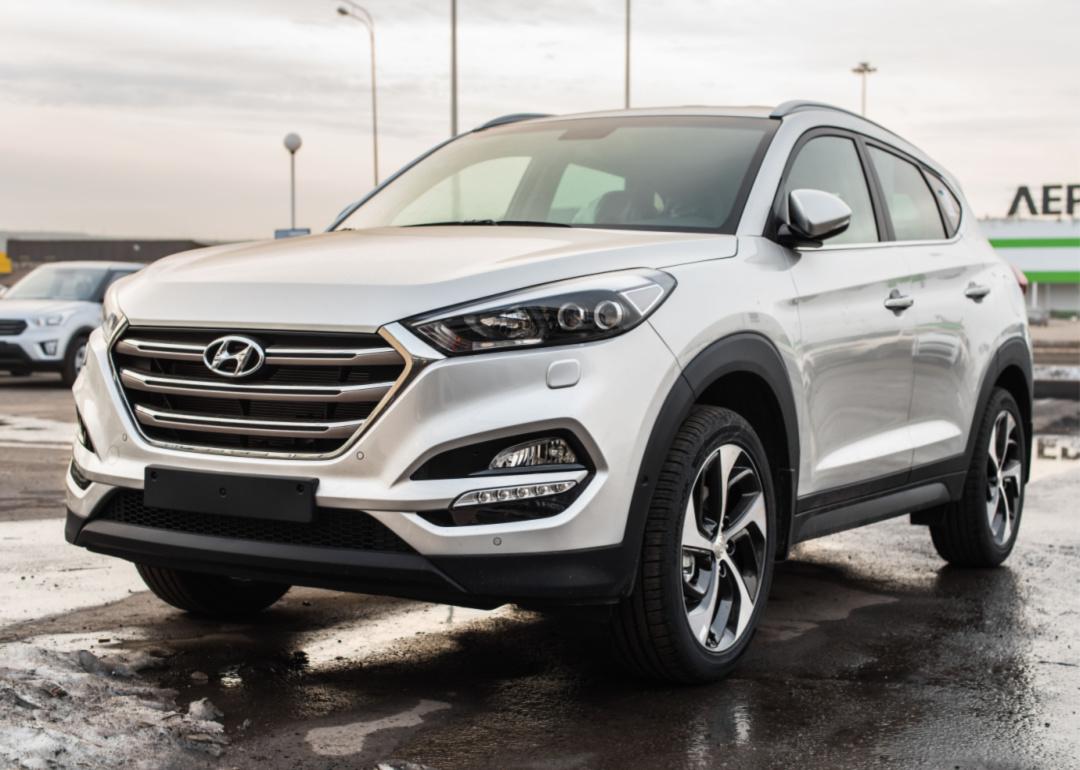
#3. Hyundai Tucson 2WD
The Hyundai Tucson 2WD takes the third spot overall with 61 estimated deaths per million registered vehicle years. That is more than double the average for the entire SUV category. Its death rate breakdown shows a heavy lean toward multi-vehicle crashes, with nine rollover deaths also recorded. The Tucson is one of Hyundai’s best-selling models, which makes this ranking harder to overlook.
- Estimated driver deaths: 61 per million registered vehicle years
- 37 in multiple-vehicle crashes
- 21 in single-vehicle crashes
- 9 in single-vehicle rollovers
- 95% confidence range: 18-103
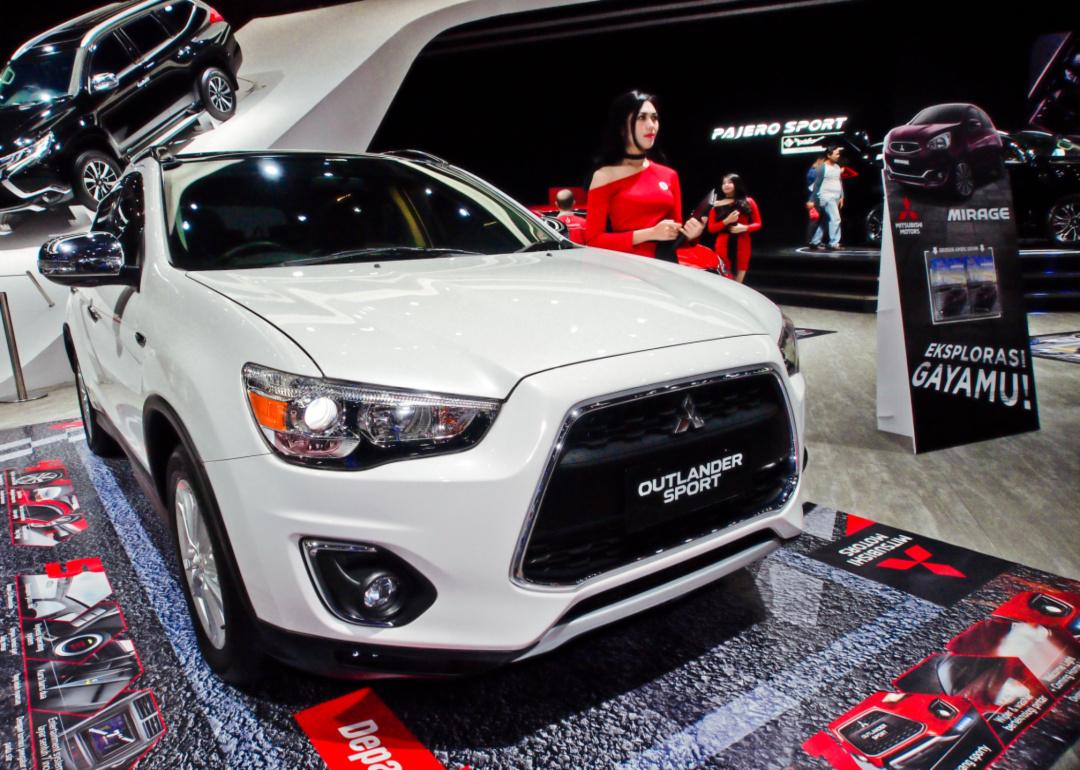
#2. Mitsubishi Outlander Sport 4WD
The Mitsubishi Outlander Sport 4WD claims the second-worst driver death rate in this entire dataset at 67 estimated deaths per million registered vehicle years. That is nearly three times the overall SUV average. The 4WD version of this vehicle performs far worse than the 2WD model that appeared at #15, which is the opposite of the pattern seen with vehicles like the Equinox and Santa Fe. Forty-five of the 67 deaths came from multi-vehicle crashes, with another 21 in single-vehicle crashes.
- Estimated driver deaths: 67 per million registered vehicle years
- 45 in multiple-vehicle crashes
- 21 in single-vehicle crashes
- 5 in single-vehicle rollovers
- 95% confidence range: 12-122
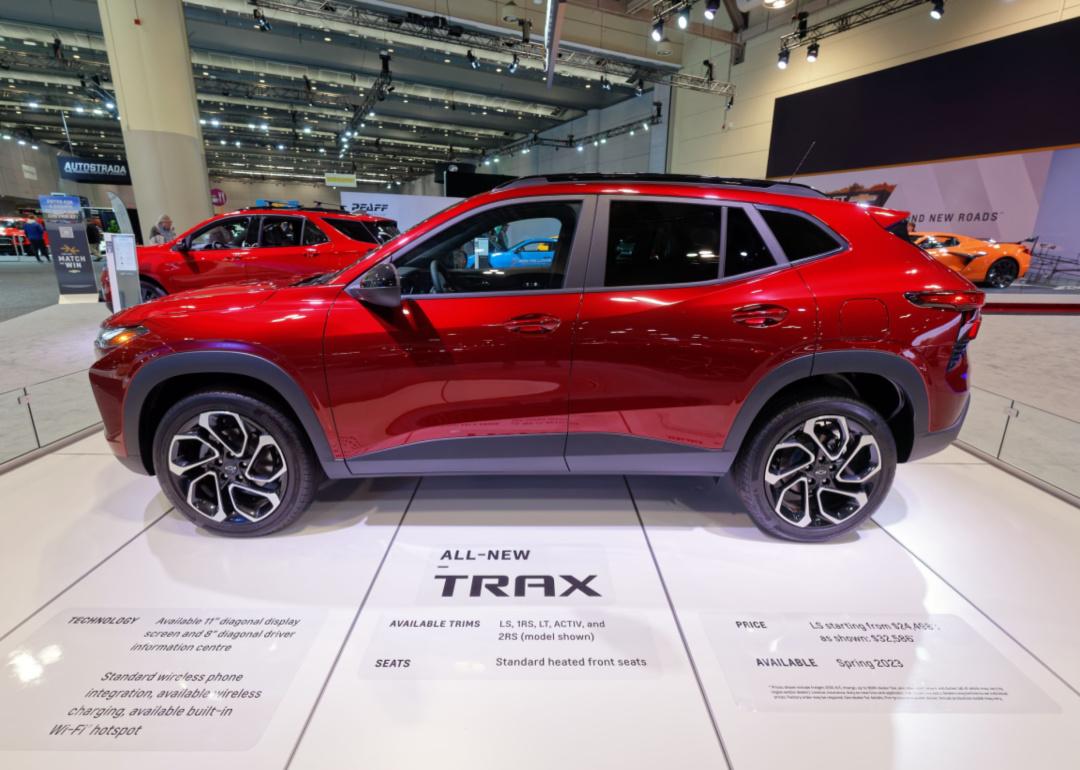
#1. Chevrolet Trax 2WD: The Highest Driver Death Rate of Any SUV on This List
The Chevrolet Trax 2WD tops this entire ranking with 73 estimated driver deaths per million registered vehicle years. That is nearly three times the overall SUV category average and roughly 60% higher than the second-worst vehicle on this list. Forty of those deaths came from multi-vehicle crashes, 37 from single-vehicle crashes, and 20 from single-vehicle rollovers. That is an unusually high distribution across all three crash types.
Compare this again to the Trax 4WD at #14, which posted 45 estimated deaths. The gap between the two configurations is stark. For a subcompact SUV that was positioned and priced as an affordable entry point into the segment, these numbers are significant.
- Estimated driver deaths: 73 per million registered vehicle years
- 40 in multiple-vehicle crashes
- 37 in single-vehicle crashes
- 20 in single-vehicle rollovers
- 95% confidence range: 32-114
What Patterns Stand Out Across the Full List
Looking at the full dataset from top to bottom, a few clear patterns emerge that are worth summarizing for anyone making a vehicle purchase decision.
| Key Finding | What It Means for Buyers |
|---|---|
| 2WD versions consistently outrank 4WD versions in death rate | For the same model, 4WD often provides meaningful real-world safety advantages |
| Jeep appears four times across the list | Multiple Jeep models carry higher-than-average driver fatality risk |
| Mitsubishi appears three times, including #2 overall | Mitsubishi SUVs consistently underperform in this safety metric |
| Smaller SUVs dominate the top positions | Subcompact and compact SUVs generally show worse outcomes than larger models |
| The Trax 2WD death rate is nearly 3x the SUV category average | The gap between the worst and average performers is substantial |
| Rollover deaths are significant in off-road-oriented vehicles | Wrangler and similar body-on-frame designs carry elevated rollover risk on public roads |
What This Data Does Not Tell You
These numbers are real and they matter, but they do not capture everything about vehicle safety.
Death rates are influenced by who drives a vehicle, not just how that vehicle performs in a crash. A vehicle that is disproportionately purchased by younger or less experienced drivers may show a higher death rate partly because of that demographic factor, even after the age and gender adjustments the IIHS applies.
Road conditions, driving behavior, crash avoidance technology, and the types of roads where a vehicle is typically driven all affect real-world outcomes. A Wrangler driven off-road at low speeds is a very different risk profile than one being driven on a highway at 75 miles per hour.
This data also covers 2017 and surrounding model years. Automakers have continued to add safety technology since then, including automatic emergency braking, lane-keeping assistance, and improved structural designs. Some of the models on this list have been significantly redesigned since the data window used in this study.
That said, the patterns here are consistent enough to be meaningful. If two versions of the same vehicle show dramatically different death rates based on drivetrain, that tells you something real. If the same brand keeps appearing near the top of a list like this, that is not a coincidence.
Correction: An earlier version of this story misstated the weight of a Toyota Corolla.
The next time you are on a used car lot looking at a Jeep Compass, a Mitsubishi Outlander Sport, or a Chevrolet Trax, these numbers deserve a spot in that conversation. The sticker price is not the only cost you are evaluating.