
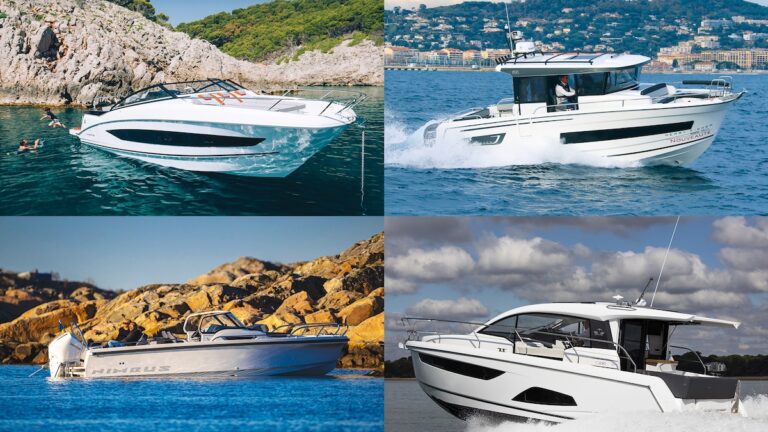
Picking the right boat for your family is not as simple as walking into a dealership and pointing at the shiniest one on the lot. The wrong choice can mean a miserable trip where the kids are bored, someone gets seasick, or the boat simply does not fit what your family actually wants to do on the water.
Here is the thing: boating is not just a hobby for a lot of families. It is genuinely a way of life. Think about it. The first time your kid grabs the helm, the morning you all caught fish together before breakfast, the quiet evening anchored in a calm cove with nothing but stars overhead. These are the kinds of memories that stick with people for decades.
But none of that happens if you buy the wrong boat. A hardcore fishing rig is going to bore your teenagers to tears. A sleek speed boat with minimal seating is going to frustrate the adults who just want to sit back and enjoy a slow cruise. Getting this decision right matters.
So to help you narrow things down, we have put together a straight-talking guide to the 13 best family boats available right now. Each one suits a different kind of family, a different kind of adventure. Read through them, think about what your crew actually enjoys doing, and you will find your answer.
1. Sailboats: The Classic Family Adventure That Never Gets Old
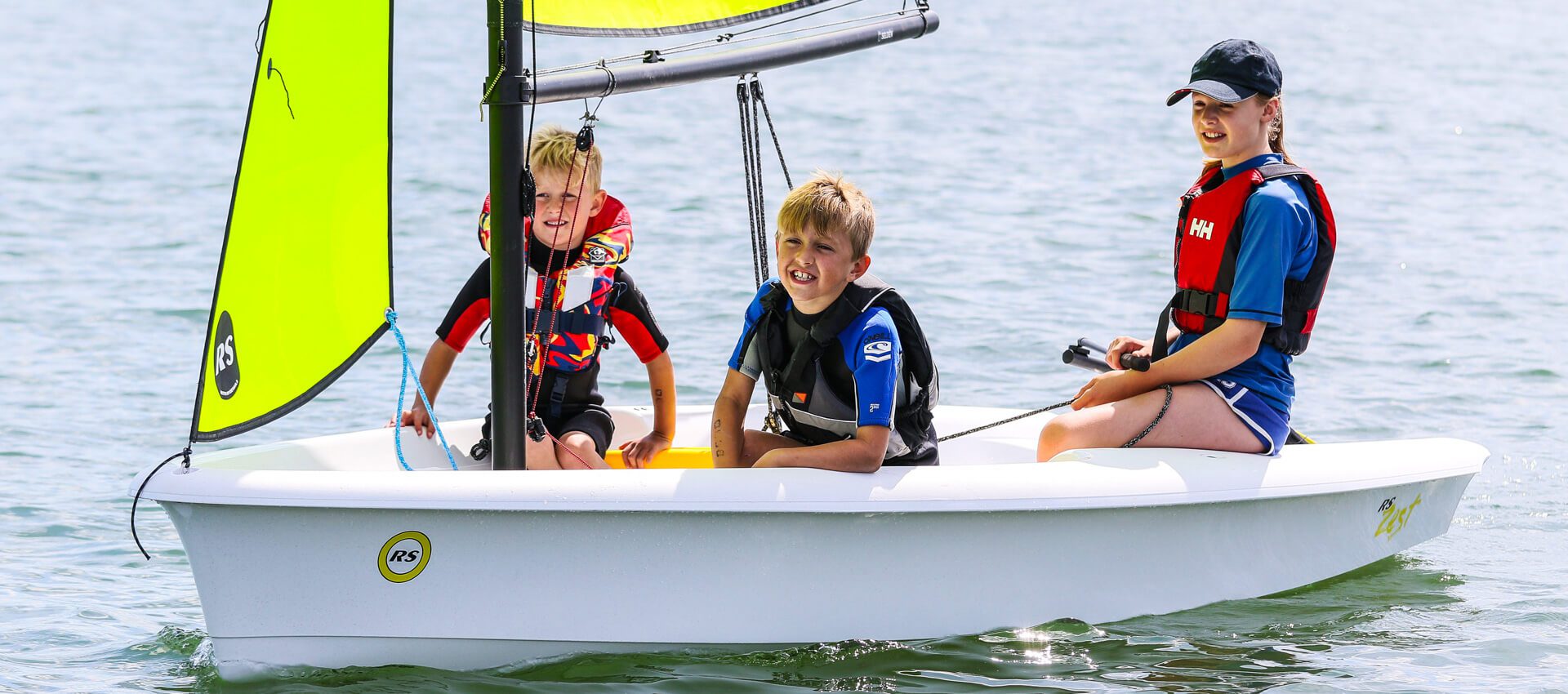
Sailing has been around for centuries, and families are still choosing it today. Not because it is trendy, but because it genuinely delivers something no other boat can: a full, immersive experience where every member of the family has a role to play.
Sailing is slower than powerboating. It is also more involved. But that is exactly the point. When you are managing sails, watching the wind, and navigating together as a family, you are doing something meaningful. You are not just passengers. You are crew.
One of the best things about sailboats from a budget standpoint is that they do not need massive, fuel-hungry engines. That alone keeps running costs significantly lower than most powerboats. If you are looking at the best family boats for ocean holidays and extended trips, sailboats are genuinely hard to beat.
A great example worth knowing about is the Catalina 30. It has been around since 1972, which tells you everything about how well-built it is. Solid construction, reliable performance, and enough storage space to actually live aboard for a while. The Catalina 385 is one of its more recent models. It has since gone out of production, but used examples are still worth tracking down.
Think of a sailboat less like a weekend toy and more like a floating home. For families who want ocean-going adventures, multi-day trips, or even full liveaboard experiences, a sailboat is the obvious choice.
What Makes Sailboats Great for Families
- Lower running costs because there is no need for a large engine
- Teaches kids real skills like navigation, teamwork, and reading the wind
- Built for extended trips with sleeping quarters and onboard storage
- Moves at a pace the whole family can enjoy without anyone feeling overwhelmed
- Creates a genuine sense of adventure that powerboating simply cannot replicate
2. Bowriders: The Everyday Family Fun Machine
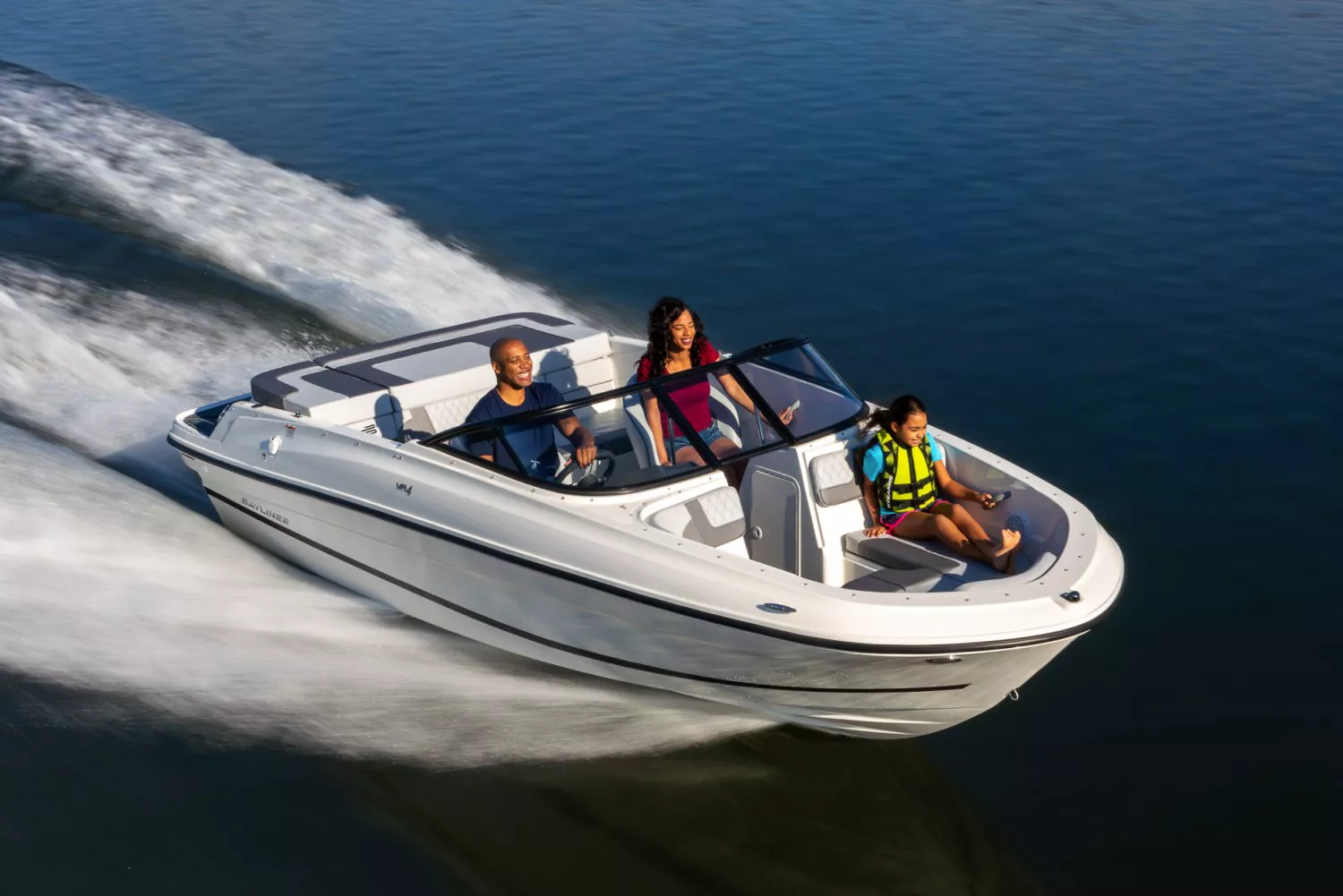
If there is one boat style that consistently shows up at lakes, bays, and coastal waterways across the country, it is the bowrider. And for good reason. These boats are genuinely versatile, genuinely fun, and genuinely accessible for families of all sizes.
The bowrider’s defining feature is its open bow seating area. Instead of a closed front deck, you get a comfortable seating section up front where passengers can sit facing backward, enjoy the ride, and feel the spray. It makes the whole experience feel more social and open.
Want to tow the kids on a tube behind the boat? A bowrider handles that easily. Day trip to the sandbar? Perfect. Swimming off the back platform while the cooler is full of drinks and sandwiches? That is what these boats were literally designed for.
They come in a wide range of sizes, from compact 16-foot runabouts all the way up to 30-foot models packed with features like enclosed head compartments (a fancy term for a small bathroom onboard) and outdoor galley setups for cooking. Some higher-end bowriders feel less like a day boat and more like a floating lounge.
That said, bowriders are not ideal for serious fishing trips or overnight stays. They are purpose-built for fun on the water during the day. If that sounds like your family’s style, this might be the one.
Bowrider Quick Facts
| Feature | Details |
|---|---|
| Size Range | 16 feet to 30+ feet |
| Best For | Day trips, tubing, swimming, social cruising |
| Overnight Capable | Limited, depends on model |
| Fishing Friendly | Not ideal |
| Price Range | Budget-friendly to mid-range |
3. Cabin Cruisers: When Comfort and Entertainment Are the Priority
Imagine taking the entire extended family out on the water. Grandparents, cousins, siblings, friends. You need space. You need shade. You need a bathroom that is not just a bucket. That is where cabin cruisers come in.
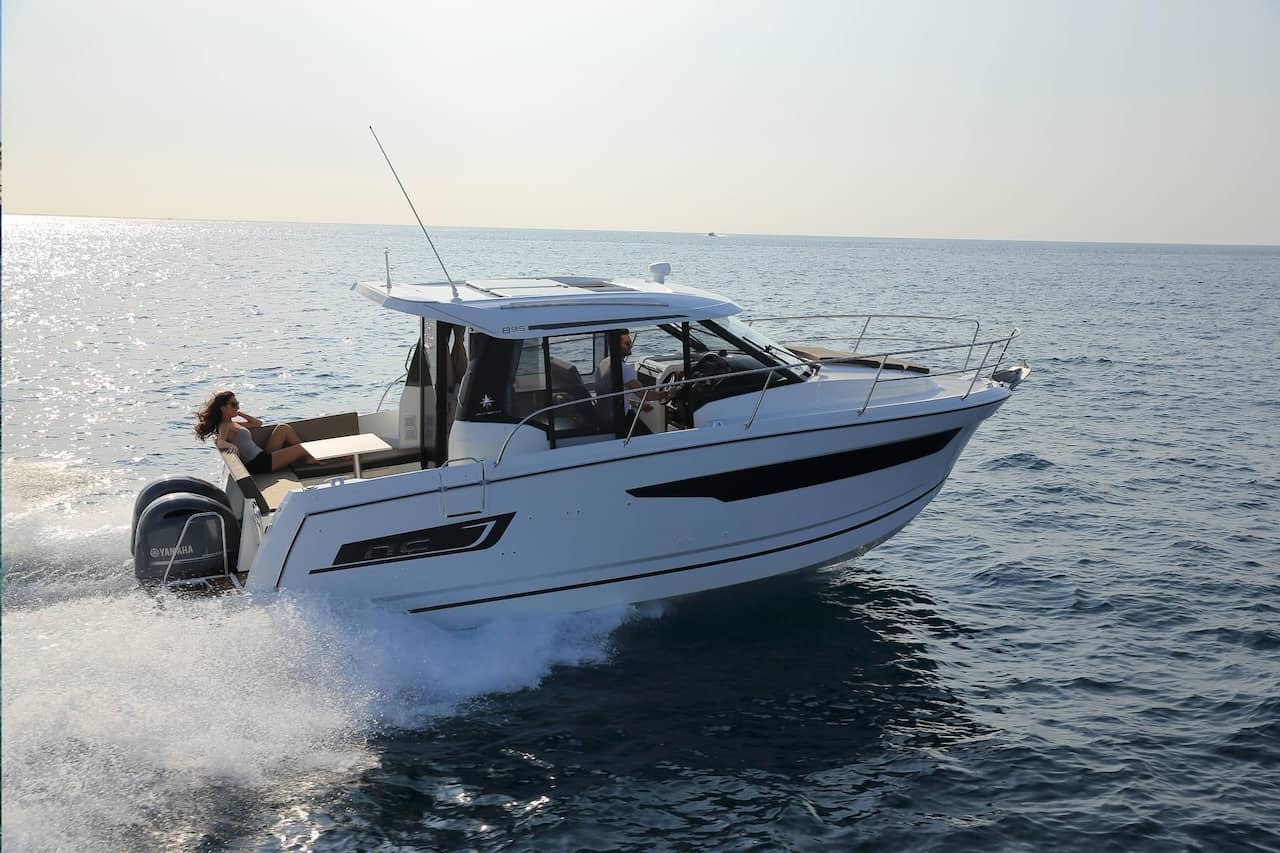
Cabin cruisers are genuinely one of the best family boats for entertaining. They come equipped with full galleys for preparing meals, private bathrooms, generous seating areas both above and below deck, and real weather protection when the afternoon clouds roll in. These are not bare-bones boats. They are floating living rooms.
How many people can you bring aboard? That depends on the size of the boat. A smaller cabin cruiser might comfortably handle six to eight guests. Step up to a larger model and you are looking at twelve, fifteen, or even more people having a genuinely comfortable experience on the water.
For families who like to host, who enjoy weekend trips that stretch into overnights, or who simply want more comfort than a day boat provides, the cabin cruiser checks nearly every box. It is not the cheapest option on this list, but the value it delivers in terms of space and comfort is hard to argue with.
Best Uses for a Cabin Cruiser
- Overnight trips with the family or friends
- Extended weekend getaways on the water
- Hosting gatherings where comfort is expected
- Coastal cruising in areas with variable weather
- Families with young children who need nap spaces and bathroom access
4. Pontoon Boats: The Family-Friendly Crowd Pleaser
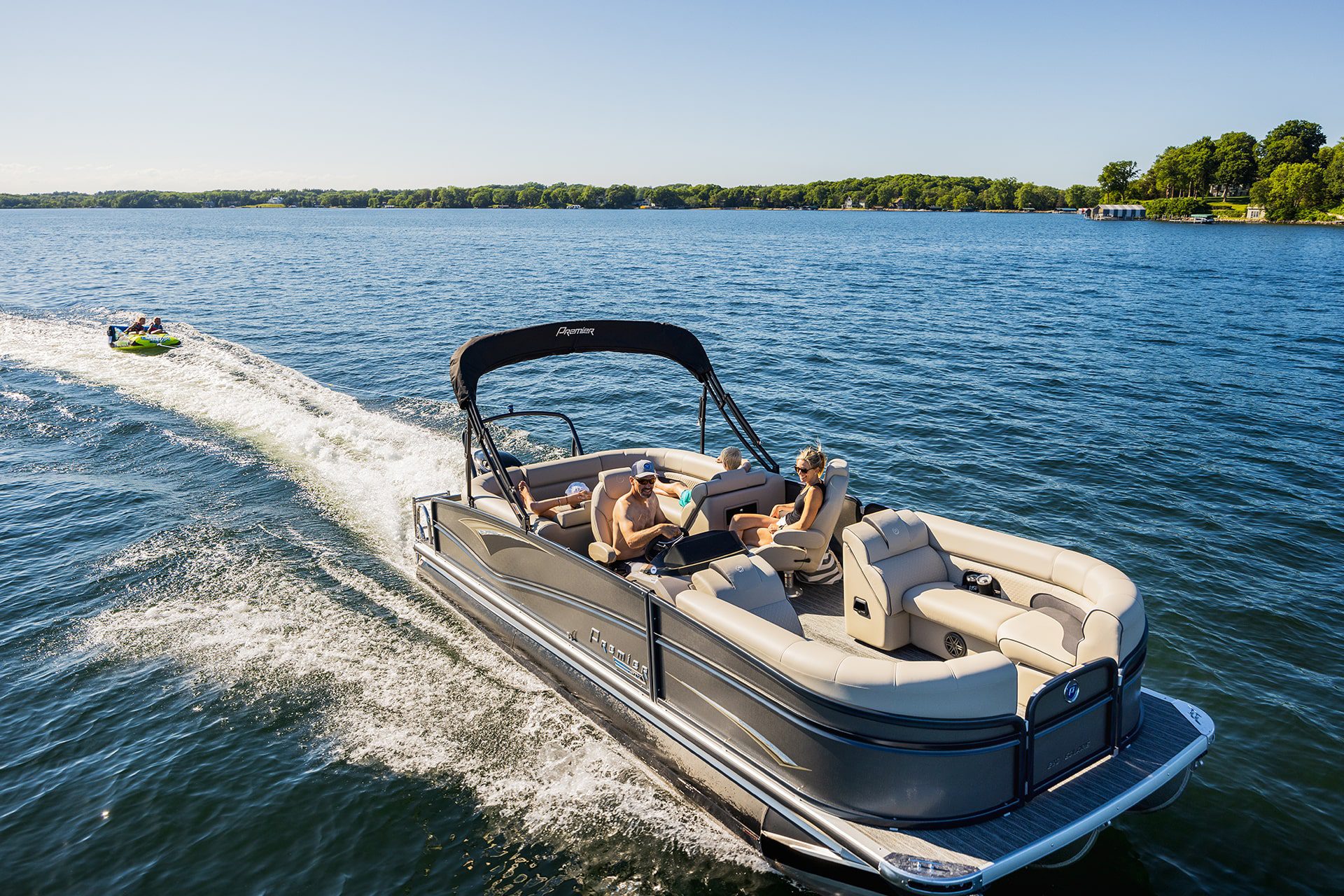
Walk up to any busy lake on a summer weekend and you will see pontoon boats everywhere. There is a reason for that. These wide, flat, open-deck boats are practically designed around the idea of fitting as many people as possible onto the water without anyone feeling cramped.
Pontoon boats get their stability from two or three aluminum tubes (the pontoons) running along the underside of the boat. Because of this design, they sit flat and steady on the water, which is a huge deal for families with young kids, older relatives, or anyone who gets nervous on a rocking boat.
They are most common in freshwater environments like lakes and rivers, and they work well for both leisurely cruising and light water sports. Do not expect a pontoon to win any speed races, but if the goal is a relaxed day on the lake with cold drinks, good music, and the whole family together, this boat delivers that experience as well as anything on this list.
A solid example of an affordable option is the Godfrey Sweetwater 1886 C. It is straightforward, reliable, and accessible for first-time boat owners who do not want to spend a fortune learning the ropes.
One of the biggest advantages of pontoons is how customizable they are. Many manufacturers let you configure the seating layout, add a fishing package, include a water slide for the kids, or build in a changing room. You can genuinely tailor one to exactly what your family needs.
Why Families Love Pontoon Boats
- Extremely stable platform, great for kids and older passengers
- Wide open deck space fits large groups comfortably
- Easy to board and exit, which matters more than people realize
- Customizable layouts for fishing, entertaining, or watersports
- Generally more affordable than motorboats of a similar size
5. Fish and Ski Boats: The Best of Both Worlds for Active Families
Here is a scenario a lot of families know well. Dad wants to be up at 6 AM with fishing lines in the water. The teenagers want to sleep in and then spend the afternoon wakeboarding. Mom just wants everyone to stop arguing about the schedule.
Fish and ski boats were basically designed to solve that exact problem.
As the name suggests, these boats are built to handle both fishing and water sports on the same day. In the morning, you are set up for a serious fishing session. The boat comes equipped with live wells to keep your catch alive, rod holders mounted throughout the boat, and often an electric trolling motor for silent, precise positioning when you are targeting fish near structure.
Then, when the fishing is done and the sun is high, you pull out the water skis, hook up the tow rope to the ski-tow pylon, and the whole setup transforms into a watersports machine. Wakeboarders, skiers, tubers, all welcome.
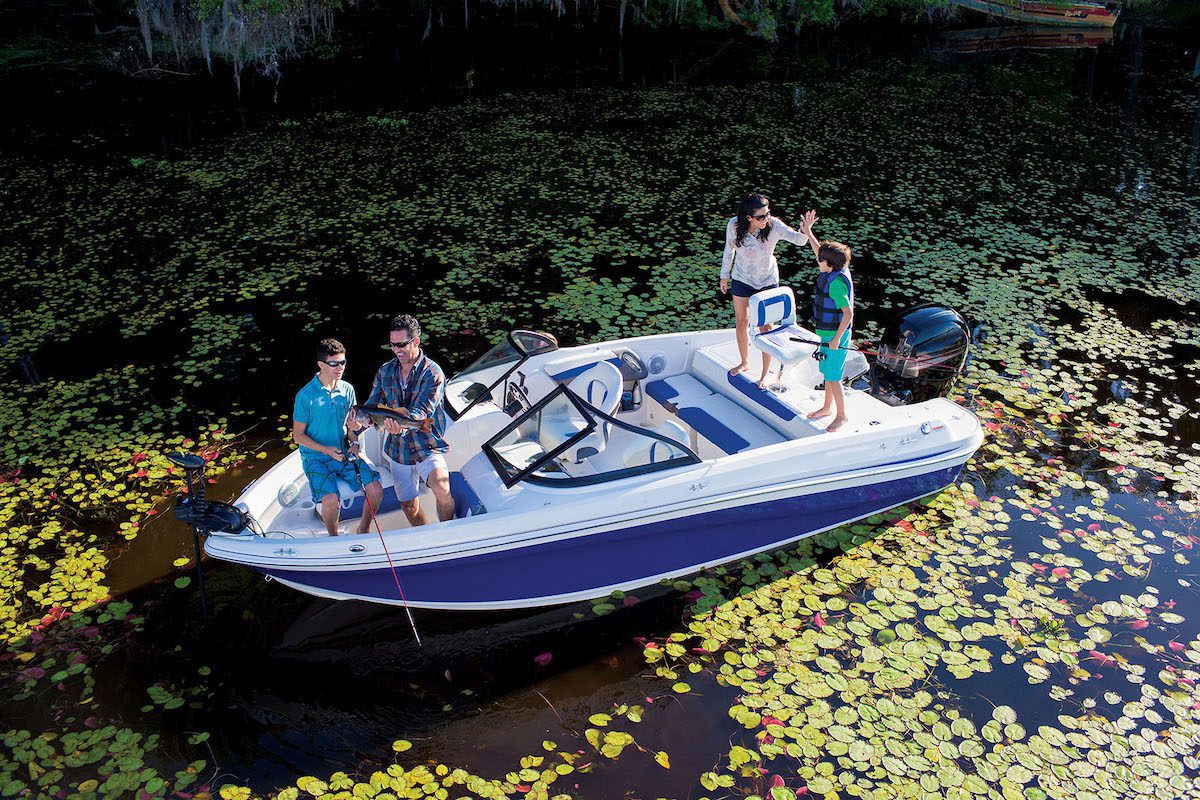
Now, it is worth being honest here. Because these boats are built to do two different things, there are some trade-offs. The live well takes up space that might otherwise be a drink cooler. The bow seating is not the wide casting platform you would find on a dedicated fishing boat. But for families who genuinely want to do both activities without owning two separate boats, the fish and ski package makes complete sense.
Most fish and ski boats use a bowrider-style hull, which gives you that open bow seating plus good speed for pulling skiers. They typically fall in the 18 to 22-foot range and are powered by inboard or stern-drive engines that can deliver enough horsepower to get even adult wakeboarders up on plane quickly.
Fish and Ski: Who Is It For?
- Families where some members fish and others prefer water sports
- Anyone who wants one versatile boat instead of two specialized ones
- Lake families who spend full days on the water and want multiple activities
- Budget-conscious buyers who cannot justify buying separate specialized boats
DONT MISS: 15 Best Boat Brands in the World – Ranked by Quality, Reputation, and Real-World Value
6. Center Console Boats: Not Just for Fishing Anymore
A lot of people hear “center console” and immediately think of hardcore offshore fishing boats loaded with rods and tackle. And yes, that is exactly what many center consoles are built for. But the design has evolved significantly, and today these boats are showing up at beach parties and family outings just as often as they appear at fishing tournaments.
The center console layout puts the steering console right in the middle of the boat, leaving walk-around deck space on all sides. That open layout is excellent for fishing, but it also creates a naturally social, open environment that works really well for groups who just want to be on the water together.
Many manufacturers now offer center console models with features that have nothing to do with fishing. Think built-in outdoor barbecue grills, ice makers, wet bars, and comfortable sun pads for lounging. Some of these boats genuinely feel more like a floating entertainment platform than a fishing vessel.
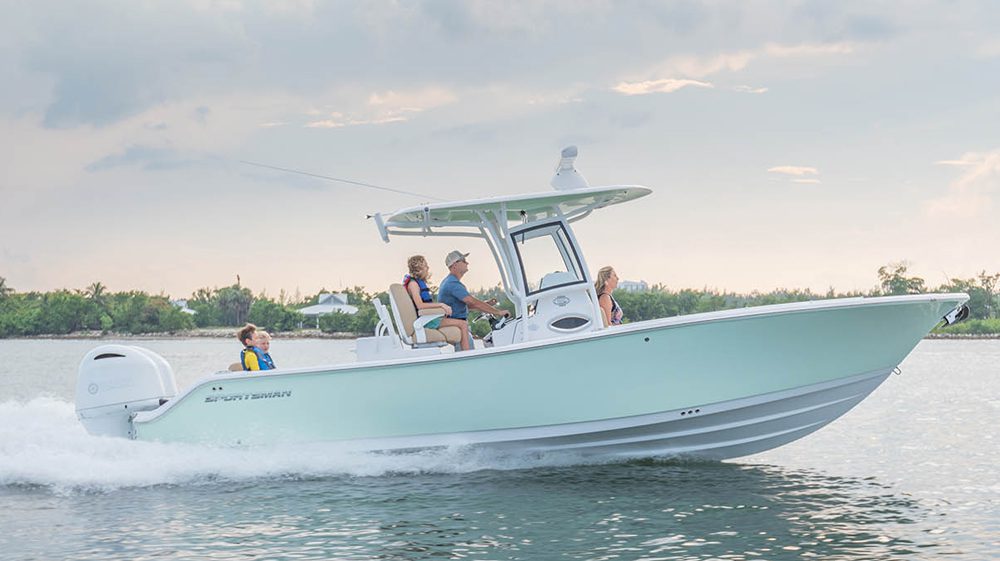
The key advantage center consoles have over cabin-style boats of a similar length is passenger capacity. Without a cabin taking up interior space, there is often room for more seating, sun pads, and deck space. That translates into more people comfortably aboard.
The limiting factor, as always, is size. A 22-foot center console is going to feel crowded with ten people on it. Step up to a 28-footer and the experience changes completely. Plan your guest list around the size of the boat, not the other way around.
7. Deck Boats: More Space, More Fun, More Flexibility
If you have been going back and forth between a pontoon boat and a bowrider and cannot decide, there is a good chance a deck boat is actually what you are looking for. It sits right in the middle of those two styles, pulling the best qualities from each.
Like a pontoon, deck boats offer wide, flat deck space with generous seating. You can fit a solid number of people aboard without anyone feeling squeezed. But unlike a pontoon, a deck boat uses a traditional V-hull design, which gives it better performance in choppy water and makes it more capable at pulling water skiers or wakeboarders.
The bow area on a deck boat is typically wider than what you would find on a standard bowrider, which is where that extra seating capacity comes from. You get the social, open feel of a pontoon combined with the performance and handling of a powerboat. That combination works really well for active families.
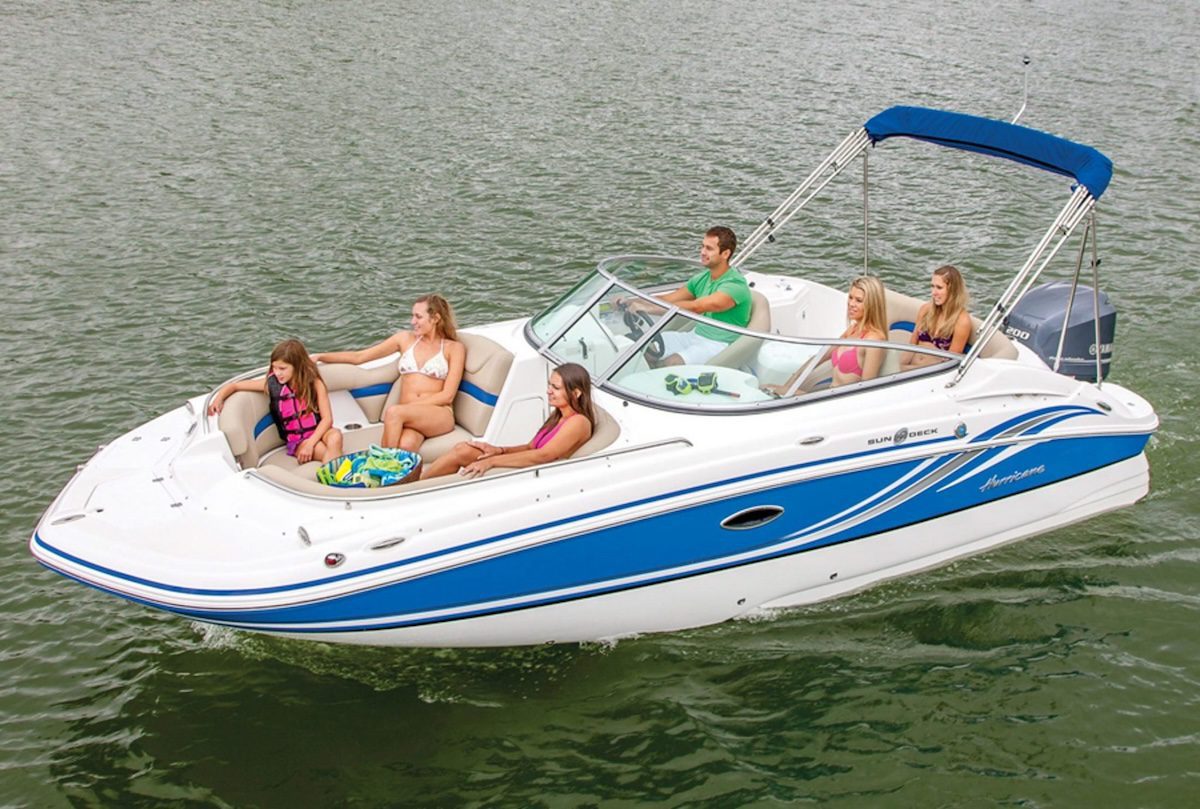
From a cost standpoint, deck boats tend to be very accessible. Models like the Bayliner Element Series keep things simple and affordable without sacrificing the features that matter. If budget is a real concern but you still want a versatile family boat, a deck boat is absolutely worth looking at seriously.
Deck Boat vs. Pontoon vs. Bowrider
| Feature | Deck Boat | Pontoon Boat | Bowrider |
|---|---|---|---|
| Passenger Capacity | High | Very High | Moderate |
| Performance/Speed | Good | Moderate | Good |
| Rough Water Handling | Good | Fair | Good |
| Watersports Capable | Yes | Limited | Yes |
| Price Point | Affordable | Affordable | Varies |
8. Jet Boats: Safe, Fast, and Seriously Fun for Families
Jet boats occupy a specific and very interesting spot on this list. They are not the most common type of family boat, and the number of available models is more limited than what you would find with bowriders or pontoons. But they offer something that genuinely matters to a lot of parents: no propeller.
Instead of using a traditional spinning propeller to push the boat through the water, jet boats use a high-pressure water jet system. Water is sucked in through an intake underneath the boat and then blasted out through a nozzle at the stern. That is what moves the boat forward, and it is also what makes steering so responsive at low speeds.
Now, propeller injuries are genuinely rare on the water. But removing that risk entirely gives a lot of parents real peace of mind when kids are swimming around the boat or getting in and out of the water. That psychological comfort is worth something, especially with younger children aboard.
Beyond safety, jet boats are genuinely enjoyable to drive. They handle extremely well, respond quickly to steering inputs, and can operate in shallower water than propeller-driven boats because there is no lower unit hanging down underneath. For families who boat in rivers, shallow coves, or areas with a lot of underwater obstacles, that shallow draft is a real practical advantage.
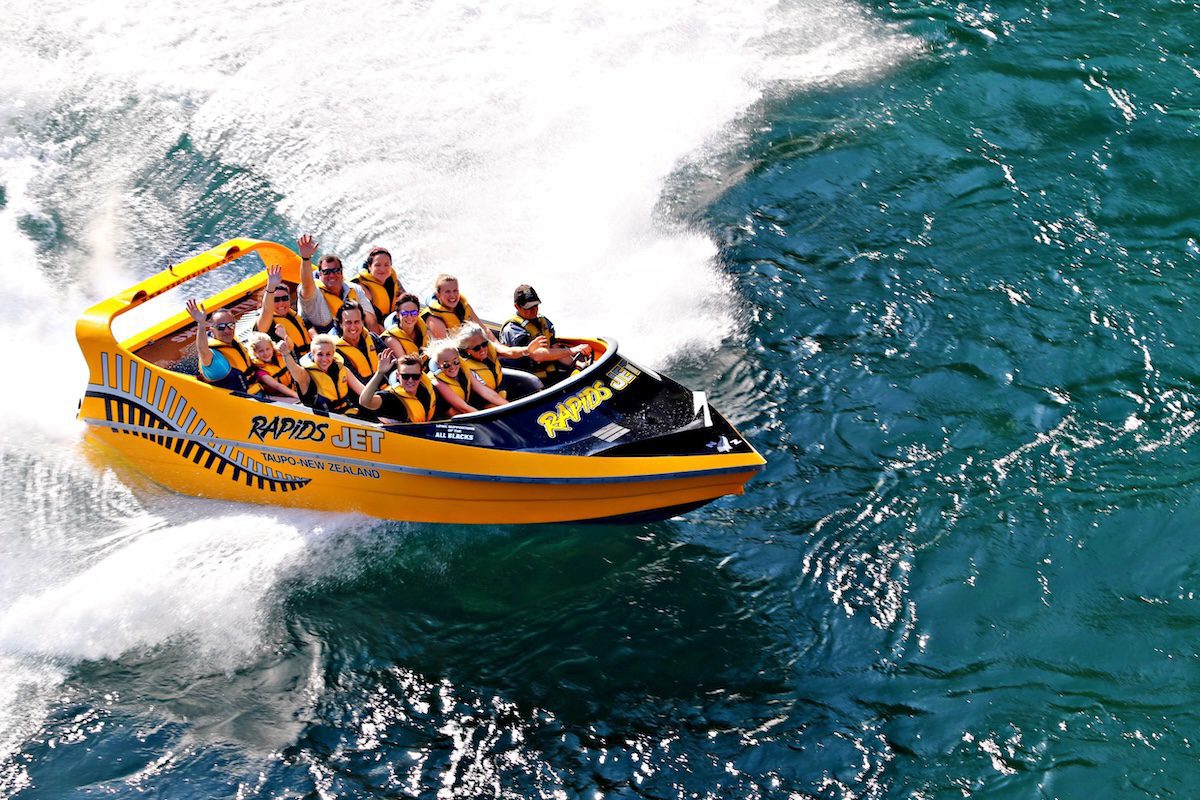
Feature-wise, jet boats generally match up well with standard runabouts. You get comfortable seating, storage, swim platforms, and in many cases, enough power to pull wakeboarders and tubes. The main trade-off is slightly lower fuel efficiency compared to traditional outboard or stern-drive setups, but for most family boating scenarios, that difference is manageable.
Key Advantages of Jet Boats for Families
- No exposed propeller, which reduces injury risk around swimmers
- Shallow draft allows access to areas traditional boats cannot reach
- Excellent low-speed maneuverability for tight docking situations
- Responsive, fun handling that both adults and older teens enjoy
- Comparable features and seating to standard runabouts
9. Motor Yachts and Power Cruisers: When Only the Best Will Do
Let us be straightforward here. A motor yacht or large power cruiser is not for every family. These are serious boats with serious price tags. But if your budget allows for it and your idea of a family adventure involves multi-day ocean passages, fine dining on the water, and accommodating a large group of guests in genuine comfort, nothing else on this list comes close.
Motor yachts typically start at around 40 feet and go up from there. At that size, you are dealing with a vessel that has multiple private cabins, full indoor and outdoor entertaining areas, complete galley kitchens with real appliances, and every home comfort you can think of. Air conditioning, entertainment systems, satellite navigation, the works.
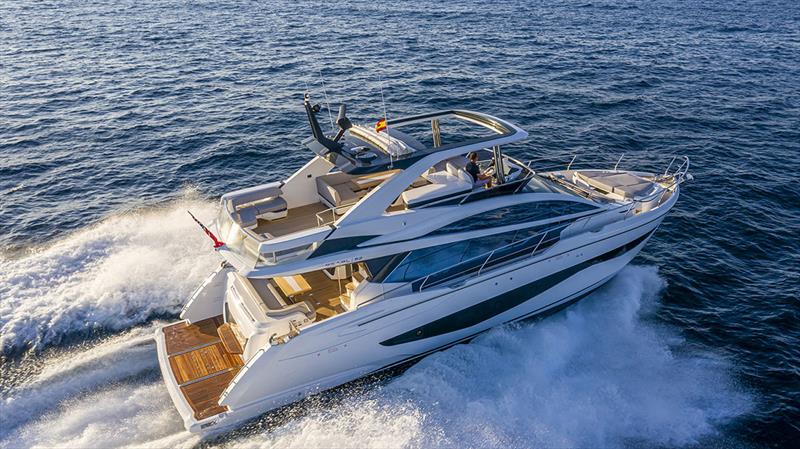
For hosting large groups, a motor yacht is simply unmatched. Imagine inviting fifteen or twenty people out for a weekend trip, feeding everyone properly, giving people private sleeping quarters, and still having enough outdoor deck space for everyone to relax without bumping into each other. That is the motor yacht experience.
Power cruisers sit slightly below motor yachts in size and price but follow the same general philosophy. They prioritize comfort, range, and the ability to travel significant distances without stopping. For families who want to cruise coastlines, island-hop, or simply spend extended time living aboard, power cruisers are a compelling choice.
The operating costs are proportionally higher than smaller boats, fuel consumption being the biggest factor. But for the right family, the experience these boats deliver is genuinely extraordinary and worth every dollar.
10. Walkaround Boats: The Smart Choice for Fishing Families Who Want More
Here is a boat style that does not get enough attention in family boating conversations: the walkaround. If your family loves fishing but you also want the option to sleep aboard, stay protected from the weather, and take longer trips, a walkaround checks boxes that center consoles simply cannot.
The walkaround design gives you a wide, open cockpit at the back of the boat. That is where the fishing happens. There is room to move around, set up multiple rods, fight a fish from different angles, and deploy a proper trolling spread without tripping over each other. It fishes really well.
But here is what separates it from a center console: the bow section is enclosed. Underneath that forward deck, you will find a proper cuddy cabin with sleeping berths, weather protection, and in many models, a small head (bathroom). That is where the boat transforms from a day fishing rig into something a family can genuinely use for overnight trips.
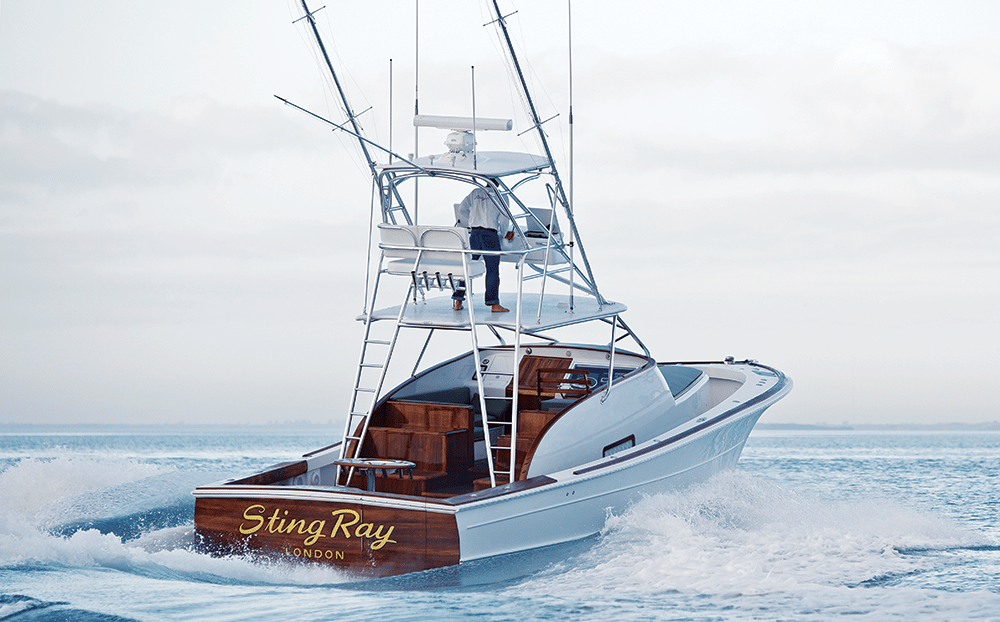
For families with young children who fish in less-than-perfect weather conditions, this enclosed forward section is a game changer. When the wind picks up and the temperature drops, kids can retreat inside while the adults keep fishing. That kind of flexibility makes longer, more ambitious trips actually practical with young ones aboard.
Walkarounds typically range from about 20 to 30 feet, and there are solid options available at a wide range of price points. Many are powered by outboard engines, which keeps maintenance simpler and gives you access to shallower water when needed.
Walkaround vs. Center Console: Which Is Right for Your Family?
| Factor | Walkaround | Center Console |
|---|---|---|
| Overnight Capability | Yes, cuddy cabin | Rarely |
| Weather Protection | Good, enclosed bow | Minimal |
| Fishing Capability | Very Good | Excellent |
| Day Cruising Comfort | Good | Good |
| Best For | Fishing families with kids | Serious anglers |
11. Dual Console Boats: Comfort Meets Offshore Capability
The dual console boat is a relatively newer boat style that has earned a dedicated following among families who want offshore capability without giving up the creature comforts that make a day on the water enjoyable for everyone.
The layout features two separate console stations, one on each side of the boat, with a walk-through space in between. That opening typically leads to a forward seating area or a small head compartment. It gives the boat a more refined, comfortable feel than a traditional center console while retaining the open, fishable layout that serious boaters love.
These are genuinely multipurpose boats. You can run offshore to a fishing spot in the morning, anchor up for a swim in the afternoon, and cruise back in comfort as the sun goes down. They handle a wide range of water activities without feeling like a compromise on any of them.
A great example in this category is the Scout 175 Sport Dorado. For families looking at dual consoles, it consistently comes up as one of the best values available. Solid build quality, smart layout, and enough versatility to handle whatever the family decides to do on any given day.
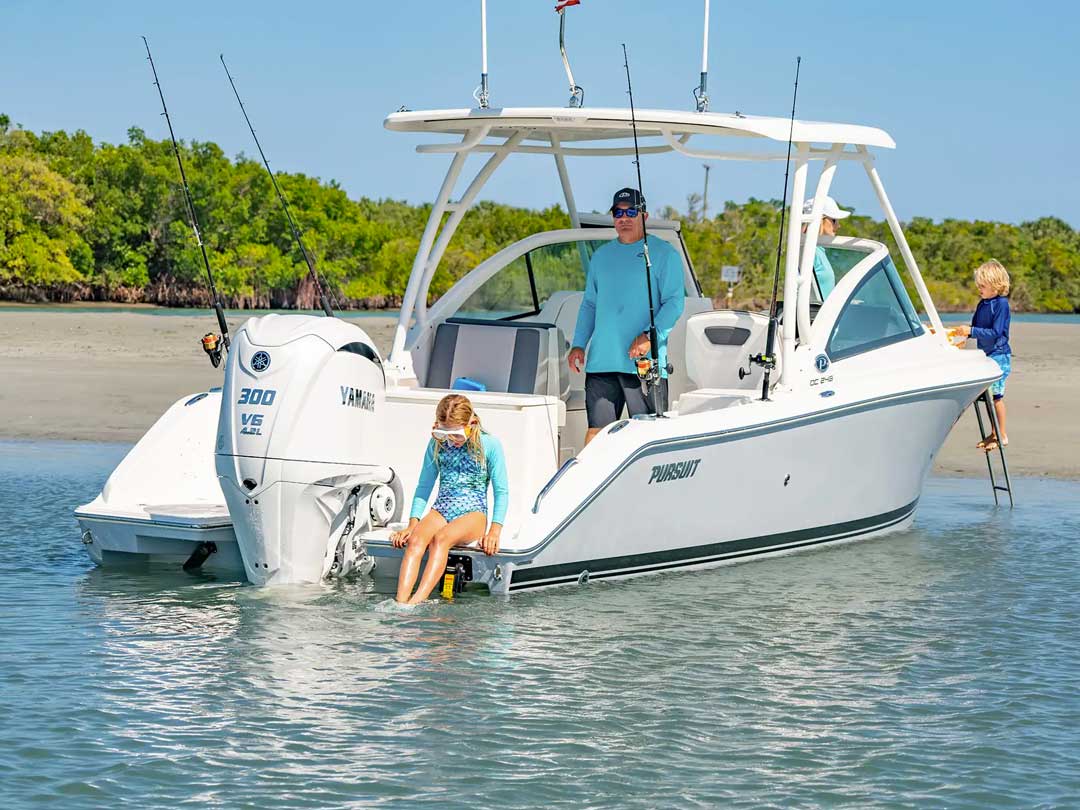
If your family’s boating life involves a mix of fishing, swimming, day cruising, and the occasional offshore run, a dual console is a really smart starting point. It genuinely does most things well without requiring you to specialize in just one activity.
What Dual Console Boats Do Well
- Comfortable seating layout for non-fishing passengers
- Forward section often includes a small head compartment
- Handles offshore water conditions confidently
- Versatile enough for fishing, swimming, and cruising on the same day
- Available in sizes ranging from compact to genuinely offshore-capable
12. Personal Watercraft: The Fun Factor That No Other Boat Delivers
You might be wondering why personal watercraft, commonly known as jet skis or PWCs, made it onto a list of best family boats. They only seat one to three people. They have no storage to speak of. You cannot serve lunch off one.
But here is the thing: if you have ever been at a family gathering on the water where someone showed up with a couple of jet skis, you know exactly why they are on this list. The moment those things hit the water, every person on the dock wants a turn. Kids, teenagers, adults in their 50s, everyone.
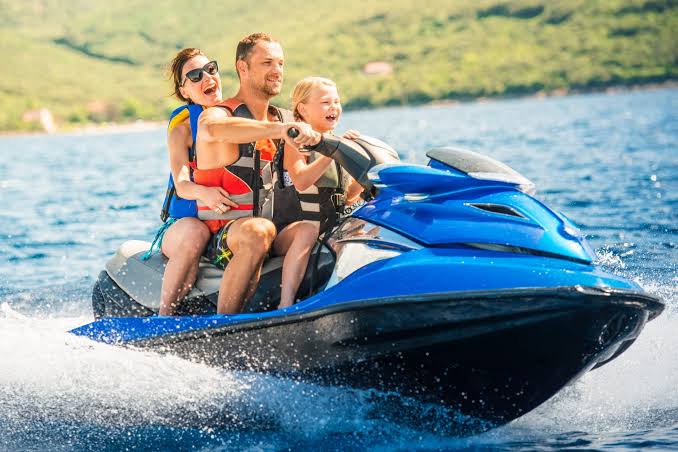
Personal watercraft deliver a kind of immediate, adrenaline-packed fun that is hard to replicate on a larger boat. The acceleration, the tight turns, the ability to skip across the water at speed, it is genuinely thrilling in a way that a pontoon cruise simply is not. And that thrill is accessible to almost anyone who can sit on one safely.
Most families do not make a PWC their primary boat. Instead, they become a supplement to whatever larger vessel the family already owns. When you are anchored up at the sandbar and the kids have been swimming for two hours, pulling out the jet ski completely changes the energy of the afternoon.
Modern personal watercraft from brands like Sea-Doo and Yamaha have become increasingly capable and comfortable. Some models can carry three adults, reach speeds well above 60 miles per hour, and come equipped with features like GPS, cruise control, and intelligent braking systems that make them safer than earlier generations. If you are considering adding one to your family’s boating setup, they are a seriously worthwhile investment in fun.
Personal Watercraft: Things to Know Before You Buy
- Most states require riders to be at least 16 years old to operate independently
- Life jackets are legally required for all riders in most jurisdictions
- Three-seater models from Sea-Doo and Yamaha offer the best family value
- Consider buying a second PWC so family members do not have to wait their turn
- Maintenance costs are lower than most full-size boats
13. Trawlers: The Year-Round Family Boat Built for the Long Haul
Trawlers close out this list, and they deserve more credit than they typically get in family boating conversations. While most of the boats on this list are built around summer fun and warm-weather adventures, trawlers are genuinely designed for year-round use. That makes them a very different kind of investment.
The defining characteristic of a trawler is the emphasis on interior space over exterior entertaining area. These boats typically have large, well-appointed cabins below deck, full galley kitchens, comfortable sleeping quarters, and real bathroom facilities. They are built for people who want to spend extended time aboard without feeling like they are roughing it.
Trawlers move at slower speeds than most powerboats. They are designed to cruise efficiently at displacement speeds, typically somewhere between 8 and 12 knots depending on the model and engine setup. That is not fast. But what they give up in speed, they more than make up for in range, comfort, and fuel efficiency. A trawler can cover serious distances on a tank of fuel in a way that a performance boat simply cannot.
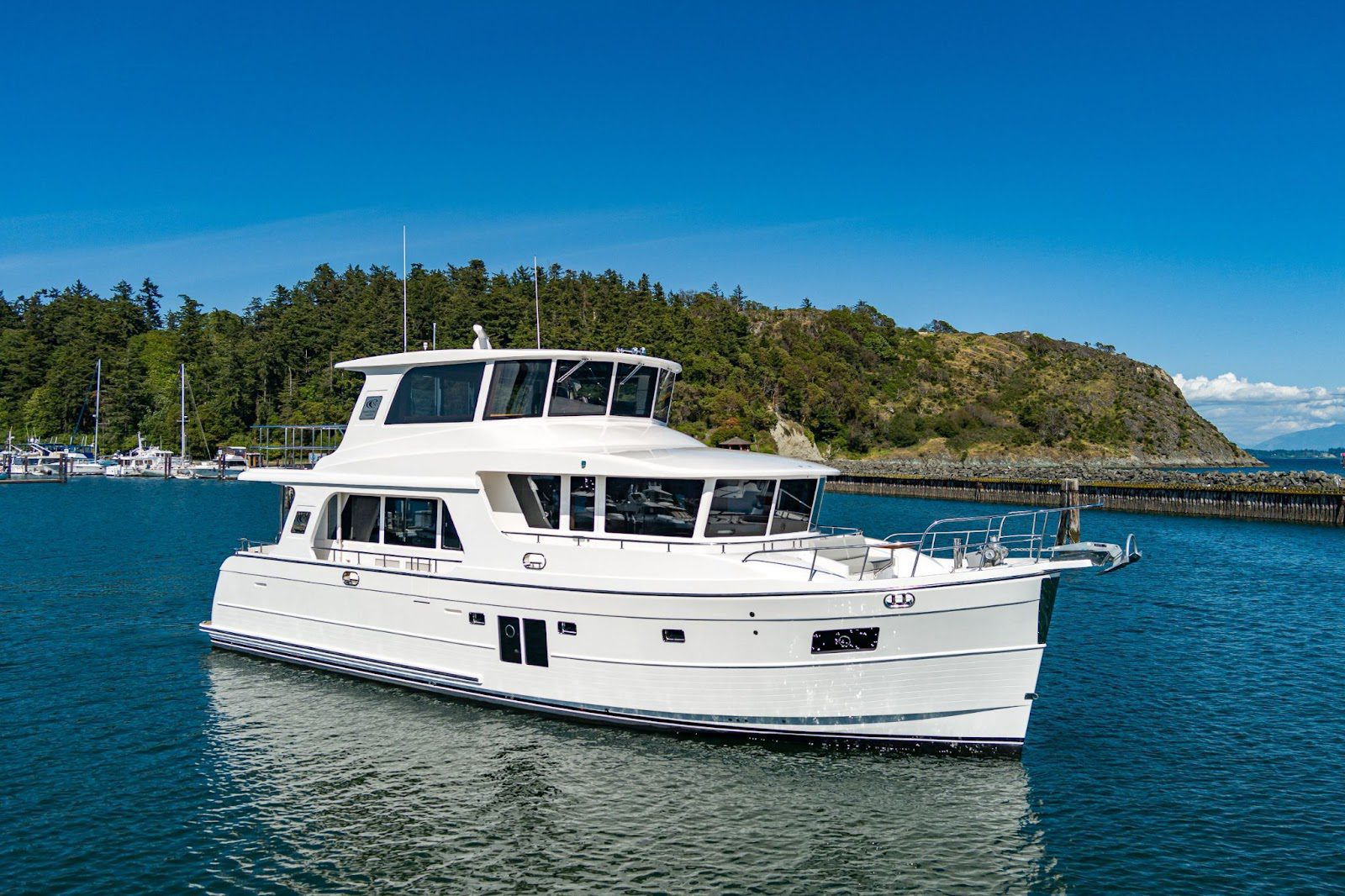
For families who want to do extended coastal cruising, island hopping, or even longer passages, trawlers are purpose-built for exactly that. Many larger trawler models also feature a spacious flybridge, an elevated outdoor helm and seating area above the main deck. Sitting up on a flybridge as you cruise through calm water with a wide view in every direction is one of the best experiences boating has to offer.
Trawlers are not typically the boat you buy when you want to race across the lake or pull wakeboarders. But for families who prioritize comfort, range, and the ability to go further for longer, they represent one of the most practical and rewarding options available.
Is a Trawler Right for Your Family?
- Best suited for families who want extended trips rather than quick day outings
- Excellent for coastal cruising and multi-day passages
- Large interior space makes them comfortable in all weather conditions
- Fuel-efficient at cruising speeds compared to performance powerboats
- Flybridge models offer outstanding outdoor seating and views underway
- Slower speeds mean this is not the right choice for watersports
How to Choose the Right Family Boat: The Questions You Need to Answer First
Reading through thirteen boat types is useful, but it can also feel overwhelming. So before you start visiting dealerships or browsing listings, get clear on these foundational questions. Your answers will narrow the field down fast.
What Kind of Water Will You Be Boating On?
This is the most important question of all. A boat that works beautifully on a calm inland lake might be completely wrong for coastal ocean use. Calm, protected freshwater calls for boats like pontoons, bowriders, and fish and ski boats. Open ocean and coastal cruising demand boats with deeper V-hulls, more freeboard, and better rough-water handling. Center consoles, walkarounds, and dual consoles tend to shine in those conditions.
What Activities Does Your Family Actually Want to Do?
Be honest here. Not what sounds fun in theory, but what your family will realistically do on a Saturday afternoon. If the honest answer is “float around, swim, and eat lunch,” a pontoon boat or deck boat is probably your answer. If the kids are desperate to wakeboard and your spouse wants to fish, look seriously at a fish and ski boat. If you want to sleep aboard and go further than a day trip, cabin cruisers, walkarounds, and trawlers move to the top of the list.
How Many People Will Regularly Be on Board?
Think about your realistic average use, not your biggest hypothetical group. A boat that comfortably seats twelve people feels completely right when you have the whole family out for a holiday weekend. But if 90 percent of your trips involve just four people, owning that big boat starts to feel excessive quickly. Match the boat’s practical capacity to your real-world usage, not your best-case scenario.
What Is Your Total Budget, Including Ongoing Costs?
The purchase price is just the beginning. Factor in fuel costs, marina fees or trailer storage, insurance, regular maintenance, winterization if applicable, and the occasional unexpected repair. Larger, more complex boats cost proportionally more to own and maintain. A straightforward pontoon with a single outboard engine will be dramatically cheaper to maintain than a twin-engine cabin cruiser. Set a realistic annual budget for total ownership cost before you fall in love with a boat that stretches beyond it.
Safety on the Water: What Every Family Needs to Know Before Leaving the Dock
No guide to family boating is complete without addressing safety. Not as a legal checkbox, but as a genuine priority. The water is an incredible environment for families, and keeping it enjoyable means taking a few important steps seriously.
- Life jackets for every person aboard: Every family member needs a properly fitted life jacket, and children should wear theirs at all times when underway. Adult life jackets do not fit children correctly and should never be used as a substitute.
- Take a boating safety course: Even experienced boat operators benefit from formal training. Many states offer free or low-cost courses, and some require them for operators under a certain age. The knowledge gained is genuinely valuable.
- File a float plan: Before every trip, tell someone on shore where you are going and when you expect to return. If something goes wrong, this information helps rescuers find you faster.
- Check the weather before departing: Conditions on the water can change faster than most people expect. A pleasant morning can turn into a dangerous afternoon storm. Always check updated forecasts and build in flexibility to cut trips short if conditions deteriorate.
- Keep a proper safety kit aboard: At minimum, every boat should carry visual distress signals, a fire extinguisher, a throwable flotation device, a first aid kit, and a working VHF radio or signaling device.
- Establish clear rules for kids: Set and enforce simple rules from day one. No running on deck. Always ask before going near the water. Put on your life jacket before the boat moves. Children learn boating rules quickly when expectations are clear and consistent.
New vs. Used Family Boats: Where Should You Put Your Money?
This is a debate that comes up in almost every boat-buying conversation, and the honest answer is that it depends on your situation. Both options have real advantages worth understanding.
The Case for Buying New
A new boat gives you full manufacturer warranty coverage, the latest technology, and the knowledge that nothing has been neglected by a previous owner. You get to choose the exact configuration, colors, and features you want. And for first-time boat buyers who are not yet confident in evaluating used boat condition, buying new removes a lot of uncertainty.
The downside is straightforward: boats depreciate quickly in the first few years, much like cars. Buying new means absorbing that initial depreciation hit.
The Case for Buying Used
A well-maintained used boat can represent extraordinary value. Someone else has absorbed the initial depreciation, and you get more boat for your money. Many families find that buying a two to four-year-old boat from a responsible previous owner gives them nearly all the benefits of a new boat at a fraction of the price.
The key is having any used boat inspected by a qualified marine surveyor before you commit to purchasing it. A professional survey costs a few hundred dollars and can save you from buying someone else’s expensive problems. Never skip this step on a significant used boat purchase.
Final Thoughts on Finding Your Perfect Family Boat
There is no single best family boat. There is only the best family boat for your family, your water, your budget, and the activities your crew actually wants to do together.
The pontoon is perfect for the family that values comfort and capacity over speed. The bowrider is ideal for the active family that lives for summer days on the lake. The sailboat is the right call for the family willing to learn real skills in exchange for an extraordinary adventure. The trawler is built for the family that wants to go further and stay longer.
Whatever boat you end up choosing, the most important thing is to get out there and use it. The memories your family makes on the water, whether you are catching fish at sunrise, watching your kid successfully get up on a wakeboard for the first time, or simply sitting together at anchor as the sun goes down, those are the moments that make every dollar spent completely worth it.
So the real question is not which boat is the best. The question is: what kind of memories do you want your family to make this summer?