
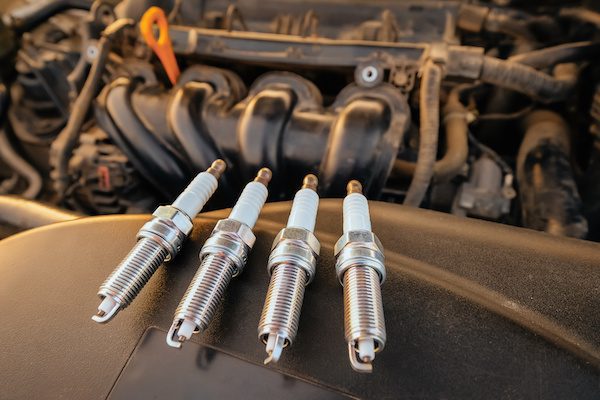
When spark plugs smell like gas, that smell is usually your car telling you something is not right. Gasoline has a sharp odor, and while a faint whiff during fueling is normal, a fuel smell coming from the engine bay, cabin, or around the plugs should never be brushed off. In the real world, that odor often points to a problem that can affect drivability, fuel economy, and safety.
Most drivers first notice the smell when they pop the hood, stop at a red light, or turn on the heater and suddenly catch a fuel odor through the vents. That is not a quirk to live with. It is a clue. And the earlier you track it down, the better your chances of avoiding a bigger repair later.
Here is the thing: spark plugs do not actually “make” fuel smell on their own. They sit in an engine system that is supposed to mix air, fuel, and spark in a controlled way. If that balance gets thrown off, if a seal fails, or if a component leaks, the plugs can end up with a gasoline smell on them or around them. Sometimes the issue is simple. Sometimes it is not.
This article breaks down the most common reasons spark plugs smell like gas, the signs to look for, and the fixes that usually solve the problem. If you are handy with tools, some of these checks are straightforward. If not, knowing what to ask a mechanic can save time and money.
Why a Gas Smell Around Spark Plugs Should Get Your Attention
A fuel smell is not just unpleasant. It can be a sign of raw gasoline entering places it should never be, which means the engine is not burning fuel the way it should. That can lead to hard starts, rough idling, misfires, black smoke, poor mileage, and in some cases, a fire risk.
That said, not every fuel odor means disaster. Sometimes a leaking gasket or a loose cap causes fumes to escape. Other times, the engine is running rich and leaving unburned fuel behind. The point is simple: the smell is a symptom, not the diagnosis.
If the spark plugs smell like gas, the first step is to stop guessing and start inspecting. Look at the plugs themselves, the surrounding seals, ignition parts, and anything nearby that could let fuel vapors escape or prevent the fuel from burning correctly.
How Spark Plugs End Up Smelling Like Gas in the First Place
Spark plugs are supposed to ignite the air-fuel mixture inside the combustion chamber. When everything is working right, the fuel is burned quickly and cleanly. But if fuel is not ignited, or if it leaks into areas outside the combustion chamber, that gas smell shows up fast.
Sometimes the plug is not the real problem. It just ends up coated in fuel because another part failed. Think of it like a kitchen sink overflowing. The water shows up in the cabinet, but the real issue might be a clogged drain, a loose pipe, or a cracked fitting. Cars work the same way.
Below are the four most common causes and the fixes that usually go with them.
4 Common Reasons Spark Plugs Smell Like Gas
| Problem | What It Means | Typical Fix |
|---|---|---|
| Loose spark plugs | The plug is not sealed properly, allowing fumes to escape | Inspect, reseat, and torque to spec |
| Faulty oil cap gasket or O-ring | Fumes leak through a bad seal near the oil cap | Replace the O-ring or cap as needed |
| Failed distributor or ignition coil | The spark is weak or missing, so fuel is not burning | Diagnose and replace the bad ignition part |
| Flooded engine | Too much fuel has soaked the plugs | Dry the plugs and repair the fuel or starting issue |
1. Loose Spark Plugs
Loose spark plugs are one of the simplest reasons spark plugs smell like gas, but they are also one of the easiest to miss. A plug that is not tightened to the proper torque can slowly work itself loose from engine vibration and heat cycles. Once that happens, the seal is no longer doing its job.
Most spark plugs rely on a sealing washer or gasket at the threaded base. If that washer is missing, cracked, or damaged, combustion gases and fuel vapors can escape. Once fumes are leaking out, they can move through the engine bay and even be pulled into the HVAC intake, which is why some drivers smell gas inside the cabin.
Imagine a car that idles fine at first but starts smelling like fuel after a few minutes on the road. A loose plug can cause exactly that kind of behavior. At low speeds or idle, the leak may not be obvious. Under load, heat and pressure make the problem easier to notice.
What to look for:
- Gas smell around one cylinder area
- Black soot near the plug well
- Rough idle or light misfire
- Hissing or puffing sounds near the plug
How to fix it:
- Let the engine cool completely before touching anything.
- Remove and inspect the spark plugs one at a time so you do not mix them up.
- Check the threads, washer, and plug tip for damage.
- Clean the area if needed.
- Reinstall each plug by hand first, then tighten to the correct torque specification.
Do not overtighten the plug. That can strip threads in the cylinder head or crack the plug itself. Both mistakes can turn a small repair into an expensive headache. If you do not have a torque wrench, this is one of those jobs where using the right tool matters.
2. Faulty Gasket or O-Ring Around the Oil Cap
This one surprises a lot of people. The oil cap sits on top of the engine and seals the oil fill opening. If the cap is loose, cracked, or missing its O-ring, fumes and vapors can escape. In some engine bays, that odor can be mistaken for a spark plug problem because the smell seems to come from the top of the engine.
The cap itself may not be the only issue. The rubber O-ring underneath is what helps the cap seal tightly. Over time, heat makes rubber harden, flatten, and crack. Once that happens, the seal weakens and fuel or oil vapors can leak out.
Here is a common scenario. A driver notices a fuel smell after an oil change. They assume the plugs are bad, but the real issue is a cap that was not seated correctly. That is why a good visual inspection matters before replacing parts you do not need.
How to check it:
- Look for oily residue or dirt around the oil cap
- Remove the cap and inspect the O-ring underneath
- Check for cracking, flattening, hardening, or missing rubber
- Inspect the cap for damage or poor fitment
How to fix it:
- Replace a worn O-ring if the cap itself is still usable
- Replace the entire cap if the threads or seal are damaged
- Make sure the new cap matches the original size and design
- Wipe away any oil or residue before rechecking for leaks
If the smell remains after replacing the cap seal, keep looking. A bad cap can be part of the problem, but it is not always the whole story. Sometimes it is just one leak in a chain of leaks.
3. Failed Distributor or Ignition Coil
The ignition system is what gives the spark plug the voltage it needs to light the air-fuel mixture. On older vehicles, that may involve a distributor. On many newer vehicles, ignition coils do the work directly or through a coil pack system. When one of those parts fails, the spark can become weak, irregular, or disappear altogether.
When the spark is weak, fuel may enter the cylinder but not burn completely. That leaves raw gasoline in the chamber and around the plug area, which creates that sharp fuel smell. The engine may also misfire, shake at idle, hesitate during acceleration, or trigger the check engine light.
Even so, the fuel smell is only one piece of the puzzle. If the ignition coil is failing, you might also notice poor acceleration, reduced fuel economy, or a flashing check engine light. That flashing light is a warning, not a suggestion. It usually means the misfire is severe enough to damage the catalytic converter.
Common signs of ignition trouble:
- Hard starting
- Rough idle
- Engine shaking or stumbling
- Poor fuel economy
- Gas smell near the engine or exhaust
- Misfire codes stored in the ECU
Fix:
- Scan the car for trouble codes if a check engine light is on.
- Inspect the ignition coil, distributor, wires, and connectors.
- Look for cracks, corrosion, or moisture intrusion.
- Replace the failed component with a quality part.
- Clear codes and test-drive the car again.
A lot of drivers try to keep driving with a weak coil because the car still moves. That is a mistake. A misfiring cylinder can dump unburned fuel into the exhaust system, which leads to bigger repair bills. Fixing the ignition problem early is usually cheaper than replacing a catalytic converter later.
4. Flooded or Sunken Engine
A flooded engine means too much fuel has entered the cylinders, and the spark plugs end up soaked. When that happens, the plugs cannot fire properly, and the gasoline smell becomes obvious. In some cases, the engine may crank but refuse to start. In others, it starts badly, stumbles, and then clears up after a few seconds.
This often happens after repeated failed start attempts, a bad fuel injector, a cold-start issue, or another problem that keeps pumping fuel into the cylinder without enough air or spark to burn it. The result is the same. The plugs get wet, and the smell of gas is hard to miss.
Here is a simple example. If someone keeps pressing the accelerator while trying to start an already flood-prone engine, they can make the problem worse. More fuel enters the cylinders, the plugs get wetter, and the engine becomes even harder to start.
Symptoms of a flooded engine:
- Strong gasoline smell from the engine area
- Engine cranks but will not start
- Wet spark plugs
- Rough running after start-up
- Black smoke from the exhaust in some cases
How to handle it:
- Stop repeated start attempts
- Remove and dry the spark plugs if needed
- Inspect the fuel system for leaks or overfueling
- Check the injectors, fuel pressure, and engine sensors
- Fix the root cause before reinstalling the plugs
If the plugs were flooded because of another fault, simply drying them will not solve the problem for long. The engine will likely flood again until the real issue is corrected.
Other Reasons Spark Plugs Might Smell Like Gas
The four problems above are the most common, but they are not the only ones. A fuel smell around spark plugs can also show up because of worn plug wires, leaking fuel injectors, a bad carburetor on older vehicles, or sensor problems that make the engine run rich. Sometimes multiple issues happen at the same time, which is why diagnosis matters.
For example, a clogged air filter can change airflow enough to affect combustion. A bad oxygen sensor can tell the engine to add more fuel than it needs. A leaking injector can drip fuel onto a hot engine surface, which creates a smell even when the spark plugs themselves are not the source.
So if you inspect one part and the odor stays, keep going. Car repairs are often about following the trail, not staring at one part and hoping for the best.
How to Diagnose the Smell Without Replacing the Wrong Parts
Before you start buying spark plugs, ignition coils, or seals, take a calm look at the system. A methodical inspection can save a lot of wasted money. The smell of gas often travels, and the place where you notice it is not always the place where it started.
Use this simple order of operations:
- Check for safety first. If the smell is strong enough to make you dizzy or you see fuel pooling, stop and address it immediately.
- Look for visible leaks. Inspect the top of the engine, plug wells, fuel rail, injectors, and cap seals.
- Check the plugs. Pull them one at a time and look for wetness, black soot, or damaged threads.
- Inspect ignition components. Look at coils, wires, connectors, and distributor parts if your vehicle has them.
- Scan for codes. A basic OBD-II scanner can point you toward a misfire or fuel trim issue.
If the car still runs reasonably well, you may be able to diagnose the issue before it becomes a roadside problem. But if the smell is strong, the engine is misfiring badly, or fuel is visibly leaking, do not keep driving it just to see what happens.
What a Healthy Spark Plug Should Look Like
Knowing what good plugs look like makes bad ones easier to spot. A normal spark plug usually has a light tan or grayish color on the tip. The threads should be clean, and the insulator should not be cracked. Most importantly, the plug should not be wet with fuel.
A plug that smells like gas may also look damp, carbon-fouled, or heavily blackened. That does not automatically mean the plug is the only problem, but it is a strong clue that combustion is not happening the way it should.
If you pull the plugs and find one cylinder much worse than the others, that tells you something too. One bad cylinder often means one bad coil, one leaking injector, one damaged wire, or one sealing problem. Use the evidence. It is usually there if you take the time to look.
When You Can Fix It Yourself and When You Should Not
Some owners are comfortable checking plugs, replacing seals, and swapping ignition coils. Others are not. There is no shame in that. The key is knowing where the line is.
Good DIY jobs:
- Inspecting spark plugs
- Replacing an oil cap O-ring
- Changing a simple ignition coil on accessible engines
- Clearing minor residue and rechecking for leaks
Jobs better left to a professional:
- Diagnosing a persistent fuel leak
- Working on a flooded engine that will not start
- Replacing parts in tight or high-heat engine bays
- Tracing misfires that keep returning after part swaps
In the real world, some repair attempts cost more because people replace parts at random. That can be frustrating. It also makes a simple diagnosis harder to recover from. If you are unsure, get the car inspected before the problem spreads.
Why You Should Not Ignore the Smell
A fuel smell is one of those problems that can start small and then snowball. A loose plug can become a misfire. A misfire can overheat the catalytic converter. A leaking seal can soak nearby components. A flooded cylinder can wash oil off the cylinder walls and cause wear over time.
There is also the obvious safety side. Gasoline vapors are flammable. If fuel is leaking near hot engine parts, an electrical connection, or an ignition source, the risk goes up. That is why the smell deserves immediate attention, even if the car still seems to drive fine.
Think of it this way: your car rarely sends one clean warning with no consequences attached. A smell is often the first warning. The repair bill usually gets bigger if you wait for the second one.
Quick Reference: Symptoms and Likely Causes
| Symptom | Possible Cause | What to Check First |
|---|---|---|
| Gas smell near engine | Loose plug, bad seal, injector leak | Plug torque and surrounding area |
| Gas smell inside cabin | Fumes entering HVAC intake | Engine bay leaks and ventilation path |
| Hard starting and fuel odor | Flooded engine or weak ignition | Plugs, coils, fuel delivery |
| Rough idle with fuel smell | Misfire, ignition failure, rich mixture | Scan codes and inspect spark plugs |
A Simple Step-by-Step Check You Can Do at Home
If you want a practical starting point, use this approach. It is basic, but it works surprisingly well for spotting the source of the smell.
- Park the car in a well-ventilated area.
- Let the engine cool before opening the hood.
- Sniff carefully around the top of the engine, not directly over hot parts.
- Check the oil cap, fuel rail, injector area, and plug wells for wetness or residue.
- Remove spark plugs one at a time and inspect the condition of each plug.
- Look for loose coils, damaged boots, cracked wires, or corrosion.
- Start the engine and listen for rough idle, misfire, or unusual sounds.
- Scan the vehicle for trouble codes if you have a reader.
If all this seems obvious, good. That is the point. The best diagnostics are usually the ones that take a steady, logical path instead of a random parts swap.
What Happens If You Keep Driving Like This
Driving with spark plugs that smell like gas might not strand you immediately, but it can turn a small fault into a larger one. A weak spark can waste fuel. A rich-running engine can foul plugs. A leaking seal can get worse with heat and pressure.
Over time, you may notice worse fuel mileage, more starting trouble, and a rougher-running engine. In more serious cases, raw fuel can damage sensors or the catalytic converter. That is why the smell should be dealt with early, not after the car starts running badly all the time.
If the smell comes and goes, do not dismiss it. Intermittent problems are often the hardest to catch, which is exactly why they deserve a closer look while the symptoms are still mild.
Final Thoughts Before You Turn the Key Again
When spark plugs smell like gas, the smartest move is to treat the smell as a real clue and not just an annoyance. Check the plugs, inspect the seals, look at the ignition system, and pay attention to whether the engine is flooding or misfiring. One of those areas is usually where the story starts.
If the engine is leaking fuel, running rough, or showing signs of a bad ignition component, do not keep hoping the smell disappears on its own. It usually does not. Fix the source, clear the fault, and make sure the engine is burning fuel the way it should.
Take action now, because the longer raw fuel sits where it should not, the bigger the repair can get.