
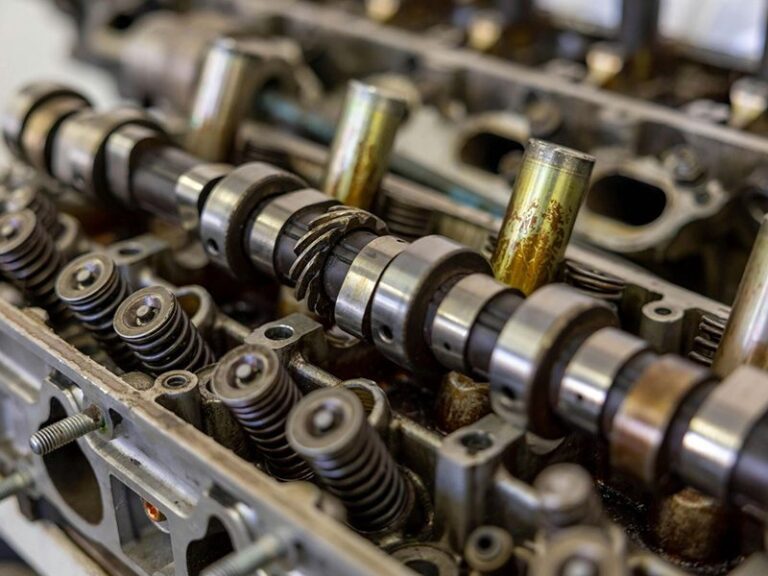
A camshaft is one of those engine parts most drivers never think about until something starts making a nasty noise. It sits deep inside the engine and helps control when the valves open and close. That timing matters a lot, because the engine only runs smoothly when air, fuel, and exhaust are moving exactly when they should.
So when someone asks, can a camshaft cause engine knock, the answer is yes. It can. But here is the thing: a camshaft is not the only possible source of knock, and it is not always the first part I would blame either. Engine knock can come from fuel issues, timing problems, worn internal parts, bad bearings, and a few other headaches that show up under the hood.
Even so, a camshaft-related problem can absolutely set off a knocking noise. Sometimes the noise is direct. Other times the camshaft is causing timing trouble that leads to misfires, rough combustion, and the kind of knock that makes every driver tense up the second they hear it.
If you have ever heard a ticking, tapping, or knocking sound from the engine and wondered whether the camshaft was behind it, you are not alone. In the real world, that sound can mean anything from a simple timing issue to a serious internal engine problem. The key is knowing what the noise sounds like, where it is coming from, and what part of the engine is actually out of sync.
What a Camshaft Does and Why It Matters
The camshaft is basically the engine’s timing manager. It controls the opening and closing of the intake and exhaust valves so the engine can breathe properly. Some engines use one camshaft, while others use two, depending on the design.
When everything is working the way it should, the camshaft turns in perfect harmony with the crankshaft. That relationship keeps the valves opening and closing at the right moment for each piston stroke. If that timing is off, the engine does not just lose smoothness. It can start misfiring, running rough, and making knocking or clattering noises that get worse over time.
That is why camshaft problems are never something to shrug off. A small timing issue can snowball into poor fuel economy, hard starting, loss of power, or damage that spreads to other engine components.
Yes, a Camshaft Can Cause Engine Knock
Let us answer the big question clearly. Can a camshaft cause engine knock? Yes, it can.
But the camshaft usually does not cause knock in isolation. More often, it is involved in a chain reaction. A worn camshaft, a timing belt that has slipped, or a camshaft that is not correctly synchronized with the crankshaft can throw off engine timing. Once that timing is wrong, the combustion process becomes messy.
And when combustion happens at the wrong moment, the engine may pre-ignite or misfire. That is where the knock comes from. The sound can range from a light metallic tapping to a deep, heavy knock depending on how bad the problem is and which engine parts are affected.
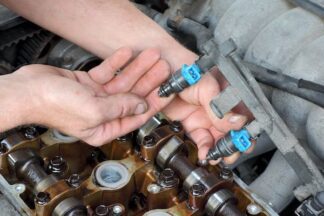
One important detail: a bad injector can also create knock. If too much fuel is injected, or fuel is delivered at the wrong time, the air-fuel mixture can ignite early. That means a camshaft issue is not the only thing to inspect. Still, because the camshaft helps control valve timing and engine operation, a fault there can certainly trigger knock or contribute to it.
What Camshaft Noise Sounds Like in the Real World
Drivers use the word “knock” for a lot of different sounds, and that can make diagnosis tricky. A camshaft-related noise may sound like:
- A rhythmic tapping at the top of the engine
- A metallic ticking that gets louder with RPM
- A rattling sound near the timing cover
- A rough knock during acceleration or idle
- An irregular clatter that comes and goes
Here is where it gets frustrating. A camshaft issue can sound similar to valve train noise, timing chain noise, lifter noise, or even low oil pressure. That is why a proper diagnosis matters. Guessing can turn a manageable repair into a bigger bill.
Imagine a driver who hears a light tapping noise after a long highway trip. They assume it is “just an old engine being old.” A week later the car starts idling rough, the check engine light comes on, and the noise turns into a harsher knock. What started as a small timing or camshaft issue can become a much larger repair because it was ignored too long.
The Most Common Causes of Camshaft Noise
A camshaft noise can come from several related problems, but one of the most common is a timing belt that is damaged, poorly aligned, or slipping. That belt connects the camshaft to the crankshaft and keeps both parts synchronized. If it cannot do that job properly, the engine timing falls apart.
There are also other causes worth knowing about, especially if you are trying to figure out whether the problem is truly the camshaft or something nearby. The following issues often show up together.
| Possible Cause | What It Does | Likely Result |
|---|---|---|
| Damaged timing belt | Fails to keep camshaft and crankshaft in sync | Misfire, knock, poor engine performance |
| Misaligned timing belt | Changes valve timing | Rough running, knocking, poor combustion |
| Slipping timing belt | Interrupts synchronization | Engine noise, hesitation, possible stalling |
| Incorrect belt tension | Allows the belt to slip or jump teeth | Timing problems and engine knock |
| Worn sprockets or teeth | Reduces belt grip and control | Noise, timing errors, misfire |
When any of these problems show up, the engine can start behaving badly fast. The valves may open too early or too late, and that can affect how the cylinders fill and empty. Once that happens, combustion loses its rhythm, and engine knock is often not far behind.
Why Timing Problems Create Knock
To understand why timing issues make noise, it helps to think about what is happening inside the engine cylinder. The piston moves up and down in a precise cycle. The valves have to open and close at the right moment to let in air and fuel, then let exhaust out after combustion.
If the camshaft timing is off, the valves may not be open when they should be. That means the cylinder may not get the right air-fuel mix, or exhaust may not clear properly. The result can be a weak burn, incomplete combustion, or in some cases fuel igniting before the piston is in the right position.
That early or uneven burning creates pressure spikes. Pressure spikes are bad news inside an engine. They often show up as pinging, knocking, or a harsh metallic sound that gets louder under load.
In plain English, the engine is no longer breathing and firing in the right sequence. Once that happens, the sound is usually the first warning sign that something is out of place.

Signs the Camshaft or Timing System May Be the Problem
If you are trying to narrow it down, pay attention to the symptoms that travel with the noise. A camshaft issue rarely shows up as sound alone. Usually, it brings a few other complaints along for the ride.
- Rough idle
- Loss of engine power
- Misfiring or stumbling during acceleration
- Hard starting
- Poor fuel economy
- Check engine light
- Rattling or ticking from the top or front of the engine
- Engine vibration at idle or under load
If you notice several of those at once, there is a decent chance the timing system needs attention. That does not automatically mean the camshaft itself is ruined. Sometimes the belt, tensioner, or sprockets are the real problem. But the camshaft is part of that system, so it belongs on the suspect list.
Timing Belt Problems That Lead to Camshaft Noise
The timing belt is one of the biggest players in this conversation. It keeps the camshaft and crankshaft in step. If it wears out, stretches, slips, or is installed incorrectly, the engine loses proper synchronization.
A damaged belt may have cracks, missing teeth, glazing, fraying, or uneven wear. A misaligned belt can ride improperly on the sprockets and start creating noise before it fails completely. A slipping belt can jump just enough to throw the timing off, even if it still looks serviceable from the outside.
That is why timing belt inspections should never be rushed. In some cases, the belt itself is not the only issue. The tensioner may be weak, the pulleys may be worn, or the sprockets may be damaged. If any one of those parts fails, the belt cannot hold the correct position for long.
Common reasons a timing belt slips
- Improper belt tension
- Worn or damaged belt teeth
- Bad belt tensioner
- Damaged sprockets
- Pulley misalignment
- Oil contamination on the belt
Oil is a sneaky one. If engine oil leaks onto the belt, the material can degrade faster and lose grip. That can lead to slipping, and slipping can lead to noise, poor timing, and eventually major engine damage if the belt jumps too far or breaks.
How to Fix Camshaft Noise the Right Way
Fixing camshaft noise starts with finding out what is actually causing it. That may sound obvious, but plenty of repairs go sideways because someone swaps parts before confirming the real issue.
If the timing belt is damaged, replacement is the fix. If it is misaligned, it needs to be set correctly. If it keeps slipping, you have to find out why. That may mean replacing the tensioner, checking the pulleys, or installing new sprockets if the old ones are worn.
In some cases, the camshaft itself may be worn, scored, or damaged. That is a bigger repair, and it can be expensive. But if the problem is only in the timing system, the repair may be less severe than it first sounds.
Step-by-step approach mechanics use
- Listen to the noise and note when it happens: idle, acceleration, cold start, or under load.
- Check for trouble codes if the check engine light is on.
- Inspect the timing belt or chain for wear, slack, or damage.
- Verify belt alignment and tension.
- Inspect sprockets, pulleys, and tensioners for wear or looseness.
- Check camshaft and crankshaft synchronization.
- Repair or replace the failed part, then retest the engine.
This process matters because the same knock can come from several different sources. A mechanic who jumps straight to replacing the camshaft may miss a cheaper fix. On the other hand, ignoring a worn camshaft when it is already damaged can make the engine fail later.
How to Align a Timing Belt Without Guesswork
Timing belt alignment is not the kind of thing you want to eyeball. The marks on the camshaft and crankshaft have to match the manufacturer specifications exactly. If they do not, valve timing will be off, and the engine may knock, run rough, or refuse to start.
If you are doing this work yourself, use the factory service manual for your specific vehicle. Every engine is a little different. What works on one engine may not work on another, even if they look similar from the outside.
For anyone working at home, the safe rule is simple: if the timing marks are not lining up cleanly, stop and double-check everything before turning the engine over. One mistake can bend valves or damage pistons on interference engines. That is an expensive lesson.
What proper alignment should accomplish
- Camshaft and crankshaft rotate in exact sync
- Valves open and close at the correct time
- Combustion stays smooth and controlled
- Engine noise drops instead of getting worse
- Misfires and timing-related codes are reduced
When the belt is aligned correctly, the engine should breathe and fire normally again. If the knock remains, the problem may be deeper than belt alignment alone.
Tension Matters More Than Most Drivers Realize
Belt tension sounds like a small detail, but it is one of the most common reasons timing systems fail. If the belt is too loose, it can slip. If it is too tight, it can wear the bearings, pulleys, and tensioner faster than normal.
A bad tensioner can create a rattling or knocking sound all by itself. It may also let the belt wander, which throws off timing. This is one of those problems that can sound like camshaft noise even when the camshaft itself is fine.
When a belt tensioner starts failing, you may hear noise that changes with engine speed. Sometimes the sound is worse at startup and improves after the engine warms up. Other times it gets louder under acceleration. Either way, that is a sign something in the timing system needs attention.
What It Costs to Fix a Camshaft Knock
Camshaft knock is not usually a cheap fix. In many cases, the cost lands somewhere between $2,000 and $3,000 for parts and labor. That range can climb if the engine has suffered damage beyond the camshaft area.
The final bill depends on a few things:
- Vehicle make and model
- Whether the engine uses one camshaft or two
- How hard it is to access the timing components
- Whether the camshaft is actually damaged
- Whether valves, lifters, sprockets, or bearings also need replacement
In a small sedan with decent access, the work may be manageable. In a larger engine with a tight engine bay, labor time can climb fast. And if the timing issue caused internal damage, the repair can go well beyond the original estimate.
That is why driving on a knock is never a smart gamble. A small issue that might have been a belt or tensioner repair can turn into camshaft replacement, valve damage, or a rebuilt cylinder head if it is left alone too long.
When the Camshaft Is Not the Real Problem
Not every engine knock points back to the camshaft. That is worth saying twice because drivers often fixate on the noisiest part they can think of, when the real cause may be somewhere else entirely.
Other possible causes include:
- Bad fuel injectors
- Incorrect ignition timing
- Low oil pressure
- Worn rod bearings
- Loose valve train components
- Carbon buildup in the combustion chamber
- Using the wrong fuel octane for the engine
A bad injector may put too much fuel into the cylinder or deliver fuel at the wrong time. That can cause pre-ignition and a knocking sound that feels very similar to camshaft-related knock. Low oil pressure can create upper engine noise that gets mistaken for camshaft trouble. Worn bearings can cause a deep knock that sounds worse under load.
The point is simple. A knock is a symptom, not a diagnosis. The job is to find the source before throwing parts at the engine.
How Mechanics Separate Camshaft Noise from Other Engine Sounds
Experienced mechanics do not just hear a knock and start replacing parts. They listen for patterns. They check when the noise happens, how it changes, and what other symptoms show up with it.
For example, a noisy camshaft or timing component often creates sound near the front or top of the engine. A rod knock usually sounds deeper and lower in the block. A lifter tick may be lighter and more rapid. An injector tick can sound sharp but is often more uniform.
That said, sound alone is not enough. A mechanic may also use scan tools, oil pressure testing, timing checks, and visual inspection to narrow the cause. On modern engines, sensor data can reveal whether timing is off, whether a cylinder is misfiring, or whether the camshaft position is not matching what the engine computer expects.
Helpful questions a mechanic will ask
- Did the noise start suddenly or gradually?
- Does it happen only when cold?
- Does it get louder under acceleration?
- Is there a check engine light?
- Has the timing belt ever been replaced?
- Has the engine lost power or started misfiring?
Those details matter more than most people realize. A noise that appears only during cold starts can point in a different direction than a knock that gets worse on the highway.
Can You Keep Driving With Camshaft Knock?
Short answer: you should not push your luck.
If the noise is minor and the car is still running normally, you may be able to drive a short distance to a shop. But if the knock is loud, the engine is misfiring, the check engine light is flashing, or the car is losing power, stop driving as soon as it is safe to do so. Continuing to drive can turn a repairable problem into major engine damage.
Think of it this way. Engines do not heal themselves. If the camshaft timing is off or a timing belt is slipping, the problem will usually get worse, not better. Every mile adds more stress.
Best Fixes Today If You Suspect Camshaft Knock
If you think your engine noise may be camshaft-related, here is the smartest order of attack:
- Do not ignore the sound. Make a note of when it happens and how it sounds.
- Check the basics. Look for low oil, warning lights, or recent maintenance issues.
- Inspect the timing system. A damaged or slipping belt is one of the most common causes.
- Replace worn belt components. That includes the belt, tensioner, pulleys, or sprockets if needed.
- Confirm camshaft and crankshaft timing. If the timing is off, fix it before anything else.
- Check injectors and ignition timing. Fuel and spark issues can mimic camshaft knock.
- Scan for codes and road test. Make sure the repair actually solved the problem.
If the camshaft itself is damaged, repair or replacement may be the only real solution. But many drivers end up needing timing belt service, not a full camshaft replacement. That is why proper diagnosis can save a lot of money.
Why Early Repair Saves You Money
A small camshaft or timing issue can look manageable at first. The engine may still run. The noise may seem mild. The car may even drive fine around town.
But engine timing issues tend to get worse with time. A slipping belt can jump further. A worn tensioner can fail. A camshaft that is out of sync can cause misfires that stress the catalytic converter, spark plugs, and other engine parts. A problem that started in one area can spread quickly.
That is where the real cost comes in. You are not just paying to fix the original issue. You are also paying for the damage it caused along the way.
Simple Maintenance That Helps Prevent Camshaft Trouble
Good maintenance will not prevent every engine problem, but it gives you a much better shot at avoiding camshaft-related noise and timing headaches. The basics still matter.
- Change engine oil on time
- Use the correct oil viscosity
- Replace the timing belt at the recommended interval
- Inspect tensioners and pulleys during service
- Fix oil leaks before they contaminate timing components
- Pay attention to early warning signs like ticking or misfires
Oil changes are especially important because the camshaft and valve train rely on clean, properly pressurized oil. If oil gets old, dirty, or low, upper engine parts can start wearing faster. That wear can show up as noise long before total failure.
When to Stop Diagnosing and Call a Professional
If you are comfortable checking oil level, listening for obvious noises, and looking for visible belt damage, that is a good start. But once the problem starts involving timing marks, camshaft synchronization, or internal engine access, a professional inspection is often the safer move.
That is especially true if your engine is an interference design. On those engines, a timing mistake can bend valves and damage pistons. One wrong move while turning the engine over or installing a belt can make a bad situation much worse.
Even a skilled home mechanic may choose to hand this job to a shop if the engine layout is tight or the timing procedure is complicated. That is not weakness. That is smart judgment.
Final Word on Camshaft Knock
So, can a camshaft cause engine knock? Yes, absolutely. A damaged camshaft, bad timing belt, slipping belt, poor alignment, or failed tensioner can all create the conditions for knocking, misfires, and rough running. Sometimes the camshaft is the direct cause. Other times it is part of a bigger timing problem that needs immediate attention.
The safest move is to treat engine knock like a warning, not background noise. Find out whether the issue is the camshaft, the timing belt, the injectors, or something deeper before the damage spreads. If you catch it early, you may save the engine and your wallet at the same time.
If your engine is knocking now, do not wait for it to get louder. Get the timing system checked before a small problem turns into a major rebuild.