
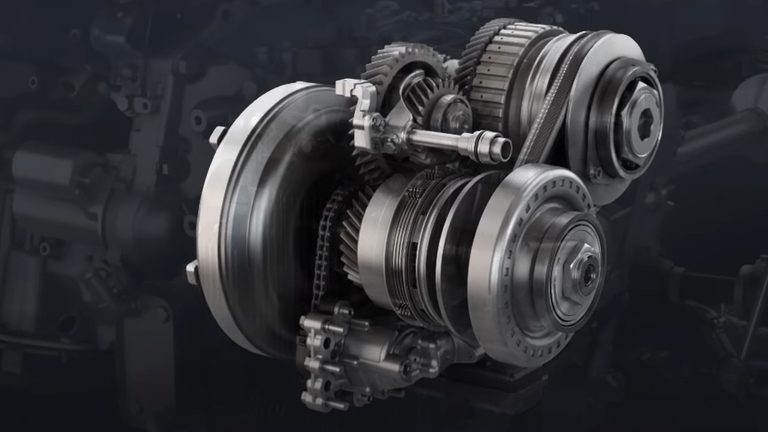
That “smooth like butter” feeling a CVT is supposed to give? When it starts acting up, it can feel like the car is losing its mind. You might notice overheating, slipping, or weird noises that don’t sound normal for a healthy drivetrain.
In this guide, I’m going to walk you through the most common Toyota CVT transmission problems and the symptoms that usually come with them. I’ll also cover what to check first, how to troubleshoot safely, and what repair costs commonly look like based on the scenarios people report.
I’ve got 10+ years in the shop, and one thing I’ve learned is this: CVT issues are often diagnosable if you pay attention early. If you ignore the early warning signs, you usually end up paying for it later, and the bill gets bigger fast.
Common symptoms of CVT problems
When a Toyota’s CVT system starts failing, it usually doesn’t wait until the transmission is totally dead. You’ll often get early warning signs you can spot if you know what to look for.
Most owners notice changes in acceleration, jerks or shakes, and “something sounds off” noises. The tricky part is that these symptoms can overlap with engine or drivetrain problems, so the diagnosis matters.
| Symptom | What it often indicates | What to check first |
|---|---|---|
| Check engine light and dashboard warnings | Sensor readings, transmission control issues, possible overheating | Scan for codes, note if warnings appear under load |
| Loss of acceleration or delayed engagement | Belt or pulley issues, low CVT fluid, internal pressure problems | Confirm fluid level if your model allows, look for leaks |
| Jerking, shuddering, or “slipping” feel | Uneven power delivery, misaligned pulleys, worn belt, fluid/pressure issues | Check for fluid condition and burnt smell |
| Rattling noises and delayed motion | Internal components wearing, belt slip, delayed pressure response | Listen for when the noise happens, verify if it changes with RPM |
| Overheating and burnt odor | Overheated fluid or lack of proper lubrication and cooling | Stop driving if severe, inspect cooling system and fluid |
Check engine light and dashboard warnings
The check engine light isn’t decorative. It turns on when the car’s computer notices a fault condition it wants you to know about.
For CVT issues, a dashboard warning can be triggered by abnormal sensor signals or transmission control problems. If you ignore it and keep driving, you’re basically betting that the problem will stay small, and that’s not a bet I like making.
When the warning appears, pay attention to when it happens. Does it come on during highway driving, stop-and-go traffic, or only during hard acceleration?
A quick diagnostic check at a reputable shop can save you from spending money on the wrong parts. If you have access to an OBD-II scan tool, pull the codes first, then decide what to do next.
Loss of acceleration and delayed engagement
If your Toyota doesn’t pick up speed like it used to, that’s a big clue. Loss of acceleration often means the CVT is struggling to transfer power the way it should.
Delayed engagement is the other common complaint. You step on the gas, but the car hesitates for a moment before it finally responds.
Both symptoms can stem from worn belts or pulley systems inside the CVT. Sometimes the cause is simpler, like low CVT fluid, but the fix depends on what the system is actually doing internally.
Frequent checks and timely fluid service can prevent some of these problems from snowballing. Once the CVT starts slipping internally, though, you want to address it quickly before the wear gets worse.
Jerking, shuddering, and slipping gears
Jerking motions while driving aren’t normal, and neither is noticeable shuddering. These can be signs of uneven power delivery from the transmission.
Shuddering often points to internal CVT issues like misaligned pulleys or worn rubber belts. When the belt doesn’t maintain proper contact, the transmission can “grab” and “let go” in a way you feel through the seat of your pants.
Slipping gears can show up as sudden loss of speed or power without you changing pedal pressure. In many cases, slipping is tied to fluid that needs service or more serious internal damage.
When you feel slipping, I treat it as an urgent sign. Keep driving and it usually overheats the fluid and accelerates wear.
Rattling noises and delayed motion
Strange noises like rattling or knocking are your cue to stop guessing. Those noises can mean internal components aren’t operating as they should.
They’re often loudest at startup or during acceleration. If you hear those sounds and the car responds late, you may be dealing with belt slip or internal pressure issues.
In the shop, I’ve seen cases where drivers described it as “the car sounds bad but drives okay.” Usually that “okay” didn’t last long once the internal issue progressed.
Issues specific to Toyota models
Toyota uses different engines and transmission setups across model years, and CVT behavior can vary. That’s why model-specific complaints matter, even if they don’t automatically guarantee the exact same root cause in every vehicle.
Below are the model and trim concerns described in the original information, including the Toyota Corolla and Camry, the SE model complaint, and the 2020 Corolla throttle response delay. I’ll also add practical troubleshooting notes so you know what to check when you match one of these symptom patterns.
Toyota Corolla and Camry transmission concerns
Toyota Corolla: Drivers have reported CVT issues like slipping during gear changes. That inconsistent acceleration can sometimes come with unusual whining noises, especially when you accelerate more aggressively.
Under quick acceleration, the Corolla’s CVT may struggle, leading to a less smooth ride. If you hear whining along with slipping, don’t ignore it as “just normal CVT noise.”
Toyota Camry: Some owners report lurching or hesitating when shifting from Park to Drive. A delay in engagement can feel like the car isn’t ready to move until a moment later.
If you notice a burnt odor, that can indicate overheated transmission fluid. That’s the kind of symptom I want handled immediately, because overheated fluid accelerates internal damage.
Challenges with the SE model and 2020 Corolla
SE model: Early wear of the CVT belt is described as a common complaint. Jerking movements can show up, and the problem may be worse if the car is driven aggressively.
2020 Toyota Corolla: This model is described as having transmission challenges, including delayed throttle response. If the check engine light turns on, it’s crucial to get the car checked because it could connect to transmission faults.
The takeaway with these models is the same: maintenance and fluid checks can help reduce problems, but they don’t replace proper diagnosis when warning lights and severe symptoms appear.
Addressing and troubleshooting CVT problems
When your Toyota CVT starts acting up, the biggest mistake you can make is treating it like a mystery. Instead, follow a diagnosis path that checks the real causes first.
Common issues that can lead to CVT symptoms include malfunctioning control modules, clutch problems, fluid leaks, and coolant problems. Taking timely action matters because CVT damage compounds when the system runs hot or runs low on fluid.
If you want a practical starting point, do this: check for warning lights, then look for fluid leaks, then confirm the cooling system is healthy, then scan for codes. That order usually gets you closer to the root cause faster.
Control module and clutch issues
The transmission control module can be involved in CVT trouble. This electronic part regulates shifting behavior, and if it malfunctions, you may notice delayed or irregular shifting.
When the control system detects a fault, the check engine light can come on. If you’re dealing with inconsistent shifting behavior, scanning for codes helps you avoid replacing parts blindly.
Clutch issues also matter. In a CVT-equipped Toyota, clutch behavior is tied into how smooth acceleration feels, and if the clutch is worn out, the car can jerk or accelerate poorly.
For the best outcome, take the vehicle to a certified mechanic for an accurate diagnosis. CVTs often require specific knowledge and procedures, and guessing tends to cost more than doing the right tests.
Fluid leaks and coolant challenges
Fluid leaks are a real deal with CVTs because low fluid can quickly lead to overheating and slipping. Look for red or brown puddles under your car, since those can be signs of transmission fluid leaks.
Coolant problems are another common trouble spot. If the cooling system is compromised, the transmission can overheat even when the fluid level is okay.
As you troubleshoot, check your coolant levels and overall cooling system health. The goal is simple: keep the transmission cool and lubricated, because heat and low lubrication are what drive most CVT failures to the next level.
Regular maintenance checks for fluid levels, coolant condition, and any signs of leaks can prevent severe CVT problems before you’re stuck with a big repair.
Maintenance tips for Toyota CVT
Keeping your Toyota CVT healthy is mostly about two things: correct fluid service and managing heat. If you stay on top of those, you avoid a lot of the early-stage wear that turns into expensive repairs.
In the shop, I tell people the CVT doesn’t care how nice you drive 95% of the time. If you let fluid get neglected or you keep roasting the transmission in stop-and-go traffic, it adds up.
Regular maintenance and CVT fluid checks
Start with regular maintenance and CVT fluid checks. Make sure the fluid is at the recommended level using the correct procedure for your vehicle.
Low fluid can lead to overheating and slipping, which then causes more wear and more problems. It’s also important to use the correct type of CVT fluid, because using the wrong fluid can damage transmission components.
When you check fluid, pay attention to condition. If the fluid looks discolored or smells burnt, it may be time for a change.
For fluid service, rely on your owner’s manual guidance and follow Toyota’s requirements. If you want an official place to start, use Toyota’s owner support resources at Toyota owners and reference your exact model’s maintenance information.
Also, don’t wait for symptoms to appear. Some CVT issues announce themselves through subtle changes in smoothness long before the car throws a warning light.
Preventing overheating and overloading
Overheating is a major driver of CVT failure. If you push the vehicle beyond its limits or you frequently overload it, you can strain the transmission and push temperatures too high.
If you carry heavy loads often or you drive a lot in stop-and-go traffic, consider an auxiliary cooler. An added cooler can help keep fluid temperatures more stable, but it still doesn’t replace correct maintenance.
Keep an eye on the temperature gauge. If it starts rising more than usual, treat it as a warning sign, not a “drive through it” moment.
Your engine cooling system helps keep the transmission cooled too, so make sure it’s working properly. Parking in shaded areas or using sunshades can also reduce heat soak when you’re not driving, which helps the system start out cooler.
Real world tip: if you notice the car is acting up mainly after long highway pulls or in extreme heat, that pattern screams “heat-related CVT issue.” That’s the time to be extra disciplined about fluid condition and cooling-system checks.
Costs and considerations for CVT repairs
Repairing a Toyota CVT can be expensive, and the decision comes down to what’s wrong and how far it’s progressed. Sometimes you can address the issue with a smaller repair, and other times you’re looking at larger component replacement.
Let’s break down the cost examples mentioned in the original information, and then I’ll tell you how to avoid getting burned by the wrong diagnosis.
Evaluating repair cost and transmission trouble
When you’re estimating CVT repair costs, it really matters what symptom you have and what the shop finds during diagnosis. Some problems are tied to leaks and fluid service needs, while others point to deeper internal wear or control faults.
According to the original cost examples, fluid leak-related issues can cost around $3,000. Shuddering or shaking issues might run up to $3,500, depending on what’s causing the vibration and what components need replacement.
Remember, those numbers are tied to the described scenarios, not a universal price for every Toyota CVT problem. Your actual quote depends on your model, the diagnostic results, and what the repair requires.
If you catch problems early, you often avoid the “everything is worn” situation. Delaying repairs can turn a repair that might have been manageable into one that involves bigger parts and higher labor.
One shop tip that saves money: when you call for an estimate, don’t only describe the symptom. Tell them when it happens (cold vs hot, light throttle vs heavy acceleration, Park to Drive delays) and ask what tests they’ll do to confirm the root cause.
Dealing with complete transmission failure
Complete transmission failure is the worst-case scenario and tends to be more expensive. In the original information, some owners reported spending up to $1,800 on repair attempts that didn’t last.
If the CVT can’t be saved, you may need a full replacement. That part is always hard to swallow, and it can be especially painful if the original issue was ignored until it reached the “won’t work at all” stage.
The original information also mentions that dealing with related components like the TCM can cost between $750 and $808. Whether you replace just the control unit or a bigger portion of the drivetrain depends on what the diagnosis confirms.
In my experience, the best decision comes after a thorough diagnosis, not after a rush to replace parts. If a shop is guessing, you should pause and push for the why.
What to do next if your Toyota CVT is acting up
If your Toyota shows CVT symptoms like slipping, jerking, rattling, or overheating, don’t just keep driving and hope it improves. Start with the basics: watch the warning lights, check for leaks, and scan the vehicle before any repairs.
If you smell burning fluid or you get overheating warnings, treat that as immediate. Continuing to drive can turn a repair job into a replacement job.
For mild symptoms that only happen occasionally, you might be able to schedule diagnosis soon. But if the car is repeatedly losing acceleration or entering limp behavior, it’s smarter to get it inspected before you’re stuck.
Also, don’t skip the ownership-reference step. Your owner’s manual will tell you the correct fluid type and the right procedures for fluid checks, and that matters with CVTs. If you want a trustworthy starting point, use the official Toyota owner resources and match your VIN-specific details to your maintenance needs.
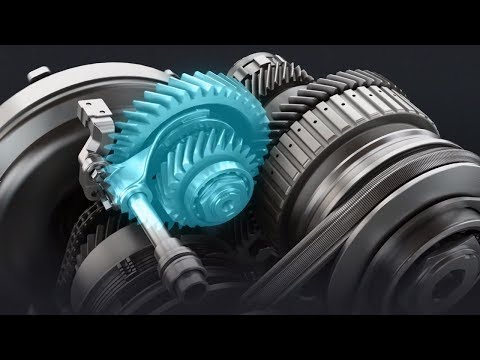
Expert verdict: Toyota CVT problems usually show up through overheating, slipping, delayed engagement, jerking or shuddering, and unusual noises. If you catch it early, focus on fluid condition, cooling system health, and control diagnosis, because those are the areas that most often lead to the “same symptoms, different causes” problem.
When to DIY vs see a mechanic: You can DIY basic checks like looking for puddles, confirming when warnings happen, and scanning codes. But once you have confirmed slipping, shuddering, burnt odor, or overheating warnings, a professional diagnosis is the move. One clear takeaway: don’t ignore the first warning signs, because CVT damage gets expensive fast.