
If you are shopping for a used Nissan, or you already own one and just felt something weird happen during acceleration, you have probably heard the rumors. Nissan’s CVT transmissions have a reputation, and unlike a lot of internet car myths, this one is largely backed by real complaints, real lawsuits, and real repair bills.
Here is the good news before we get into the details. Not every Nissan with a CVT is a ticking time bomb. Plenty of owners drive these vehicles for well over a hundred thousand miles without a single hiccup. But the pattern of problems across certain models and years is documented well enough, through technical service bulletins, NHTSA complaints, and even class-action settlements, that it deserves your full attention rather than a shrug.
This guide breaks down exactly what goes wrong with Nissan’s CVT, which specific models tend to have the most trouble, what Nissan has actually done about it, and what you can do right now to protect yourself, whether that means better maintenance habits or knowing your legal options if things have already gone sideways.
Why Nissan’s CVT Gets Singled Out So Often
Before pointing fingers, it helps to understand what a CVT actually is and why Nissan’s version specifically has drawn so much criticism compared to CVTs from other manufacturers.
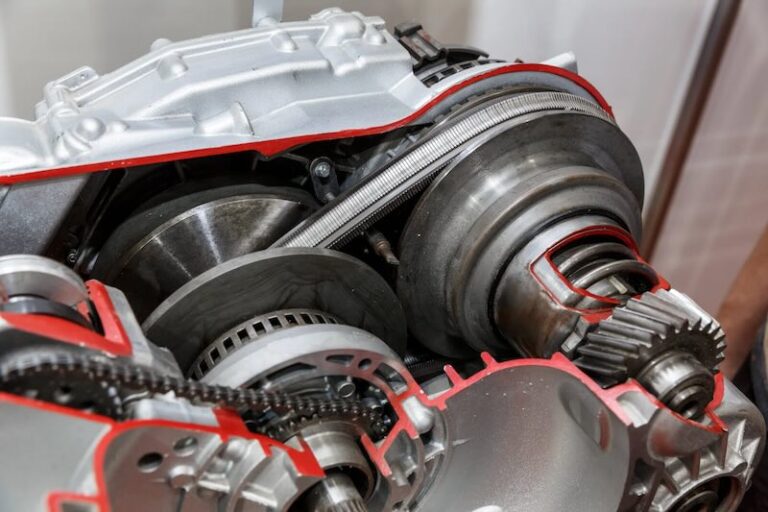
A continuously variable transmission does not use fixed gears like a traditional automatic. Instead, it relies on a belt and pulley system that can adjust its ratio smoothly and continuously, which in theory gives you better fuel economy and a seamless driving feel without the usual gear-shift jolt.
Nissan adopted CVTs across a huge portion of its lineup earlier and more aggressively than most competitors, putting them in everything from compact cars like the Versa to midsize sedans like the Altima and even SUVs like the Rogue and Murano. That widespread rollout meant a lot of exposure, and when design or durability issues surfaced, they showed up across an enormous number of vehicles rather than staying contained to one or two models.
The Symptoms Every Nissan CVT Owner Should Recognize
Let us start with the actual warning signs, since catching these early is genuinely the difference between a manageable repair and a full transmission replacement.
Shuddering and Stalling: The Most Reported Complaint
Ask any Nissan owner with CVT trouble what their first symptom was, and there is a good chance shuddering during acceleration tops the list. This happens because the CVT is struggling to settle on the correct gear ratio, essentially hunting back and forth instead of smoothly transitioning power to the wheels.
In some cases, this traces back to the Transmission Control Module, the small onboard computer responsible for managing shift behavior. When this module fails or malfunctions, it can send improper shift commands, causing the car to jerk unexpectedly or even stall out entirely, sometimes at the worst possible moment like pulling into an intersection.
Here is the encouraging part. Regular maintenance, including having your mechanic pull diagnostic codes during routine checkups, can catch this problem early. In plenty of documented cases, something as simple as a fluid change has resolved shuddering symptoms before they progressed into anything more serious. That said, do not assume every case is this simple. Getting it checked out properly beats hoping it fixes itself.
Whining Noises and Sudden Power Loss
A persistent whining noise, especially noticeable during acceleration or sustained highway speeds, is another hallmark CVT complaint. This sound typically points toward trouble with the internal belt or pulley system, the core components responsible for actually transferring power through the transmission.
When that whining is accompanied by a noticeable loss of power, meaning the engine revs but the car does not respond with matching acceleration, that is often a sign the transmission itself needs professional repair rather than a simple fluid top-off.
Checking your transmission fluid regularly can sometimes catch this issue in its earlier stages, but once you hear that whine paired with power loss, it is time to get a professional involved rather than continuing to drive and hope for the best.
Overheating and Fluid Leaks: A Dangerous Combination
Nissan CVTs have a documented tendency to run hotter than some competing transmission designs, and that generated heat needs to go somewhere. When the cooling system cannot keep up, the transmission may actually shut itself down temporarily as a protective measure, preventing further internal damage.
Here is the problem though. Frequent overheating events, even if the transmission protects itself each time, contribute cumulatively to long-term wear and eventual failure. Think of it like repeatedly redlining your engine. Even if nothing breaks immediately, you are shortening its lifespan with every occurrence.
Fluid or coolant leaks compound this danger significantly. If you spot fluid pooling underneath your Nissan, this is not a “check it next week” situation. Leaks reduce your transmission’s ability to manage heat and maintain proper lubrication simultaneously, creating a dangerous one-two punch that accelerates damage. Regular inspection of your entire transmission system, including the cooling components and fluid lines, catches these problems while they are still cheap and simple to fix.
Model-Specific Problems: Does Your Nissan Have Its Own Personality Quirks?
Just like we would break down issues for any brand, different Nissan models have developed their own specific patterns of CVT trouble. Knowing which category your vehicle falls into helps you know exactly what to watch for.
Nissan Altima: The Poster Child For CVT Complaints
If there is one Nissan model that comes up more than any other in CVT horror stories, it is the Altima, particularly model years spanning 2007 through 2015. Owners consistently report gears slipping and noticeably delayed acceleration, both of which create genuinely unsettling driving experiences and legitimate safety concerns, especially when merging or trying to accelerate quickly to avoid a hazard.
Transmission overheating shows up frequently in Altima complaints as well. If you own or are considering an Altima from this era, pay close attention to early warning signs like shaking or shuddering sensations. Catching these symptoms promptly and addressing them can genuinely help you avoid the more expensive outcome of a complete transmission replacement down the road.
Nissan Rogue and Murano: Jerking Motions And High-Mileage Wear
Both the Rogue and Murano have generated their own share of CVT complaints, with jerking motions during acceleration being the most commonly reported symptom. This behavior often traces back to either software calibration issues within the transmission control system or straightforward mechanical wear accumulating over time.
The Murano specifically seems to show these symptoms more prominently as mileage climbs higher, suggesting a wear-related pattern rather than a purely manufacturing-related defect. Regular maintenance checks become increasingly important as these vehicles age, and keeping transmission fluid in good condition is one of the most effective ways to help ensure smoother operation and extend the CVT’s usable life.
Nissan Pathfinder and Sentra: Sudden Lurches And Concerning Power Loss
Owners of the Pathfinder and Sentra have reported symptoms including sudden lurching movements and unexpected power loss, both of which carry genuine safety implications, particularly if they occur while driving at highway speeds. Pathfinder owners in particular cite slipping sensations and noticeable hesitation as recurring complaints.
Interestingly, some of these issues have been resolved through software updates alone, meaning the problem originated in the transmission’s electronic calibration rather than a physical mechanical failure. However, persisting symptoms after a software update may require deeper diagnostic work and potential component replacement. Regular servicing remains your best tool for catching these minor issues before they escalate into something more serious and expensive.
Juke, Quest, and Versa: Smaller Cars, Distinct Problems
Even Nissan’s smaller and more budget-friendly models are not immune to CVT quirks, though the specific symptoms vary noticeably between them.
- Nissan Juke: Known for transmission hesitation and stalling specifically at lower speeds, which can be particularly unnerving in stop-and-go city traffic or when pulling out into an intersection.
- Nissan Quest: Drivers report noticeable vibrations combined with engine revving that does not translate into matching speed increases, essentially the vehicle straining without actually accelerating properly.
- Nissan Versa: Tends to experience delayed or erratic shifting patterns, making acceleration feel inconsistent and occasionally unpredictable.
Across all three of these models, monitoring symptoms early and getting a professional assessment sooner rather than later helps maintain better overall vehicle performance and prevents complications from compounding over time.
Quick Reference: Model-Specific CVT Symptoms
| Model | Most Common Symptom | Notable Years |
|---|---|---|
| Altima | Gear slipping, delayed acceleration, overheating | 2007-2015 |
| Rogue / Murano | Jerking during acceleration | High mileage vehicles especially |
| Pathfinder / Sentra | Sudden lurches, power loss | Various, software-related in some cases |
| Juke | Hesitation and stalling at low speeds | Various |
| Quest | Vibration paired with revving without acceleration | Various |
| Versa | Delayed or erratic shifting | Various |
What Nissan Has Actually Done About This: Bulletins, Warranties, and Recalls
Given how widespread these complaints have become, it is worth knowing exactly what Nissan has officially done in response. This information matters enormously if you are dealing with symptoms right now, since it could mean the difference between paying out of pocket and getting a free repair.
Technical Service Bulletins: The Repair Roadmap
Nissan regularly issues Technical Service Bulletins, commonly called TSBs, specifically to guide dealerships and independent repair shops through known issues and their proper fixes. These are essentially official documents that say “here is a problem we know about, and here is exactly how to fix it correctly.”
A particularly relevant example came out in February 2021, addressing CVT problems specifically in Altima and Rogue models. This bulletin detailed specific diagnostic error codes, P17F0 and P17F1, along with precise repair steps tied to those codes.
Here is why this matters for you directly. If your mechanic has access to relevant TSBs for your specific model and symptoms, they can diagnose and fix your problem far more efficiently, without the trial-and-error guesswork that sometimes drives up repair costs unnecessarily. Before authorizing a big transmission repair, it is worth specifically asking your shop whether they have checked for any applicable TSBs related to your symptoms and vehicle.
Warranty Extensions: Nissan’s Response To Widespread Complaints
In direct response to the sheer volume of CVT complaints, Nissan extended warranty coverage for several affected models. The standard powertrain warranty coverage of 60 months or 60,000 miles was extended to 84 months or 84,000 miles for many vehicles equipped with problematic CVTs.
This extended coverage typically includes:
- The complete CVT assembly
- Internal transmission components
- The control valve body, which manages fluid flow and shift behavior
If your Nissan falls within this extended coverage window based on age and mileage, and you are experiencing symptoms discussed throughout this article, check your warranty status before paying for repairs out of pocket. This single step could genuinely save you thousands of dollars.
Recalls: When Problems Cross Into Safety Territory
Recalls get issued specifically when an issue is determined to affect vehicle safety rather than simply comfort or convenience. When Nissan issues a recall related to CVT problems, affected owners receive official notification and can bring their vehicle in for free repairs.
Staying on top of recall notices is genuinely important, and it costs nothing to check. Simply search your vehicle’s VIN through official recall databases periodically, especially if you own one of the models we have flagged throughout this article as having documented CVT concerns.
How CVT Problems Hit You Where It Really Hurts: Resale Value
Beyond the immediate frustration and repair costs, Nissan’s CVT reputation creates a real, measurable impact on what your vehicle is actually worth when you eventually decide to sell or trade it in.
Why Buyers Hesitate, And What That Means For Your Wallet
Word travels fast in the used car market, and Nissan’s CVT reputation has become common knowledge among savvy used car shoppers. This widespread awareness translates directly into buyer hesitation, which in turn suppresses both demand and the prices buyers are willing to offer for used Nissans equipped with these transmissions.
Here is what this looks like in practice:
- Lower offers compared to similar vehicles from brands without a documented CVT reputation
- Longer time sitting on the market before finding a buyer willing to take the risk
- Increased buyer requests for pre-purchase inspections specifically focused on transmission health
Premature transmission failure remains the core concern driving this hesitation. Buyers understand that if they purchase a used Nissan and the CVT fails shortly after, they could be facing a repair bill running into thousands of dollars, money they would rather not risk on an unknown vehicle history.
A poor vehicle history report that specifically flags previous transmission issues compounds this problem even further, sometimes scaring away buyers entirely regardless of how well the current owner maintained the vehicle since the repair.
Protecting Your Resale Value As A Current Owner
If you already own a Nissan with a CVT and resale value concerns you, here are practical steps that genuinely help:
- Keep meticulous maintenance records, especially documentation of every transmission fluid change
- Address any symptoms promptly rather than letting problems compound, since a documented repair history looks far better to buyers than an undocumented, unresolved issue
- If your vehicle has already had transmission work done under warranty or through a recall, keep those records specifically, since they demonstrate the problem has already been professionally addressed
- Consider getting a pre-sale inspection yourself before listing the vehicle, allowing you to address any issues proactively rather than having them surface during a buyer’s inspection and tank your negotiating position
Your Legal Options: What Owners Have Already Won
Given how widespread and well-documented these CVT issues have become, legal action has followed, and understanding what has already happened in the courts could directly affect your own situation.
Class-Action Lawsuits: Real Compensation For Real Problems
Multiple class-action lawsuits have been filed against Nissan specifically targeting defective CVT transmissions across various models. These lawsuits exist specifically to compensate affected vehicle owners who experienced documented transmission problems.
A notable recent example involves a settlement that received formal judicial approval, covering various models equipped with these problematic CVTs. This kind of legal action typically arises directly from the pattern of recurring transmission problems we have detailed throughout this article, essentially validating that these were not isolated incidents but a genuine widespread defect pattern.
Another significant case worth knowing about is Dhital v. Nissan North America, which represented a meaningful consumer victory in court. This legal decision reinforced the importance of consumer rights in these situations, helping ensure that affected vehicle owners have a genuine path toward the compensation and justice they deserve.
If you believe your situation might qualify for compensation under existing or ongoing legal action, participating is not just about your own individual outcome. It also contributes to broader pressure on manufacturers to address safety and reliability concerns proactively rather than waiting for owners to discover problems on their own.
Filing A Complaint With The NHTSA: Your Voice Actually Matters Here
The National Highway Traffic Safety Administration plays a central role in vehicle safety oversight, and a huge number of Nissan owners have filed complaints specifically regarding CVT transmission problems. These complaints commonly describe symptoms like shuddering or unexpected jerking, both of which genuinely affect the safety of the driving experience.
Here is why this matters beyond just your individual complaint. Analyzing aggregated complaint data helps identify clear trends and pinpoints exactly which models experience recurring problems most frequently. This kind of pattern recognition is often precisely what triggers formal recalls or official safety investigations from regulatory bodies.
If you are currently experiencing CVT problems with your Nissan, filing a complaint with the NHTSA takes just a few minutes online and genuinely contributes to broader consumer advocacy efforts. Your individual complaint might feel small, but combined with thousands of others, it becomes the kind of data that forces manufacturers to take action.
A Practical Maintenance Plan To Protect Your Nissan CVT
Understanding the risks is one thing. Actually protecting yourself from becoming another statistic in this ongoing story is what really matters. Here is a practical, realistic approach to CVT maintenance that genuinely extends the life of your transmission.
Fluid Changes: The Single Most Important Maintenance Item
Transmission fluid changes should happen at the intervals specifically outlined in your owner’s manual, and this is not a recommendation worth skipping to save a little money in the short term. Using the correct fluid type matters enormously here, since CVTs are notably more sensitive to fluid specifications compared to traditional automatic transmissions.
Beyond scheduled changes, make it a habit to regularly check for signs of leaks or listen for unusual noises like humming or whining sounds, both of which can signal developing problems well before they become severe enough to cause a breakdown.
Professional Inspections: Catching What You Cannot See Or Hear Yourself
Consulting a professional for periodic transmission service goes beyond what you can accomplish through basic fluid checks alone. During these visits, qualified technicians inspect for wear patterns and can recommend necessary adjustments before minor issues progress into major failures.
Here is a detail that many owners overlook entirely: keep a thorough record of every maintenance activity performed on your vehicle. This documentation genuinely matters if you ever need to file a claim under your powertrain warranty, since proper documentation demonstrates you followed recommended care guidelines, directly protecting your coverage in the event of a dispute.
Driving Habits That Actually Extend CVT Lifespan
How you drive genuinely affects how long your CVT lasts, and this is not just generic advice, it is backed by how these transmissions are actually engineered to function.
- Avoid rapid acceleration and hard deceleration whenever possible, since both place unnecessary strain on the belt and pulley system
- If you live somewhere hilly or mountainous, use the appropriate driving mode designed to reduce stress on the CVT during steep climbs or descents
- Avoid consistently pushing your vehicle to its performance limits, since CVTs generally handle smooth, steady demands better than aggressive, high-stress driving patterns
Stay On Top Of Your Warranty Status
Periodically verify that your warranty coverage remains intact and understand exactly what it covers, particularly given the extended coverage Nissan has offered for many CVT-related components. Knowing your coverage status means unforeseen issues can be addressed with minimal personal financial cost rather than an unexpected repair bill hitting your budget out of nowhere.
Combined with scheduled maintenance and mindful driving habits, staying informed about your specific warranty terms provides genuine peace of mind. Since transmission repair costs can run remarkably high when problems are not covered, prevention truly is the name of the game here.
Quick Action Plan If You Are Experiencing Symptoms Right Now
If you read through this entire article because your own Nissan has been showing some of these warning signs, here is exactly what to do next, in order.
- Check your fluid immediately. Look at color, level, and smell. This costs nothing and takes five minutes.
- Verify your warranty status. Given the extended coverage many Nissan models received, you might be covered without realizing it.
- Ask your mechanic about relevant TSBs. A shop familiar with Nissan-specific bulletins can diagnose your issue far more efficiently than one working from scratch.
- Check for open recalls. This takes a few minutes using your VIN and could mean a free repair.
- Document everything. Keep records of symptoms, dates, mileage, and any repairs performed, both for warranty purposes and in case you need to pursue legal options later.
- File an NHTSA complaint if appropriate. This contributes to the broader data that helps other owners and pushes manufacturers toward accountability.
Nissan’s CVT transmissions carry a reputation for a reason, but that reputation does not have to define your personal ownership experience. The owners who stay ahead of fluid changes, pay attention to early warning signs, and know their warranty and legal options are the ones who avoid becoming another expensive statistic. Your transmission is talking to you every time you drive. The question is whether you are listening closely enough to catch the warning before it becomes a five thousand dollar problem.