
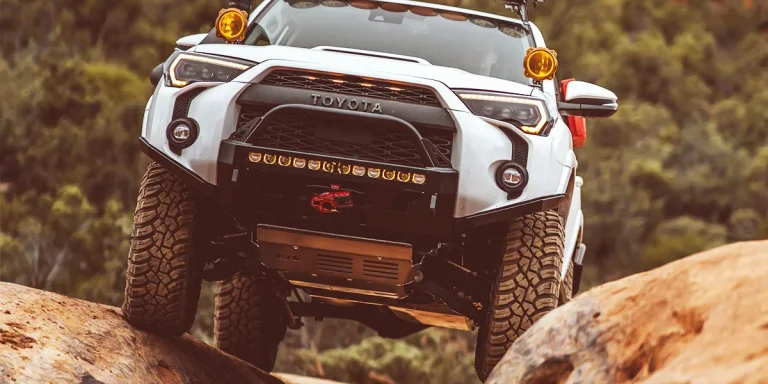
If you hear scraping, rattling, or a strange plastic-on-road sound under the front of the car, the engine splash shield is one of the first things I’d check. A lot of drivers ignore it because the car still starts, still steers, and still gets them home. But once that lower cover is damaged, missing, or hanging loose, it can cause more trouble than people expect.
This part sits underneath the car and protects the lower engine area from road debris, dust, salt, water, and the kind of little hits that happen all the time on real roads. I’ve seen cars come in after winter with broken clips, half-torn covers, and packed-in grime underneath, and the owner usually says the same thing, “I thought it was just a nuisance.”
If I had to sum it up in one line, I’d say the splash shield is cheap insurance for the underside of the car. It does not make the car invincible, but it gives the engine, oil pan, and a good part of the transmission a better chance of staying clean and out of harm’s way.
What an engine splash shield really is
Also called a skid plate or lower engine cover, an engine splash shield is a panel under the car that protects the parts below from blows, hits, small road objects, dust, and other debris. It can be made of plastic or metal, and the exact shape depends on the car make and model.
Some cars come from the factory with one already installed, while others do not. If your car never had one, you can still usually add it later, because there are a lot of aftermarket and factory-style options available for many vehicles.
People often think the splash shield only matters for off-road driving, but that’s too narrow. It is useful on rough roads, in city traffic with high curbs and potholes, during long trips, and in places where winter road salt gets thrown everywhere. The underside of the car gets punished more often than the top side, and this part helps absorb some of that abuse.
Although the name focuses on the engine, the shield usually protects more than just the engine block. It also helps cover the oil pan and a good part of the transmission, both of which are important and expensive if they get hit or contaminated.
For exact fitment, I always tell people to start with the owner’s manual and the factory parts catalog. That is the cleanest way to know whether your car was supposed to have a shield from the start, and it keeps you from ordering the wrong piece just because it “looks close enough.”
Why it matters more than people think
Most drivers do not look under the car unless something starts dragging or leaking. That is normal, but it also means the splash shield gets overlooked until it breaks or goes missing. Once it is gone, the car starts losing one layer of protection against the stuff the road throws at it every day.
I’ve had people come in after a simple curb strike or a pothole hit, and the first thing they notice is the noise. The second thing they notice is the bill, because a busted shield can lead to further damage if the underside keeps taking hits without anything there to block them.
For general safety context, the NHTSA vehicle safety pages are a decent reference. You do not need a government page to tell you that a torn underbody panel is not something to ignore, but it helps to have a trusted place that explains why vehicle damage under the car matters.
1. It protects the car parts from dust
Dust can be hard on the engine bay, and it can also get into places where it does not belong. The source you provided makes the point that dust and impurities can hurt engine and transmission efficiency, and that fits real-world service work. The dirtier the underside stays, the more grime builds up on the parts that should stay cleaner.
Once dust gets in, water can follow, and after that you start getting rust and corrosion. That is especially annoying because the problem often starts quietly. You do not always hear a warning sound right away, you just end up with dirt, crust, and stained parts where you did not want them.
Winter makes it worse. Road salt is supposed to help melt snow and ice, but the sand and salt mix that gets sprayed underneath is rough on metal and fasteners. If you drive in that kind of weather often, the shield pays for itself in peace of mind alone.
I have seen cars where the shield was missing for one winter and the underside looked a lot older than the rest of the vehicle. That is the kind of wear you do not notice until you are under the car for an oil change or a suspension inspection.
2. It protects the engine from blows, hits, and road junk
The top of the engine has the hood, and the sides are mostly covered by the body structure. The bottom, though, is where the engine can be exposed to impacts from below. That is why the shield matters so much when you hit something on the road.
Think about curbs, potholes, stones, chunks of ice, or even packed snow. If the shield is not there, the part that usually takes the first hit is the underside, and the oil pan is one of the most vulnerable pieces. That is the last part you want exposed to a direct blow.
If the oil pan gets damaged badly enough, you can lose oil fast. Once that happens, driving becomes impossible pretty quickly, and the repair bill can climb because now you are dealing with more than just a plastic cover or a bent bracket.
This is also why I tell people not to brush off scraping sounds after a road hit. The splash shield might be cracked, but so might other parts nearby. The cover is supposed to be the sacrificial piece, not the oil pan or the transmission housing.
3. It helps keep the underside cleaner and easier to live with
A splash shield does not turn the bottom of the car into a clean room, but it does help. By blocking a lot of dust, road spray, and debris, it reduces the amount of grime that gets splashed onto sensitive parts below the engine.
That matters if you keep the car a long time. Clean parts are easier to inspect, easier to service, and easier to notice when something starts leaking or wearing out. A dirty underside can hide a lot of early warning signs.
There is also a practical side to this. When a car stays cleaner underneath, fasteners do not get as ugly as fast, and rubber parts do not spend as much time getting covered in salty slush and dirt. That does not make them immortal, but it helps.
4. It gives you a better chance on rough roads
If you drive on roads with potholes, broken edges, gravel, or winter ruts, the splash shield becomes a useful layer of defense. The source text links it to off-road driving, and that is fair, but I would stretch that to any road that is rough enough to throw debris upward.
You do not need to be rock crawling to benefit from it. A rough city street can do enough damage on its own. A long trip with bad weather and road spray can do just as much, only slower and less dramatic.
Most off-road-focused vehicles come with some kind of durable underbody protection for exactly this reason. On ordinary cars, the shield is often more modest, but the job is the same, protect the lower side of the car from things it will hit before you ever see them coming.
5. It helps against rust
The underside of the car gets hit with water, dust, impurities, and road treatment materials. Over time, that kind of exposure can help rust form. The hood protects the top, but the splash shield protects the lower side from a lot of the abuse.
Rust is a slow problem at first, which is why people ignore it. Then one day a clip breaks, a fastener snaps, or a shield starts sagging because the mounting points have taken too much corrosion and strain. By then, the repair often takes longer than it should have.
If you live where winters are salty and wet, I would pay more attention to this part of the car than you might think. A shield is not the only thing that matters for rust prevention, but it is part of the whole fight.
| What the splash shield helps protect | Why it matters |
|---|---|
| Dust and impurities | Helps keep the underside cleaner and reduces grime buildup |
| Water and road spray | Helps limit moisture reaching sensitive lower components |
| Road salt and sand | Helps reduce corrosion and rust over time |
| Small road debris | Gives the underside a buffer against little impacts |
| Oil pan and lower transmission area | Helps protect expensive parts from direct contact and splash damage |
Plastic or metal, which one makes more sense?
There are two common types of engine splash shields, plastic and metal. Both have a place, and both have trade-offs. The right choice depends on the car, how you drive it, and how much durability you want versus how much you want to spend.
The source text is clear that a plastic shield is more affordable, but less durable if the car hits a hard obstacle. That is the trade-off you buy into. It is cheaper, easier on the wallet, and usually good enough for ordinary use when the roads are not too harsh.
Metal shields cost more, but they last longer and stand up better when the car hits something hard. If you deal with rough roads, debris, or a lot of winter abuse, I can see why a person would lean toward metal. You pay more up front, but you get a tougher piece under the car.
And yes, material quality is part of the price. You are not just paying for a logo. You are paying for how much punishment the shield can take before it bends, cracks, or starts causing you trouble.
| Shield type | Price range | Pros | Cons |
|---|---|---|---|
| Plastic | $25 to $100 | Cheaper, common, usually easy to replace | Less durable against hard impacts |
| Metal | $70 to $150 or more | More durable, better for rough roads, longer lasting | Costs more up front |
For a lot of daily drivers, plastic is fine. For somebody who keeps clipping rough roads, dirt lanes, or unkind parking lots, metal starts to make more sense. I would not oversell either one, because the best choice is the one that fits the car and the way you actually use it.
How to tell if the splash shield is damaged or missing
A missing shield is often obvious once you know what to look for. The car may sit lower in the front, you may see exposed components under the engine, or you may hear the shield dragging on the road if part of it has come loose. Sometimes the only clue is a new scraping noise after a bump.
Another sign is that you start seeing more dirt and grime under the car than before. If the underside looks unusually open or messy, there is a good chance something protective is missing or not sitting where it should.
Broken clips and screws are common too. I see that a lot after winter, after curb strikes, or after someone has been under the car for service and the fasteners were not put back properly. One loose edge can turn into a bigger tear pretty quickly.
Here are the common signs I would pay attention to:
- scraping or rattling from under the front of the car
- a shield that hangs lower than it should
- missing screws, clips, or fasteners
- visible cracks, tears, or bent corners
- more road grime under the engine than usual
- new sounds after a pothole, curb strike, or ice chunk hit
If you hear it dragging, do not keep testing it for long. A hanging shield can catch airflow, flap around, and get worse on the next drive. That turns a small fix into a bigger one very fast.
What happens if you keep driving without it
Plenty of people do keep driving without a splash shield for a while. The car will still move, and that is part of the problem, because the lack of immediate failure makes people think the missing part is harmless. It is not harmless, it is just not dramatic every mile.
Without the shield, the lower engine area gets hit with more dirt, more water, and more salt. That means more corrosion risk, more grime, and more exposure for parts that are not meant to take direct hits from the road. The oil pan is one of the first things I worry about, because it does not take much to make a bad day worse.
Another problem is that road debris can bounce into areas where it should not go. Even small stones can do damage if they get a running start from the tires. Add in mud, slush, or snow, and now the underside has to deal with all of it with no help from the shield.
There is also the long-term annoyance factor. Once a shield is gone, the underside usually stays dirtier, service work gets messier, and corrosion has a better chance to start. The car may still feel “fine,” but the undercarriage is telling a different story.
If your car did not come with one from the factory
Some cars never had a splash shield from the factory, and that is just how they were built. If that is your car, you are not stuck. There are still plenty of options in the market for many makes and models, including factory-style replacements and aftermarket versions.
This is where fitment matters a lot more than people realize. Buying the wrong shield is a waste of money, and even a part that is close but not exact can be a headache to install. That is why I keep going back to the owner’s manual and the parts catalog.
If the car was not designed with a shield, the installation may be more involved. The source mentions that in some cases you have to weld it. That is not a casual bolt-on job anymore, so it makes sense to think about whether you want the factory-style route or a custom setup.
For a car that sees a lot of road use, I would rather have a properly fitted shield than no shield at all. It does not need to be fancy. It just needs to sit correctly, stay put, and protect the parts underneath.
How replacement usually goes
The source says installing a splash shield is usually a simple operation, and that is true for many cars. Often you are dealing with screws, clips, and mounting points, not a major mechanical job. If the part matches the car, the process is straightforward enough.
Before you start, make sure the car is safely lifted and properly supported. The source talks about using a jack and securing the car well, and the main point is right, do not work under an unstable car. In a real shop, I would use proper jack stands on flat ground instead of improvising with loose blocks or anything sketchy.
Once the car is safely up, remove the old shield. Usually it comes off by releasing clips or screws, although damaged shields can be stubborn if the fasteners are rusted or the plastic is torn around the mounting points.
Then position the new shield so the clips or screws line up correctly. Tighten everything enough so it is secure, but do not force the hardware like you are trying to break it. Plastic tabs and thin mounting ears can snap if somebody gets impatient.
Here is the basic sequence, rewritten in a safer and cleaner way:
- Lift the car with a jack and support it securely before going underneath.
- Remove the old splash shield by releasing the clips or screws.
- Line up the new shield carefully with the mounting points.
- Install the side clips or screws and tighten them properly.
- Check that the shield sits flat and does not rub or hang loose.
If you want to watch the replacement process, the video below is a useful visual reference. Sometimes seeing the fitment is easier than trying to picture it from text alone.
Replacing a splash shield video

A few mistakes I see all the time
The first mistake is buying the wrong shield because the part name sounded close enough. A splash shield for one model or trim can look almost right and still not fit properly. That is why I keep saying fitment first, price second.
The second mistake is leaving out fasteners or reusing worn clips. If the shield needs screws, clips, or mounting tabs, those little parts matter more than people think. A missing fastener can let the shield vibrate, sag, or crack again.
The third mistake is ignoring a shield that is already torn because the car still drives. I get it, the repair looks minor, and it is tempting to wait. But a hanging cover can turn into a scraping mess at speed, and that can damage the shield, the mounts, or even nearby parts.
The fourth mistake is treating the shield like it is only useful for off-road trucks. It helps in the city too. Potholes, curbs, road salt, and bad winter slush do plenty of damage to ordinary passenger cars and crossovers.
When to replace it, and when a repair might be enough
If the shield is cracked but still structurally sound, some owners try to patch it. That can work temporarily, depending on the damage and the material. But once mounting tabs are torn or the panel is warped badly, replacement usually makes more sense.
If it is plastic and the damage is small, you may get away with a simple fix as long as the mounting points are still strong. If the panel is dragging, loose, or missing large sections, I would replace it rather than keep patching it. A patch is fine when it is practical, not when it becomes a hobby.
Metal shields are a little different. They can sometimes be bent back into shape, but if they are distorted enough to no longer sit correctly, you still want the car to have a proper, secure part underneath. A crooked shield is better than none in some cases, but it should not be a permanent mess.
What I would do if it was my car depends on the condition. If the shield were just scratched, I would leave it alone. If it were cracked, sagging, or missing fasteners, I would fix it before the next rough-road drive or winter season.
What the price really gets you
The source gives the cost ranges clearly. Plastic shields start around $25 and can go up to $100. Metal shields usually start around $70 and can run to $150 or more, depending on the car model.
That is not a huge amount compared with the damage the part is trying to help prevent. If a shield protects an oil pan from a hit or helps keep a dirty underside from getting worse, that is money well spent in my book. It is one of those parts that feels boring until you need it.
The price can also move around depending on whether the car has a common fitment or a less common one. A shield for a popular model is usually easier to find. A shield for a less common trim or a car that never had one from the factory can cost more because the fitment is more specific.
| What affects the cost | What happens to the price |
|---|---|
| Plastic versus metal | Metal usually costs more because it lasts longer |
| Car model and trim | Less common fitment can raise the price |
| Factory-style or custom install | Custom work can cost more if welding or modification is needed |
| Missing fasteners or damaged mounts | Extra hardware can add to the total |
For me, the value question is simple. If the car spends time on rough roads, in salty winters, or in places where debris is common, I would not skip the shield just to save a small amount of money. The downside of going without it can be much bigger than the price of the part.
How I would choose the right one
If the car already had a splash shield from the factory, I would try to match that setup as closely as possible. That usually gives you the smoothest fit and the least headache. Factory-style fitment tends to be easier to live with because it lines up with the car’s original mounting points.
If the car never had one, I would look at the type of driving first. If it is mostly regular street use, a plastic shield might be fine. If the roads are rough and the car sees more abuse, I would give metal a hard look, because the extra durability starts to matter fast.
I would also check how often I want to remove it for service. Some shields are more awkward than others when it comes time for oil changes or undercar inspections. That is not a deal breaker, but it is worth thinking about before you buy.
And I would not shop by price alone. The cheapest option can look tempting until the fit is wrong or the hardware is flimsy. A shield that does not fit right is not really a bargain.
If you drive a lot, keep an eye on it
The source says it plainly, if you drive quite a lot, the splash shield is essential and should be checked periodically. I agree with that. A part under the car does not always fail all at once, it usually gives you little clues first.
I would check it after winter, after a curb strike, and anytime I hear new noise from underneath. If the car has been on rough roads or through heavy snow, a quick look underneath can save you from missing a tear or a loose corner.
Even when the shield is intact, the fasteners can loosen or get weak over time. That is why periodic checking matters. The shield is not a forever part just because it was fine last month.
If it starts sagging, I would not wait. Once it begins hanging down, airflow and vibration can make the damage worse. A small repair becomes a bigger replacement faster than people expect.
Why it is worth taking seriously
This is one of those parts that does not get much attention when everything is working. Then one winter, one pothole, or one bad curb hit happens, and suddenly it is all anybody can hear. That is usually when the driver realizes the shield had a job and was doing it quietly.
It is also one of those parts that protects other parts that are far more expensive. The shield itself is not a major investment, but the oil pan, lower engine components, and parts of the transmission are much more painful to deal with if they get hit or exposed too long.
If you ask me what makes a good underbody cover, it is not just the material. It is fit, coverage, and how well it stays in place. The best shield is the one that fits your car correctly and keeps doing its job without rattling itself apart.
Expert verdict: If your car is missing the engine splash shield, or the one you have is cracked, dragging, or half hanging, do not brush it off. A DIY replacement is fine if you can safely lift the car and match the correct part, but if the fitment is custom, welded, or the mounting points are damaged, I would let a mechanic handle it. The clear takeaway is simple, a good splash shield is cheap protection for the engine, oil pan, transmission area, and the whole underside of the car.