
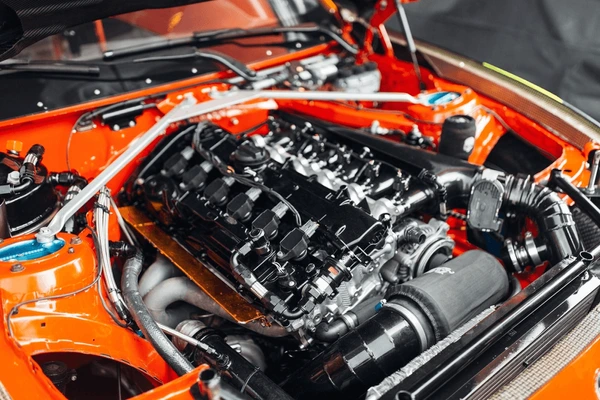
You would think that as technology advances, car engines would get more reliable. Better materials, smarter computers, decades of engineering experience. It seems like a no-brainer. But if you have owned a few cars across different generations, you already know that is not quite how things have played out. If anything, a lot of drivers feel the opposite is true.
And honestly? They are not wrong. This is not just nostalgia talking. There are real, concrete reasons why modern engines, despite being impressively powerful and efficient on paper, tend to give owners more headaches than the simpler motors of a few decades ago. So let us get into all of it, piece by piece, in plain language.
Why Modern Car Engines Are Getting More Complicated (And More Fragile)
Here is something that might surprise you. Most of the technologies you see on today’s engines are not actually new. Multi-valve cylinder heads, variable timing, direct fuel injection, turbocharging. These ideas were already being explored in the 1920s and 1930s. Aviation engineers in the first half of the 20th century were racing ahead with injection systems, supercharging, and multi-valve designs long before car manufacturers gave them a second thought.
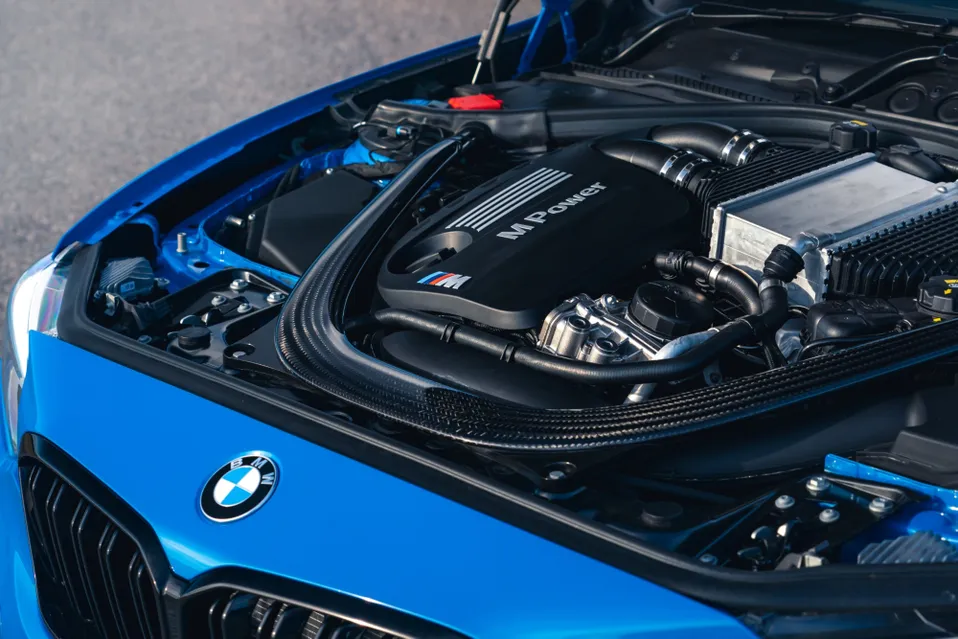
For most of the 20th century, these technologies stayed in racing cars and high-end performance vehicles. The average family car did not need them. But then something changed. Governments started pushing harder on fuel economy standards and emissions rules. Manufacturers had to get creative fast. And the only toolkit they had was full of technologies that were already sitting on the shelf, waiting to be scaled up.
The problem? Scaling something up quickly, under regulatory pressure, is not the same as doing it right. Let us walk through exactly how this unfolded.
1. The Engine Got a Lot More Complex, and That Complexity Has a Cost
In the early days of this push toward cleaner, more efficient engines, things actually went pretty well. Two-valve cylinder heads got replaced by four-valve setups. That alone cleaned up emissions without even needing a catalytic converter. It was a genuine win. Engines ran better, burned fuel more completely, and satisfied regulators.
But that was just the beginning. The number of moving parts in the timing mechanism shot up. Maintenance became more involved. Still, at this stage, the gains in reliability and performance were real. Electronic fuel injection came in and replaced old carburetors. Plenty of old-school mechanics were skeptical at first. Injection systems were complicated. If something went wrong, you could not just rebuild it in your garage with basic tools.
But here is the thing: injection systems turned out to be more reliable than carburetors in the long run. They were harder to fix when they broke, but they broke less often. So that was a trade-off most people eventually accepted.
Then came the integrated engine management systems. Suddenly, one computer was controlling ignition timing, fuel delivery, transmission behavior, and service reminders all at once. And again, on balance, this improved reliability. Engines became more consistent. Drivers got better fuel economy without sacrificing performance.
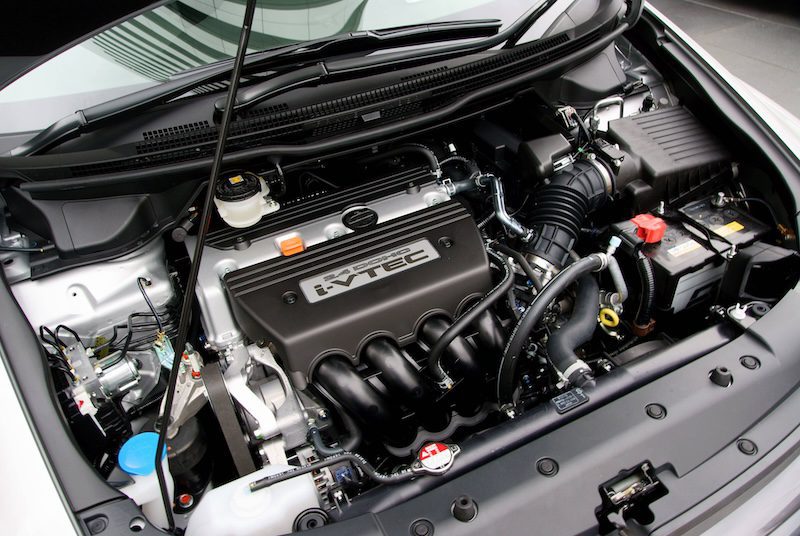
After that came variable valve timing. Honda called theirs i-VTEC. Toyota used VVT-i. BMW went with VANOS. The concept is straightforward: the engine adjusts when its intake and exhaust valves open and close depending on how fast the engine is spinning. At low RPM, you get good torque for everyday driving. At high RPM, you get strong power. Without this technology, engineers had to pick one or the other.
Here is where things started to get shaky. Variable valve timing was clever. But it introduced new wear points that older engines simply did not have. Certain manufacturers had serious teething problems. Actuators wore out. Solenoids failed. Owners started seeing warning lights they had never seen before. For some brands, these early implementations were genuinely problematic.
Then came turbocharging, which spread from sports cars to mainstream family sedans and SUVs within a generation. A turbocharged 1.5-liter engine could now produce the same power as a naturally aspirated 2.5-liter, while sipping less fuel on standardized test cycles. On paper, brilliant. In the real world, more complicated.
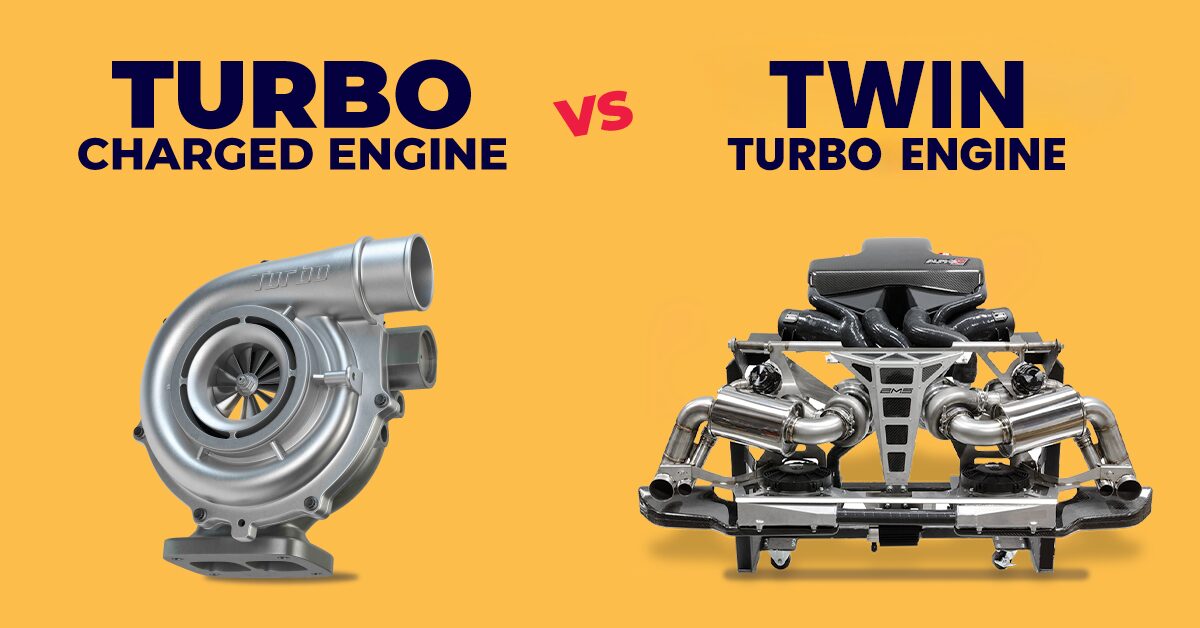
Turbo engines are not forgiving. If oil change intervals are stretched too long, if the wrong oil is used, if the engine is shut off immediately after hard driving before the turbo cools down, the consequences can be severe and expensive. A naturally aspirated engine will tolerate a little neglect. A turbocharged one, not so much.
Direct fuel injection was the final major wave. Instead of spraying fuel into the intake port where it could clean the back of the intake valves, direct injection sprays fuel straight into the combustion chamber. The upside is better combustion efficiency and more power. The downside is that carbon deposits build up on intake valves over time because there is no fuel washing them clean. It is a known problem across many brands. And the injectors themselves operate under extreme pressure, making them expensive to replace when they fail.
Taken individually, each of these technologies made sense. But stack them all on top of each other, rush them into mass production to meet tightening regulations, and you have a recipe for engines that are impressive to drive but tricky to keep healthy.
2. Engineers Started Shaving Down Parts to Cut Friction. Here Is Why That Backfired.
Every bit of friction inside an engine costs fuel. That is just physics. So engineers went after friction aggressively. Bearings got smaller. Crankshafts got lighter. Camshafts got narrower. Piston pins were reduced in diameter. Chain links in the timing system got slimmer.
Now, metallurgists did develop stronger alloys to compensate for the reduced material. New parts were genuinely tougher at a molecular level. But tougher does not mean tougher in every situation. These leaner components could handle normal operating conditions just fine. But throw in an overload situation, an overheating event, or a drop in oil pressure, and the thinner parts gave up a lot faster than the beefy old designs ever would have.
Think of it like this. An old cast-iron engine block from the 1970s was not winning any awards for efficiency. It was heavy and it had plenty of friction. But if you forgot to change the oil for a few thousand extra miles, it would grumble and keep going. A modern aluminum block with precisely machined, ultra-thin bearing surfaces? That same neglect could cost you the engine.
The oil side of this story is equally important. To reduce friction further and cut the energy the oil pump uses, engineers moved to thinner and thinner engine oils. Compare a car from the 1980s that called for 20W-50 to a modern turbocharged engine that wants 0W-20. That is dramatically thinner oil. It flows faster, it reaches critical components quicker on cold starts, and it does reduce friction under normal conditions.
But thin oil also provides less of a protective cushion between metal surfaces under stress. When temperatures spike or loads increase, there is simply less oil film standing between metal and metal. The margin for error gets smaller. And to make things even more complicated, many newer engines use variable oil pumps that adjust pressure based on demand. These pumps are more complex than fixed-pressure units, and they are calibrated to run at lower pressures in typical driving conditions. That means less pressure reserve when you actually need it most.
3. Running Hotter on Purpose. It Saves Fuel, But Your Engine Pays for It
One of the ways modern engines improve fuel efficiency at light loads, think city driving or gentle highway cruising, is by running at a higher operating temperature. A hotter engine burns fuel more completely and loses less energy to heat. So engineers raised the thermostat setpoint on many modern engines compared to older designs.
To prevent this from hurting performance under hard driving, they introduced electronically controlled thermostats. Under load, the thermostat opens earlier and lets more coolant flow, bringing the temperature down. Under light load, it stays closed longer, keeping the engine hotter.
Sounds clever. And it is. But there are real-world consequences that do not show up in the lab.
Running at higher temperatures accelerates the aging of every rubber seal, gasket, hose, and plastic component in and around the engine. Things that used to last 150,000 miles now give up at 80,000. Engine oil also degrades faster at higher temperatures, which means the actual protective quality of the oil drops off more quickly between changes, even if the interval has not changed.
There is another issue. That electronically controlled thermostat cannot drop the engine temperature instantly. In a real driving scenario, where you go from gentle cruising to a hard overtaking maneuver, there is a lag. During that lag, the engine may be operating above its ideal temperature for the load it is carrying. That can push conditions toward detonation and accelerated wear on piston rings, cylinder walls, and bearings.
4. The Piston Group Got Lighter. And the Safety Buffer Disappeared With It.
This is one of the less talked-about reasons why modern engines are more fragile, but it is important. In older engines, engineers built in generous safety margins. The pistons, connecting rods, and cylinder walls were designed to handle significantly more stress than the engine would ever produce under normal operating conditions. Why? Because carburetors and basic ignition systems were not that precise. An unexpected lean condition, a bit of knock, a hot day with low-octane fuel. The engine needed to absorb these events without self-destructing.
Modern electronics changed that. With precise fuel injection, knock sensors, oxygen sensors, and engine management computers adjusting everything in real time, the engine can run much closer to its theoretical limits without going over. So engineers reduced the physical safety margins built into the metal parts. Pistons got lighter. Connecting rods got narrower. The whole assembly became more like a precision instrument and less like a tank.
This works beautifully when everything is functioning as designed. But when something goes wrong, and things do go wrong, there is almost no cushion left. A faulty sensor sending bad data to the ECU, a clogged injector causing a slightly lean mixture, a failing knock sensor that does not catch pre-ignition in time. In an old engine, these would cause minor hiccups. In a modern engine running with tight tolerances and minimal safety margins, they can cause serious internal damage surprisingly quickly.
To put some real numbers on this: a 1984 Volkswagen Golf 1.8-liter with a carburetor made about 90 horsepower. The GTI version with fuel injection stretched that to around 105-115 horsepower. Those were considered respectable numbers for a small car at the time. Fast forward to today, and a 1.8-liter engine from the EA888 series in the modern Golf produces 182 horsepower, with more torque on top of that. That is close to double the output from the same displacement.
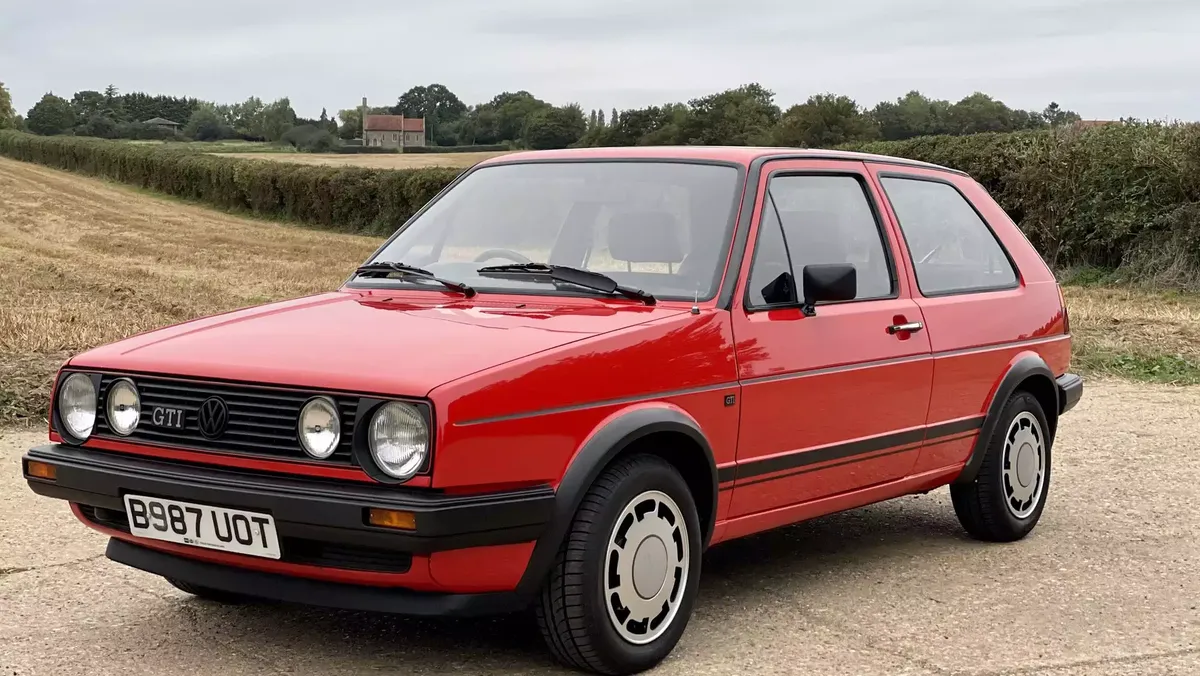
That kind of power density does not come free. More heat, more pressure, more stress on every internal component, cycle after cycle, for the life of the engine. It is the metallurgical equivalent of asking a marathon runner to sprint the whole way. Eventually, something gives.
5. There Simply Is Not Enough Time to Properly Test These Engines Before They Hit the Road
Here is a problem that most car owners never think about, but it has a direct impact on the reliability of the engine sitting under your hood right now.
Historically, automakers would introduce a new engine design gradually. They would put it into one model, let it run in the real world for a few years, collect data, fix problems, and then roll the refined version into other vehicles. The real world is the best test bench there is. No amount of simulated testing catches everything.
But today, manufacturers are under so much pressure from regulators and competitors that this gradual approach is no longer practical. Fuel economy and emissions standards tighten on a set schedule. If your engine family does not meet the next standard by a certain date, you cannot sell cars. So development timelines get compressed. A brand new engine architecture might go from drawing board to dealership in a fraction of the time it used to take.
To manage this, automakers rely heavily on computer simulation for testing. And simulation has gotten remarkably sophisticated. But software has bugs. Models make assumptions that do not always match real-world driving conditions. The result is that engines sometimes reach production with problems that a few more years of physical testing would have caught.
You can see this pattern in the real world if you follow automotive reliability data closely. A brand new engine generation from a reputable manufacturer often has more owner-reported problems in its first two or three years than the engine it replaced. Then the manufacturer quietly issues revised parts, updated software, and revised maintenance procedures. By the time the third model year rolls around, many of the worst issues are resolved. But the early buyers were essentially the final phase of product testing.
In some cases, the engine gets revised so many times in a short period that you can track the changes through the part numbers on the pistons, rings, timing chain tensioners, and injector tips. Five or six rounds of revised components within a single engine generation is not unusual anymore. That is not engineering refinement. That is fixing problems that should have been caught before the engine went on sale.
6. Modern Engines Are Harder to Diagnose, and They Are Serviced Less Often
Open the hood of a car from the early 1990s and you will see a lot of open space around the engine. You can reach the spark plugs without removing half the intake manifold. You can check the oil, belts, and hoses with a flashlight and a trained eye in about five minutes. It is not fancy, but it is practical.
Now open the hood of a modern car. The engine is buried under layers of plastic covers. Every available cubic inch of the engine bay is used. Wiring harnesses snake around every component. Some modern engines require partial disassembly just to access things that used to be routine inspection points.
This is not an accident. Packaging requirements are tighter than ever because car buyers want more interior space without wanting bigger cars on the outside. Something has to give, and it is usually engine bay accessibility.
The consequence is that mechanics now depend much more heavily on electronic diagnostic systems than on direct visual or physical inspection. Plug in the scanner, read the codes, and act on what the computer says. That is fine when the problem is severe enough to trigger a fault code. But plenty of developing engine problems do not generate codes until they are already well advanced. A slightly worn timing chain tensioner, a small seep from a valve cover gasket, a subtle drop in compression. A mechanic who could once spot these things during a routine inspection may now miss them entirely because the scanner does not flag them.
Service intervals have also stretched significantly. Older engines often called for oil changes every 3,000 to 5,000 miles. Many modern engines specify intervals of 10,000 to 15,000 miles, and some go even longer under ideal conditions. Longer intervals mean fewer opportunities for a trained technician to put eyes on the engine. Problems that would once have been caught early now have months and thousands of miles to develop before anyone takes a close look.
7. How Modern Transmissions Are Making Engine Wear Worse
This one catches a lot of people off guard. The engine does not exist in isolation. How it is used is just as important as how it is built. And modern automatic transmissions, for all their sophistication, have created some new stresses on engines that older transmissions simply did not.
Today’s eight, nine, and ten-speed automatics are engineered with one primary goal: keeping fuel consumption numbers as low as possible. They achieve this by locking the torque converter early, holding the highest gear possible for as long as possible, and keeping the engine spinning at the lowest RPM that will still maintain speed. This is called lugging, and while modern engines are designed to handle it better than older ones, running at very low RPM under moderate to high load still stresses the bottom end of the engine, the crankshaft, bearings, and connecting rods.
At the same time, these same transmissions make it effortless to use the engine’s full power. Kickdown responses are quick and smooth. The gearbox finds the right ratio instantly. You barely feel the shift. In an older car with a three-speed automatic and a clunky downshift, drivers naturally used less of the engine’s power range simply because it felt rough and noisy. In a modern car, flooring it feels almost surgical. Drivers do it more often without even realizing it.
More frequent use of full throttle, combined with running the engine at low RPM under load in normal driving, creates a pattern of stress that adds up over time. The engine is constantly operating at the edges of its comfort zone from both directions.
So What Does All This Mean for You as a Car Owner?
Here is the honest picture. Modern engines are engineering marvels. A 2.0-liter turbocharged four-cylinder producing 300 horsepower while returning 35 miles per gallon on the highway would have been science fiction 30 years ago. They are smoother, quieter, more powerful, and more fuel-efficient than anything that came before them.
But that performance comes with real trade-offs that affect how long the engine lasts and how much it costs to keep running. The margin for error is smaller. The complexity is higher. The parts are more expensive. And some problems that used to be simple to diagnose and fix now require specialist equipment and significant labor time.
It is also worth noting that warranty periods have become a significant buffer for manufacturers. Within the warranty window, quality control systems catch problems early, software updates fix issues remotely, and part revisions happen through recall programs. The manufacturer’s reputation stays mostly intact.
But once the warranty expires, you are on your own with whatever the engine’s long-term reliability actually looks like. And for some engine families, that picture is not pretty. Timing chain stretch at 80,000 miles. Carbon buildup on intake valves requiring expensive walnut blasting. Turbo failures from oil coking. High-pressure fuel pump failures. Water pump failures on designs where the pump is driven off the camshaft and fails internally without warning.
These are not freak occurrences on obscure vehicles. They are documented, widespread issues across popular models from mainstream manufacturers.
What You Can Actually Do to Protect Your Engine
Knowing all of this is not meant to make you feel helpless. There are genuinely practical steps you can take to get the most out of a modern engine and avoid the most common failure points.
- Do not stretch oil change intervals to the maximum. The manufacturer’s stated interval is based on ideal conditions. If you do short trips, live in a hot climate, tow regularly, or drive in dusty conditions, change the oil more frequently. With a turbocharged engine especially, fresh oil is the single best thing you can do for longevity.
- Use exactly the oil specification your engine calls for. Modern engines with thin oil specs are calibrated for those viscosities. Running something thicker because you think it offers more protection can actually cause problems with oil pressure relief valves and variable valve timing systems.
- Let the engine warm up before loading it hard. You do not need to sit in the driveway for five minutes. Just do not floor it from a cold start. Modern engines reach operating temperature quickly, but the oil takes a little longer to fully circulate and reach its working viscosity.
- After hard driving, give the engine a minute or two to idle before shutting off. This is especially important with turbocharged engines. The turbo spins at extraordinary speeds and needs oil circulating to cool down properly. Cutting the oil supply by shutting the engine off immediately after hard driving is one of the fastest ways to cook a turbo bearing.
- Do not ignore early warning signs. A slight roughness at idle, a faint ticking that was not there before, a tiny drop in oil level between changes. These are conversations your engine is trying to have with you. Listen to them before they turn into a breakdown.
- Get a full-service inspection done periodically, not just an oil change. Ask a trusted mechanic to physically look over the engine, not just plug in a scanner. A trained eye on belts, hoses, gaskets, and fluid conditions catches things no fault code ever will.
- Research known issues on your specific engine before you buy or before problems arise. Forums, owner communities, and independent reliability data can tell you exactly what the common failure points are on your engine family. Knowing that your engine is prone to timing chain stretch at high mileage means you can budget for it and watch for early symptoms.
The Reliability Gap Between Brands Is Real
One more thing worth mentioning. Not all manufacturers have made the same trade-offs to the same degree. Generally speaking, the brands that have pushed hardest into aggressive downsizing, high specific output, and cutting-edge efficiency technology have also seen the most reliability complaints. The brands that have been more conservative, holding onto slightly larger displacement naturally aspirated engines longer or being slower to adopt every new technology, have tended to post better long-term reliability records.
This tracks with everything discussed above. More complexity, tighter tolerances, reduced safety margins, and accelerated development timelines all add up to more things that can go wrong. The brands willing to sacrifice some efficiency and performance numbers in the short term tend to produce engines that owners are still happy with at 150,000 or 200,000 miles.
That does not mean you should only buy conservative, old-fashioned engine technology. It means you should go in with clear eyes about what you are dealing with, maintain it properly, and budget accordingly.
A Quick Summary: The 7 Reasons Modern Engines Wear Out Faster
| Reason | What It Means for You |
|---|---|
| Rapid technology stacking | More systems means more failure points |
| Reduced friction tolerances | Less cushion against overloads and neglect |
| Higher operating temperatures | Faster aging of seals, gaskets, and oil |
| Lighter piston groups and internals | Smaller safety margins when something goes wrong |
| Compressed testing timelines | Owners become beta testers for early production engines |
| Harder to service and diagnose | Problems develop further before being caught |
| Transmission-driven engine loading | More frequent use of peak power, more wear over time |
The Bottom Line on Modern Engine Reliability
There is no shortage of impressive engineering in a modern car engine. The fuel savings are real. The power is real. The emissions reductions are real. But so are the compromises made to achieve all of that. The laws of physics have not changed. You cannot push output higher, friction lower, weight lighter, and operating temperature hotter, all at once, without paying a price somewhere.
That price shows up in shorter engine life expectancy for high-mileage owners, more expensive repairs when things do fail, and a narrower window of tolerance for the kind of casual maintenance habits that older engines survived without complaint.
The fuel savings over the life of the vehicle may look great on a comparison chart. But if those savings are eventually offset by a $4,000 timing chain job or a $6,000 engine rebuild at 110,000 miles, the math starts to look very different. It is worth asking yourself: are you buying a car you plan to keep for 200,000 miles, or one you will trade in before the warranty is up? Because the answer to that question should absolutely shape which engine you choose to live with.