
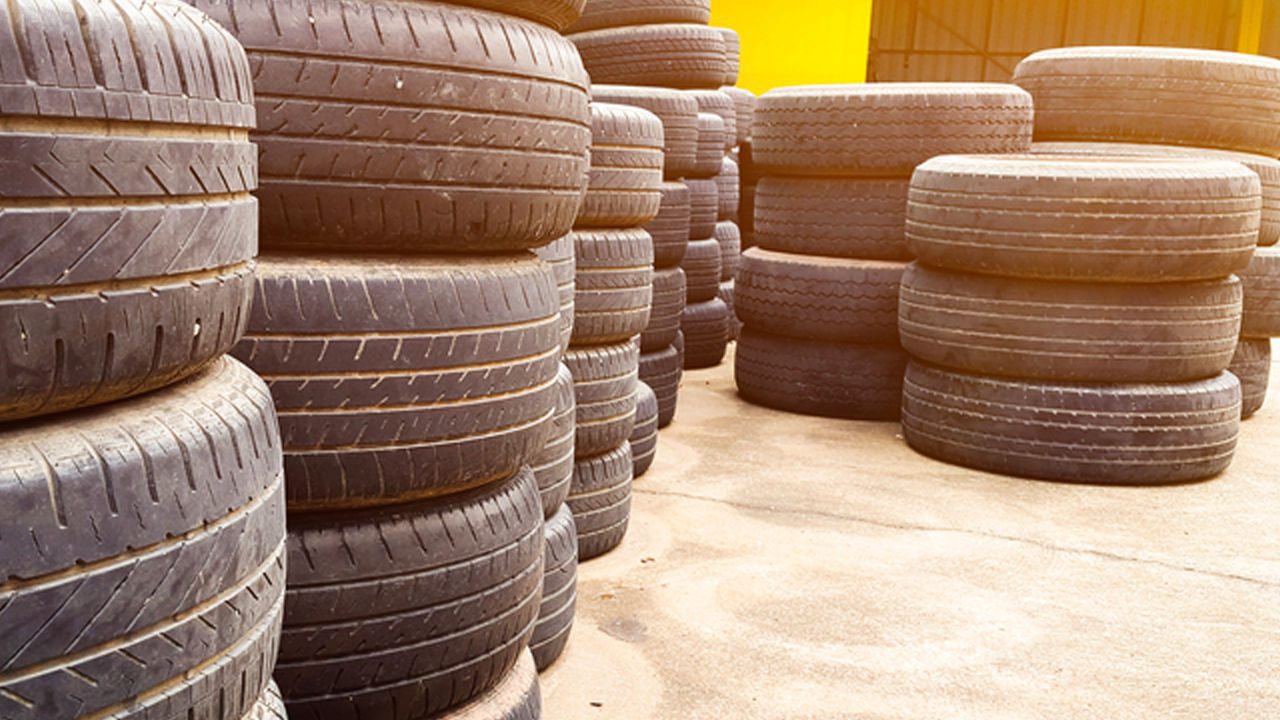
Every driver eventually ends up with a tire they no longer need. Maybe it blew out on the highway, maybe it just wore down to the wear bars, or maybe you just swapped a full set for something better suited to winter. Whatever the reason, that old tire cannot just sit in the garage forever.
Here is the part a lot of people skip over: getting rid of tires is not as simple as tossing them in with the regular trash. Most waste haulers will not even take them. Worse, dumping a tire on the side of the road or leaving it in a vacant lot can land you a fine, sometimes a steep one, depending on where you live.
Proper tire disposal matters for two reasons. It keeps a genuinely nasty environmental hazard out of local ecosystems, and it keeps you on the right side of the law. Let us walk through what actually happens when tires are dumped improperly, then get into exactly how to dispose of them the right way.
What Happens When Tires Do Not Get Disposed of Properly
An abandoned tire looks harmless enough sitting in a field or behind an old barn. In reality, it becomes a slow-moving environmental problem the longer it sits there.
Rainwater collects inside the rim of a discarded tire, and that standing water does not go anywhere. It just sits there, warming up in the sun, turning into a perfect breeding ground for mosquitoes. Some of those mosquitoes carry diseases that spread to humans and animals nearby, which is exactly why several states classify improperly stored tires as a public health issue, not just an eyesore.
Burning tires creates an entirely different problem. When rubber burns, it releases a thick cloud of toxic smoke loaded with chemicals that are genuinely dangerous to breathe. Tire fires are also notoriously difficult to extinguish. Some documented tire pile fires in the United States have burned for weeks, sending pollutants into the air across entire counties.
Even tires that just sit and slowly break down cause problems. As rubber degrades, it can leach chemicals into the surrounding soil and groundwater. That contamination does not stay put either. It moves through the water table, potentially reaching wells, streams, and eventually larger water systems.
Why This Is Also a Legal Issue, Not Just an Environmental One
Because of these health and environmental risks, most regions have put actual laws in place around how tires get thrown away. These rules exist specifically to stop tires from piling up in landfills, ditches, or vacant lots where they can cause the problems described above.
The specifics vary quite a bit depending on where you live. Some states charge a small disposal fee built directly into the price of a new tire, which covers proper recycling down the line. Others require tire retailers to accept old tires whenever you buy replacements. A few places have strict fines for anyone caught dumping tires illegally, sometimes running into hundreds of dollars per tire.
Checking with your local waste management department takes about five minutes and saves you from guessing wrong. Rules genuinely differ from one city to the next, so what worked for a friend in another state might not apply where you live.
Being a responsible vehicle owner means more than just keeping your car running well. It also means handling the parts you replace, tires included, the right way once they come off the rim.
Where You Can Actually Take Your Old Tires
Once you know disposal rules apply to you, the next question is simple: where do the tires actually go? Turns out there are more options than most people realize.
Option 1: Ask the Shop Where You Bought New Ones
This is by far the easiest route for most drivers. Local tire retailers and dealerships often handle disposal as part of the installation service when you buy replacements. Some charge a small per-tire fee, usually just a few dollars, but the convenience makes it worth it.
These shops already have relationships with recycling facilities and the equipment needed to handle old tires safely. Call ahead and ask about their specific policy, since fees and procedures can differ even between locations of the same chain.
Option 2: Look Into Manufacturer Recycling Programs
Several major tire manufacturers run their own recycling initiatives, accepting used tires directly from consumers and processing them into new products. Checking a manufacturer’s website before assuming this option is not available is worth the two minutes it takes.
Beyond manufacturer programs, there are independent recycling organizations that specialize entirely in processing old tires. These groups collect tires from drop-off points and convert them into things like rubber mulch, playground surfacing, or industrial fuel. A quick search for tire recycling programs in your area usually turns up at least one nearby option.
Option 3: Check Your Local Recycling Center
Municipal recycling centers frequently accept tires alongside other household waste categories. These facilities exist specifically to handle materials that regular curbside pickup will not take, and tires often fall into that category.
Call your local waste management department or check their website for specifics. They can tell you whether tires are accepted, whether there is a fee, and how many you are allowed to drop off at once.
Option 4: Watch for Community Tire Collection Events
Plenty of towns and counties organize periodic tire collection events, sometimes tied to broader spring cleanup initiatives. These events set up a designated drop-off location where residents can bring old tires free of charge or for a reduced fee.
Keep an eye on local community boards, city newsletters, or social media pages run by your municipality. These events are not always heavily advertised, so a little attention goes a long way toward catching one before it passes.
| Disposal Option | Typical Cost | Best For |
|---|---|---|
| Tire retailer or dealership | Small fee per tire, often included with new tire purchase | Anyone replacing tires and wanting a one-stop solution |
| Manufacturer recycling program | Free to low cost, depending on program | Drivers using tires from brands with active recycling initiatives |
| Municipal recycling center | Varies, sometimes free with local ID or address verification | Anyone with a handful of old tires and no rush |
| Community collection event | Often free or heavily discounted | Households cleaning out several old tires at once |
Any of these four routes gets the job done responsibly. Pick whichever fits your schedule and budget, and your old tires will end up somewhere useful instead of sitting in a ditch for the next two decades.
Getting Your Tires Ready for Disposal Actually Matters
Before dropping off old tires anywhere, a little prep work makes the whole process smoother, and in some cases it is required before a facility will even accept them.
Check Local Rules First
Every municipality handles this a little differently. Reach out to your local waste management department, or check their website, before hauling a trunk full of tires anywhere. This single step prevents wasted trips and confirms whether there are quantity limits, fees, or specific drop-off hours you need to know about.
Three Simple Prep Steps Before You Drop Them Off
- Take off the rims. If your tires are still mounted, remove them from the wheels before disposal. Rims are metal and often need to go through a completely different recycling stream than rubber tires.
- Give them a clean. Hose off dirt, mud, and debris. Clean tires are easier for recycling facilities to process, and it speeds up sorting on their end.
- Let the air out. Pop off the valve cap and release the air using a tire pressure gauge or valve tool. Deflated tires are easier to stack, transport, and handle, and they reduce the risk of an awkward tire bouncing around loose in your trunk.
None of these steps take more than a few minutes per tire, but skipping them can mean a facility refuses your drop-off outright, sending you home to redo the work anyway.
Recycling and Repurposing Beat Straight Disposal
Before writing off a tire as trash entirely, consider whether recycling or repurposing makes more sense. Many manufacturers and retailers run collection programs specifically designed to funnel old tires into new products rather than landfills.
Some programs require you to physically drop tires off at a designated location. Others offer pickup service, particularly if you are dealing with a larger quantity. Checking with local tire shops, manufacturers, and your municipal waste department covers most of the available options in your area.
And if a tire is still structurally sound, even if it is no longer road-legal, repurposing might be worth considering before recycling. A tire with a bit of tread left, or one that developed a slow leak rather than a catastrophic failure, can still become something useful around the house instead of heading straight into the recycling stream.
Turning Old Tires Into Something Worth Keeping
Not every retired tire has to end its life at a recycling facility. Plenty of drivers find creative, practical uses for old tires right in their own backyard, which keeps them out of the waste stream entirely while adding something genuinely useful to a home or garden.
Tire Planters for a Garden That Stands Out
Old tires make surprisingly sturdy planters, holding up to weather and repeated use far better than many store-bought pots. Flowers, herbs, and even small vegetables all grow well inside a properly prepared tire planter.
- Clean the tire thoroughly, removing all dirt and debris.
- Paint it with weather-resistant paint if you want a pop of color matching your garden.
- Fill it with soil suited to whatever you plan to grow, paying attention to sunlight and water needs.
- Set the planter in its final spot and get planting.
Beyond looking good, tire planters cut down on waste while giving your garden a bit of unexpected personality. A row of them painted in different colors along a fence line can look genuinely intentional rather than thrown together.
A Tire Swing Still Beats Most Modern Playground Equipment
Some things never go out of style, and a tire swing hanging from a sturdy tree branch is one of them. It costs next to nothing and provides hours of entertainment for kids, and honestly, plenty of adults sneak a turn on it too.
- Find a tree branch or structure strong enough to support a swinging load safely.
- Attach strong rope or chain to the tire, making sure every knot and connection point is secure.
- Hang the swing at a height with enough clearance underneath, checking for hazards like rocks or roots below.
- Test its stability before letting anyone use it, and adjust the height if needed.
Safety comes first with this one. Always supervise young kids while they use a tire swing, and give the ropes a periodic check for fraying or wear, especially after a harsh winter or a particularly wet season.
Turning Rubber Into Actual Art
For anyone with a creative streak, old tires offer a surprising amount of raw material for art projects and functional pieces alike. A few ideas worth trying:
- Tire sculptures: Cut and shape rubber into animal figures, abstract art pieces, or even functional furniture like ottomans and side tables.
- Tiered flower beds: Stack and paint several tires to create a layered planting display, adding visual interest to an otherwise flat garden bed.
- Backyard mini playgrounds: Combine several tires into tunnels, small climbing structures, or obstacle courses for kids to enjoy.
With a bit of imagination and some basic tools, a pile of old tires can turn into something people actually notice and comment on, rather than something hidden behind the garage out of embarrassment.
A Quick Reference for Deciding What to Do With Your Old Tire
| Tire Condition | Best Next Step |
|---|---|
| Worn past legal tread depth, but structurally sound | Recycle through a retailer, manufacturer program, or municipal center |
| Damaged sidewall, bulges, or exposed wire | Recycle only, do not repurpose for anything load-bearing |
| Still solid, just replaced for a size or style change | Consider repurposing as a planter, swing, or craft project |
| Large quantity accumulated over time | Check for a local tire collection event or bulk drop-off program |
Every tire you replace is a small decision point. You can let it sit in a corner of the garage indefinitely, dump it somewhere you probably should not, or take fifteen minutes to send it somewhere it can actually do some good. Recycling programs, community collection events, and a bit of backyard creativity all beat letting a tire rot in a landfill for the next fifty years.
Next time you swap out a worn tire, do not just toss it in the corner and forget about it. Call your local shop, check for a collection event, or grab some paint and turn it into a planter. Your yard, your community, and honestly the planet will be better off for it. For more guidance on tires, maintenance, and everything else that keeps your car running right, check out more articles on XeroDrive.