
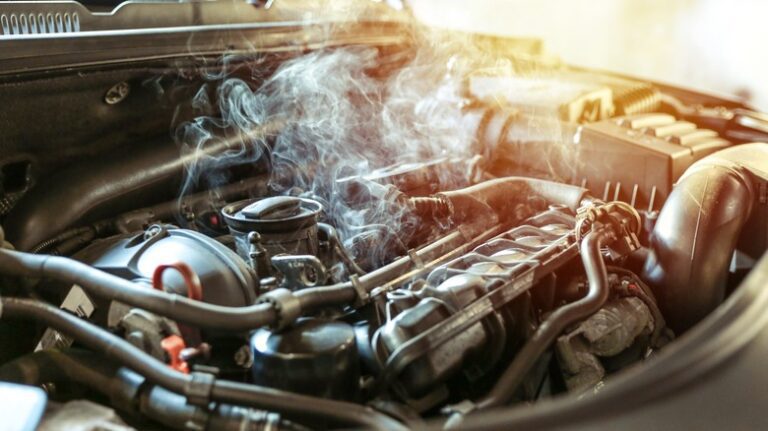
This is one of the most common questions I received throughout my years working as an automotive engineer across multiple departments. Customers, friends, and complete strangers in parking lots have all asked some version of the same thing. Is it safe to add oil when the engine is hot? Will cold oil crack the block? Will something terrible happen to my engine?
The short answer is no, nothing catastrophic will happen. But the full answer has a few important details you need to understand before you unscrew that oil filler cap and start pouring.
Adding oil to a hot engine will not destroy the engine. The metal components inside are robust enough to handle the temperature difference between a warm engine and room-temperature oil. Engine oil also absorbs heat at a much slower rate than coolant does, so you are not going to cause a sudden thermal shock by topping up after a drive. The two things that actually matter are avoiding overfilling and making sure the oil you are adding matches the viscosity of what is already in the engine.
Now let us go deeper into this, because there is more to it than just that bottom line.
Cold Engine vs. Hot Engine: When Is the Best Time to Add Oil?
In an ideal world, you check and top up your oil when the engine is cold. There is a practical reason for this. When the engine has been sitting overnight, all the oil has fully drained down from the cylinder head, the camshafts, and the upper engine components and settled back into the oil pan at the bottom. The dipstick reading you get in that condition is the most accurate reflection of the true oil level in the system.
When the engine is hot or has recently been running, a portion of the oil is still coating the internal surfaces, sitting in the oil galleries, and working its way back down to the sump. If you check the dipstick immediately after switching the engine off, you are likely to get a reading that appears lower than the actual total oil volume in the system. This leads some people to overfill, thinking the engine is short when it actually is not.
Overfilling is a real problem. Too much oil in the crankcase causes the crankshaft to churn through it as it rotates. This whips the oil into a frothy, aerated foam. Aerated oil cannot lubricate properly, and it also creates pressure buildup that can blow out your engine seals. So yes, overfilling due to a misleading hot-engine dipstick reading is a genuine concern worth taking seriously.
There is one situation where a cold engine still requires a brief warm-up before checking the oil. In very cold winter temperatures, particularly below freezing, the oil thickens considerably. Cold-soaked oil clinging to the dipstick can give you an inaccurate reading simply because of its viscosity. In those conditions, the recommended approach is to run the engine briefly to bring the oil to operating temperature, then shut it off and wait fifteen to twenty minutes for the oil to drain back down before checking. That short warm-up allows the thickened lubricant to return to its proper fluidity, and the wait time allows it to fully drain back into the pan before you read the dipstick.
When You Have No Choice But to Add Oil to a Hot Engine
Real-world driving does not always give you the luxury of waiting for the engine to cool before topping up the oil. The most common emergency scenario is when the oil pressure warning light illuminates on the dashboard while you are actively driving. That red oil can symbol is not a suggestion. It is a serious alert telling you that the engine is at risk of damage right now.
In that situation, the correct sequence of events is to pull over safely as soon as possible, switch off the engine, pop the hood, and check the dipstick. If the oil level is critically low, you add oil. You do not sit on the side of the road for forty-five minutes waiting for the engine to reach ambient temperature. You add the oil carefully and get to a safe level.
The engine will handle it. The thermal difference between a hot engine and room-temperature oil is not large enough to cause the kind of dramatic cracking or warping that people sometimes fear. That particular myth, the idea that cold oil will crack the engine block or cylinder head, is simply not supported by how these materials behave. Cast iron and aluminum engine blocks are not that fragile.
What you do need to be careful about in an emergency top-up situation is how much oil you add. Because you are working with a hot engine where some oil has not yet settled back into the pan, add oil gradually. Pour a small amount, give it a few minutes to drain down, then check the dipstick again. Repeat this process rather than dumping an entire quart in at once and hoping for the best.
Also make absolutely sure the oil you are adding matches the specification already in the engine. Check the owner’s manual or look at the oil filler cap, which often has the viscosity rating printed directly on it. Adding the wrong viscosity in an emergency is far less damaging than running with critically low oil pressure, but it is still not something to make a habit of. Get the correct oil as soon as possible if you had to use a different grade in a pinch.
Step-by-Step Guide to Adding Oil to Your Engine the Right Way
Whether you are topping up after a cold overnight soak or adding oil carefully after a hot drive, the procedure follows the same basic sequence. Here is how to do it correctly from start to finish.
Step 1: Park on a Level Surface
This is not optional. If the car is parked on an incline, the oil in the pan sits at an angle, and your dipstick reading will be inaccurate. Find a flat piece of ground before you check anything.
Step 2: Let the Engine Cool Down
If you are not in an emergency situation, wait for the engine to cool. After normal driving, a fifteen to thirty minute wait is sufficient for most of the oil to drain back into the sump and for the dipstick to give you a reliable reading. If it is freezing outside and the engine was cold-soaked overnight, do the brief warm-up and wait as described earlier.
Step 3: Locate the Oil Filler Cap and the Dipstick
Both are typically located on the top of the engine. The oil filler cap is usually a round cap with a symbol that looks like an oil can or a drop of oil printed on it. The dipstick is a long flexible rod with a looped or colored handle that you pull out to check the oil level. On most modern engines, both are clearly visible the moment you open the hood.
Step 4: Check the Oil Level on the Dipstick
Pull the dipstick out completely. Wipe it clean with a lint-free cloth or paper towel. Insert it all the way back into the tube until it seats fully. Pull it out again and hold it horizontally to read the level. The oil mark should be visible somewhere between the MIN and MAX indicators on the end of the dipstick.
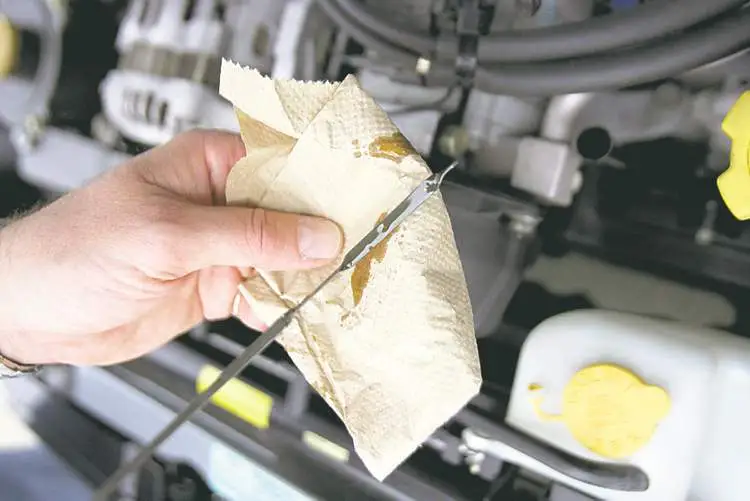
Do this two to three times to confirm the reading. The first pull after the engine has been running can sometimes give a slightly misleading result due to oil splash. Multiple consistent readings give you confidence in the actual level.
Step 5: Add Oil Gradually Using a Funnel
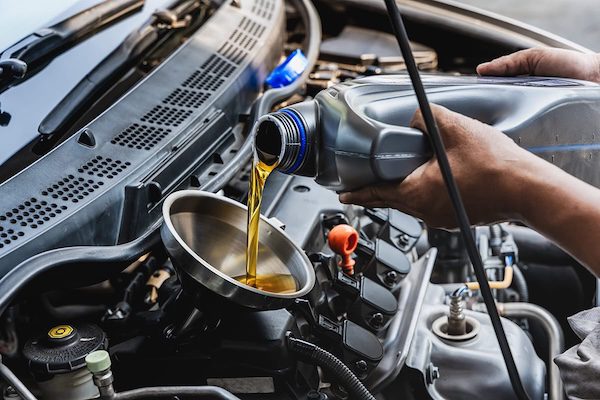
Unscrew the oil filler cap and set it somewhere clean where it will not roll off the engine and into the engine bay. Use a proper funnel to direct the oil cleanly into the filler neck. If you do not have a funnel, the top section of a cut plastic bottle works in a pinch, but a proper funnel is the better tool.
Pour no more than 100 to 200 milliliters at a time. Wait ten to fifteen minutes for it to drain down from the cylinder head into the crankcase. Then check the dipstick again using the wipe-and-reinsert method. Continue adding in small increments until the level sits comfortably between MIN and MAX. Do not aim for the very top of the MAX mark. Sitting in the middle of that range is perfectly healthy for the engine.
The reason for the gradual approach is overfill prevention. It is genuinely easy to overshoot the MAX mark if you pour freely, especially on a hot engine where the reading can be slightly deceptive. Slow and steady wins this particular race.
Step 6: Clean Up Any Spilled Oil Immediately
Engine oil that lands on the cylinder head, exhaust manifold, or any hot engine surface will burn off during the next drive. Burning oil produces smoke and an extremely unpleasant smell that will fill the cabin and alarm anyone following you. Beyond the smell, oil on rubber hoses, gaskets, and seals degrades those materials over time.
If you spill any oil during the top-up process, wipe it off thoroughly with a clean cloth before closing the hood. This takes thirty seconds and saves you from a smoke-filled drive to work.
Step 7: Replace the Oil Filler Cap and the Dipstick Securely
This sounds obvious, but forgetting to replace the oil filler cap is more common than you would think. An open oil filler cap while driving sprays hot oil all over the engine bay. Make sure both the cap and the dipstick are fully seated before you close the hood.
Step 8: Start the Engine and Monitor
Start the car and let it idle for a minute or two. Watch the oil pressure warning light. It may illuminate very briefly at first startup, which is normal as the oil pump builds pressure. It should go out within a few seconds. If the oil pressure light stays on after the engine has been running for more than a few seconds, switch the engine off immediately and investigate further before driving.
Listen for any unusual knocking, ticking, or rattling sounds that were not present before. These can indicate that the oil level was critically low long enough to cause some damage, or that air in the oil gallery has not yet fully cleared.
Step 9: Take a Short Test Drive and Check Again
Once the engine has warmed up fully, take a short drive to allow the oil to circulate completely through the system. After returning, let the engine sit for fifteen minutes, then check the dipstick one more time. This final check confirms that the level is holding steady and that no significant leak is consuming the oil you just added.
If the level has already dropped noticeably from where you left it, you have an oil leak or the engine is burning oil internally. Both situations need a mechanic’s attention before they develop into something more serious.
The Two Things That Actually Damage an Engine During an Oil Top-Up
To put the myths to rest definitively, here is what genuinely causes engine damage during an oil top-up, and what does not.
| Concern | Does It Actually Cause Damage? | What You Should Know |
|---|---|---|
| Adding cold oil to a hot engine | No | Engine metals handle the temperature difference without cracking. Oil absorbs heat slowly. The risk is negligible. |
| Overfilling the engine | Yes | Excess oil gets churned into foam by the crankshaft, loses its lubricating ability, and can blow out seals. |
| Mixing different oil viscosities | Yes, in some conditions | Mixing widely different viscosity grades changes the oil’s behavior. Always use the manufacturer-specified grade. In an emergency, mixing is far better than running low. |
| Driving with critically low oil | Yes, severely | Low oil pressure means metal surfaces contact each other without lubrication. Engine damage begins within minutes. |
| Spilling oil on hot engine surfaces | Minor | Causes smoke, smell, and long-term degradation of nearby rubber components. Clean it up immediately. |
The bottom line is straightforward. A hot engine waiting for oil is far more dangerous than a hot engine receiving a careful, accurate top-up. If the oil pressure light is on, your engine is in danger right now. Address it. The temperature of the oil you are adding is the least of your concerns in that moment.
Keep a quart of the correct oil specification in your trunk at all times. It takes up almost no space, it weighs almost nothing, and it is the single cheapest insurance policy you can carry for your engine. If you have not checked your oil level in the last month, close this page and go check it right now.