
You just finished replacing the throttle body on your Dodge, and now the engine is acting weird. Maybe it is idling rough, or the acceleration feels off. You are probably thinking you messed up the installation somehow. But hold on. Before you start second-guessing your work, there is a good chance the problem is much simpler than you think.
The issue is not that you did something wrong. Your Dodge just forgot where the throttle is supposed to be. Sounds strange, right? But that is exactly what happens when you replace a throttle body or disconnect the battery.
The Engine Control Unit, which everyone calls the ECU, needs to relearn the throttle position. Think of it like resetting your brain after someone rearranges your kitchen cabinets. You know the dishes are somewhere, but you need a minute to figure out the new setup.
In this guide, I am going to walk you through what throttle body relearning actually means, why your Dodge needs it, and how to do it yourself without paying a mechanic. Let me break this down in plain English so you can get your truck or car running smooth again.
What Exactly Is Throttle Body Relearning?
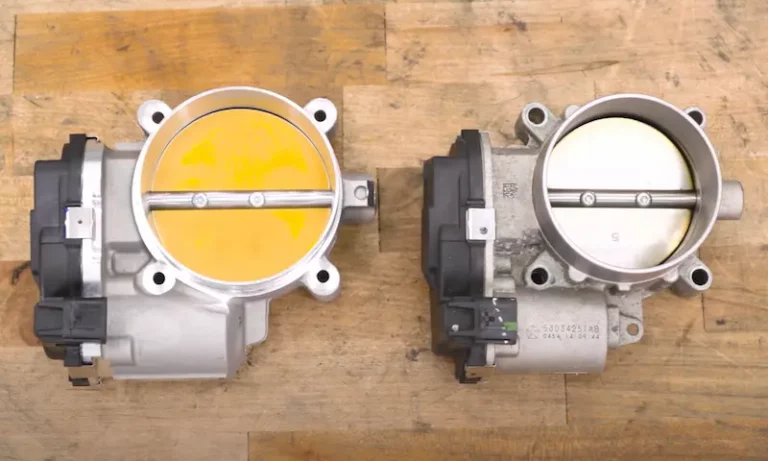
The throttle body relearn procedure is basically teaching your vehicle’s computer where the throttle should be at different positions. When you press the gas pedal, the ECU needs to know how far open the throttle valve should be. It stores this information in its memory over time.
But when that memory gets wiped, the ECU is flying blind. It does not know if the throttle is fully closed at idle or how much to open it when you floor the accelerator. That is when you get rough idling, hesitation, or even stalling.
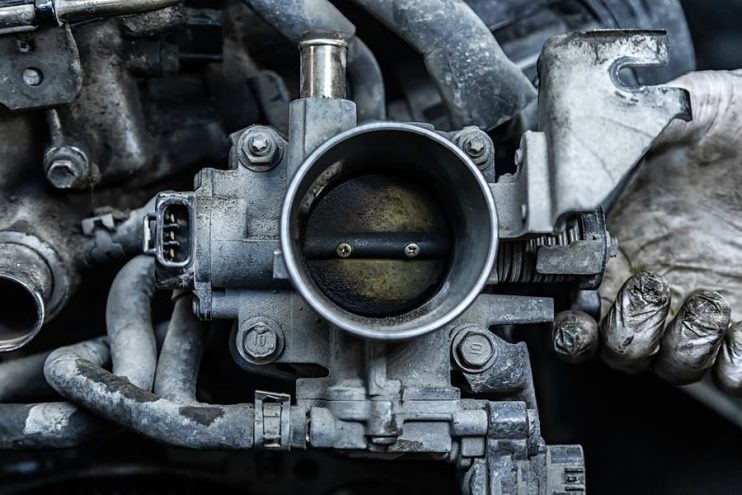
The Throttle Position Sensor, or TPS, sits right on the throttle body. It constantly monitors the position of the butterfly valve inside. This valve controls how much air flows into the engine. More air means more power.
Here is where things get interesting. Older vehicles had a simple cable connecting your gas pedal directly to the throttle. When you pushed the pedal, you physically pulled that cable, which opened the butterfly valve. It was mechanical and straightforward.
Modern Dodges use what is called an electronic throttle control system. No cable. Instead, sensors detect when you press the accelerator pedal. That information goes to the ECU, which then tells an electric motor to open the throttle valve. Everything happens electronically.
This system is more efficient and allows for better fuel economy and emissions control. But it also means your vehicle relies heavily on the ECU to make everything work properly. When the ECU loses its memory of where the throttle should be, the whole system gets confused.
That is when you need a throttle body relearn. You are essentially giving the ECU a chance to reestablish its baseline settings and figure out the proper throttle positions again.
Why Your Dodge ECU Loses Its Throttle Memory
The ECU stores all its data in volatile memory. That means it needs constant electrical power to maintain that information. Cut the power, and the memory resets. Simple as that.
Several things can cause the ECU to lose power and forget the throttle position. Let me walk you through the most common scenarios I see in the shop every week.
Dead or Dying Battery
A dead battery is probably the number one cause of ECU memory loss. When your battery completely dies, every electrical component in your vehicle loses power. That includes the ECU and all the other control modules.
Once the battery dies, the ECU has no choice but to reset. All the learned data it has collected over weeks or months of driving gets wiped clean. This includes idle speed adjustments, fuel trim data, and yes, throttle position values.
When you jump-start the vehicle or install a new battery, the ECU starts from scratch. It has to relearn everything, which is why your Dodge might run a little rough right after replacing a dead battery.
Disconnecting the Battery Terminals
Maybe you disconnected the battery terminals to work on something else in the vehicle. Perhaps you were replacing an alternator, starter, or doing some other electrical work. Even if the battery itself is fine, disconnecting it has the same effect as a dead battery.
Once those terminals come off, the ECU stops receiving power. If you leave them disconnected for more than a few minutes, the capacitors in the ECU will drain and the memory will reset.
Some people disconnect the battery on purpose to reset the ECU when trying to clear error codes. That works, but they often do not realize it also wipes out all the adaptive learning the computer has done.
Manually Resetting the ECU
Sometimes people intentionally reset the ECU using a scan tool or by pulling fuses. Maybe you were trying to clear a check engine light, or you wanted to reset fuel trims after fixing a problem.
When you use an OBD-II scanner to clear codes or reset the ECU, you are also clearing all the learned data. The ECU does not just forget the error codes. It forgets everything.
This is not necessarily a bad thing. In fact, resetting the ECU is often the right move after certain repairs. But you need to understand that the throttle system will need to relearn its positions afterward.
Replacing the Throttle Body
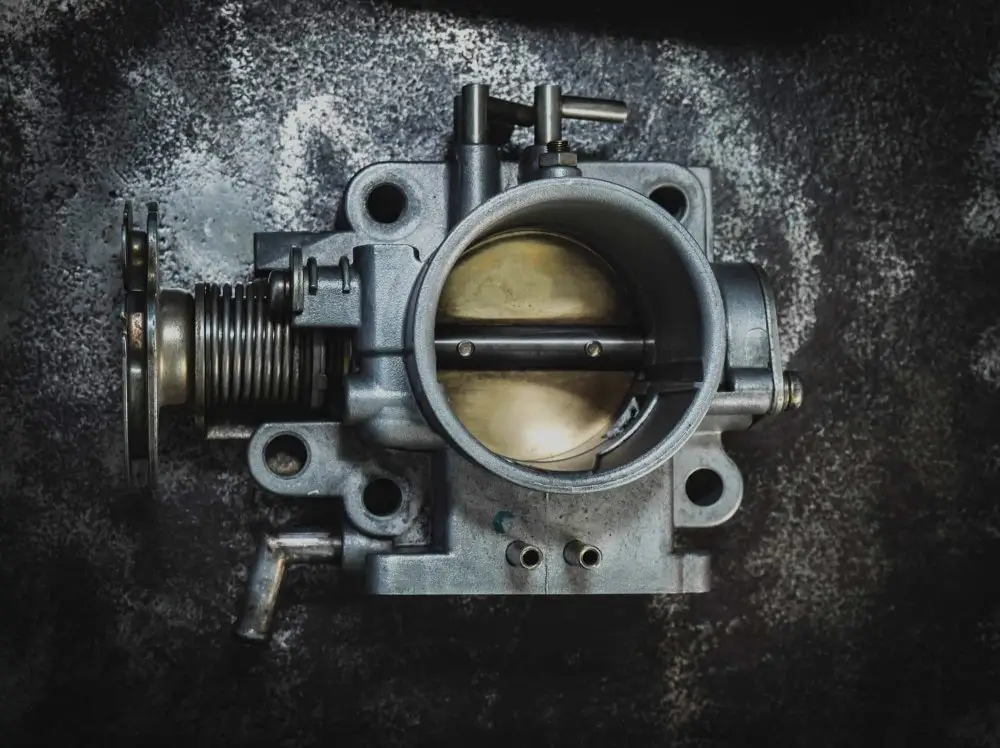
This is the big one. When you replace the throttle body, you are physically removing the old TPS and installing a new one. Even though the new sensor might look identical to the old one, it will have slightly different characteristics.
Every sensor has tiny manufacturing variances. One sensor might read the closed position at 0.52 volts, while another reads it at 0.48 volts. These differences are small, but they matter to the ECU.
When you disconnect the old throttle body and install a new one, the ECU needs to learn the voltage ranges and positions of the new sensor. That is why a relearn procedure is almost always necessary after a throttle body replacement.
Cleaning the Throttle Body
Even if you just cleaned the throttle body without replacing it, you might still need a relearn. Why? Because cleaning removes carbon buildup that the ECU had already adapted to.
Over time, carbon deposits build up on the throttle plate and bore. The ECU compensates for this by adjusting idle speed and throttle opening. When you clean all that carbon off, the airflow characteristics change. The ECU needs to readjust.
Signs That Your Dodge Needs a Throttle Body Relearn
How do you know if your vehicle actually needs a throttle body relearn? The symptoms are usually pretty obvious. Let me describe what you will typically experience.
Rough or Erratic Idle: The engine might idle too high or too low. You might notice the RPMs bouncing around instead of sitting steady. Sometimes the engine will even stall at idle, especially when you first start it.
Hesitation During Acceleration: When you press the gas pedal, there might be a delay before the engine responds. Or the acceleration might feel jerky and inconsistent. This happens because the ECU does not know how to properly interpret the throttle input.
Poor Fuel Economy: If the ECU cannot properly control the throttle, it might allow too much or too little air into the engine. Either way, your fuel economy will suffer because the air-fuel mixture is not optimized.
Check Engine Light: Sometimes you will get a check engine light with codes related to the throttle system. Common codes include P0120, P0121, P0122, or P0123. These all relate to the throttle position sensor circuit.
High Idle Speed: The engine might idle at 1500 or 2000 RPM instead of the normal 600 to 800 RPM. This happens because the ECU is trying to prevent stalling, so it keeps the idle artificially high until it relearns the proper settings.
How to Relearn the Throttle Body on Your Dodge
Now we get to the good stuff. How do you actually perform the relearn procedure? There are a few different methods, and which one you use depends on what tools you have available and what Dodge model you are working on.
Let me walk you through each method in detail.
Method 1: Using an OBD-II Scanner
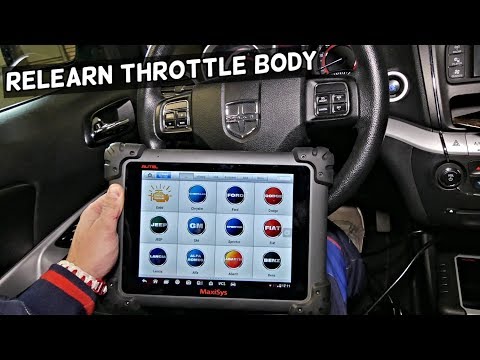
This is the most reliable method and the one I use in my shop. You will need an OBD-II scan tool that has the throttle relearn function built in. Not all cheap code readers have this feature, so make sure your scanner can do it.
Here is the step-by-step process:
First, locate your OBD-II port. On most Dodges, it is under the dashboard on the driver’s side, usually near the steering column. Plug your scanner into this port.
Turn the ignition to the ON position. You do not need to start the engine. Just turn the key forward until all the dashboard lights come on.
Power on your scan tool and wait for it to establish communication with the vehicle. This usually takes a few seconds. Navigate to the VIN detection menu and select autodetect. The scanner will automatically find your vehicle identification number and pull up the correct vehicle information.
Once the scanner recognizes your Dodge, go to the diagnostic menu. From there, select the control unit option. You are looking for the engine control module, which might be listed under powertrain or engine control.
Navigate to the special functions menu. This is where you will find the Electronic Throttle Control or ETC option. Some scanners might call it throttle relearn, throttle adaptation, or idle relearn. They all mean the same thing.
Select the ETC relearn function. The scanner will now walk you through the procedure step by step. Pay close attention to the instructions on the screen because you need to follow them exactly.
You will typically be asked to press the accelerator pedal all the way to the floor and hold it there for a few seconds. Then you will release it completely. The scanner might ask you to repeat this several times.
During this process, the ECU is measuring the voltage output from the TPS at various positions. It is learning where fully closed is, where fully open is, and everything in between.
When the procedure is complete, the scanner will display a success message. Turn off the ignition, wait about ten seconds, then start the engine and test drive the vehicle.
Method 2: Manual Relearn Without a Scanner
If you do not have a scan tool, you can try the manual relearn procedure. This method does not work on every Dodge model, but it works on most vehicles from the mid-2000s onward.
Here is how you do it:
Make sure the engine is completely off and the key is out of the ignition. Now insert the key and turn it to the ON position. Do not start the engine. You just want the electrical system powered up.
Wait about five seconds to let everything stabilize. Now slowly press the accelerator pedal all the way to the floor. Hold it there for exactly 20 seconds. Count it out in your head or use your phone timer.
After 20 seconds, slowly release the accelerator pedal. The key word here is slowly. Take about five seconds to let the pedal come back up. Do not just let it snap back.
Turn the ignition off and remove the key. Wait at least 30 seconds before you do anything else. This gives the ECU time to save the new values to memory.
Now start the engine and let it idle for at least two minutes without touching the gas pedal. The idle might be a little rough at first, but it should smooth out after a minute or so.
If the idle is still rough after two minutes, turn the engine off, wait 30 seconds, and repeat the entire procedure again. Sometimes it takes two or three attempts to get it right.
Method 3: Drive Cycle Relearn
Some Dodge models will automatically relearn the throttle position if you just drive the vehicle normally for a while. This is called a drive cycle relearn, and it happens in the background without any input from you.
Here is how to perform a proper drive cycle:
Start the engine and let it warm up to normal operating temperature. Drive the vehicle at steady speeds on the highway for at least 10 minutes. Try to maintain 55 to 65 mph without a lot of acceleration or braking.
After highway driving, do some city driving with stops and starts. Accelerate normally from stop signs and red lights. The ECU needs to see a variety of throttle positions to complete the relearn.
Let the vehicle idle for at least five minutes without turning it off. This allows the ECU to fine-tune the idle settings.
After about 30 to 50 miles of normal driving, the ECU should have fully relearned the throttle position. The idle should be smooth and acceleration should feel normal again.
Common Mistakes People Make During Throttle Relearn
I have seen people mess up the throttle relearn procedure in all kinds of creative ways over the years. Let me share the most common mistakes so you can avoid them.
Starting the Engine During the Procedure: When you are doing the manual relearn, the instructions clearly say to turn the ignition ON, not to start the engine. But people get confused and crank the engine anyway. This will not work. The engine must stay off during the relearn.
Not Holding the Pedal Long Enough: You need to hold that accelerator pedal down for a full 20 seconds. People get impatient and release it after 10 or 15 seconds. That is not long enough. Set a timer if you need to.
Releasing the Pedal Too Quickly: The release needs to be slow and controlled. If you just let the pedal snap back, the ECU might not register the data properly. Take at least five seconds to release it.
Skipping the Waiting Period: After you turn the ignition off, wait at least 30 seconds before starting the engine. This gives the ECU time to write the new values to memory. Rush it and you might have to start over.
Not Warming Up the Engine First: Some procedures work better if you warm the engine to operating temperature first, then turn it off and do the relearn. A cold engine can sometimes give wonky readings.
Doing the Procedure with Accessories On: Turn off the radio, air conditioning, and any other accessories before you start. You want the ECU focused solely on the throttle relearn, not managing other systems at the same time.
Different Procedures for Different Dodge Models
Not all Dodge vehicles use the exact same relearn procedure. Let me break down the differences for some of the most popular models.
Dodge Ram 1500, 2500, 3500

The Ram trucks typically respond well to the manual 20-second pedal hold procedure I described earlier. But some of the newer Rams, especially 2013 and later, work better with a scan tool relearn.
If you have a Ram with the Hemi engine, make sure the battery is fully charged before you attempt the relearn. These engines are picky about voltage during the procedure.
Dodge Charger and Challenger

The Charger and Challenger use a similar system to the Ram trucks. The manual procedure usually works, but I have had better luck using a scan tool on these vehicles, especially the V8 models.
The 3.6L V6 models seem to relearn automatically after about 20 miles of driving. The V8s can be more stubborn and might require multiple attempts or a scan tool.
Dodge Durango

The Durango follows the same basic procedure as the Ram trucks since they share many components. One thing I have noticed with Durangos is that they sometimes need a drive cycle relearn in addition to the manual procedure.
Do the manual 20-second procedure first, then drive the vehicle for about 30 miles with a mix of highway and city driving. This combination usually takes care of any lingering idle issues.
Dodge Journey
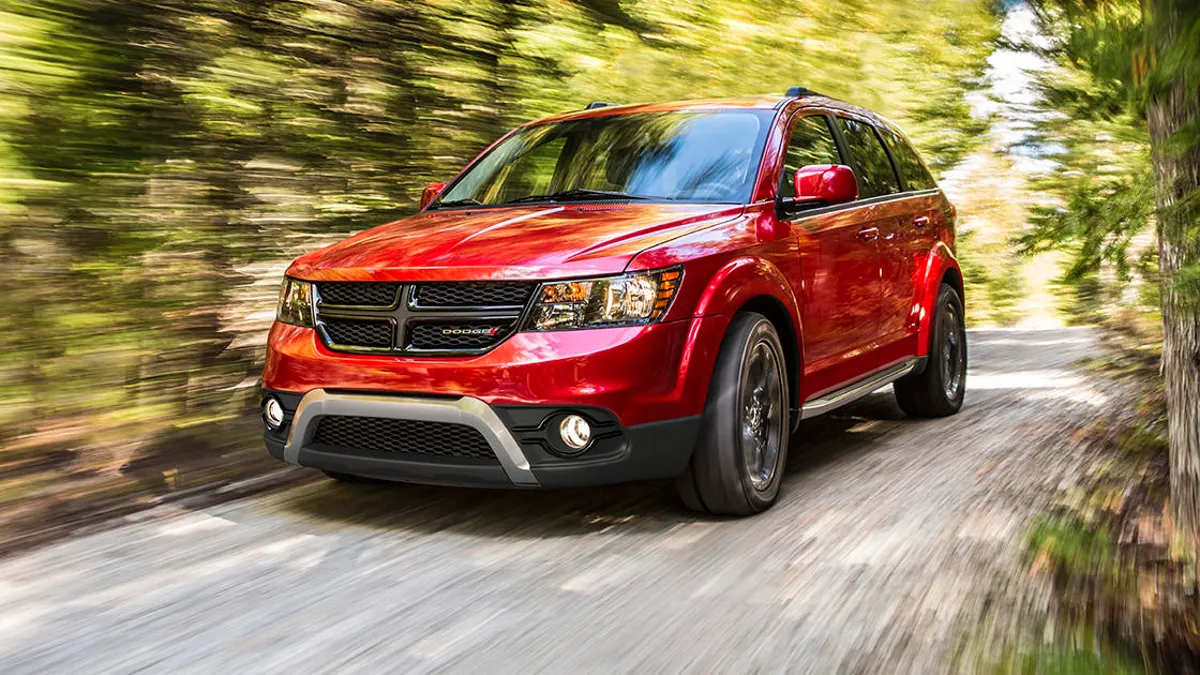
The Journey can be a little tricky. I have found that these vehicles respond best to a scan tool relearn. The manual procedure sometimes works, but not consistently.
If you try the manual method and it does not work after two or three attempts, just bite the bullet and get a scan tool or take it to a shop.
Dodge Dart

The Dart has a pretty sophisticated throttle control system. It usually requires a scan tool to properly relearn the throttle. The manual procedure rarely works on these cars.
If you own a Dart, I highly recommend investing in a decent scan tool or finding a shop that can do it for you. Trying to wing it with the manual procedure will probably just frustrate you.
Your Dodge Needs You to Pay Attention
The throttle body relearn procedure is one of those things that seems complicated until you actually do it. Then you realize it is pretty straightforward. Whether you use a scan tool or the manual method, the process only takes a few minutes.
You can save yourself a trip to the shop and some money by doing it yourself. Even if you have never done any mechanical work before, this is something most people can handle. Just follow the steps carefully and take your time.
If you try it a couple times and it does not work, then take the vehicle to a professional. Sometimes there are underlying issues that need to be addressed. But more often than not, a simple relearn is all it takes to get your Dodge running smooth again. Give it a shot before you assume something is seriously wrong. You might be surprised how easy it is to fix.