
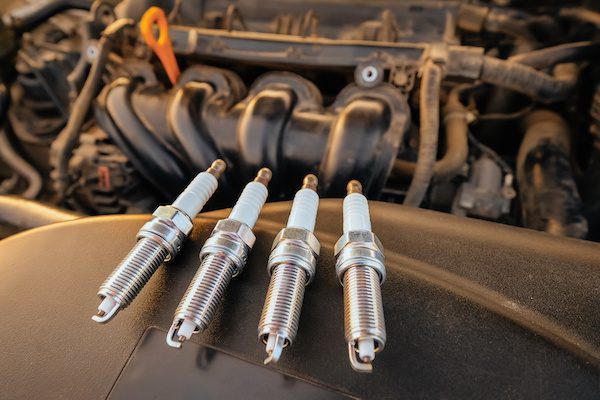
Walk into any auto parts store and grab a spark plug off the shelf, and there is a good chance your mechanic will hand it right back to you. Not because they are being difficult, but because that plug probably will not do your engine any favors.
So here is the straight answer. No, spark plugs are not universal. They come in different sizes, different gap settings, and they are built from different metals depending on what the manufacturer designed them to do. A plug that works beautifully in your neighbor’s truck might be completely wrong for your sedan, even if both look nearly identical sitting side by side on the shelf.
That mismatch matters more than most drivers realize. Get the wrong plug in there, and you are looking at anything from a rough running engine to real damage down the line. Let us walk through exactly why spark plugs vary so much, what the different types actually do, and how you can make sure you are putting the right one in your engine every single time.
Why Spark Plugs Are Not a Grab-Any-One-Off-The-Shelf Kind of Part
Spark plugs might all look roughly the same from across the store, a metal shell with a ceramic insulator and a little electrode poking out the end. But underneath that basic shape, there is a surprising amount of variation happening.
Manufacturers design each plug around the specific needs of a particular engine. Thread size and reach have to match the cylinder head exactly, or the plug either will not fit at all or will not seat properly. The heat range has to suit how hot that particular engine runs internally. And the gap between the electrodes has to be set precisely, since that gap determines exactly how the spark jumps and ignites the fuel mixture.
Get any one of these details wrong, and the plug either will not do its job correctly, or in some cases, will not physically fit into the engine at all. This is exactly why your mechanic asks about your car’s make, model, and year before ordering plugs, rather than just grabbing whatever is closest on the shelf.
The Real Question Is Standard or Performance
While spark plugs are not universal in the strictest sense, they generally fall into two broad categories that are worth understanding. You have got standard plugs and performance plugs, and the difference between them comes down mainly to what the electrode tip is made of.
Manufacturers put a lot of engineering into building plugs that deliver clean, efficient combustion regardless of which category they fall into. But performance plugs use tougher, more conductive metals at the electrode tip, and you will find them built with single, dual, or even quad tip designs depending on the brand and application. Because these metals hold up better under the extreme heat and electrical stress inside a cylinder, performance plugs generally last a lot longer than standard ones.
Let us break down each type in more detail, since the differences here genuinely affect how your engine runs and how often you will be doing this job again.
Standard Spark Plugs: The Basic Workhorse
Standard spark plugs are the most common type you will come across, and they are built around a solid copper core with a center electrode made from nickel alloy. Compared to other types, these plugs have a thicker electrode diameter, which means they need a bit more voltage to actually generate that spark.
On the plus side, copper conducts electricity extremely well and handles high heat without much trouble. The downside is that nickel alloy simply does not hold up as long as some of the tougher materials used in other plug types. Most standard plugs need replacing somewhere between 25,000 and 40,000 kilometers, which works out to roughly 15,500 to 25,000 miles, since the electrode wears down relatively fast under normal driving conditions.
Even with that shorter lifespan, standard plugs remain a solid choice for a lot of vehicles. They are inexpensive, they do exactly what they are designed to do, and for many older or simpler engines, they are genuinely the right fit rather than an upgrade waiting to happen.
Platinum Spark Plugs: A Step Up in Durability
Platinum spark plugs share the same basic copper construction as standard plugs, but instead of a nickel alloy tip, they use a small platinum disc at the electrode. That single change makes a noticeable difference in how the plug performs and how long it lasts.
Platinum handles heat better than nickel alloy, resists wear more effectively, and does a better job preventing carbon deposits and fouling from building up on the tip over time. This translates into a plug that keeps your engine running smoothly for longer stretches between replacements, and it noticeably reduces the chances of misfires caused by fouling.
You will typically find these plugs available in single platinum or double platinum configurations. Double platinum designs, which place platinum on both the center and side electrodes, work particularly well in vehicles equipped with distributor-based ignition systems, since that setup benefits from the extra durability on both contact points.
Iridium Spark Plugs: The Long-Lasting Premium Option
At the top end of the spark plug world sits iridium. These plugs cost more upfront, but they are built from a metal that is significantly harder and more durable than either copper or platinum, and that toughness translates directly into a much longer service life.
One interesting design feature of iridium plugs is their notably smaller center electrode, built with a fine wire tip. That thinner design allows the spark to generate faster and more efficiently, which helps ignite the fuel and air mixture more completely for better overall combustion. The end result is often a small but real improvement in engine performance alongside that extended lifespan.
Iridium plugs can typically go up to 150,000 kilometers, or roughly 93,000 miles, before needing replacement, which is a massive jump compared to the 25,000 to 40,000 kilometer range you get with standard copper plugs. For drivers who want to install a set of plugs and genuinely forget about them for years, iridium is usually the way to go, provided the vehicle is actually designed to use them.
Quick Comparison: Standard vs Platinum vs Iridium
| Plug Type | Electrode Material | Typical Lifespan | Best Suited For |
|---|---|---|---|
| Standard | Copper body, nickel alloy tip | 25,000 to 40,000 km (15,500 to 25,000 miles) | Older or simpler engines, budget-conscious replacements |
| Platinum | Copper body, platinum tip | Roughly double a standard plug’s lifespan | Distributor-based ignition systems, moderate performance needs |
| Iridium | Iridium fine wire tip | Up to 150,000 km (93,000 miles) | Modern engines designed for iridium, long-term low maintenance |
Keep in mind that this table shows general trends across the industry, not hard guarantees. Your actual mileage will depend on driving habits, engine condition, and how well the rest of your ignition system is maintained.
So How Do You Actually Know Which Spark Plug Your Car Needs?
Buying a spark plug can feel like guesswork if you do not know where to look, but honestly, the answer is sitting right in your glove compartment. Your owner’s manual lists the exact spark plug specification your manufacturer designed the engine around, right down to the specific part number in many cases.
If you do not have the manual handy, your mechanic is your next best resource. Someone who has worked on hundreds or thousands of vehicles over the years knows exactly which plug belongs in which engine, often without even needing to look it up.
Here is a mistake worth avoiding. Some car owners assume that spending more automatically means getting something better, so they upgrade to iridium plugs even when their manual calls for standard copper ones. That logic sounds reasonable on the surface, but it does not always hold up. Iridium being more expensive and longer lasting does not mean it is automatically the right choice for every engine. Manufacturers design their ignition systems around specific plug characteristics, and going outside those specifications can actually cause new problems rather than solving old ones.
The safest approach is always to check what the manufacturer specifically recommends before assuming a premium option is an automatic upgrade.
Can You Swap Spark Plug Brands?
Here is some good news. While spark plugs are not universal across different vehicles, most brands do cross-reference their products against competitors, meaning you often have more than one brand option available for your specific car.
A lot of drivers develop brand loyalty over the years, sticking with the same spark plug manufacturer out of habit. But here is the thing, your engine genuinely does not care which logo is stamped on the plug. What matters is whether the specifications, thread size, gap, heat range, and electrode material match what your engine requires. For most common applications, you will find multiple brands offering an equivalent, interchangeable plug.
That said, some vehicles use more specialized plugs designed for unique engine configurations, and in those cases, your brand options might be limited to just one or two manufacturers who actually produce a compatible part. Your mechanic will be able to tell you whether your vehicle falls into this more restricted category.
Before buying a different brand than what is currently in your engine, take a moment to actually read through the specifications listed on the box or the manufacturer’s website. A quick conversation with your mechanic beforehand can also save you from an expensive mistake.
What Actually Happens If You Install the Wrong Spark Plug?
This is where things get genuinely important, not just theoretical. Installing an incorrect spark plug is not a small inconvenience, it can lead to real mechanical problems that end up costing you far more than the plug itself.
Some plugs might look nearly identical from the outside while being completely different on the inside, with different heat ranges, electrode configurations, or internal resistance values. If a manufacturer specifically lists their plug as unsuitable for your particular application, take that warning seriously and skip that option entirely.
Heat Range Mismatches Cause Real Problems
One of the biggest issues with using the wrong plug comes down to heat range, which refers to how quickly a spark plug transfers heat away from its tip into the engine’s cooling system.
If you install a plug with a heat range that runs too hot for your engine, you increase the risk of pre-ignition, a condition where fuel ignites before the spark actually fires, causing knocking, pinging, and potentially serious internal engine damage over time. On the flip side, if the plug runs too cold for your engine, it will not burn off carbon deposits effectively, leading to fouling issues that cause misfires and rough running.
Neither situation is something you want to deal with, and both stem from the same root cause, installing a plug that was not actually designed for your specific engine.
Why Mismatched Spark Plugs Are Genuinely Unsafe
Beyond simply picking the wrong plug entirely, there is also the issue of running mismatched plugs within the same engine, meaning different types or specifications across your cylinders rather than a consistent, matching set.
This creates uneven heat distribution and inconsistent electrical resistance across your cylinders. That imbalance can generate excessive heat in certain areas of the combustion system, which raises fuel consumption and, in worse cases, can lead to quenching or even engine failure over time.
Running a plug with too low a heat range, on the other hand, causes fouling that damages engine performance in a different but equally frustrating way. Either direction of mismatch throws off the delicate balance your engine relies on to run smoothly and efficiently.
Given how inexpensive spark plugs actually are compared to other engine components, there is really no good reason to cut corners here. Always install a complete matching set, all with the same specifications and roughly equal electrical resistance, following exactly what your car’s manual and mechanic recommend. Doing this consistently protects your engine’s lifespan and keeps your entire combustion system working the way it was designed to.
Can Different Spark Plugs Actually Cause a Misfire?
Yes, and this connects directly back to everything we have covered so far. An incorrect spark plug, whether due to the wrong heat range, wrong gap, or simply the wrong design for your engine, can cause the spark to fire at the wrong moment relative to the engine’s timing.
When that happens, you might notice rattling, pinging, or knocking sounds coming from under the hood, particularly during acceleration or under load. In more severe cases, this timing mismatch leads directly to full misfires, where a cylinder fails to fire correctly at all, resulting in rough idling, jerky acceleration, and an overall feeling that your car just is not running right.
The fix here is not complicated, though. Make sure the spark plug you install is genuinely correct for your specific engine, and this entire chain of problems simply does not happen in the first place.
A Simple Checklist Before You Buy Replacement Spark Plugs
Next time you are heading out to buy a set of spark plugs, run through this quick checklist to make sure you come home with the right part the first time.
- Check your owner’s manual for the exact spark plug specification listed for your make, model, and engine size.
- Note your engine’s mileage to determine whether you are due for a replacement based on the type of plug currently installed.
- Confirm the heat range matches what your manufacturer specifies, rather than assuming hotter or colder automatically means better.
- Ask about cross-referenced brands if your preferred brand is unavailable or more expensive than alternatives.
- Buy a complete matching set rather than mixing different types or brands across cylinders.
- Double-check the gap setting before installation, since some plugs come pre-gapped while others require manual adjustment.
Running through this list takes just a few extra minutes, but it can save you from a costly mistake that shows up weeks or months later as a mysterious misfire or rough idle.
When It Makes Sense to Upgrade Your Spark Plug Type
While matching your manufacturer’s original specification is generally the safest bet, there are situations where upgrading to a longer-lasting plug type genuinely makes sense, provided your engine is compatible with the upgrade.
- You put a lot of miles on your vehicle annually and want to reduce how often you need to service the ignition system.
- You are already replacing standard plugs frequently due to their shorter lifespan, and the extra upfront cost of platinum or iridium would pay for itself over time.
- Your vehicle’s manufacturer explicitly allows for the upgrade as an approved alternative, which many modern owner’s manuals actually list alongside the standard recommendation.
If none of these apply to your situation, sticking with the manufacturer’s original recommendation is usually the simpler and more reliable choice.
At the end of the day, spark plugs might be one of the smallest parts sitting inside your engine, but getting the right ones matters more than most drivers give them credit for. Do not let their small size fool you into thinking any plug will do the job. Check your manual, talk to your mechanic, and install a proper matching set every time. Your engine will run smoother, your fuel economy will thank you, and you will save yourself the headache of chasing down a mystery misfire that never needed to happen in the first place.