
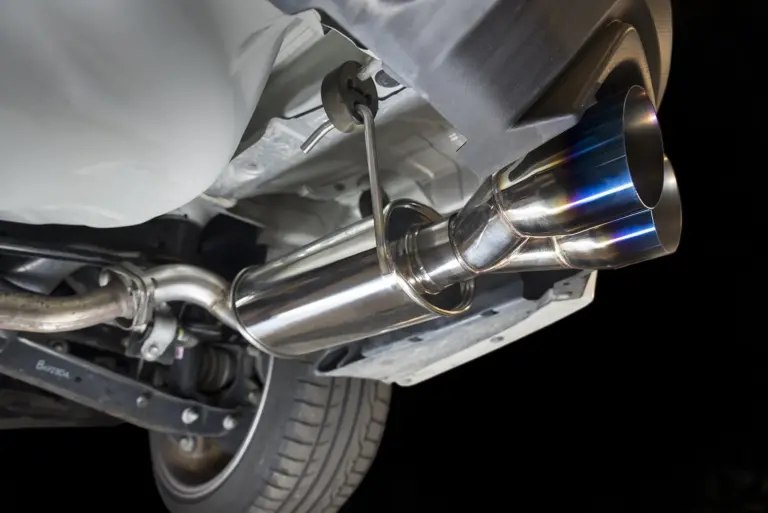
Walk into any car forum or enthusiast meetup, and eventually someone brings up muffler deletes. Half the room swears it adds real power. The other half rolls their eyes and calls it a waste of money that just makes your car louder. So who is right?
Honestly, both sides have a point, and that is exactly what we are going to unpack here.
A muffler is one of those parts most drivers never think about until it starts rattling or rusting through. Its main job is simple: it quiets down the loud, aggressive noise your engine naturally produces during combustion. Without it, your car would sound closer to a race car idling in your driveway, which, depending on who you ask, is either annoying or amazing.
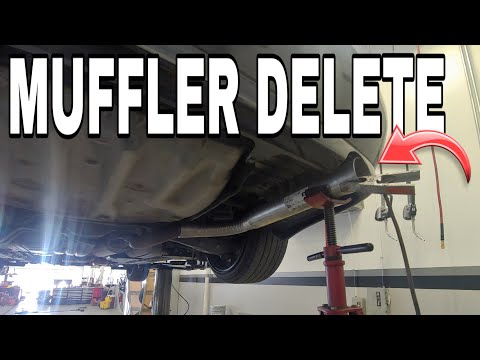
A muffler delete means exactly what it sounds like. You remove the muffler entirely from the exhaust system, and the car keeps running just fine without it. That might sound risky if you are new to car modifications, but mechanically speaking, the muffler is not required for the engine to function. It exists purely to manage noise, not to keep the engine alive.
Why Do People Actually Delete Their Mufflers?
There are a few different reasons drivers go down this road, and not all of them are about chasing extra power.
Reason One: The Muffler Is Already Failing
Sometimes a muffler delete happens simply because the original muffler has given up. Corrosion, internal blockages, and general wear over the years can cause a muffler to stop doing its job properly.
You will usually notice a few warning signs before this becomes an obvious problem:
- A rumbling or rattling sound coming from underneath the car
- Visible rust or physical damage during a quick under-car inspection
- A noticeably louder exhaust note that was not there before
- Vibration felt through the floor or pedals at idle
When a muffler reaches this point, some owners choose replacement while others decide, since it is already coming off anyway, to just delete it entirely instead of installing a new one.
Reason Two: The Sound Is the Whole Point
Let us be real. A lot of muffler deletes happen simply because people love the sound of a raw, unrestricted engine. There is something satisfying about that deep, aggressive exhaust note, especially on V8s and performance-oriented four-cylinders with a sporty tune.
Beyond the sound, removing the muffler does promote freer exhaust flow, which brings us to the actual question everyone wants answered.
So, Does a Muffler Delete Increase Horsepower?
Here is the honest, no-nonsense answer: sometimes, yes, but the gains are usually modest, and the results depend heavily on your specific engine and how it was built.
In certain situations, particularly with older car engines, deleting the muffler can increase horsepower at higher RPM ranges. This happens because removing the muffler improves exhaust flow and reduces something called backpressure, which we will get into shortly.
Generally speaking, a muffler delete can add somewhere between five and ten horsepower to an engine. That is a real, measurable gain, but let us keep it in perspective. If your car currently makes 300 horsepower, an extra eight horsepower is not going to transform your daily commute into a drag race.
This modification essentially replaces the muffler section of your exhaust with a straight pipe, allowing gases to exit the system with far less resistance. Beyond the small horsepower bump, you also get a noticeably more aggressive exhaust note and a slight reduction in overall vehicle weight, since mufflers are not exactly lightweight components.
The Mechanics Behind the Horsepower Gain
To really understand why removing a muffler can boost horsepower, even slightly, we need to talk about backpressure and exhaust flow. Do not worry, this is simpler than it sounds.
1. Cutting Down on Backpressure
Mufflers work by forcing exhaust gases through a maze of internal chambers, tubes, and baffles. This design is what cancels out and dampens engine noise, but it comes with a side effect: it creates resistance against the flow of exhaust gases trying to escape the engine.
Think of it like breathing through a straw versus breathing through an open mouth. Both let air through eventually, but one requires noticeably more effort. Your engine experiences something similar when pushing exhaust gases through a restrictive muffler.
When you delete the muffler and replace it with a straight pipe, the exhaust tip effectively becomes wider and less restrictive. Gases exit the system faster, backpressure drops, and the engine does not have to work as hard to clear out spent exhaust from each combustion cycle. Less strain generally translates into a small but real power gain.
2. Improving Overall Exhaust Flow
Every time your engine completes a combustion cycle, it needs to clear out the resulting gases before the next cycle can begin efficiently. When that clearing process happens faster, the engine can theoretically cycle through combustion more efficiently, which supports better overall performance.
Removing the muffler speeds up this exhaust evacuation process. Faster evacuation means the engine spends less energy fighting against trapped gases and more energy actually producing usable power.
Wait, Can a Muffler Actually Reduce Horsepower in the First Place?
This is actually the flip side of the same coin, and it is worth understanding clearly. Mufflers do genuinely great work reducing the sound pressure your engine produces. They rely on a network of internal channels, tubes, and small chambers that combine sound waves in a way that cancels out much of the noise, kind of like noise-canceling headphones, but built entirely out of metal and physics rather than electronics.
The tradeoff for all that noise cancellation, though, is a small horsepower penalty, particularly at higher RPM. Since the muffler is part of the broader exhaust system, and it works by creating that backpressure barrier we talked about earlier, it does slightly limit how efficiently your engine can expel exhaust gases.
That backpressure forces the engine to work harder to push emissions out and maintain smooth exhaust flow. And here is the connection that matters: when exhaust gases cannot exit quickly, fresh air intake into the combustion cylinders also slows down slightly. Since oxygen is essential for efficient combustion, this can result in a small reduction in both torque and overall power output.
So yes, in a very real sense, a stock muffler does cost you a small amount of horsepower. Removing it recovers some of that lost potential, which is exactly why the horsepower gain exists in the first place.
Muffler Delete vs Keeping It Stock: Quick Comparison
| Factor | With Muffler (Stock) | After Muffler Delete |
|---|---|---|
| Horsepower | Baseline factory output | Slightly higher, roughly 5 to 10 hp gain |
| Exhaust noise | Quieter, factory-tuned sound | Noticeably louder and more aggressive |
| Vehicle weight | Slightly heavier | Slightly lighter |
| Backpressure | Higher, due to internal baffling | Lower, due to straighter exhaust path |
| Legal status | Fully compliant in most regions | May violate local noise ordinances |
| Resale consideration | No impact | Some buyers may see this as a negative |

Is a Small Horsepower Gain Even Worth It?
Here is where you need to be honest with yourself about what you actually want out of this modification. If you are chasing significant, track-day-level performance gains, a muffler delete alone is not going to get you there. Five to ten horsepower is a nice bonus, not a transformation.
Where this modification really shines is in the combination of benefits it offers. You get a modest power bump, a noticeably more aggressive exhaust sound, and a small reduction in weight, all from a relatively affordable and straightforward modification. For a lot of enthusiasts, that combination alone makes it worthwhile, even if the horsepower gain is not the primary motivator.
That said, if pure horsepower is your only goal, your money is usually better spent elsewhere. Upgrades like a cold air intake, a proper cat-back exhaust system, or a tuning session tend to deliver more substantial and consistent gains than a muffler delete on its own.
What Does a Muffler Delete Actually Cost?
Pricing here varies quite a bit depending on a few factors: the type of vehicle you drive, which mechanic or shop you go with, and whether you are sourcing your own parts or having the shop handle everything.
Generally speaking, here is what you should expect to budget:
- Labor cost: Typically between $100 and $200, depending on your location and the shop’s rates
- Parts cost: Ranges from $50 to $250, depending on the quality and type of straight pipe or delete pipe used
All in, most muffler delete jobs land somewhere between $150 and $450 total. That is a relatively affordable modification compared to many other performance upgrades, which explains part of its popularity among enthusiasts working with a limited budget.
Can This Modification Go Wrong? Yes, Here Is How
The muffler is not an isolated component sitting off by itself. It connects directly to other parts of your exhaust system, and mishandling the removal process can cause real problems for the components around it.
A poorly executed muffler delete can lead to:
- Exhaust leaks from improperly sealed connections
- Damage to nearby components like resonators or exhaust hangers
- Uneven or excessive vibration throughout the exhaust system
- Drone or resonance issues inside the cabin at certain RPM ranges
- Potential exposure to harmful gases if the exhaust route is not properly sealed away from the cabin
This is exactly why having a professional mechanic handle the job matters. Someone experienced with exhaust systems will know how to properly weld or clamp the new straight pipe section, ensure everything lines up correctly, and avoid creating new problems while solving the one you started with.
If you are the type who likes tackling projects yourself, muffler deletes are technically doable in a home garage with the right tools. But unless you have solid welding experience and a good understanding of exhaust systems, this is one modification where paying a professional is money well spent.
Is a Muffler Delete Legal Where You Live?
This is a question a lot of guides skip over, and it genuinely matters. Many states and countries have noise ordinances that regulate how loud a vehicle’s exhaust is allowed to be. A muffler delete can easily push your car’s decibel output past legal limits, depending on your engine size and how the straight pipe is configured.
Before committing to this modification, it is worth checking your local vehicle noise regulations. Getting pulled over for excessive exhaust noise, or worse, failing an inspection because of it, can turn a fun weekend project into an unexpected expense.
Muffler Delete or Aftermarket Exhaust: Which Makes More Sense?
If horsepower and sound quality both matter to you, it is worth comparing a muffler delete against installing a proper aftermarket performance exhaust system instead.
| Consideration | Muffler Delete | Aftermarket Performance Exhaust |
|---|---|---|
| Cost | $150 to $450 | $300 to $1,500+ |
| Horsepower gain | 5 to 10 hp | 10 to 20+ hp, depending on system |
| Sound control | Very limited, mostly just loud | Tunable tone, often with resonators |
| Legal compliance | Higher risk of noise violations | Often designed to stay within legal limits |
| Resale value impact | Mixed, some buyers dislike it | Generally viewed more favorably |
If budget is tight and you mainly want that aggressive sound with a small power bonus, a muffler delete gets the job done. If you have a bit more to spend and want a more refined result with better sound control and slightly stronger performance gains, a full aftermarket exhaust system is usually the smarter long-term choice.
Frequently Asked Questions
Will a muffler delete hurt my engine over time?
Not directly. The engine itself does not rely on the muffler to function properly. That said, poor installation or leaving other exhaust components unsupported can create secondary issues down the line.
Does a muffler delete affect fuel economy?
The impact is generally minimal. Since the horsepower gain is modest, most drivers will not notice a significant change in fuel consumption, though aggressive driving to enjoy the new exhaust note could offset any small efficiency gains.
Can I reverse a muffler delete if I change my mind later?
Yes, in most cases you can reinstall a muffler or have a new exhaust section fabricated to restore the original setup. Keep in mind this will involve additional labor and parts costs similar to the original modification.
Does a muffler delete void my car’s warranty?
It can, particularly if the modification is linked to engine or emissions related issues covered under warranty. Check with your manufacturer or dealership before proceeding if your vehicle is still under warranty coverage.
Is a muffler delete the same as a resonator delete?
No, these are two different modifications. A resonator delete removes a different component that fine-tunes exhaust tone, while a muffler delete removes the primary noise-reducing component. Some owners do both, resulting in an even louder exhaust note.
At the end of the day, a muffler delete can genuinely add a small amount of horsepower, typically five to ten extra ponies, thanks to reduced backpressure and improved exhaust flow. Just do not expect it to turn your daily driver into a race car overnight. If you are after that aggressive sound and a modest performance bump on a reasonable budget, this modification delivers exactly that. Just make sure a professional handles the installation, and double check your local noise laws before you fall in love with that new exhaust note.