
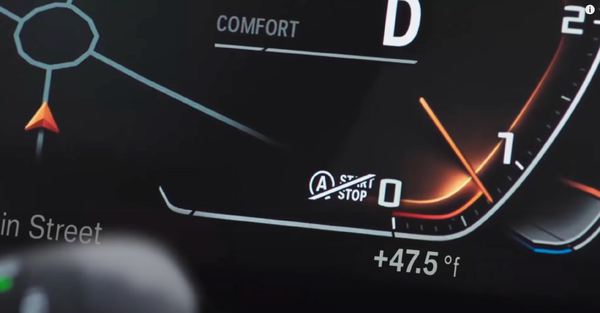
If you have driven a newer car in the last several years, there is a good chance you have felt it happen. You roll up to a red light, come to a stop, and suddenly the engine just shuts off. No warning, no drama, just silence. Then the second your foot comes off the brake, the engine fires right back up like nothing happened.
That is stop-start technology at work, and it has quietly become one of the most common features rolling out across modern vehicles. The system automatically shuts the engine off whenever the car comes to a complete stop, whether that is at a red light or sitting in bumper to bumper traffic, and then restarts it the instant you release the brake pedal.
On paper, this sounds like a win all around. Less idling means less wasted fuel and fewer emissions pumped into the air. But like most automotive technology, there is more nuance here than the marketing brochures let on. Some drivers genuinely love it. Others find it annoying, distracting, or worry it is quietly wearing out parts of their engine faster than normal. Let us break down exactly how this technology works, what it actually does for you, and where it falls short.
What Stop-Start Technology Actually Does Under the Hood
Before diving into the pros and cons, it helps to understand what is genuinely happening every time your car shuts off at a stoplight and comes back to life a few seconds later.
The Basic Idea Behind It
Stop-start technology is a system built specifically to shut off the engine automatically the moment your vehicle comes to a stop, whether that is at a red light or crawling through heavy traffic. The instant you lift your foot off the brake pedal, signaling that you intend to move again, the system restarts the engine almost instantly.
The entire point of this design is to cut down on the amount of time your engine spends idling for no real reason. Idling burns fuel without actually moving the car anywhere, which means every second spent idling at a red light is essentially wasted gas money and unnecessary emissions. Stop-start technology exists specifically to eliminate as much of that waste as possible.
The Parts That Actually Make This System Work
A functioning stop-start system relies on a surprising number of components working together in sync. This is not just a simple on and off switch, it involves the battery, the starter motor, a tandem solenoid, the clutch system, the accelerator, the alternator, and the broader electrical system, along with engine oil circulation, bearings, the crankshaft, throttle controls, the engine control unit commonly known as the ECU, the ignition system, the flywheel, engine mounts, and the pinion gear.
Each of these parts plays a role in making sure the engine shuts down smoothly and restarts quickly and reliably, without leaving you sitting there wondering why your car has not moved yet when the light turns green.
How the System Actually Decides When to Shut Off and Restart
When your vehicle comes to a stop, the stop-start system does not just blindly shut the engine off every single time. It actually monitors several important factors first, including the current battery charge level, engine temperature, and whether the climate control system is actively running and demanding power.
If everything checks out, the engine shuts off. The moment you take your foot off the brake pedal, indicating you are ready to move again, the system automatically restarts the engine, ideally with barely a noticeable delay.
That said, this is not a flawless process. Some drivers genuinely notice a slight jolt or a brief pause when the engine restarts, which can feel a bit jarring, especially the first few times you experience it. There is also the question of long-term wear on certain components, since starting and stopping an engine repeatedly throughout a single drive is fundamentally different from starting it once in the morning and turning it off once at night.
Overall, stop-start technology genuinely delivers on its promise of improved fuel efficiency and reduced emissions, but it comes with real tradeoffs worth weighing carefully before you decide whether it is something you actually want in your next vehicle.
The Real Benefits of Stop-Start Technology
Let us start with the good news, since there is genuinely a lot to like about this technology when it works as intended.
Genuine Fuel Savings You Can Actually Feel at the Pump
The single biggest selling point behind stop-start technology is fuel savings, and this is not just marketing fluff. When your engine is off, it simply is not burning fuel, period. That means every second spent stopped at a red light with the engine shut down is a second where you are not wasting gas sitting still.
According to the NAPA Know How Blog, stop-start technology can improve fuel economy by as much as 5 percent specifically in stop-and-go traffic conditions. That might not sound like a massive number at first glance, but if you spend a lot of time commuting through city traffic with frequent stops, that percentage adds up to real money saved over the course of a year.
A Genuine Dent in Vehicle Emissions
Beyond your wallet, stop-start technology also has a real, measurable impact on emissions. An engine that is not running is not producing any exhaust output, which means it is not contributing to air pollution during that time either.
Haynes Manuals notes that turning off an engine for just 10 seconds can save up to 1.5 pounds of CO2 emissions. Multiply that across millions of vehicles making thousands of stops every single day, and the cumulative environmental impact becomes genuinely significant, particularly as more automakers continue adopting this technology across their lineups.
Potentially Longer Engine Life
Here is a benefit that surprises a lot of drivers who assume constantly restarting an engine must be harder on it than just letting it idle continuously. In reality, an engine that is switched off is not accumulating wear from continued operation during that downtime. Less running time, at least in theory, means less overall wear and tear on internal engine components.
According to WhichCar, stop-start technology can also help maintain a more consistent operating temperature within the engine, which further contributes to extending its overall usable life.
Taken together, these three benefits, fuel savings, reduced emissions, and potentially extended engine life, make a genuinely compelling case for stop-start technology. If you are shopping for a new vehicle and see this feature listed, it is worth seriously considering, particularly if most of your driving happens in stop-and-go city traffic where the technology gets the most opportunity to actually do its job.
Where Stop-Start Technology Falls Short
Now let us flip to the other side of the coin, because this technology genuinely does have real downsides that deserve honest consideration before you assume it is a universally good addition to your vehicle.
Extra Strain on Your Battery and Electrical System
Here is something a lot of drivers do not think about until it becomes a problem. When your engine shuts off at a stoplight, your battery suddenly becomes solely responsible for powering everything else in the car, including air conditioning, the radio, headlights, and any other electrical accessories running at that moment.
This creates a genuinely faster drain on the battery compared to a vehicle without stop-start technology, particularly if you drive frequently through urban areas with lots of stop lights and heavy traffic congestion. To compensate for this added demand, many vehicles equipped with stop-start systems come with larger, more robust batteries or more sophisticated electrical systems specifically designed to handle the increased load without failing prematurely.
This is worth keeping in mind if you are shopping for a replacement battery down the line, since a standard, cheaper battery might not actually be rated to handle the repeated cycling demands that a stop-start system places on it.
Comfort and Sensation Issues Some Drivers Genuinely Notice
Not every driver adapts smoothly to the feeling of their engine repeatedly shutting off and restarting throughout a single drive. Some people find the sensation genuinely uncomfortable, particularly at busy intersections or during heavy city driving where stops happen constantly, one after another.
There is also a subtler issue worth mentioning. Some drivers find the engine cycling on and off to be distracting, or simply annoying enough that it detracts from their overall driving experience. Whether this bothers you personally often comes down to individual preference and how much time you spend getting used to the sensation. Plenty of drivers report that the feeling stops bothering them entirely after a few weeks of regular exposure, while others never quite warm up to it.
Additional Wear on Specific Mechanical Components
This is probably the concern that generates the most genuine debate among drivers and mechanics alike. Stop-start technology places significantly more demand on certain components, particularly the starter motor and the solenoid, since these parts are now cycling on and off dozens or even hundreds of times throughout a single day of driving, rather than just once or twice as they would in a traditional vehicle.
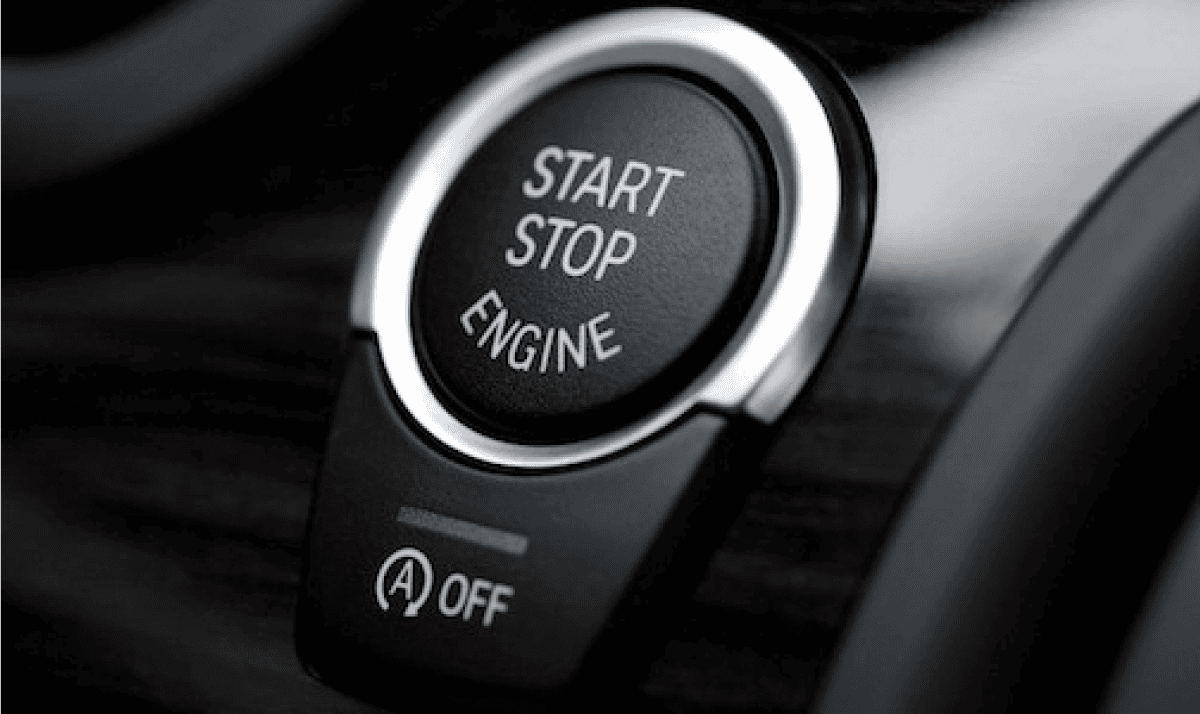
This repeated cycling can cause these specific components to wear out faster than they would in a car without stop-start technology, which can translate into increased maintenance costs over the life of the vehicle. To help address this concern, some manufacturers have built in features like a dashboard button that lets the driver manually disable the stop-start system when desired, along with battery level indicators that alert the driver if the battery charge drops too low to reliably support the system.
| Concern | Why It Happens | What Manufacturers Are Doing About It |
|---|---|---|
| Faster battery drain | Battery alone powers electrical systems while engine is off | Larger, more robust batteries built specifically for stop-start use |
| Driver discomfort | Repeated engine cycling feels unfamiliar or jarring | Improved restart smoothness and reduced delay times |
| Starter and solenoid wear | Components cycle far more often than in traditional vehicles | More durable starter motor designs and manual override buttons |
Overall, while stop-start technology brings real benefits to the table, it is genuinely important for drivers to weigh these potential downsides honestly rather than assuming the technology is entirely free of tradeoffs.
The Bigger Picture: Economic and Environmental Impact
Stop-start technology does not exist in a vacuum. Its impact stretches well beyond individual drivers and touches on broader economic and environmental questions worth understanding.
What Happens Before the Technology Ever Reaches Your Car
Manufacturing the components that make stop-start systems function requires certain rare metals and materials that are not always easily recyclable. This means there is a genuine environmental cost baked into the production process itself, contributing to waste and pollution before the system ever gets installed in a vehicle and driven off the lot.
That said, once installed and actually in use, the system generally works to offset some of that initial environmental cost by reducing fuel consumption and emissions over the vehicle’s lifetime. Whether the long-term environmental benefit outweighs the upfront manufacturing cost depends on a range of variables, including how long the vehicle stays in service and how much stop-and-go driving it actually experiences.
How This Technology Affects Pollution in Cities
Stop-start technology genuinely helps reduce pollution specifically in urban areas, where vehicles spend a disproportionate amount of time idling at traffic lights and sitting in congested traffic. By cutting down on that idle time across an entire city’s worth of vehicles, the technology helps reduce emissions of harmful pollutants like nitrogen oxides and particulate matter, both of which are linked to respiratory problems and other genuine health concerns for people living and working in densely populated areas.
That said, the technology’s effectiveness is not uniform everywhere. In rural areas with fewer traffic lights, or in situations where vehicles spend most of their time cruising at higher speeds rather than stopping and starting, the system simply does not get as many opportunities to actually engage. This means the environmental and fuel-saving benefits are considerably more pronounced for city commuters than for drivers doing mostly highway miles.
Ultimately, the overall economic and environmental impact of stop-start technology is genuinely complex, shaped by factors including local emissions regulations, labor and maintenance costs, and the specific logic each manufacturer builds into their particular system. While the technology holds real promise for reducing fuel consumption and emissions, it also brings legitimate drawbacks, including increased wear on certain components and the need for more expensive, purpose-built batteries.
What Drivers Actually Think About Stop-Start Technology
How Widely Adopted Has This Technology Become?
Stop-start technology has genuinely become mainstream over the past several years, with many automakers now including it as a standard feature across new vehicle lineups rather than treating it as an optional upgrade. This means a growing number of drivers are experiencing its benefits firsthand, whether they specifically sought out the feature or simply ended up with it because it came standard on the vehicle they purchased.
That said, not every driver embraces this shift enthusiastically. Some remain hesitant, particularly those accustomed to the traditional feel of a car that stays running continuously from the moment they start driving until they park and shut it off manually.
Common Concerns Around Reliability and Trust
One recurring concern among drivers centers on whether stop-start technology is genuinely reliable over the long haul. Some worry that the frequent cycling of the engine will lead to accelerated wear, or that the system might fail to engage properly in certain situations, such as sitting in heavy traffic for extended periods or waiting through a particularly long red light.
In practice, studies have generally shown that stop-start technology performs reliably and can genuinely help extend engine life by reducing unnecessary idling time, addressing at least some of the skepticism drivers initially bring to the technology.
There is also a more personal, psychological dimension to trust here. Some drivers simply feel uneasy about the sudden sensation of their engine shutting off and restarting, even if they intellectually understand the system is working exactly as designed. This kind of discomfort tends to fade with repeated exposure, and most drivers report that stop-start technology feels perfectly natural and unremarkable once they have logged enough miles getting used to it.
Overall, stop-start technology brings a genuine mix of advantages and drawbacks, but its continued spread across new vehicle lineups suggests it is here to stay for the foreseeable future. As a driver, weighing the actual benefits and drawbacks honestly, rather than relying purely on gut reaction, is the smartest way to decide whether this feature genuinely fits your driving habits and preferences.
Where Stop-Start Technology Is Headed Next
Stop-start systems have already left a real mark on the automotive industry, and as manufacturers continue chasing better fuel efficiency across their lineups, this technology is only expected to become more common and more refined in the years ahead.
Technical Improvements Already in the Works
One major area of ongoing improvement involves shrinking the delay between the moment you release the brake pedal and the moment the engine actually restarts. This delay tends to be more noticeable in cold weather, when engines generally take a bit longer to fire back up smoothly.
Some manufacturers are actively developing systems that rely on a dedicated smaller battery specifically to power the starter motor, rather than pulling entirely from the vehicle’s main battery. This approach helps reduce restart delay and generally improves the overall responsiveness and smoothness of the system.
Another focus area involves improving the durability of the starter motor itself. Since stop-start systems inherently place more wear and tear on this component compared to traditional vehicles, several manufacturers are working on more robust starter motor designs specifically engineered to handle the increased demand without failing prematurely.
Deeper Integration With Hybrid and Electric Powertrains
Stop-start technology has already become a standard feature within most hybrid vehicles, but the level of integration between stop-start systems and hybrid powertrains is expected to grow considerably more sophisticated going forward.
For instance, some manufacturers are actively developing systems that use the vehicle’s electric motor to restart the engine, rather than relying on a traditional starter motor at all. This approach would meaningfully reduce wear and tear on the starter motor while also improving the overall efficiency of the entire system.
Beyond that, some manufacturers are exploring ways to use the stop-start system itself to help recharge the vehicle’s battery during normal operation, which would further improve the overall efficiency of hybrid powertrains and potentially reduce dependence on external charging infrastructure.
As the broader automotive industry continues prioritizing fuel efficiency across every category of vehicle, stop-start systems are positioned to play an increasingly central role in that effort. With continued technological refinement and deeper integration into hybrid and eventually fully electric platforms, drivers can genuinely expect to see even more meaningful benefits from this technology in the years ahead.
Should You Actually Want Stop-Start Technology in Your Next Vehicle?
Given everything covered so far, it is worth breaking down when this technology genuinely makes sense for your specific driving situation, and when it might matter less than the marketing brochures suggest.
- You do a lot of city driving with frequent stops. Stop-start technology genuinely shines here, delivering real fuel savings and emissions reductions every time you sit at a red light.
- You mostly drive highway miles at consistent speeds. The benefits shrink considerably here, since the system simply does not get many opportunities to actually engage.
- You live somewhere with extreme cold winters. Restart delays tend to be more noticeable in cold weather, which is worth factoring into your expectations if you live in a harsh climate.
- You plan to keep your vehicle for a very long time. Consider whether the added wear on the starter motor and battery might translate into extra maintenance costs down the line, and factor that into your long-term ownership calculations.
- You genuinely dislike the sensation of engine cycling. Many vehicles include a manual override button allowing you to disable the system when desired, so this need not be a dealbreaker even if you are not a fan of the feeling.
At the end of the day, stop-start technology represents a genuine step forward in the ongoing push toward better fuel efficiency and lower emissions, even if it is not a flawless solution for every single driver or every driving situation. Understanding exactly how it works, what it actually delivers, and where its limitations lie puts you in a much stronger position to decide whether it genuinely fits your needs, rather than simply accepting whatever comes standard on your next vehicle. If you have not tried it yet, give it an honest shot before writing it off. Most drivers end up barely noticing it after the first few weeks, right around the time their fuel savings start actually showing up at the pump.