

Electrical gremlins in a Ford F150 are some of the most frustrating problems to chase down. Lights flickering for no reason. The radio cutting out randomly. The truck cranking but not starting. Warning lights popping up on the dash without any obvious cause. Nine times out of ten, when F150 owners bring these kinds of complaints to a shop, the root cause traces back to one thing: a bad ground wire.
Ground wires do not get nearly enough attention from most truck owners, and that is completely understandable. They are not glamorous. Nobody talks about them at the parts counter or brags about upgrading them. But here is the thing: every single electrical component in your F150 depends on a solid ground connection to function correctly. When those connections corrode, loosen, or break, the electrical system starts behaving in ways that can feel completely random and impossible to diagnose without knowing where to look.
This guide covers exactly where the ground wires live in various F150 generations, what they do, how to identify them, what happens when they go bad, and how to fix the problem yourself without spending hours at a dealership paying diagnostic fees for something you could have found in 20 minutes with a flashlight.
Why Ground Wires Matter More Than Most People Realize
Before getting into locations, it helps to understand what a ground wire actually does and why a bad one causes so many different problems.
Every electrical circuit needs two things: a power supply and a return path. The positive side of the circuit carries current from the battery to whatever component it is powering. The ground wire is the return path. It carries that current back to the battery to complete the circuit. Without a solid return path, the circuit does not work properly, or it does not work at all.
In your F150, instead of running individual return wires all the way back to the battery for every single component (which would require hundreds of wires), the truck uses the metal body, frame, and engine block as shared ground paths. Ground wires connect various components to these metal surfaces, which are in turn connected back to the negative battery terminal.
This is an efficient system, but it has a vulnerability: metal corrodes. Connections loosen over time from vibration. And when even one ground connection develops high resistance from corrosion or a loose connection, the symptoms can show up in components that seem completely unrelated to where the actual problem is.
That is why a corroded engine ground can make your dashboard lights flicker. Or why a bad body ground can cause your transmission to shift erratically. The electrical system is all interconnected through these shared ground paths, and weakness in one spot spreads symptoms everywhere.
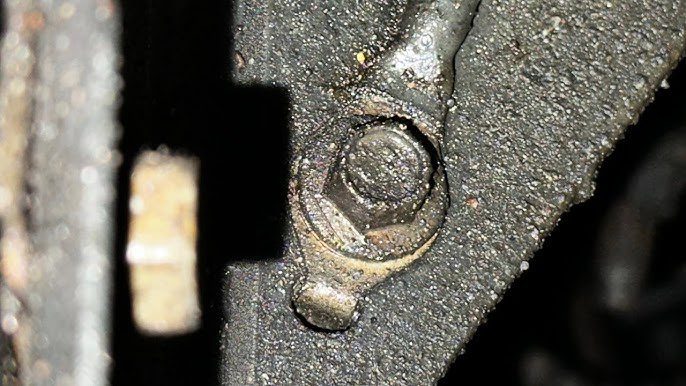
Ford F150 Ground Wire Locations by Generation
The F150 has gone through significant changes across its production history, and ground wire locations have shifted between generations. Here is a breakdown by model year range.
1980 to 1986 F150 Ground Wire Locations
These earlier trucks have a simpler electrical system than modern F150s, but that does not mean ground issues are less common. If anything, the age of these trucks makes corroded grounds almost expected.
On the 1980 to 1986 F150, primary ground wire locations include:
- Near the fuel pump cutoff relay
- Adjacent to the throttle position solenoid
- On the firewall, typically on the passenger side
- Attached directly to the engine block
- Connected to various body panels
If you are working on one of these trucks, the firewall ground is almost always the first place to check when electrical problems surface. Decades of heat cycles, moisture, and vibration are brutal on ground connections in this location.
2004 to 2008 F150 Ground Wire Locations
The 11th generation F150 introduced significantly more electronics than earlier trucks, which means more ground points and more potential failure locations. These trucks are old enough now that corrosion on ground connections is a frequent source of complaints.
Ground wire locations on 2004 to 2008 F150s include:
- At the starter motor
- On both front fenders
- Under the dashboard on the driver’s side
- On the engine block (primary engine ground)
- On the transmission housing (transmission ground)
- On the firewall
The fender grounds on these trucks are known trouble spots. Because they are exposed to road spray and weather, they corrode faster than the protected interior grounds. If your 2004 to 2008 F150 is having lighting issues or electrical glitches, start at the fender grounds before pulling everything apart.
2015 to 2020 F150 Ground Wire Locations
The aluminum-bodied F150 introduced in 2015 brought a new complication to ground wire maintenance. Aluminum corrodes differently than steel, and aluminum-to-steel connections (which exist throughout the grounding system) are particularly susceptible to galvanic corrosion when moisture gets involved.
On these trucks, ground wire locations include:
- On the engine block
- On the transmission housing
- At various body panel attachment points
- Under the dashboard
- Near the battery in the engine bay
Ford made a conscious effort to seal and protect ground connections on the aluminum-body trucks, but they are not immune to problems, especially in high-humidity or high-salt environments like coastal areas or places that use road salt in winter.
The Four Main Types of Ground Wires in Your F150
Regardless of which generation F150 you are working on, there are four fundamental categories of ground wires to understand. Each serves a distinct purpose, and each has its own common failure patterns.
The Engine Ground Wire
This is the most important ground connection in the entire truck. The engine ground wire runs from the engine block to the vehicle’s chassis or directly back to the battery’s negative terminal. It provides the return path for every electrical component in and around the engine, including the alternator, starter, ignition system, fuel injectors, and all the engine sensors.
When the engine ground degrades, the symptoms are dramatic. Hard starting or no-start conditions, alternator charging problems, erratic sensor readings, rough running, and even transmission shift issues can all trace back to a weak engine ground. The engine needs enormous amounts of current when cranking (starter motors pull 150 to 300 amps), and any resistance in that ground path causes serious problems.
On most F150 generations, you will find the engine ground strap bolted to a flat, clean surface on the engine block, usually toward the rear of the engine on the driver’s side. The other end typically connects to the firewall or chassis rail.
The Chassis Ground Wire
The chassis ground connects the transmission housing to the vehicle’s frame. Transmissions have their own electrical components, including solenoids that control gear shifting, speed sensors, and temperature sensors. All of these need a solid ground to function correctly.
A bad transmission ground can show up as erratic shifting, the transmission getting stuck in one gear, false fault codes stored in the transmission control module, or the truck going into limp mode for no obvious reason. Before anyone starts talking about transmission rebuilds for these symptoms, the ground strap is worth inspecting first. It is a $5 fix if that is all it is.
The Body Ground Wire
Body grounds connect the truck’s metal body panels to the chassis, creating return paths for the lighting systems, interior electronics, door locks, windows, and everything else that is mounted in the body rather than the engine. These grounds are distributed throughout the truck, with connection points at the fenders, behind the dashboard, near the tail lights, and at various spots along the frame.
Body ground failures tend to produce the most confusing and seemingly random symptoms. Tail lights that work intermittently. Turn signals that flash at the wrong speed. Interior lights that dim when you hit the brakes. Gauge cluster acting erratically. Power windows working on some doors but not others. All of these can be body ground issues.
The Firewall Ground Wire
The firewall is the metal wall separating the engine compartment from the passenger cabin. It serves as a major ground distribution point in many F150 generations, with ground wires from both the engine side and the cabin side connecting here.
Because the firewall sits between the hot engine environment and the interior, it experiences significant temperature swings. Those temperature cycles expand and contract the metal, which loosens bolted connections over time. Firewall grounds are a very common source of mystery electrical issues on older F150s.
On 1980 to 1986 F150s in particular, the firewall ground near the fuel pump cutoff relay and throttle position solenoid is worth checking any time unexplained electrical issues surface.
How Ground Wires Affect Your F150’s Lighting System
Lighting problems are one of the most common ways a bad ground wire announces itself to F150 owners. Understanding how the grounding system connects to your lights makes diagnosing these problems much faster.
Here is what to look at on each part of the lighting system:
- Headlights: The high beam circuit uses a light green wire with a black stripe. The low beam circuit runs on a dark blue wire with a white stripe. Both circuits need solid grounds at the headlight assemblies and at the fender ground points. Flickering or dimming headlights, especially when other electrical loads are active (like running the blower motor or turning on the radio), almost always point to a ground issue rather than a bulb or switch problem.
- Tail lights: Tail light assemblies have their own ground connections, usually built into the light socket itself and grounded through the body panel the assembly is mounted to. Corrosion in the socket or at the body ground point causes intermittent operation, a much dimmer output than normal, or complete failure on one side while the other works fine.
- Turn signals: Turn signal flash rate is controlled by the flasher module, but the actual function depends on clean grounds at each light. A high-resistance ground in one turn signal bulb circuit causes that side to flash faster than normal, or not at all. If your turn signals are acting up but the bulbs are not burned out, check the grounds at the light assemblies before replacing the flasher.
One quick test for a lighting ground issue: if the lights behave differently depending on which other electrical loads are operating at the same time, that strongly suggests a ground problem. Normal bulbs and switches do not care what else is on. Bad grounds do, because the other components are sharing that same weak return path.
How to Identify Ground Wires by Color Code
Not every wire in your F150’s electrical system is labeled, and not every color is immediately obvious under poor lighting in a tight engine bay. Knowing the standard color coding for ground wires takes the guesswork out of identifying them.
In Ford vehicles, ground wires are most commonly identified by these colors:
| Wire Color | What It Indicates |
|---|---|
| Solid black | Primary ground wire (most common) |
| Solid green | Ground wire (common in older Ford vehicles) |
| Green with yellow stripe | Ground wire variant, common in body circuits |
| Black with white stripe | Ground in some specific circuits |
Beyond color, ground wires are always connected at one end to the component they are grounding and at the other end to a bare metal surface, a bolt going into the chassis, engine block, or body panel. If you trace a wire and find it bolts directly to unpainted metal rather than connecting to another wire or a connector, you have found a ground point.
One thing that trips people up: some grounding points have multiple wires terminating at the same bolt. This is completely normal and is called a ground stud or ground distribution point. If that one bolt corrodes or loosens, every wire attached to it loses its ground simultaneously, which is why a single bad connection can cause multiple unrelated-seeming symptoms at once.
The Ford F150 forum community has documented many of these shared ground point locations, and spending a few minutes reading through owner experiences with your specific model year can save you significant diagnosis time.
Signs Your F150 Has a Bad Ground Wire
Bad grounds can masquerade as almost any other electrical problem, which is exactly what makes them so frustrating to track down. Here is a list of symptoms that should put ground wires at the top of your suspect list:
- Engine cranks slowly or struggles to start, even with a fully charged battery
- Headlights or interior lights that dim when you press the brake pedal
- Gauge cluster readings that jump around or read incorrectly
- Random fault codes in the ECM or TCM with no other obvious cause
- Transmission shifting erratically or going into limp mode without warning
- Electrical accessories (windows, locks, radio) that work intermittently
- A burning smell or heat coming from a wire or connection point
- The battery draining faster than normal despite a good alternator
- Clicking or chattering from relays that should be operating smoothly
Notice how varied that list is. That is the nature of ground problems. They show up everywhere because everything depends on the ground system working properly.
How to Clean and Fix Corroded Ground Wires on Your F150
Here is the straightforward process for dealing with corroded or loose ground connections. This is a job you can do yourself with basic tools, and it should be part of your routine maintenance on any F150 that has some miles on it.
What You Will Need
- Wire brush or abrasive pad
- Sandpaper (medium grit)
- Dielectric grease
- Socket set and wrenches
- Battery terminal cleaning brush (for battery-adjacent ground points)
- Wire crimping tool (if replacing ground wires)
- Replacement ground wire or strap (if needed)
Step-by-Step Ground Wire Cleaning Process
- Disconnect the negative battery cable first. Do not skip this step. Working on ground connections with the battery connected creates a risk of shorts and sparks. Pull the negative terminal and set it aside where it cannot accidentally make contact.
- Locate all ground points for the system you are troubleshooting. Use the location information in this guide to find the relevant ground wires. For general maintenance, plan to inspect every accessible ground point, not just the ones that seem obviously problematic.
- Inspect each ground connection visually. Look for green or white powdery deposits (aluminum corrosion), orange-brown rust (steel corrosion), or a dark film on the contact surfaces. Also look for wires that are loose, frayed, cracked, or heat-damaged.
- Remove the ground strap or wire from its attachment point. Use the appropriate socket size to remove the bolt holding the ground. Note which bolt and location it came from so you reinstall it correctly.
- Clean the attachment surface on the chassis or engine block. Use the wire brush or sandpaper to clean the bare metal surface down to shiny, clean metal. Corrosion and paint are both insulators. The ground connection needs to be metal-to-metal to conduct properly.
- Clean the terminal end of the ground wire itself. The ring terminal that bolts to the chassis should also be clean and free of corrosion. If the terminal is severely corroded or the wire strands inside are damaged, replace the wire rather than cleaning and reusing a compromised connection.
- Apply dielectric grease to the connection before reassembly. A thin coat of dielectric grease on the clean metal surfaces before bolting the ground back down seals out moisture and dramatically slows future corrosion. Do not skip this step. It is cheap insurance against having to do this job again in another year.
- Reinstall the ground wire and tighten the bolt properly. The connection needs to be snug and secure. A loose ground is almost as bad as no ground. Use a torque wrench if you have one, following the specification in your service manual. If not, make it tight without over-torquing and stripping the threads.
- Repeat for all accessible ground points before reconnecting the battery. Since you are already in there, it takes very little additional time to check all the other grounds. Finding and cleaning a borderline connection before it fully fails saves you another diagnostic session down the road.
- Reconnect the negative battery cable and test. Start the truck and verify that whatever symptoms you were chasing have resolved. If you were having specific electrical issues, cycle through the relevant systems (lights, accessories, start the engine) to confirm normal operation.
When to Replace a Ground Wire Instead of Cleaning It
Cleaning works when the wire itself is intact and only the connection surfaces are corroded. But there are situations where the wire needs to come out and a new one go in.
Replace the ground wire if you find any of these conditions:
- The wire insulation is cracked, brittle, or melted
- The wire strands inside are corroded brown or green rather than shiny copper
- The ring terminal is cracked, broken, or so corroded that cleaning cannot restore a solid connection
- The wire has been pinched, kinked sharply, or shows signs of heat damage
- The wire strands have broken and the wire is noticeably thinner than it should be
When buying replacement ground wire, match the original wire gauge or go one size heavier. Using undersized wire for a ground that carries significant current creates a resistance problem and a potential fire risk. For engine grounds in particular, using a heavier gauge wire than the original is a common and worthwhile upgrade on high-mileage trucks.
Adding Supplemental Ground Wires: Is It Worth It?
Some F150 owners go beyond just maintaining existing grounds and add supplemental ground straps to known weak points. This is a popular modification on trucks with modified electrical systems (upgraded audio, aftermarket lighting, winches) but it also benefits stock trucks with high mileage where the factory grounds have degraded significantly.
Common places to add supplemental grounds include:
- An additional strap from the engine block to the chassis rail
- A direct ground from the alternator housing to the battery negative terminal
- Additional body-to-chassis grounds at the rear of the truck to improve tail light and trailer wiring reliability
These additions do not hurt anything and can make a meaningful difference on trucks where the factory grounding network has seen better days. Braided ground straps are preferred over solid wire for engine and transmission applications because they handle vibration better without fatiguing and breaking over time.
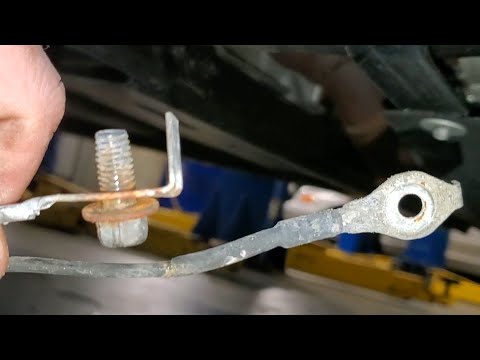
Watch How the Ground Wire Diagnosis and Repair Is Done
If you want to see this process in action before getting your hands dirty, this video demonstrates how to locate and address ground wire issues on an F150 so you know exactly what to expect when you get under the hood.
How Often Should You Inspect F150 Ground Wires?
There is no official interval in the F150 owner’s manual for ground wire inspection, which is part of why so many trucks develop these problems without owners realizing what is happening. Here is a practical schedule that makes sense for most F150 owners:
| Inspection Type | Recommended Interval |
|---|---|
| Visual check of accessible ground points | Every 12 months or 15,000 miles |
| Full cleaning of all ground connections | Every 3 to 5 years, or when electrical symptoms appear |
| Ground wire replacement (if degraded) | As needed based on condition |
| Extra attention after off-road use | After any significant water crossing or muddy conditions |
| Extra attention in winter climates | At the start of spring after road salt exposure |
Trucks that see off-road use, live in coastal areas, or operate through harsh winters with heavy road salt need more frequent attention to their ground connections than garage queens in dry climates. Adjust the schedule to match your real-world operating conditions.
A well-maintained ground system is invisible, which is exactly how it should be. You never think about your grounds because everything works perfectly. The moment they start degrading, you will know, and by that point the symptoms will have already been trying to tell you for a while. Stay ahead of it, and your F150 will reward you with electrical systems that work reliably without the random gremlins that send so many truck owners chasing expensive phantom problems.
Before you replace another sensor, buy another battery, or hand your truck over to a shop for expensive electrical diagnostics, spend an hour going through every accessible ground connection on your F150. Clean them, tighten them, and protect them with dielectric grease. You might be amazed how many “unsolvable” electrical problems disappear when you do.