
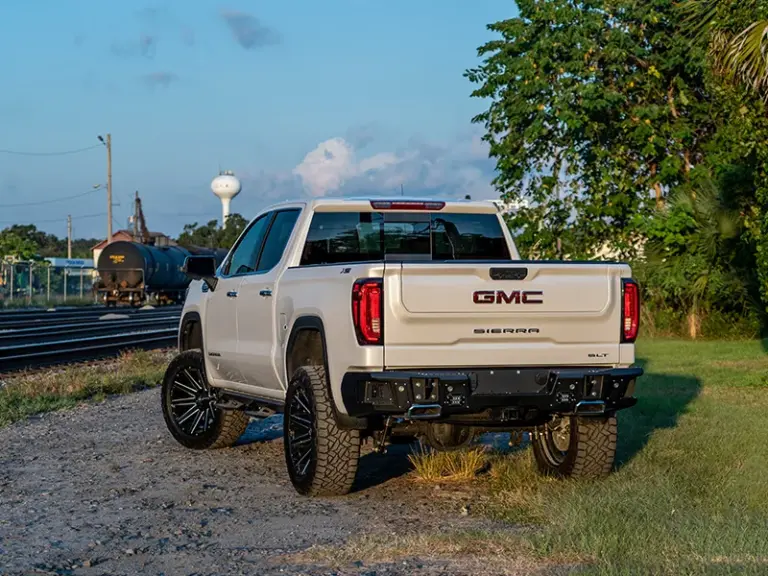
When GMC rolled out the Multipro Tailgate back in 2019, the reaction from truck owners was… complicated.
On one hand, people were genuinely excited. A tailgate that does six different things? That sounds like a game-changer for anyone hauling lumber, loading gear, or just trying to get into a tall truck bed without throwing out their back. GMC was clearly swinging for the fences with this one.
But on the other hand, the more GMC Sierra and Silverado owners actually used the thing, the more design problems started bubbling up. Some were minor annoyances. Others? Legitimately frustrating flaws that made people wonder whether GMC’s engineers had ever actually used the tailgate in real-world conditions.
In this guide, we are going to break down exactly what the Multipro Tailgate is, what it does well, where it falls short, and most importantly, what you can actually do to fix the common problems. No fluff, no filler. Just straight talk from someone who has spent time under the hood and around the truck bed.
So What Exactly Is the GMC Multipro Tailgate?
Think of the Multipro Tailgate as a tailgate within a tailgate. No, that is not a typo.
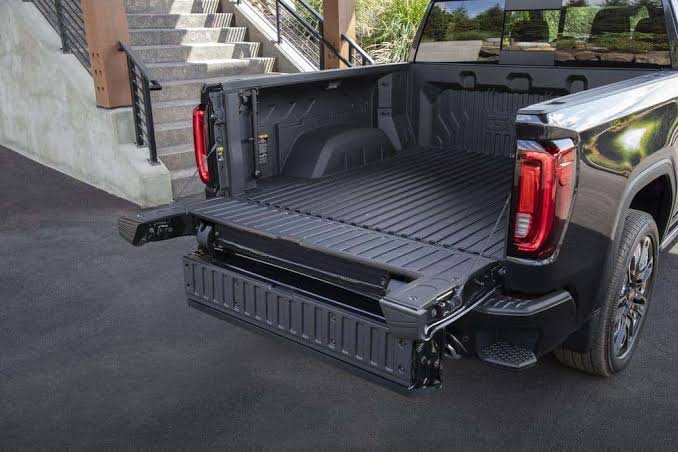
The system consists of a large outer primary gate, and then nested inside that is a smaller inner tailgate, hinged so it can fold and swing independently of the outer panel. Together, these two panels can be configured in six different positions, each one serving a different practical purpose.
The whole idea was to give truck owners more flexibility at the rear of their vehicle. Whether you are loading heavy cargo, climbing into the bed, or hauling long materials that hang off the back, the Multipro system was designed to adapt to the task. It sounds impressive on paper, and honestly, when it works the way it is supposed to, it genuinely is a clever piece of engineering.
But here is the thing. Clever engineering and practical, real-world performance are two very different things. And that gap is exactly where most of the complaints around the Multipro Tailgate live.
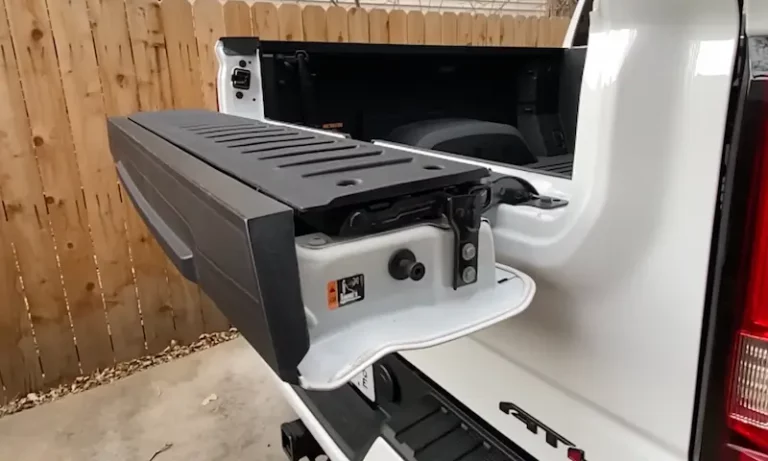
The Six Configurations: What Each One Actually Does
Before we get into the problems, it helps to understand what you are working with. Here is a quick breakdown of the six ways you can configure the Multipro Tailgate and what each mode is designed for.
1. The Load-Stop Feature: Keeping Your Cargo Where It Belongs
This one is actually pretty useful. The load-stop feature works by folding the inner panel of the tailgate up into a vertical, upright position. What you end up with is a physical barrier at the rear of the truck bed that stops cargo from sliding out, especially on steep inclines or rough terrain.
Picture this: you are hauling a bunch of toolboxes or crates and you have to navigate a hilly job site. Without a load stop, there is always that nagging fear something is going to shift and slide out. This feature eliminates that concern, at least in theory.
2. The Step Feature: No More Struggling to Get Into the Bed
Anyone who has tried to climb into a full-size pickup truck bed knows the struggle. You are either doing an awkward jump, using your knee as a launching pad, or just hoping your upper body strength holds out.
The step feature on the Multipro Tailgate actually solves this. When both the primary gate and the inner tailgate are released and lowered fully, they form a wide, 48-inch step that gives you a real foothold into the truck bed. It is rated to hold up to 375 pounds, so it is not some flimsy little footrest. It is a solid, functional step that makes getting in and out significantly easier.
3. Inner-Gate Load-Stop: Built for the Long Stuff
This is a slightly more specialized version of the standard load-stop function. The inner gate load-stop uses a two-layer design that is specifically built for hauling longer materials, think full sheets of plywood, lumber, pipe, or anything else that extends beyond the typical bed length.
The edges of the stop protrude upward, creating a catch point that prevents those longer items from sliding backward and off the truck. If you are in construction, landscaping, or any trade that involves hauling long materials regularly, this feature was designed with you in mind.
4. The Lowered Tailgate Configuration: Full Bed Access Without the Stretch
One of the older complaints about standard tailgates on full-size trucks is that once you drop them, accessing the far end of the bed still requires a serious lean or even climbing in. The Multipro system addresses this by allowing the tailgate to sit much closer to the ground compared to traditional designs.
This lowered position gives you a better angle to reach into the back of the bed without having to stretch uncomfortably or crawl in completely. For shorter drivers or anyone dealing with back pain, this is a genuine quality-of-life improvement.
Beyond these four primary functions, the system also supports a full open position for standard loading and unloading, as well as a work surface configuration that essentially turns the tailgate into a flat platform you can lean against or work on. Six total configurations, one tailgate. It is genuinely ambitious.
Now, let us talk about where things go wrong.
The Real Problems With the GMC Multipro Tailgate (And What You Can Do About Them)
Here is where we stop talking about what the Multipro Tailgate is supposed to do and start talking about what it actually does in the hands of real truck owners. The problems below have been reported by GMC Sierra and Silverado drivers across multiple model years, and they range from mild irritations to genuine design oversights.
Problem #1: The Ball Hitch Conflict That GMC Still Has Not Truly Fixed
This is probably the most talked-about flaw with the Multipro system, and honestly, it is kind of hard to believe it made it past the design stage.
Here is the situation. A huge percentage of truck owners, especially those using their Sierra for towing, have a ball hitch installed at the rear of the vehicle. That is just the reality of owning a work truck. When you drop the Multipro Tailgate down to its lowest configuration, the inner panel swings down and, in a lot of cases, slams directly into that ball hitch.
The result? Potential damage to the tailgate, scratches, dents, or even structural damage to the inner panel over time. For a truck that is supposed to be tough and work-ready, this is a pretty embarrassing oversight.
What GMC did about it: GMC responded by adding a sensor to the receiver hitch. When the sensor detects that a ball hitch is installed, it prevents the inner section of the tailgate from opening all the way down. Problem avoided, right?
Not exactly. Yes, the sensor prevents the physical damage. But it also means that if you have a ball hitch installed, which again, many truck owners do at all times, you lose access to one of the tailgate’s core configurations. You are essentially paying for a six-mode tailgate and getting five modes because the sixth conflicts with a hitch that should have been accounted for in the original design.
Most Sierra owners are not thrilled with this workaround, and honestly, they have a right to feel that way. It feels like a band-aid on a wound that needed stitches.
What you can do right now:
- If towing is not your primary use, consider removing the ball hitch when you do not need it. This restores full tailgate functionality.
- If you tow frequently, recognize this as a limitation of the current design and adjust your expectations accordingly.
- Watch for future GMC software or hardware updates that may address this more elegantly.
Problem #2: The Load Stop That Does Not Actually Lock in Place
The load-stop feature sounds great on paper. Fold the inner panel up, create a barrier, keep your cargo secure. Simple enough.
But here is what owners kept discovering: the load-stop does not lock securely in the upright position. When you raise the inner gate to create that barrier, it can shift, wobble, or even fall back down when the truck hits a bump or when heavier cargo pushes against it. That completely defeats the purpose of having a load stop in the first place.
Think about what this means in practice. You are hauling a heavy wheelbarrow or some large equipment on a bumpy gravel road, trusting that load-stop to hold things in place. If the panel gives way, that equipment is sliding right out of the back of your truck. That is not just a cargo loss situation. That is a safety hazard for whoever is driving behind you.
What you can do right now:
The fix here is actually straightforward. You can purchase an aftermarket load-stop lock online, and installation takes less than a minute. These locks clip or latch onto the inner gate mechanism and hold the panel firmly in the upright position so it does not shift or collapse while you are on the road.
It is a cheap, quick fix. But the fact that it is needed at all says something about the original design. A load-stop that does not lock is kind of like a seatbelt that only works sometimes. The whole value of the feature is in its reliability, and without a secure lock, that reliability is not there.
Problem #3: Water and Snow Getting Into the Gap Between Panels
This one is a slow-burn problem. It is not going to create a dramatic, immediate failure. But over time, it can do real damage.
Because the Multipro system has an inner panel nested inside the outer gate, there is naturally a gap between these two sections. That gap is a perfect entry point for water and snow. During rain, that space fills up. During winter, packed snow and ice accumulate in there. And over months and years, that moisture exposure leads to rust, corrosion, and degradation of the tailgate components.
The gap itself comes down to the welding and assembly process GMC used during manufacturing. It was not an intentional design feature, just an unavoidable byproduct of how the two panels fit together.
What you can do right now:
The most common fix is to install a GMC tailgate seal, which is a long rubber gasket that stretches across the gap between the two panels from one side of the tailgate to the other. It blocks the entry point for water and snow and significantly reduces moisture intrusion.
That said, be realistic about what this fix does and does not do:
- It is not a permanent solution. Rubber seals wear out over time, especially with constant exposure to the elements and the mechanical movement of the tailgate opening and closing.
- It will need to be replaced periodically, probably every year or two depending on your climate and how hard you use the truck.
- It does not fix the underlying design gap. It just manages the symptom.
If you live in a region with harsh winters, heavy rain, or high humidity, getting this seal installed sooner rather than later is a smart move. Rust damage to a tailgate is expensive to repair and completely avoidable with a twenty-dollar rubber seal.
Problem #4: The Rattling and Noise That Drives Owners Crazy
A rattling tailgate is one of those things that starts as a minor annoyance and slowly becomes the only thing you can think about on a long drive. The Multipro Tailgate has a reputation for developing noise over time, and there are a couple of reasons for it.
First, the multi-panel design has more moving parts, more joints, more gaps, and more surfaces that can vibrate against each other. Every time you hit a pothole or a rough patch of road, all of those components are shifting and flexing slightly. Multiply that by thousands of miles and you start to hear it.
Second, and this connects back to the water infiltration issue, if moisture gets into the folding mechanism and causes rust or corrosion, that rust creates friction. Friction creates noise. So the water problem and the noise problem are often directly related.
What you can do right now:
There are a few approaches depending on how severe the noise is.
- Lubrication: Apply a quality lubricant, like white lithium grease or a silicone-based spray, around the tailgate hinges, joints, and pivot points. This reduces friction and often eliminates the rattle immediately. Make this part of your regular maintenance routine, not just a one-time fix.
- Caulking: For gaps and seams that are vibrating against each other, applying a flexible automotive caulk can dampen the movement and quiet things down significantly.
- Tailgate damper installation: A damper is a small component that absorbs vibration and softens the movement of the tailgate when it opens or closes. Installing one can dramatically reduce both noise and the wear that vibration causes on the tailgate components over time.
If you have tried all of these and the noise persists, it may be worth having a mechanic inspect the tailgate for structural issues or component wear that goes beyond surface-level fixes.
Problem #5: Electrical Gremlins and a Tailgate That Refuses to Respond
This one is probably the most frustrating of all the issues, because when your tailgate is electrically unresponsive, you are stuck. You press the button, nothing happens. You try again, still nothing. You are standing there in a parking lot or at a job site with a truck bed full of stuff you need to unload, and the tailgate has decided it is not participating today.
Electrical issues with the Multipro Tailgate tend to fall into two categories. The first is actual wiring problems, broken connections, frayed wires, or short circuits in the electrical system that controls the tailgate’s powered functions. The second is a deactivation issue that catches a lot of owners completely off guard.
Here is something most GMC owners do not know: the Multipro Tailgate handle can be deactivated, either intentionally or accidentally. If it gets deactivated, the handle simply stops working, and unless you know about this feature, you will have no idea why.
What you can do right now:
Start with the simple fix first. If the tailgate is unresponsive, do the following before you panic or call a mechanic:
- Make sure your key fob is within close range of the tailgate.
- Locate the button on the tailgate handle itself. There are typically two buttons, an upper and a lower one.
- Press and hold the upper button for at least five full seconds.
- Watch for the tail lights to flash. That flash is confirmation that the handle has been reactivated.
- Try operating the tailgate normally after that.
If that does not solve the problem, the issue is likely electrical. At that point:
- Visually inspect the wiring harness that connects to the tailgate for any obvious signs of damage, chafing, or disconnected plugs.
- Check for any relevant error codes using an OBD-II scanner.
- If you are not comfortable diagnosing electrical issues yourself, take it to a trusted mechanic or your GMC dealership. Wiring problems that are left unaddressed can escalate into bigger, more expensive failures.
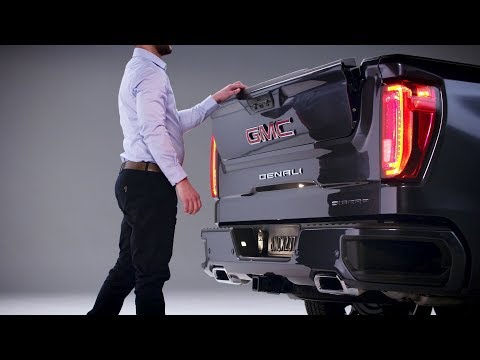
A Closer Look: How the Multipro Tailgate Stacks Up Against Its Own Promise
It is worth stepping back for a moment and looking at the bigger picture here. The Multipro Tailgate was a bold move by GMC. When it was announced, it genuinely stood out in the competitive full-size truck market. Ford had the tailgate step on the F-150, Ram had its split-panel tailgate, and GMC answered with a six-configuration system that promised to do more than any of them.
And to be fair, in some ways, it delivers on that promise. The step feature is genuinely practical. The load-stop concept is smart. The lowered configuration makes bed access easier. These are real-world benefits that real truck owners appreciate.
But the execution has some holes in it. The ball hitch conflict feels like something that should have been caught in testing. The load-stop that does not lock is a basic functionality gap. The water intrusion is a structural design issue. These are not just minor software bugs or teething problems. They are physical, tangible design flaws that affect how useful the tailgate is in everyday use.
Here is a side-by-side summary of all the key issues and their fixes:
| Problem | Cause | Fix | Permanence of Fix |
|---|---|---|---|
| Ball hitch conflict | Design oversight | Hitch sensor (GMC update) or remove hitch when not in use | Partial workaround, not a full solution |
| Load stop does not lock | Missing locking mechanism | Aftermarket load-stop lock | Good long-term fix |
| Water and snow infiltration | Gap from welding/panel design | Rubber tailgate seal | Temporary, requires periodic replacement |
| Rattling and noise | Multi-panel vibration, possible rust | Lubrication, caulking, tailgate damper | Good with regular maintenance |
| Electrical unresponsiveness | Wiring fault or deactivated handle | Reactivation process or wiring repair | Depends on root cause |
Is the Multipro Tailgate Worth It Despite the Problems?
That is the honest question, right? You have just read through five real problems with a tailgate that is supposed to be one of the standout features of the GMC Sierra. So is it still worth having?
The answer depends a lot on how you use your truck.
If you are a daily driver who occasionally throws stuff in the bed and rarely tows, the Multipro Tailgate is probably a net positive for you. The step feature alone makes loading and accessing the bed dramatically easier. The load-stop configurations are genuinely handy for keeping cargo secure. With a rubber seal installed and a regular lubrication routine, you can keep the noise and water issues under control.
But if you are a heavy tower, someone who almost always has a ball hitch attached, the tailgate’s biggest design flaw directly affects you. You are paying for a feature you can not fully use, and that is a legitimate frustration.
And if you are a contractor or tradesperson who relies on the load-stop feature to secure materials on rough terrain, you need to immediately address the locking issue before you trust that function with valuable cargo or equipment.
Maintenance Tips to Keep Your Multipro Tailgate Running Properly
Whether you have already run into one of these problems or you are trying to get ahead of them, here are some practical maintenance habits that will extend the life and performance of your Multipro Tailgate.
- Lubricate all pivot points and hinges every six months. Use white lithium grease or a quality silicone spray. Pay attention to the inner gate hinge points specifically, as those tend to be where rust starts when moisture gets in.
- Inspect the rubber seal around the tailgate gap at least once a year. Look for cracking, tearing, or sections that have lifted away from the surface. Replace the seal as soon as you notice deterioration.
- After heavy rain or winter driving, open the tailgate and wipe down the internal surfaces. Do not let standing water or packed snow sit in the panel gaps for extended periods. A few minutes of drying time can save you from a rust problem later.
- Check the wiring harness connection at the tailgate whenever you have the truck in for service. Make sure the connector is seated firmly and that the wiring does not show signs of wear where it bends and flexes with the tailgate movement.
- Test all six configurations periodically. Do not wait until you actually need a specific mode to find out it is not working. A quick monthly check of each position takes about two minutes and lets you catch mechanical issues before they become serious problems.
- Know the reactivation process by heart. Write it in your phone or stick a small note in your glove box. The last thing you want is to be stuck at a job site with a deactivated tailgate and no idea how to bring it back online.
Frequently Asked Questions About the GMC Multipro Tailgate
How Do You Disable or Reactivate the GMC Multipro Tailgate Handle?
This is one of the most common questions GMC Sierra owners ask, usually because they have accidentally locked themselves out of the tailgate without realizing it was even possible.
To reactivate a deactivated tailgate handle, do the following:
- Make sure your key fob is close to the tailgate. Within arm’s reach is ideal.
- Find the button located on the tailgate handle. You are looking for the upper button specifically.
- Press and hold that button for at least five seconds. Do not let go early.
- Watch for the rear tail lights to flash. That is your confirmation signal.
- The handle is now reactivated and should operate normally.
The same process works to deactivate the handle, which can be useful if you want to prevent unauthorized access to your truck bed. Just know that the system has no visible indicator when it is in the deactivated state, which is why so many owners get confused when the handle stops responding.
Here is a quick video walkthrough if you prefer to see the process in action:

Which GMC Models Have the Multipro Tailgate?
The Multipro Tailgate was first introduced on the 2019 GMC Sierra and has been available on various Sierra trim levels since then. It has also appeared on the GMC Sierra HD. Not every trim level comes with it as standard, so if you are buying used or spec-ing out a new truck, confirm whether the specific vehicle includes the Multipro system before assuming it does.
Can You Replace the Multipro Tailgate With a Standard Tailgate?
Yes, technically this is possible, though it requires some work and may void certain aspects of your warranty depending on how it is done. Some owners who have been repeatedly frustrated by the design issues have gone this route. That said, replacing the entire tailgate is an expensive fix, and most of the common problems can be addressed with the aftermarket solutions described in this guide.
Unless you are dealing with severe structural damage or a combination of multiple unfixable issues, try the targeted fixes first before going the full replacement route.
Does the Multipro Tailgate Have a Weight Capacity?
Yes. The step configuration of the Multipro Tailgate is rated to hold up to 375 pounds. This applies specifically to the step function where both panels are lowered to create the wide entry platform. For other configurations, check your specific model year’s owner manual, as weight capacities can vary depending on the configuration being used.
Why Is My Multipro Tailgate Making a Clicking or Popping Sound When It Opens?
Clicking or popping sounds during operation usually point to one of two things: either the pivot points and hinges need lubrication, or there is some rust or corrosion building up inside the mechanism. Start with a thorough lubrication of all moving parts. If the noise continues after that, it may indicate that corrosion has started to affect the structural components, and a closer inspection by a mechanic would be a good idea.
How Long Do Aftermarket Tailgate Seals Typically Last?
This really depends on your climate and how often you use the tailgate. In mild climates with minimal rain or snow, a quality rubber tailgate seal can last anywhere from two to four years. In harsher climates with frequent freeze-thaw cycles, heavy precipitation, or extreme heat, you might find yourself replacing it every year or even sooner. Inspect it regularly and replace it the moment you see cracking, lifting, or deterioration. A worn seal is basically no seal at all.
The Bottom Line on GMC Multipro Tailgate Problems
The GMC Multipro Tailgate is a genuinely innovative piece of engineering that came with some real-world execution problems that GMC has been slow to fully address. The ball hitch conflict, the load-stop locking issue, the water infiltration gap, the rattling, and the electrical glitches are all legitimate complaints. None of them are dealbreakers on their own, but together they paint a picture of a feature that was perhaps rushed to market without enough rigorous real-world testing.
The good news is that every single problem on this list has a workable solution, and most of them are cheap and easy to implement. A rubber seal, an aftermarket load-stop lock, regular lubrication, and knowing how to reactivate your handle will resolve the vast majority of issues most Sierra owners will ever encounter.
The GMC Sierra is still a strong, capable truck. The Multipro Tailgate, flaws and all, still offers more versatility than a standard tailgate. But knowing its limitations and staying on top of the maintenance is what separates a truck owner who loves their Sierra from one who resents it.
If you have a ball hitch permanently attached and tow regularly, do not assume your tailgate will handle everything. Know your limitations, plan around them, and push GMC for a real engineering solution, not just a sensor workaround that takes a feature away from you.