

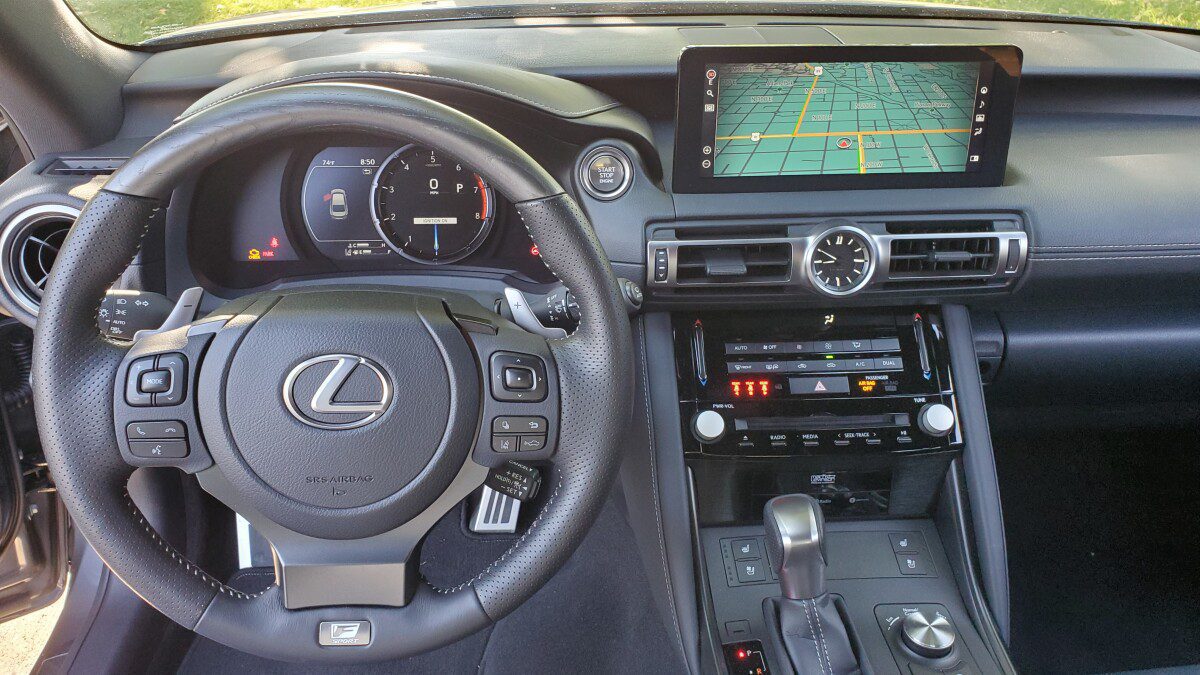
You start your Lexus and there it is, staring back at you from the instrument cluster: the Electronic Parking Brake malfunction light. Or you press the EPB button and a message pops up reading “Parking Brake Unavailable.” The car drives perfectly fine. Nothing feels different. But that warning is sitting there, and ignoring anything brake-related is not something most drivers are comfortable doing, nor should they be.
Here is what you actually need to know before you panic or start throwing money at the problem: the EPB malfunction warning does not automatically mean something catastrophic has happened. Sometimes it is a battery that is quietly on its way out. Sometimes it is a wiring fault hiding in plain sight. Sometimes a physical component has actually failed. The difference between a $15 fix and a $1,500 repair comes down to diagnosing the right cause first, and this guide walks you through exactly how to do that.
How the Lexus Electronic Parking Brake Actually Works
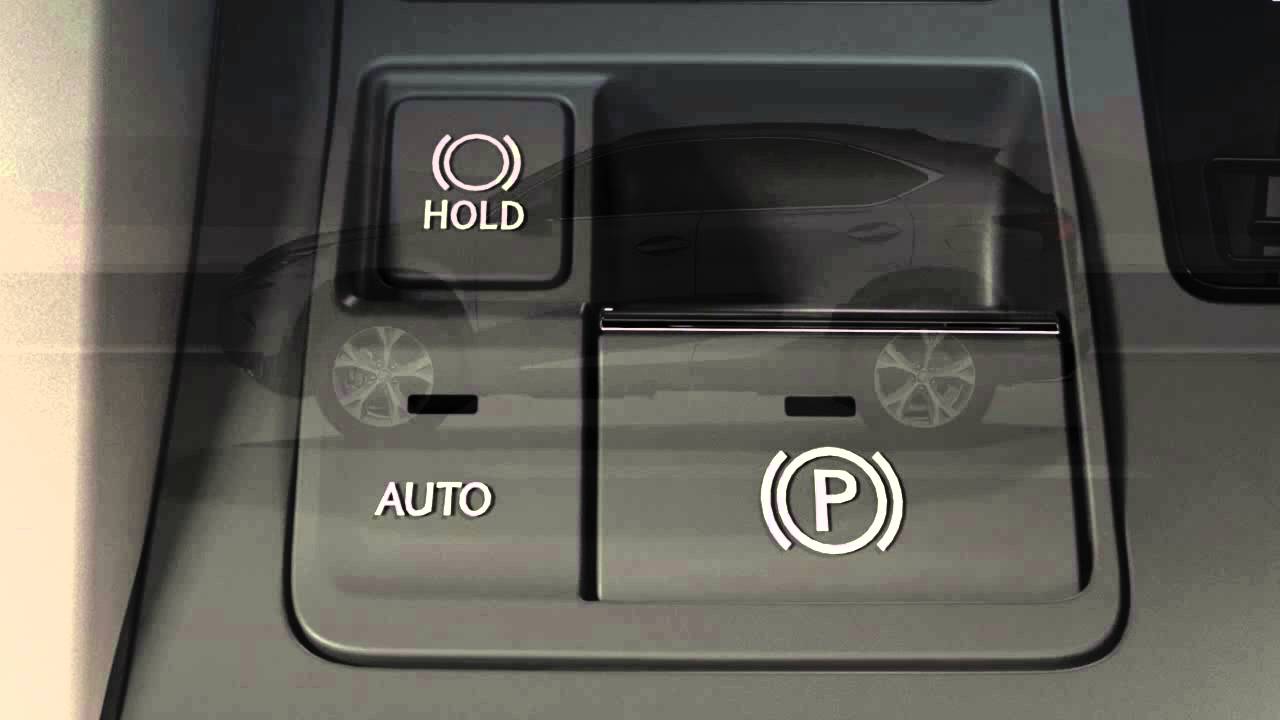
The Electronic Parking Brake replaces the old-school mechanical handbrake lever with a push-button system. When you press the EPB button, the onboard computer sends an electrical signal to actuators mounted at the rear wheels. Those actuators clamp the brake pads against the rotors, holding the car in place. No cable, no lever, no physical effort required.
Releasing the EPB reverses that process. The actuators retract, the pads pull back, and you drive away. The system also communicates constantly with other modules in the vehicle, including Hill Start Assist and the broader stability control network. Because the entire operation is electronically managed, it depends on a very specific set of conditions to work correctly: stable power supply, intact wiring, properly functioning actuators, and a healthy control module.
When any of those conditions fall outside expected parameters, whether that is a voltage drop, an interrupted signal, or an actuator that is not responding correctly, the system shuts itself down and flags the warning on your dashboard. That is actually the system doing exactly what it is designed to do. A parking brake that operates on bad data is genuinely more dangerous than one that safely takes itself offline and tells you something is wrong.
What Is Actually Causing the EPB Malfunction Warning on Your Lexus?
The Battery Is Weaker Than You Think
This is the most common cause of the EPB malfunction warning, and it is the one most drivers dismiss too quickly. The logic usually goes: “The car starts fine, so the battery must be okay.” But that reasoning is flawed, and here is why.
Starting the engine only requires a brief, high-current surge from the battery. Keeping all the vehicle’s electronics running properly throughout a drive, including the EPB system, requires sustained, stable voltage over time. Those are two very different demands. A battery that is aging but not completely dead can deliver enough juice for a cold start while no longer maintaining the consistent voltage the EPB control module requires to operate confidently.
When the Powertrain Control Module registers a low voltage fault, it disables the EPB as a precaution. You can still drive the car normally, but the parking brake stays offline until the voltage issue is corrected.
How to check it: Grab a multimeter and test the battery terminals. A healthy, fully charged battery should read between 12.4 and 12.7 volts with the engine off. With the engine running and the alternator doing its job, you should see between 13.7 and 14.7 volts. Anything outside those ranges tells you the battery or the charging system needs attention.
If resting voltage is low, charge the battery fully and retest. If it will not hold above 12.4 volts after a complete charge, the battery has degraded and needs to be replaced. On Lexus vehicles, make sure the replacement battery is the correct AGM type specified for your model. After installation, the Battery Management System should be registered to the new battery, which is a step many DIY replacements skip and one that can cause ongoing electrical gremlins if left undone.
Something Physical in the Braking System Has Worn or Failed
The EPB system does not operate in isolation. It works alongside the physical brake components, and problems with those components can absolutely trigger the malfunction warning.
Worn rear brake pads are a common and underappreciated contributor. When the rear pads wear down significantly, the actuator has to travel further than its calibrated range to make contact with the rotor. The system detects that the actuator is operating outside expected parameters and flags a fault. Checking rear brake pad thickness is one of the first physical inspections worth doing.
Brake fluid leaks are another possibility. The EPB works in conjunction with the hydraulic braking system, so a leak from a caliper seal, wheel cylinder, or master cylinder can affect system pressure and trigger related fault conditions. Look for fluid on the inside of your rear wheels, staining on brake components, or small puddles under the rear of the car after it has been parked for a while.
Damaged wiring and connectors at the actuators also fall into this category. Even though the EPB is an electronic system, it still relies on physical wires and connectors to carry signals to the rear actuators. Road debris, heat cycles, and general wear can damage those connections over time. A quick visual inspection of the actuator wiring at each rear wheel can catch obvious damage before you spend time looking elsewhere.
An Electrical Fault Is Interrupting the System
The EPB system depends on a network of switches, wires, and connectors linking the push-button to the control module and from there to the actuators at each wheel. Any fault within that network can break the communication chain and trigger the malfunction warning. The most common electrical faults to look for include:
- A blown EPB fuse: The system has a dedicated fuse in one of the vehicle’s fuse boxes. When it blows, the EPB loses power entirely. Check the fuse box diagram in your owner’s manual, identify the correct fuse, pull it, and inspect it. A blown fuse has a broken or melted filament visible through the transparent casing. Replace it with the correct amperage rating and check whether the warning clears.
- Corroded connectors: The rear actuators sit in an exposed position where road moisture, road salt, and general grime are a constant presence. Corrosion at the connector pins creates resistance that interferes with signal transmission. Cleaning the connector pins with electrical contact cleaner and ensuring a solid reconnection can sometimes resolve this without any parts replacement at all.
- Broken or chafed wires: A wire with internal damage may work intermittently, causing the fault to appear and disappear unpredictably. This makes the problem harder to catch because it may not be present when you are actively looking for it. A proper wiring inspection by a mechanic is the right way to locate this kind of fault.
- Short circuits: A wire that has worn through its insulation and is contacting body metal creates a short that can trip the system fault and often blows the fuse at the same time. If you replace a fuse and it blows again quickly, a short circuit is very likely the reason.
One more thing worth knowing: Lexus has issued recalls related to EPB electrical issues on certain models. The NX specifically was included in a Toyota and Lexus recall tied to a parking brake concern. Before you spend a dollar on parts or labor, check whether your vehicle has any open recalls by entering your VIN into the NHTSA recall database or by calling your Lexus dealer. A recall repair costs you nothing and could resolve the problem entirely.
The EPB Module or Actuator Has Actually Failed
When the battery, fuses, wiring, and brake components all check out and the warning is still there, you are likely dealing with a fault in the EPB control module or the actuator itself. This is the less common scenario, but it does happen, particularly in higher-mileage vehicles or in cars that have had previous electrical issues.
A failing actuator may be unable to complete its full travel range, or it may be sending incorrect feedback signals to the control module. An EPB module with an internal fault may misinterpret data from its sensors and trigger the malfunction warning even when everything else in the system is working exactly as it should.
This is the diagnosis that comes last rather than first, because the symptoms look identical to several other causes until those causes are properly ruled out. Confirming a module or actuator fault requires a scan tool capable of communicating with Lexus-specific systems and reading fault codes directly from the EPB module. A generic OBD-II reader from an auto parts store does not have this capability.
If a defective actuator is confirmed, it needs to be replaced and then calibrated to the vehicle. If the EPB module itself has failed, it may require reprogramming or full replacement. Both of these steps need professional-grade equipment to be done correctly.
How to Fix the Lexus Electronic Parking Brake Malfunction: Step by Step
Work through these steps in order. The earlier steps are quicker, cheaper, and resolve the majority of cases. Do not skip to the more expensive options before confirming the simpler ones are not the issue.
Step 1: Test and Address the Battery First
This is where most EPB malfunction diagnoses should begin, because a weak battery is behind a larger share of these warnings than most people expect. Use a multimeter to test resting voltage and charging voltage as described above. If resting voltage is below 12.4 volts, charge the battery completely and retest. If it still falls short after a full charge, replace it.
Make sure the replacement is the correct AGM battery specified for your Lexus model and year. After installation, have the Battery Management System registered to the new battery. Skipping this step can cause the vehicle’s charging strategy to remain calibrated for the old battery, which reduces the lifespan of the new one and can trigger ongoing electrical warnings.
Step 2: Find and Inspect the EPB Fuse
Locate the EPB fuse using the diagram in your owner’s manual. Pull it out and inspect it visually. If it is blown, replace it with a fuse of the exact same amperage rating. Start the car and check whether the warning has cleared.
If the new fuse blows again shortly after replacement, stop replacing fuses and get a professional diagnosis. A repeatedly blown fuse points to a short circuit in the system, and continuing to fit new fuses without finding that root cause risks damaging other components in the EPB circuit.
Step 3: Inspect the Physical Brake Components
With the battery and fuse confirmed as healthy, move to a visual inspection of the brake components themselves. Check the thickness of the rear brake pads. Look for any signs of brake fluid leaking from the rear calipers, brake lines, or master cylinder. Inspect the wiring harness and connectors at both rear actuators for corrosion, physical damage, looseness, or anything that looks out of place.
If the rear pads are worn beyond serviceable limits, replace them. Brake pads that are near the wear limit should be replaced anyway regardless of the EPB issue, so this is a check worth doing early. After replacing the pads, the EPB will need to be recalibrated to account for the change in pad thickness.
Step 4: Pull Fault Codes With a Lexus-Compatible Scan Tool
If the warning persists after checking the battery, fuse, and physical components, a diagnostic scan is the next essential step. A Lexus-compatible scan tool can communicate directly with the EPB module and read out the specific fault codes that triggered the warning. Those codes tell you exactly what the system detected and give you a precise starting point for the repair rather than leaving you guessing.
Many Lexus dealers and independent specialists with the right equipment can run this scan for a modest fee. It is money well spent at this point in the process because it eliminates the guesswork entirely.
Step 5: Repair or Replace Based on What the Scan Reveals
Once you have the fault codes in hand, the repair path becomes clear:
- A wiring fault gets repaired or the affected section of the harness gets replaced.
- A corroded connector gets cleaned and properly sealed against future moisture intrusion.
- A confirmed bad actuator gets replaced and then calibrated to the vehicle.
- A module fault may require reprogramming or full module replacement, both of which need dealer-level software.
Regardless of which repair is performed, the fault codes should be cleared afterward and the EPB tested through multiple engage and release cycles to confirm the warning light is gone and the system is functioning correctly before the job is considered complete.
Quick Diagnosis Reference Table
| What You Find | Most Likely Cause | Recommended Fix |
|---|---|---|
| Battery resting voltage below 12.4V | Weak or failing battery | Charge or replace battery; register to BMS after installation |
| Blown EPB fuse | Electrical overcurrent or short circuit | Replace fuse with correct amperage; trace short if it blows again |
| Corroded or damaged actuator wiring | Wiring harness fault | Repair or replace affected wiring; clean and reseal connectors |
| Worn rear brake pads | Actuator travel outside calibrated range | Replace brake pads; recalibrate EPB system |
| Brake fluid leak present | Caliper seal or master cylinder failure | Professional brake system repair |
| Hardware checks out but fault codes present | EPB module software or internal fault | Module reprogramming or replacement at dealership |
| Actuator not completing its travel | Failed EPB actuator | Actuator replacement and calibration |

What You Can Fix Yourself Versus What Needs a Professional
Some of this genuinely is within reach for a mechanically confident owner. Testing the battery, inspecting and replacing a blown fuse, cleaning corroded connectors, and checking brake pad thickness are all tasks you can handle with basic tools and a bit of time. If the issue turns out to be a weak battery or a blown fuse, you could have this sorted in an afternoon for a very small amount of money.
But if the simple checks do not resolve the warning, or if the diagnostic scan points to an actuator or module fault, professional help is the smarter path forward. EPB actuator replacement must be followed by calibration, and module reprogramming requires dealer-level software that is not available to the general public. Getting either of those steps wrong can leave you with an EPB that appears to be working but is not operating within its correct parameters, which is arguably worse than a warning light that honestly tells you something is wrong.
There is also the warranty angle. If your Lexus is still under its factory warranty or any extended coverage, go straight to the dealer. Do not attempt repairs that might be covered at no cost to you, and do not risk voiding that coverage by performing unauthorized work on a safety system.
Do Not Let This Warning Sit on Your Dashboard
The EPB malfunction light is not like a minor convenience feature being offline. The parking brake is a safety system, and driving with it out of service for days or weeks while you get around to fixing it is a risk that is simply not worth taking. Most causes of this warning are straightforward to address when caught early. Leave them unresolved, and what started as a $30 fuse replacement can quietly turn into a $600 actuator job because the underlying electrical fault worked its way into other components in the system.
Start with the battery. Check the fuse. Look at the brake pads and wiring. If those checks do not give you an answer, get a proper diagnostic scan and let the fault codes point you in the right direction. That is the logical, cost-effective way to handle this, and it is the approach that gets you back on the road without unnecessary expense.
A warning light that tells you a safety system is offline deserves a same-week response, not a “maybe next month” attitude. The longer it waits, the less you know about whether your parking brake will hold on the hill you park on every day.