
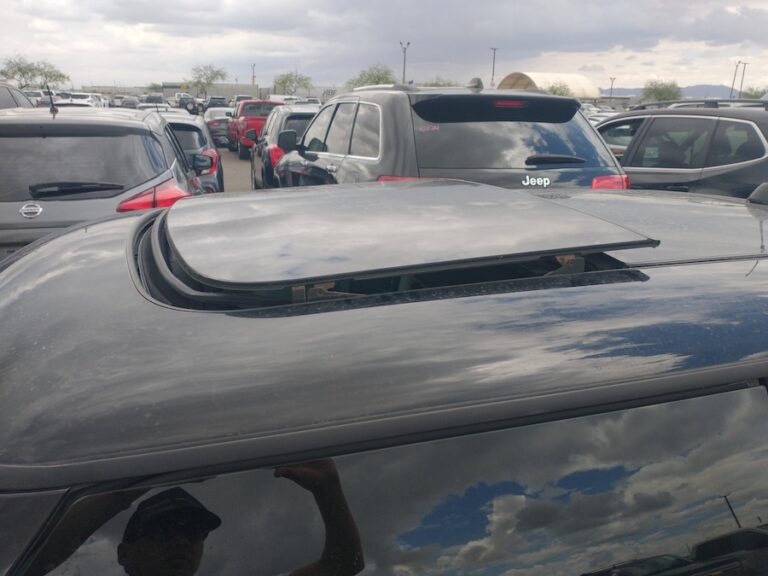
You are parked in a lot, ready to head home, and the sky has turned an ominous shade of gray. You reach for the sunroof button and nothing happens. Or maybe the glass moved a few inches and stopped dead. Now you are staring up at an open rectangle of sky in your Mini Cooper roof while clouds roll in and the first drops of rain start appearing on the windshield. That specific brand of panic is something no Mini Cooper owner should have to experience more than once.
A sunroof that refuses to close is one of those problems that feels catastrophic in the moment but usually has a straightforward cause and a clear fix. The Mini Cooper sunroof system is not dramatically different from other manufacturers’ designs. It relies on a small electric motor, a set of cables or arms running in tracks, a glass panel, a drain system, and a control module that ties everything together. When any one of those pieces stops cooperating, the sunroof stops moving. Knowing which piece has failed, and what you can do about it right now, is the difference between a stressful afternoon and a minor inconvenience.
Let us walk through every cause, every fix, and every emergency option so you have the full picture, from the two-minute reset that costs nothing to the motor replacement that requires professional tools.
How the Mini Cooper Sunroof System Actually Works
Understanding the basic mechanics helps you diagnose the problem faster. The Mini Cooper panoramic or standard sunroof uses a small electric motor mounted in the headliner, typically near the front of the roof opening. That motor drives a cable mechanism that pushes and pulls the glass panel along two tracks running along the sides of the opening. When you press the close button, the motor spins in the closing direction, the cables pull the panel forward, and guide arms keep the glass aligned and sealed against the roof frame. A rubber seal around the perimeter creates the weather barrier when the panel is fully shut.
The system has a position memory function. The motor control module remembers where the fully open and fully closed positions are. If the sunroof is forced out of its expected range by debris, a power interruption, or a motor stumble, the module can lose its reference points. This is why sunroofs sometimes stop mid-travel and refuse to complete the cycle. The control logic does not know where the glass is relative to the endpoints, so it stops rather than risk overrunning and damaging the mechanism.
The drain system is also part of this story. Four drain tubes run from the corners of the sunroof frame down through the A and C pillars of the car, exiting under the vehicle near the rockers. These drains handle rainwater that lands on the glass and flows into the frame channel. When these drains clog, water fills the channel and eventually runs into the headliner or down the A-pillars, soaking the carpet. A blocked drain does not directly cause the sunroof to stop closing, but the water damage from a long-ignored clog creates enough rust and debris in the track channel to eventually jam the mechanism.
The Reset Is Your First Move and It Often Solves the Problem Immediately
Before you call anyone, try a system reset. This is the single most effective first response to a Mini Cooper sunroof that has stopped mid-travel or refuses to respond to button inputs. The reset re-establishes the motor control module’s reference points, telling it exactly where the fully open and fully closed positions are. Once the module has those reference points restored, it can complete the closing cycle correctly.
Here is exactly how to do it. With the ignition on and the engine running or in accessory mode, press and hold the sunroof close button. Hold it continuously as the sunroof travels to its open position and keep holding even after it appears to stop. Maintain pressure on the button for a full ten to fifteen seconds past when the movement stopped. During this time, some Mini Coopers will tilt the glass up slightly and then lower it, or you may feel or hear a subtle click or change in motor sound. That is the system recognizing the reset command and storing a new endpoint in memory. Release the button, wait a moment, and then press close. The sunroof should now travel cleanly to the closed position and seal properly.
If the sunroof closes after the reset but the problem returns after the next use, the reset is masking an underlying issue rather than solving it. A sunroof that needs repeated resetting is telling you something else is wrong, either a motor that is weakening, a track that is building resistance, or a control module that keeps losing its calibration. The reset buys you time but is not a permanent fix in those situations.
Every Reason a Mini Cooper Sunroof Stops Closing
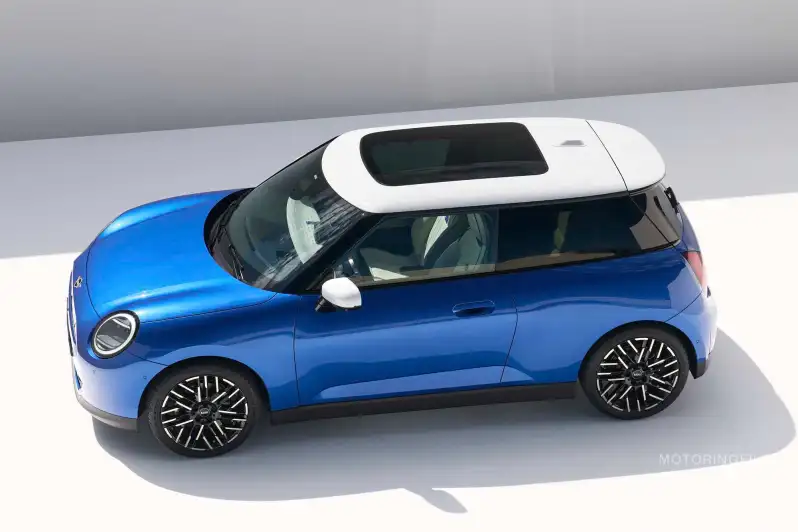
Once the reset attempt is made and you know whether it worked, you can start diagnosing the root cause. Here is every legitimate reason a Mini Cooper sunroof refuses to close, from the most common to the more serious.
Loss of Calibration After a Power Interruption
This is the most common cause and the least serious. Any time the sunroof’s power supply is interrupted while the glass is open or mid-travel, the control module loses its position memory. Battery replacement, a blown fuse, a dead battery, or even jumping the car with the sunroof open can cause this. The module wakes up after power is restored but has no idea where the glass panel is relative to its endpoints. It refuses to move the panel more than a small amount in any direction until a reset teaches it the positions again. The fix is the reset procedure described above.
Debris and Dirt Blocking the Tracks
The sunroof tracks run along both sides of the roof opening. Over time, leaves, dirt, pine needles, road film, and dried lubricant residue accumulate in these channels. At first, this creates increased friction that the motor compensates for by working slightly harder. Eventually, the debris builds up enough that the cable mechanism cannot push or pull the glass panel through the clog without stalling. The motor control module detects the stall as an obstruction and cuts power to protect the motor, leaving the sunroof wherever it stopped.
You can usually see track debris by opening the sunroof fully and looking along the tracks from inside the car with a flashlight. Clean the tracks with a soft brush, remove any packed material, and then wipe them down with a clean cloth. Apply a fresh coat of an appropriate lubricant. White lithium grease works well for most sunroof track applications. Avoid using WD-40 as a long-term lubricant. It is a solvent and water displacer, not a true lubricant, and it will attract dust and dry out faster than grease, creating a thicker layer of debris within weeks. After cleaning and lubricating, perform a reset and test the travel several times to confirm smooth movement throughout the full range.
A Failing or Failed Sunroof Motor
The sunroof motor is a small DC motor with a gearbox and a drive shaft that engages the cable mechanism. These motors are not designed to last forever. In Mini Coopers, particularly older R50, R53, and R56 generation cars, motor failures are a known occurrence at higher mileages. The motor brushes wear down, the internal gearing can strip, or the motor windings can develop an open circuit from heat fatigue and years of operation.
A failing motor will usually give you warning signs before it fails completely. The sunroof will move more slowly than normal. You might hear a grinding or straining sound during operation. The sunroof may need multiple button presses to complete a cycle it used to complete in one. Eventually, the motor will not produce enough torque to move the glass at all, or it will move intermittently depending on temperature. Cold weather accelerates the failure because the motor has less torque available and the grease in the track is stiffer, adding more resistance at the same time the motor has less power to overcome it.
To confirm a motor fault, listen carefully during operation. A healthy motor sounds like a smooth, consistent hum. A straining motor sounds labored, with a tone that wavers or deepens as it encounters resistance. If the motor makes no sound at all when you press the button, the fault could be the motor, the fuse, the switch, or the control module. Work through the fuse check before condemning the motor.
Motor replacement requires removing the headliner or at least the front section of it to access the motor housing. This is a job that most owners find more practical to hand to a technician familiar with Mini headliner removal, as the headliner clips and mounting points are easy to break if you have not done the job before. The motor itself is not prohibitively expensive, and rebuilt units are available as alternatives to new OEM parts.
A Blown Sunroof Fuse
When the sunroof does not respond at all, no movement, no motor sound, no glass tilt, the fuse is the first thing to check before anything else. A fuse protects the sunroof circuit from electrical overload. If the motor stalled hard against a debris jam, or if there was an electrical spike in the vehicle, the fuse may have blown to protect the circuit. With a blown fuse, the sunroof is completely dead. The button does nothing because there is no power to the motor.
Locate the interior fuse box, usually under the driver’s side dashboard on Mini Coopers, and consult the fuse diagram in the owner’s manual. Find the fuse labeled for the sunroof or panoramic roof. Pull it out and hold it up to the light. A blown fuse will have a visible break in the thin metal strip inside. Replace it with a fuse of the exact same amperage rating and retest. If the new fuse blows immediately when you operate the sunroof, something in the circuit is drawing excessive current. This means a wiring short, a seized motor, or a stuck mechanism is overloading the circuit. Find and fix the underlying fault before installing another fuse, or you will keep blowing them.
A Damaged or Misaligned Glass Panel
The glass panel itself can become misaligned in its frame. This sometimes happens after an impact on the roof, after an aggressive attempt to manually push the glass closed, or after the guide arms on one side slip out of their track groove. When the glass is even slightly tilted or shifted laterally from its correct position, the motor cannot pull it cleanly into the closed position. The glass edge may drag against the roof frame or the seal, adding so much resistance that the motor stalls before the panel seats correctly.
Visible signs of misalignment include a gap at one corner of the sealed position, a sunroof that closes but never fully seats flat with the roofline, or a seal that is compressed more on one side than the other. Realigning the glass involves accessing the guide arm connectors and adjusting their position within the track slots. This is a fiddly job that benefits from a helper to hold the glass while you adjust, and it helps to have a Mini-specific workshop manual open to the sunroof adjustment section so you understand which adjustments affect which directions of movement.
Control Module or Switch Failure
The sunroof control module interprets your button input, monitors motor current draw for obstruction detection, and stores the endpoint calibration. A failed module can cause erratic sunroof behavior. The sunroof might open when you press close, stop for no apparent reason, or simply not respond. Module failures on Mini Coopers are less common than motor or track issues, but they do occur, particularly on older vehicles where heat cycles have degraded the module’s circuit board.
The switch in the headliner or overhead console can also fail. Switch contacts wear out or corrode, and the signal may stop reaching the module. Testing the switch requires a multimeter to verify that it is generating a voltage change when pressed. A switch that reads constant voltage or no voltage regardless of button position is defective. Switch replacement is usually a straightforward job involving removing the overhead console trim and unplugging the switch unit. Module replacement is more involved and on some Mini generations requires coding to the vehicle after installation.
Track Damage or Cable Problems
The cables that drive the glass panel run inside the track channels and are driven by the motor’s output shaft. These cables can fray, kink, or develop corrosion that causes them to jam in the track. A kinked cable creates a hard spot in the travel range where the motor stalls every time the glass reaches that point. The sunroof may close most of the way but stop at a consistent position each time. This consistent stopping point is a signature symptom of a cable or track damage issue rather than a motor or calibration problem.
Physical damage to the track channel from roof impact, heavy snow loading, or a previous repair that was not done correctly can also create a binding point. In some cases, the track can be reshaped with careful work. In others, a track replacement is necessary. This is a job for a professional with experience in sunroof systems, as the tracks run through the headliner and require significant disassembly to access and replace properly.
How to Manually Close Your Mini Cooper Sunroof in an Emergency
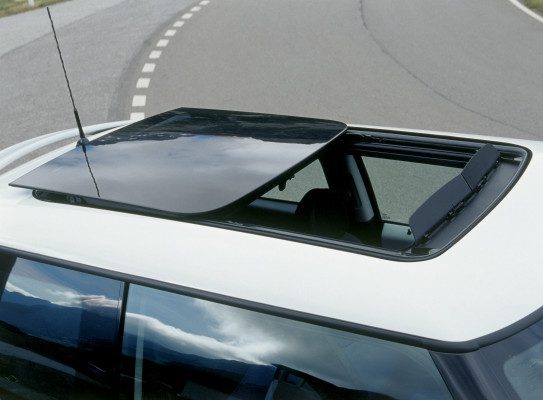
Rain is coming and the sunroof will not close. You need to get the glass shut right now and worry about the repair later. Here is how to close it manually without damaging the mechanism.
Using the Allen Wrench Method
Mini Cooper includes a small Allen wrench in the vehicle tool kit for exactly this situation. The sunroof motor has a manual override socket accessible by removing a small cover in the headliner near the interior rearview mirror or dome light area. On many Mini Cooper generations, this cover snaps off with a small flathead screwdriver or a trim tool inserted at the edge. Beneath it, you will find a hex socket connected to the motor’s drive shaft.
Insert the correct size Allen wrench into the socket and turn it slowly in the direction that moves the glass toward the closed position. You are manually driving the motor’s gearbox by hand. The resistance is the gearbox ratio, so it will take many turns to move the glass a small amount. Go slowly and stop if you feel any unusual resistance or binding, which might indicate the glass is binding against the track or frame. Keep turning until the glass is fully seated in the closed position. Do not force the wrench if the glass refuses to move. You could strip the socket or damage the motor gearbox. If the glass will not move under manual cranking, the blockage needs to be cleared before you can proceed.
Clearing the Track Before Manual Closing
If the manual crank method encounters resistance, open the sunroof fully to expose the track channels on both sides. Use a flashlight to look along the tracks. If you can see a leaf, a piece of debris, or a buildup of material at any point along the travel path, clear it before continuing. A long-handled soft brush works well for clearing material from the track without scratching the channel surface. Once the visible debris is cleared, try the Allen wrench method again. In most emergency situations, a combination of a quick track clear and the manual crank will get the glass closed within fifteen minutes.
Protecting the Interior When You Cannot Close the Sunroof Immediately
If you are in a situation where you absolutely cannot close the sunroof before rain arrives, there are ways to minimize interior water damage while you wait for a repair. The simplest option is a piece of heavy-duty plastic sheeting or a trash bag large enough to cover the opening, secured with painter’s tape to the roof around the sunroof frame. This is a temporary solution that gets you through a night or a short wait at a shop. Do not use regular tape that might damage the paint or the roof seal when removed.
If the sunroof is only partially open, a folded microfiber towel placed in the gap can reduce rain entry while you drive carefully to a sheltered location. The moment you are under cover, address the problem properly rather than continuing to drive around with improvised protection. A car that is repeatedly exposed to rain through an open sunroof will develop mold in the headliner and carpet, water stains on the seats, and eventually electrical gremlins from moisture in the wiring. The interior repair cost for significant water damage can easily exceed the cost of the sunroof repair by a factor of five or more.
Preventive Maintenance That Keeps the Sunroof Working for Years
The best way to deal with a sunroof that will not close is to prevent the failure from happening in the first place. A thirty-minute maintenance routine twice a year is enough to keep the vast majority of Mini Cooper sunroof problems from ever developing.
- Clean the tracks every six months. Open the sunroof fully and use a soft brush to sweep out any debris from the tracks on both sides. Follow with a wipe down using a clean cloth to remove any residual dust or grit.
- Lubricate the tracks after cleaning. Apply white lithium grease or a sunroof-specific lubricant to the track channels. Run the sunroof through several open and close cycles to distribute the lubricant evenly along the track length.
- Clean and condition the rubber seal. The perimeter seal that compresses when the sunroof closes will harden and crack over time without attention. Clean it with a mild soap and water solution, dry it thoroughly, and apply a rubber conditioner or a silicone-based protectant to keep it pliable and effective as a weather barrier.
- Clear the drain tubes. The four corner drains on the sunroof frame must remain clear to prevent water from filling the channel and eventually seeping into the headliner. You can clear them by inserting a thin flexible wire or a purpose-made drain clearing tool into each drain hole and gently pushing down to dislodge any blockage. Running a small amount of clean water into the channel and watching for it to exit under the car confirms the drains are clear.
- Perform a calibration reset annually. Even if the sunroof is working correctly, running the reset procedure once a year keeps the control module’s position memory accurate and reduces the chance of a spontaneous calibration loss causing a problem.

Knowing When the Sunroof Problem Requires Professional Attention
Some Mini Cooper sunroof repairs are well within the reach of a careful owner with basic tools and a willingness to spend a Saturday morning on the car. Cleaning the tracks, replacing the fuse, performing a reset, and lubricating the mechanism are all reasonable DIY tasks. But certain repairs benefit strongly from professional experience and the right specialized tools.
Motor replacement requires headliner removal, which on a Mini Cooper means working with delicate clips and mounting tabs that snap easily if forced. A broken headliner clip costs very little to replace but is frustrating to locate and source, and a broken mounting point on the headliner frame is worse. Anyone who has not done Mini headliner work before will benefit from watching a specific video tutorial for their exact generation before starting, and having the correct trim tool set on hand.
Track replacement, glass realignment, and cable repair also fall into the professional territory for most owners. These jobs require the headliner to be substantially lowered or removed, and the adjustment process for getting the glass to sit flush and seal properly requires patience and experience to get right the first time. A misaligned sunroof that leaks will cost you headliner repairs from water damage shortly after, wiping out any savings from doing the job yourself.
Control module replacement on newer Mini Cooper models that use CAN bus communication may require coding after installation. The new module must be programmed with the vehicle’s specific configuration. Without coding, the module may not communicate correctly with other vehicle systems, causing errors in the dashboard. This coding step requires either a dealer or an independent shop with professional-level diagnostic software.
If your Mini Cooper sunroof stopped closing for the first time and you have never maintained it before, start with the reset and a thorough track cleaning. In a large percentage of cases, that is all it takes. Work through the fuse next if the reset does not help. From there, the diagnosis gets more specific based on the symptoms. A sunroof that makes motor noise but the glass does not move points toward cables or tracks. A sunroof that is completely silent points toward the fuse, the switch, or the motor. A sunroof that moves erratically points toward the control module or a calibration issue. The symptom pattern is your guide to the fix.
A Mini Cooper with a working sunroof is a different experience from one that is stuck closed. That open sky above you on a clear morning is part of what makes these cars genuinely enjoyable. Keep the track clean, keep the mechanism lubricated, and the sunroof that opened so easily when the car was new can stay that way for the life of the vehicle. If it ever stops cooperating, now you know exactly where to start.