
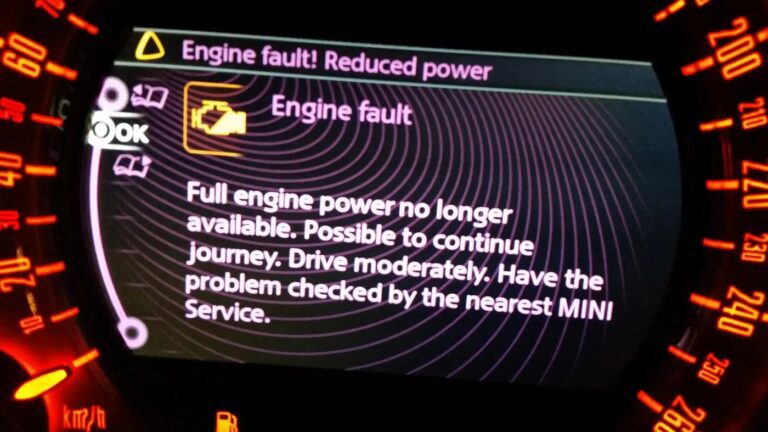
That moment when your Mini Cooper’s dashboard lights up with “Engine Malfunction – Reduced Power” is genuinely unsettling. The car suddenly feels sluggish, the throttle barely responds, and you are left wondering whether you can make it home or whether you are about to face a very expensive repair bill.
Here is what is actually happening. Your Mini Cooper has detected a problem serious enough that it has deliberately limited engine output to protect itself from further damage. Mechanics call it limp mode. The car is not broken in the traditional sense. It is doing exactly what it was programmed to do. But that does not make it any less frustrating to deal with, especially if you are in the middle of a commute or a long drive.
The good news is that most of the causes behind this warning are diagnosable and fixable. Some are straightforward. Others require professional attention. Either way, understanding what is going on puts you in a much better position to handle it without panicking or overpaying for repairs.
What “Engine Malfunction Reduced Power” Actually Means
Before getting into causes, it helps to understand what this warning is telling you at a mechanical level. Modern Mini Coopers are equipped with an engine control module, often called the ECM or ECU, which continuously monitors dozens of sensors throughout the vehicle. When one of those sensors reports a reading that falls outside of acceptable parameters, the ECM flags it as a fault.
Depending on how severe the fault is, the ECM makes a decision. Minor faults might just trigger a check engine light and log a code without affecting performance. But faults that could cause immediate mechanical damage prompt a more aggressive response. The ECM cuts engine output significantly, restricting how much fuel and throttle the engine can use. That is limp mode.
The purpose is protective. Running a damaged engine at full power can turn a manageable repair into a catastrophic one. Limp mode is the car saying, “Something is wrong. I am keeping you moving, but I am not letting you make this worse.” That framing actually makes it easier to deal with. The car is on your side, even if it does not feel that way when you are crawling along at reduced power on a busy road.
Symptoms That Tell You Something Is Wrong Before the Warning Appears
The “Engine Malfunction – Reduced Power” message is usually not the first sign that something is off. In most cases, there are earlier warning signals that show up first. Catching them early gives you more options and typically means a cheaper repair.
The Check Engine Light
The check engine light is the ECM’s early warning system. When it first appears, it does not necessarily mean something catastrophic has happened. It means the ECM has detected a reading it does not like and has stored a fault code. That code is your roadmap to the actual problem.
A lot of Mini Cooper owners see the check engine light and either ignore it or panic about it. Neither response is ideal. The right move is to get the code read as soon as reasonably possible. Most auto parts stores will read the code for free. A Subaru dealer or independent European car specialist can go deeper with manufacturer-specific diagnostic software that reads codes the generic readers miss.
The check engine light that gets ignored today is often the engine malfunction warning that shows up next week. Do not give it that opportunity.
Limp Mode Behavior
When your Mini Cooper enters limp mode, the change in driving feel is immediate and hard to miss. The throttle response becomes dull and unresponsive. Acceleration feels like you are driving through wet concrete. Top speed becomes severely limited. In some cases, the transmission will also lock into a single gear and refuse to shift.
This is not a gradual deterioration. Limp mode typically kicks in suddenly, right in the middle of driving. One moment the car feels normal. The next, it feels like a completely different vehicle. That abrupt change is the ECM making a real-time decision to protect the engine.
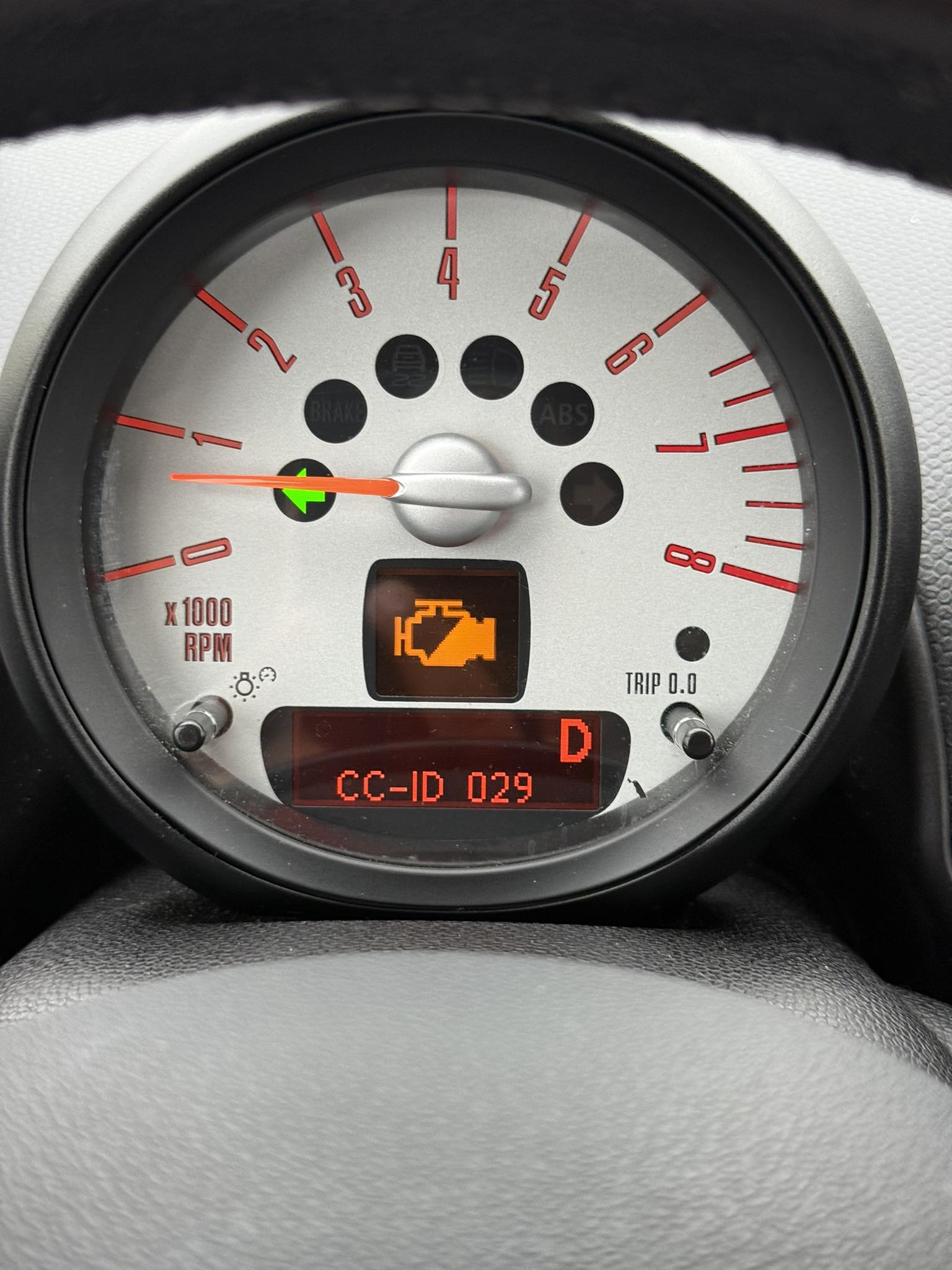
If you find yourself in limp mode, the safest approach is to find a safe place to pull over and turn the engine off. Wait a few minutes and restart. In some cases, this clears the fault temporarily and allows the car to return to normal operation. But understand that it is temporary. The underlying problem is still there, and the warning will return. Use that window of normal operation to get the car to a shop, not to pretend everything is fine.
Rough Idle
A rough idle is another early indicator that something in the engine management system is not right. It can show up as an uneven sound at startup, a vibration you can feel through the seat or steering wheel while sitting still, or an engine that hunts and surges rather than settling into a smooth idle.
In more severe cases, the rough idle leads to stalling. The engine simply cannot maintain the fuel and air balance needed to stay running at low RPM. If you are noticing any of these behaviors, start by checking for obvious physical issues like oil or coolant leaks, cracked hoses, or anything visually out of place under the hood. Then get the fault codes read. A rough idle almost always has a stored code pointing toward the cause.
What Actually Causes Engine Malfunction and Reduced Power in a Mini Cooper
There is no single universal cause for this warning. The ECM monitors so many systems that the trigger could come from several different places. Here are the most common culprits on Mini Coopers specifically.
Intake Manifold Problems
The intake manifold is the component responsible for distributing the air-fuel mixture evenly across all of the engine’s cylinders. It sits between the throttle body and the cylinder head, and it has to maintain a sealed environment to function correctly. When it develops a crack, a warped sealing surface, or a failed gasket, air starts leaking in or out at the wrong place.
That unmetered air throws off the air-fuel ratio. The ECM detects the imbalance, cannot correct it fully, and may trigger the engine malfunction warning. On Mini Coopers specifically, the plastic intake manifold can develop hairline cracks over time, particularly around the vacuum port connections. These are not always visible on a quick glance. You often need to listen for a faint hissing sound under the hood or use a smoke machine test to find where air is leaking.
If a cracked or damaged intake manifold is confirmed, replacement is the right fix. Patching a cracked plastic manifold is a temporary solution at best. A proper replacement restores the sealed system the engine needs to run correctly.
Mass Air Flow Sensor Failure
The Mass Air Flow sensor, commonly called the MAF sensor, sits in the air intake path and measures exactly how much air is entering the engine at any given moment. That measurement is what the ECM uses to calculate the correct fuel injection amount. Get that measurement wrong and everything downstream goes out of balance.
A failing MAF sensor does not always fail completely. More often, it starts giving inaccurate readings. The ECM receives numbers that do not match what the oxygen sensors are reporting from the exhaust side, and it gets confused. The result can be rough idling, poor acceleration, stalling at low speeds, and eventually the engine malfunction warning.
The first thing to try with a suspected MAF sensor is cleaning it. Use dedicated MAF sensor cleaner spray, never generic electronics cleaner, and clean the sensing wire or film gently without touching it physically. Let it dry completely before reinstalling. This solves the problem more often than you would expect because the sensor element gets coated with oil mist and debris from the air filter over time.
If cleaning does not help, or if the sensor is reading wildly outside normal parameters on a live data scan, replacement is the answer. MAF sensors on Mini Coopers are not the cheapest parts, but a new one is significantly less expensive than the diagnostic confusion a failing one creates.
Vacuum Leaks
Vacuum leaks are one of the most common causes of drivability problems on Mini Coopers, and they are notoriously difficult to track down without the right approach. The engine relies on a network of vacuum hoses and sealed connections to maintain proper pressure throughout the intake system. When any part of that network develops a breach, unmetered air enters the system and disrupts the air-fuel mixture.
The Mini Cooper’s turbocharged engines are particularly prone to boost leaks, which are a variation of vacuum leaks that occur on the pressurized side of the turbocharger. Intercooler hoses, charge pipe connections, and the diverter valve are all common failure points. A boost leak will typically trigger a check engine light, cause noticeable power loss under acceleration, and can eventually lead to the engine malfunction warning if the leak is significant enough.
Finding a vacuum or boost leak involves listening for a hissing sound under the hood with the engine running, or using a smoke machine to pressurize the system and look for where smoke escapes. Once found, the fix is usually straightforward. Replace the leaking hose, reseal the connection, or replace the failed component. The challenge is finding the leak in the first place.
Heat-Related Problems and Overheating
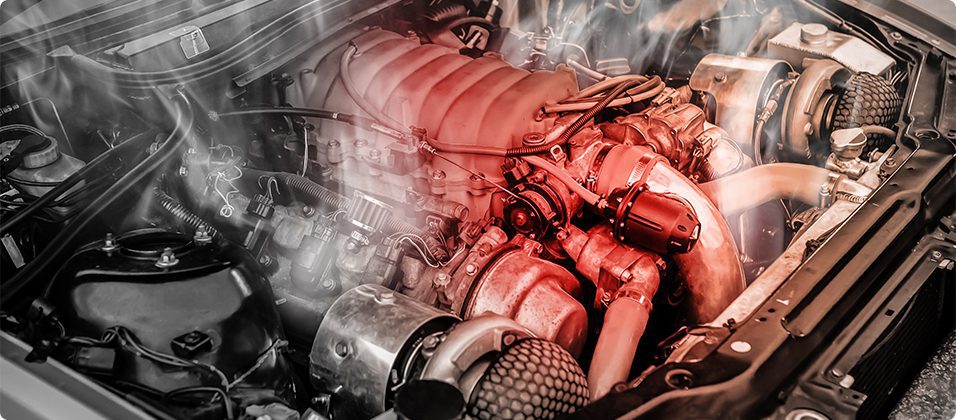
Heat is one of an engine’s biggest enemies, and Mini Coopers are not immune to cooling system issues. When the engine runs hotter than it should, the ECM detects elevated coolant temperature and responds by pulling back engine power to reduce heat generation. This is a protective response, and it is exactly the kind of scenario that triggers the engine malfunction reduced power warning.
Overheating can be caused by a failing water pump, a stuck thermostat, a clogged radiator, a blown coolant hose, or simply low coolant level from a slow leak. Mini Coopers have electric water pumps on many models rather than the traditional belt-driven design, and those electric pumps do fail. When they do, coolant circulation drops and the engine temperature climbs.
If the temperature gauge is climbing toward the red zone alongside the engine malfunction warning, pull over immediately. Do not push the car in that condition. Let it cool down completely before opening the hood or adding coolant, and get it to a shop rather than driving further. Overheating damage can escalate from a manageable repair to a destroyed engine faster than most people realize.
For less acute heat-related issues, regular cooling system maintenance is the best prevention. Check coolant level monthly, inspect hoses for softness or cracking, and have the thermostat and water pump assessed at scheduled service intervals.
Turbocharger Issues
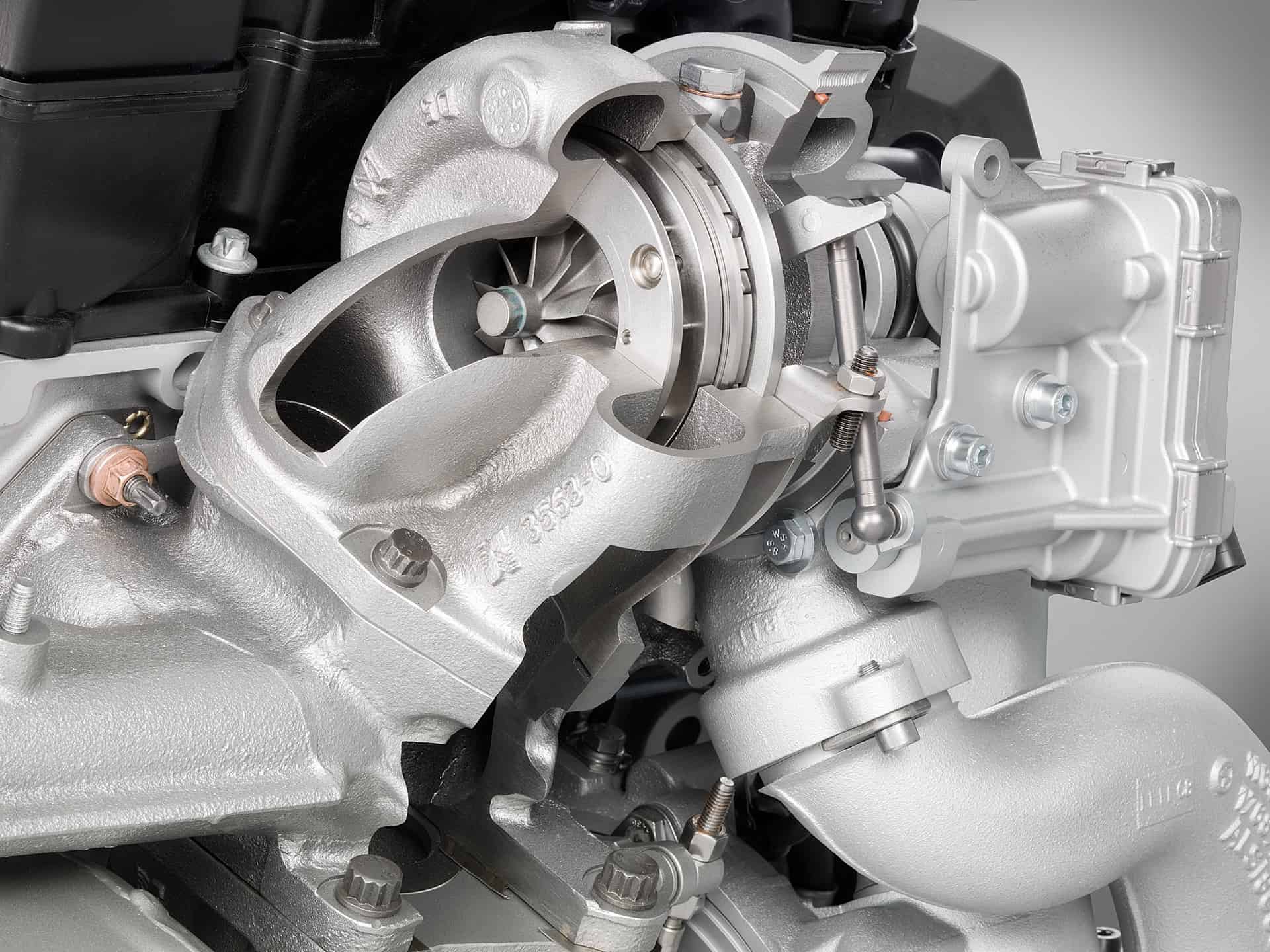
Most Mini Cooper models come with a turbocharged engine, and the turbocharger adds another layer of complexity when diagnosing engine malfunction warnings. The turbo pressurizes incoming air to increase engine output, but it operates under significant heat and stress. When it starts to fail, the consequences show up quickly as power loss and drivability issues.
Common turbo-related problems on the Mini Cooper include a failing wastegate actuator, which controls boost pressure, a leaking or collapsed intake hose between the turbo and the intercooler, or a turbo that has developed internal wear and is no longer generating adequate boost pressure. All of these scenarios can trigger the engine malfunction warning because the ECM monitors boost pressure and knows when it falls outside the expected range.
Turbocharger diagnosis requires live data monitoring during a test drive to see exactly what boost pressure the engine is generating and at what RPM point it falls off. This is a job for a technician with proper diagnostic equipment. Replacing a turbocharger is one of the more expensive repairs on a Mini Cooper, so accurate diagnosis before any parts are ordered is non-negotiable.
Throttle Body Problems
The throttle body controls how much air enters the engine in response to your accelerator input. When the throttle body develops a fault, whether from carbon buildup on the throttle plate, a failing throttle position sensor, or an issue with the electronic actuator motor, the ECM gets inaccurate or inconsistent airflow data and may trigger the engine malfunction warning.
Carbon buildup on the throttle body is actually a relatively common maintenance item on Mini Coopers, particularly on higher-mileage vehicles. A throttle body cleaning service can resolve symptoms like rough idle, hesitation on acceleration, and inconsistent power delivery without requiring any parts replacement at all. If the throttle position sensor itself has failed, that will show up clearly as a fault code and the sensor can be replaced.
How to Diagnose the Problem Without Guessing
When the engine malfunction warning comes on, the worst thing you can do is start randomly replacing parts hoping one of them fixes it. That approach is expensive and unreliable. The right starting point is always the fault codes.
Every time the ECM triggers a warning, it stores a diagnostic trouble code that points toward the system or component that triggered the fault. Reading those codes is step one of any legitimate diagnosis.
- Generic OBD-II readers from auto parts stores will read basic powertrain codes and are useful for a first look. They are free to use at most major auto parts retailers.
- Mini-specific diagnostic software, like the kind used at Mini dealerships or independent European specialists, goes much deeper. It can read manufacturer-specific codes that generic readers miss entirely, and it can pull live data streams that show you sensor readings in real time while the engine is running. That live data is often what separates a correct diagnosis from an expensive guess.
Once you have the codes, research what they mean in the context of the Mini Cooper specifically. A code that points to the MAF sensor, for example, does not automatically mean the MAF sensor has failed. It means the ECM detected an issue in that circuit or with that sensor’s readings. The actual cause could be the sensor itself, a wiring harness issue, or even an intake leak that is affecting the sensor’s readings. The code narrows the search. It does not end it.
Maintenance Habits That Prevent This Warning From Appearing
Reactive repairs are always more expensive and more stressful than preventive maintenance. These habits will not make your Mini Cooper immune to problems, but they will dramatically reduce the likelihood of the engine malfunction warning showing up unexpectedly.
Stay on Top of Oil Changes
Engine oil does more than just lubricate. It also carries heat away from critical components, cleans microscopic debris from engine surfaces, and helps maintain proper pressure throughout the lubrication system. When oil breaks down or gets too low, the consequences cascade quickly through the entire engine.
For most Mini Coopers, an oil change interval of 3,000 to 5,000 miles is appropriate, though your owner’s manual will specify the interval for your particular model and engine. Use the correct oil specification for your engine. Mini Cooper engines are often finicky about oil viscosity and quality, and using the wrong spec can cause issues that show up as drivability problems over time. Full synthetic oil from a reputable brand is the right choice for virtually every modern Mini Cooper.
Inspect the Hoses and Turbo Connections Regularly
Mini Coopers have a lot of rubber hoses and silicone connections throughout the intake, cooling, and vacuum systems. These components are not permanent. They degrade over time from heat cycling, vibration, and the general stress of an engine bay environment. A hose that looks fine on the outside can be starting to harden and crack on the inside.
Make it a habit to visually inspect the hoses under the hood every few months. Look for:
- Cracks or splits, especially near clamp connections where stress concentrates
- Soft, spongy sections that compress too easily, indicating internal deterioration
- Residue or staining around connections, which can indicate a slow leak
- Loose clamps that have worked themselves free from vibration
On turbocharged models, pay special attention to the charge pipe between the turbocharger and the intercooler, and the hose from the intercooler to the throttle body. These carry pressurized air and a failure in either location is a common source of boost leaks and the associated power loss.
Watch for Changes in Engine Behavior
You know how your Mini Cooper normally feels and sounds. That familiarity is actually a diagnostic tool. Any deviation from normal is information worth paying attention to.
Unusual sounds like a new hiss, a rattle that was not there before, or a change in the engine’s idle tone are all worth investigating rather than ignoring. A slight hesitation on acceleration that was not there last month is telling you something. A car that takes an extra second longer to start than it used to is worth paying attention to.
None of these things individually mean disaster. But they are the early warning signals that come well before the engine malfunction message shows up. Addressing them when they are small keeps them from becoming the kind of problem that puts the car in limp mode.
What to Do Right Now If the Warning Is on Your Dashboard
If the engine malfunction reduced power warning is showing on your Mini Cooper right now, here is a practical sequence to follow:
- Do not ignore it and keep driving normally. The reduced power mode is there for a reason. Pushing through it risks turning a fixable problem into an expensive one.
- Find a safe place to pull over. Turn the engine off and wait two to three minutes. Restart the car. If it comes back to normal operation, you may have temporarily cleared the fault. Drive carefully to your destination or a shop.
- Check for obvious physical issues. With the engine off and cool, look under the hood for any disconnected hoses, visible leaks, or anything clearly out of place.
- Get the fault codes read. This is the most important step. Without the codes, any repair is a guess. With the codes, you have a starting point.
- Take it to a qualified technician. Ideally someone who specializes in Mini Cooper or BMW Group vehicles and has access to the proper diagnostic software. Generic mechanics can handle some of these repairs, but the diagnostic side of a Mini Cooper is where experience with the platform really matters.
Common Causes at a Glance
| Cause | Common Symptoms | Typical Fix |
|---|---|---|
| Intake manifold crack or failure | Rough idle, hissing noise, poor acceleration | Inspect and replace manifold or gaskets |
| Faulty MAF sensor | Rough idle, stalling, hesitation on acceleration | Clean or replace MAF sensor |
| Vacuum or boost leak | Hissing sound, power loss under load, poor idle | Locate and repair or replace leaking hose or seal |
| Cooling system failure or overheating | Temperature gauge rising, steam, coolant smell | Inspect water pump, thermostat, radiator, coolant level |
| Turbocharger issues | Power loss under acceleration, unusual noise from turbo | Live data diagnosis, repair or replace turbo components |
| Throttle body carbon buildup or sensor fault | Rough idle, hesitation, inconsistent power | Throttle body cleaning or throttle position sensor replacement |
The engine malfunction reduced power warning on a Mini Cooper is not something to sit on. It is the car communicating that something needs attention, and the longer it goes unaddressed, the more expensive the eventual repair tends to be. Get the codes read, understand what the fault is pointing to, and work with a technician who knows the platform. That combination of early action and accurate diagnosis is what keeps a manageable problem from turning into a major one.