
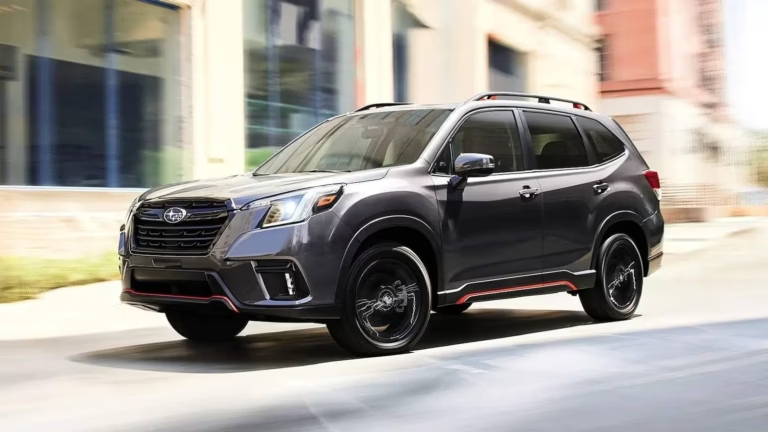
Did you know the Subaru Forester is consistently one of the most popular vehicles in the compact SUV segment? It is not hard to see why. The Forester manages to blend a sensible, upright design with surefooted all-wheel-drive performance and a reputation for dead-solid reliability. The current generation comes loaded with Subaru’s EyeSight driver-assist technology as standard, keeping families protected without breaking the budget. Pricing starts at around $24,795 and climbs to near $34,895 for the Touring trim, which packs in everything from a power panoramic moonroof to heated rear seats. For many buyers, the Forester is a one-stop shop.
But here is the thing. No matter how good a car is, car shoppers owe it to themselves to comparison shop. Maybe you want a different flavor of interior design, a more powerful engine, a better infotainment system, or simply a different badge on the hood. You might even be hunting for a used model and want to cast a wider net. Whatever your reason, if you are looking for cars that share the Forester’s practical, all-weather spirit, you have come to the right place. The following 11 vehicles each bring something unique to the table while competing in the same compact SUV arena. By the time you are done reading, you will have a much clearer picture of which one deserves a test drive.
Honda CR-V
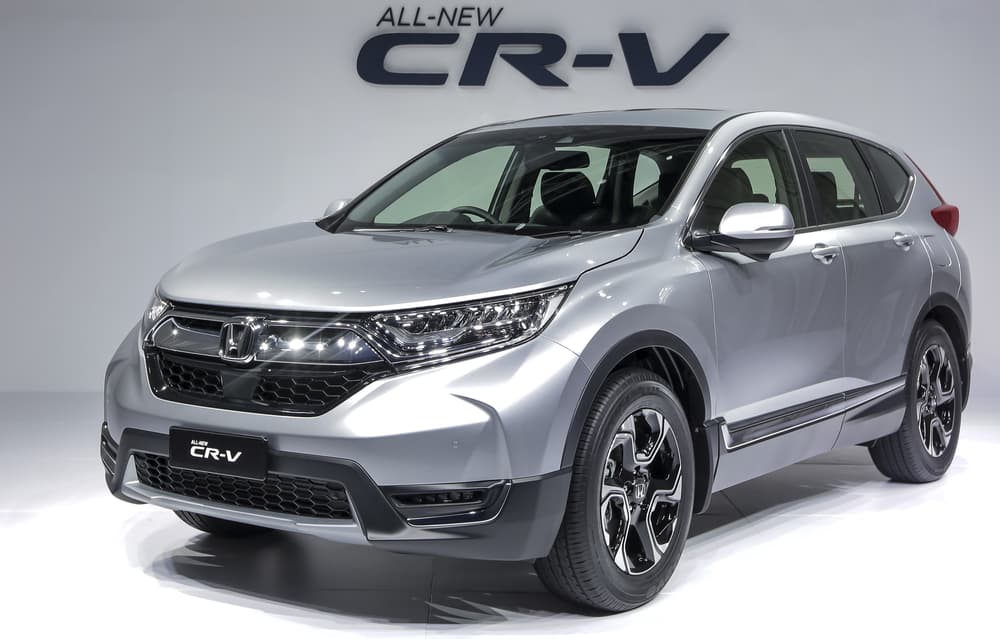
The Honda CR-V is arguably the Forester’s longest-standing rival, and for good reason. Honda has been refining this compact crossover since 1997, and the fifth generation that launched in 2017 represents a massive leap forward in refinement, space, and daily usability. The CR-V is one of those vehicles that does not necessarily blow you away with a single party trick, but it does everything so competently that after a week behind the wheel, you understand why it sells so well.
Under the hood, the base LX trim comes with a naturally aspirated 2.4-liter four-cylinder engine making 184 horsepower and 180 lb-ft of torque. Move up to the EX, EX-L, or Touring trims and you get a turbocharged 1.5-liter four-cylinder that pumps out 190 horsepower and 179 lb-ft of torque. Both engines pair with a continuously variable transmission (CVT) that does its best to stay out of the way. The real-world fuel economy is a strong point: expect around 28 mpg in the city and 34 mpg on the highway with the turbo engine and front-wheel drive. All-wheel drive is available across the lineup for an additional $1,400, which is a reasonable price for the extra traction.
Step inside the CR-V and you will find one of the most spacious cabins in the class. Rear-seat passengers get limousine-like legroom, and the cargo area behind the rear seats is among the largest you can find without stepping up to a mid-size SUV. The materials feel durable and well-assembled, if not exactly luxurious. Tech highlights include a 7-inch touchscreen with Apple CarPlay and Android Auto, dual-zone climate control, and available heated front seats. Honda’s Sensing suite of active safety features is standard on all but the base LX, which is a huge value. If the Forester feels a bit too utilitarian for your tastes, the CR-V wraps similar practicality in a slightly more polished, family-friendly package.
Chevrolet Equinox
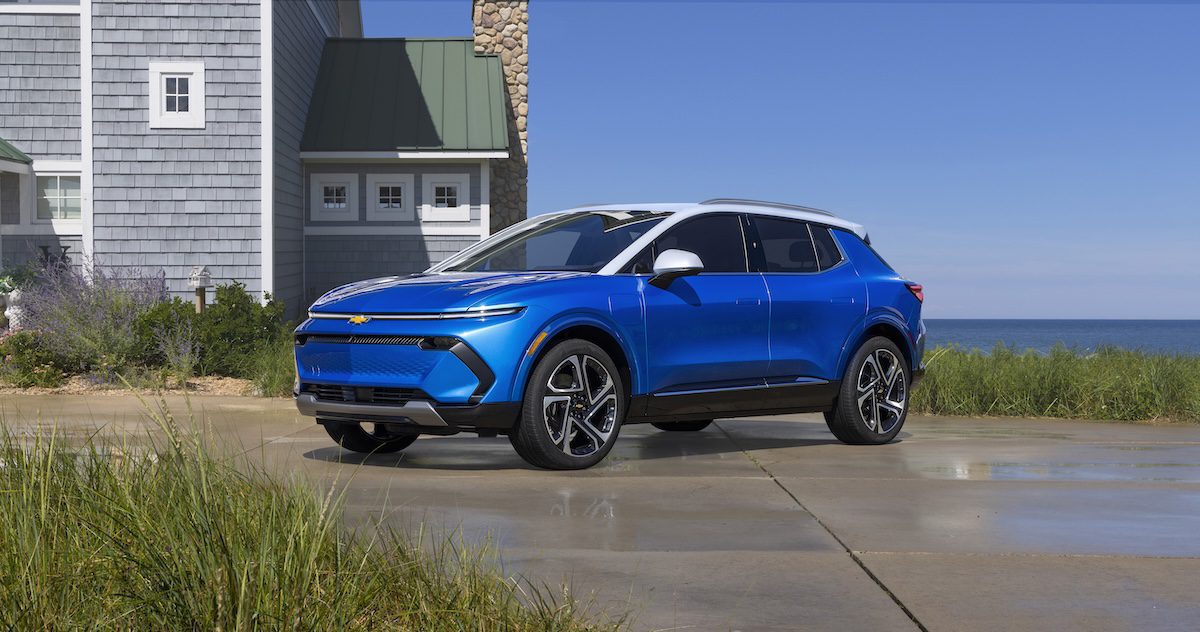
The Chevrolet Equinox has been quietly selling in huge numbers ever since its debut in 2005, and the third generation that appeared for the 2018 model year is a direct shot at the heart of the compact SUV market. What sets the Equinox apart is engine choice. Unlike the Forester, which gives you one engine and says “that will do,” Chevy offers three different turbocharged options: a 1.5-liter four-cylinder with 170 horsepower, a punchy 2.0-liter four-cylinder making 252 horsepower, and a 1.6-liter turbo-diesel that produces 137 horsepower but a stout 240 lb-ft of torque. That diesel is a rare find in this segment and can be a tow-friendly, fuel-sipping choice for long-distance commuters.
On the road, the Equinox with the 1.5-liter engine feels adequate but not exciting. You will need to plant your foot to merge onto a highway, but the six-speed automatic shifts smoothly and the steering is accurate and nicely weighted. The 2.0-liter engine transforms the experience with effortless acceleration, while the diesel is all about relaxed cruising and impressive range. The Equinox can tow up to 3,500 pounds when properly equipped, something the Forester cannot claim. Fuel economy for the front-wheel-drive 1.5-liter model is around 26 mpg city and 31 mpg highway. The interior offers comfortable seats and a straightforward layout with plenty of cupholders, though some of the plastics feel a grade below what you get in a Honda or Mazda. Chevrolet does load it up with available driver-assistance features, and the Equinox often carries attractive incentives that make it a value-minded alternative to the Subaru.
Toyota RAV4
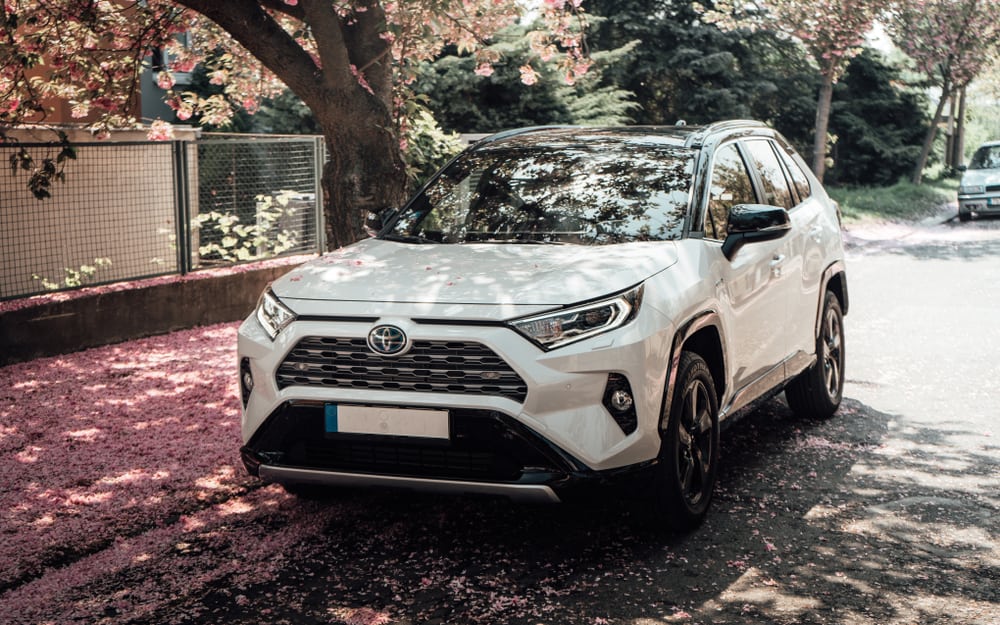
No list of compact SUVs is complete without the Toyota RAV4, which has been a global sales juggernaut for years. Now in its fifth generation, the RAV4 takes bold styling cues from Toyota’s truck lineup, giving it a rugged, outdoorsy look that matches its capability. It seats five, offers front or all-wheel drive, and is available with a standard gasoline engine, a hybrid, or even a plug-in hybrid Prime model. The RAV4 also boasts 8.6 inches of ground clearance, which is within a hair of the Forester’s 8.7 inches, so light off-road exploring is well within its comfort zone.
The standard powertrain is a 2.5-liter inline four-cylinder gasoline engine producing 204 horsepower and 184 lb-ft of torque, paired with an eight-speed automatic transmission. It is a responsive combination that feels more athletic around town than the Forester. Pricing starts at about $25,500 for a base LE and goes up to around $34,900 for a well-equipped Limited with all-wheel drive. The RAV4 Hybrid is a standout, delivering a net system output of 219 horsepower while returning up to 40 mpg combined, which is outstanding for a vehicle that can still tow 1,750 pounds. You get an EPA-estimated 41 mpg in the city and 38 on the highway. For those who want Forester-like practicality with a Toyota badge, the RAV4 is a compelling choice. Share a comparison with the Subaru Outback? Both have raised roof rails, LED daytime running lights, and integrated turn signals in the mirrors, but the RAV4’s hybrid option gives it an efficiency edge the Subaru lineup lacks.
Volkswagen Tiguan
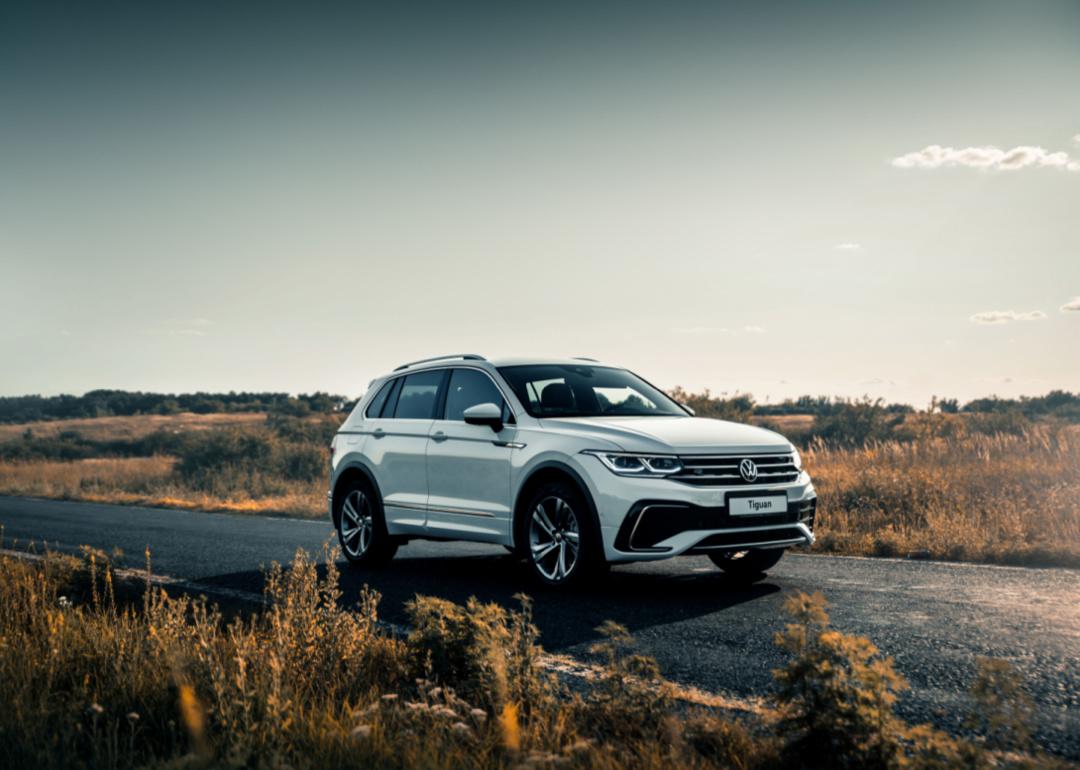
If you appreciate the Forester’s boxy, no-nonsense profile but want a more premium feel, the Volkswagen Tiguan deserves a long look. The current Tiguan arrived as a 2018 model, riding on VW’s versatile MQB platform that also underpins vehicles from Audi and Skoda. It is one of the few compact SUVs that offers an optional third row, giving it seven-passenger capability in a pinch. Most buyers will stick with the two-row setup and enjoy the Tiguan’s spacious rear seat and cavernous cargo area.
Under the hood, every Tiguan gets a 2.0-liter turbocharged four-cylinder engine with 184 horsepower and 221 lb-ft of torque. That torque figure is significantly higher than the Forester’s 176 lb-ft, and you feel it in daily driving. The eight-speed automatic transmission is smooth and responsive, and the available 4Motion all-wheel-drive system provides confident traction in wet or snowy conditions. On the highway, the Tiguan feels planted and stable, with a ride quality that skews toward the firm side of comfortable. Volkswagen’s warranty is a genuine advantage: a six-year, 72,000-mile bumper-to-bumper limited coverage gives you peace of mind that goes well beyond most competitors. Pricing starts at about $24,295 for a base S model with front-wheel drive and tops out near $38,895 for a loaded SEL Premium R-Line with all-wheel drive. The Tiguan’s clean, upscale interior and restrained styling appeal to buyers who find the Forester’s cabin a bit too functional.
Mazda CX-30
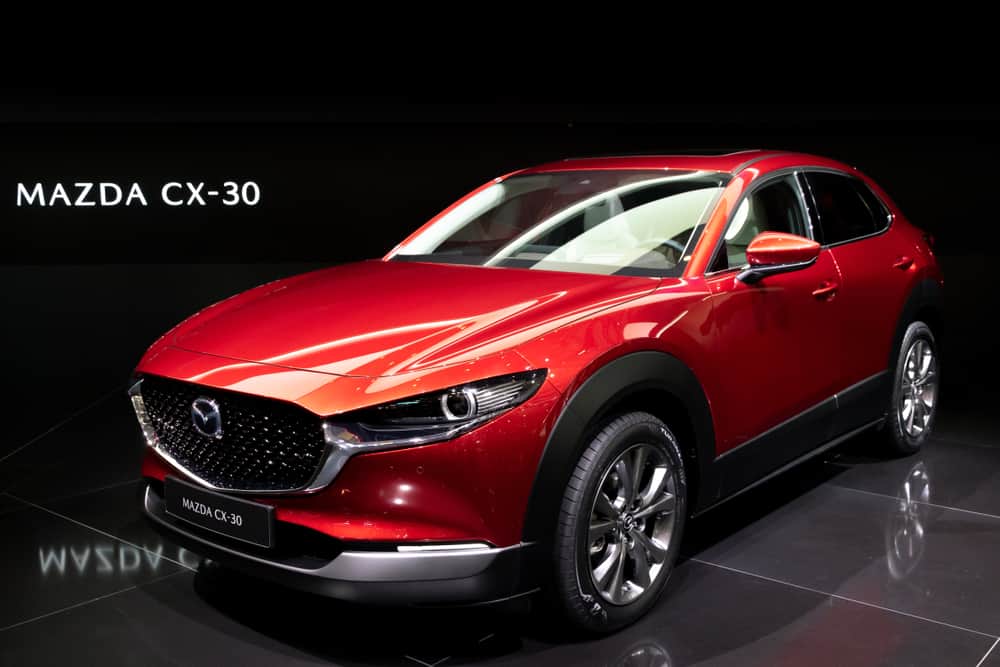
The Mazda CX-30 is a bit of an outlier on this list because it sits in the subcompact crossover segment, but its spirit and execution will resonate with many Forester shoppers. Introduced for the 2020 model year, the CX-30 is essentially a slightly lifted, more rugged version of the Mazda3 hatchback, and that is a very good thing. Where the Forester prioritizes maximum cargo space and outward visibility, the CX-30 leans into driving pleasure, luxury-grade interior appointments, and head-turning styling. Prices range from about $22,050 to $34,050, making it a strong value proposition.
Power comes from a naturally aspirated 2.5-liter four-cylinder with 186 horsepower, directed through a quick-shifting six-speed automatic transmission. All-wheel drive is standard, just like the Forester, which helps the CX-30 feel planted regardless of weather. The handling is the star of the show here. The CX-30 corners with a composure and eagerness that makes you look for the long way home. The interior is filled with soft-touch materials, tight panel gaps, and an overall design that could easily pass for a premium brand. The trade-off is less rear-seat legroom and a slightly smaller cargo hold than the Forester. But if you do not need the absolute maximum in utility and care more about how a car makes you feel behind the wheel, the CX-30 is a revelation.
Hyundai Tucson
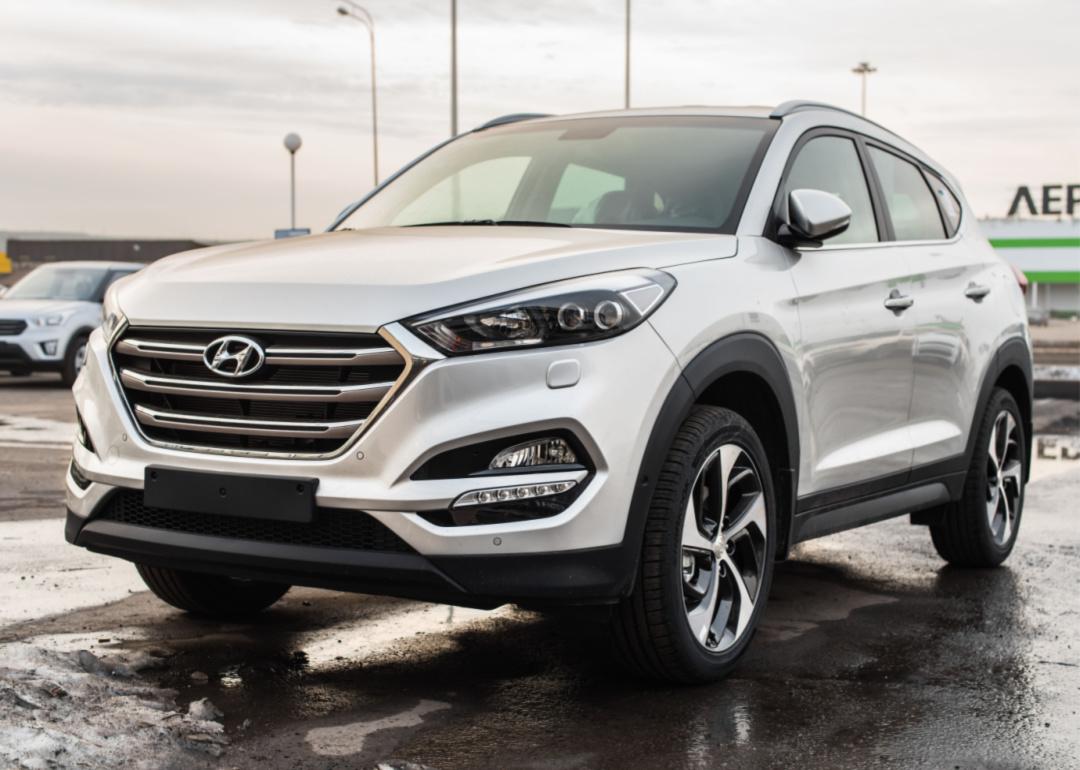
Hyundai has quietly become one of the most compelling brands in the compact SUV space, and the Tucson is a big reason why. The current generation debuted in 2016 and received a meaningful facelift in 2018, bringing it in line with Hyundai’s modern design language. The 2019 Tucson presents a value-packed alternative to the Forester, backed by a 10-year/100,000-mile powertrain warranty that is still one of the best in the business.
Two gasoline engines are on offer. The base 2.0-liter inline four-cylinder produces 164 horsepower and 151 lb-ft of torque and is perfectly fine for relaxed driving. The more satisfying choice is the 2.4-liter inline four-cylinder with 181 horsepower and 175 lb-ft of torque, which gives the Tucson a bit more spirit. Both engines use a six-speed automatic transmission that shifts smoothly and predictably. Front-wheel drive is standard, and all-wheel drive is available as a $1,400 option. Fuel economy for the front-drive 2.4-liter model sits at about 23 mpg city and 30 mpg highway, which is competitive but not class-leading. Inside, the Tucson offers a comfortable, logically laid-out cabin with user-friendly controls and a touchscreen that is easy to read. The ride quality is soft and absorbent, making it a great long-haul companion. While it lacks the Forester’s standard all-wheel drive and off-road credibility, the Tucson counters with an unbeatable warranty and a price that frequently undercuts its rivals.
Nissan Rogue
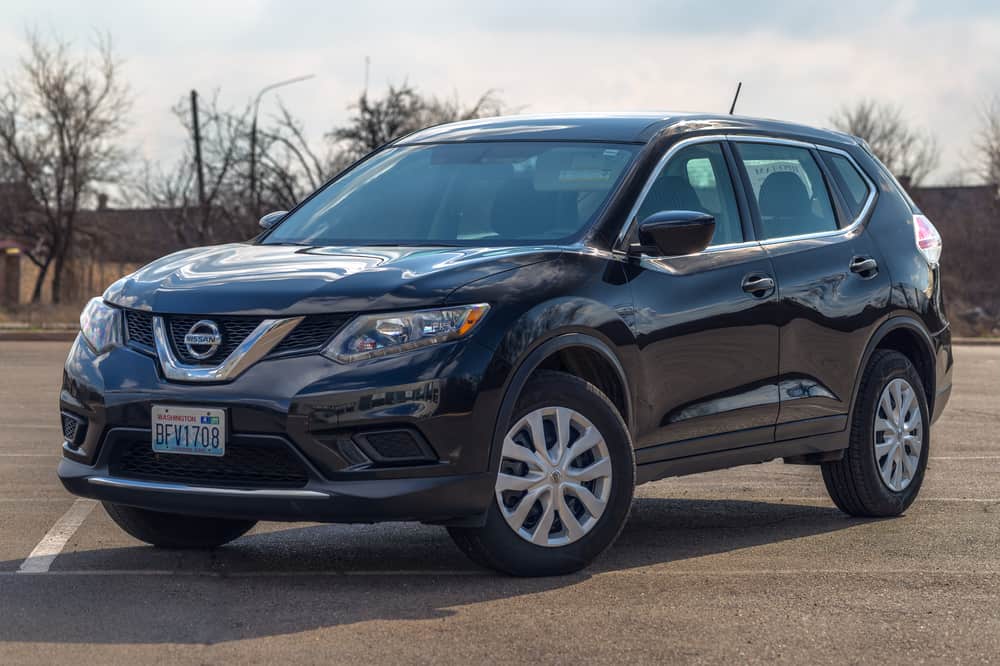
The Nissan Rogue has been a top seller in the compact SUV segment for years, and its availability with a hybrid powertrain is something the Subaru Forester does not offer. The second-generation Rogue arrived for the 2014 model year and was dramatically redesigned for 2021, but the 2020 and earlier models remain strong used-car picks. The 2021 redesign brought a bolder grille, striking LED lighting, a more squared-off front end, and a cabin that takes a giant leap forward in design. A flat-bottom steering wheel, curving dash, and standard automatic braking and adaptive cruise control make the Rogue feel current and upscale.
The standard powertrain is a 2.5-liter inline four-cylinder gasoline engine making 170 horsepower and 175 lb-ft of torque, paired with a CVT. The optional hybrid uses a 2.0-liter four-cylinder and a 30-kW electric motor for a combined system output of 176 horsepower. The hybrid does not just save fuel; it makes the Rogue feel more responsive around town thanks to the instant torque from the electric motor. Front-wheel drive is standard on both variants, and all-wheel drive is available. Pricing for the base S starts at about $24,920, while a fully loaded SL Hybrid with all-wheel drive can reach $32,890. The Rogue’s ride is tuned for comfort, and the seats, which Nissan calls Zero Gravity, live up to the name on long trips. If you want to reduce your fuel budget without moving to a smaller car, the Rogue Hybrid is a smart alternative to the Forester.
KIA Sportage
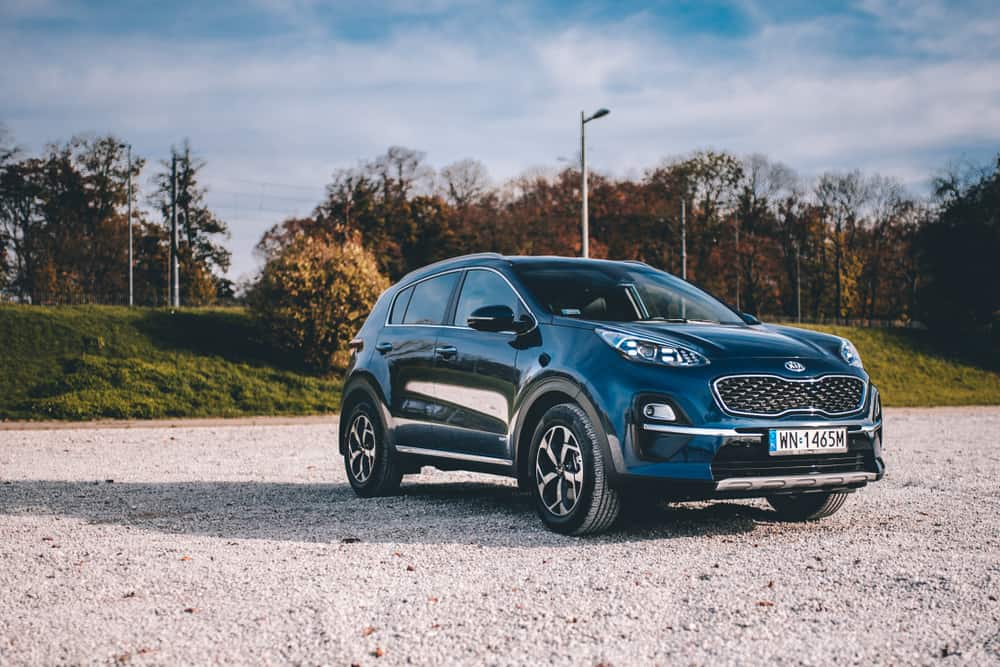
Kia Sportage has been part of the American landscape since 1994, and the fourth-generation model that launched in 2016 is a mature, well-rounded competitor that deserves more attention than it gets. Like the Forester, the Sportage evolved from a chunky, function-first design into a sleek, sophisticated crossover that does not sacrifice utility. Where Kia really stands out is in the sheer amount of technology and infotainment you can load into the cabin. A large, crisp touchscreen with Apple CarPlay and Android Auto, a Harman Kardon audio system, and a long list of driver-assistance features make the Sportage feel like a luxury vehicle at a mainstream price.
Engine choices include a 2.4-liter inline four-cylinder with 181 horsepower and a more potent turbocharged 2.0-liter four-cylinder with 237 horsepower in the SX Turbo trim. The turbo engine transforms the Sportage into a genuinely quick crossover, something the Forester does not offer. The ride is compliant and quiet, and the steering has a light, easy effort that makes parking lots a breeze. Front-wheel drive is standard, and all-wheel drive is available. Fuel economy for the base engine comes in at around 23 mpg city and 30 mpg highway, which is similar to many competitors. The Kia’s warranty is identical to Hyundai’s, with a 10-year/100,000-mile powertrain coverage, which adds a lot of confidence to a used-car purchase. If Forester’s single engine and conservative tech leave you wanting more, the Sportage serves up a generous helping of both.
Jeep Cherokee
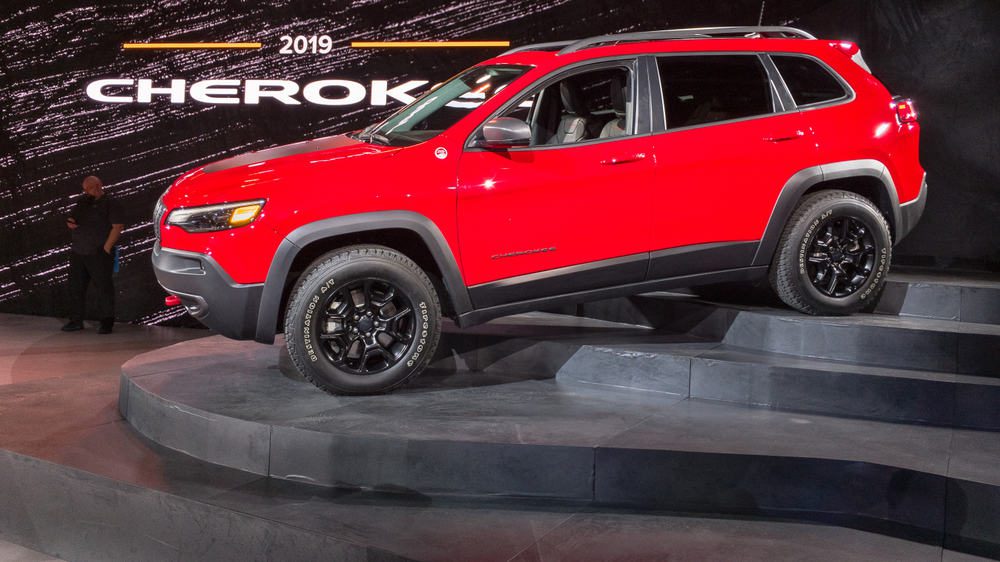
When the topic turns to off-road ability, the Jeep Cherokee instantly becomes one of the Forester’s most serious challengers. The current Cherokee debuted in 2014 and brought the nameplate back with a mix of urban-friendly manners and genuine Trail Rated capability. For buyers who want to venture beyond gravel roads and tackle rutted trails, the Cherokee offers a sophisticated four-wheel-drive system with a two-speed transfer case on higher trims, knobby tires, and skid plates. It is engineered to go places most compact SUVs simply cannot.
Engine options are diverse. A 2.4-liter turbocharged inline four-cylinder provides a good balance of power and efficiency, while a 3.2-liter V6 is available for those who plan to tow or want more punch. Pricing starts around $25,240 and climbs to about $36,890 for the fully loaded Trailhawk. Inside, the Cherokee’s cabin is comfortable and user-friendly, with straightforward controls and supportive seats. The cargo area is on the smaller side compared to the cavernous Forester, which is a trade-off for its off-road hardware. But if your weekends involve campgrounds accessible only by fire roads, the Cherokee is a compelling alternative that does not force you to sacrifice daily driveability.
Ford Escape
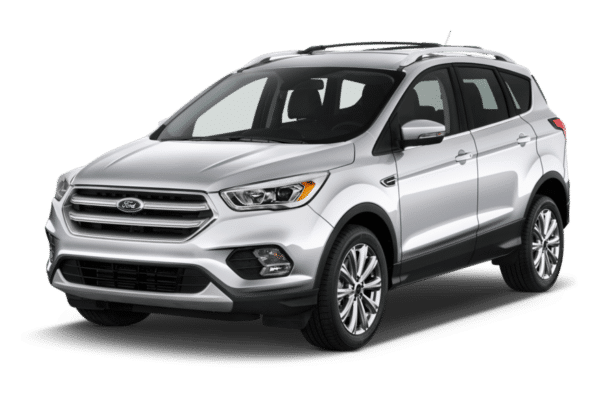
The Ford Escape has been a staple of the compact SUV class since its 2001 debut, and the latest generation continues to offer a breadth of powertrain choices that the Forester cannot match. A 2.5-liter inline four-cylinder serves as the base engine, but the real action happens with the EcoBoost turbocharged options: a 1.5-liter three-cylinder or a punchy 2.0-liter four-cylinder that delivers strong acceleration and up to 250 horsepower. Front-wheel drive is standard, and all-wheel drive is available on EcoBoost-equipped models. That variety means you can choose an Escape that sips fuel or one that serves up a spirited drive, depending on your priorities.
Pricing for a new Escape starts at about $24,105 and goes up to around $34,120 for a fully loaded Titanium trim with all-wheel drive. The Escape’s interior is modern and functional, with a sliding second-row seat that frees up extra cargo room when you need it. Ford’s SYNC infotainment system is among the more user-friendly setups on the market. On the road, the Escape feels nimble and car-like, with a composed ride and responsive steering. It lacks the ground clearance and off-road pretense of the Forester, but it excels as a comfortable, efficient daily driver. For a buyer who rarely ventures off pavement, the Escape delivers most of the Forester’s practicality in a more engaging package.
Mazda CX-5
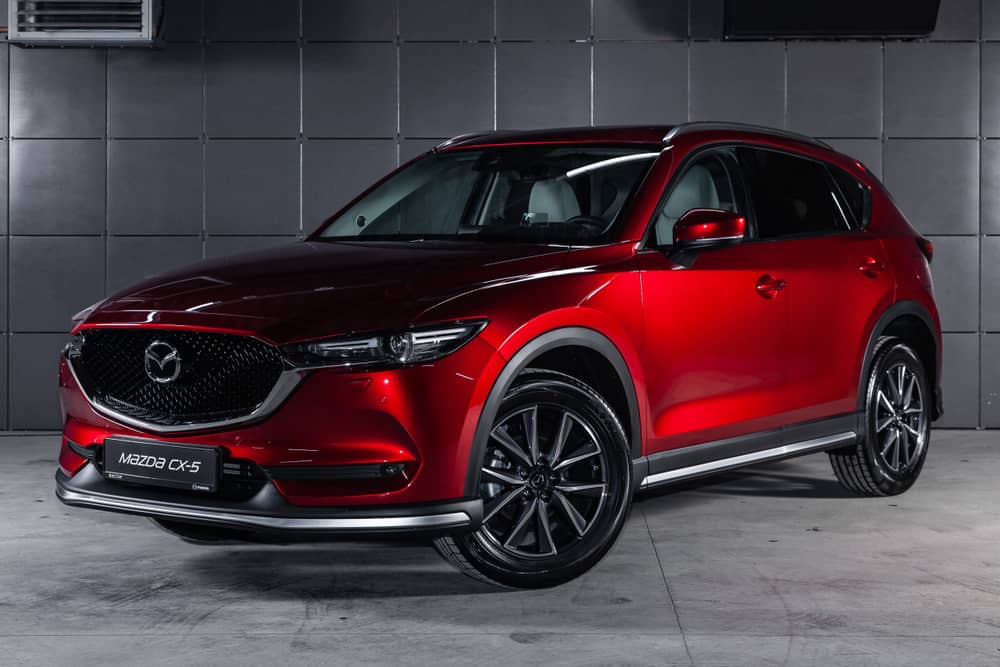
The Mazda CX-5 has been winning over driving enthusiasts since it first rolled out as a 2013 model. Now in its second generation, the CX-5 combines sharp, athletic styling with a level of interior polish that genuinely rivals entry-level luxury SUVs. The 2019 CX-5 Touring and Grand Touring models move with a 2.5-liter inline four-cylinder engine producing 187 horsepower and 186 lb-ft of torque, directed through a responsive six-speed automatic transmission. Front-wheel drive is standard, and Mazda’s predictive i-ACTIV all-wheel drive is available across the line.
Where the CX-5 truly shines is behind the wheel. The steering is quick and communicative, the chassis feels tight and controlled, and the entire vehicle seems to shrink around you when the road gets twisty. It is the closest most compact SUVs come to feeling like a sports sedan. The interior is beautifully finished, with supportive seats, high-quality materials, and a quiet cabin that isolates you from wind and road noise. Pricing starts at about $24,350 and goes up to $36,890 for the top Signature trim. The CX-5’s cargo area is a few cubic feet smaller than the Forester’s, and rear-seat legroom is tighter, but these compromises fade away the moment you drive it. For someone who wants the Forester’s reliability and all-weather capability but with a heavy dose of style and driving excitement, the CX-5 is the one to drive.