
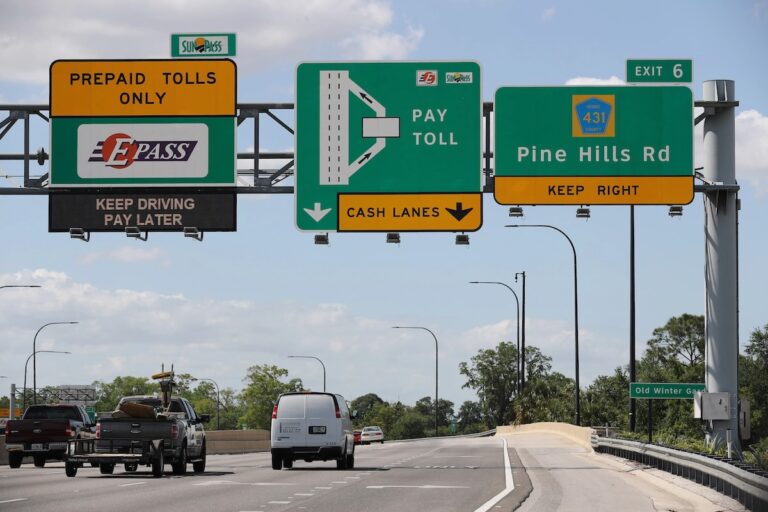
Traveling the East Coast, especially if your journey dips down into Florida, brings up a classic question: should you grab an E-ZPass or a SunPass for the toll roads? It is a decision that can save you serious money and a whole lot of headache, or it can cost you if you pick the wrong one. The truth is, the best choice hinges entirely on where you drive, how often you hit the tolls, and what kind of travel you do. Let us break down the differences so you can make the right call and keep your road trips smooth.
The Big Question: E-ZPass or SunPass for Your East Coast Drives?
For anyone planning to drive on the East Coast, the choice between these two toll systems is a major part of trip prep. It is not just about having a transponder in your car; it is about having the right one that works where you need it. The wrong choice means fumbling for cash, getting stuck in slower lines, or worse, getting a surprise violation notice in the mail weeks after your trip. That is the last thing you want after a great vacation or a long business trip.
So, how do you decide? You have to look at the maps. E-ZPass is a giant network covering the Northeast and Midwest, while SunPass is Florida’s homegrown system. But the lines have blurred recently with the introduction of SunPass Pro, which works in both worlds. This makes the decision a bit more nuanced, but also a lot more convenient for frequent travelers.
Let us get into the nitty-gritty of each system so you can see which one fits your driving habits like a glove.
Understanding the Two Giants: E-ZPass and SunPass Basics
Before we compare them head-to-head, it is important to understand what you are actually dealing with. They might seem like the same thing, but there are key differences in their history, technology, and primary service areas.
What Is E-ZPass? A Multi-State Toll Network
Think of E-ZPass as the granddaddy of electronic toll collection. It is a cooperative network of agencies across 17 states, mostly in the Northeast and Midwest, that use the same technology. When you have an E-ZPass transponder mounted on your windshield, you can breeze through dedicated E-ZPass lanes from Virginia all the way up to Maine and as far west as Illinois. The toll is automatically deducted from your pre-funded account as you drive through, no stopping, no digging for change. It is a system built for efficiency and it is a lifesaver for commuters and frequent travelers in that part of the country. Plus, it usually gets you a discounted toll rate compared to paying by mail or in cash.
What Is SunPass? Florida’s Toll Road Solution
SunPass, on the other hand, is Florida’s very own electronic toll collection system. It is managed by the Florida Department of Transportation and is the go-to for any toll road in the Sunshine State, including the busy Florida’s Turnpike. With a SunPass transponder, a small sticker or a portable device, you zip through SunPass-only lanes at toll plazas, and the toll is deducted from your account. For anyone who lives in Florida or plans to spend any significant time driving there, it is almost a necessity. It saves you money on tolls compared to the Toll by Plate option, and it makes your drive much faster.
History and Development of Both Systems
It is helpful to know where these systems came from to understand why they are the way they are. E-ZPass has been around since the late 1980s, starting as a pilot program and slowly expanding into the massive network it is today. It was a revolutionary idea back then, and its growth over the decades has made it the standard for the Northeast. SunPass came a bit later, introduced in the late 1990s as Florida’s answer to the same problem. It was adopted quickly by Floridians and has been continuously updated to add more features and, crucially, to become interoperable with other systems like E-ZPass.
Geographical Reach: Where Each Pass Works Best
This is the most critical factor in your decision. You need a pass that works where you actually drive. Let us map it out.
The E-ZPass Network: Your Northeast and Midwest Companion
If your travels keep you in the Northeast or Midwest, E-ZPass is your undisputed champion. Its coverage is extensive and covers some of the most traffic-heavy corridors in the country. You will find it accepted in states like:
- Delaware
- Illinois
- Indiana
- Kentucky
- Maine
- Maryland
- Massachusetts
- New Hampshire
- New Jersey
- New York
- North Carolina
- Ohio
- Pennsylvania
- Rhode Island
- Virginia
- West Virginia
Having an E-ZPass in these states means you will never have to stop for a toll again. It is a huge time saver, especially in states like New York and New Jersey where toll plazas can be major bottlenecks. For a frequent traveler in this region, it is not just a convenience, it is a necessity.
SunPass: Florida’s Home Turf Advantage
SunPass is the undisputed king of the toll roads in Florida. It is designed specifically for the state’s extensive network of toll roads, bridges, and turnpikes. If you are commuting in Miami, Orlando, or Tampa, or just driving down the Turnpike to visit family, a SunPass is the best tool for the job. It is integrated with all the major toll authorities in the state, so you can be sure it will work everywhere you need it to.
Interoperability: The Game-Changing SunPass Pro
Here is where things get interesting. The days of needing a different transponder for every state are over. The introduction of SunPass Pro has changed the game. This specific transponder is designed to work on both the SunPass network and the entire E-ZPass network. That is a massive advantage for anyone who travels between Florida and the Northeast. You can have one transponder, one account, and use it from the southern tip of Florida to the Canadian border. This interoperability is a huge value-add for snowbirds and frequent East Coast travelers. It essentially gives you the best of both worlds.
So, to be clear, a standard E-ZPass works in the E-ZPass states. A standard SunPass works in Florida. But a SunPass Pro works in both. Yes, you can also use an E-ZPass on Florida’s Turnpike, but the reverse is not true unless you have the Pro version. This is a crucial distinction that often catches people off guard.
Types of Transponders and How They Work
Not all transponders are created equal. There are different types, and understanding how they work and how to install them is key to a trouble-free experience.
Transponder Technology: RFID and Beyond
Both E-ZPass and SunPass rely on Radio-Frequency Identification (RFID) technology. It is a simple concept. Your transponder has a microchip and an antenna. When you drive through a toll plaza, a reader emits a radio signal that powers the transponder, which then sends back a unique code. This code is linked to your account, and the toll is automatically deducted. It is quick and reliable, which is why it has been the industry standard for decades.
Mounting and Usage: Windshield Placement Tips
For the system to work flawlessly, your transponder needs to be mounted correctly. The standard place is on the inside of your windshield, usually near the rearview mirror. You want to make sure it has a clear line of sight to the toll booth sensors. If you have a car with a metallic or tinted windshield that can block the signal, you might need an external transponder that mounts on your license plate, especially if you are on a motorcycle. The key is to follow the instructions that come with your transponder. A loose transponder that falls off the dash right as you go through the toll booth is a recipe for a missed toll and a potential fine.
The SunPass Pro Advantage: One Transponder for All
We touched on this, but it deserves another look. The SunPass Pro is the ultimate solution for the East Coast traveler. It is a portable transponder, meaning you can move it between vehicles, and it works on both the SunPass and E-ZPass networks. This eliminates the need to manage multiple accounts and multiple transponders. You just have one device, one account, and one bill. It is the kind of convenience that makes a big difference when you are planning a long trip.
Costs, Fees, and Payment Methods: A Financial Breakdown
Money matters. Let us look at the real costs associated with each system, beyond just the toll rates themselves.
Initial Costs and Maintenance Fees
This is where the two systems really diverge. E-ZPass is not a single entity; it is a group of agencies, and each one sets its own pricing. Generally, you will pay for the transponder, which can range anywhere from $10 to $25, and some agencies charge a small monthly or annual maintenance fee. For example, you might pay around $25 for a standard E-ZPass, which often includes a refundable deposit and some initial toll credit. On the other hand, SunPass has a lower initial price point. A standard SunPass sticker transponder can cost as little as $4.99, and the portable mini transponder is around $14.95. The best part? There are no monthly or annual fees for a standard SunPass account. That is a significant saving over time.
Replenishing Your Prepaid Balance
Both systems work on a prepaid basis. You put money into an account, and the tolls are deducted from that balance. Managing this is easy for both. For E-ZPass, you can set up automatic replenishment with a credit card, or you can manually add funds online, by phone, or at various retail locations. SunPass works similarly, allowing you to reload your account online, by phone, or in person. The important thing is to keep your balance positive. If you run out of funds, you might end up with a violation or a toll by plate invoice, which will cost you more in the long run.
Comparative Toll Rates and Discounts
Both E-ZPass and SunPass offer discounted toll rates compared to paying with cash or using the pay-by-plate option. These discounts can be significant. In some states, the E-ZPass discount can be 30% or more. SunPass also offers discounted rates, and they have programs like the Frequent Driver discount for heavy users. While the exact savings depend on where you drive and how often, it is safe to say that using a transponder will save you money on every single trip. Over a year of commuting, this can add up to hundreds of dollars.
Travel Experience and Convenience: On the Road
Beyond the logistics, the real test is the experience on the road. How does each system make your life easier?
Ease of Travel for Frequent Drivers
If you are a frequent driver on the East Coast, E-ZPass is a no-brainer. It makes crossing state lines feel effortless. You do not have to think about tolls; you just drive. For daily commuters in the Northeast, it is an essential tool that shaves minutes off every trip. The same goes for SunPass in Florida. For residents and daily commuters, it is a seamless, cashless experience that is tailored to the state’s roadways. There is a reason these systems are so popular; they just work.
Benefits for Out-of-State Travelers
For out-of-state travelers, the convenience is a little different. If you already have an E-ZPass from your home state, you can use it in any other E-ZPass state without setting up a new account. This is huge for road trips. If you are flying into Florida and renting a car, you have a few options. You can get a SunPass transponder, which is great if you will be driving a lot in the state. Or, if you have a SunPass Pro, you can use it in the rental car. Many rental car companies also offer their own tolling programs, where they will charge the tolls to your rental bill, but they often add a convenience fee for this service. It is often cheaper to just bring your own transponder if you have one.
Payment and Billing Systems: Managing Your Account
Let us look at how you manage your money with these systems. It is all about finding what is most comfortable for you.
Post-Paid vs. Prepaid Options
Here is a distinction that is important to understand. E-ZPass is a post-paid system. You drive through the toll, the system records it, and you are billed later. You can link a credit card for automatic replenishment, or you can pay your bill manually. SunPass, on the other hand, is a prepaid system. You put money into your account, and tolls are deducted from that balance. You have to be more proactive about topping up your account, but it also means you are always paying for tolls with money you have already budgeted for. There is no surprise bill at the end of the month. For many, the prepaid system is easier to manage.
Rental Car Tolling Programs
If you are renting a car, you will likely be offered a toll program by the rental company. This is convenient, as the charges are added directly to your rental bill, but it is not always the most cost-effective. These programs often charge a daily fee plus the cost of the tolls. If you are only driving a few toll roads, it might be fine. But if you are doing a lot of driving, providing your own transponder is almost always cheaper. You just have to remember to bring it with you and know how to mount it in the rental car.
Violation Enforcement and Disputes
Nobody likes to deal with violations, but it is good to know how the systems handle them. If you drive through a toll plaza without a transponder or with an empty account, you will get a violation notice in the mail. This notice will have instructions on how to pay the toll, often with an added fee. If you believe there has been a mistake, both E-ZPass and SunPass have processes in place to dispute the charge. The key is to address these notices promptly. Ignoring them can lead to escalating fines and, in some cases, even a traffic citation. It is always better to sort it out as soon as you get the notice.
Making the Final Call: Which One is Right for You?
So, after all that, what is the answer? It really depends on your driving patterns.
- You are a Florida resident or plan to spend most of your time driving in Florida: Get a SunPass. It is cheaper to start, has no maintenance fees, and is tailor-made for Florida’s roads.
- You live in the Northeast or Midwest and mostly travel there: Get an E-ZPass. It is the standard for that region and offers the broadest coverage.
- You are a snowbird or frequently travel between Florida and the Northeast: Get a SunPass Pro. It is the ultimate travel companion, offering seamless use on both networks with a single account.
Think about your own travel habits. Do you take one big road trip a year, or are you on the toll roads every week? The answer to that question will guide you to the right choice. It is not about which system is better in the abstract, but which one is better for you.
Frequently Asked Questions
Here are some common questions that come up when people are trying to decide between these two systems.
Can I use an E-ZPass in Florida?
Yes, you can. E-ZPass is accepted on all toll roads in Florida. So, if you have an E-ZPass from a northern state, you can use it on the Florida Turnpike and other toll roads without any problems.
Can I use a SunPass in E-ZPass states?
Only if you have a SunPass Pro. A standard SunPass transponder will not work in the E-ZPass network. The SunPass Pro was specifically designed to be interoperable with both systems.
Which is cheaper, E-ZPass or SunPass?
Generally, SunPass is cheaper to get started with. The transponders are less expensive, and there are no monthly maintenance fees. However, the toll rates themselves are comparable, and both offer discounts compared to cash. The real cost difference comes down to initial fees and any maintenance charges.
What happens if I go through a toll without a transponder?
You will be charged via Toll by Plate. The system will take a picture of your license plate and mail a bill to the registered owner of the vehicle. This method is almost always more expensive than using a transponder, and you have to remember to pay the bill on time to avoid penalties.
Your Next Move on the Toll Road
Choosing the right toll pass is about making your life easier. It is about not having to worry about whether you have enough cash or getting stuck in the wrong lane. It is a small decision that has a big impact on the quality of your travel. The next time you are planning a trip, take a minute to think about your route. A little bit of planning now can save you time, money, and a whole lot of frustration later. So, which one will you put in your glovebox?