
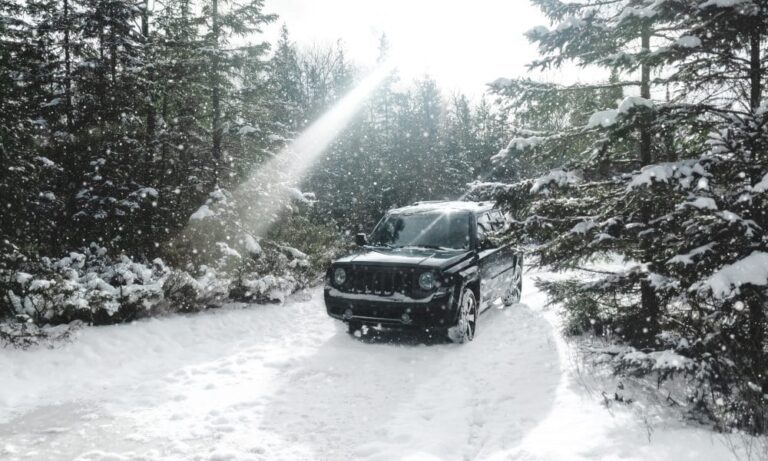
Winter is creeping in, and if you live where snow and ice show up for real, it is worth getting serious about your vehicle before the cold starts to control your schedule. I am not saying every car is useless in winter. Most cars can move in snow if everything is in good shape. But some vehicles handle slippery conditions better, and some are easier to live with when roads get rough.
If your budget is not “buy anything you want,” you still have options. You can pick a winter-ready ride without spending a fortune, especially if you shop smart for used AWD or 4×4 models and you pair the car with the right winter tires. In this guide, I will focus on a few affordable winter vehicles that are known for doing well when the weather turns nasty, plus what to check so you do not get stuck with a snow-day headache.
Here are three standouts to consider, along with practical buying tips and winter-driving advice. If you make the right choice now, you will feel it every time you pull out of the driveway when everyone else is still debating whether they should go out.
Affordable Winter Cars That Are Perfect For Snow
Before we jump into the specific models, let us agree on something simple: “good in snow” is not just about having AWD or 4×4. It is about traction, stability, clearance, and how the car behaves when you accelerate, brake, and turn on ice. It is also about what condition the car is in when you buy it.
For a realistic winter setup, your best results usually come from combining three things: the right driveline, winter tires, and a car that is mechanically healthy. You can have the perfect brand and still struggle if the tires are worn, the brakes are tired, or the AWD system is not functioning the way it should.
How to choose a budget winter car that actually works
When you are shopping on a budget, you usually have to compromise somewhere. The key is choosing which compromise is least likely to punish you in snow.
Here is the filter most winter drivers should use.
- Get the traction you need: AWD or 4×4 helps, but it only helps if it is working correctly and you have appropriate tires.
- Choose a car with decent clearance: Snow piles and icy ruts can trap a low car. Clearance affects whether you can move smoothly over uneven drifts.
- Buy within a realistic tire budget: A cheap winter car can become expensive if you also need a full set of tires and repairs.
- Prioritize stability: Electronic stability control is a big deal on ice. You want a vehicle that does not feel loose.
- Look for service records: In winter, neglected maintenance shows up quickly. Brakes, tires, fluids, and AWD components matter.
With that in mind, let us talk about the three models below. Each one is affordable, but each also has a specific reason it can fit winter life.
Quick comparison: what you get for the money
| Model | Why it can work in snow | Typical affordable used price mentioned | Watch-outs when buying |
|---|---|---|---|
| Suzuki SX4 AWD | Four-wheel drive traction with winter reliability focus | For less than $10,000 (used hatchback mentioned) | Fuel costs can feel higher than expected |
| Toyota Sienna | Comfort and stable handling for snow plus room for people and cargo | Pre-owned as little as $4,995 mentioned | Minivans are practical, but check sliding-door and suspension condition |
| Jeep Patriot 4×4 | Winter “beast” attitude with four-wheel traction and adventure-ready feel | Less than $5,000 mentioned | Below-average reliability mentioned, so inspection matters a lot |
Now, let us get into each one. I will keep it practical, because buying a winter car is not about reading stats. It is about making sure the car will help you get where you need to go when the weather turns.
Suzuki SX4 AWD
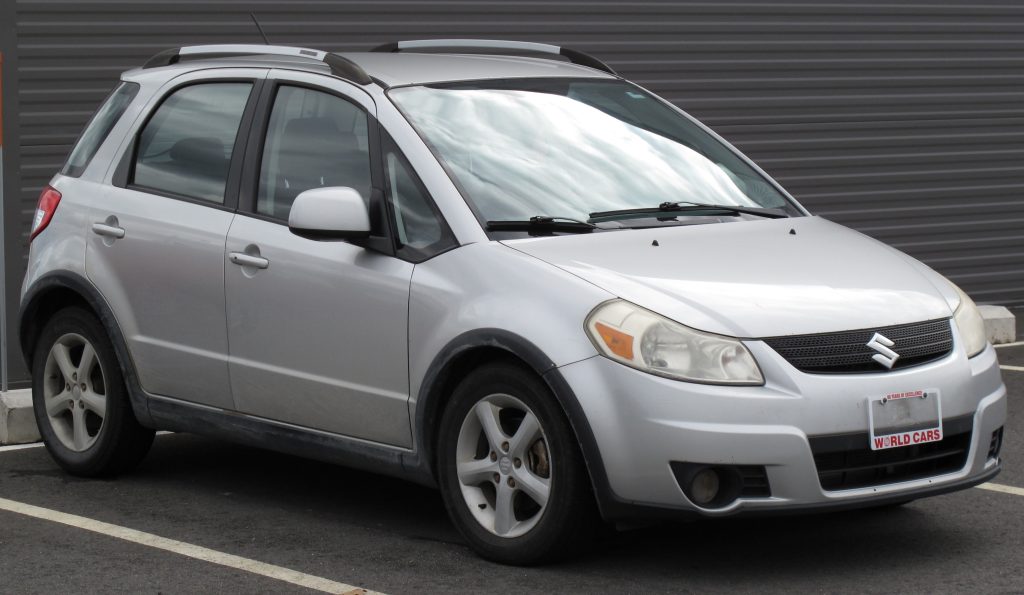
What makes the Suzuki SX4 AWD interesting for winter is the fact that you can get a four-wheel-drive hatchback and still keep the purchase price reasonable. The original idea here is simple: for less than ten thousand dollars, you can find a used hatchback option. That is a big deal when you need winter traction but you cannot justify a brand-new AWD crossover.
Another point that stands out is reliability in winter months. It is described as still reliable and affordable throughout the winter season. In practical terms, that usually means the vehicle does not fall apart the first time you deal with cold starts, heavier braking, and salt-road grime.
Now for the part buyers should not ignore. The original breakdown notes that gas costs can be on the higher end, even if the purchase price is lower. That means your monthly costs might not be as “cheap” as you first assume, so you should budget for fuel while you compare against other options.
But here is a realistic way to think about it. If you spend less upfront and you drive safely, you can still come out ahead compared to buying a more expensive AWD vehicle. Winter driving is rarely about saving every dollar on day one. It is about getting a setup that keeps you moving without constant repairs.
How to buy a used SX4 AWD for winter (what to check)
If you are going to rely on this car when snow hits, you should focus your inspection on a few winter-critical areas. The goal is to make sure the “AWD capability” is not just a badge. It should work correctly.
- Test the AWD system: Ask the seller about service history. If possible, test-drive and listen for unusual noises when AWD engages.
- Check tires before you buy: Winter tires matter more than most people realize. The best AWD system still struggles with summer rubber on ice.
- Inspect brakes and rotors: In winter, braking is your safety margin. Look for uneven wear and confirm braking feels steady.
- Look under the car for rust: Salt can hide problems. Pay attention to exhaust condition and underbody corrosion.
- Confirm cold-start behavior: A short cold-start test can reveal issues that warm starts hide.
Even if the model is known for winter reliability, used-car condition is the real story. You want the best example you can find, not just the best price.
Practical winter driving tips for an AWD hatchback
AWD can help you accelerate on slippery surfaces, but it does not mean you can ignore braking distance and traction limits. Think of AWD as traction support, not a magic safety bubble.
These habits reduce stress on your drivetrain and improve control.
- Use smooth inputs: Gentle acceleration and early, gradual braking keep the wheels from losing grip.
- Avoid sudden steering: Sharp turns on ice can overwhelm traction even with AWD.
- Leave extra space: Your safety distance should increase in icy weather.
- Check tire pressure often: Cold weather changes tire pressure, which affects traction and stability.
If you want a small winter-friendly car that stays affordable, the SX4 AWD is a strong contender. You just have to be honest about the fuel side and invest in the right tires.
Toyota Sienna
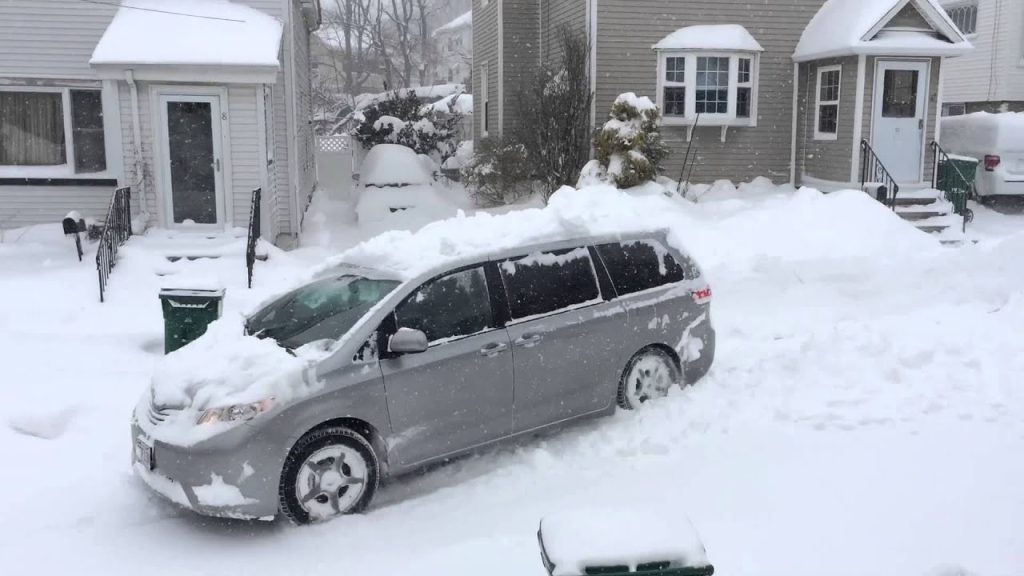
Minivans sometimes get a bad reputation, but for winter life, they often make more sense than people expect. The original breakdown points it out directly: minivans can be ideal for a family with more than five members. That matters in winter because you are not only carrying people. You are also carrying coats, boots, groceries, and sometimes winter gear.
Here is the standout claim about this Toyota Sienna: it is described as a beast when handling snow. It also emphasizes that both passengers and freight can be transported safely through slick, icy roads. In practical terms, minivans have a stable, predictable driving feel compared to smaller cars. They also tend to give you more room to keep everyone comfortable when the weather is rough.
Price matters, and the original note gives you a clear starting point. A pre-owned Sienna can be purchased for as little as $4,995. That is the kind of number that makes it possible to buy a winter vehicle without turning your whole savings into a down payment.
Now let us talk about what you should expect. A used minivan is not just a cheap way to carry people. It is a commitment to upkeep. Winter can stress suspension components and increase wear on brakes, so the best deal is usually the best maintained example you can find, not just the lowest price tag.
What to check on a used Sienna before you trust it in snow
Because this is a family vehicle, you want to make sure it is safe and stable. That means focusing on reliability basics and winter comfort features.
- Suspension condition: Look for clunks, uneven tire wear, and bounce when you hit bumps.
- Brake health: Make sure braking feels consistent and not spongy.
- Heating and defrost: Winter comfort depends on the heater. Defrost performance matters for visibility.
- Tire condition: Even with a great car, old tires can ruin traction.
- Sliding doors and seals: Check that doors close properly and seals prevent water intrusion and cold air leaks.
- Service records: You want proof of regular maintenance. If the records are missing, be extra cautious.
If the vehicle has been maintained and you put good winter tires on it, the Sienna can be the kind of winter family car that keeps everyone calm instead of stressed.
Why a Sienna can feel easier during winter storms
When snow shows up, small conveniences become big deals. A minivan gives you more stable cabin space, better room for layers of clothing, and a more comfortable ride over rough pavement.
Also, when the weather is cold, visibility is everything. You want fast defrost and good wiper performance, especially when roads spray slush and salt water.
If you are carrying kids, older relatives, or a full carload of winter items, the Sienna’s “space and stability” are exactly what you want.
Jeep Patriot 4×4
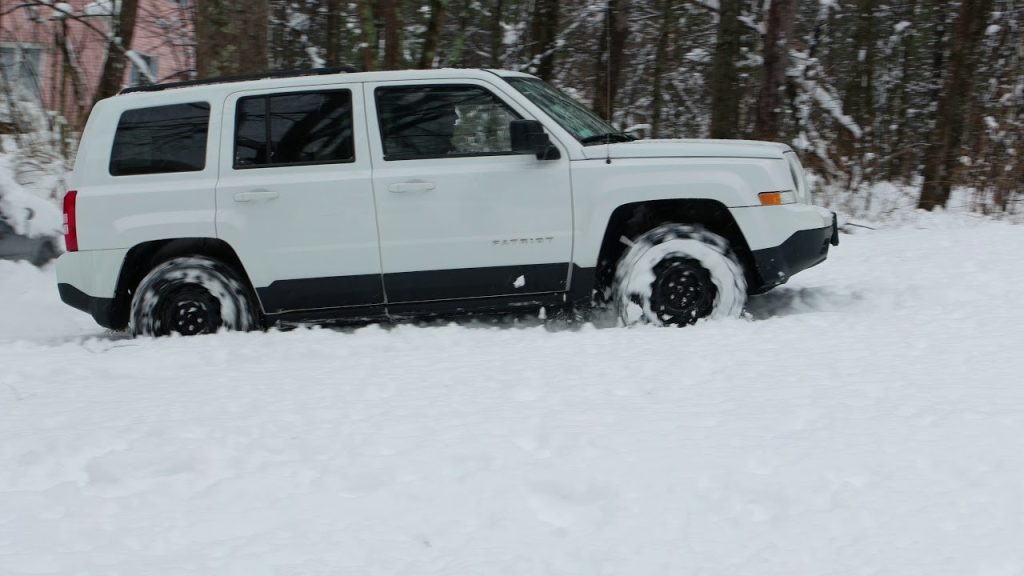
Let us shift the vibe a little. The Jeep Patriot 4×4 is the “get it done and go explore” option in this list. The original breakdown calls it legendary and describes it as a beast for overcoming the challenges winter brings. It also mentions that it has manual qualities that can let you start deeper adventures into forest roads, which is the kind of freedom some drivers want when snow turns the world into a different place.
One detail you should read carefully is reliability. The original note does not hide the downside. It says the Patriot might not be the best model the company ever produced due to below-average reliability. That is not a reason to automatically avoid it. It is a reason to slow down and inspect it properly before buying, because reliability is exactly what you want most when the cold surprises you.
Price is where this Jeep becomes tempting. The original breakdown states you can get this 4×4 vehicle for less than $5,000. That price band is very rare for a true 4×4 option that still feels capable for winter weather. If you buy one with a good maintenance history and you plan for occasional repairs, it can still be a smart winter play.
But here is the real-world approach. You do not buy this Jeep as a “set it and forget it” vehicle. You buy it because you want traction, capability, and a winter-friendly driving feel, and you are willing to verify condition so you do not buy problems.
How to buy a Patriot 4×4 without stepping into a money pit
Since reliability is the warning here, you need to be more methodical. You want a Patriot that shows consistent care.
- Test the 4×4 system: Ask how it was driven and whether the transfer case has been serviced. Listen for unusual noises on engagement.
- Inspect underbody for rust: Salt can destroy components fast. Look under the car and around wheel wells.
- Check transmission and drivetrain response: Drive it. Pay attention to shifting smoothness and any delayed engagement.
- Look for overheating history: A winter car that overheats can turn into a repeated repair cycle.
- Inspect tires and alignment: If it feels unstable or pulls, fix it early. Winter instability gets worse quickly.
- Ask for service history: A well-documented vehicle reduces uncertainty. Missing records is a red flag at this price point.
If you find a well-maintained example, the Patriot can feel like a capable winter partner. If you find a neglected one, you will end up paying for repairs during the worst months, which is the opposite of what you want.
What it feels like to drive a 4×4 in snow
In snow, a 4×4 system helps you gain traction when you accelerate and when you crawl over uneven slush. It also helps reduce wheel spin, which keeps you from feeling like you are stuck.
Even so, you still need controlled speed and smooth steering. Four-wheel drive helps you move, but braking and turning still require respect on ice.
Winter is more than AWD or 4×4: the essentials that make the car safer
Let us take a step back. You can buy an affordable winter car and still struggle if the “winter basics” are missing. The most common mistake is assuming the drivetrain alone is enough. It is not.
Here is what makes the biggest difference after you pick the right model.
Winter tires are the real traction upgrade
Winter tires are designed to stay flexible in cold temperatures. That flexibility helps them grip ice and packed snow. All-season tires can work in light snow, but on icy roads, winter tires are the difference between “controlled driving” and “sliding.”
When you compare deals, do not ignore tires. A car that is cheap to buy can be expensive if it needs tires immediately. A fair deal is one where both the car and the tires are ready for winter.
Visibility is safety, so protect it
Winter driving is mostly about visibility. Slush and salt reduce clarity quickly, so you need good wiper blades and the right washer fluid. When the glass is foggy or covered in grime, your attention gets pulled away from the road.
Check your defrost and make sure the heater clears windows fast. If the car struggles to clear fog, snow driving becomes stressful and slower than it should be.
Brakes and fluids matter more in winter
Brakes take a beating in cold weather. Salt and moisture can affect rotors and brake performance. Low brake fluid or worn pads can make stopping unpredictable.
Also, use the correct coolant mixture and verify it is topped up. Cold weather can expose cooling system issues, and that is the last thing you want right after buying your winter car.
Carry a simple winter emergency kit
Most winter problems are not failures. They are small moments that turn into stuck situations. Having a few items can help you avoid waiting a long time.
- Small shovel
- Jumper cables or a jump starter
- Blanket
- Work gloves
- Flashlight
- Ice scraper and snow brush
- Non-perishable snacks and water
- Tire pressure gauge
That kit helps whether you bought a budget AWD hatchback or a capable 4×4. Winter does not care what you paid for the car. It only cares about traction and preparedness.
Budget winter car inspection: what to check before you hand over money
Used winter cars can be great value, but they can also hide problems. The goal is to inspect for winter stress points so you do not buy a vehicle that fails when temperatures drop.
Here is a checklist you can use for any of the cars in this guide, including the SX4 AWD, Sienna, and Patriot 4×4.
Used-car winter checklist (quick but effective)
- Cold-start test: Ideally start the car when it is cold and watch for rough idle, smoke, or warning lights.
- Check the tires: Look at tread depth and sidewall condition. Confirm tires are appropriate for winter use.
- Scan for warning lights: Use a basic scanner if possible. Pay attention to drivetrain and transmission codes.
- Inspect the brakes: Check for uneven pad wear and rotor condition. Listen for squealing or grinding.
- Confirm AWD or 4×4 engagement: Ask how it was tested and whether there were any symptoms.
- Inspect fluids: Transmission fluid condition matters, as does engine oil cleanliness and coolant levels.
- Look for rust and underbody damage: Focus on wheel wells, frame areas, exhaust, and wiring routes.
- Drive it on slippery surfaces if possible: Even a wet patch can show issues. Pay attention to traction control behavior.
- Check cabin heat and defrost: Winter comfort and visibility depend on it.
If you follow that checklist, you reduce the chance of buying a vehicle that only looks good on a dry showroom day.
AWD, 4×4, and winter control: what is the difference for you?
Let us clear up something drivers often misunderstand. AWD and 4×4 are not the same experience for every vehicle. Some AWD systems help all the time. Some engage based on slip. Some 4×4 systems are designed more for off-road use.
For winter driving, your main concern is how the system behaves when the road is slippery and you change speed or apply power.
| System | How it usually behaves | What it means for winter driving |
|---|---|---|
| AWD (all-wheel drive) | Power may go to all wheels, sometimes continuously or based on slip | Helps with traction and stability during acceleration |
| 4×4 | Designed for tougher traction situations, often with stronger off-road focus | Can be excellent for snow and rough conditions if maintained |
| FWD (front-wheel drive) without AWD | Power goes to the front wheels only | Can still do well with winter tires, but needs careful speed control |
The cars in this article lean toward AWD or 4×4 because that matches the real-world needs of snow driving. Even so, you should always verify tires and maintenance, because the system only works as well as the components supporting it.
Realistic snow-day examples (so you can picture it)
Let us put these recommendations into scenarios. That way, you can match the vehicle to your life instead of just reading numbers.
Example 1: your daily commute has icy corners
You live in a city where roads get treated sometimes, but not evenly. Morning is usually the worst. Your priority is a car that feels stable in mild snow and wet ice, and a price that does not drain you right away.
In this case, the Suzuki SX4 AWD makes sense if you find a good used one and you invest in winter tires. AWD traction helps you accelerate without excessive wheel spin, and the used price target keeps the entry cost low.
Example 2: you need room for a full family and winter gear
You have a bigger household and you often drive together. When snow hits, everyone ends up carrying coats and bags, and your car needs to handle that without turning the ride into a uncomfortable squeeze.
The Toyota Sienna fits that lifestyle. The original note highlights how it is ideal for a family with more than five members, and it also emphasizes safe transport of passengers and freight through slick icy roads. When snow weather reduces patience, a roomy stable minivan can feel like relief.
Example 3: you want a capable 4×4 for trails and rough winter roads
In your area, winter is not only about city streets. You also have forest roads, rough patches, and uneven snow. You want a vehicle that feels ready for the kind of drive that goes beyond commuting.
That is where the Jeep Patriot 4×4 can work, especially because the original breakdown calls it a beast for winter challenges. The reliability warning is real, so you should buy carefully, verify the 4×4 function, and expect to do maintenance. If you do that, the Patriot can feel like the adventure tool you wanted.
What if your budget does not include winter tires right away?
This is the part where I get honest with you. If you live where ice is common, driving without winter tires is a risk you should not treat lightly. AWD helps, but it cannot fully replace the grip designed into winter rubber.
If money is tight and you must drive immediately, the next best approach is to delay driving until conditions improve. When you must drive, slow down, brake early, and avoid sudden lane changes. Then prioritize winter tires as soon as you can.
Here is a practical ordering of priorities. If your goal is safety first, it usually goes: tires, brakes and suspension health, then the drivetrain. That is why buying a cheaper winter car still requires you to spend carefully on the maintenance parts that matter most.
Should you wait to buy until the cold peaks?
Many people wait because they think prices or availability will be better later. In real life, winter can change demand fast. If you wait until roads get icy, you might feel rushed and end up buying a worse condition vehicle.
Buying early gives you time to test-drive properly and to check the vehicle in conditions that make sense. You can also take a day to compare the best examples of the SX4 AWD, Sienna, and Patriot 4×4, instead of grabbing the first “almost good” deal you find.
A simple shopping plan for the next two weeks
- Set your budget ceiling: Include taxes, tires, and a basic emergency kit, not only the purchase price.
- Pick your top two models: For example, SX4 AWD and Sienna if you need practicality, or SX4 AWD and Patriot 4×4 if you want capability.
- Inspect three candidates minimum: Do not get emotionally attached to the first listing.
- Drive each on wet roads if possible: Pay attention to traction control and braking stability.
- Confirm service records: Especially for the Patriot 4×4 due to the reliability warning mentioned in the original guidance.
- Plan tire purchases early: Even if the tires are not ready today, decide which ones you will buy.
If you follow that plan, you reduce the odds of making a rushed decision when winter starts acting unpredictable.
So which one should you choose?
Let us match each vehicle to the driver it fits best. This is not about ranking them as “best overall.” It is about choosing the car that fits your winter reality.
| If you are the kind of driver who… | Choose this | Why it fits |
|---|---|---|
| Wants AWD traction but needs a low entry price | Suzuki SX4 AWD | Used hatchback for under $10,000 mentioned, with winter reliability focus |
| Has a bigger family and needs space plus stable winter comfort | Toyota Sienna | Good snow handling for passengers and freight, with pre-owned pricing starting around $4,995 mentioned |
| Wants 4×4 capability and does not mind careful buying | Jeep Patriot 4×4 | Winter “beast” capability and manual-feel adventure vibe, often priced under $5,000 mentioned, with reliability inspection required |
Here is the key question you should answer before you drive away with any car: are you choosing based on traction and real winter readiness, or are you choosing based on the listing photos and a random price?
Because the wrong choice can turn every snowfall into a stressful event. The right choice can make winter feel manageable again.
Your next move before the snow starts
Before you buy anything, ask yourself this: do you have a plan for winter tires, and did you inspect the AWD or 4×4 system on the exact car you are considering? If the answer is no, stop scrolling and start inspecting this week, because that is what keeps you moving when the roads get ugly.