
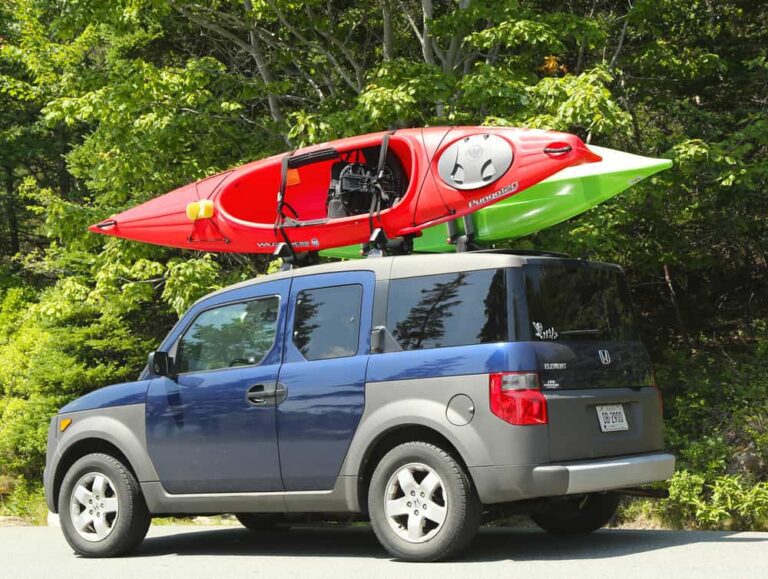
Honda pulled the plug on the Element back in 2011, and to this day, plenty of people still ask me why. As a mechanic, I have seen more than my fair share of these boxy little SUVs roll into the shop, and I get the appeal instantly. They were tough, roomy inside for their size, and sipped gas better than most vehicles in their class. Owners did not just drive these things, they drove them into the ground, often well past the 300,000 mile mark before finally shopping for something new.
Here is the problem though. If you want that Element experience today, you either hunt down a used one with a questionable odometer reading, or you look elsewhere. Good news: there are several current models that capture a lot of what made the Element special. Some even improve on it. Let us walk through what made the Element so beloved, then get into the vehicles that can fill its shoes in 2021 and beyond.
What Made the Honda Element So Hard to Let Go Of
The Element quit production in 2011, but its reputation only grew stronger afterward. Owners loved it enough to push these vehicles far beyond what most manufacturers would consider a normal service life. I have personally worked on Elements that crossed 320,000 miles before their owners finally started shopping for a replacement, and that says something about how these things were built.
Do not just take my word for it either. Over at Edmunds, 203 consumers reviewed the used Honda Element, and only one person gave it a bad review. One. Out of two hundred and three. That kind of consistency is rare in the used car world, where opinions usually swing all over the place depending on how a particular unit was maintained.
So what were the actual numbers behind this cult favorite? Here is a quick breakdown:
- Original price (2011): $20,825 to $24,185 depending on trim and options
- Fuel economy: 20 mpg city, 25 mpg highway
- Seating: Four passengers
- Engine: 2.4-liter inline four-cylinder producing 166 horsepower and 161 pound-feet of torque
- Fuel tank: 15.9 gallons, which meant fewer trips to the gas station
That engine was never going to win any drag races, and towing capacity was modest at best. But that was never the point. The Element was built for road trips, gear hauling, and daily reliability, not chasing horsepower numbers.
Sure, you could still buy a used one. But since owners loved these vehicles enough to drive them into six-figure mileage territory, finding a clean example with reasonable miles left on it takes patience. If you would rather buy new, here are the vehicles I would point you toward instead, several of which actually beat the Element on fuel economy.
Quick Comparison: How These Element Alternatives Stack Up
Before we get into the details on each one, here is a snapshot comparing the key numbers side by side.
| Model | Starting Price | Horsepower | Seating | Cargo Space (seats down) |
|---|---|---|---|---|
| 2021 Volkswagen Golf | $23,195 | Up to 60 mpg trims | 5 | 52.7 cu ft |
| 2021 Jeep Renegade | $22,830 | 177 to 180 hp | 5 | 50.8 cu ft |
| 2021 Subaru Forester | $24,795 | 182 hp | 5 | 76.1 cu ft |
| 2021 Ford Bronco Sport | $26,660 | Up to 250 hp | 5 (tight rear seat) | 65.2 cu ft |
| 2021 Jeep Gladiator | $33,545 | 250 to 285 hp | 4 | Open truck bed |
| 2021 Land Rover Defender | $46,100 | 296 to 395 hp | 5 to 7 | Up to 78.8 cu ft |
That is a wide range of prices and personalities. Let us break down each one so you can figure out which direction actually fits your driving life.
2021 Volkswagen Golf: The Closest Thing to Element-Level Fuel Economy
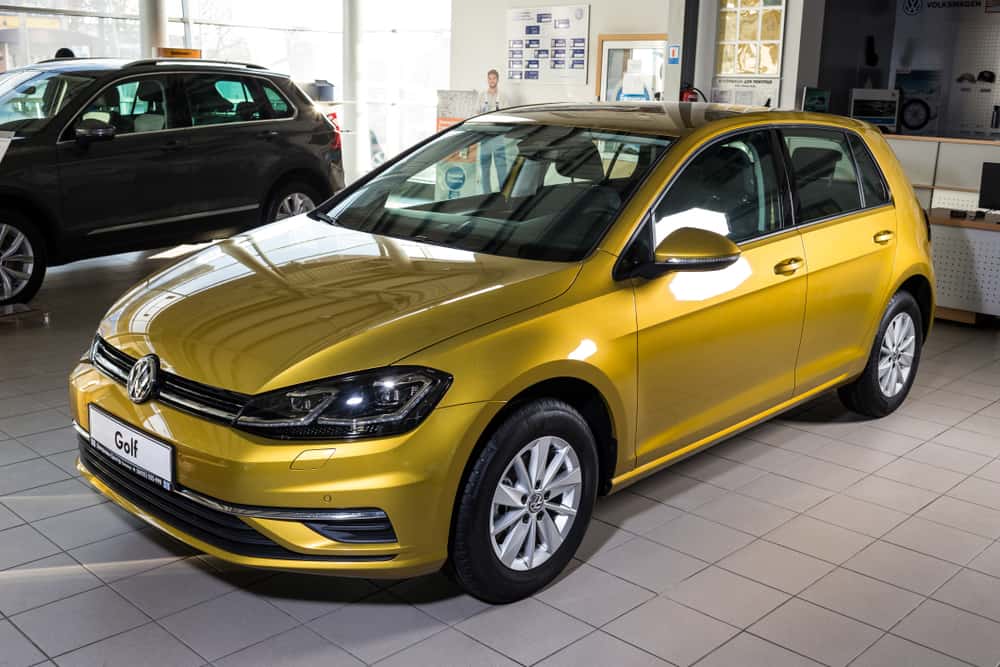
Technically, the Golf is a passenger car, not an SUV like the rest of this list. But hear me out, because the boxy hatchback shape and four-door practicality make it feel closer to the Element than you might expect at first glance.
The biggest win here is fuel economy. Some Golf configurations hit an impressive 60 mpg, numbers that make the Element’s 20/25 city and highway rating look outdated by comparison. You also get sharper, more precise handling than any SUV on this list can offer, since a lower center of gravity always helps in the corners.
Key specs to know:
- Price: Around $23,195
- Seating: Five passengers with real leg and headroom
- Cargo space: 22.8 cubic feet behind the rear seats, expanding to 52.7 cubic feet with them folded down
If you want something with a bit more attitude, the GTI trim delivers genuine sportiness, the kind that might tempt you into a stoplight drag race now and then. Just be aware that Volkswagen is winding down Golf sales in the United States starting in 2021, so if this one catches your eye, do not wait around too long to act on it.
2021 Jeep Renegade: Off-Road Capability on a Budget
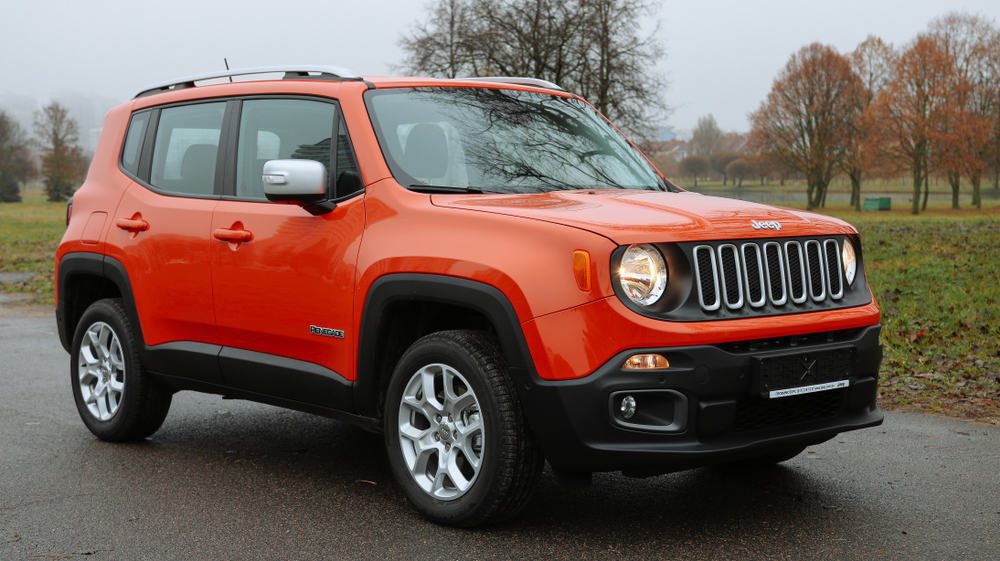
Here is a fact that surprises a lot of shoppers: you can spend less on a brand new Jeep than you would on that Volkswagen Golf. The Renegade starts at $22,830, and while it will never touch 60 mpg, it brings genuine off-road chops that the Golf simply cannot match.
Jeep has always leaned into boxy styling, though the Renegade got a few rounded edges in a recent redesign. Even so, that classic Jeep DNA is still very much present, especially once you start climbing over rocks or fording shallow creek crossings.
What stands out about this one:
- Trailhawk trim significantly boosts off-road capability if that is your priority
- Infotainment system ranks among the best in the entire auto industry, a genuine surprise for a vehicle at this price point
- Engine options: 2.4-liter four-cylinder at 180 horsepower, or a 1.3-liter turbocharged four-cylinder at 177 horsepower
- Seating: Five passengers with comfortable leg and headroom
- Cargo space: 18.5 cubic feet behind the rear seats, growing to 50.8 cubic feet folded down
Neither engine will impress you on towing duty, but that was never what this vehicle was designed for. Think rock crawling and weekend trail adventures, not hauling a boat to the lake.
2021 Subaru Forester: Safety, Space, and a Boxer Engine
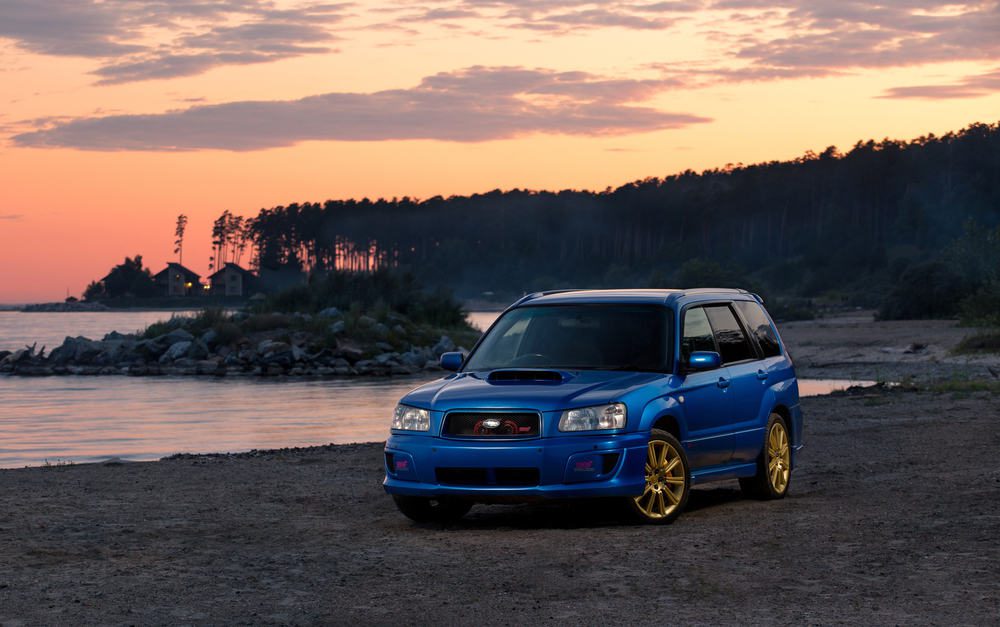
Subaru built its entire brand reputation around safety, and the Forester carries that torch forward while also delivering genuine off-road ability. This compact crossover blends boxy practicality with just enough curve to keep things visually interesting.
Under the hood sits a boxer engine, four horizontally opposed cylinders producing 182 horsepower, paired with standard all-wheel drive. That combination gives the Forester surprisingly capable off-road manners for a vehicle that most people buy purely for daily commuting.
Numbers worth knowing:
- Price: Around $24,795
- Seating: Five adults, comfortably
- Cargo space: 31.1 cubic feet behind the rear seats, an enormous 76.1 cubic feet with them folded flat
That cargo figure deserves a second look. Seventy-six cubic feet is enough room to toss in a couple of mountain bikes without even removing the front wheels, something Element owners used to brag about with their own vehicles back in the day. Pair that practicality with a genuinely well-appointed interior and a top-tier infotainment system, and it becomes clear why the Forester has stayed a strong seller year after year.
2021 Ford Bronco Sport: Rugged Looks With Real Off-Road Hardware
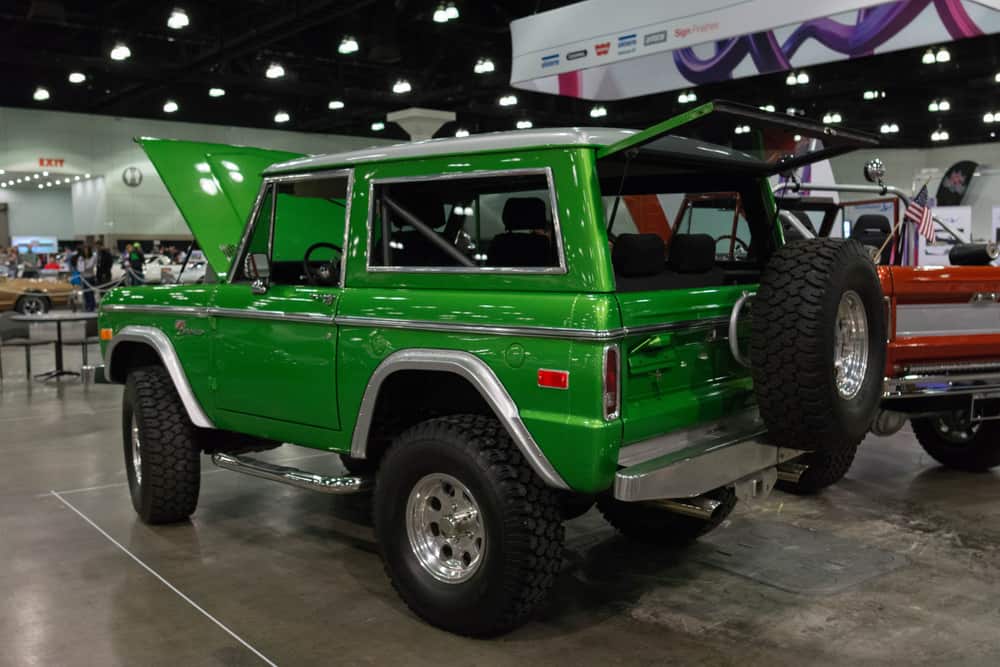
Ford brought back the Bronco name with real intention behind it, and the Bronco Sport variant delivers genuine off-road hardware in a smaller, more affordable package. Starting at $26,660, this one leans boxier than the Forester or Renegade, and that is clearly by design.
Skid plates protect the vehicle’s undercarriage during rougher trail sessions, and standard all-wheel drive helps keep things planted when the terrain gets unpredictable. Under the hood, you get a choice between a three-cylinder or four-cylinder turbocharged engine.
Details that matter:
- Four-cylinder engine: 250 horsepower and 277 pound-feet of torque
- Back seat: On the smaller side, better suited for kids than full-grown adults on long trips
- Headroom: Generous thanks to the tall body style
- Cargo space: 32.5 cubic feet behind the rear seats, 65.2 cubic feet with them folded
In the real world, picture a family that takes weekend camping trips but does not need a full-size SUV the rest of the week. The Bronco Sport handles that dual role nicely, as long as the back seat passengers are not teenagers with long legs.
2021 Jeep Gladiator: When You Need an Actual Truck Bed
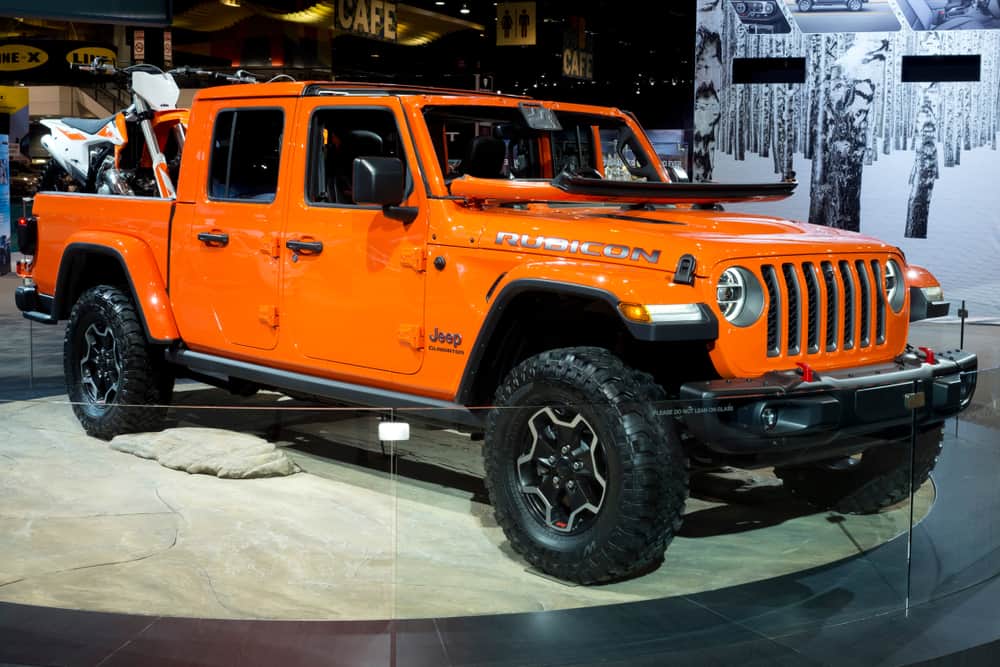
Now we are getting into genuinely different territory. Picture a four-door Jeep Wrangler, then bolt an open cargo bed onto the back like a pickup truck. That is essentially the Gladiator, and it brings a level of hauling flexibility that nothing else on this list can match.
The cargo bed alone opens up possibilities the Element never offered. Hauling bicycles, motorcycles, or building supplies becomes dramatically easier when you are not trying to cram everything into an enclosed cabin.
Under the hood, you have two solid choices:
- 3.6-liter V6: 285 horsepower, strong enough for towing a boat
- 3.0-liter turbo diesel: 250 horsepower with a hefty 442 pound-feet of torque
The Gladiator seats four adults comfortably, and just like the Renegade, it inherits that excellent Jeep infotainment system. The five-foot bed extends to a full eight feet once you drop the tailgate, which means sheets of plywood or hardy board sit flush instead of hanging precariously off the back. The tall bed sides also let you pile materials higher than you could with a standard truck.
Removable doors, a removable top, and a windshield that folds flat make this the go-to option for anyone who genuinely wants the open-air, bugs-in-your-teeth off-roading experience. All that capability comes at $33,545, a meaningful jump over the smaller SUVs on this list, but justified given what you get in return.
2021 Land Rover Defender: The Premium Route Back to Boxy Roots
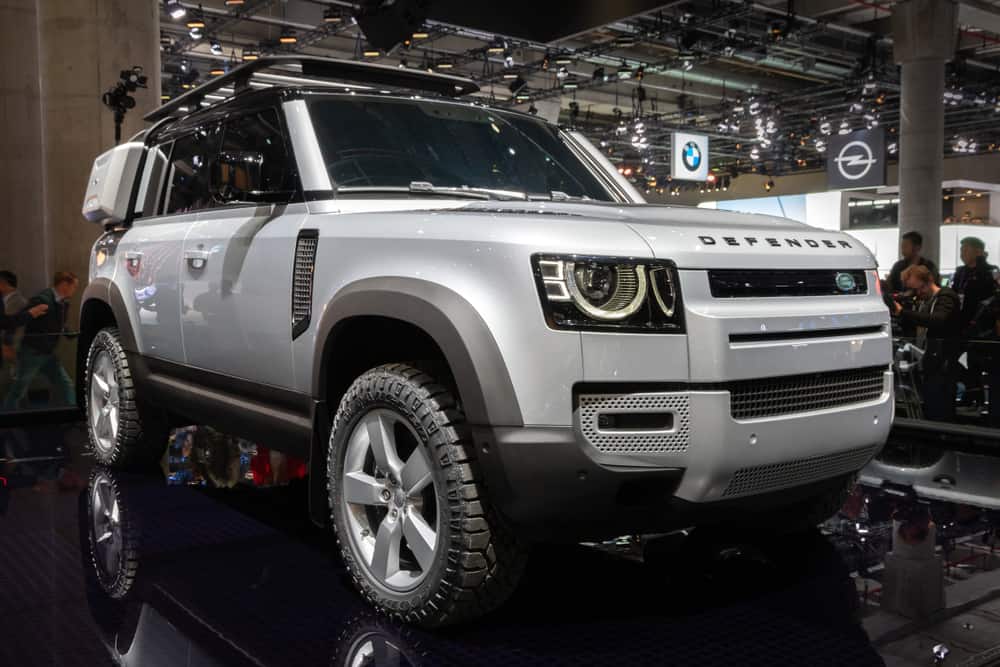
If budget is not your limiting factor, the Land Rover Defender represents the most refined evolution of that boxy, go-anywhere philosophy the Element originally tapped into. At $46,100, this is easily the priciest option here, but it also delivers the most height, cargo capacity, and genuine off-road pedigree.
That flat roof design is not just for looks either. It makes strapping down roof cargo, kayaks, ladders, extra luggage, noticeably easier than on vehicles with curved rooflines.
You get real choice in configuration:
- Defender 90: Two-door body style
- Defender 110: Four-door body style
- Standard engine: Four-cylinder turbocharged, 296 horsepower
- Upgraded engine: Turbo-six, 395 horsepower
Seating starts at five, though you can add a front jump seat to squeeze in a sixth passenger. The four-door 110 model goes even further, offering an optional third row that brings total seating to seven.
Here is where cargo numbers get interesting depending on configuration:
| Defender Configuration | Cargo Space (seats up) | Cargo Space (seats folded) |
|---|---|---|
| Defender 90 (two-door) | 15.6 cu ft | 58.3 cu ft |
| Defender 110 (four-door, no third row) | 34 cu ft | 78.8 cu ft |
| Defender 110 (four-door, with third row) | 10.7 cu ft | N/A |
That third row eats into cargo space pretty significantly, so think carefully about whether you actually need those extra seats or whether you would rather keep the storage room instead. Even so, this remains one of the most capable and stylish vehicles you can buy if you want that authentic boxy SUV feel with modern luxury touches layered on top.
So Which One Should You Actually Buy?
Honestly, it depends entirely on what you loved most about the Element in the first place. Was it the fuel economy? Go look at the Golf. Was it the off-road capability and rugged personality? The Renegade or Gladiator deserve serious consideration. Was it the cargo space for hauling gear on weekend adventures? The Forester and Defender both crush it in that department.
In the real world, I tell customers to think about their actual weekly routine rather than the adventurous version of themselves they picture on weekends. If ninety percent of your driving is commuting and grocery runs, do not buy a Gladiator just because the bed looks cool. Save that truck bed for someone who actually needs to haul lumber or gear on a regular basis.
Frequently Asked Questions About the Honda Element
Since so many people still search for information about this discontinued vehicle, let us clear up the most common questions I get asked at the shop.
How much does a used Honda Element cost?
The average price for a used Element sits around $8,237. If you are trying to find a comparably priced replacement vehicle, that number gives you a realistic starting point for your budget.
What actually makes the Honda Element such a good car?
Based on 203 consumer reviews on Edmunds, the Element earned an average score of 4.5 out of 5, an unusually consistent rating for a used vehicle. Owners consistently praise how well it drives and how long it lasts. With basic, routine maintenance handled at Honda dealerships or trusted independent shops, plenty of owners have logged more than 300,000 trouble-free miles.
Where can you buy a new or used vehicle similar to the Honda Element?
Local dealerships remain the obvious starting point, but online options have expanded significantly in recent years. Services like Carvana let you browse and purchase vehicles entirely online, and yes, those vending machine pickup locations are a real thing if you want a slightly unusual delivery experience. Some traditional dealerships still carry used Elements too, though inventory varies a lot depending on your region.
One Last Thing Before You Decide
Whichever direction you go, do yourself a favor and take an actual test drive before committing. Specs on a page tell you horsepower numbers and cargo dimensions, but they cannot tell you how the seat feels after two hours on the highway, or whether the infotainment screen is actually intuitive to use while driving.
The Element earned its cult following one road trip and one grocery run at a time, not through marketing hype. Whatever replaces it in your driveway should earn that same kind of loyalty through actual daily use, not just a good spec sheet. So which one are you taking for a spin first?
References:
- US News: The 14 Best Boxy Cars for 2021
- Edmunds: Used Honda Element for Sale
- Honda: Cars Similar to the Honda Element